 YardMate

Elliott's Lovegrass
Eragrostis elliottii
Easy · Beginner friendlyAbout Elliott's Lovegrass
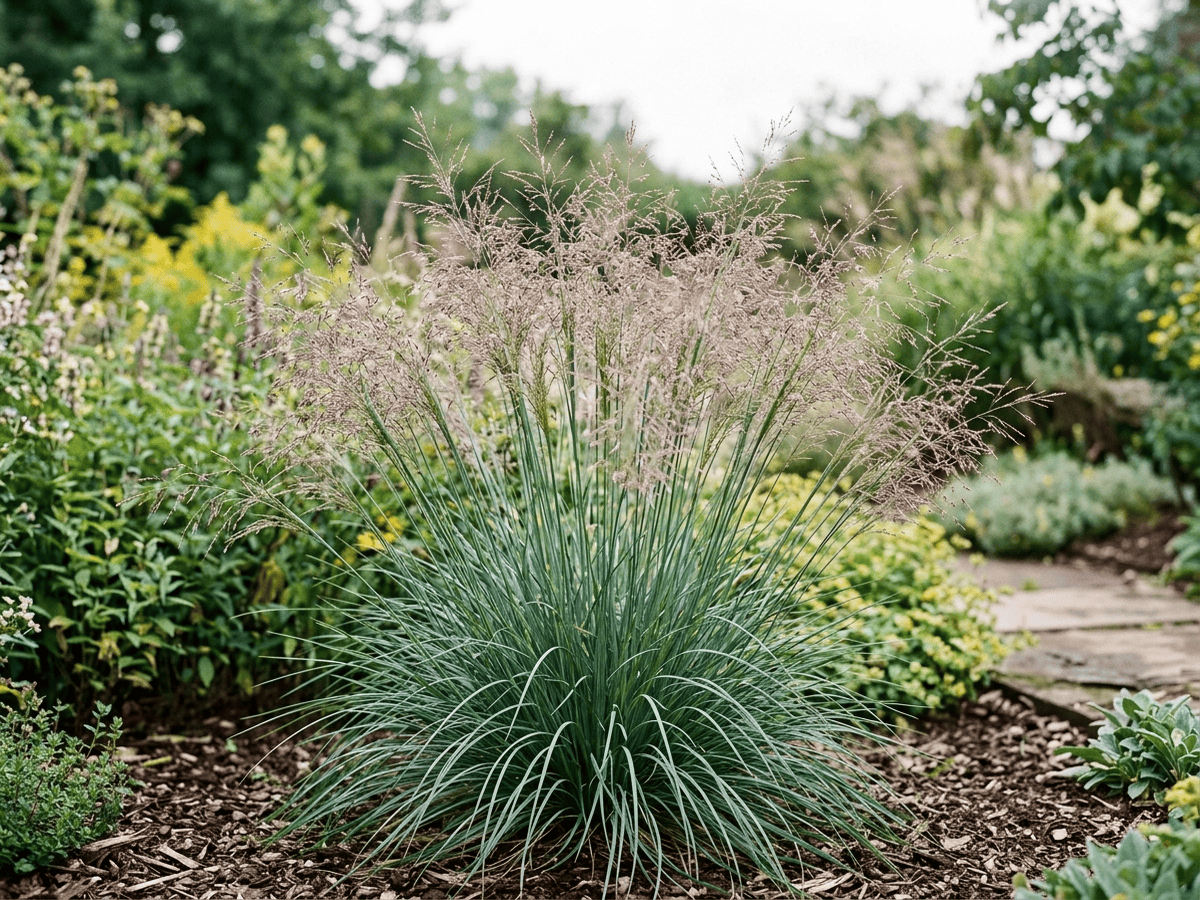
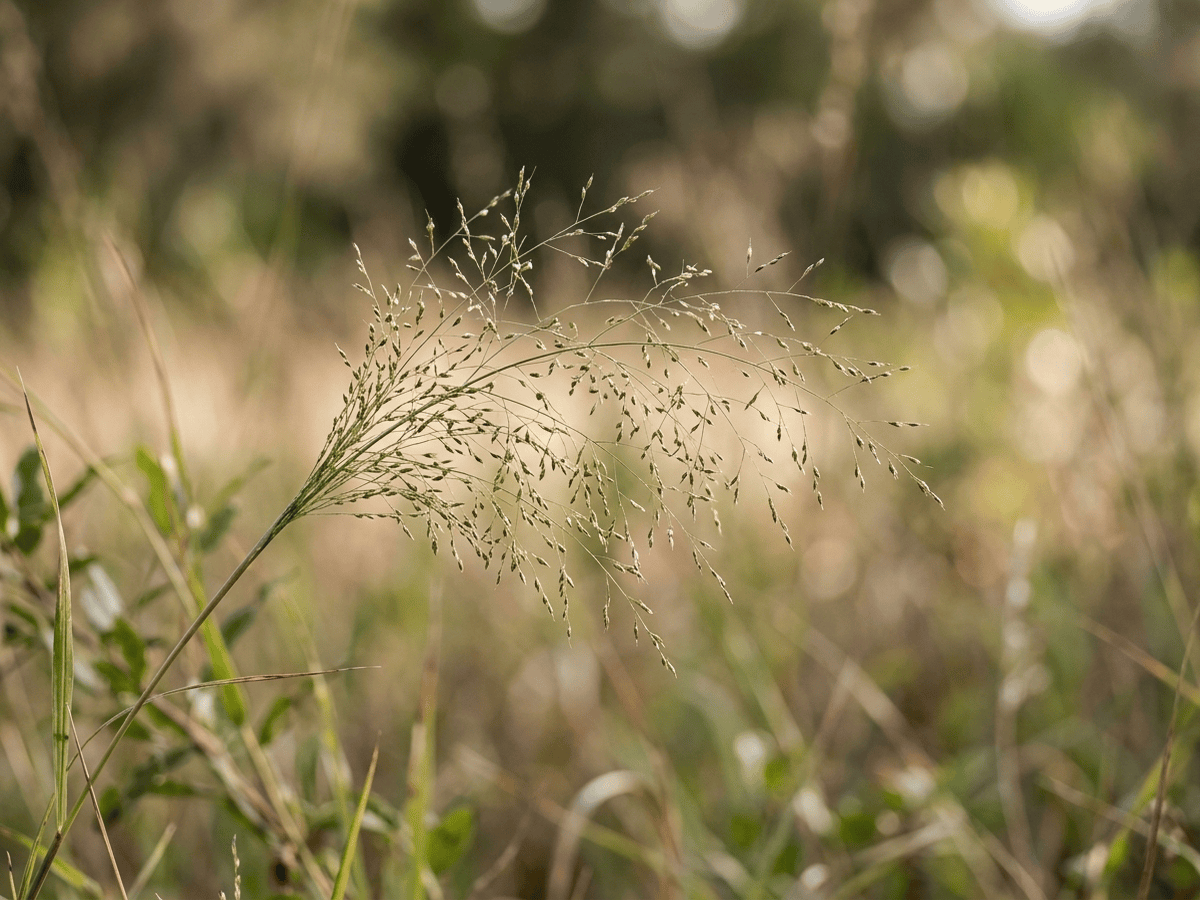
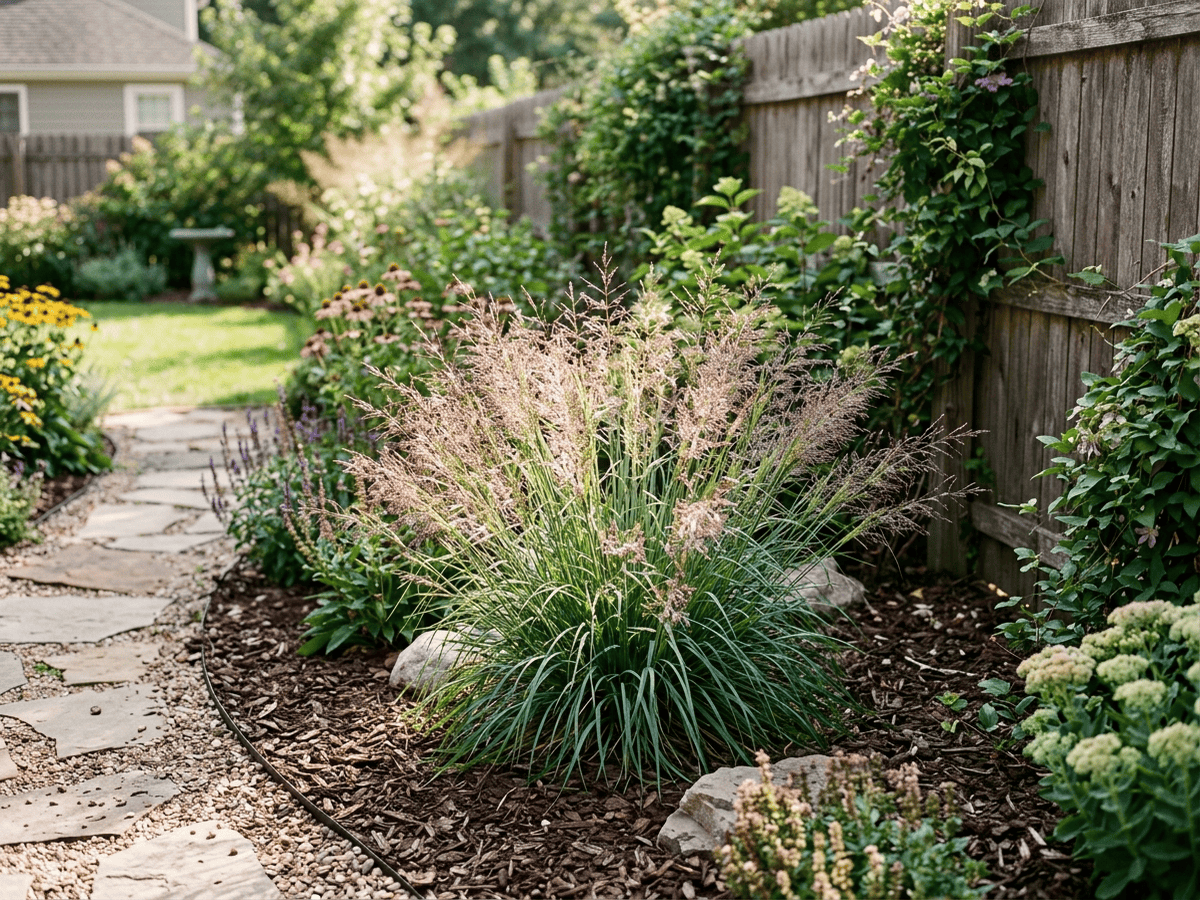
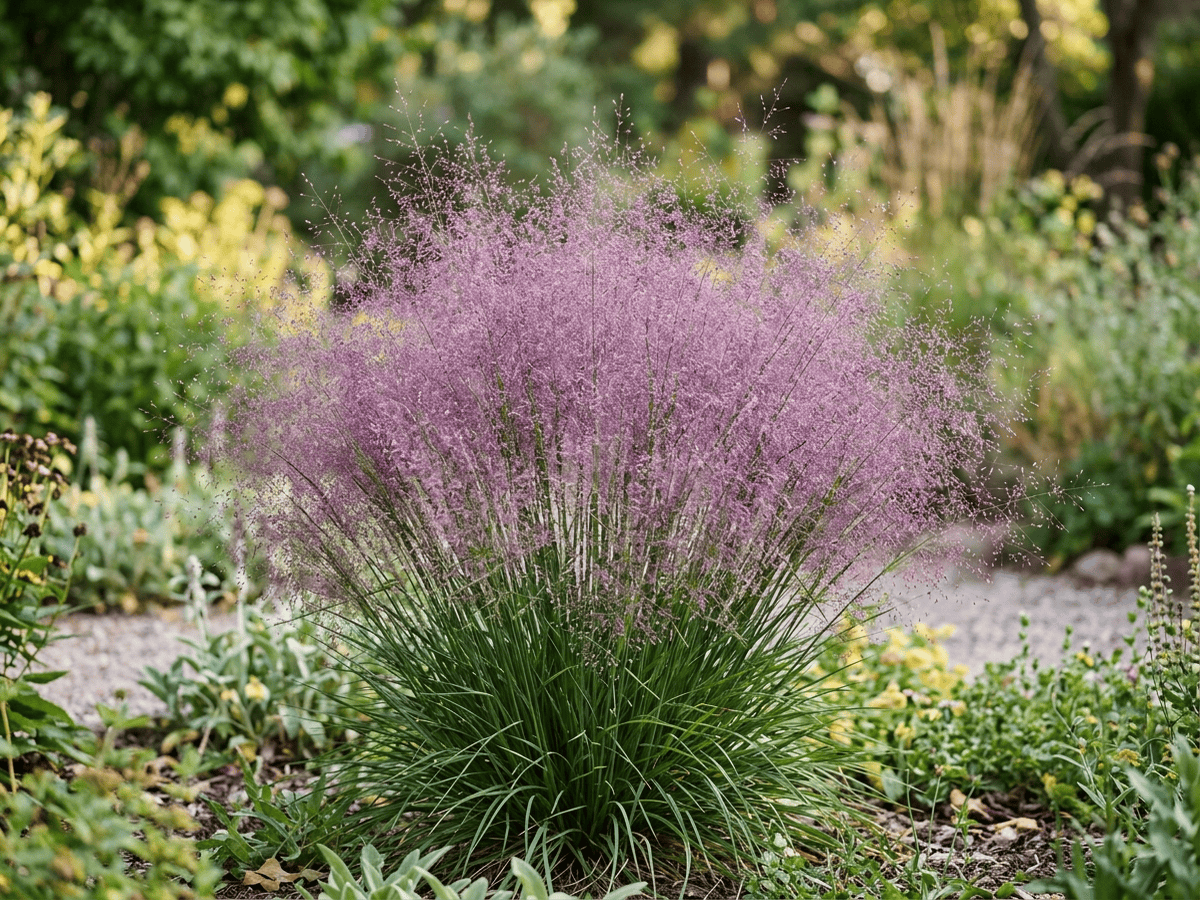
Elliott's Lovegrass is a Southeastern native warm-season grass reaching 18-30 inches tall, with fine blue-green foliage topped by airy silvery-white panicles in late summer and fall. Native to coastal plain pine savannas from North Carolina to Texas, it has gained popularity for its graceful blue foliage and shimmering blooms in modern Southeastern landscape design. The cultivar 'Wind Dancer' is a particularly popular selection.
- Drought-tolerant
- Native
How to care for Elliott's Lovegrass
Watering
- Springevery 14 days
- Summerevery 21 days
- Fallevery 21 days
- Winterevery 45 days
Soil · Well-draining
- Top dressingPine bark mulch10%
- Main mixPotting soil + perlite 2:170%
- DrainageLECA / gravel20%
Never skip the drainage layer — standing water is the top cause of root rot.
FERTILIZER
This plant needs little to no feeding.
At a Glance
- NativeNorth America, Central America
- Height2–3 ft (0.6–0.9 m)
- Spread2–3 ft (0.6–0.9 m)
- Flower colorWhite, Cream
- Foliage colorBlue-green
- SoilSandy, Well-drained
- LocationsYard
Bloom time
BLOOM CYCLE
Peak bloom
Aug–Nov
Airy silvery-white panicles in late summer to fall
Toxicity
Humans Safe · Pets Safe
None reported
Safe
EXPOSURE No exposure route is reported.
EFFECT No toxic effect is reported.
NOTE Listed as non-toxic for humans; avoid eating ornamental plants unless confirmed edible.
Safe
EXPOSURE No exposure route is reported.
EFFECT No toxic effect is reported.
NOTE Listed as non-toxic for dogs; avoid eating ornamental plants unless confirmed edible.
Safe
EXPOSURE No exposure route is reported.
EFFECT No toxic effect is reported.
NOTE Listed as non-toxic for cats; avoid eating ornamental plants unless confirmed edible.
Educational information, not medical or veterinary advice. If exposure is suspected, contact a doctor or veterinarian.
DISTRIBUTION


- Native
- Introduced
- North America
- Central America
History
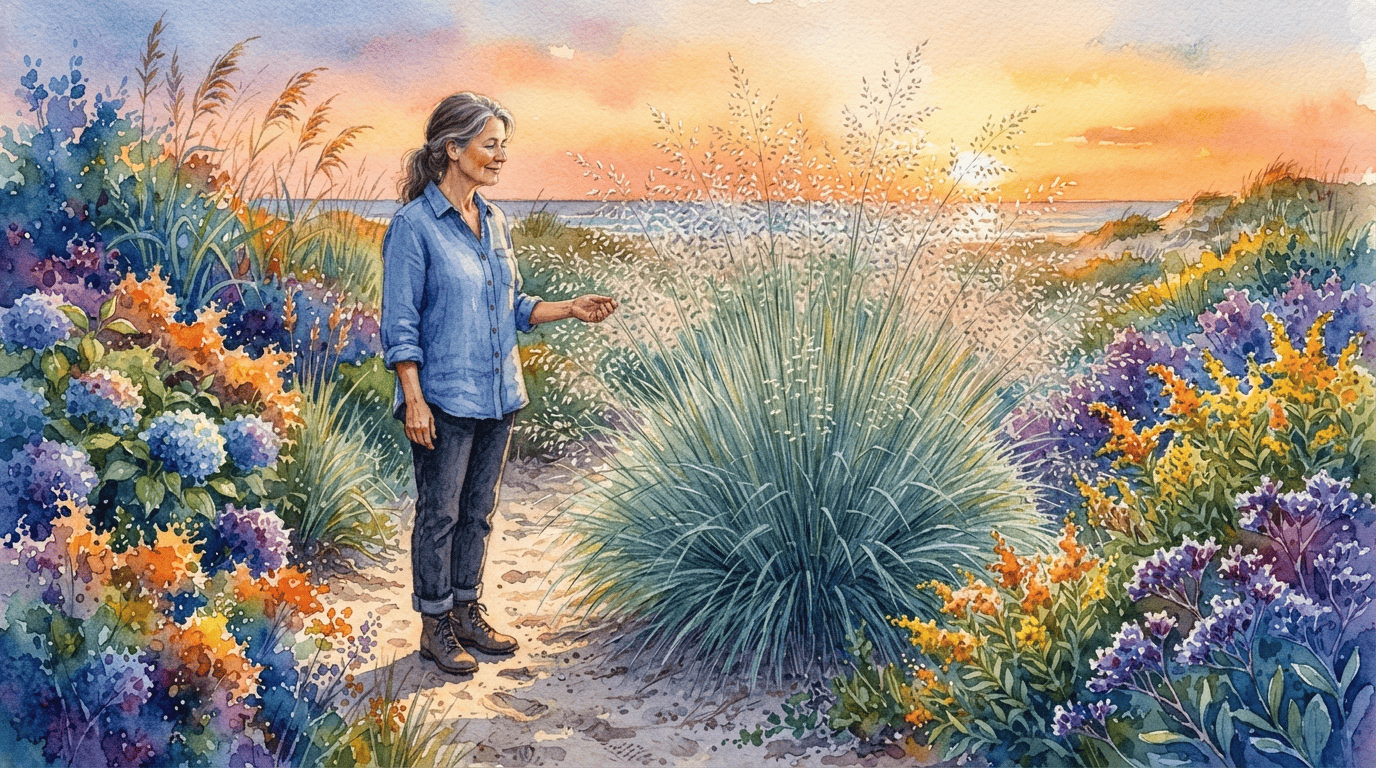
Eragrostis elliottii, commonly called Elliott's lovegrass, is a warm-season clumping perennial grass in the family Poaceae native to the coastal plain of the southeastern United States from North Carolina south through Florida and west to Louisiana, with populations also in Mexico and Central America. American botanist Sereno Watson described the species in 1890, honoring the early American botanist Stephen Elliott (1771-1830). Plants form finer-textured, more compact mounds than the similar E. spectabilis—typically 45-60 cm tall clumps of narrow silvery blue-green to grayish leaves.
Ethereal 15-25 cm open airy panicles of tiny silver-tan spikelets appear in late summer and fall. The species is relatively unusual for a southern grass in retaining attractive semi-evergreen basal tufts in mild winters. 'Wind Dancer' is a compact trade selection widely marketed.
Native to sandy coastal plain habitats, useful for seaside gardens, meadows, and massed plantings where its refined fine texture contrasts well with bolder companions. Named for South Carolina botanist Stephen Elliott (1771-1830). The 'Wind Dancer' cultivar emerged from selections in modern southeastern nurseries and has helped popularize this graceful native grass.
Symbolism & meaning
What It Symbolizes
Elliott's Lovegrass suggests movement, its airy panicles dancing in every breeze like a pale, weightless cloud caught at knee height. It is also a creature of heritage — an iconic grass of the southeastern pine savannas, holding the memory of fire-maintained ecosystems within each delicate stem. To plant it is to invite the longleaf pine country into your garden.
- Movement — airy panicles dance in every breeze
- Heritage — fine-textured native grass of Southeastern pine savanna edges
Where the Name Comes From
The name Elliott's Lovegrass describes its grasslike foliage. 'Elliottii' honors Stephen Elliott, pioneering Southern botanist.
Uses & Fun Facts
- Silvery panicles above blue foliage for Southeastern coastal-plain landscapes
- Seed and cover for native birds in pine savanna restorations
Related plants
More Eragrostis plants
Plants with similar care
 Chinese AbeliaAbelia chinensis
 Fragrant AbeliaAbelia mosanensis
 Large-Flowered AbeliaAbelia uniflora
 Glossy AbeliaAbelia x grandiflora
Frequently asked questions
How often should I water Elliott's Lovegrass?
In summer, water about every 21 days; in winter, about every 45 days. Adjust for heat, pot size and drainage.
How much light does Elliott's Lovegrass need?
Full sun: 6+ hrs direct. Watch the leaves — scorching or stretching means the light needs adjusting.
Is Elliott's Lovegrass toxic to cats or dogs?
Pets Safe (Dogs Safe · Cats Safe) Educational information, not medical or veterinary advice. If exposure is suspected, contact a doctor or veterinarian.
Is Elliott's Lovegrass easy to grow?
Yes — it is considered an easy, beginner-friendly plant.
When does Elliott's Lovegrass bloom?
It typically blooms Aug–Nov in the Northern Hemisphere.
YardMate
Identify any plant in seconds
Snap a photo — YardMate names the plant, diagnoses problems, and reminds you when to water.
Download on the App Store