 YardMate

Purple Lovegrass
Eragrostis spectabilis
Easy · Beginner friendlyAbout Purple Lovegrass
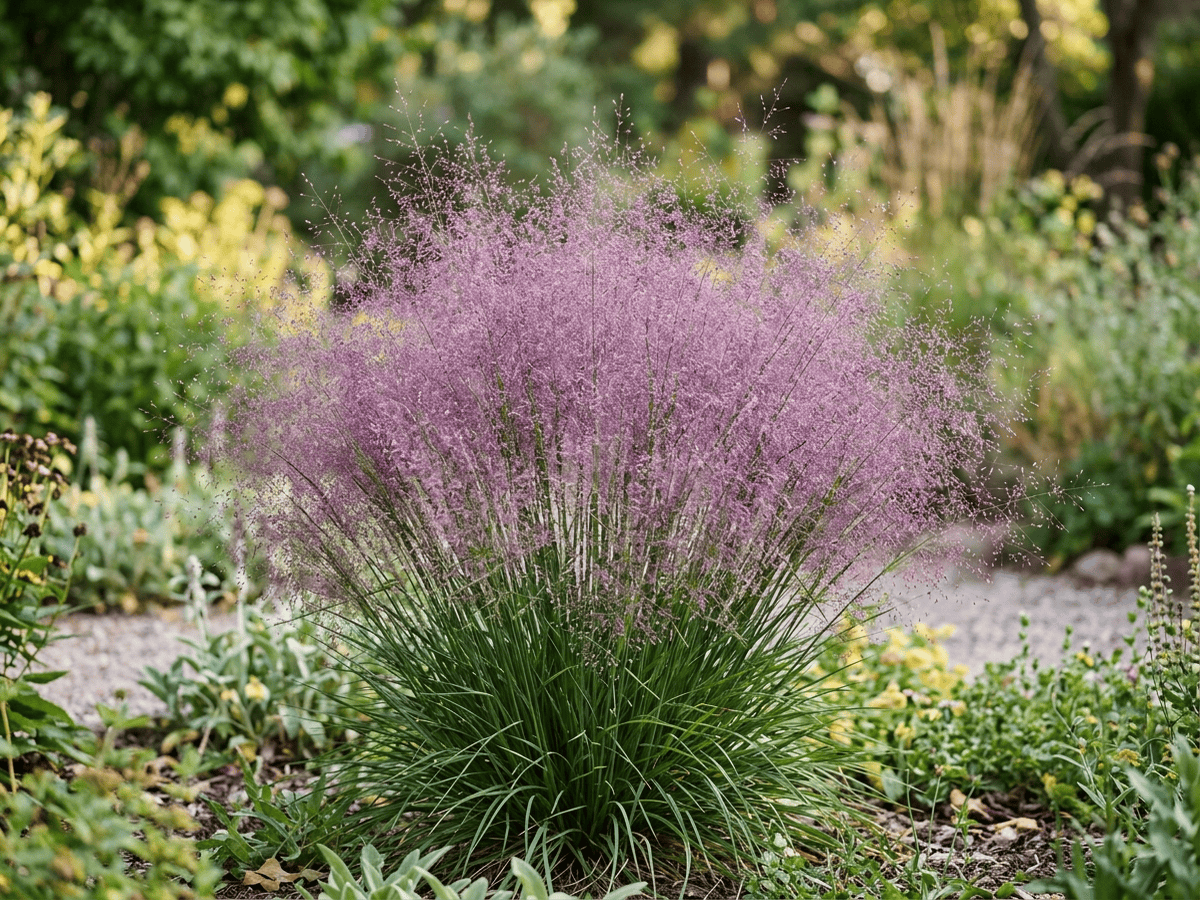
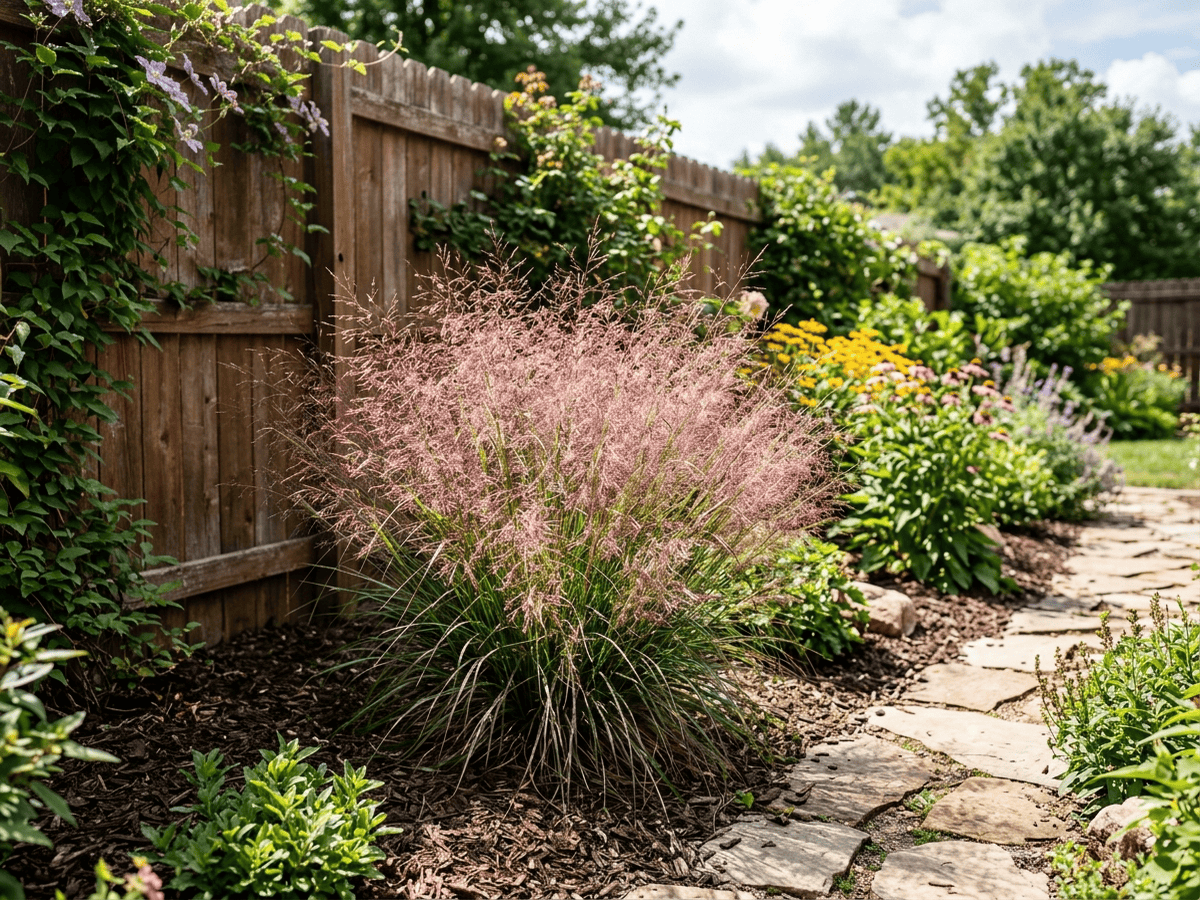
Purple Lovegrass is an Eastern North American native warm-season grass reaching 18-24 inches tall, famous for its spectacular cloud of pinkish-purple airy flower panicles in late summer that hover like a haze above the foliage. Native from Maine to Texas, it tolerates poor sandy soils, heat, and drought, making it a star of native meadow plantings and sustainable American gardens. The fall foliage turns bronze for added seasonal interest.
- Drought-tolerant
- Native
How to care for Purple Lovegrass
Watering
- Springevery 14 days
- Summerevery 21 days
- Fallevery 21 days
- Winterevery 45 days
Soil · Well-draining
- Top dressingPine bark mulch10%
- Main mixPotting soil + perlite 2:170%
- DrainageLECA / gravel20%
Never skip the drainage layer — standing water is the top cause of root rot.
FERTILIZER
This plant needs little to no feeding.
At a Glance
- NativeNorth America
- Height1–2 ft (0.3–0.6 m)
- Spread1.5–2 ft (0.5–0.6 m)
- Flower colorPurple, Pink
- Foliage colorBlue-green
- SoilSandy, Well-drained
- LocationsYard
Bloom time
BLOOM CYCLE
Peak bloom
Jun–Sep
Spectacular pinkish-purple cloud of airy panicles in late summer
Toxicity
Humans Safe · Pets Safe
None reported
Safe
EXPOSURE No exposure route is reported.
EFFECT No toxic effect is reported.
NOTE Listed as non-toxic for humans; avoid eating ornamental plants unless confirmed edible.
Safe
EXPOSURE No exposure route is reported.
EFFECT No toxic effect is reported.
NOTE Listed as non-toxic for dogs; avoid eating ornamental plants unless confirmed edible.
Safe
EXPOSURE No exposure route is reported.
EFFECT No toxic effect is reported.
NOTE Listed as non-toxic for cats; avoid eating ornamental plants unless confirmed edible.
Educational information, not medical or veterinary advice. If exposure is suspected, contact a doctor or veterinarian.
DISTRIBUTION


- Native
- North America
History

Eragrostis spectabilis, commonly called purple lovegrass, is a warm-season clumping perennial grass in the family Poaceae native to most of eastern and central North America from Ontario and Maine south through Florida and west through Kansas, Texas, and into northern Mexico, growing in sandy or poor dry soils of roadsides, prairies, and open woodlands. American botanist Frederick Traugott Pursh described it as Poa spectabilis in 1814 in Flora Americae Septentrionalis; German botanist Ernst Gottlieb Steudel transferred it to Eragrostis in 1840. Plants are relatively short at 30-60 cm tall (flowering to 75 cm) forming basal clumps of flat blue-green leaves.
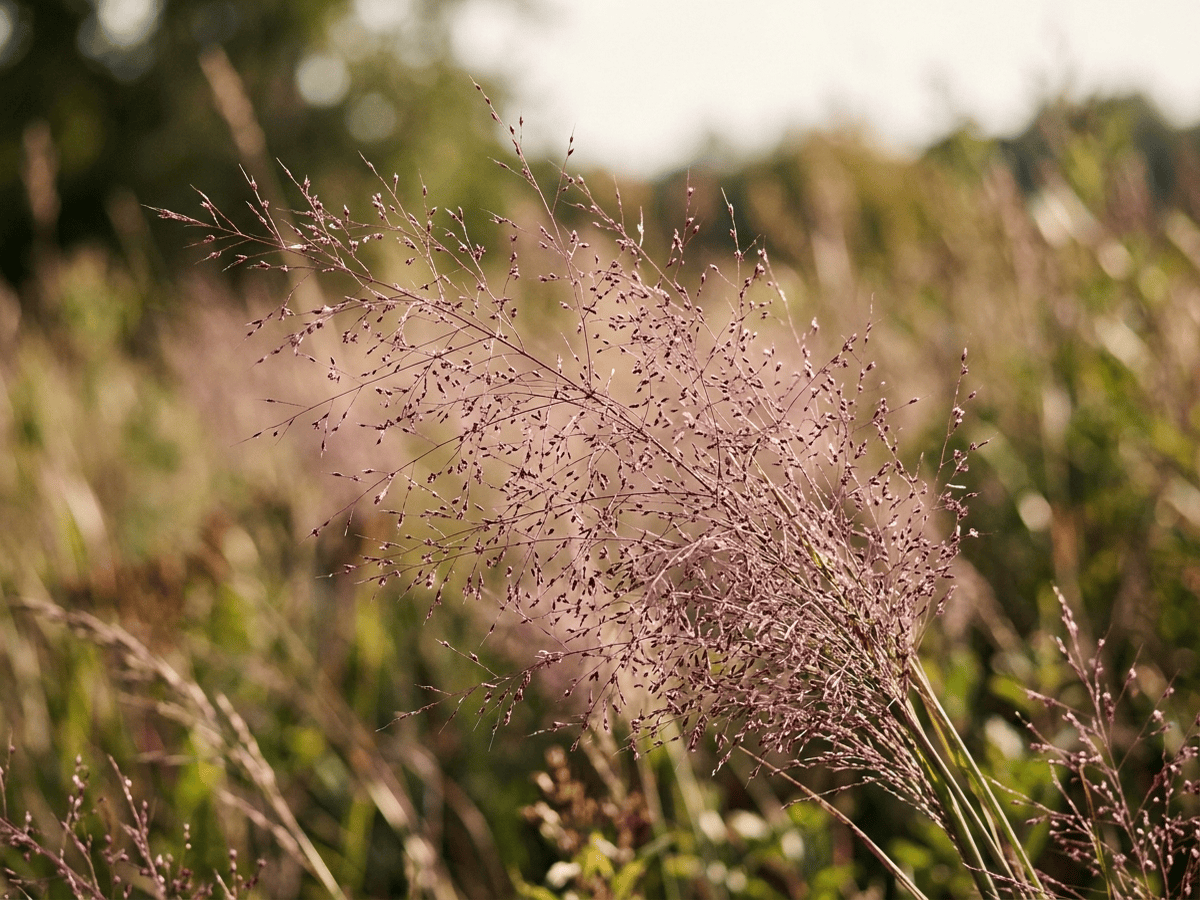
The spectacular feature, giving the species epithet spectabilis (remarkable), is the enormous diffuse cloud-like 15-25 cm airy panicles of tiny reddish-purple spikelets produced in mid to late summer—when planted en masse, entire meadows glow pink-purple. As plumes age they break off and tumble like tumbleweeds, scattering seed. Increasingly popular in native and prairie-style plantings.
Native across the eastern and central United States. Once a fixture of tallgrass prairies and oak savannas, it nearly vanished from suburban landscapes before being rediscovered by native-plant designers in the late 20th century. Now a defining grass of New Perennial Movement gardens.
Symbolism & meaning
What It Symbolizes
Purple Lovegrass spreads a pink haze across late-summer fields, its airy blooms catching low light like drifting smoke. As an iconic grass of eastern American prairies, it carries a heritage of open meadows, sand barrens, and roadside wilds. Its meaning is uncomplicated joy — the lift of seeing a familiar landscape suddenly remembered into color by a grass that asks nothing in return.
- Joy — pink haze of late-summer blooms
- Heritage — iconic grass of eastern American prairies
Where the Name Comes From
The name Purple Lovegrass describes its grasslike foliage. 'Eragrostis' from Greek 'eros' (love) and 'agrostis' (grass); 'spectabilis' means spectacular.
Uses & Fun Facts
- Pink-purple haze hovers over native meadows in late summer
- Seed forage and shelter for songbirds in Eastern grasslands
Related plants
More Eragrostis plants
Plants with similar care
 Chinese AbeliaAbelia chinensis
 Fragrant AbeliaAbelia mosanensis
 Large-Flowered AbeliaAbelia uniflora
 Glossy AbeliaAbelia x grandiflora
Frequently asked questions
How often should I water Purple Lovegrass?
In summer, water about every 21 days; in winter, about every 45 days. Adjust for heat, pot size and drainage.
How much light does Purple Lovegrass need?
Full sun: 6+ hrs direct. Watch the leaves — scorching or stretching means the light needs adjusting.
Is Purple Lovegrass toxic to cats or dogs?
Pets Safe (Dogs Safe · Cats Safe) Educational information, not medical or veterinary advice. If exposure is suspected, contact a doctor or veterinarian.
Is Purple Lovegrass easy to grow?
Yes — it is considered an easy, beginner-friendly plant.
When does Purple Lovegrass bloom?
It typically blooms Jun–Sep in the Northern Hemisphere.
YardMate
Identify any plant in seconds
Snap a photo — YardMate names the plant, diagnoses problems, and reminds you when to water.
Download on the App Store