 YardMate
Musk Stork's-bill
Erodium moschatum
Hard · Experienced growersAbout Musk Stork's-bill
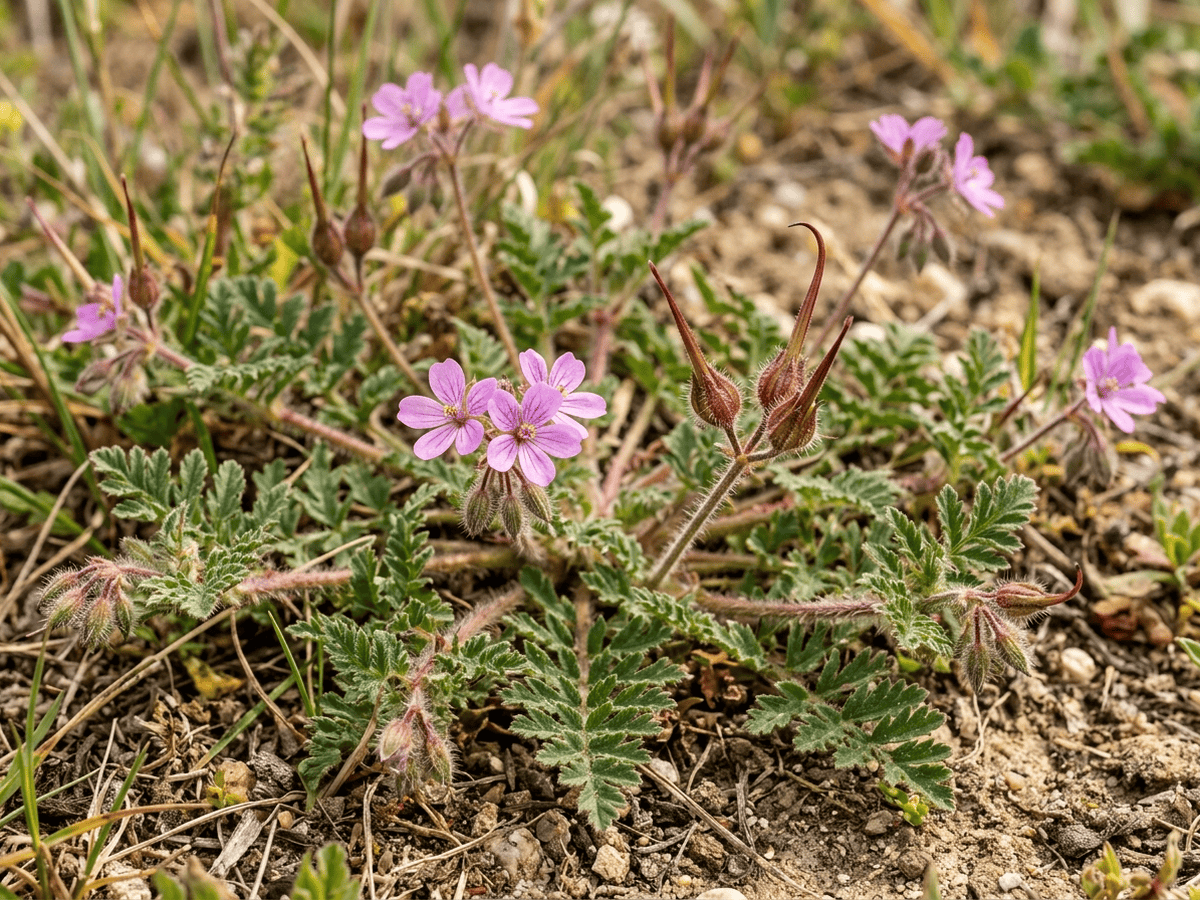
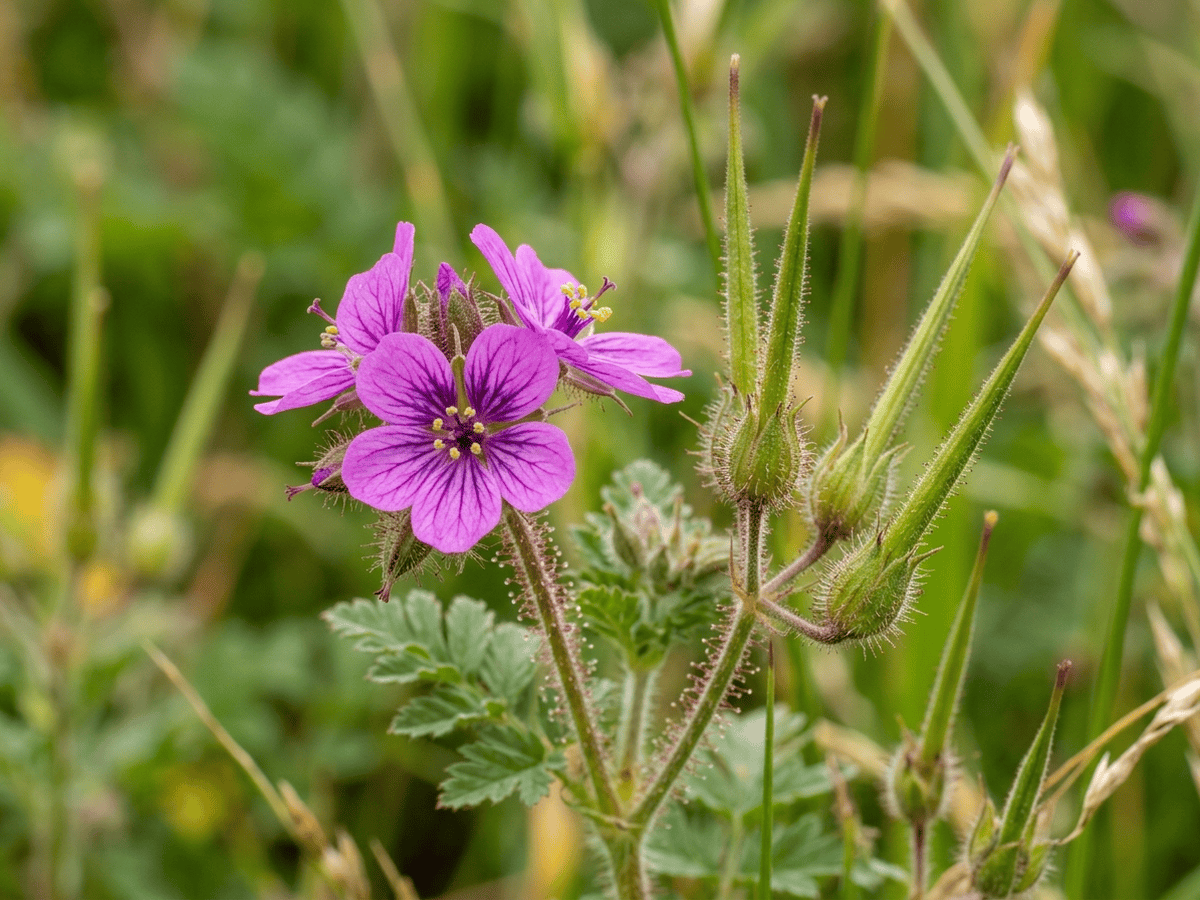
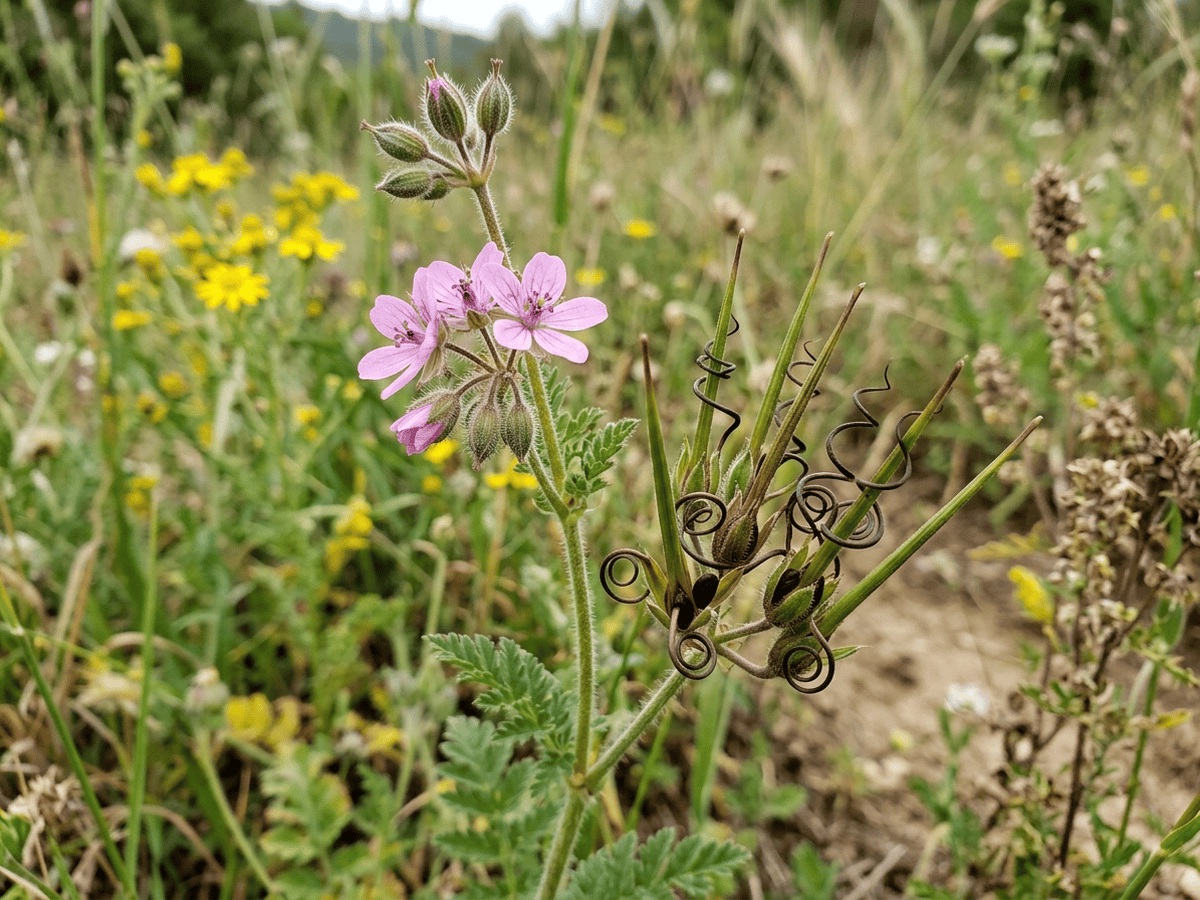
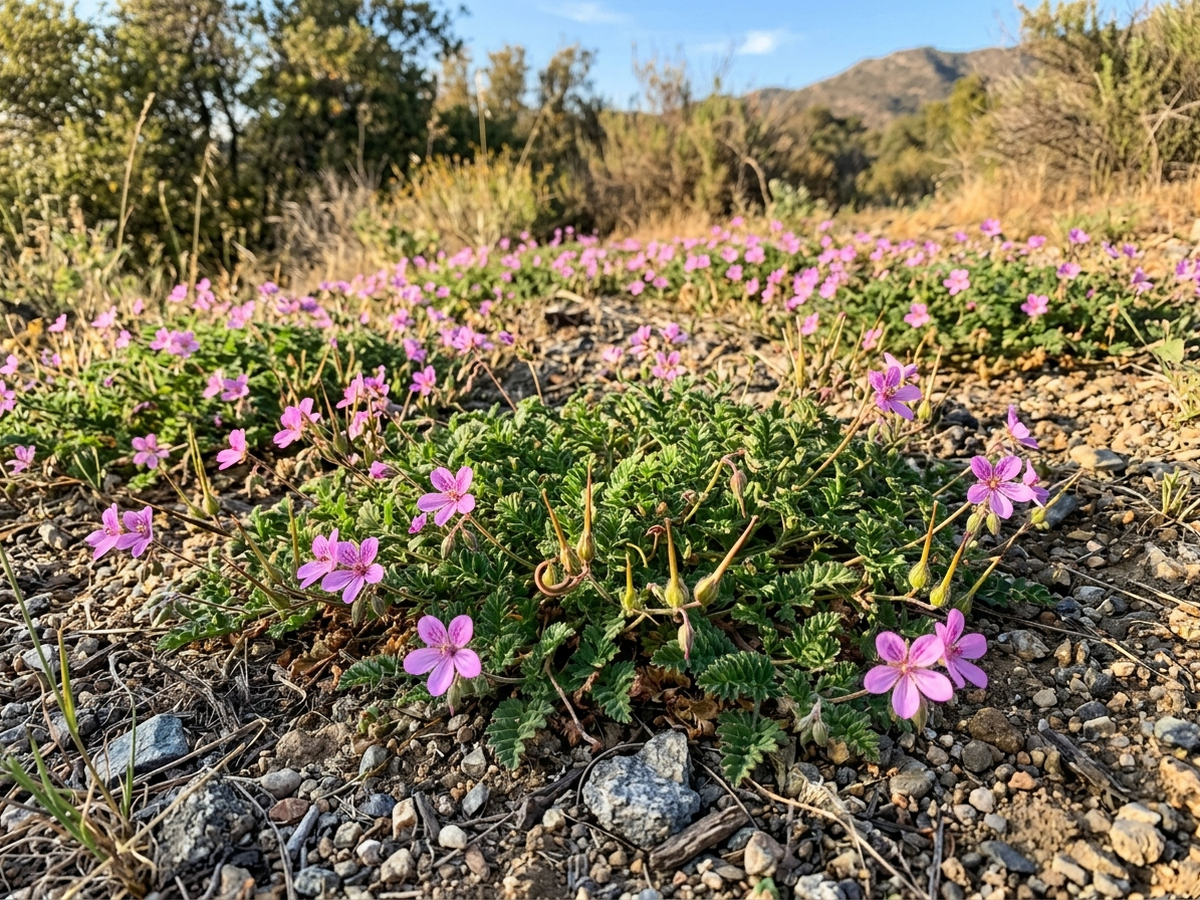
Erodium moschatum, Musk Stork's-bill, is a low-growing annual of Mediterranean origin closely related to the common Redstem Stork's-bill, but immediately distinguished by the musky fragrance released by its glandular-hairy stems and leaves. Growing 6–18 inches tall on sprawling branches, it bears clusters of pink-purple five-petaled flowers in spring, followed by the genus' characteristic long-beaked seed pods with hygroscopic awns that drill seeds into the soil. Naturalized widely in California and other warm regions, it thrives in disturbed ground and has edible young leaves.
- Deciduous
- Drought-tolerant
- Pollinator-friendly
- Fragrant
- Fast-growing
How to care for Musk Stork's-bill
Watering
- Springevery 14 days
- Summerevery 10 days
- Fallpause watering
- Winterpause watering
Soil · Rich & well-draining
- Top dressingCompost10%
- Main mixPotting soil + compost 3:180%
- DrainageGravel10%
Top up the compost layer each season.
FERTILIZER
- Springevery 30 days
At a Glance
- NativeMediterranean
- Height0.5–1.5 ft (0.2–0.5 m)
- Spread1–2 ft (0.3–0.6 m)
- Flower colorPink, Purple
- Foliage colorGreen
- SoilWell-drained, Sandy
- LocationsYard · Balcony
Bloom time
BLOOM CYCLE
Peak bloom
Apr–Jun
Musk stork's-bill features charming flowers from April to June.
Fragrance
MODERATE FRAGRANCE
Distinctive musky scent from glandular hairs on leaves and stems; released when touched or bruised. Unusual and recognizable, unlike the scentless E. cicutarium.
Toxicity
No toxicity has been reported for this plant. Still, it is wise to keep pets from chewing on any houseplant.
Educational information, not medical or veterinary advice. If exposure is suspected, contact a doctor or veterinarian.
DISTRIBUTION


- Native
- Introduced
- Mediterranean
History
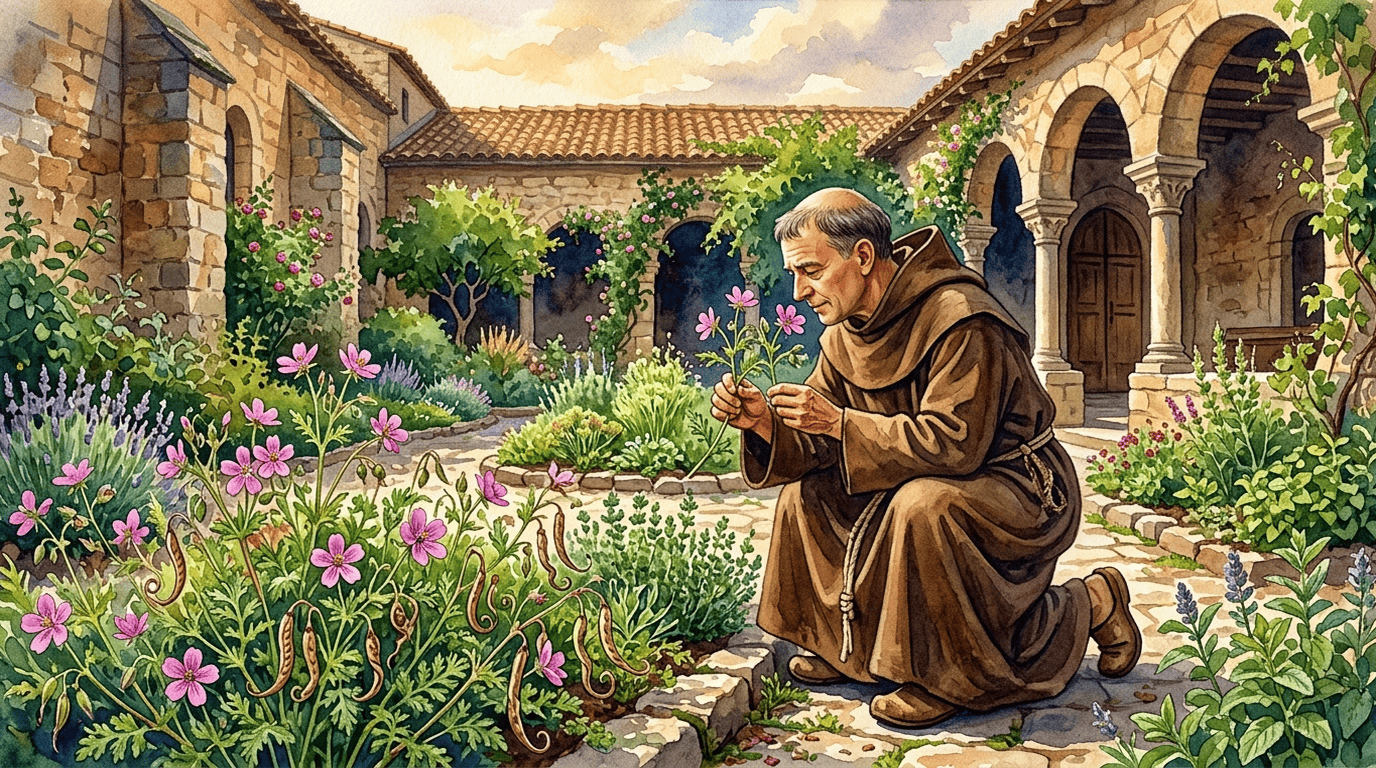
Erodium moschatum is native to the Mediterranean basin and western Asia, sharing the disturbed ground habitats of its relative E. cicutarium but distinguishable at once by its musky fragrance—from which the species takes its name, moschatum being Latin for 'musky.' The scent emanates from glandular trichomes (sticky secretory hairs) that cover the plant's stems and leaves, releasing a musk-like odor when touched.
In medieval European botanical tradition, the plant was noted in herbals and pharmacopoeias as a minor medicinal herb, valued for diuretic properties and as a component of aromatic preparations. The musky scent—unusual among common weeds—made it recognizable and memorable to herbalists who gathered along roadsides and field margins.
Like E. cicutarium, Musk Stork's-bill was introduced to California through Spanish colonial activity and spread rapidly through the Central Valley and coastal regions, where it became a characteristic weedy annual of disturbed urban and suburban areas. Its corkscrew hygroscopic seeds self-drill into soil just like those of its relative—a remarkable mechanism shared across the Erodium genus.
The young leaves and stems are edible—mildly flavored and used as wild greens in traditional Mediterranean cooking and by foragers in California. The musky fragrance does not persist strongly in cooked leaves.
Symbolism & meaning
What It Symbolizes
You brush past it without looking and your hand smells of something—not sweet, not floral, just distinctly alive. Musk Stork's-bill is the kind of plant you've passed a hundred times in parking lots and vacant lots and never noticed. Until you touched it. Then you want to know what it is.
- hidden scent — Brush against it walking past and there's suddenly a musky smell that belongs to no obvious flower—just the touched leaves of a plant most people never name.
- familiar stranger — Grows in every disturbed lot in warm climates, but carries a fragrance that makes you stop and try to identify it—familiar yet elusive.
Where the Name Comes From
Erodium derives from Greek erodios (heron), referring to the long curved beak of the seed pod. The species epithet moschatum is Latin for 'musky,' describing the distinctive musky fragrance released by the plant's glandular hairs.
Uses & Fun Facts
- Young leaves and stems edible raw or cooked as spring greens; traditional wild food in Mediterranean regions and among California foragers
- Pink-purple flowers provide early spring nectar and pollen for bees and other pollinators in Mediterranean and warm-climate gardens
- Distinctive musky fragrance from glandular hairs; historically noted by herbalists as an aromatic plant—one of the few scentable common weeds
Related plants
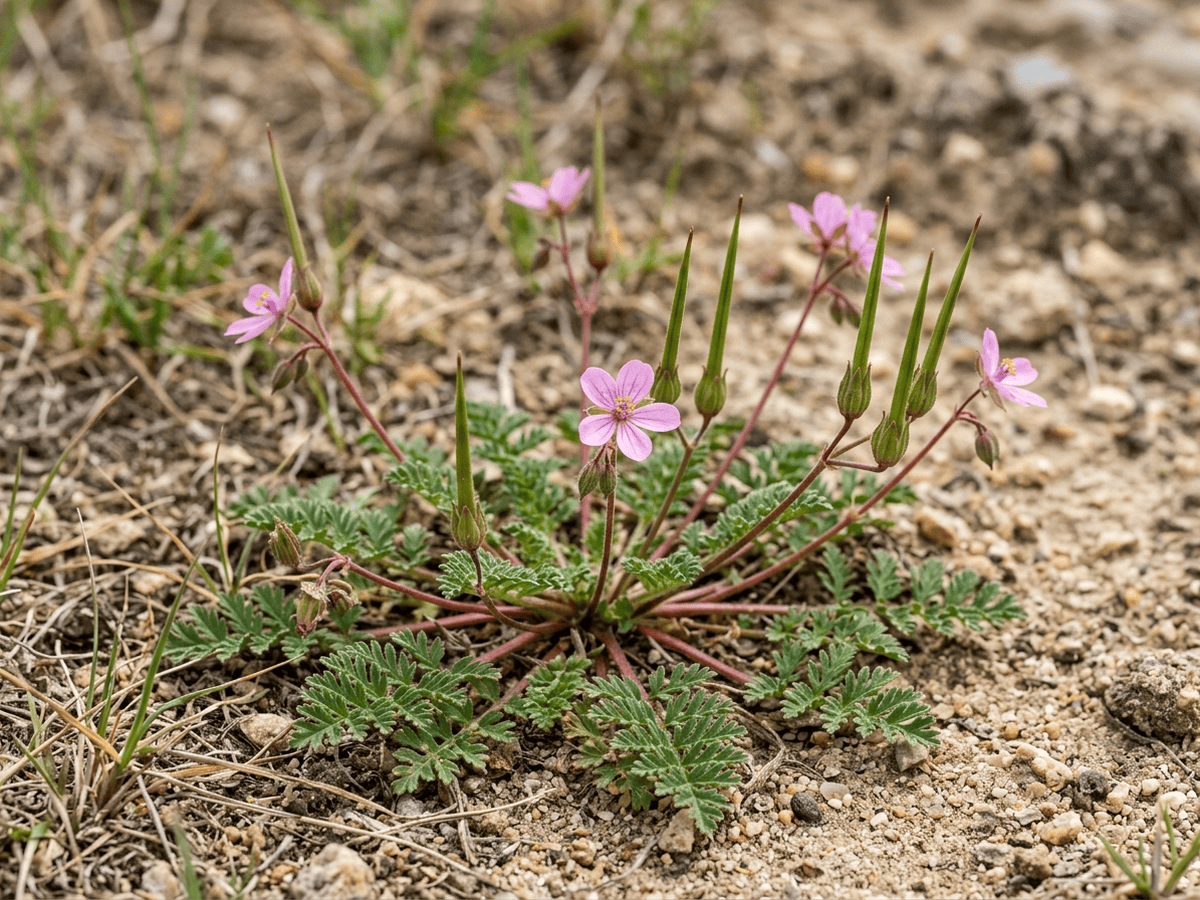
More Erodium plants
Plants with similar care
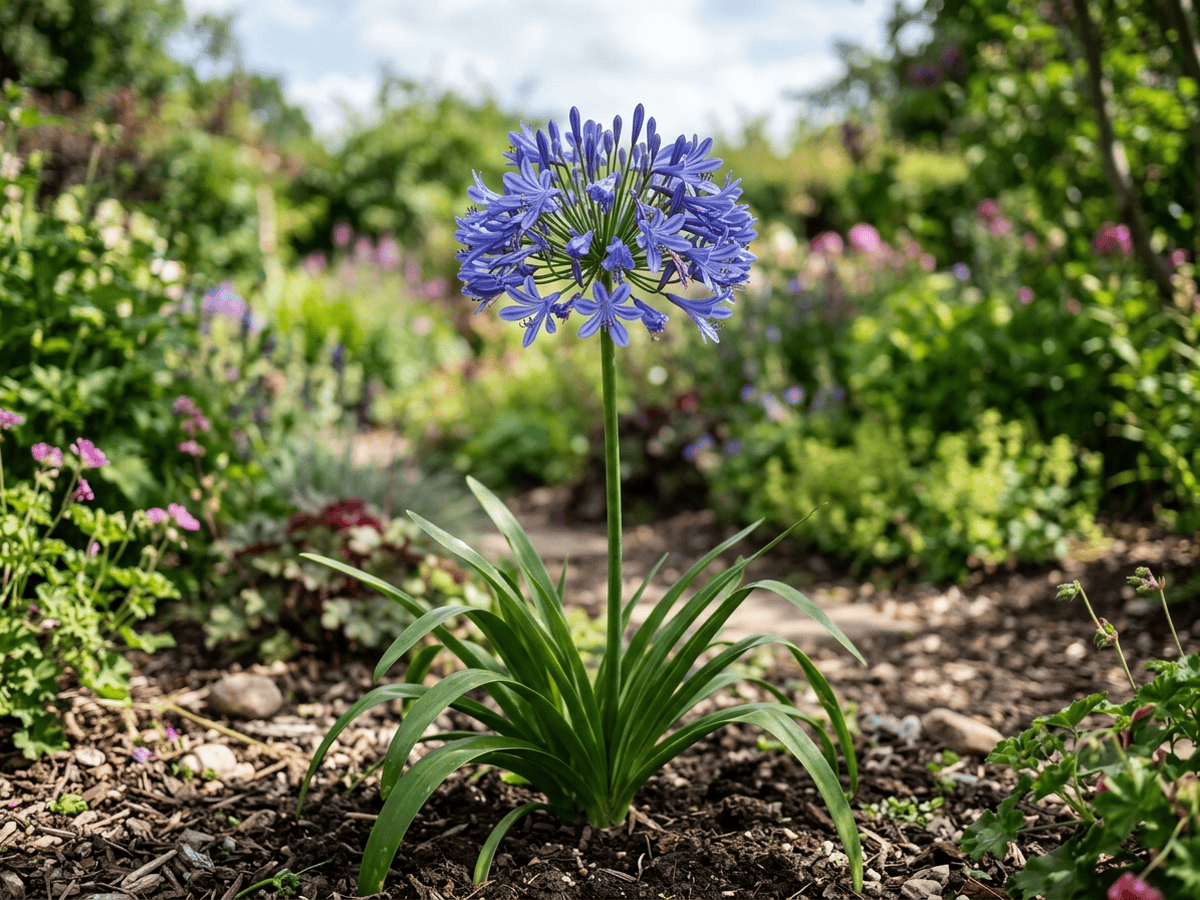 African LilyAgapanthus africanus
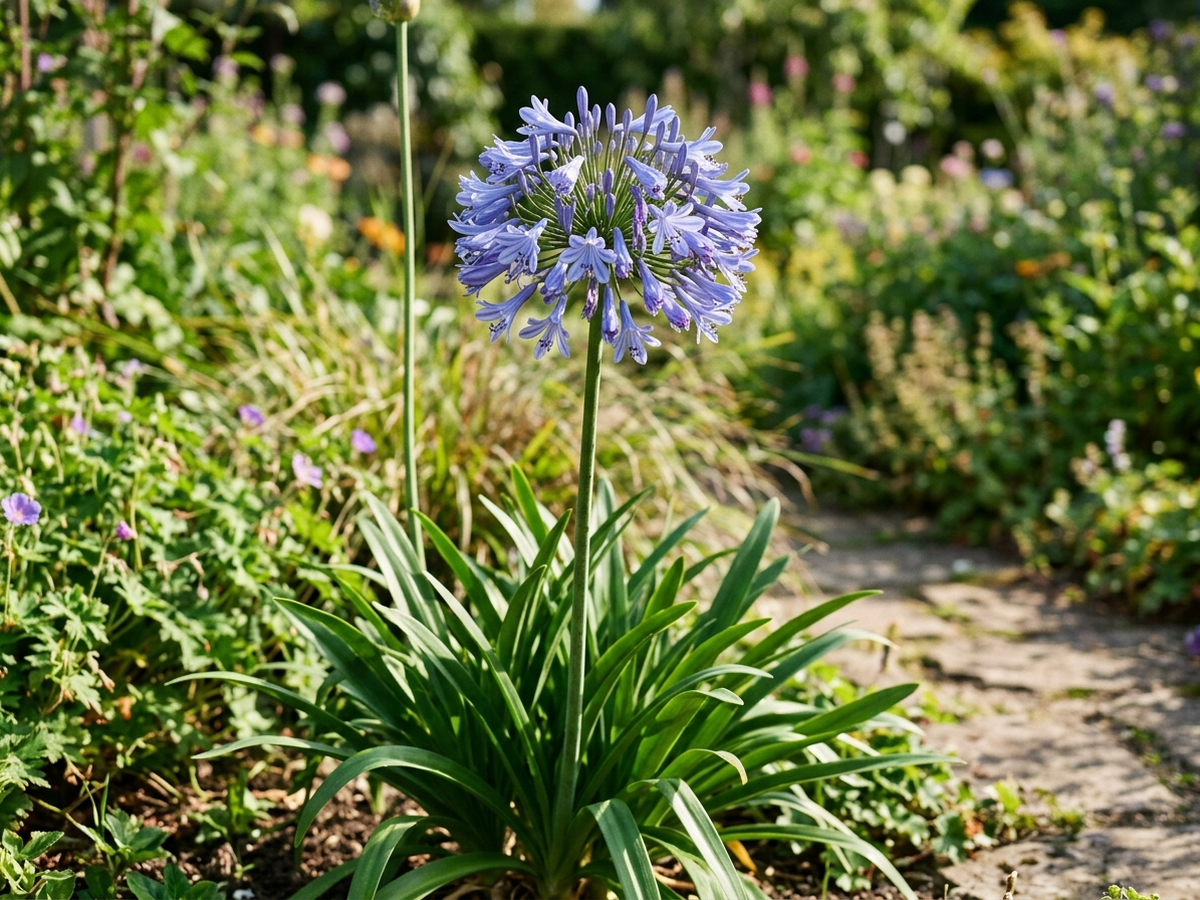 Bell AgapanthusAgapanthus campanulatus
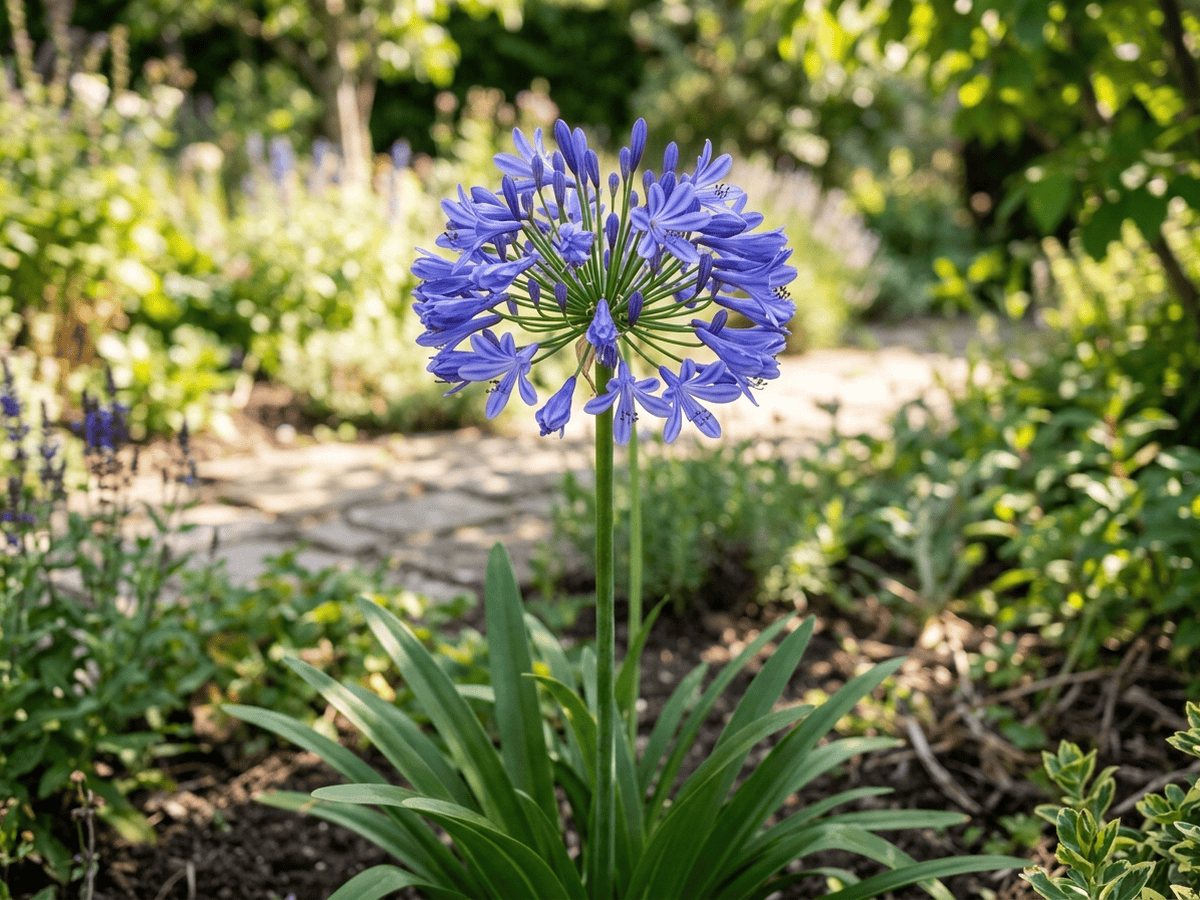 Common AgapanthusAgapanthus praecox
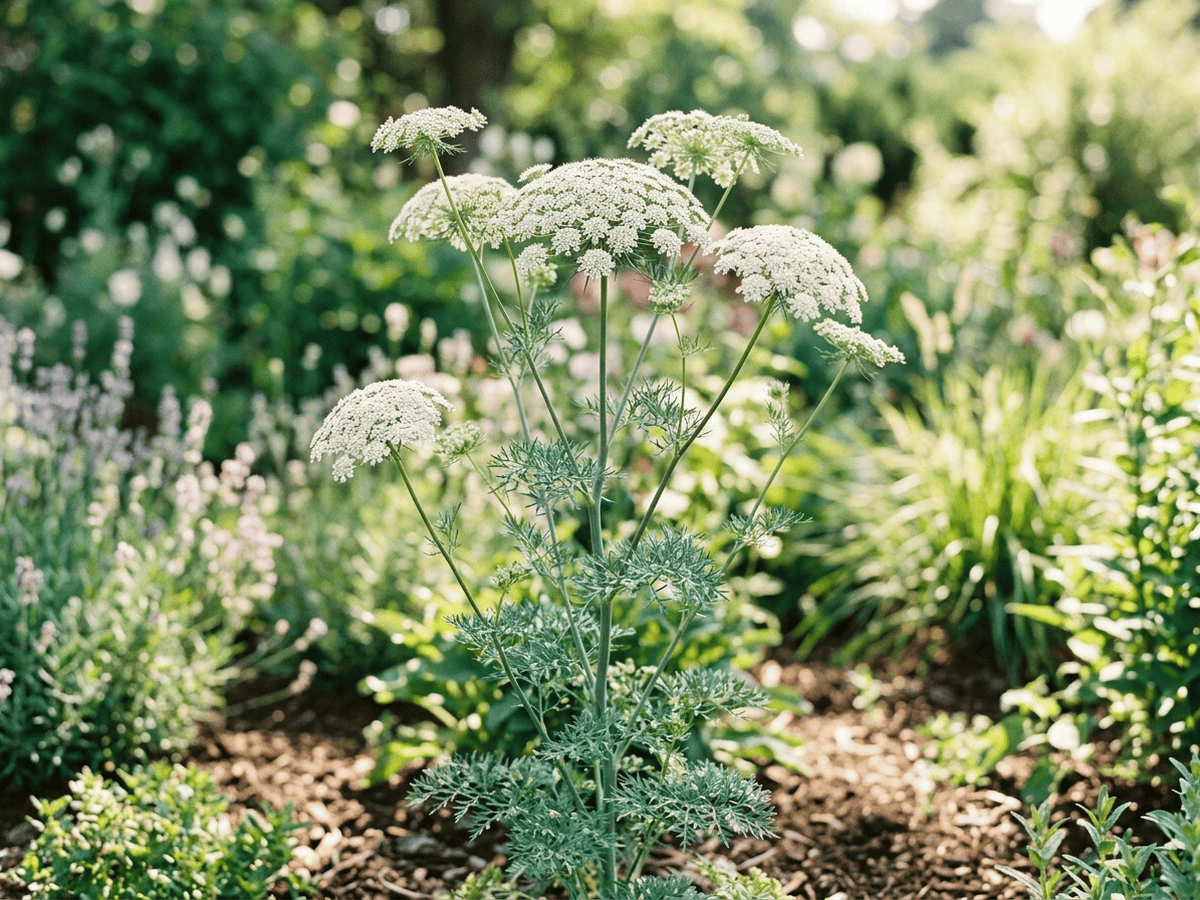 False Queen Anne's LaceAmmi majus glaucifolium
Frequently asked questions
How often should I water Musk Stork's-bill?
Water about every 14 days during the growing season, and always let excess water drain away.
How much light does Musk Stork's-bill need?
Part sun: 4–6 hrs direct. Watch the leaves — scorching or stretching means the light needs adjusting.
Is Musk Stork's-bill toxic to cats or dogs?
No toxicity has been reported for this plant. Still, it is wise to keep pets from chewing on any houseplant. Educational information, not medical or veterinary advice. If exposure is suspected, contact a doctor or veterinarian.
Is Musk Stork's-bill easy to grow?
It is considered challenging and rewards experienced growers.
When does Musk Stork's-bill bloom?
It typically blooms Apr–Jun in the Northern Hemisphere.
YardMate
Identify any plant in seconds
Snap a photo — YardMate names the plant, diagnoses problems, and reminds you when to water.
Download on the App Store