 YardMate

Redbud Pearlbush
Exochorda giraldii
Easy · Beginner friendlyAbout Redbud Pearlbush
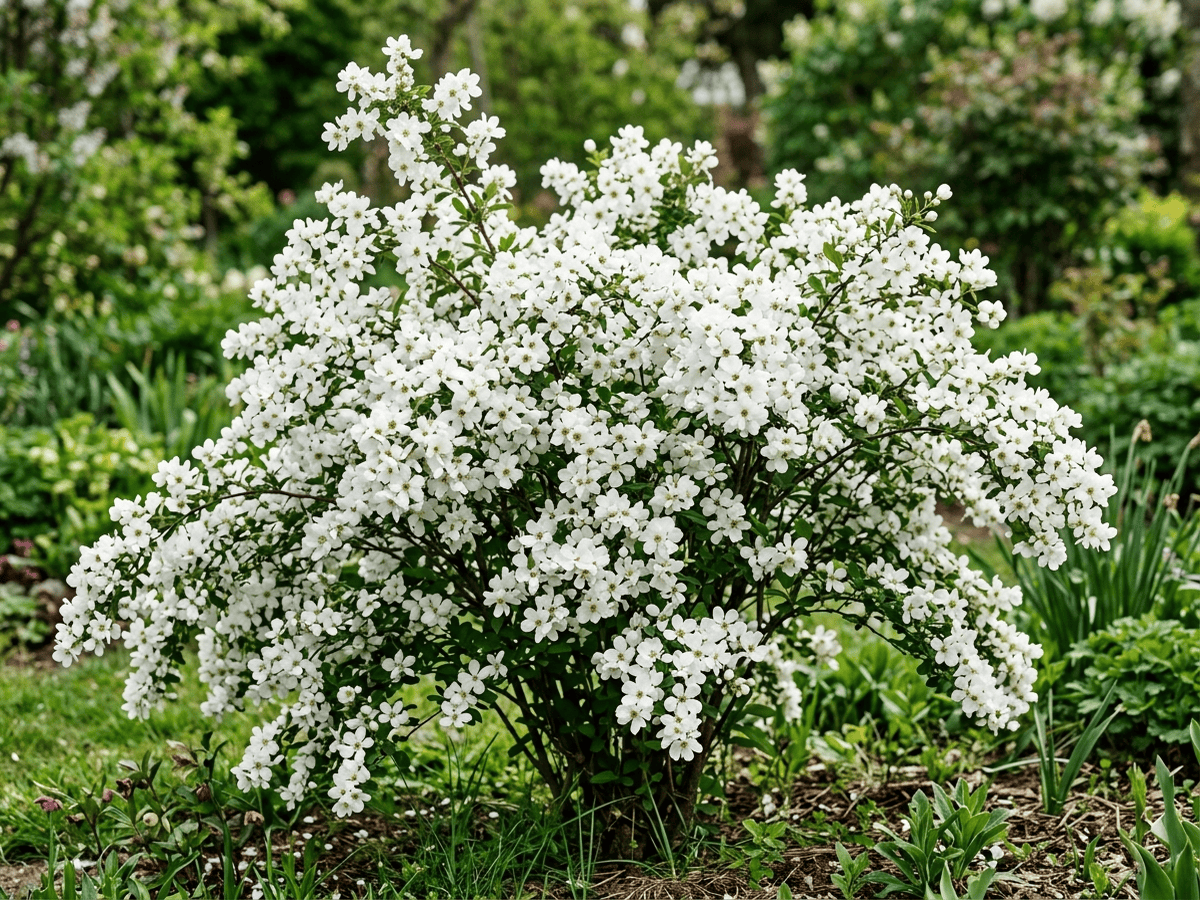
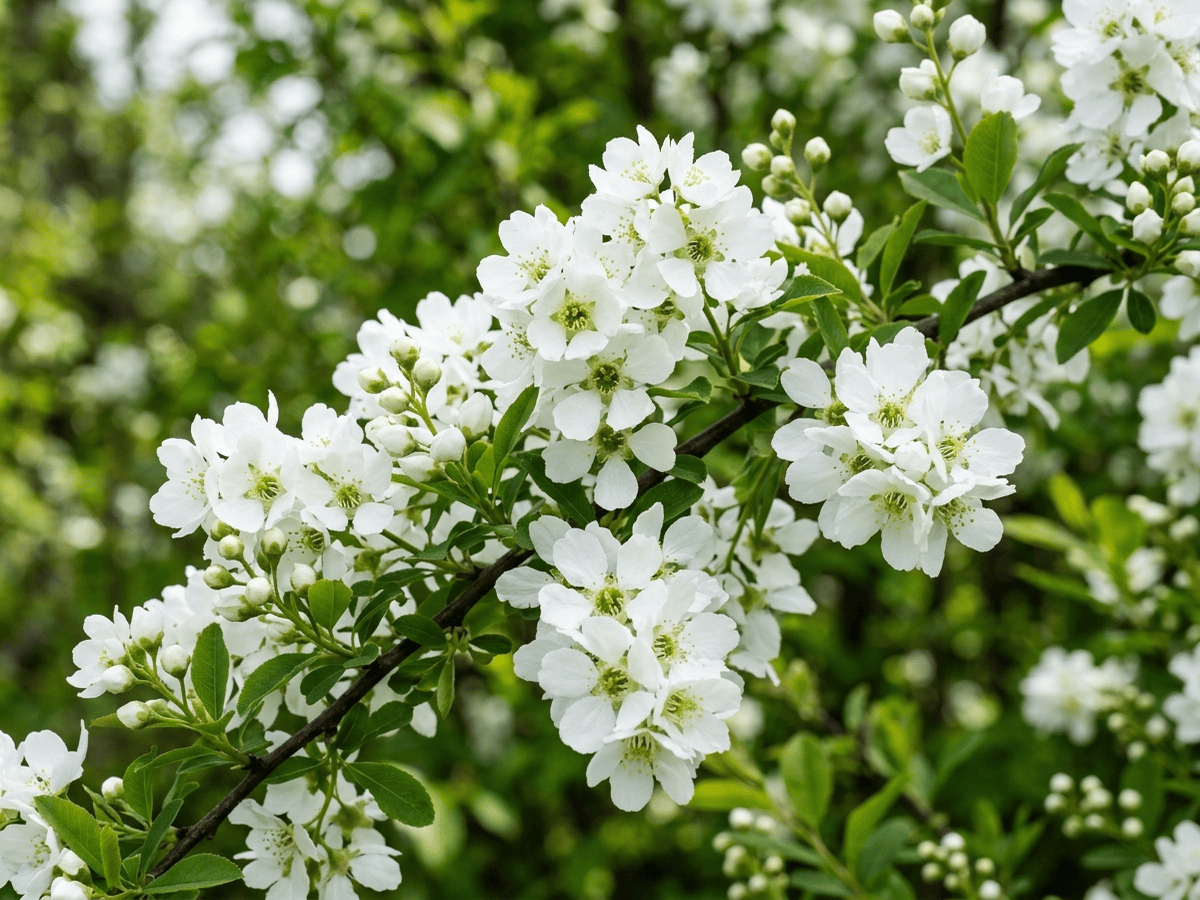
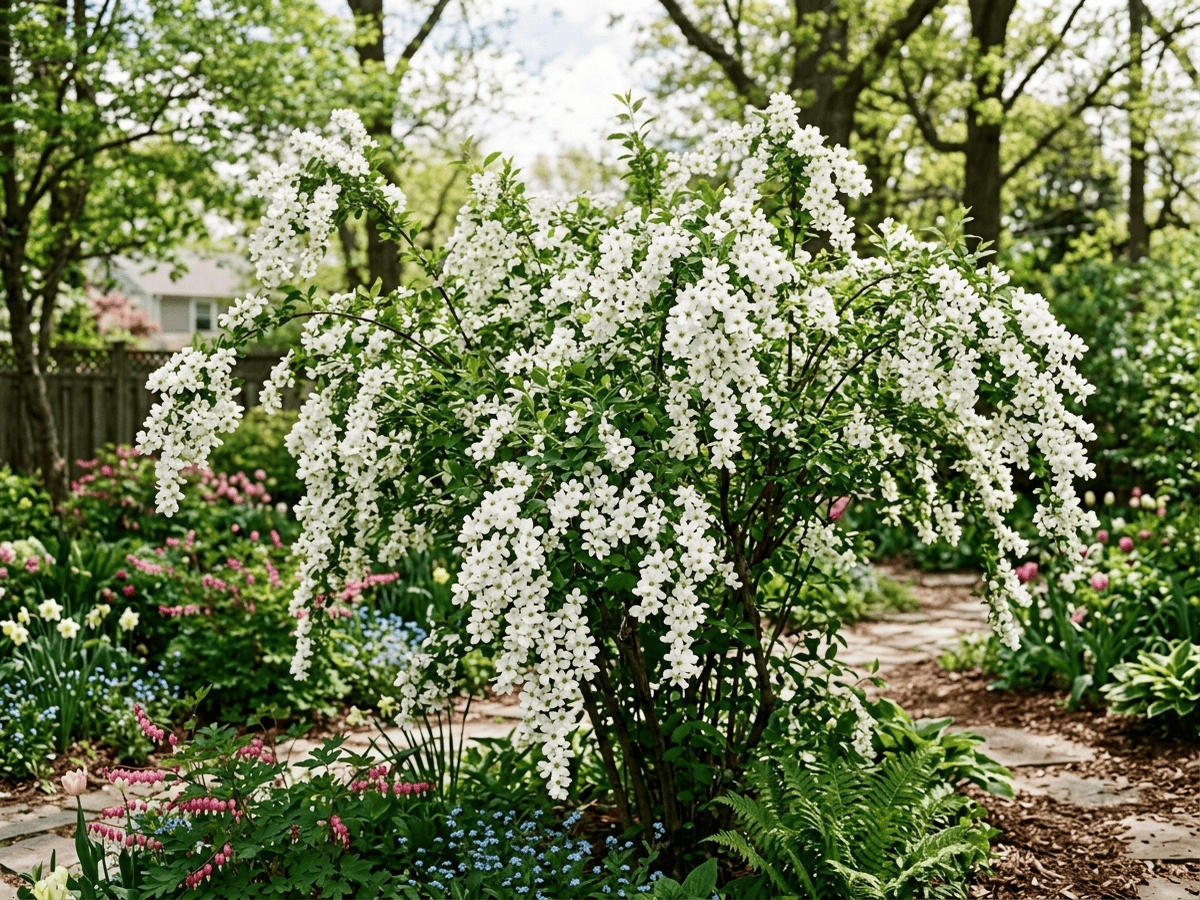
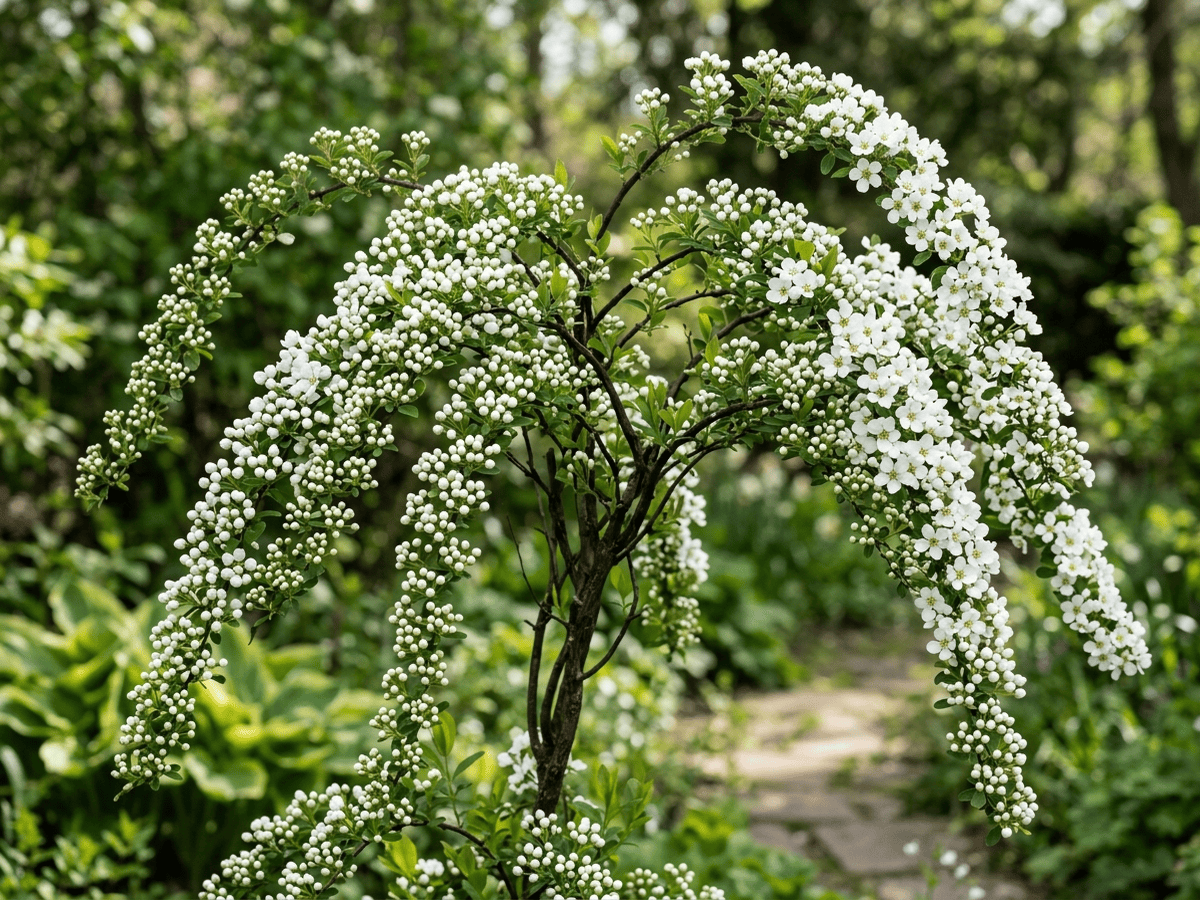
Redbud Pearlbush is a Chinese deciduous shrub growing 8 to 12 feet tall, producing arching branches lined with pure white 2-inch flowers in spring, larger and later-blooming than the common Exochorda racemosa. The buds resemble small pearls before opening. A refined specimen for American cottage and collector gardens, distinctive for its elegant bloom display.
- Drought-tolerant
- Deer-resistant
- Pollinator-friendly
How to care for Redbud Pearlbush
Watering
- Springevery 5 days
- Summerevery 3 days
- Fallevery 7 days
- Winterevery 14 days
Soil · Rich & loamy
- Top dressingBark mulch15%
- Main mixRich loam + compost 3:170%
- DrainageGravel15%
Use fully finished compost — fresh compost burns roots.
FERTILIZER
Balanced Feed 14-14-14
An even feed covers all three needs at once, keeping leaves, roots and blooms moving together with nothing pushed out of balance.
- Nitrogen · Leaves
- Phosphorus · Roots + Blooms
- Potassium · Strength
- Springevery 45 days
- Summerevery 60 days
At a Glance
- NativeEast Asia
- Height10–15 ft (3–4.6 m)
- Spread10–15 ft (3–4.6 m)
- Flower colorWhite
- Foliage colorGreen
- SoilLoamy, Well-drained
- LocationsYard
Bloom time
BLOOM CYCLE
Peak bloom
Mar–May
Large pure-white flowers along arching stems in mid-spring
Fragrance
LIGHT FRAGRANCE
The flowers have a very lightly sweet-scented scent.
Toxicity
No toxicity has been reported for this plant. Still, it is wise to keep pets from chewing on any houseplant.
Educational information, not medical or veterinary advice. If exposure is suspected, contact a doctor or veterinarian.
DISTRIBUTION


- Native
- East Asia
History
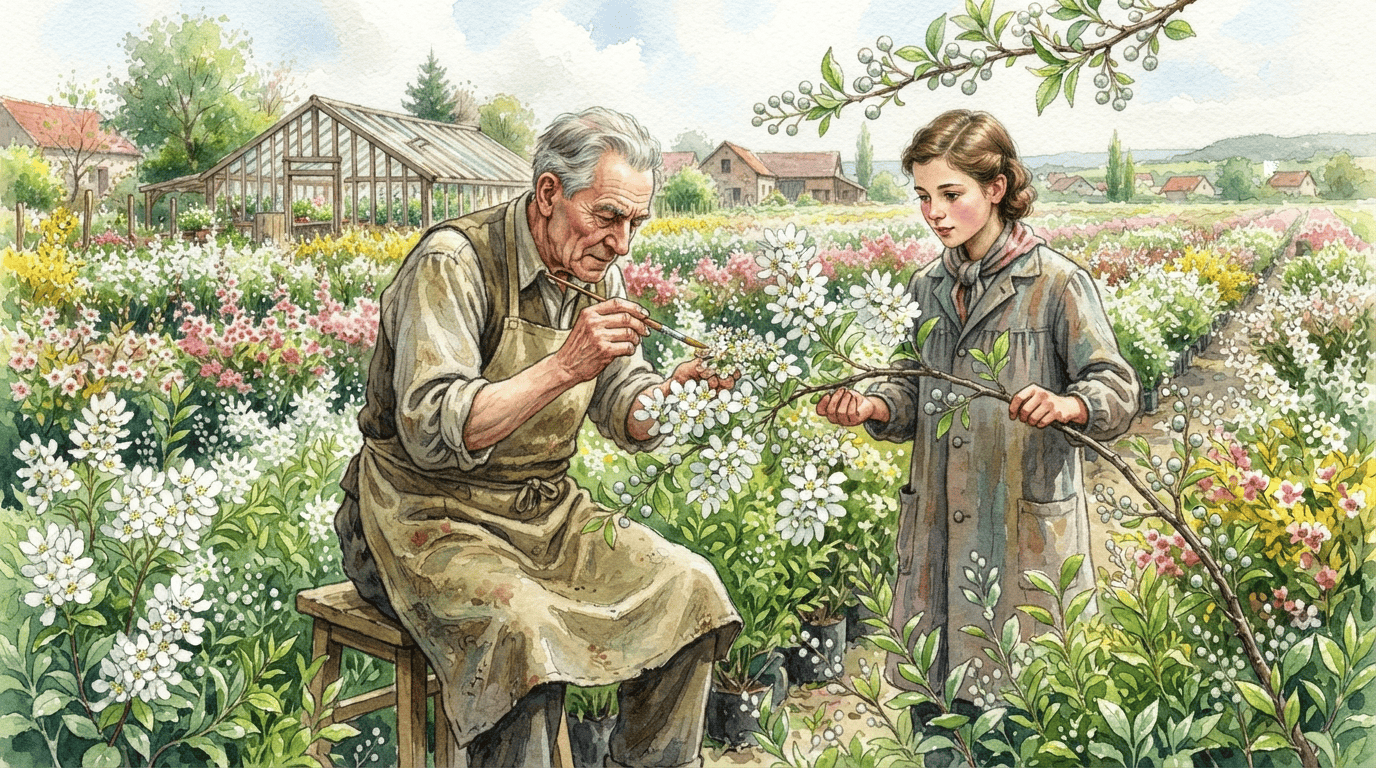
Exochorda giraldii grows in mountain thickets and forest edges of Shaanxi, Gansu, and neighboring central Chinese provinces. The Italian Franciscan missionary Giuseppe Giraldi collected the type specimens in the 1890s, and the German nurseryman Hermann Hesse described the species in 1902. Ernest Henry Wilson introduced seed to the Veitch Nursery around 1907 and the Arnold Arboretum soon after.
Its racemes of large pure-white flowers opening from round silvery buds earn the whole genus the common name 'pearlbush'. Unlike E. racemosa, E. giraldii has pinkish new growth and pinkish flushed flowers. The hybrid E. x macrantha 'The Bride' (Lemoine, 1939) and E. x macrantha 'Snow Day Surprise' (2016) derive from crosses involving E. giraldii and remain the most widely planted pearlbushes today.
Symbolism & meaning
What It Symbolizes
Pearlbush is named for its grace: tight white buds resemble small pearls strung along the branches before they open into a froth of springtime bloom. Paired with that refined, almost bridal display, it brings a quiet luxury to the spring border. It is a shrub for those who prize a polished, jewel-box moment between the noise of forsythia and the riot of roses.
- Pearl grace — buds resemble small pearls before opening
- Spring elegance — refined white bloom display
Where the Name Comes From
'Exochorda' from Greek 'exo-chorde' meaning outside-cord, for the fibers around seeds; 'giraldii' honors Giuseppe Giraldi (1848-1901).
Uses & Fun Facts
- White spring flowers feed early bees on arching branches
- Pearlbush arches covered with white blooms as spring centerpiece
Related plants
More Exochorda plants
Plants with similar care
 Chinese AbeliaAbelia chinensis
 Fragrant AbeliaAbelia mosanensis
 Large-Flowered AbeliaAbelia uniflora
 Glossy AbeliaAbelia x grandiflora
Frequently asked questions
How often should I water Redbud Pearlbush?
In summer, water about every 3 days; in winter, about every 14 days. Adjust for heat, pot size and drainage.
How much light does Redbud Pearlbush need?
Full sun: 6+ hrs direct. Watch the leaves — scorching or stretching means the light needs adjusting.
Is Redbud Pearlbush toxic to cats or dogs?
No toxicity has been reported for this plant. Still, it is wise to keep pets from chewing on any houseplant. Educational information, not medical or veterinary advice. If exposure is suspected, contact a doctor or veterinarian.
Is Redbud Pearlbush easy to grow?
Yes — it is considered an easy, beginner-friendly plant.
When does Redbud Pearlbush bloom?
It typically blooms Mar–May in the Northern Hemisphere.
YardMate
Identify any plant in seconds
Snap a photo — YardMate names the plant, diagnoses problems, and reminds you when to water.
Download on the App Store