 YardMate


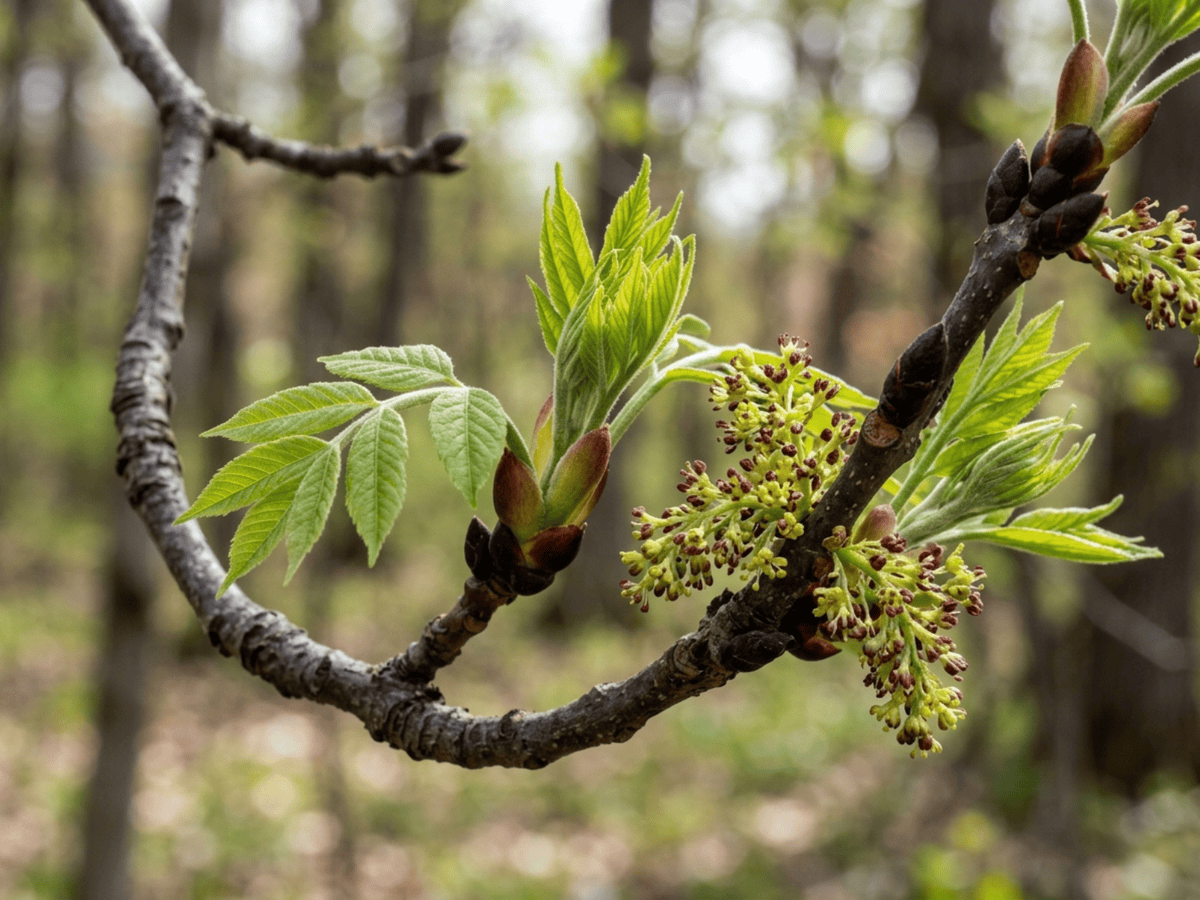

Green Ash
Fraxinus pennsylvanica
Easy · Beginner friendlyAbout Green Ash
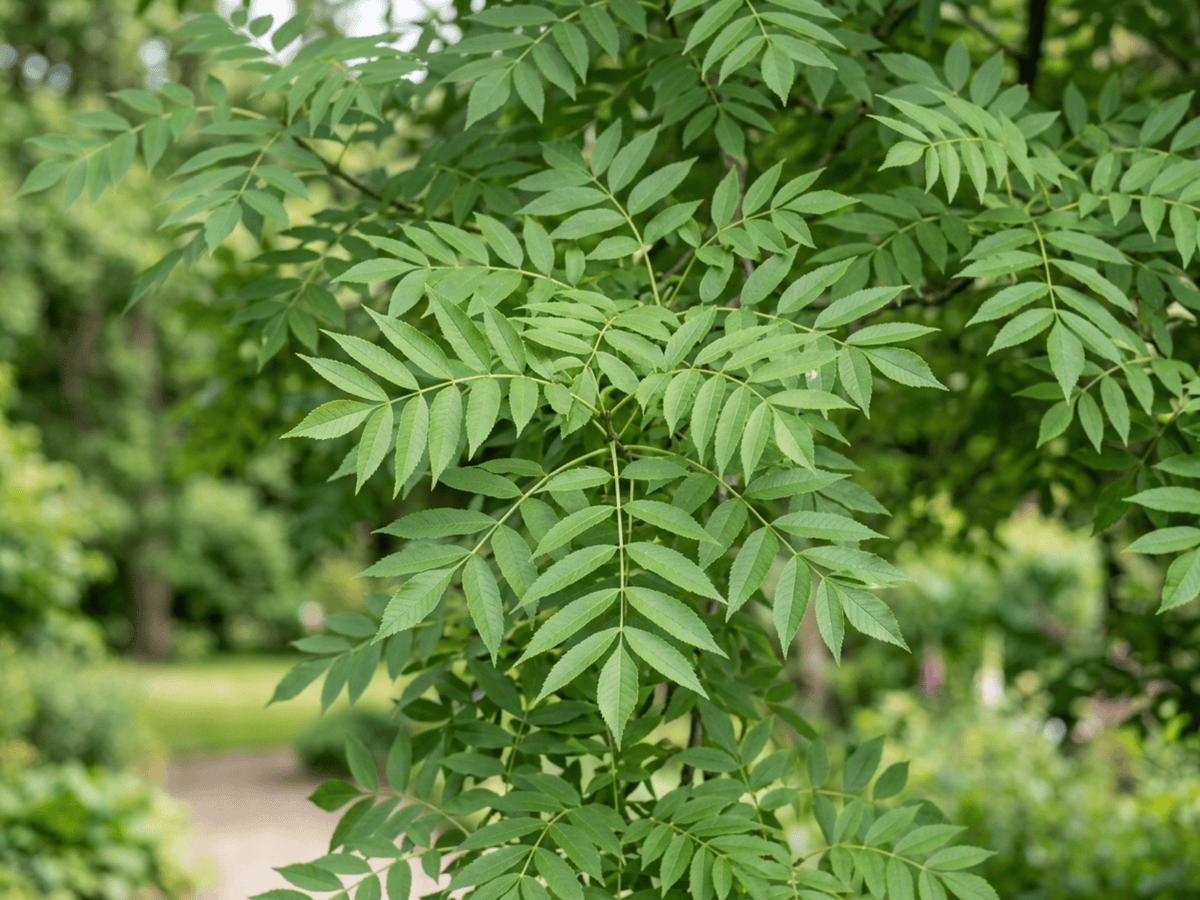
Green Ash is a fast-growing deciduous tree native to eastern and central North America, reaching 50-70 feet. Once one of the most widely planted urban trees in the US, it features compound leaves with 5-9 leaflets, yellow-gold fall color, and exceptional tolerance of poor soils and urban stress. Its populations have been devastated by the emerald ash borer since 2002, but remains culturally and ecologically important across the eastern US.
- Fast-growing
- Fall-color
- Native
How to care for Green Ash
Watering
- Springevery 7 days
- Summerevery 5 days
- Fallevery 10 days
- Winterpause watering
Soil · Well-draining
- Top dressingPine bark mulch10%
- Main mixPotting soil + perlite 2:170%
- DrainageLECA / gravel20%
Never skip the drainage layer — standing water is the top cause of root rot.
FERTILIZER
Balanced Feed 14-14-14
An even feed covers all three needs at once, keeping leaves, roots and blooms moving together with nothing pushed out of balance.
- Nitrogen · Leaves
- Phosphorus · Roots + Blooms
- Potassium · Strength
- Springevery 60 days
- Summerevery 60 days
At a Glance
- NativeNorth America
- Height50–70 ft (15.2–21.3 m)
- Spread40–60 ft (12.2–18.3 m)
- Flower colorGreen, Purple
- Foliage colorGreen, Yellow
- Fruit colorBrown
- SoilLoamy, Moisture-retentive
- LocationsYard
Bloom time
BLOOM CYCLE
Peak bloom
Mar–Apr
Purple flowers in early spring before leaves
Toxicity
No toxicity has been reported for this plant. Still, it is wise to keep pets from chewing on any houseplant.
Educational information, not medical or veterinary advice. If exposure is suspected, contact a doctor or veterinarian.
DISTRIBUTION

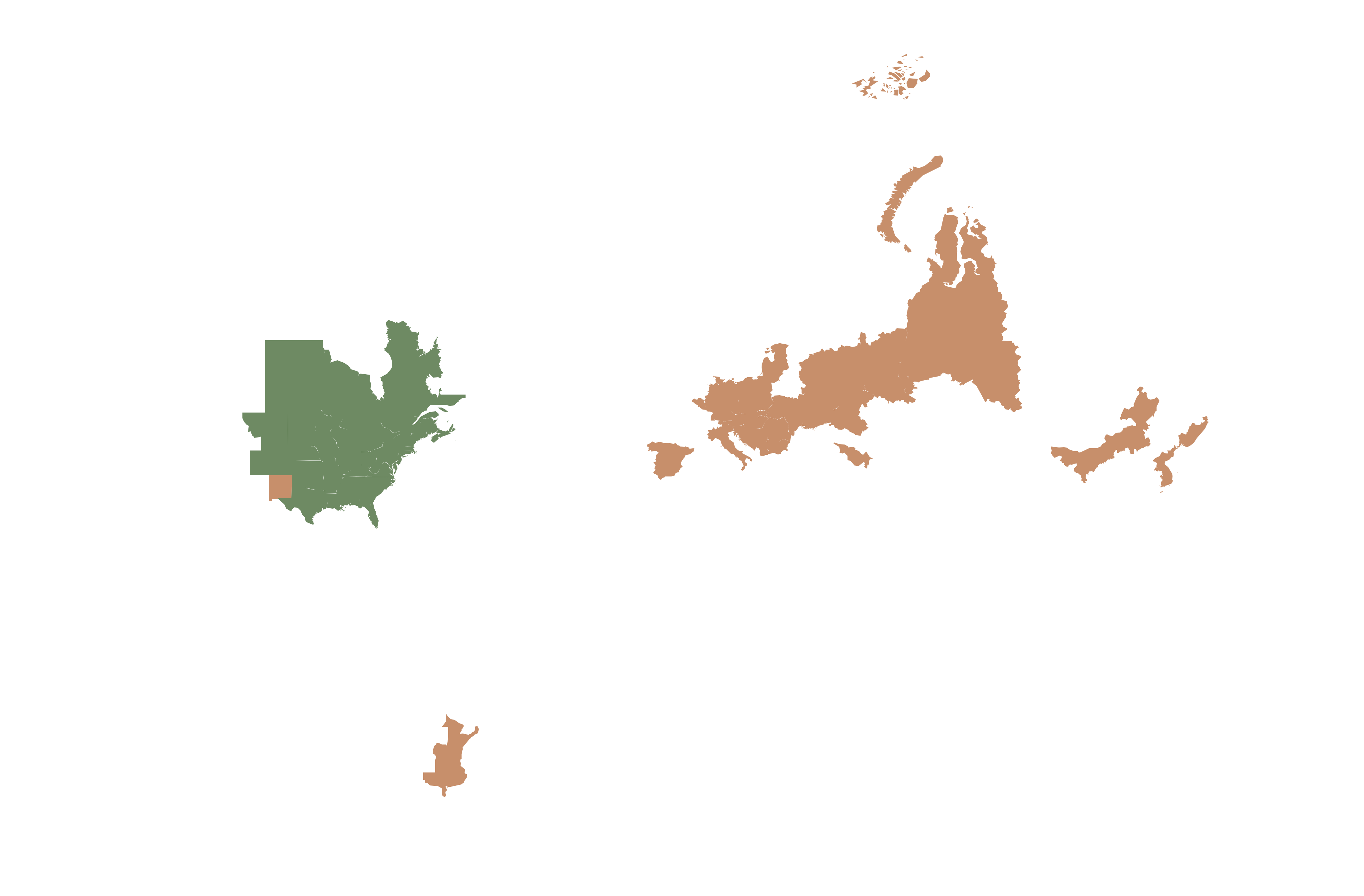
- Native
- Introduced
- North America
History
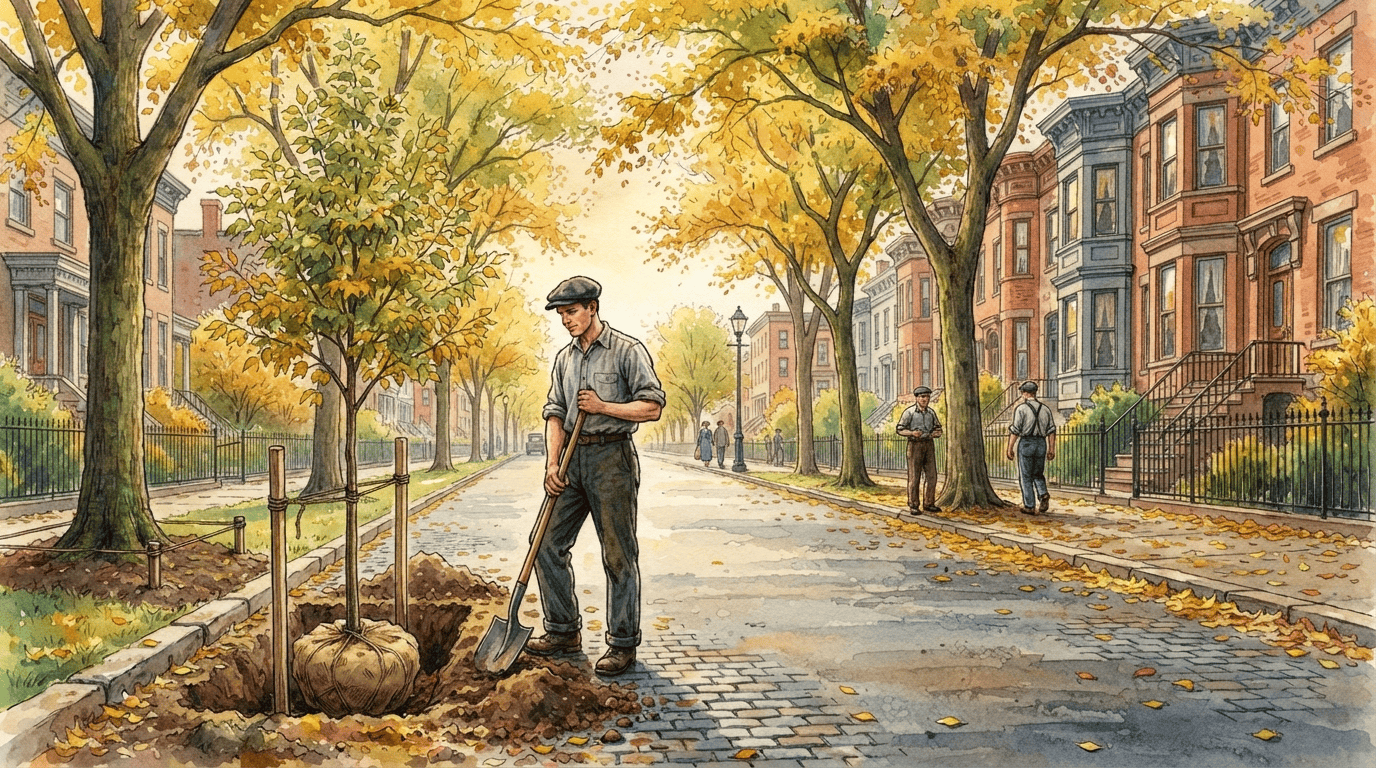
Fraxinus pennsylvanica had the largest natural range of any North American ash, from Nova Scotia and Alberta south to Florida and Texas. German botanist Heinrich Marschall published the name in 1785. Its fast growth, tolerance of urban stresses, adaptability to wet or dry sites, and strong yellow fall color made it one of the most widely planted street trees in North American cities throughout the 20th century.
Unfortunately in 2002 the emerald ash borer (Agrilus planipennis), an invasive wood-boring beetle from Asia, was identified near Detroit, and has since killed hundreds of millions of ash trees across eastern North America. Virtually all untreated green ash trees in affected regions have died, making the species functionally extinct in many urban and natural settings. Seed banking, biocontrol research, and the development of resistant strains continue.
The native range is now actively expanding into contracting boundaries as remnant populations struggle. The straight-grained wood is the traditional choice for baseball bats, tool handles, and electric guitar bodies. Widely planted as a street tree in post-Dutch-elm-disease America, only to be devastated by emerald ash borer introduced from Asia in 2002. Now considered critically threatened across much of its range.
Symbolism & meaning
What It Symbolizes
The Green Ash now carries the weight of sacrifice, an entire native species hollowed by the emerald ash borer epidemic that has felled millions of street and forest trees. Its straight grain once shaped baseball bats, tool handles, and the craft heritage of working America. To remember the green ash is to honor a tree that gave shade, sport, and finally itself.
- Sacrifice — lost to emerald ash borer epidemic
- Craft — traditional wood for baseball bats
Where the Name Comes From
The common name highlights its green coloring. 'Fraxinus' is classical Latin for ash; 'pennsylvanica' refers to Pennsylvania where it was first described.
Uses & Fun Facts
- Fast-growing canopy long planted as urban street and lawn tree
- Strong, elastic timber crafted into baseball bats and tool handles
- Native eastern tree provides seeds and habitat for many species
Related plants
More Fraxinus plants
Plants with similar care
 Chinese AbeliaAbelia chinensis
 Fragrant AbeliaAbelia mosanensis
 Large-Flowered AbeliaAbelia uniflora
 Glossy AbeliaAbelia x grandiflora
Frequently asked questions
How often should I water Green Ash?
Water about every 7 days during the growing season, and always let excess water drain away.
How much light does Green Ash need?
Full sun: 6+ hrs direct. Watch the leaves — scorching or stretching means the light needs adjusting.
Is Green Ash toxic to cats or dogs?
No toxicity has been reported for this plant. Still, it is wise to keep pets from chewing on any houseplant. Educational information, not medical or veterinary advice. If exposure is suspected, contact a doctor or veterinarian.
Is Green Ash easy to grow?
Yes — it is considered an easy, beginner-friendly plant.
When does Green Ash bloom?
It typically blooms Mar–Apr in the Northern Hemisphere.
YardMate
Identify any plant in seconds
Snap a photo — YardMate names the plant, diagnoses problems, and reminds you when to water.
Download on the App Store