 YardMate
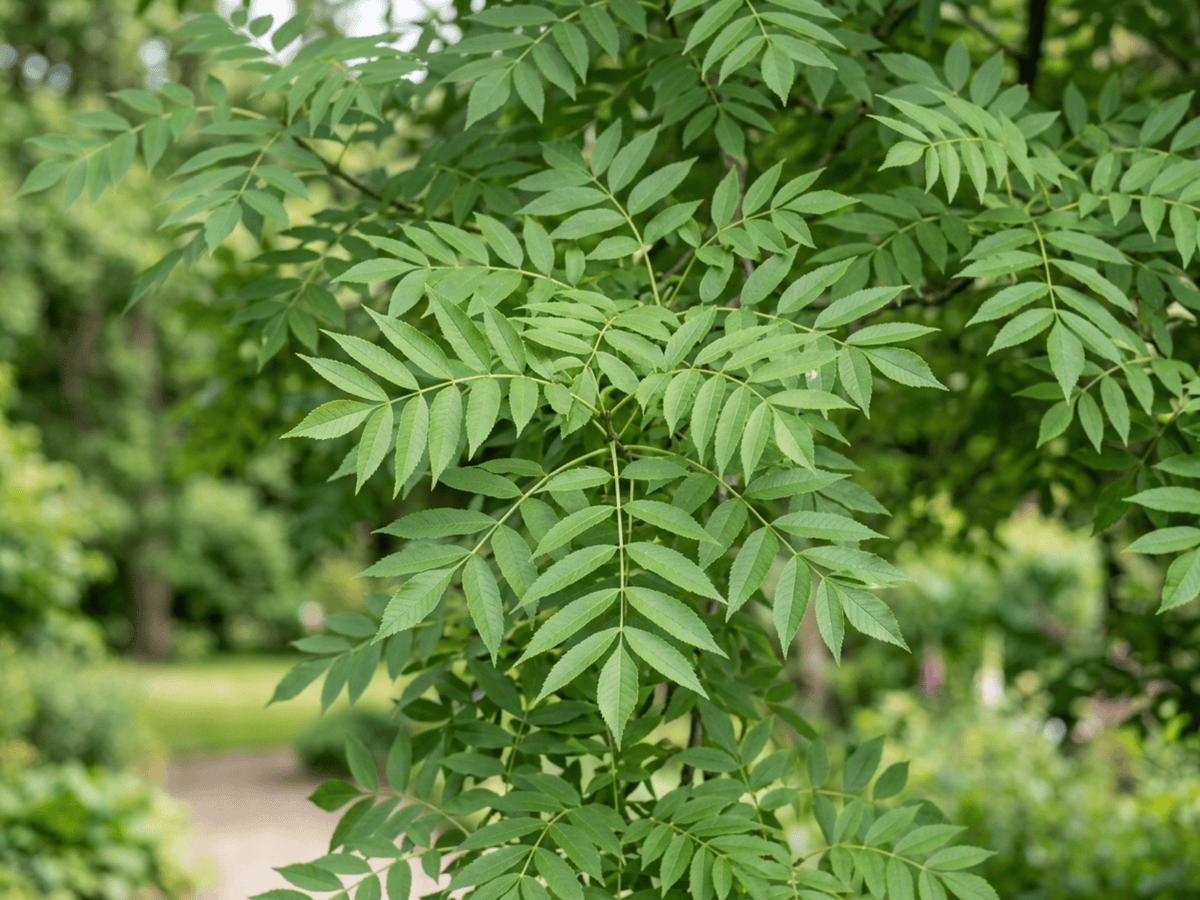


European Ash
Fraxinus excelsior
Medium · Some experienceAbout European Ash
Fraxinus excelsior, the European ash, is one of the most important broadleaf trees of northern Europe, found from Ireland to the Caucasus. It typically grows 20 to 35 meters tall with an open, domed crown and distinctive black buds that identify it instantly in winter. The compound pinnate leaves appear late in spring and drop early in autumn, giving it the shortest leaf season of any European native tree. Ash wood is prized for its exceptional flexibility and shock absorption — it has been the preferred material for tool handles, sports equipment (hurling sticks, baseball bats, hockey sticks), and coach-building for centuries. In Norse mythology, the great ash tree Yggdrasil was the World Tree connecting the nine realms. Tragically, the species now faces devastating decline from ash dieback (Hymenoscyphus fraxineus), a fungal disease that has killed millions of trees across Europe since the 2000s. The tree thrives in moist, fertile, well-drained alkaline soils and full sun, and is an important species in mixed deciduous woodland ecosystems.
- Fast-growing
- Wildlife-friendly
How to care for European Ash
Watering
- Springevery 10 days
- Summerevery 7 days
- Fallevery 14 days
- Winterevery 45 days
Soil · Well-draining
- Top dressingPine bark mulch10%
- Main mixPotting soil + perlite 2:170%
- DrainageLECA / gravel20%
Never skip the drainage layer — standing water is the top cause of root rot.
FERTILIZER
Balanced Feed 14-14-14
An even feed covers all three needs at once, keeping leaves, roots and blooms moving together with nothing pushed out of balance.
- Nitrogen · Leaves
- Phosphorus · Roots + Blooms
- Potassium · Strength
- Springevery 60 days
At a Glance
- NativeEurope, Western Asia
- Height50–80 ft (15.2–24.4 m)
- Spread40–60 ft (12.2–18.3 m)
- Flower colorPurple
- Foliage colorGreen, Yellow
- SoilMoisture-retentive, Loamy, Alkaline
- LocationsYard
Bloom time
BLOOM CYCLE
Peak bloom
Mar–May
Tiny purplish flowers appear before leaves in spring; wind-pollinated and inconspicuous
Fragrance
NO FRAGRANCE
No notable fragrance.
Toxicity
Humans Safe · Pets Safe
None reported
Safe
EXPOSURE No exposure route is reported.
EFFECT No significant toxicity.
NOTE Listed as non-toxic for humans; avoid eating ornamental plants unless confirmed edible.
Safe
EXPOSURE No exposure route is reported.
EFFECT Not listed as toxic.
NOTE Listed as non-toxic for dogs; avoid eating ornamental plants unless confirmed edible.
Safe
EXPOSURE No exposure route is reported.
EFFECT Not listed as toxic.
NOTE Listed as non-toxic for cats; avoid eating ornamental plants unless confirmed edible.
Educational information, not medical or veterinary advice. If exposure is suspected, contact a doctor or veterinarian.
DISTRIBUTION

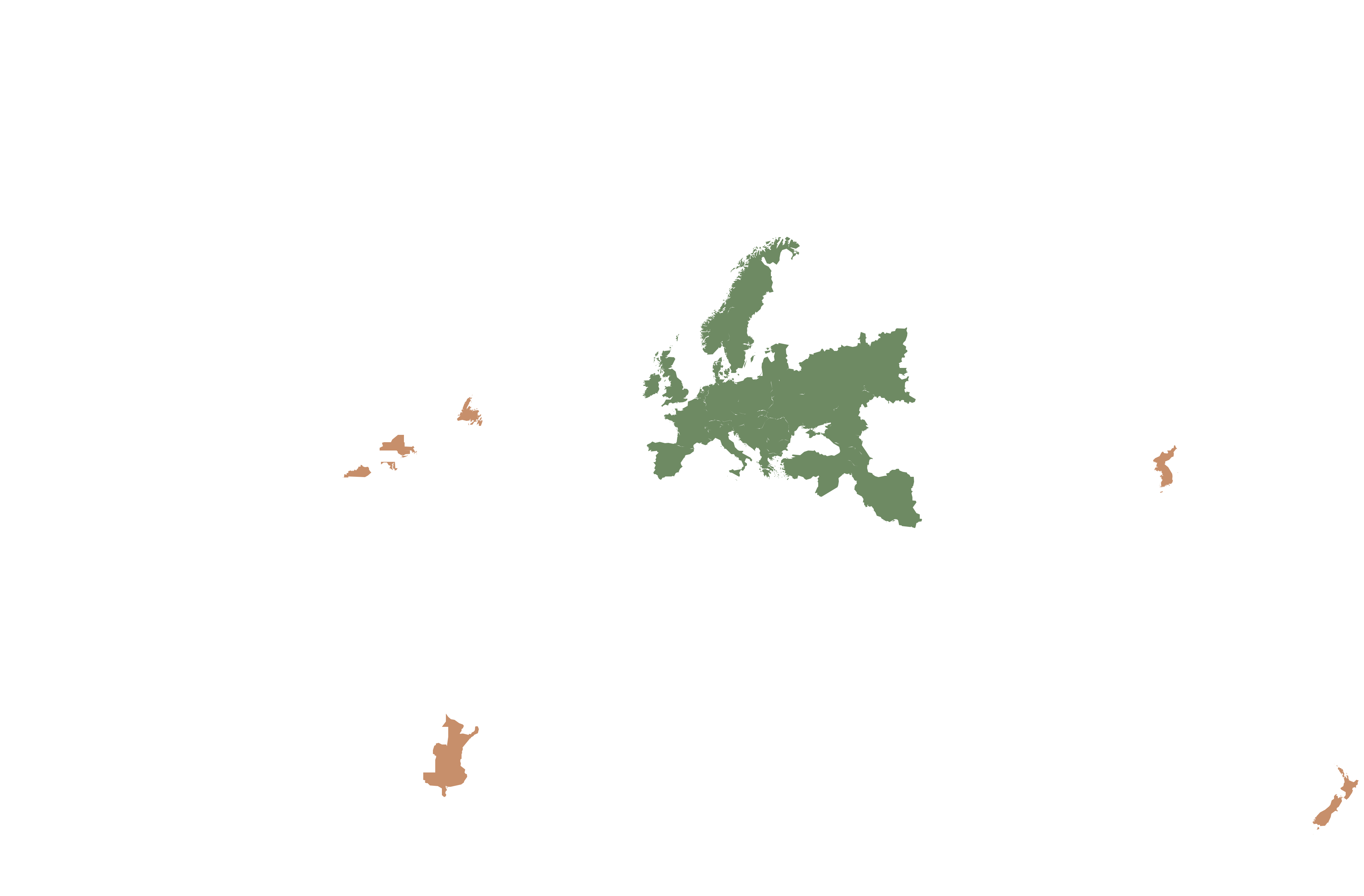
- Native
- Introduced
- Europe
- Western Asia
History
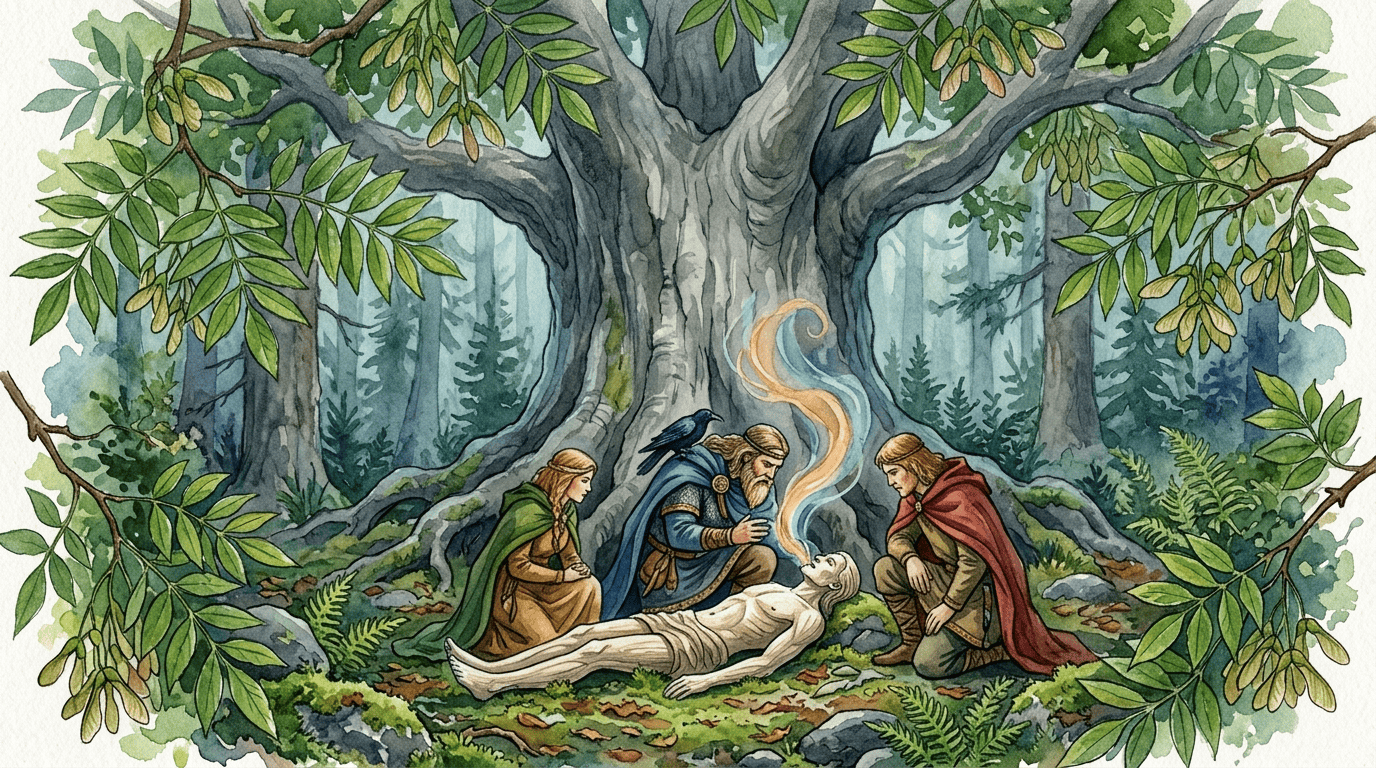
Fraxinus excelsior is native to most of Europe and western Asia. In Norse mythology, Yggdrasil — the immense tree connecting the nine worlds of Norse cosmology — is usually identified as an ash, and the first man Ask was carved from ash by Odin, Vili, and Vé. Medieval Europeans continued to hold ash sacred.
The wood's combination of strength, toughness, flexibility, and shock resistance made ash the defining material for spear shafts, pike handles, tool handles, cart wheels, cricket bats, hockey sticks, and walking sticks across Europe. Ash has now entered a catastrophic decline. In North America, emerald ash borer (Agrilus planipennis), an Asian beetle first detected in Michigan in 2002, has killed hundreds of millions of ash trees across the eastern US and Canada — one of the largest modern invasive-species disasters.
In Europe, ash dieback (Hymenoscyphus fraxineus, an Asian fungus) has spread since the 1990s; the UK expects to lose up to 80% of its ash. The combined assault threatens to repeat the American elm catastrophe on an even larger scale across two continents. Since 2012, ash dieback has threatened to reshape European woodlands as profoundly as Dutch elm disease transformed American cities.
Symbolism & meaning
What It Symbolizes
The European Ash is a tree of Connection — Norse myth made it Yggdrasil, the World Tree binding nine realms through its roots and branches. It also carries Sacrifice in that lineage: Odin hung from its trunk for nine nights to win the runes, trading suffering for wisdom. Few trees are so deeply braided into a culture's understanding of the cosmos.
- Connection — As the Norse World Tree Yggdrasil, ash connects all realms and represents cosmic unity
- Sacrifice — Odin hung from Yggdrasil for nine days to gain wisdom, linking ash to enlightenment through ordeal
Where the Name Comes From
The name European Ash points to Europe. Fraxinus is the classical Latin name for ash, possibly related to Greek 'phrasso' (to fence), as ash was used for hedgerow stakes. Excelsior means 'taller' or 'loftier' in Latin.
Uses & Fun Facts
- Tall arching canopy shades parks and country lanes
- Tough elastic timber for tool handles and sports equipment
- Sacred world-tree in Norse mythology and folklore
Related plants
More Fraxinus plants

Plants with similar care
 Mexican AbeliaAbelia floribunda
 Fraser FirAbies fraseri
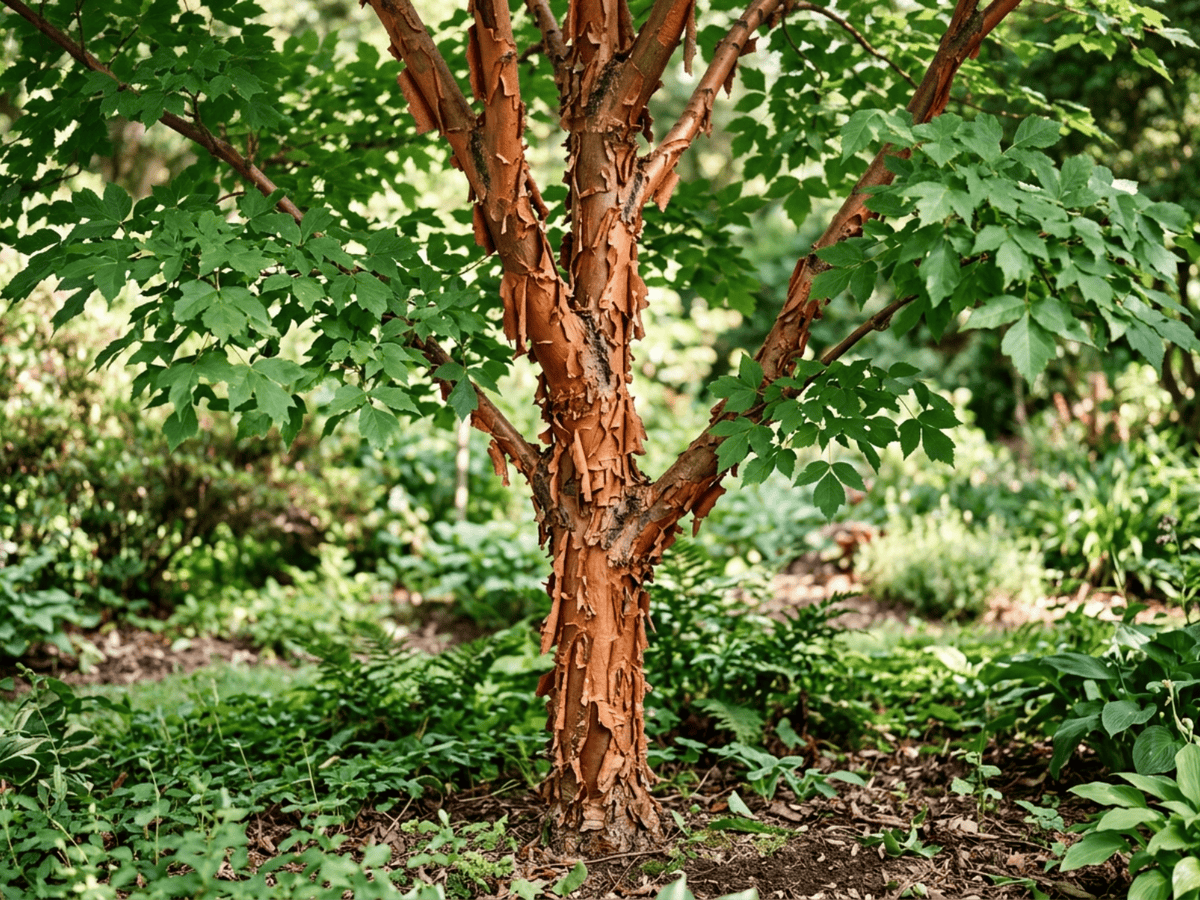 Paperbark MapleAcer griseum
 Sugar MapleAcer saccharum
Frequently asked questions
How often should I water European Ash?
In summer, water about every 7 days; in winter, about every 45 days. Adjust for heat, pot size and drainage.
How much light does European Ash need?
Full sun: 6+ hrs direct. Watch the leaves — scorching or stretching means the light needs adjusting.
Is European Ash toxic to cats or dogs?
Pets Safe (Dogs Safe · Cats Safe) Educational information, not medical or veterinary advice. If exposure is suspected, contact a doctor or veterinarian.
Is European Ash easy to grow?
It is moderately demanding: a good choice once you have a little experience.
When does European Ash bloom?
It typically blooms Mar–May in the Northern Hemisphere.
YardMate
Identify any plant in seconds
Snap a photo — YardMate names the plant, diagnoses problems, and reminds you when to water.
Download on the App Store