 YardMate


Firewheel
Gaillardia pulchella
Easy · Beginner friendlyAbout Firewheel
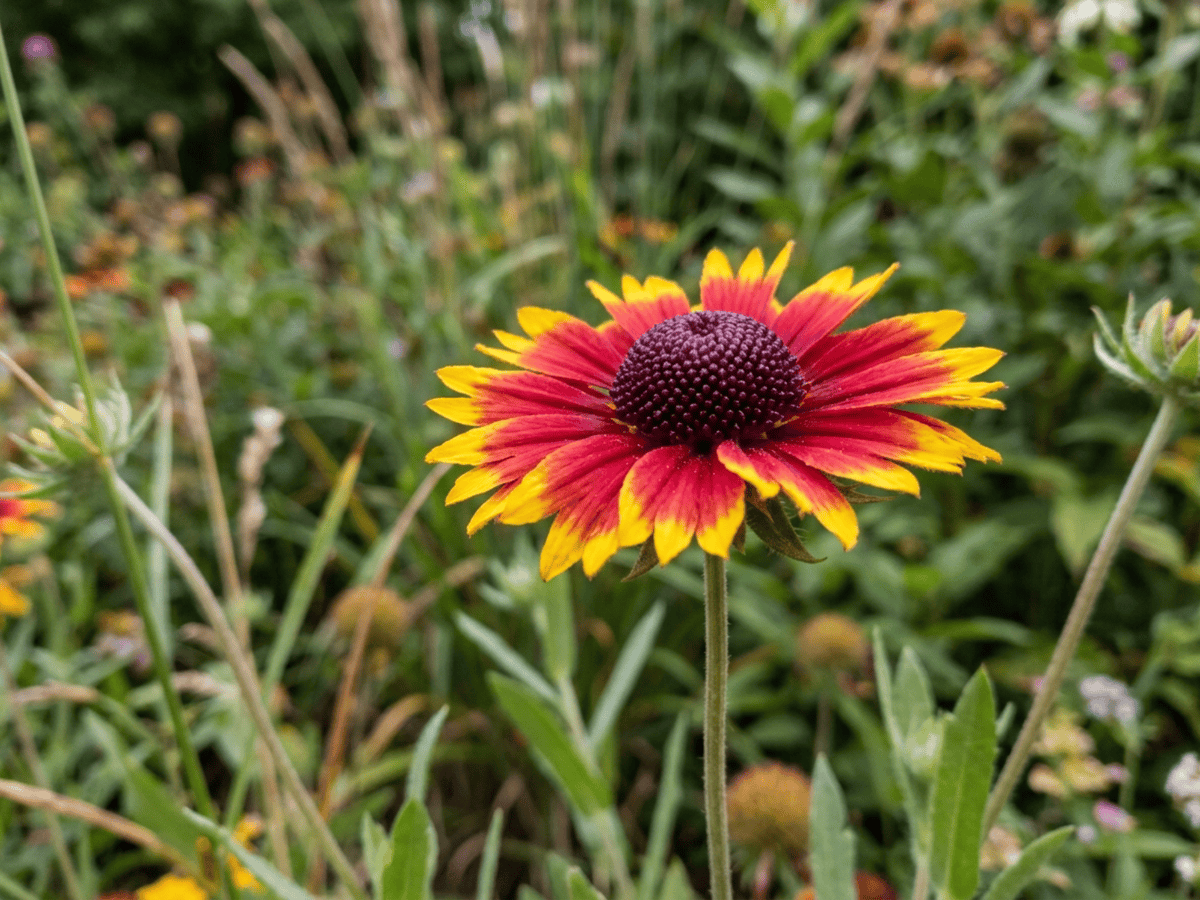
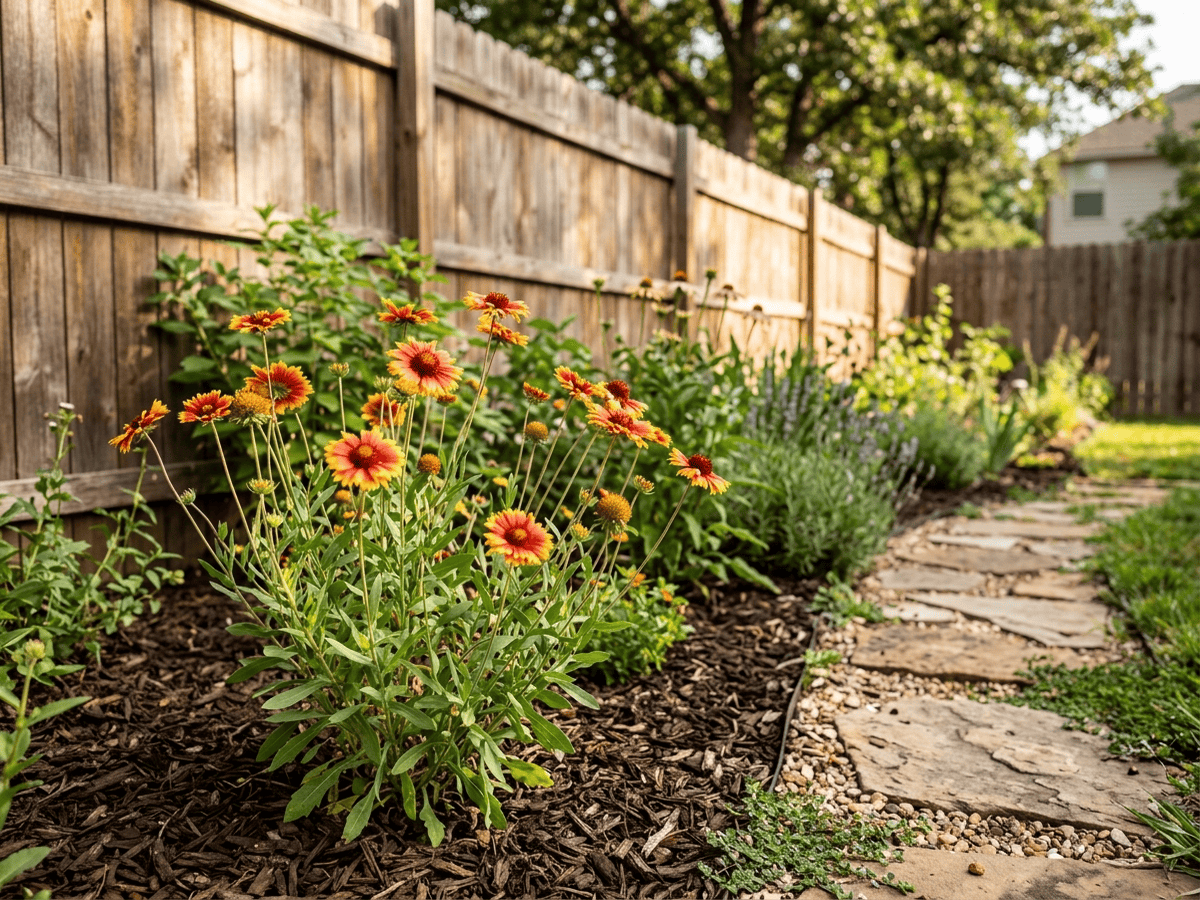
Gaillardia pulchella, the Indian blanket flower, is a dazzling annual wildflower native to the central and southern United States and Mexico. Its daisy-like blooms feature bold concentric rings of red, orange, and yellow that resemble Native American blanket patterns, giving the plant its common name. Growing 30 to 60 cm tall, it thrives in hot, dry conditions and poor sandy soils where many garden plants struggle. The species is exceptionally drought-tolerant once established, making it a cornerstone of xeriscape and prairie restoration plantings. Butterflies and native bees flock to the nectar-rich flowers, which bloom prolifically from early summer through first frost. Deadheading spent blooms encourages continuous flowering. Indian blanket readily self-sows, naturalizing across open meadows and roadsides. It requires excellent drainage and resents heavy clay or overwatering, which can cause root rot. This low-maintenance wildflower is ideal for beginners seeking bold color with minimal effort.
- Drought-tolerant
- Heat-tolerant
- Pollinator-friendly
How to care for Firewheel
Watering
- Springevery 7 days
- Summerevery 5 days
- Fallevery 14 days
- Winterevery 30 days
Soil · Well-draining
- Top dressingPine bark mulch10%
- Main mixPotting soil + perlite 2:170%
- DrainageLECA / gravel20%
Never skip the drainage layer — standing water is the top cause of root rot.
FERTILIZER
- Springevery 60 days
At a Glance
- NativeNorth America
- Height1–2 ft (0.3–0.6 m)
- Spread1–2 ft (0.3–0.6 m)
- Flower colorRed, Yellow, Orange
- Foliage colorGreen
- SoilSandy, Well-drained
- LocationsYard · Indoor · Balcony
Bloom time
BLOOM CYCLE
Peak bloom
Jun–Nov
Deadhead spent flowers to prolong blooming from summer through fall; thrives in poor soil without fertilizer
Fragrance
NO FRAGRANCE
No notable fragrance.
Toxicity
No toxicity has been reported for this plant. Still, it is wise to keep pets from chewing on any houseplant.
Educational information, not medical or veterinary advice. If exposure is suspected, contact a doctor or veterinarian.
DISTRIBUTION

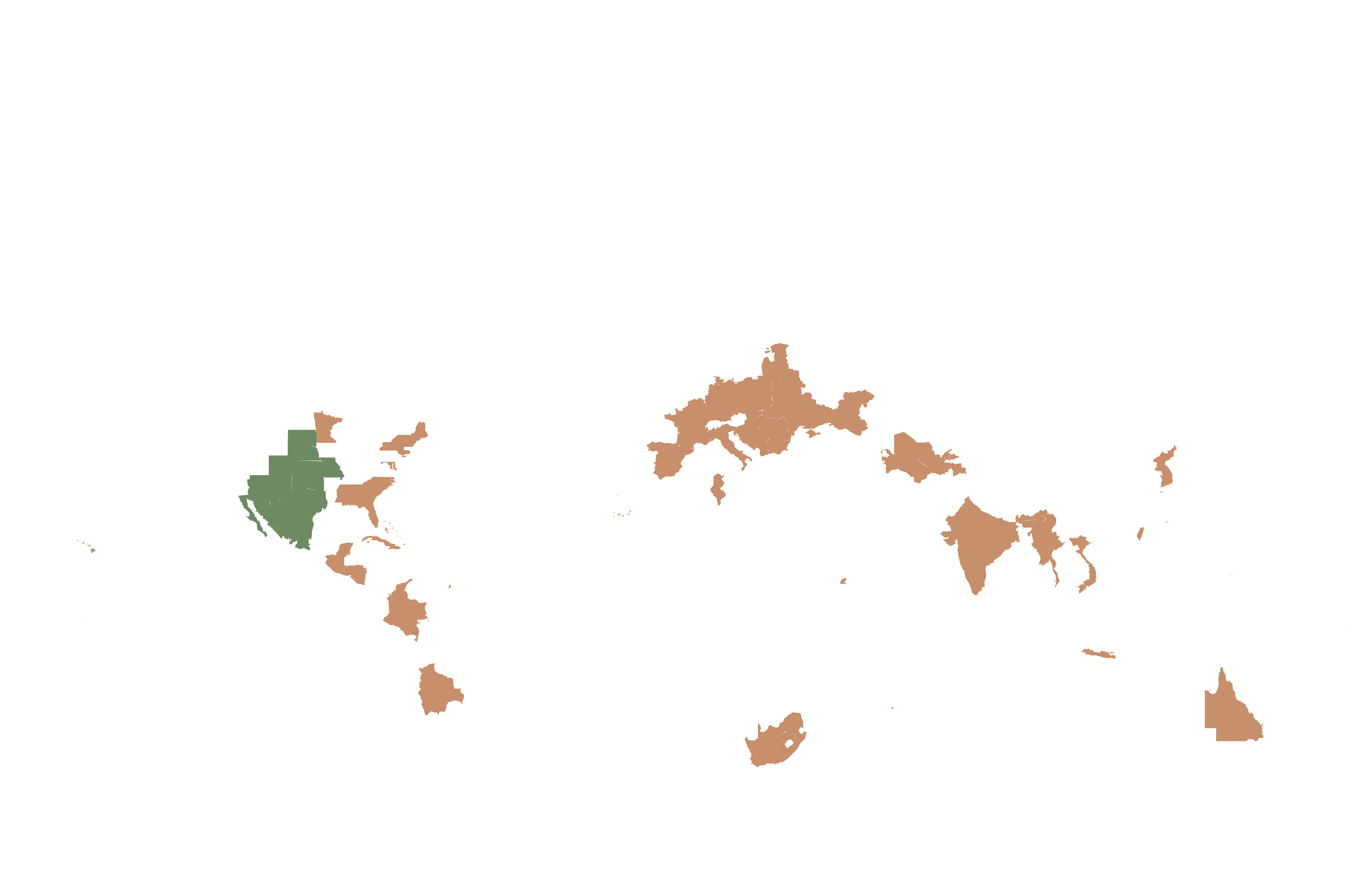
- Native
- Introduced
- North America
History
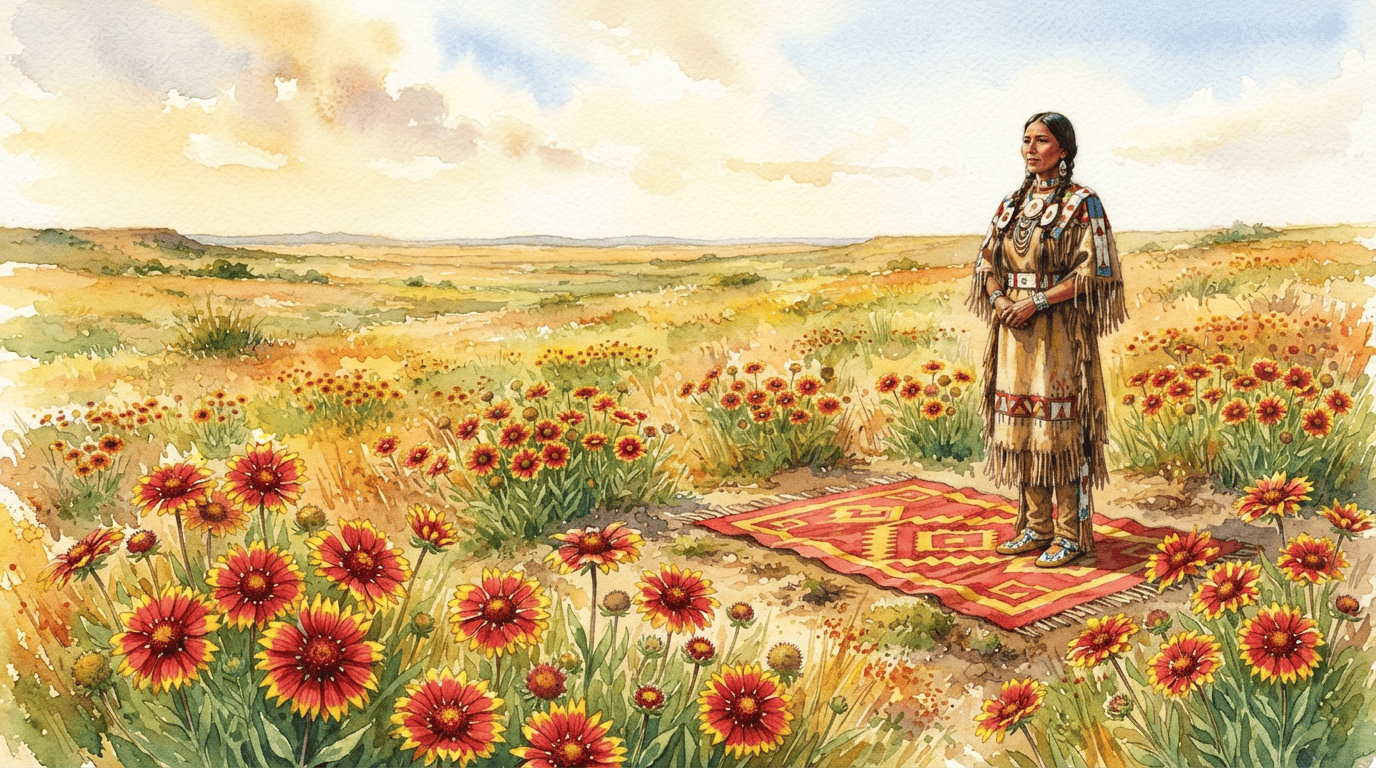
Gaillardia pulchella is native to the central and southern United States — from Nebraska and Colorado south through Texas into northern Mexico — and along coastal sandy habitats from Virginia to Florida and west along the Gulf Coast. It produces distinctive large daisy flowers, 5-7 cm across, with central dark-red disks surrounded by bright yellow-tipped red rays, creating the characteristic concentric "firewheel" pattern that gives the species one of its common names. Indigenous Kiowa and Plains tradition holds that the red-and-yellow pattern is a memorial to a Kiowa weaver whose blanket was wrapped around him at his burial, and the flowers sprang from his grave — giving rise to the common name "Indian blanket" (a folk etymology used primarily in the American Southwest and Great Plains). Oklahoma designated G. pulchella its state wildflower in 1986.
The species is an annual or short-lived perennial that regenerates readily from seed, making it a staple of USDA and commercial warm-season wildflower seed mixes for roadside, prairie restoration, and meadow plantings across the southern United States. It is also a major nectar source for native bees, butterflies, and skippers, blooming reliably through hot dry summers when many other wildflowers have passed. The genus name honors 18th-century French magistrate and botany patron M. Gaillard de Charentonneau.
Named after Maitre Gaillard de Charentonneau, an 18th-century French magistrate and patron of botany. The plant was used by Native American tribes as a medicinal tea for various ailments. During westward expansion, settlers noted how Indian blanket carpeted prairies after fires, becoming one of the first plants to reclaim disturbed land. It is the state wildflower of Oklahoma, celebrating the state's Native American heritage and prairie landscape.
Symbolism & meaning
What It Symbolizes
The Firewheel is joy painted in sunset, its red-and-yellow daisies blazing across open meadows from Texas to the Plains. It thrives where soils are poor and summers brutal, embodying a kind of resilience that turns adversity into color. In its bright wheels, joy is not naive — it is hard-won, summer-tested, and unmistakably native.
- Joy — Its vivid sunset colors radiate warmth and happiness across open meadows
- Resilience — Thrives in harsh conditions where other flowers fail, symbolizing inner strength
Where the Name Comes From
Gaillardia honors the French botanist patron Gaillard de Charentonneau. Pulchella means 'pretty' or 'beautiful' in Latin.
Uses & Fun Facts
- Red-and-yellow daisies feed butterflies and bees through hot summers
- Long-stemmed blooms last well in wildflower bouquets
- Drought-tolerant native annual brightens xeriscape and meadow plantings
Related plants
Plants with similar care
 Chinese AbeliaAbelia chinensis
 Fragrant AbeliaAbelia mosanensis
 Large-Flowered AbeliaAbelia uniflora
 Glossy AbeliaAbelia x grandiflora
Frequently asked questions
How often should I water Firewheel?
In summer, water about every 5 days; in winter, about every 30 days. Adjust for heat, pot size and drainage.
How much light does Firewheel need?
Full sun: 6+ hrs direct. Watch the leaves — scorching or stretching means the light needs adjusting.
Is Firewheel toxic to cats or dogs?
No toxicity has been reported for this plant. Still, it is wise to keep pets from chewing on any houseplant. Educational information, not medical or veterinary advice. If exposure is suspected, contact a doctor or veterinarian.
Is Firewheel easy to grow?
Yes — it is considered an easy, beginner-friendly plant.
Can Firewheel be grown indoors?
Yes, it adapts well to indoor growing given the right light.
When does Firewheel bloom?
It typically blooms Jun–Nov in the Northern Hemisphere.
YardMate
Identify any plant in seconds
Snap a photo — YardMate names the plant, diagnoses problems, and reminds you when to water.
Download on the App Store