 YardMate


Prairie Smoke
Geum triflorum
Easy · Beginner friendlyAbout Prairie Smoke
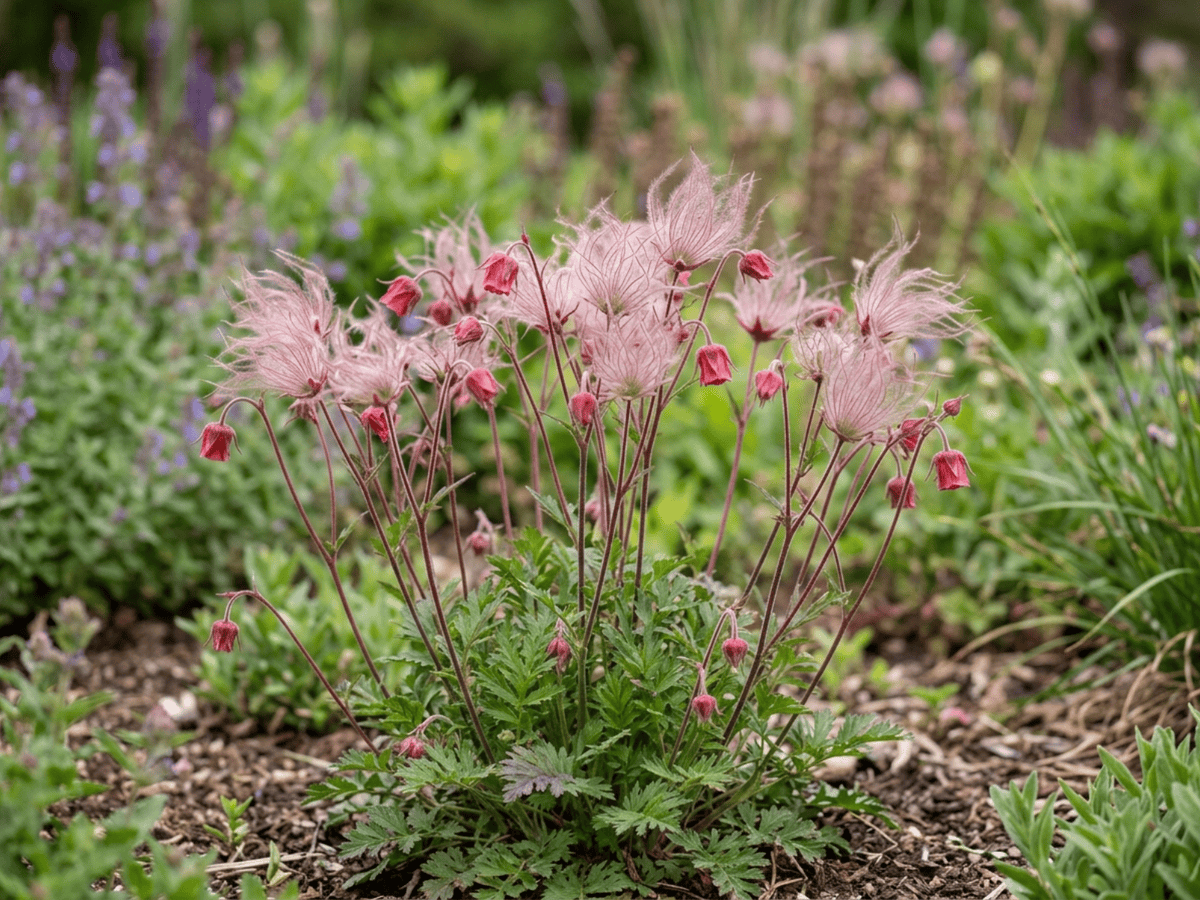
Prairie Smoke is a charming native American perennial of northern prairies and mountain meadows, distinguished by nodding pink-red bell-shaped flowers followed by feathery plumed seedheads that shimmer in the wind like puffs of smoke. Growing 6-12 inches tall, it forms tight rosettes of fern-like evergreen foliage. A beloved native plant for western and midwestern American rock gardens and prairie plantings.
- Drought-tolerant
- Cold-hardy
- Evergreen
- Native
How to care for Prairie Smoke
Watering
- Springevery 7 days
- Summerevery 5 days
- Fallevery 10 days
- Winterpause watering
Soil · Well-draining
- Top dressingPine bark mulch10%
- Main mixPotting soil + perlite 2:170%
- DrainageLECA / gravel20%
Never skip the drainage layer — standing water is the top cause of root rot.
FERTILIZER
- Springevery 30 days
- Summerevery 30 days
At a Glance
- NativeNorth America
- Height0.5–1.5 ft (0.2–0.5 m)
- Spread0.5–1 ft (0.2–0.3 m)
- Flower colorPink
- Foliage colorGreen
- Fruit colorPink, Red
- SoilLoamy, Well-drained
- LocationsYard
Bloom time
BLOOM CYCLE
Peak bloom
Apr–Jul
Nodding pink-red bells April to June, smoke-like seedheads June to July
Toxicity
No toxicity has been reported for this plant. Still, it is wise to keep pets from chewing on any houseplant.
Educational information, not medical or veterinary advice. If exposure is suspected, contact a doctor or veterinarian.
DISTRIBUTION


- Native
- North America
History
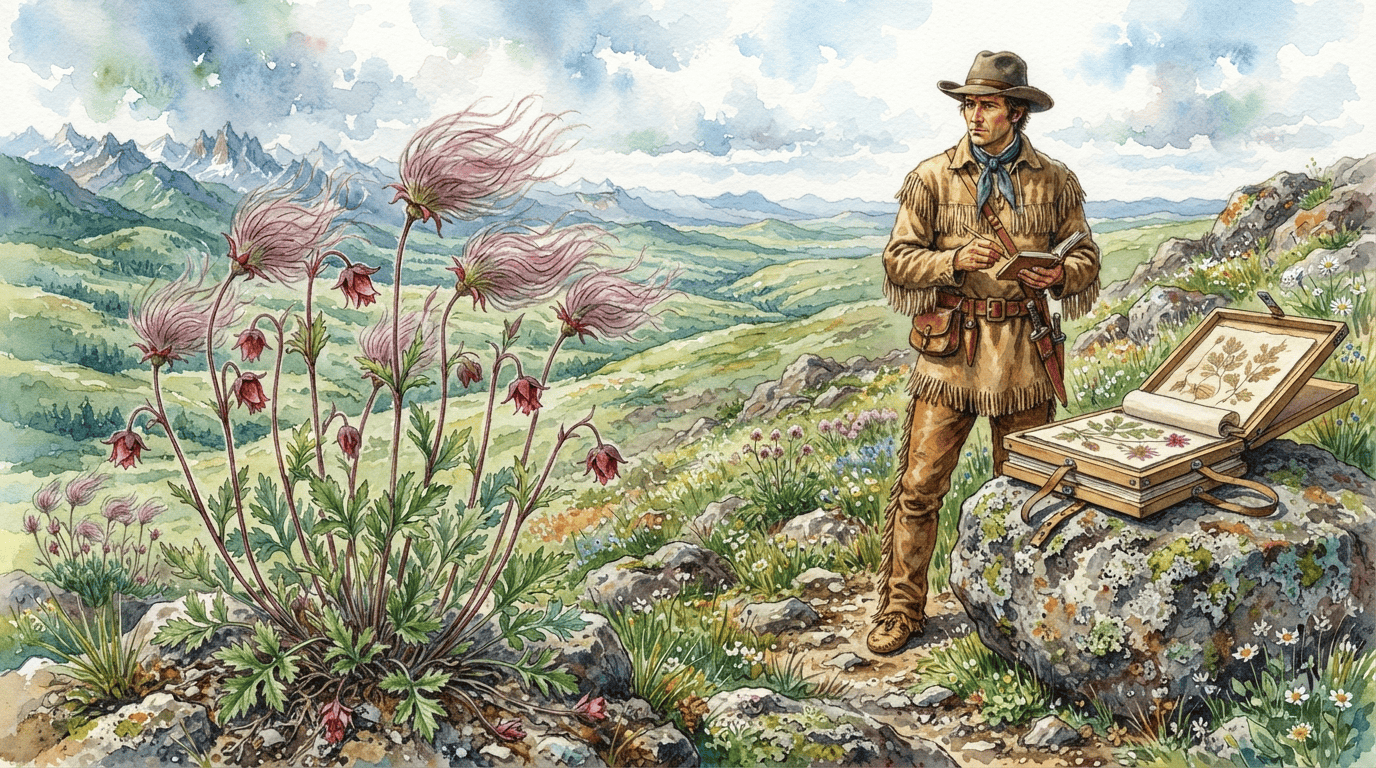
Geum triflorum grows across North American prairies, subalpine meadows, and rocky slopes from the Great Plains to the Sierra Nevada and north to Canada. Captain Meriwether Lewis collected specimens during the Corps of Discovery expedition in 1806 near the Idaho-Montana border, and Frederick Pursh formally described it in 1813 from Lewis's herbarium. The Blackfoot, Cree, and Ojibwe used root decoctions for eye inflammation, sore throats, and as a mild pain reliever.
The plant's distinctive feathery seed heads—long silky styles attached to developing achenes—create smoky pink masses that blow in prairie winds, inspiring common names prairie smoke, old man's whiskers, and lion's beard. Modern prairie restoration projects have reintroduced it to native-plant gardens across the upper Midwest and northern Plains. Native across the northern tier of North America from Alaska to Newfoundland and south to the Rockies.
The Blackfoot used the roots in medicinal teas. The species' dramatic feathery seedheads inspired other common names like 'old man's whiskers' and 'torch flower'. A signature wildflower of American mixed-grass prairies.
Symbolism & meaning
What It Symbolizes
Prairie Smoke is perseverance with a touch of mystery, its nodding pink bells giving way to ethereal feathery seedheads that drift like smoke above the grasses. Adapted to harsh prairie conditions, it endures wind, drought, and brutal sun without complaint. In its silver plumes, the plains seem to breathe out their own quiet ghost.
- Perseverance — windy prairie flowers persist in lean, exposed ground
- Mystery — ethereal smoke-like seedheads
Where the Name Comes From
The name Prairie Smoke points to prairie habitats. 'Geum' is an ancient Latin name for the genus; 'triflorum' means 'three-flowered', referring to the typical flower cluster.
Uses & Fun Facts
- Smoky feathery seedheads shimmer above prairie rosettes
- Nodding pink bells feed early-spring bumblebees and mason bees
- Evergreen native rosettes carpet rock gardens and dry slopes
Related plants
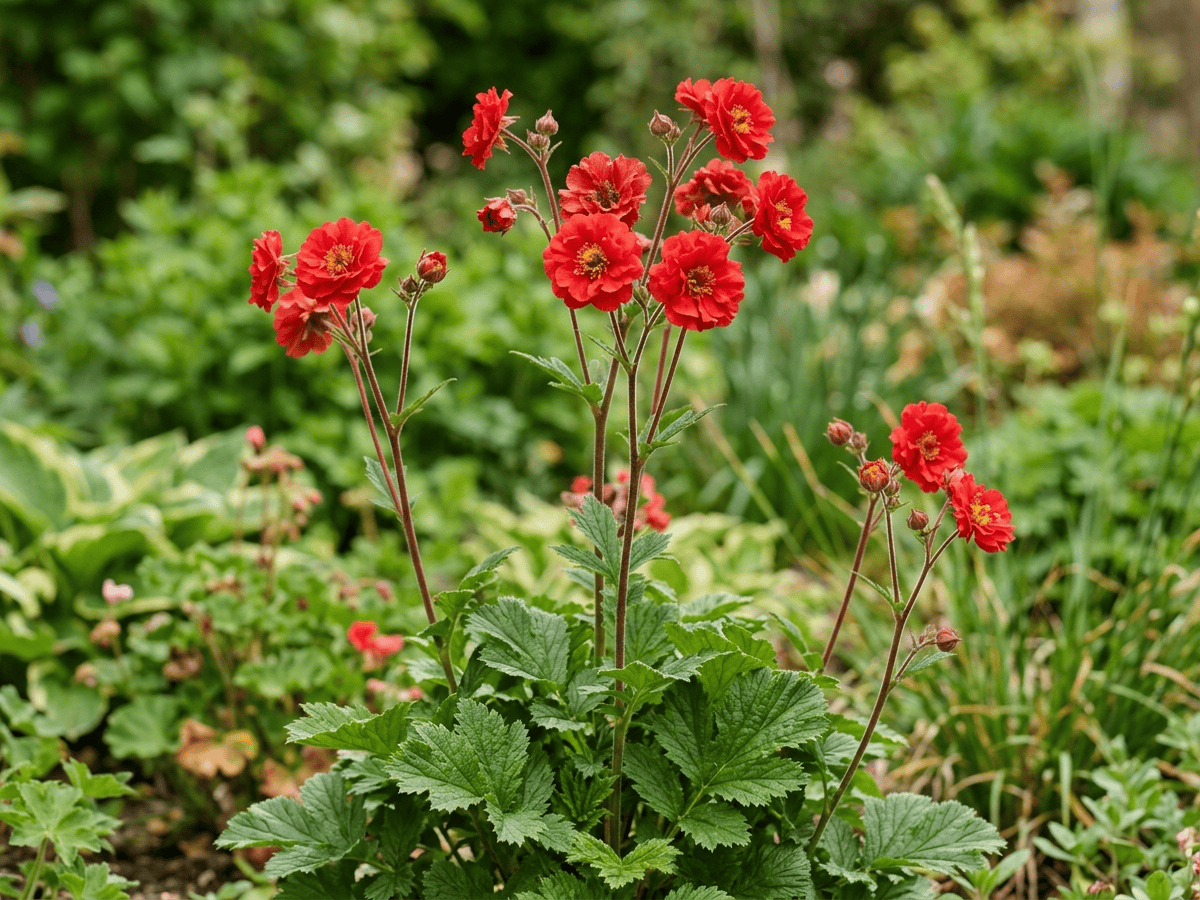
More Geum plants


Plants with similar care
 Chinese AbeliaAbelia chinensis
 Fragrant AbeliaAbelia mosanensis
 Large-Flowered AbeliaAbelia uniflora
 Glossy AbeliaAbelia x grandiflora
Frequently asked questions
How often should I water Prairie Smoke?
Water about every 7 days during the growing season, and always let excess water drain away.
How much light does Prairie Smoke need?
Full sun: 6+ hrs direct. Watch the leaves — scorching or stretching means the light needs adjusting.
Is Prairie Smoke toxic to cats or dogs?
No toxicity has been reported for this plant. Still, it is wise to keep pets from chewing on any houseplant. Educational information, not medical or veterinary advice. If exposure is suspected, contact a doctor or veterinarian.
Is Prairie Smoke easy to grow?
Yes — it is considered an easy, beginner-friendly plant.
When does Prairie Smoke bloom?
It typically blooms Apr–Jul in the Northern Hemisphere.
YardMate
Identify any plant in seconds
Snap a photo — YardMate names the plant, diagnoses problems, and reminds you when to water.
Download on the App Store