 YardMate

Rio Grande Globe Amaranth
Gomphrena haageana
Easy · Beginner friendlyAbout Rio Grande Globe Amaranth
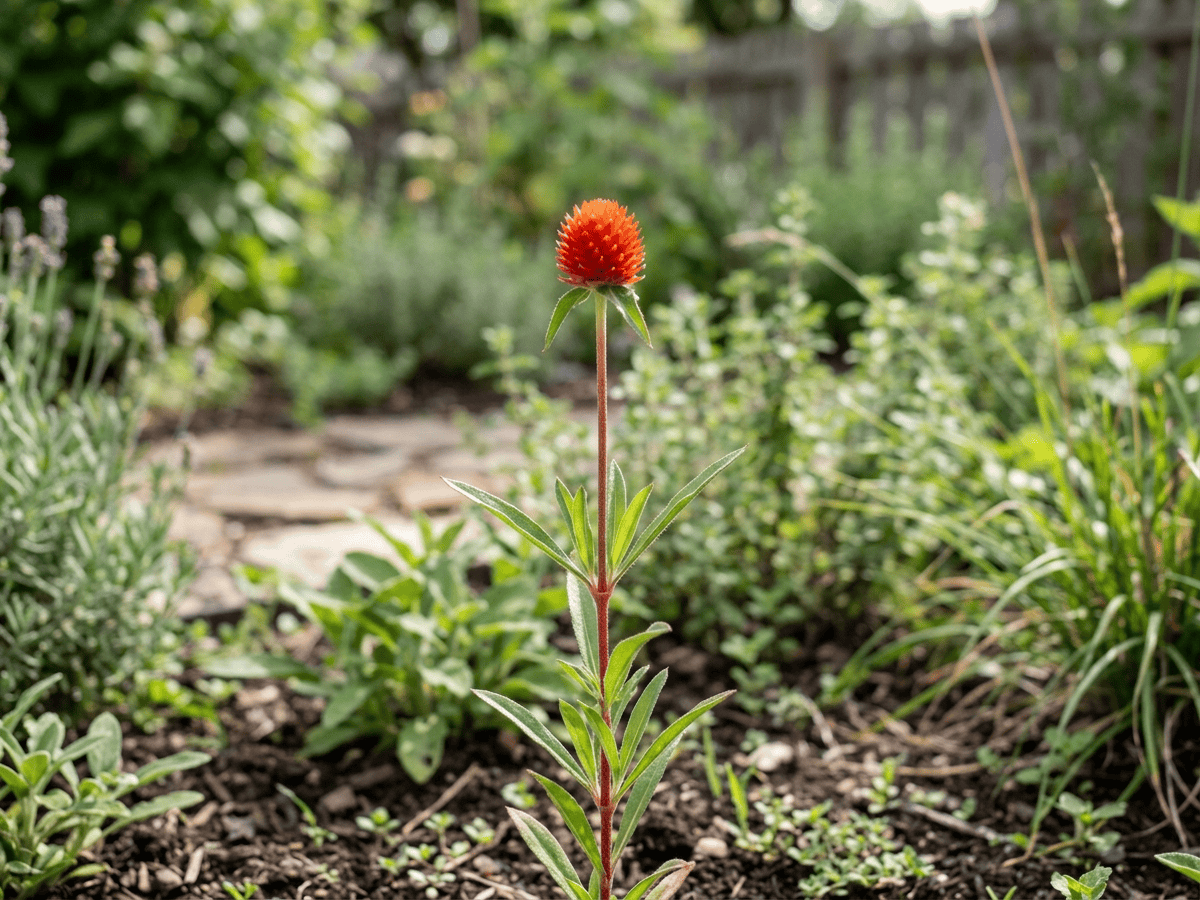
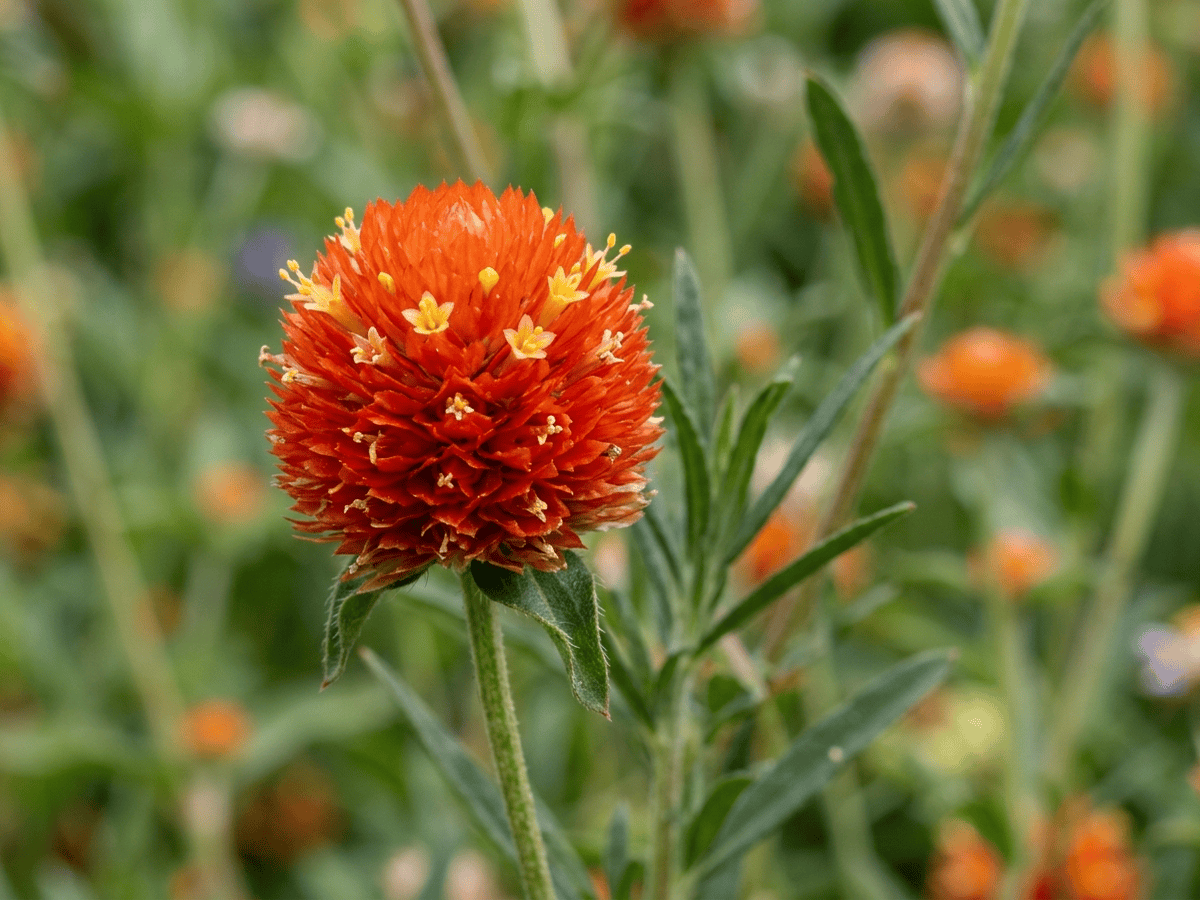
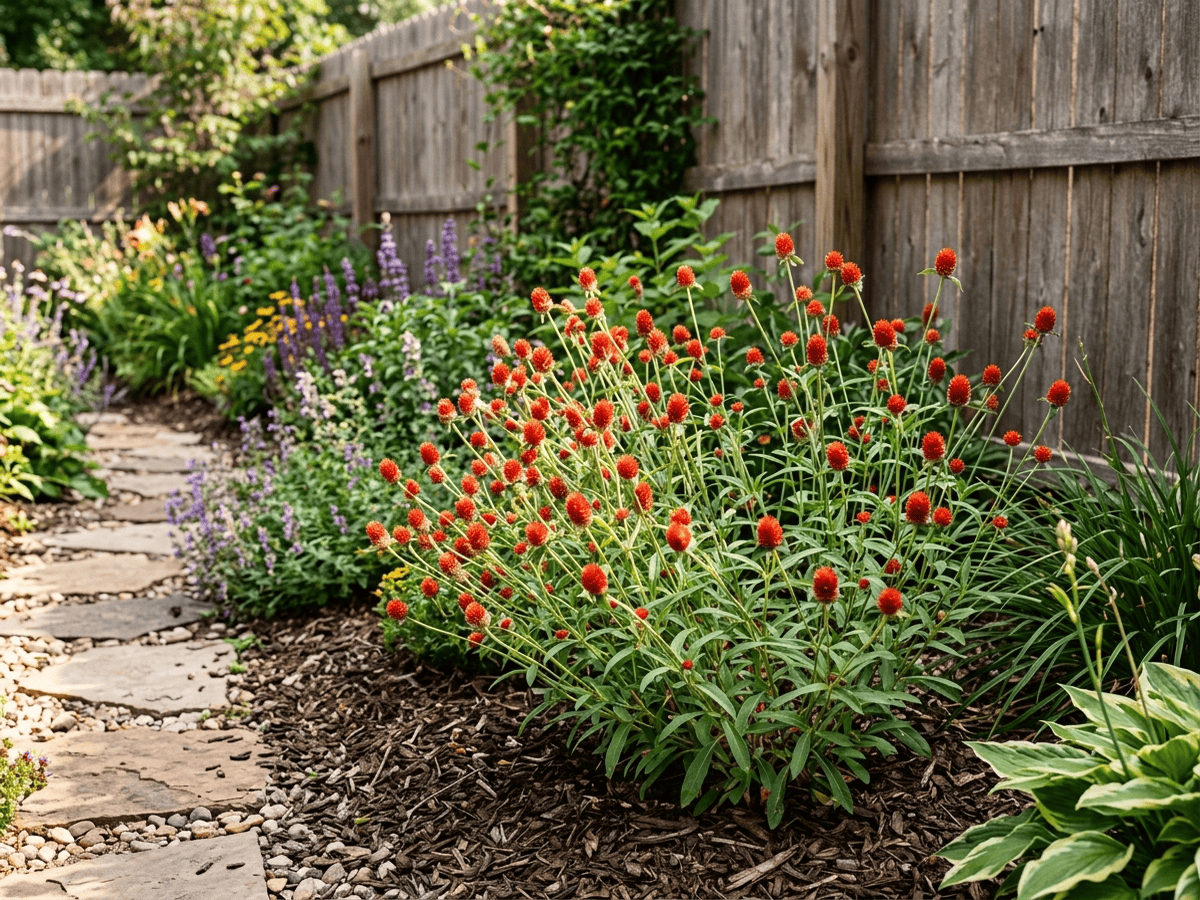
Rio Grande Globe Amaranth is a heat-tolerant Texas and Mexico native annual species producing vibrant orange-red or gold globe flowers on upright stems. Growing 18 to 30 inches tall, it is taller and more vigorous than Gomphrena globosa, with pointed oval flower heads in fiery colors that glow against gray-green foliage. 'Strawberry Fields' and 'QIS Orange' are top cultivars bred for American summer cut-flower and pollinator gardens.
- Cut-flower
- Drought-tolerant
- Heat-tolerant
- Native
How to care for Rio Grande Globe Amaranth
Watering
- Springevery 5 days
- Summerevery 4 days
- Fallevery 7 days
- Winterpause watering
Soil · Well-draining
- Top dressingPine bark mulch10%
- Main mixPotting soil + perlite 2:170%
- DrainageLECA / gravel20%
Never skip the drainage layer — standing water is the top cause of root rot.
FERTILIZER
Balanced Feed 14-14-14
An even feed covers all three needs at once, keeping leaves, roots and blooms moving together with nothing pushed out of balance.
- Nitrogen · Leaves
- Phosphorus · Roots + Blooms
- Potassium · Strength
- Springevery 30 days
- Summerevery 30 days
At a Glance
- NativeNorth America
- Height1–2 ft (0.3–0.6 m)
- Spread0.5–1 ft (0.2–0.3 m)
- Flower colorRed, Orange, Coral
- Foliage colorGreen
- SoilSandy, Well-drained
- LocationsYard
Bloom time
BLOOM CYCLE
Peak bloom
Jul–Nov
Fiery orange-red globes July to frost
Toxicity
No toxicity has been reported for this plant. Still, it is wise to keep pets from chewing on any houseplant.
Educational information, not medical or veterinary advice. If exposure is suspected, contact a doctor or veterinarian.
DISTRIBUTION


- Native
- North America
History
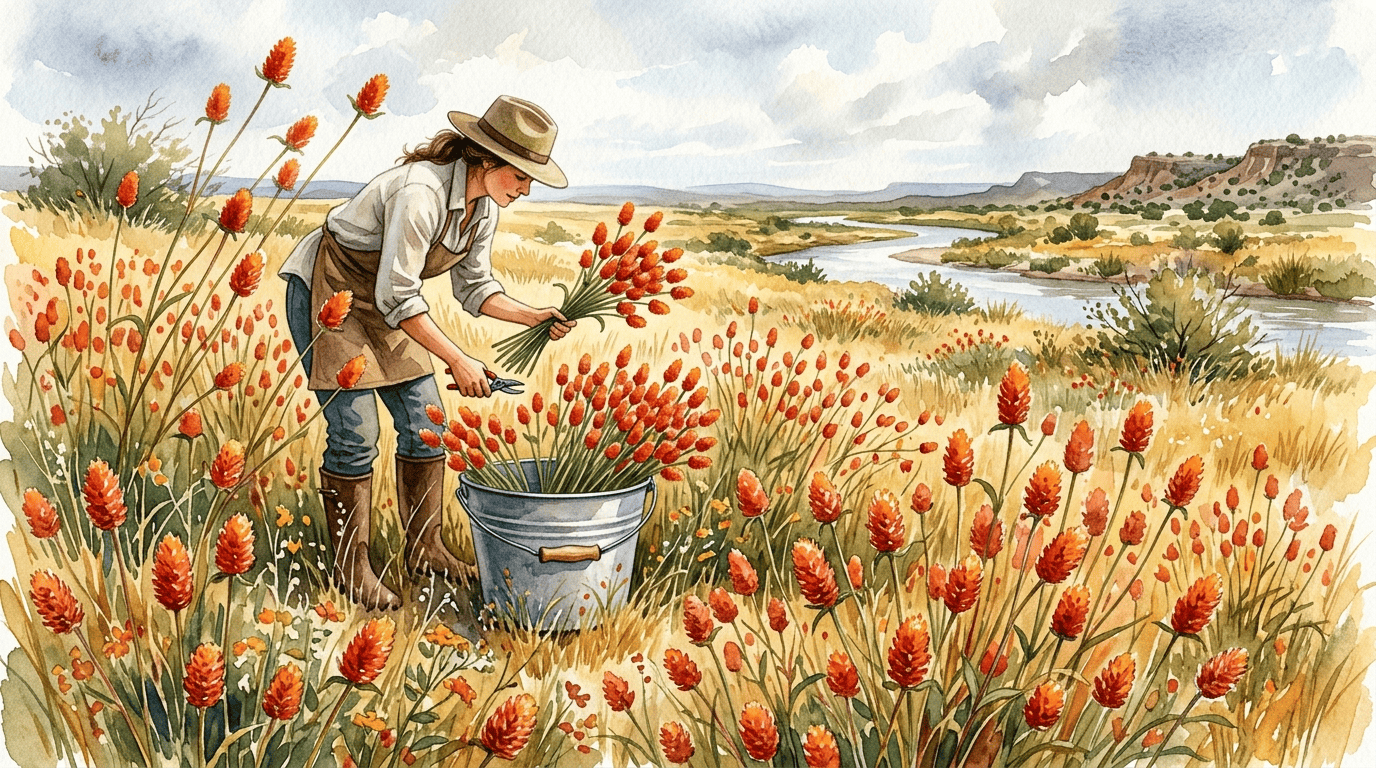
Gomphrena haageana, commonly called Rio Grande globe amaranth or Strawberry Fields gomphrena, is a taller narrower relative of globe amaranth, native to Texas, New Mexico, and northern Mexico. German botanist Carl Ernst Otto Kuntze described the species in the 19th century, and the epithet honors Friedrich Adolph Haage, a prominent German seed-trade figure. It produces fine-textured wiry stems up to one meter tall topped by coral, burnt orange, or red elongated flower heads that shine in cut-flower and prairie meadow plantings.
The cultivar Strawberry Fields, bred by Fleuroselect in the 1990s, brought the species into mainstream American bedding. Cut flower farmers have increasingly embraced Rio Grande gomphrena for its heat tolerance, drought resilience, and long postharvest life fresh or dried.
Burpee introduced the 'Strawberry Fields' cultivar in 1988, which revolutionized American cutting gardens by offering the first true-red globe amaranth with tall, straight stems.
Symbolism & meaning
What It Symbolizes
Rio Grande Globe Amaranth can symbolize fiery endurance, glowing in hot oranges and reds through the brutal heat of southwestern summers. One layer is southwestern fire, the way the small papery globes seem to take their color straight from desert sun. The second is unfading courage, for the blooms keep their hue even when dried, becoming a kind of permanent flame. Gomphrena reminds the gardener that some plants do not merely tolerate heat, but report back from it in bright, durable color.
- Southwestern fire — glowing hot colors in desert heat
- Unfading courage — blooms through brutal summer
Where the Name Comes From
'haageana' honors German horticulturist Friedrich Haage (1796-1866), noted for cactus and seed distribution.
Uses & Fun Facts
- Globe amaranth dries with strong color retention
- Papery clover-like flower heads attract small butterflies
Related plants
More Gomphrena plants

Plants with similar care
 Chinese AbeliaAbelia chinensis
 Fragrant AbeliaAbelia mosanensis
 Large-Flowered AbeliaAbelia uniflora
 Glossy AbeliaAbelia x grandiflora
Frequently asked questions
How often should I water Rio Grande Globe Amaranth?
Water about every 5 days during the growing season, and always let excess water drain away.
How much light does Rio Grande Globe Amaranth need?
Full sun: 6+ hrs direct. Watch the leaves — scorching or stretching means the light needs adjusting.
Is Rio Grande Globe Amaranth toxic to cats or dogs?
No toxicity has been reported for this plant. Still, it is wise to keep pets from chewing on any houseplant. Educational information, not medical or veterinary advice. If exposure is suspected, contact a doctor or veterinarian.
Is Rio Grande Globe Amaranth easy to grow?
Yes — it is considered an easy, beginner-friendly plant.
When does Rio Grande Globe Amaranth bloom?
It typically blooms Jul–Nov in the Northern Hemisphere.
YardMate
Identify any plant in seconds
Snap a photo — YardMate names the plant, diagnoses problems, and reminds you when to water.
Download on the App Store