 YardMate


Fred Ives
Graptoveria Fred Ives
Easy · Beginner friendlyAbout Fred Ives
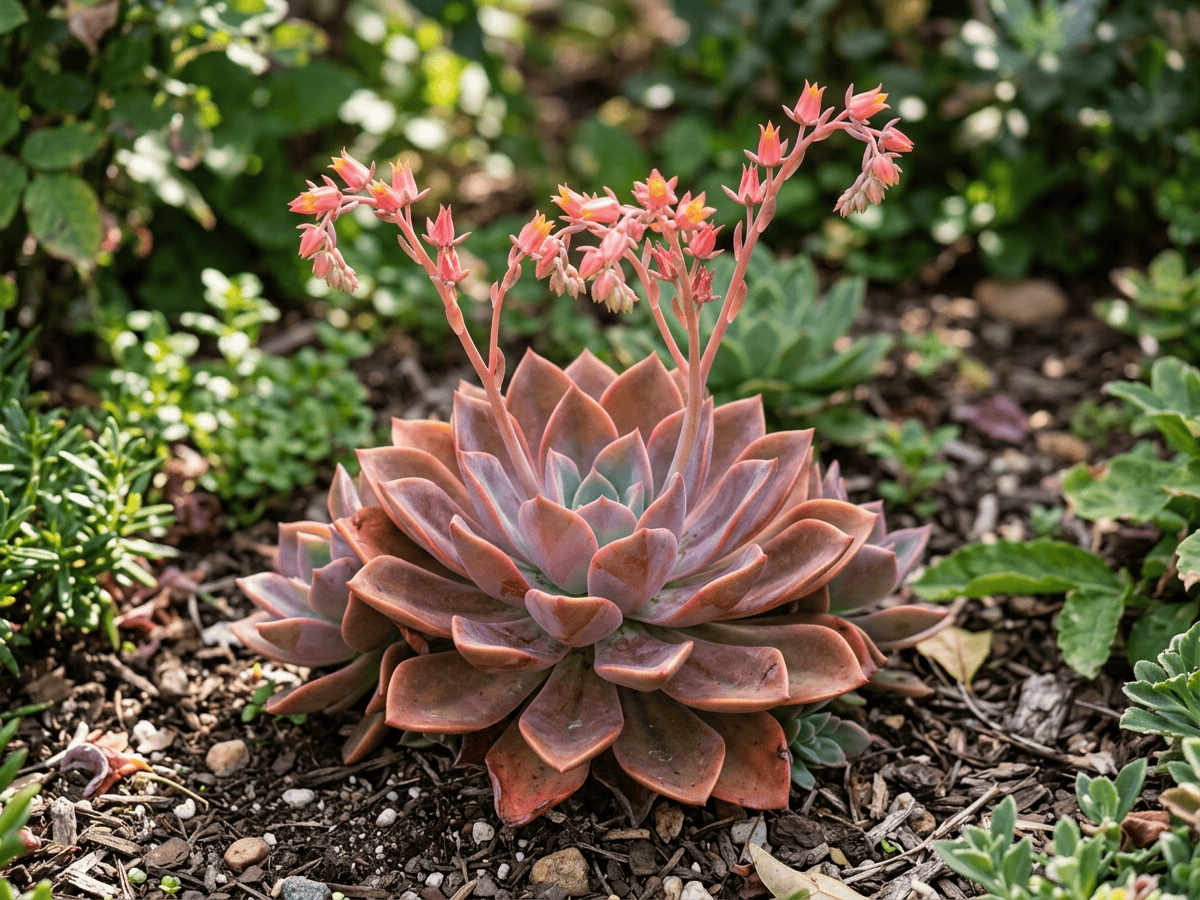
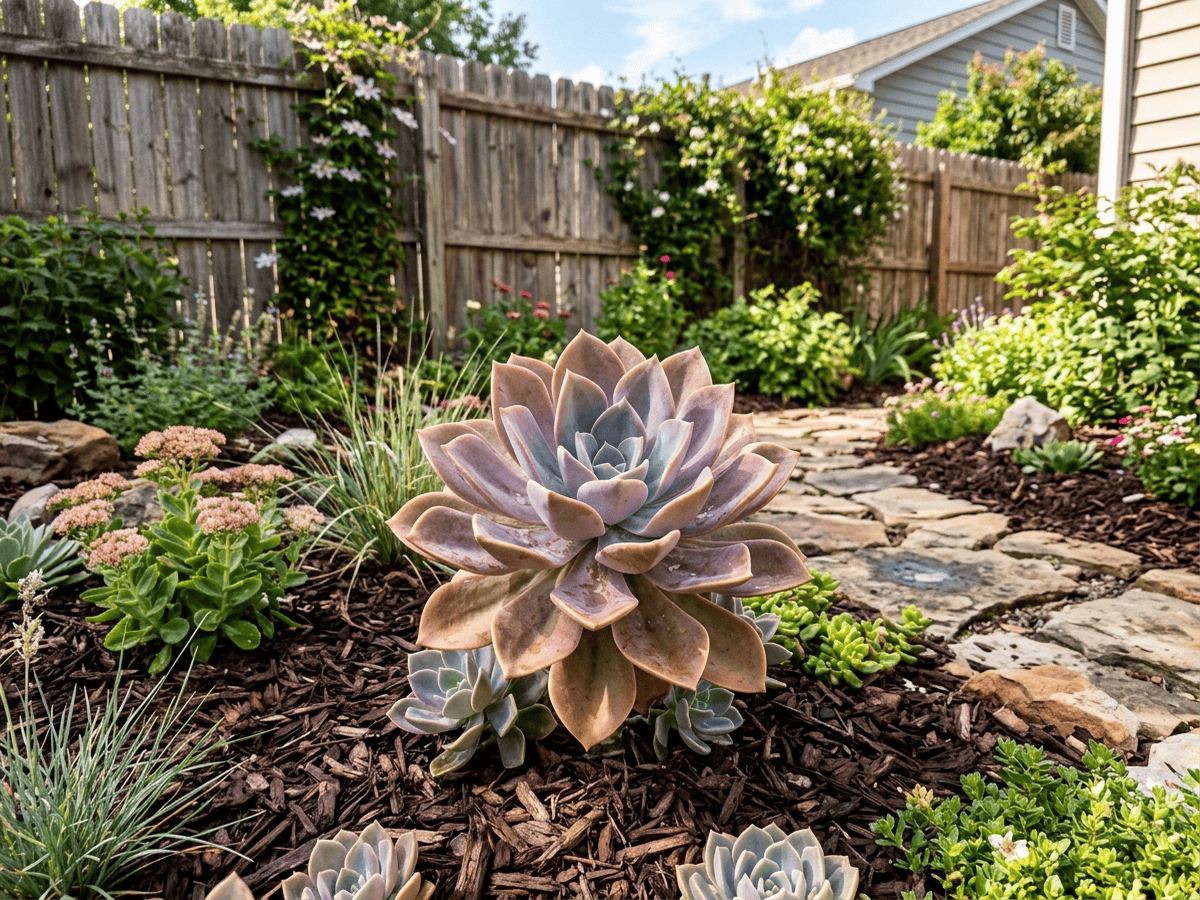
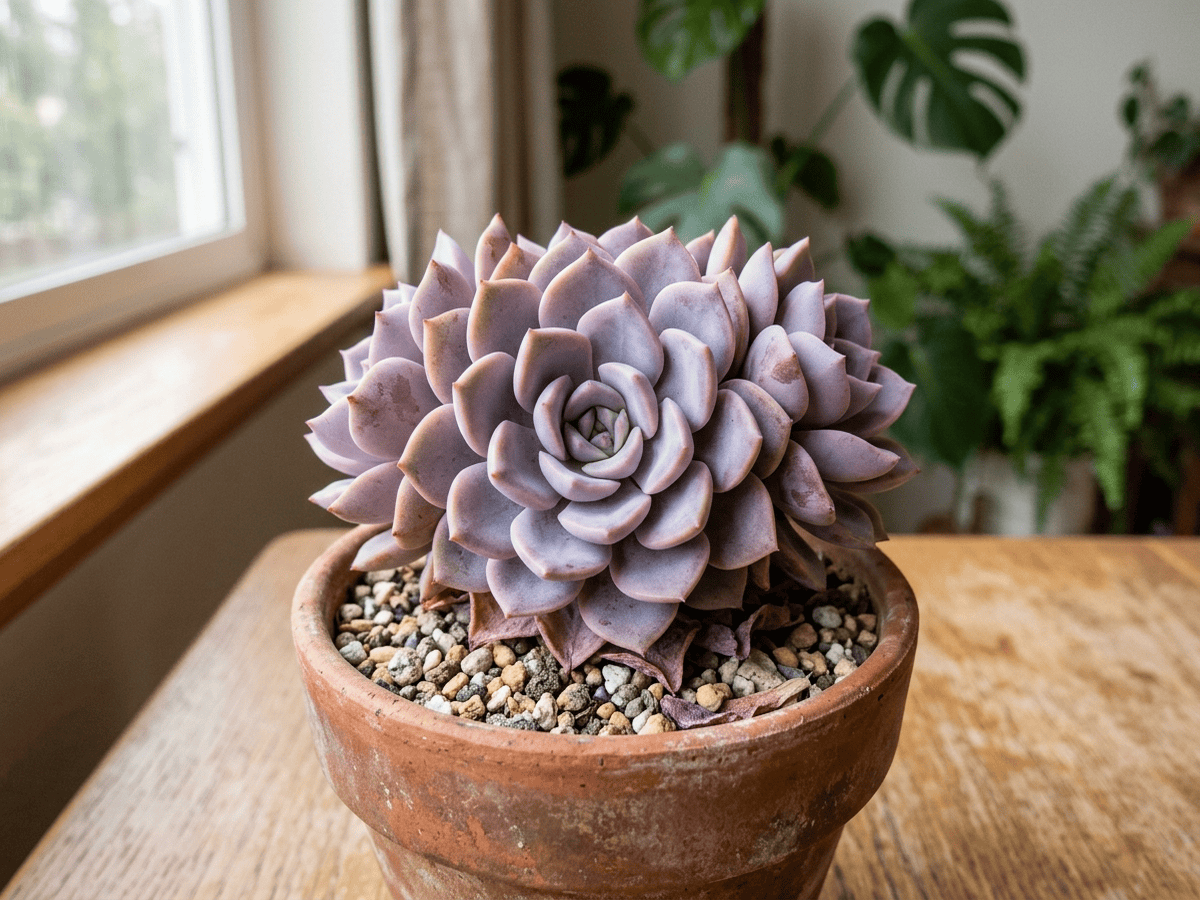
Graptoveria 'Fred Ives' is a vigorous hybrid succulent resulting from a cross between Graptopetalum paraguayense and Echeveria gibbiflora, and it is one of the largest and most colorful graptoverias available. It forms broad rosettes up to 30 centimeters across with large, fleshy, pointed leaves that display a stunning range of colors — from pinkish-bronze to copper, lavender, and blue-green — depending on season, sunlight exposure, and temperature. Under intense light, the leaves develop rich rosy-purple tones that make the plant glow. It produces tall branching flower stalks bearing small yellow star-shaped blooms in spring and summer. The plant grows quickly and offsets freely, forming impressive clumps over time. It is remarkably resilient, tolerating a wide range of conditions including light frost, and recovers quickly from damage. Propagation is easy through offsets, stem cuttings, or individual leaves. This hybrid has become a staple of succulent collections worldwide thanks to its size, color, and easygoing nature.
- Drought-tolerant
- Fast-growing
How to care for Fred Ives
Watering
- Springevery 10 days
- Summerevery 7 days
- Fallevery 14 days
- Winterevery 30 days
Soil · Fast-draining
- Main mixSand + pumice + soil 1:1:150%
- DrainagePumice / gravel50%
Keep grit at half the mix or more — this soil is meant to dry out fast.
FERTILIZER
Cactus & Succulent Feed 2-7-7
Hold the nitrogen back and growth stays compact instead of soft and stretched. Phosphorus and potassium carry the roots and the flowering.
- Nitrogen · Leaves
- Phosphorus · Roots + Blooms
- Potassium · Strength
- Springevery 30 days
- Summerevery 45 days
- Fallevery 60 days
At a Glance
- Height0.5–1 ft (0.2–0.3 m)
- Spread1–1.5 ft (0.3–0.5 m)
- Flower colorYellow
- Foliage colorBronze, Red, Purple
- SoilSandy, Well-drained
- LocationsIndoor · Yard · Balcony
Bloom time
BLOOM CYCLE
Peak bloom
Mar–Aug
Yellow star flowers on tall stalks in spring and summer; sun stress enhances leaf color
Fragrance
NO FRAGRANCE
No notable fragrance.
Toxicity
Pets Safe
None reported
Not reported
EXPOSURE No exposure route is reported.
EFFECT No significant toxicity.
NOTE No human toxicity is reported in this catalog; avoid eating ornamental plants unless confirmed edible.
Safe
EXPOSURE No exposure route is reported.
EFFECT Not listed as toxic.
NOTE Listed as non-toxic for dogs; avoid eating ornamental plants unless confirmed edible.
Safe
EXPOSURE No exposure route is reported.
EFFECT Not listed as toxic.
NOTE Listed as non-toxic for cats; avoid eating ornamental plants unless confirmed edible.
Educational information, not medical or veterinary advice. If exposure is suspected, contact a doctor or veterinarian.
History

Graptoveria "Fred Ives" is an intergeneric hybrid between Graptopetalum paraguayense (ghost plant) and Echeveria gibbiflora. It was selected in the mid-20th century and named for Fred Ives, a British succulent specialist associated with several hybrid introductions. The plant grows larger and more vigorously than most pure Graptopetalums, producing solitary rosettes up to 30 centimeters across with broad waxy leaves that shift color seasonally through bronze, pink, lavender, and copper depending on sun and temperature.
Its ease of propagation from leaves or offsets and its dramatic color response to stress made it a signature plant of dry-garden designers and a fixture of 21st-century succulent container planting. It is commercially propagated worldwide and distributed by major growers.
The cross between Graptopetalum and Echeveria produces plants that combine the best traits of both parents — the hardiness and trailing habit of graptopetalum with the large, showy rosettes of echeveria. This particular hybrid gained massive popularity during the global succulent craze of the 2010s, becoming one of the most recognizable and widely available cultivars in garden centers worldwide.
Symbolism & meaning
What It Symbolizes
Fred Ives embodies vitality, its vigorous growth and shifting palette of bronze, peach, lavender, and gold representing abundant life energy in a single rosette. It is also a flower of diversity, its ever-changing colors through the seasons celebrating the beauty of variety within one form. It is the succulent of moods, a hybrid whose meaning lives in transformation rather than any single shade.
- Vitality — Its vigorous growth and vivid coloring represent abundant life energy
- Diversity — The ever-changing color palette celebrates the beauty of variety
Where the Name Comes From
Graptoveria is a portmanteau of Graptopetalum and Echeveria, its parent genera. 'Fred Ives' honors the American succulent grower who popularized these intergeneric hybrids.
Uses & Fun Facts
- Large color-shifting rosettes star in succulent pots
- Bronze-pink rosettes anchor mixed succulent landscapes
Related plants
More Graptoveria plants
Plants with similar care
 Chinese AbeliaAbelia chinensis
 Fragrant AbeliaAbelia mosanensis
 Large-Flowered AbeliaAbelia uniflora
 Glossy AbeliaAbelia x grandiflora
Frequently asked questions
How often should I water Fred Ives?
In summer, water about every 7 days; in winter, about every 30 days. Adjust for heat, pot size and drainage.
How much light does Fred Ives need?
Full sun: 6+ hrs direct. Watch the leaves — scorching or stretching means the light needs adjusting.
Is Fred Ives toxic to cats or dogs?
Pets Safe (Dogs Safe · Cats Safe) Educational information, not medical or veterinary advice. If exposure is suspected, contact a doctor or veterinarian.
Is Fred Ives easy to grow?
Yes — it is considered an easy, beginner-friendly plant.
Can Fred Ives be grown indoors?
Yes, it adapts well to indoor growing given the right light.
When does Fred Ives bloom?
It typically blooms Mar–Aug in the Northern Hemisphere.
YardMate
Identify any plant in seconds
Snap a photo — YardMate names the plant, diagnoses problems, and reminds you when to water.
Download on the App Store