 YardMate
Purple Velvet Plant
Gynura aurantiaca
Medium · Some experienceAbout Purple Velvet Plant
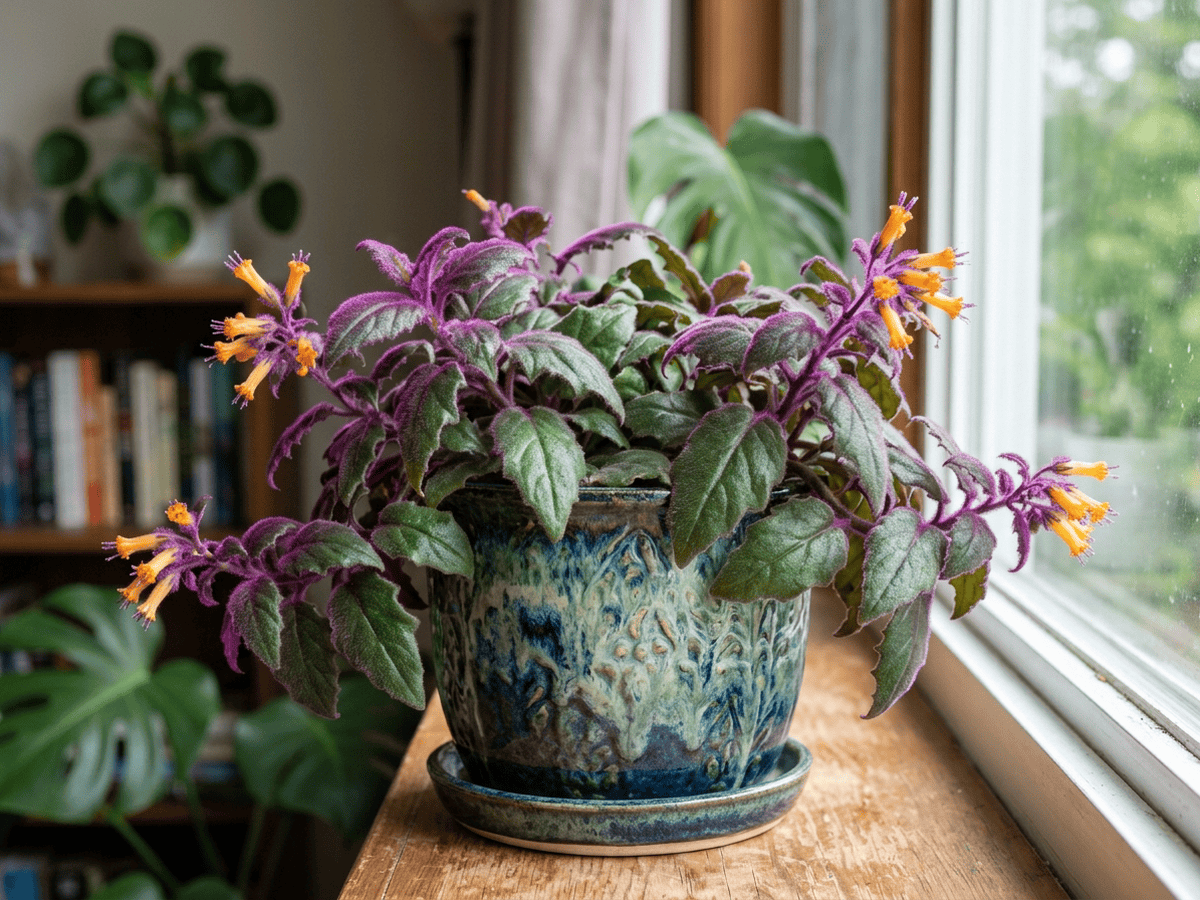
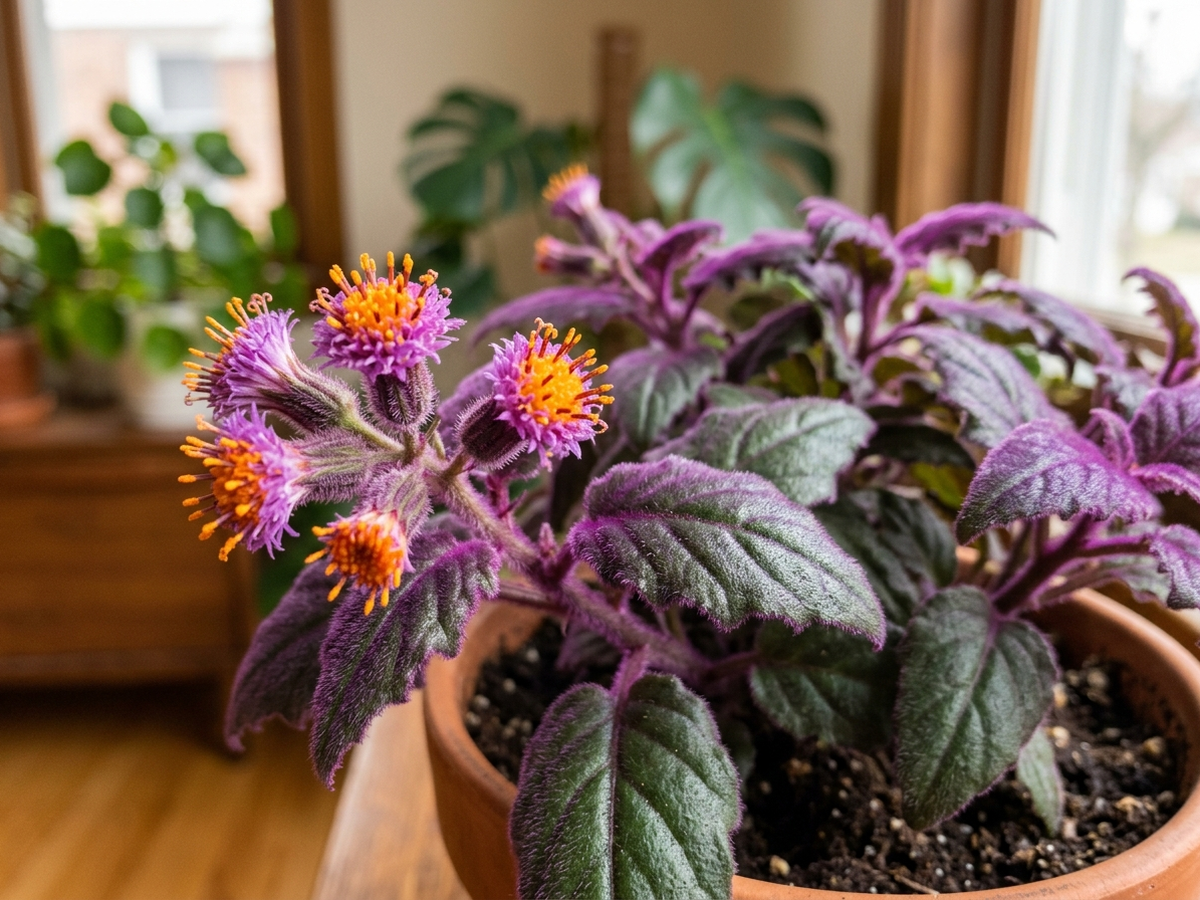
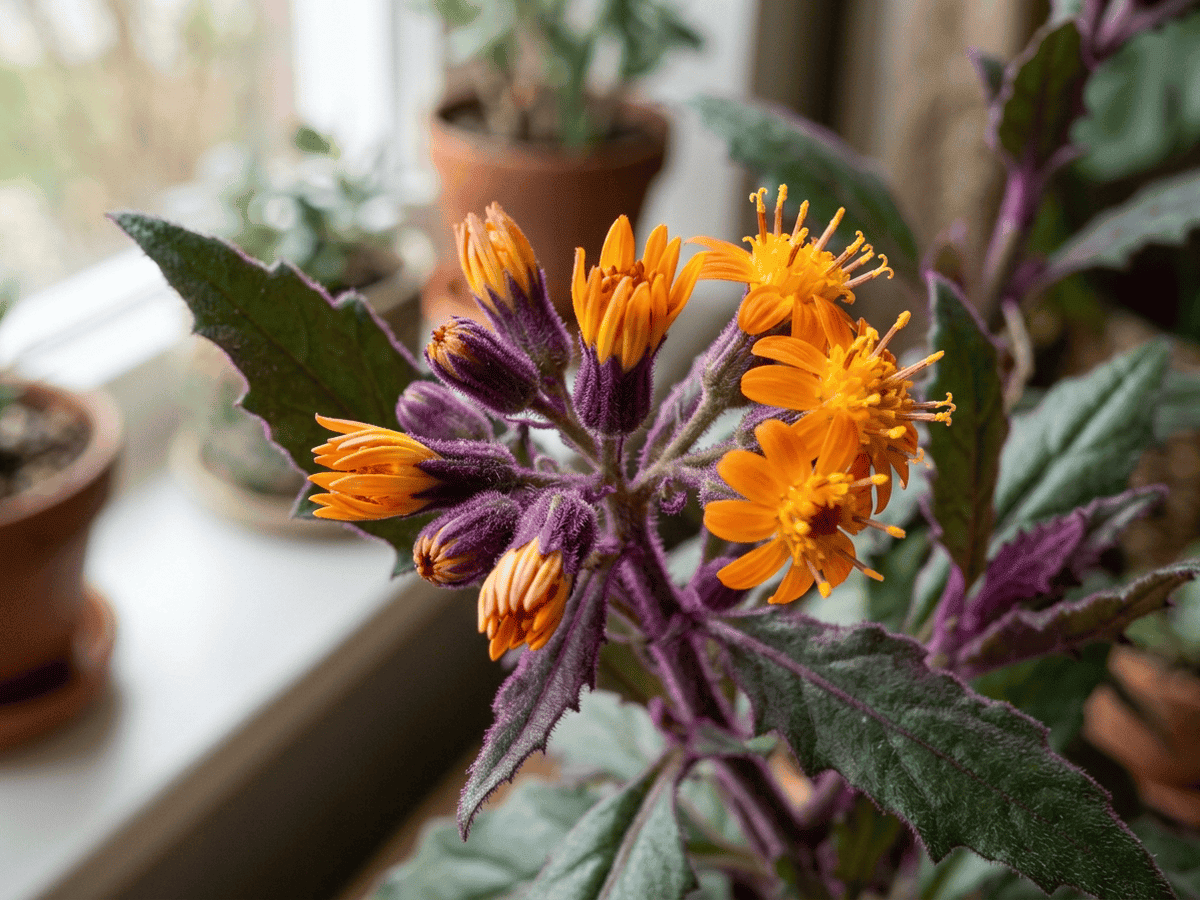
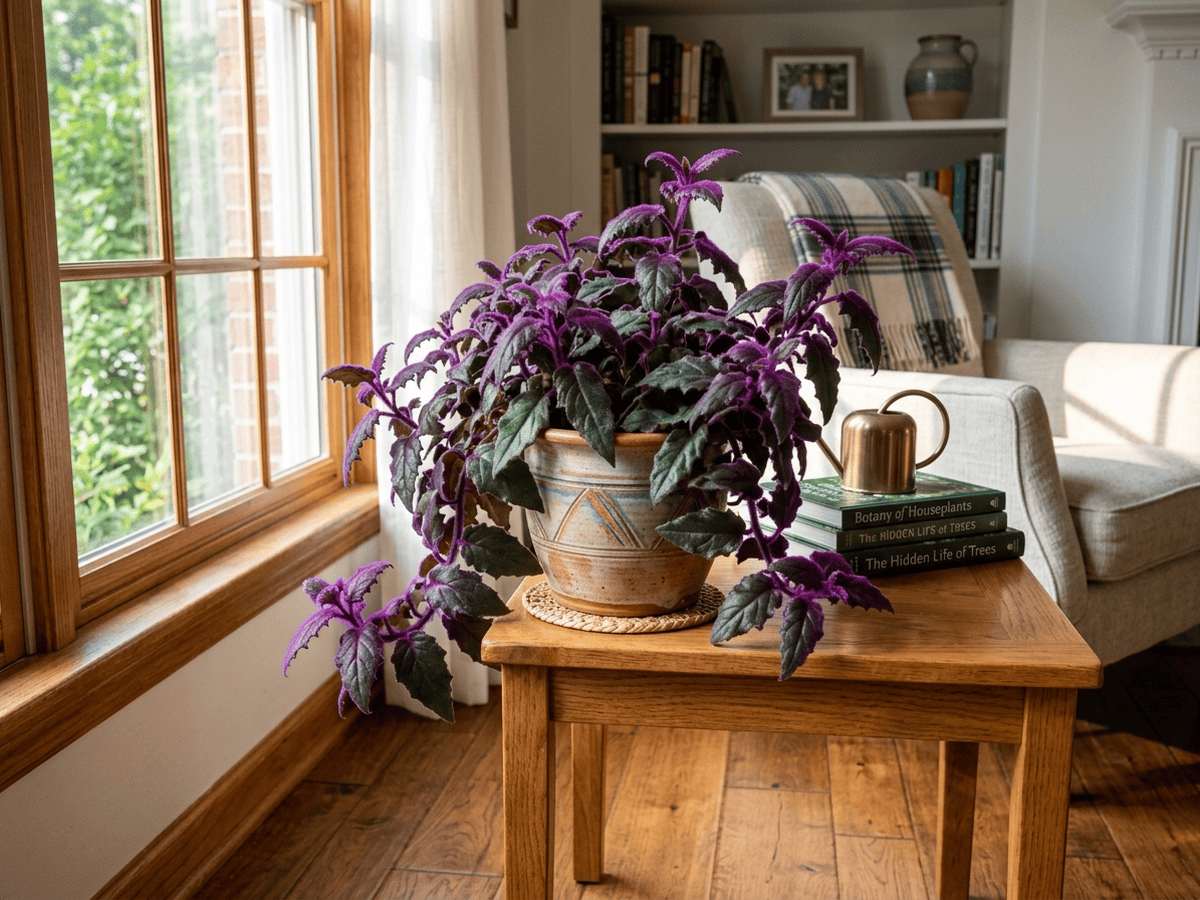
The Purple Velvet Plant is a trailing tropical foliage plant from the rainforest floor of Java, prized for leaves and stems cloaked in dense, iridescent purple hairs that catch the light like violet velvet. Its oval, toothed leaves are deep green above and vividly purple beneath, giving the whole plant a shimmering glow under bright, indirect light. Small clusters of orange-yellow, daisy-like flowers appear in summer, though many growers pinch off the buds before they open. Fast-growing and easy in containers or hanging baskets, it thrives indoors year-round.
- Fast-growing
- Spreading
- Container-friendly
How to care for Purple Velvet Plant
Watering
- Springevery 5 days
- Summerevery 3 days
- Fallevery 7 days
- Winterevery 14 days
Soil · Well-draining
- Top dressingPine bark mulch10%
- Main mixPotting soil + perlite 2:170%
- DrainageLECA / gravel20%
Never skip the drainage layer — standing water is the top cause of root rot.
FERTILIZER
Balanced Feed 14-14-14
An even feed covers all three needs at once, keeping leaves, roots and blooms moving together with nothing pushed out of balance.
- Nitrogen · Leaves
- Phosphorus · Roots + Blooms
- Potassium · Strength
- Springevery 30 days
- Summerevery 30 days
- Fallevery 30 days
At a Glance
- NativeSoutheast Asia
- Height1–3 ft (0.3–0.9 m)
- Spread1–2 ft (0.3–0.6 m)
- Flower colorPurple, Yellow
- Foliage colorGreen, Purple
- SoilWell-drained, Moist
- LocationsYard · Patio · Indoor
Bloom time
BLOOM CYCLE
Peak bloom
Jul–Sep
This plant's flowers bloom in summer, are vividly colored, and are very attractive to pollinating insects.
Fragrance
MODERATE FRAGRANCE
Small clusters of flowers give off a strong, musky odor that many find unpleasant, often compared to wet hay or old socks; growers commonly pinch off buds before they open to avoid it.
Toxicity
Pets Safe
None reported
Not reported
EXPOSURE No exposure route is reported.
EFFECT No toxic effect is reported.
NOTE No toxicity is reported for humans in this catalog; this is not evidence that the plant is edible or harmless.
Safe
EXPOSURE No exposure route is reported.
EFFECT No toxic effect is reported.
NOTE Authoritative sources report this plant as non-toxic to dogs; this is not evidence that the plant is edible.
Safe
EXPOSURE No exposure route is reported.
EFFECT No toxic effect is reported.
NOTE Authoritative sources report this plant as non-toxic to cats; this is not evidence that the plant is edible.
Educational information, not medical or veterinary advice. If exposure is suspected, contact a doctor or veterinarian.
DISTRIBUTION


- Native
- Introduced
- Southeast Asia
History
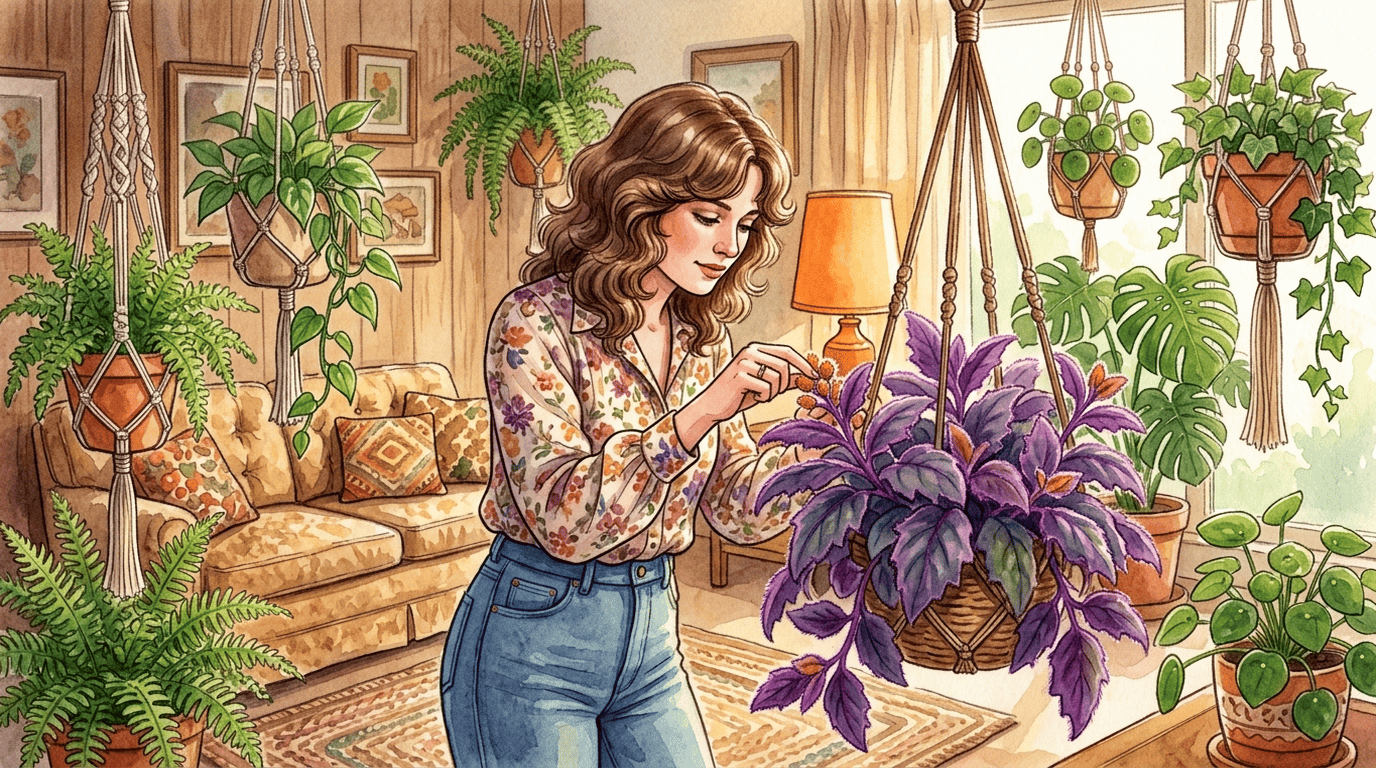
The Purple Velvet Plant grows wild along the shaded forest floor of Java, Indonesia, where its trailing stems and violet-haired leaves creep across the humid understory. European botanists brought it into cultivation in the nineteenth century, but it found its true fame a century later, during the American houseplant boom of the 1970s. Sold in five-and-dime stores and mail-order catalogs, the plant became a favorite for its uncanny iridescent purple sheen, which glowed almost electrically under the fluorescent lighting common in offices and apartments of the era — a novelty that made it a fixture of the decade's indoor-jungle aesthetic, alongside macrame hangers and shag carpets. Yet collectors soon learned a quirk that care guides still repeat today: its small orange, daisy-like flowers, though cheerful to look at, release a strong, musky odor that many compare to wet hay or old socks once they open in a closed room. Rather than tolerate the smell, generations of growers have simply pinched off the flower buds by hand before they bloom, trading a season of flowers for uninterrupted velvet foliage — a small, practical ritual passed down among houseplant keepers ever since.
Symbolism & meaning
What It Symbolizes
Its shimmering purple sheen has made the Purple Velvet Plant a small emblem of hidden brilliance — an ordinary leaf that seems plain in shade but glows with unexpected color the moment the light strikes it just right, echoing the idea that vibrancy is often waiting to be revealed, not created.
- Radiance — Its shimmering purple sheen has made the Purple Velvet Plant a small emblem of hidden brilliance — an ordinary leaf that seems plain in shade but glows with unexpected color the moment the light strikes it just right.
- Individuality — Standing out among rows of ordinary green foliage, its unconventional violet coat has made it a favorite among collectors who prize plants that refuse to blend in.
Where the Name Comes From
The genus name Gynura comes from the Greek gyne (woman) and oura (tail), describing the thread-like, tail-shaped stigmas at the center of its flowers; the species name aurantiaca is Latin for 'orange,' referring to the color of its blossoms.
Uses & Fun Facts
- Grown for its shimmering purple velvet foliage as a striking houseplant or hanging basket accent.
- Its small orange-yellow flowers attract pollinating insects when allowed to bloom outdoors.
Related plants
Plants with similar care
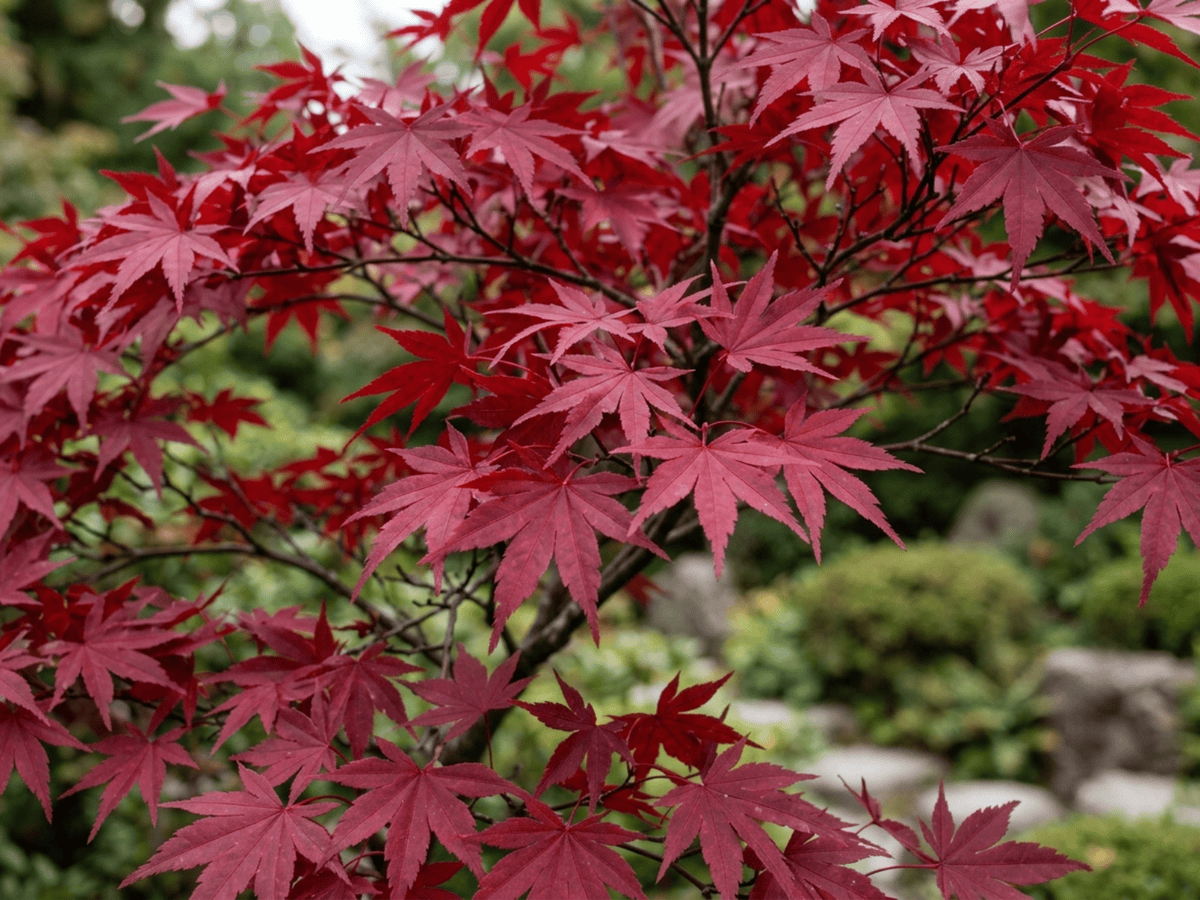 Japanese MapleAcer palmatum
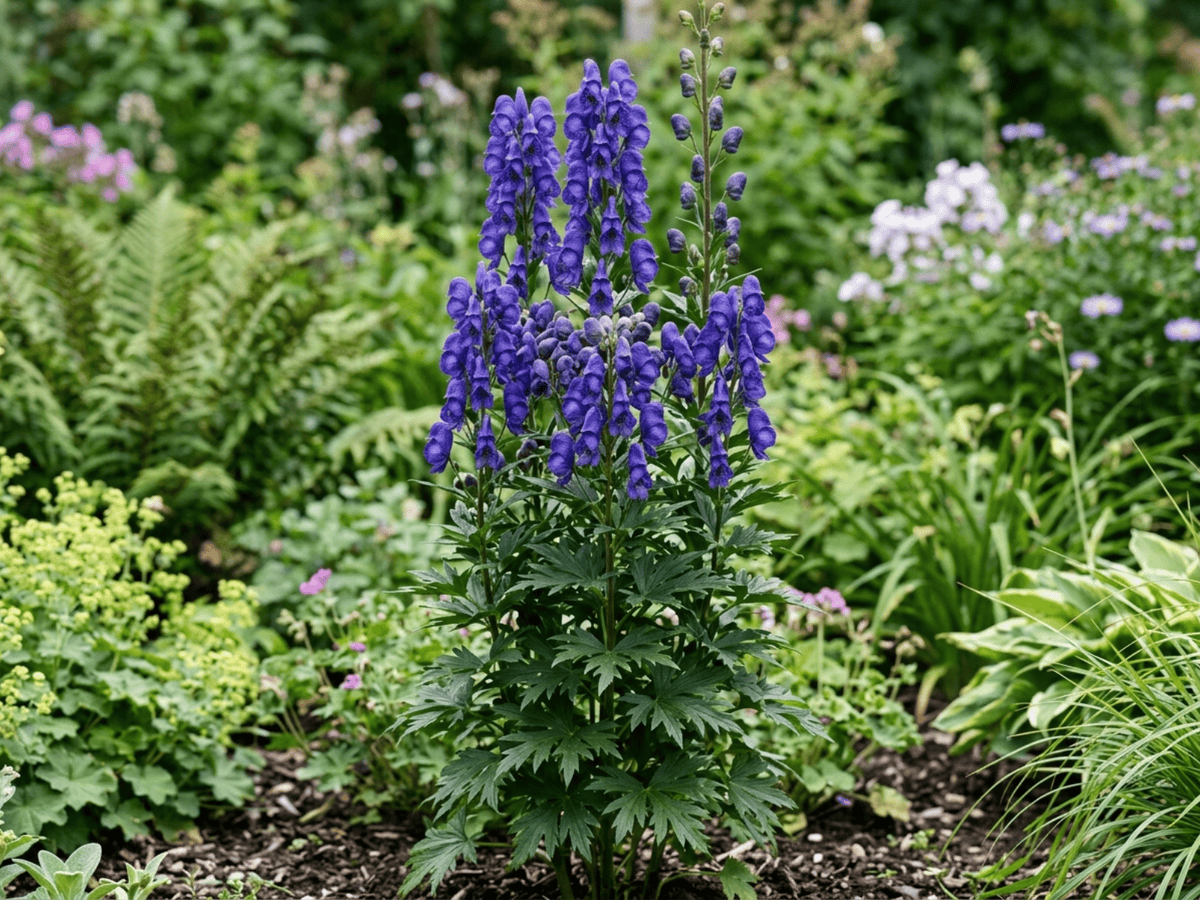 Azure MonkshoodAconitum carmichaelii
 Florida HobblebushAgarista populifolia
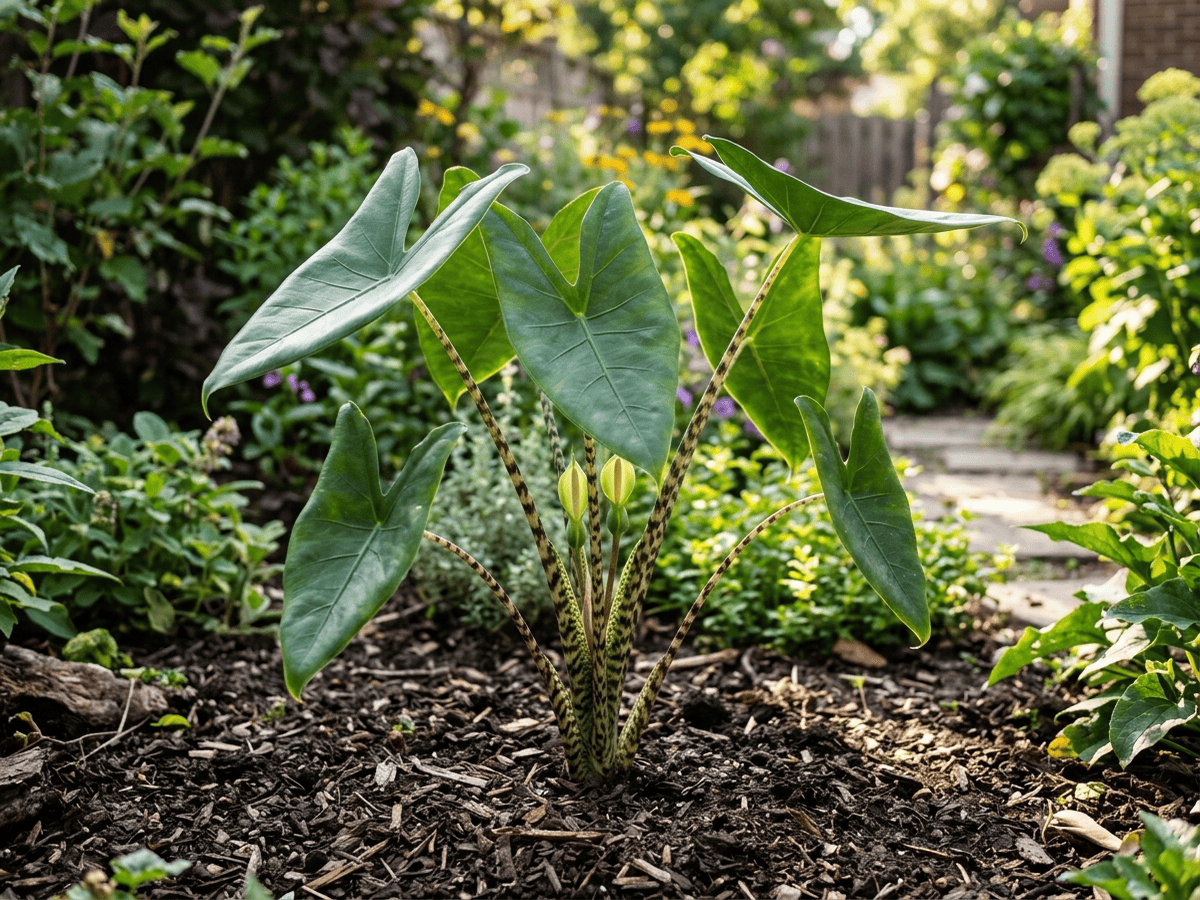 Alocasia zebrinaAlocasia zebrina
Frequently asked questions
How often should I water Purple Velvet Plant?
In summer, water about every 3 days; in winter, about every 14 days. Adjust for heat, pot size and drainage.
How much light does Purple Velvet Plant need?
Part shade: 2–4 hrs direct. Watch the leaves — scorching or stretching means the light needs adjusting.
Is Purple Velvet Plant toxic to cats or dogs?
Pets Safe (Dogs Safe · Cats Safe) Educational information, not medical or veterinary advice. If exposure is suspected, contact a doctor or veterinarian.
Is Purple Velvet Plant easy to grow?
It is moderately demanding: a good choice once you have a little experience.
Can Purple Velvet Plant be grown indoors?
Yes, it adapts well to indoor growing given the right light.
When does Purple Velvet Plant bloom?
It typically blooms Jul–Sep in the Northern Hemisphere.
YardMate
Identify any plant in seconds
Snap a photo — YardMate names the plant, diagnoses problems, and reminds you when to water.
Download on the App Store