 YardMate

Fasciated Haworthia
Haworthia fasciata
Easy · Beginner friendlyAbout Fasciated Haworthia
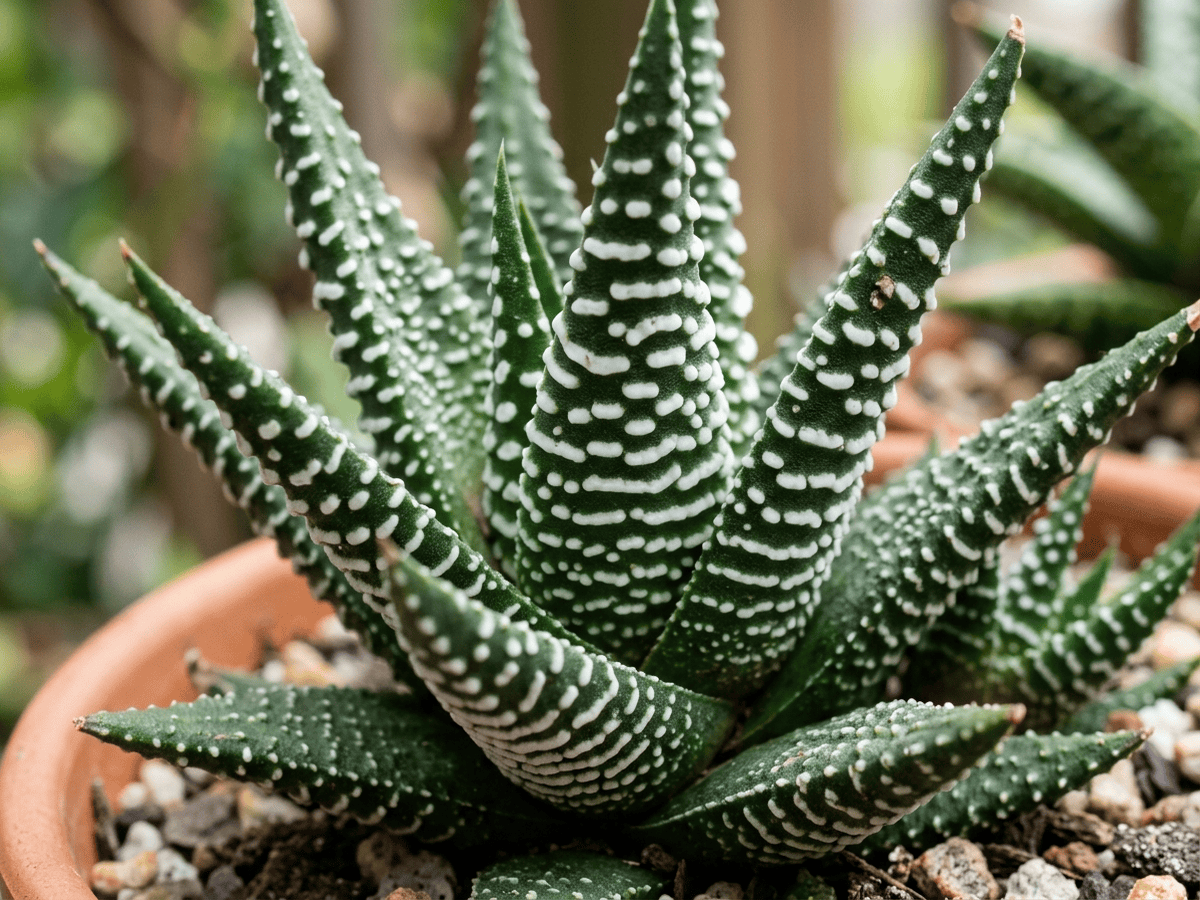
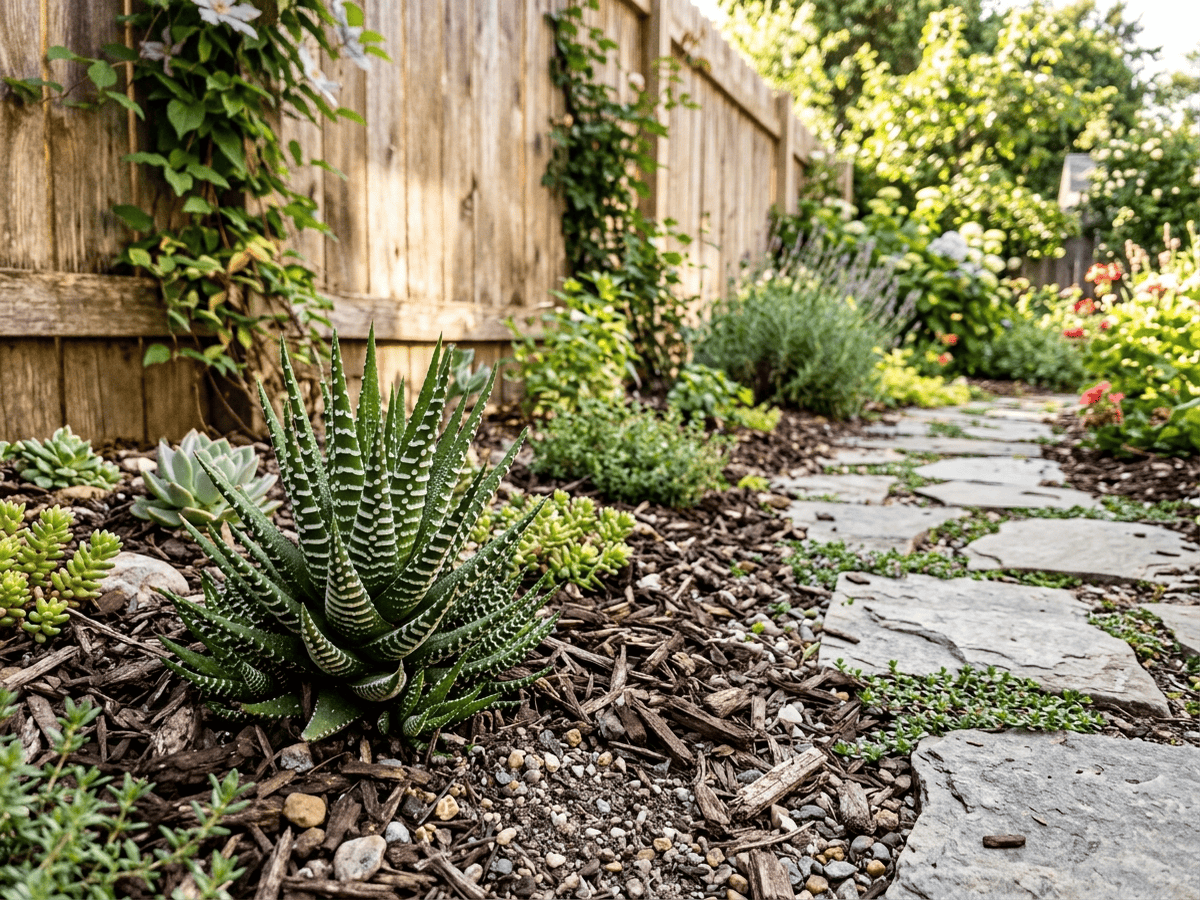
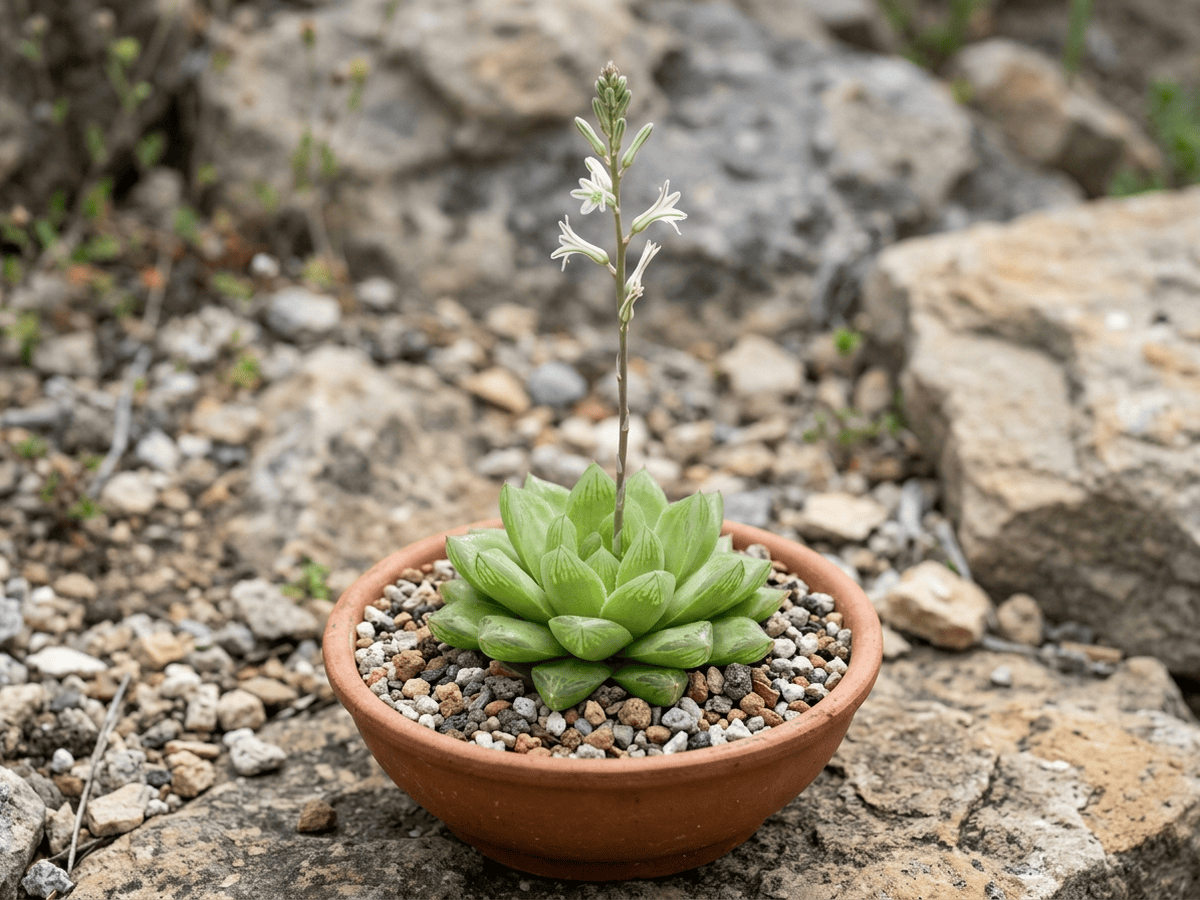
Haworthia fasciata, the zebra plant, is a small succulent forming tight rosettes of dark green, triangular leaves decorated with raised white horizontal stripes (tubercles). Native to South Africa's Eastern Cape, it grows in rocky crevices shaded by larger vegetation. It rarely exceeds 10 cm tall, making it perfect for windowsills and tiny pots. Extremely tolerant of neglect and low light for a succulent, it is one of the best starter succulents. It propagates readily through offsets. Note: many plants sold as H. fasciata are actually Haworthiopsis attenuata — both are commonly called zebra plant.
- Drought-tolerant
- Compact
How to care for Fasciated Haworthia
Watering
- Springevery 14 days
- Summerevery 10 days
- Fallevery 21 days
- Winterevery 30 days
Soil · Fast-draining
- Main mixSand + pumice + soil 1:1:150%
- DrainagePumice / gravel50%
Keep grit at half the mix or more — this soil is meant to dry out fast.
FERTILIZER
Cactus & Succulent Feed 2-7-7
Hold the nitrogen back and growth stays compact instead of soft and stretched. Phosphorus and potassium carry the roots and the flowering.
- Nitrogen · Leaves
- Phosphorus · Roots + Blooms
- Potassium · Strength
- Springevery 60 days
- Summerevery 60 days
At a Glance
- NativeAfrica
- Height0.3–0.5 ft (0.1–0.2 m)
- Spread0.3–0.5 ft (0.1–0.2 m)
- Flower colorWhite, Pink
- Foliage colorGreen, Variegated
- SoilSandy, Well-drained
- LocationsIndoor
Bloom time
BLOOM CYCLE
Peak bloom
May–Jul
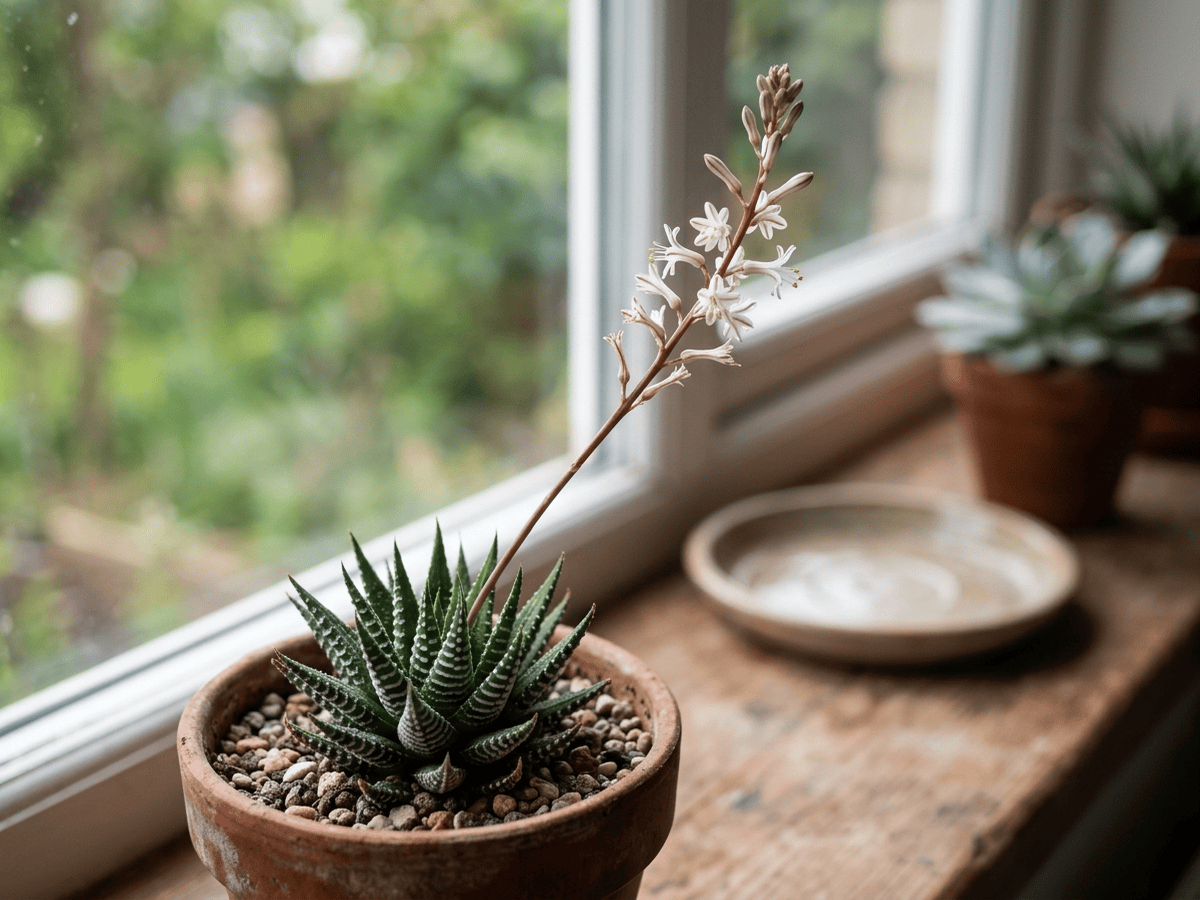
Thin stalk with tiny white tubular flowers; not showy
Fragrance
NO FRAGRANCE
Not fragrant.
Toxicity
No toxicity has been reported for this plant. Still, it is wise to keep pets from chewing on any houseplant.
Educational information, not medical or veterinary advice. If exposure is suspected, contact a doctor or veterinarian.
DISTRIBUTION


- Native
- Africa
History
Haworthia fasciata is native to a small area of South Africa's Eastern Cape, where it grows on rocky outcrops with distinctive raised white tubercles arranged in horizontal bands across its dark green leaves. It is one of the most widely sold-under-the-wrong-name succulents in the world: nearly all plants in the global trade labeled 'Haworthia fasciata' are actually the closely related Haworthiopsis attenuata, which has similar white markings but on both leaf surfaces rather than the outer surface only. True H. fasciata is rare and almost never encountered outside specialist South African and European collections.
Both species are confirmed non-toxic to cats and dogs and share the same care. Taxonomic revision in 2013 split most fasciata-type species from Haworthia into the genus Haworthiopsis.
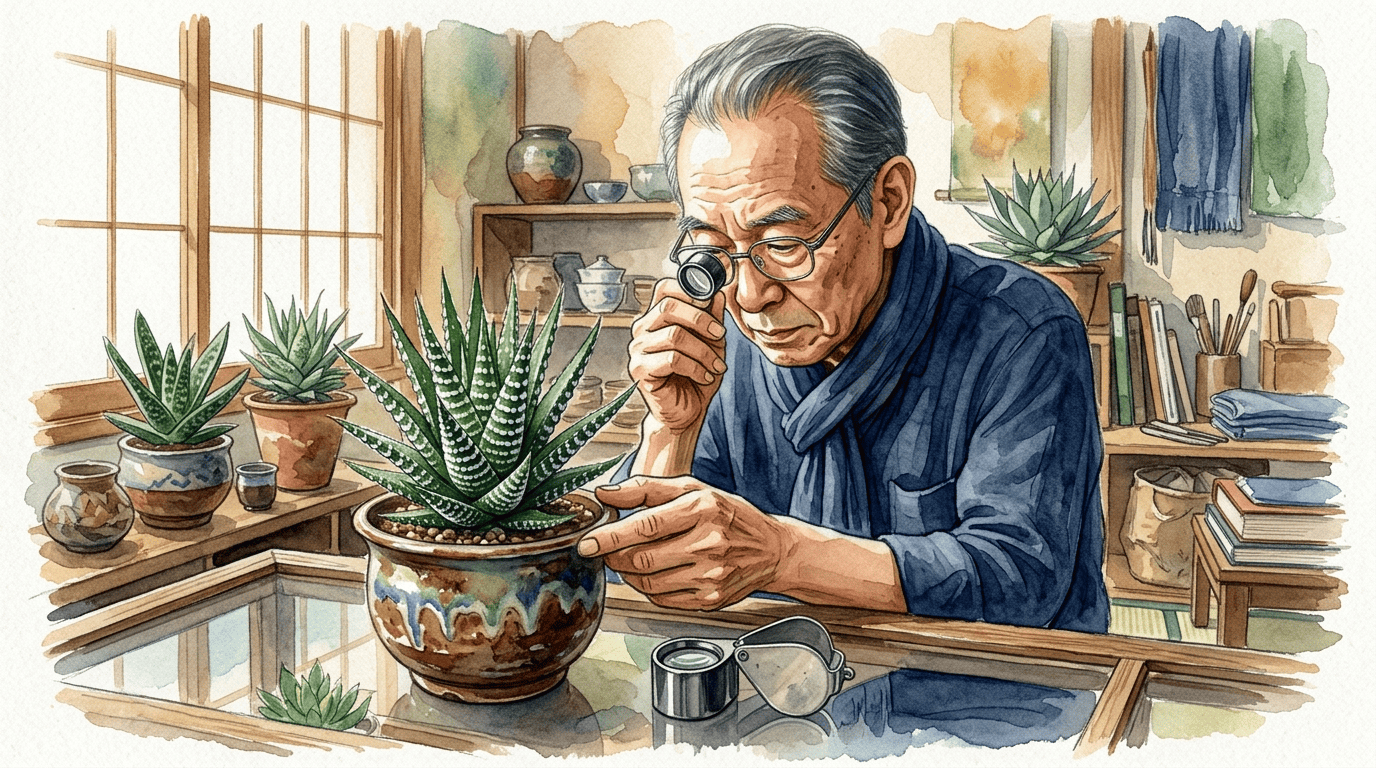
Haworthia is named after Adrian Hardy Haworth (1767–1833), an English entomologist and botanist who specialized in succulent plants. Haworthia collectors are a dedicated subculture — rare species and hybrids can sell for thousands of dollars in Japan, where 'haworthia mania' has driven prices to extraordinary levels. The translucent leaf tips ('windows') found in some species allow light to penetrate deep into the leaf for photosynthesis, an adaptation to being buried in sand with only the tip exposed.
Symbolism & meaning
What It Symbolizes
Fasciated Haworthia teaches the meaning of patience through its slow, steady growth, its white-banded leaves expanding by millimetres each year. Quiet perseverance is the lesson it offers a windowsill keeper, asking little water and little attention but rewarding the long view. In the modern succulent collection, haworthia is the small monk of the genus, a plant whose virtues only become legible to those willing to live with it for years rather than weeks.
- Patience — Its slow, steady growth and tolerance represent quiet perseverance
Where the Name Comes From
Haworthia honors Adrian Hardy Haworth, English succulent plant specialist. Fasciata means 'banded,' for the white horizontal stripes.
Uses & Fun Facts
- Zebra-striped tight rosettes for windowsill succulent displays
- Tiny low-light pot succulent tolerating dim apartment corners
Related plants
More Haworthia plants
Plants with similar care
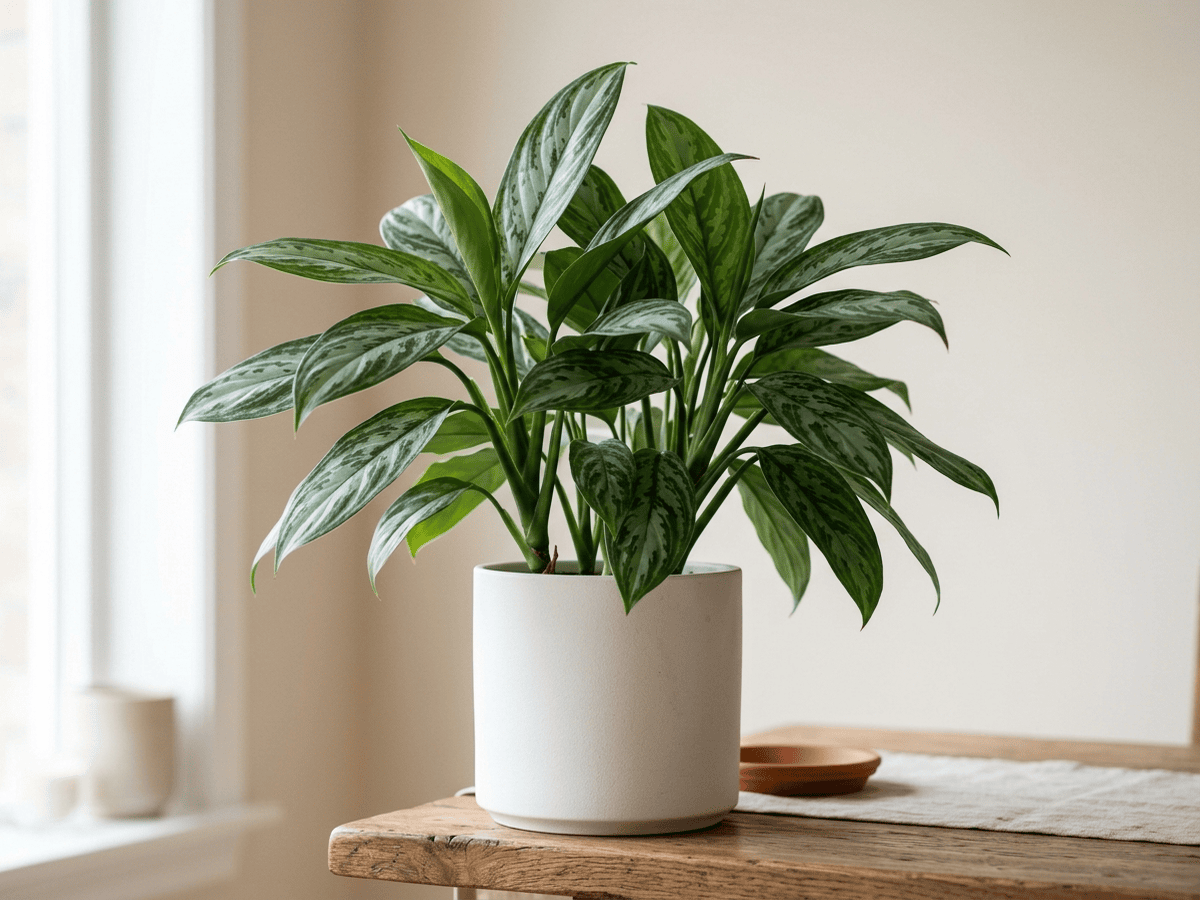 Philippine EvergreenAglaonema commutatum
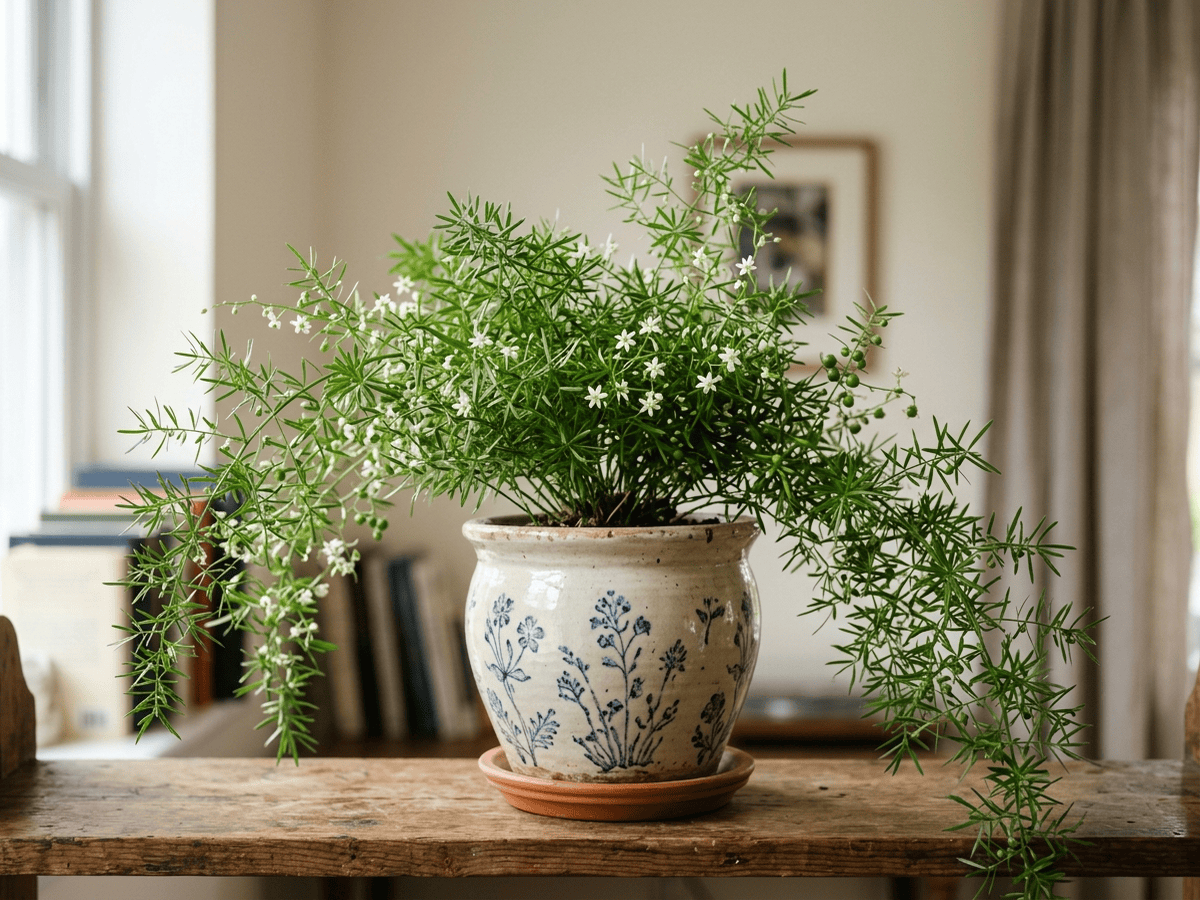 Sprenger's AsparagusAsparagus densiflorus
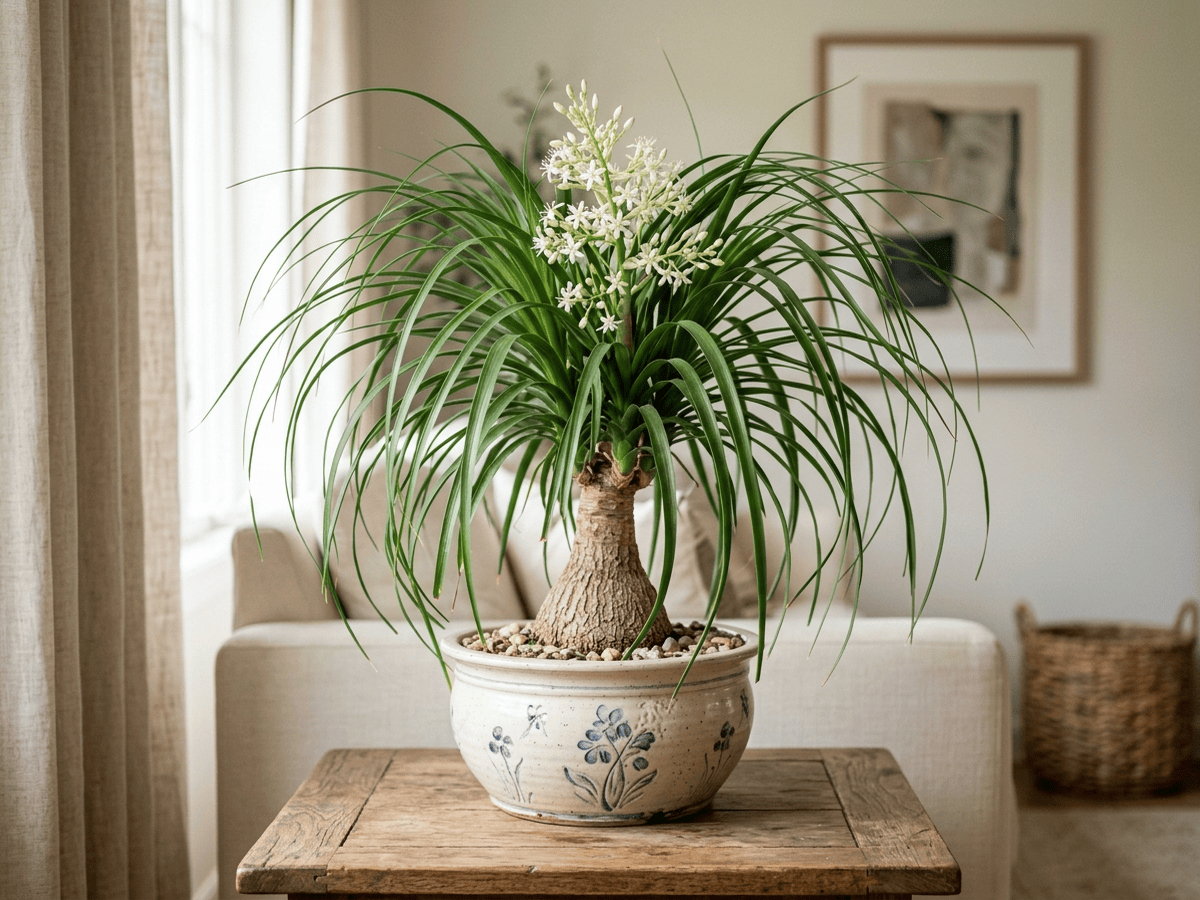 Ponytail PalmBeaucarnea recurvata
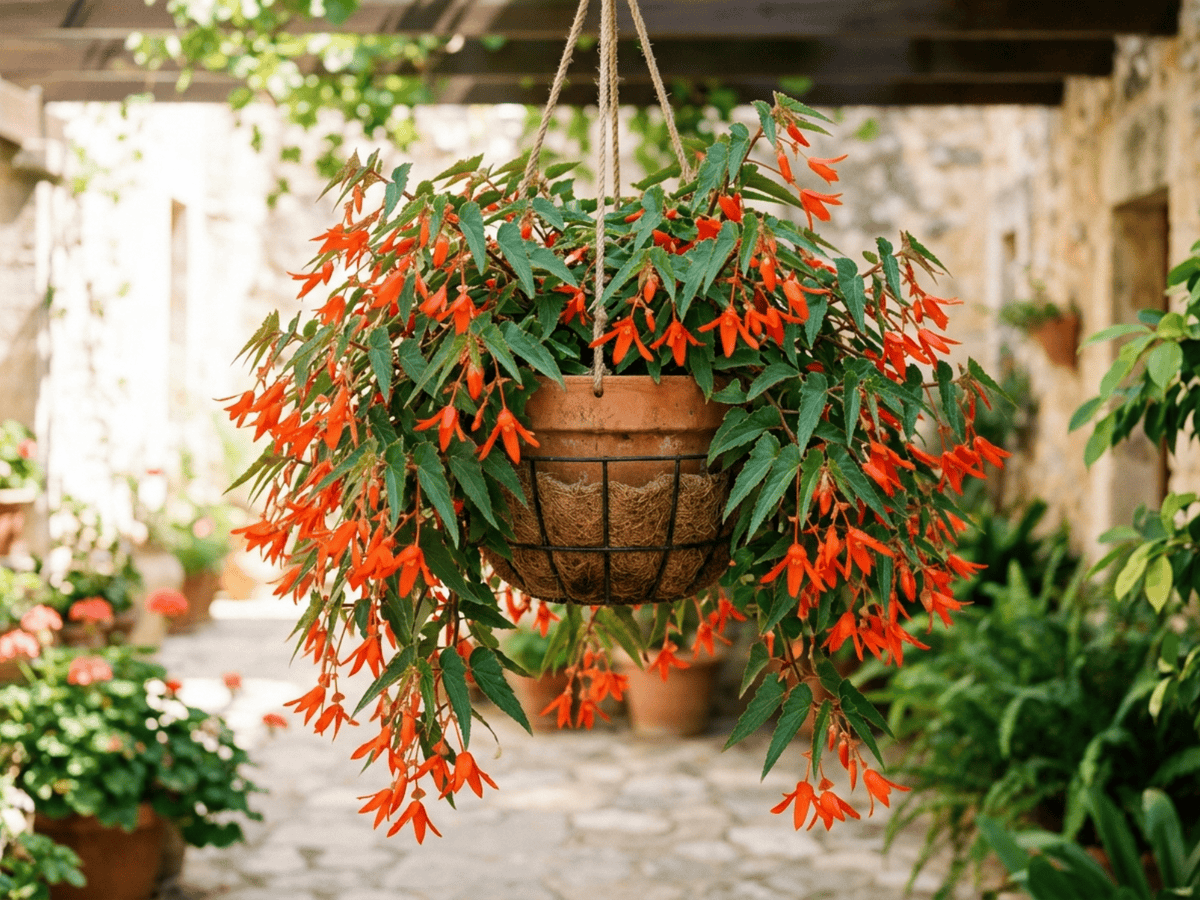 Tuberous BegoniaBegonia boliviensis
Frequently asked questions
How often should I water Fasciated Haworthia?
In summer, water about every 10 days; in winter, about every 30 days. Adjust for heat, pot size and drainage.
How much light does Fasciated Haworthia need?
Part shade: 2–4 hrs direct. Watch the leaves — scorching or stretching means the light needs adjusting.
Is Fasciated Haworthia toxic to cats or dogs?
No toxicity has been reported for this plant. Still, it is wise to keep pets from chewing on any houseplant. Educational information, not medical or veterinary advice. If exposure is suspected, contact a doctor or veterinarian.
Is Fasciated Haworthia easy to grow?
Yes — it is considered an easy, beginner-friendly plant.
Can Fasciated Haworthia be grown indoors?
Yes, it adapts well to indoor growing given the right light.
When does Fasciated Haworthia bloom?
It typically blooms May–Jul in the Northern Hemisphere.
YardMate
Identify any plant in seconds
Snap a photo — YardMate names the plant, diagnoses problems, and reminds you when to water.
Download on the App Store