 YardMate
Cushion Aloe
Haworthia cymbiformis
Medium · Some experienceAbout Cushion Aloe
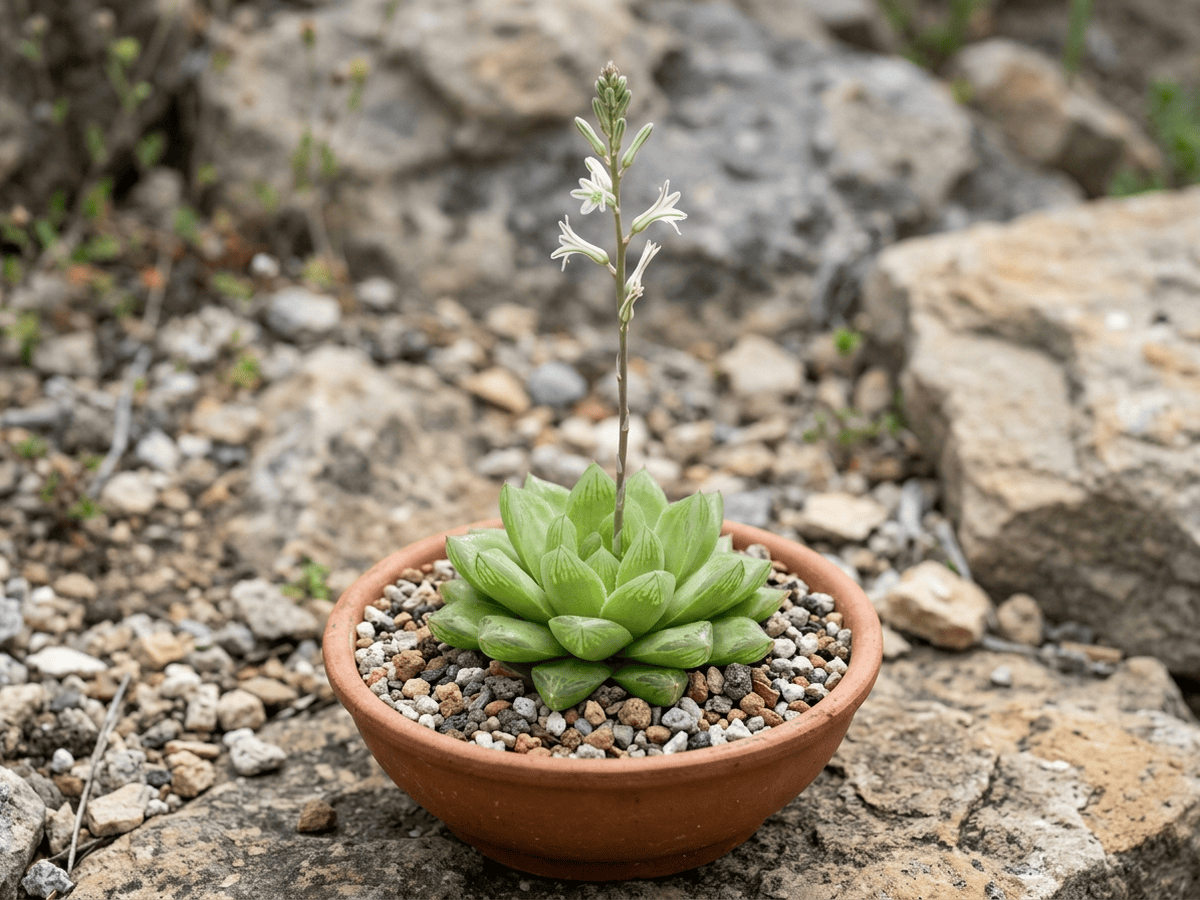
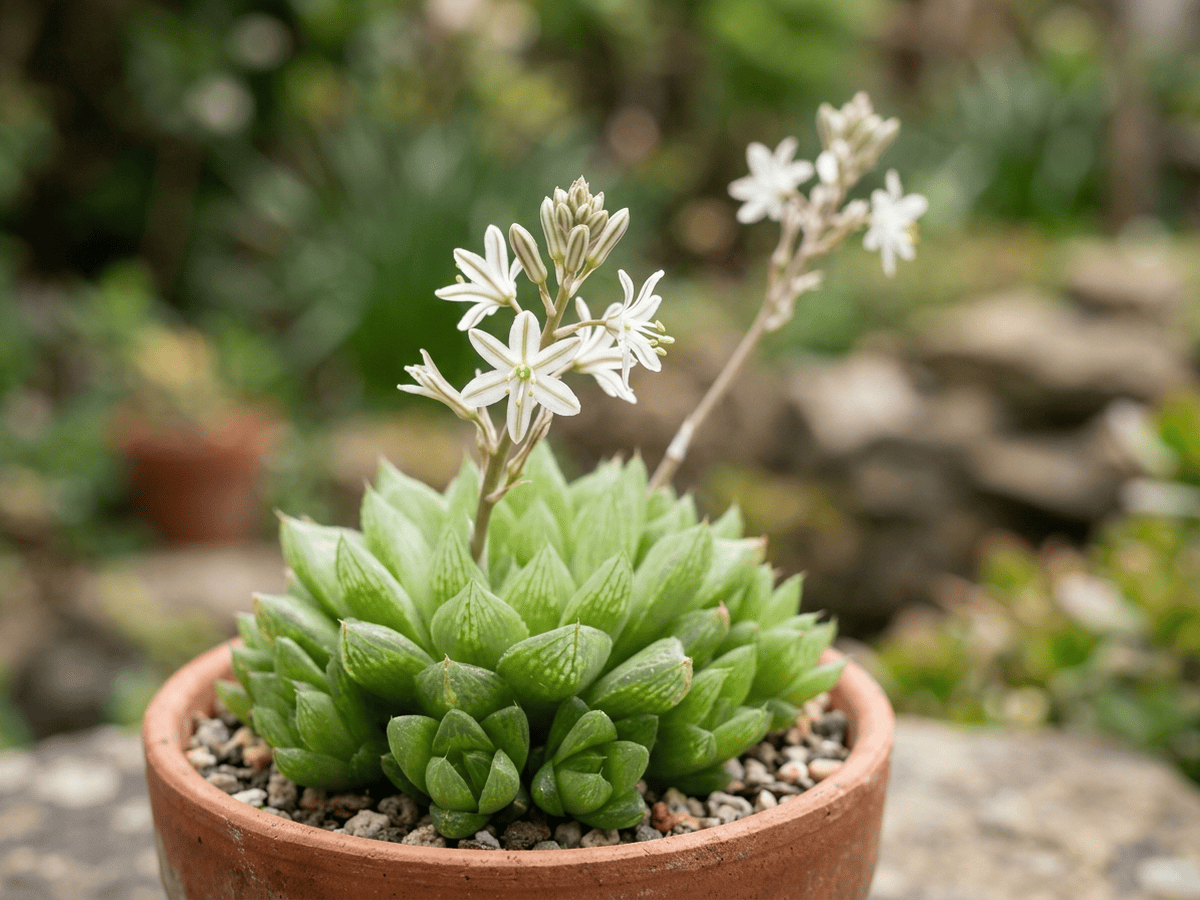
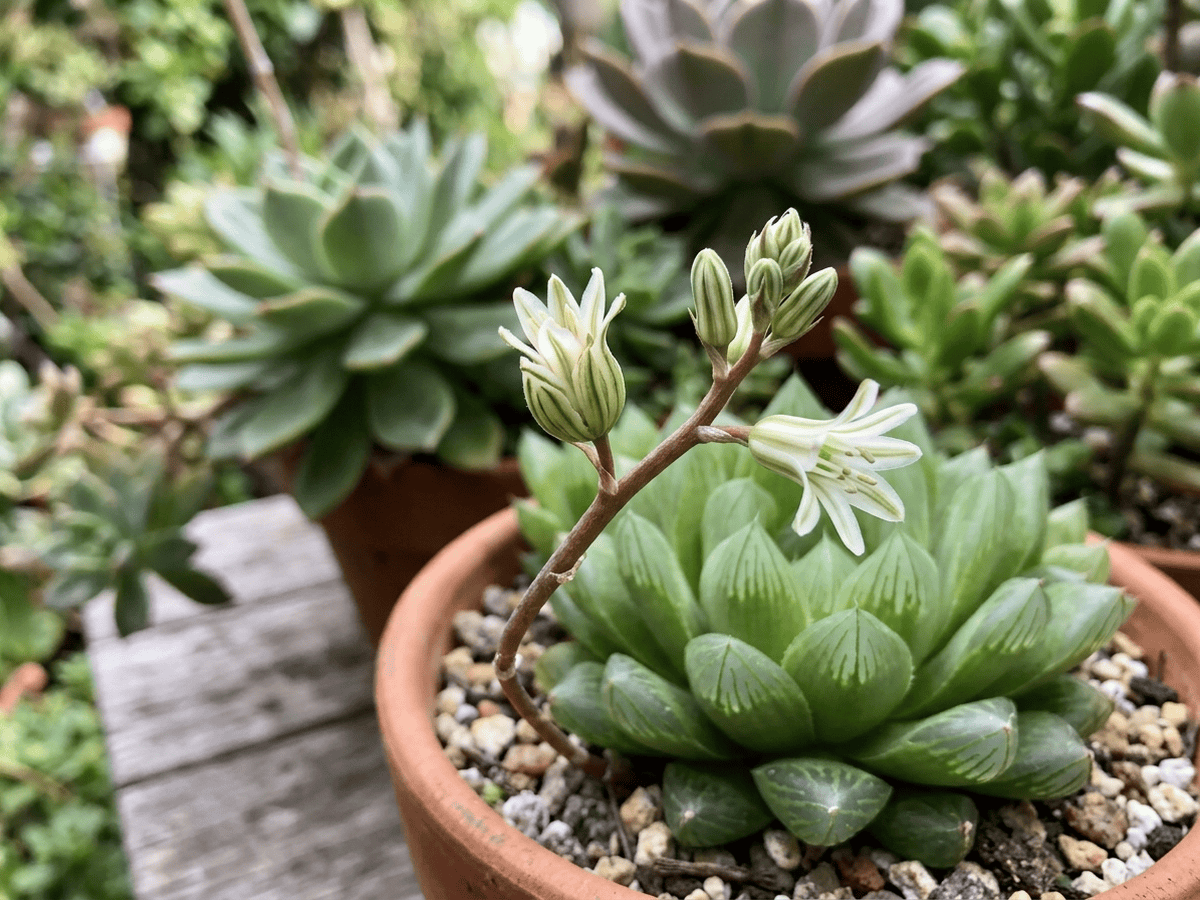
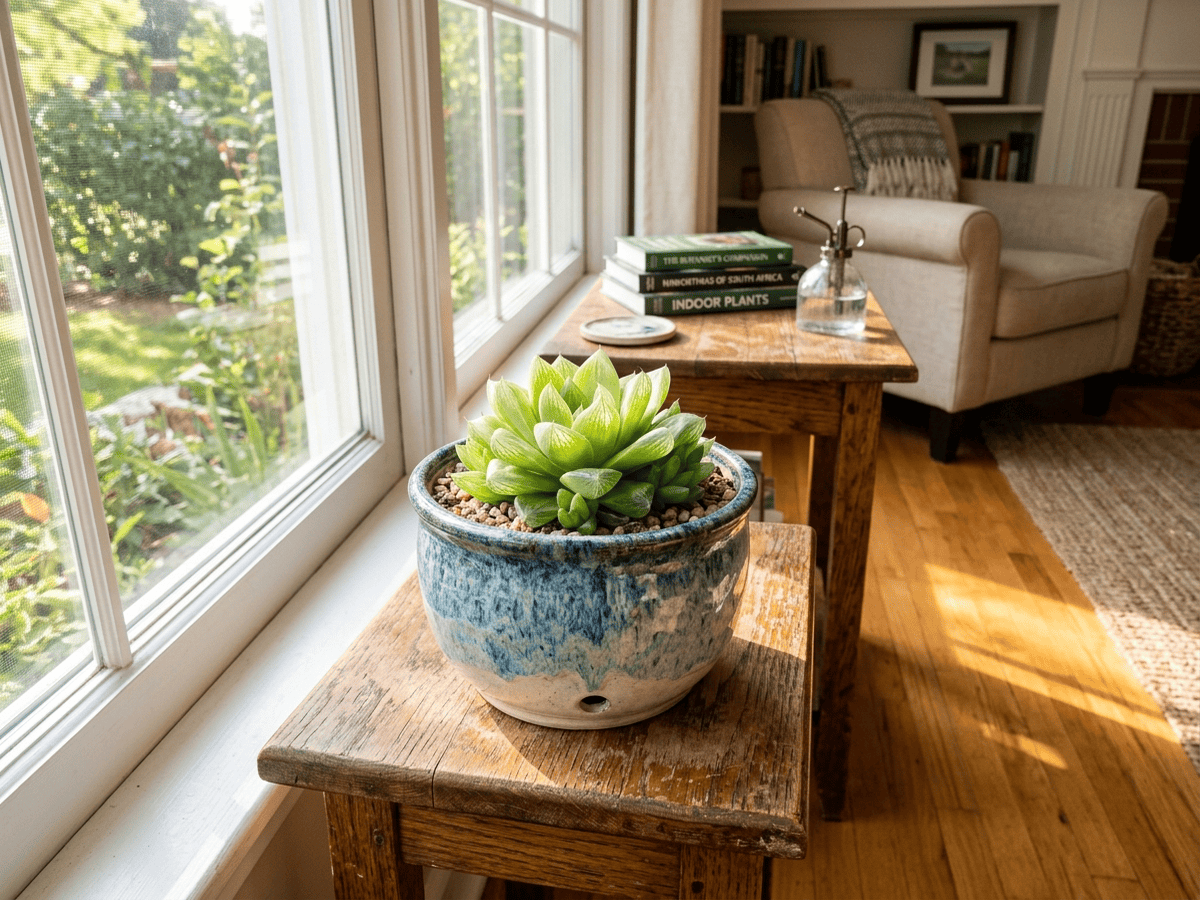
The Cushion Aloe is a compact South African succulent forming tight rosettes of thick, boat-shaped leaves, each tipped with a translucent window that channels sunlight into the leaf's fleshy interior. In its native Eastern Cape habitat, it tucks into shaded rock crevices and grass tussocks, using these windows to keep photosynthesizing while mostly hidden underground. Slow-growing and clump-forming, it offsets into dense cushions rarely more than six inches across, making it a forgiving windowsill or terrarium plant that rewards light care with small, star-shaped white flowers in late spring.
- Container-friendly
- Drought-tolerant
- Slow-growing
- Evergreen
- Compact
- Shade-tolerant
How to care for Cushion Aloe
Watering
- Springevery 10 days
- Summerevery 10 days
- Fallevery 20 days
- Winterevery 30 days
Soil · Fast-draining
- Main mixSand + pumice + soil 1:1:150%
- DrainagePumice / gravel50%
Keep grit at half the mix or more — this soil is meant to dry out fast.
FERTILIZER
Cactus & Succulent Feed 2-7-7
Hold the nitrogen back and growth stays compact instead of soft and stretched. Phosphorus and potassium carry the roots and the flowering.
- Nitrogen · Leaves
- Phosphorus · Roots + Blooms
- Potassium · Strength
- Springevery 30 days
- Summerevery 30 days
At a Glance
- NativeSouthern Africa
- Height0.5–1 ft (0.2–0.3 m)
- Spread0.5–1 ft (0.2–0.3 m)
- Flower colorWhite
- Foliage colorGreen
- SoilWell-drained, Sandy
- LocationsYard · Patio · Indoor
Bloom time
BLOOM CYCLE
Peak bloom
May
The flowers are small and striking, typically blooming during May.
Toxicity
Pets Safe
None reported
Not reported
EXPOSURE No exposure route is reported.
EFFECT No toxic effect is reported.
NOTE No toxicity is reported for humans in this catalog; this is not evidence that the plant is edible or harmless.
Safe
EXPOSURE No exposure route is reported.
EFFECT No toxic effect is reported.
NOTE Authoritative sources report this plant as non-toxic to dogs; this is not evidence that the plant is edible.
Safe
EXPOSURE No exposure route is reported.
EFFECT No toxic effect is reported.
NOTE Authoritative sources report this plant as non-toxic to cats; this is not evidence that the plant is edible.
Educational information, not medical or veterinary advice. If exposure is suspected, contact a doctor or veterinarian.
DISTRIBUTION


- Native
- Southern Africa
History
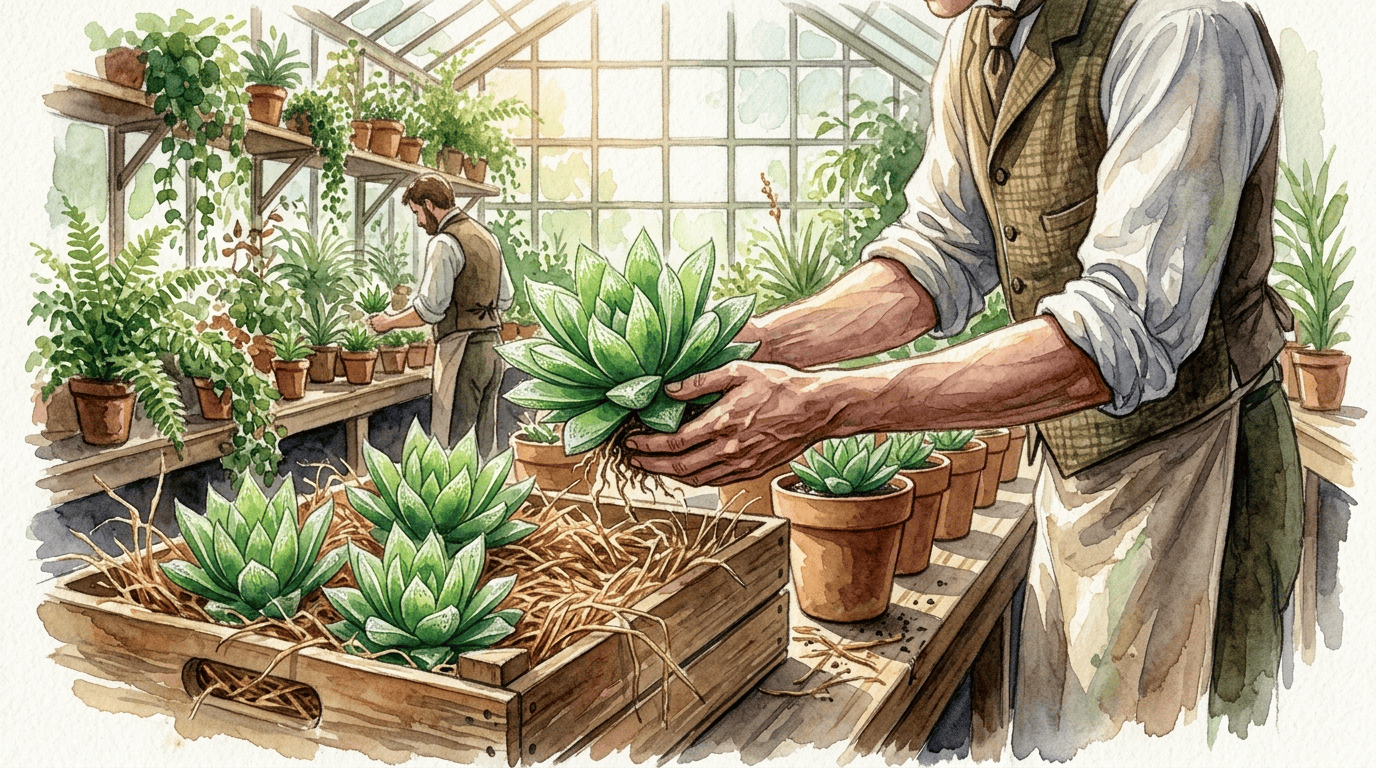
The Cushion Aloe belongs to Haworthia, a genus carved out of the old, sprawling Aloe in 1809 by the French botanist Henri Auguste Duval, who named it in honor of Adrian Hardy Haworth, an English entomologist and self-taught botanist working from his garden in Chelsea. Haworth had spent decades cataloguing the odd, spineless succulents arriving from the Cape Colony, and few plants rewarded his close attention like the Cushion Aloe. Where most succulents display their character outwardly, the Cushion Aloe hides it: its thick, cymbiform (boat-shaped) leaves end in flattened, translucent tips that Haworth and later collectors would tilt toward a window or candle flame, watching sunlight pour through the pane-like windows into the leaf's fleshy body. In the wild along South Africa's Eastern Cape, this trick of translucence lets the Cushion Aloe wedge itself almost entirely beneath rocks and tussocks of grass, its leaf-tips flush with the soil surface, absorbing light from above while the bulk of the plant stays shielded from the harsh sun and grazing animals. Nineteenth-century plant hunters shipping Cape succulents back to Europe found the Cushion Aloe an easy, obliging traveler compared to its thornier relatives, and it settled quickly into greenhouse and windowsill collections, where its clumping habit meant a single rosette soon became a cushion of offsets. That same undemanding nature has carried the Cushion Aloe from Victorian glasshouses into today's terrariums and sunny sills, still catching the light through the same small windows that first caught a botanist's eye two centuries ago.
Symbolism & meaning
What It Symbolizes
Tucked almost entirely beneath stone and grass, the Cushion Aloe survives by turning a limitation into an advantage: its buried leaves still gather light through small translucent windows. That quiet adaptation has long made it a symbol of inner light and resilience found in unassuming places.
- Inner Light — The leaf's translucent windows, which draw sunlight into an otherwise hidden rosette, evoke inner clarity and quiet illumination.
- Resilience — Wedged into rocky crevices with little water or visibility, the plant embodies patient endurance in a harsh, exposed landscape.
Where the Name Comes From
The genus Haworthia honors English botanist and succulent specialist Adrian Hardy Haworth (1767-1833); the species epithet cymbiformis comes from the Latin cymba ('boat') and forma ('shape'), describing its boat-shaped leaves.
Uses & Fun Facts
- A popular collector's succulent, grown for its translucent, light-catching leaf windows and tidy rosette form.
- Its small tubular spring flowers attract bees and other pollinating insects.
Related plants
More Haworthia plants

Plants with similar care
 Mexican AbeliaAbelia floribunda
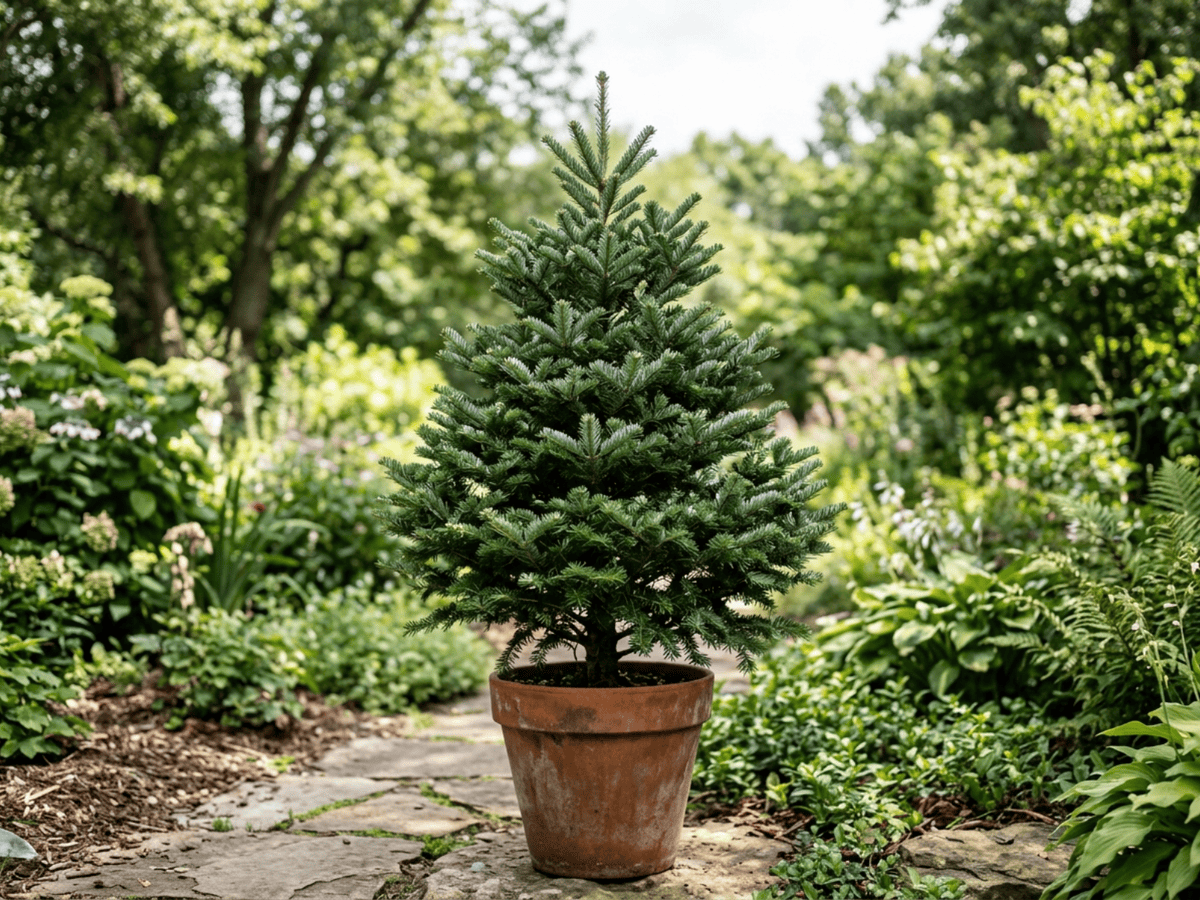 Fraser FirAbies fraseri
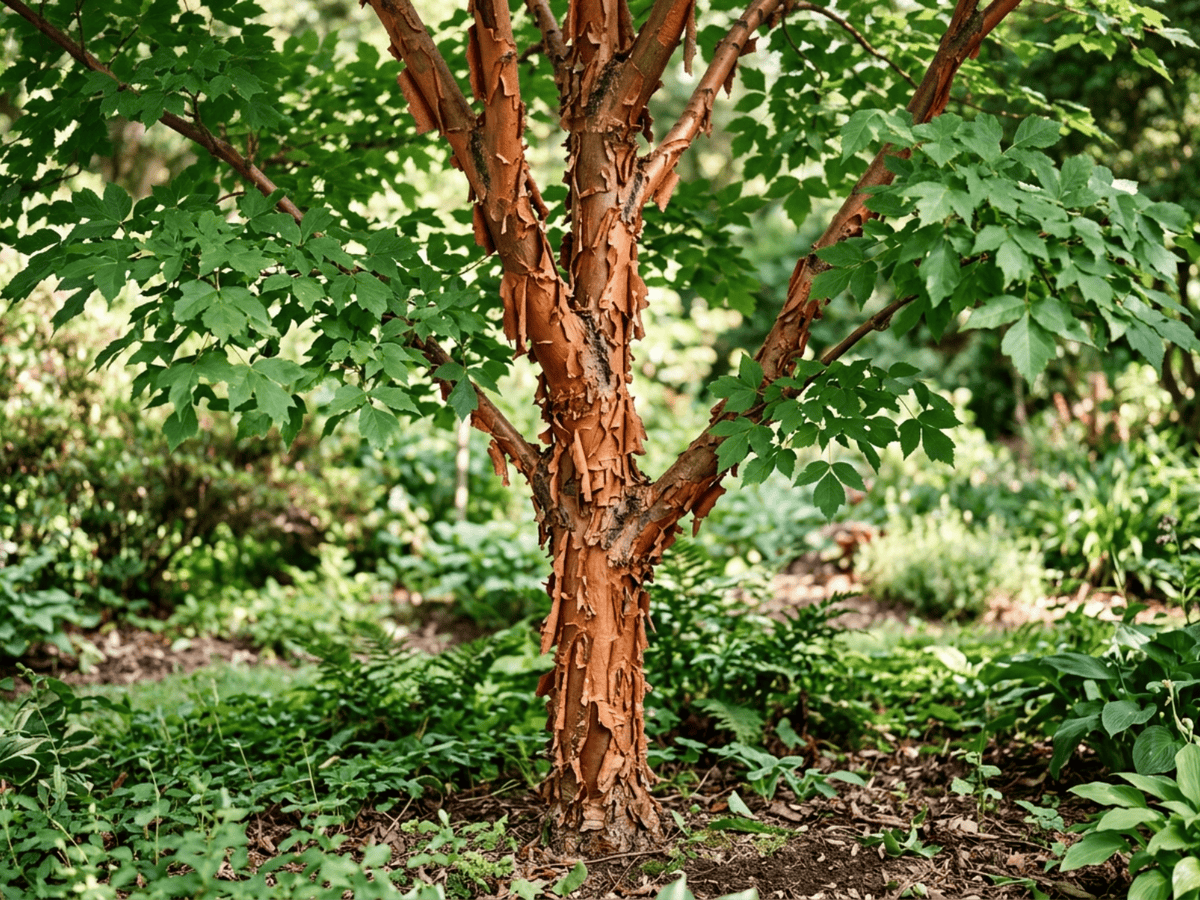 Paperbark MapleAcer griseum
 Sugar MapleAcer saccharum
Frequently asked questions
How often should I water Cushion Aloe?
In summer, water about every 10 days; in winter, about every 30 days. Adjust for heat, pot size and drainage.
How much light does Cushion Aloe need?
Full sun: 6+ hrs direct. Watch the leaves — scorching or stretching means the light needs adjusting.
Is Cushion Aloe toxic to cats or dogs?
Pets Safe (Dogs Safe · Cats Safe) Educational information, not medical or veterinary advice. If exposure is suspected, contact a doctor or veterinarian.
Is Cushion Aloe easy to grow?
It is moderately demanding: a good choice once you have a little experience.
Can Cushion Aloe be grown indoors?
Yes, it adapts well to indoor growing given the right light.
When does Cushion Aloe bloom?
It typically blooms May in the Northern Hemisphere.
YardMate
Identify any plant in seconds
Snap a photo — YardMate names the plant, diagnoses problems, and reminds you when to water.
Download on the App Store