 YardMate
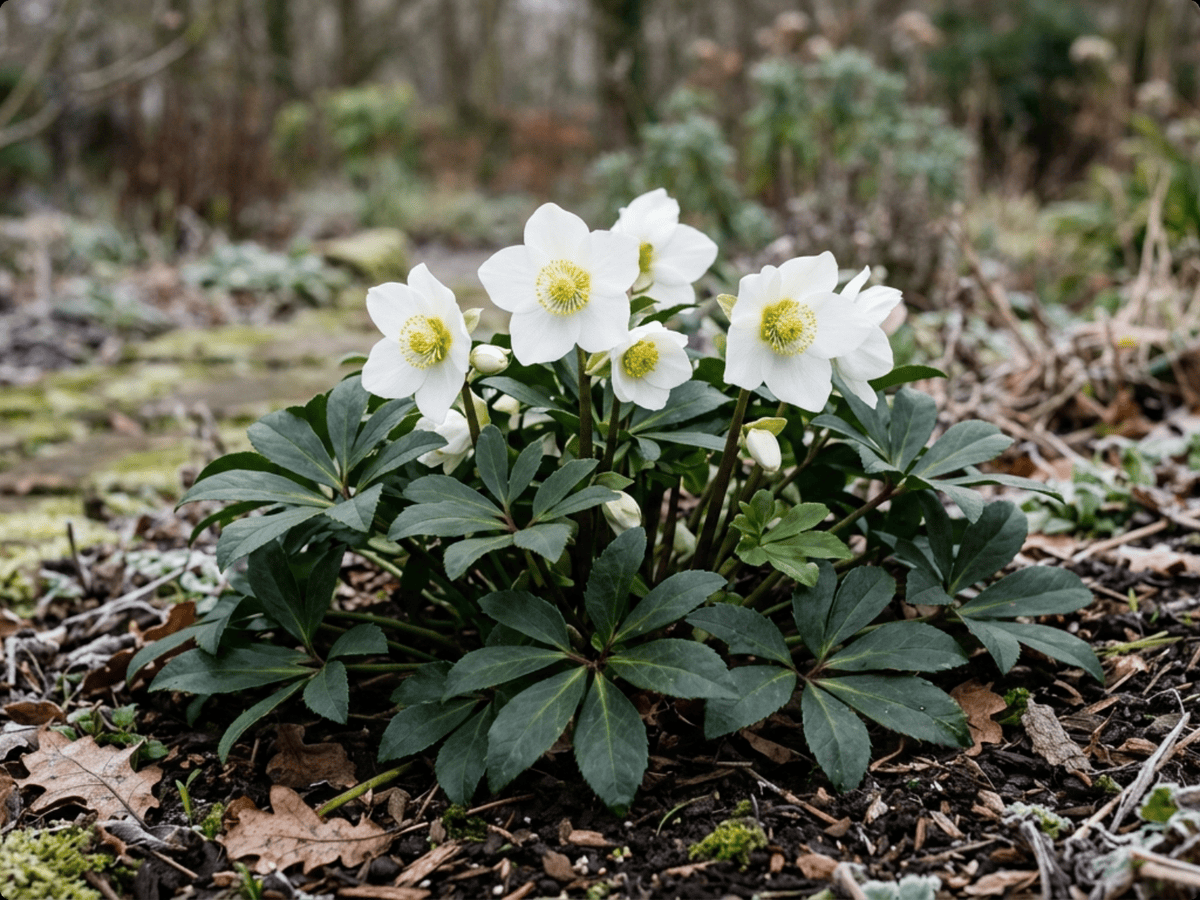


Christmas-Rose
Helleborus niger
Medium · Some experienceAbout Christmas-Rose
Helleborus niger, the Christmas rose, produces pristine white flowers with golden stamens in midwinter — sometimes pushing through snow. Native to the Alps and Apennines, it is the original 'hellebore' of ancient medicine and mythology. Each flower ages from white to pink and then green, lasting months. It is smaller than H. orientalis, typically 20–30 cm tall, with dark, leathery evergreen leaves. It requires excellent drainage and resents being moved. True H. niger is less common in gardens than the Lenten rose, but its ability to bloom in December-January makes it uniquely precious.
- Evergreen
How to care for Christmas-Rose
Watering
- Springevery 7 days
- Summerevery 5 days
- Fallevery 10 days
- Winterevery 14 days
Soil · Well-draining
- Top dressingPine bark mulch10%
- Main mixPotting soil + perlite 2:170%
- DrainageLECA / gravel20%
Never skip the drainage layer — standing water is the top cause of root rot.
FERTILIZER
Balanced Feed 14-14-14
An even feed covers all three needs at once, keeping leaves, roots and blooms moving together with nothing pushed out of balance.
- Nitrogen · Leaves
- Phosphorus · Roots + Blooms
- Potassium · Strength
- Springevery 30 days
- Fallevery 30 days
At a Glance
- NativeEurope
- Height1–1.5 ft (0.3–0.5 m)
- Spread1–1.5 ft (0.3–0.5 m)
- Flower colorWhite, Pink
- Foliage colorGreen
- SoilLoamy, Moisture-retentive, Alkaline
- LocationsYard
Bloom time
BLOOM CYCLE
Peak bloom
Dec–Feb
White flowers in midwinter; needs lime-rich, well-drained soil; resents disturbance
Fragrance
NO FRAGRANCE
No notable fragrance.
Toxicity
Humans Toxic · Pets Toxic
cardiac glycosides (hellebrin, helleborin) and protoanemonin
Toxic
- All
- Ingestion
- Contact
EXPOSURE Eating any part of the plant. Touching any part of the plant.
EFFECT Cardiac glycoside effects, vomiting, bradycardia and skin contact causes dermatitis.
NOTE Documented concern for humans: Cardiac glycoside effects, vomiting, bradycardia and skin contact causes dermatitis.
Toxic
- All
- Ingestion
EXPOSURE Eating any part of the plant.
EFFECT Drooling, vomiting, cardiac arrhythmia.
NOTE ASPCA lists Helleborus as toxic to dogs, cats, horses.
Toxic
- All
- Ingestion
EXPOSURE Eating any part of the plant.
EFFECT Drooling, vomiting, cardiac arrhythmia.
NOTE ASPCA lists Helleborus as toxic to dogs, cats, horses.
Educational information, not medical or veterinary advice. If exposure is suspected, contact a doctor or veterinarian.
DISTRIBUTION


- Native
- Introduced
- Europe
History

Helleborus niger ("black" referring to the dark roots, not the white flowers) grows wild in the limestone forests of the eastern Alps, northern Apennines, and Balkan mountains. Ancient authors including Dioscorides and Pliny confused the "black hellebore" of classical medicine with it, attributing strong emetic and purgative action. A medieval Christian legend, reported as early as the 14th century, holds that the flower sprouted from the tears of Madelon, a young shepherd girl who wept that she had no gift to bring the Christ child, giving rise to the English name Christmas rose. It was grown in monastery physic gardens across Europe and was adopted as an iconic winter-bloom ornamental in the 19th and 20th centuries.
It has proved less amenable to hybridization than H. orientalis, though crosses with H. niger parentage (the "Ice N' Roses" and Christmas Carol series) are now commercially significant. The Christmas rose legend tells of a young shepherdess named Madelon who wept because she had no gift for the Christ child in Bethlehem. In reality, H. niger has been documented in European herbals since 1500 BC.
The ancient Greeks used the toxic roots to purge 'melancholy' (black bile) — the black roots inspired the name 'niger' (Latin for black). In the Siege of Kirrha (595 BC), Greek forces reportedly poisoned the city's water supply with hellebore roots, causing such violent illness that the defenders could not fight.
Symbolism & meaning
What It Symbolizes
The Christmas-Rose blooms when the rest of the garden lies under snow, and so its meaning is peace, a quiet white flower opening in the stillness of winter. Old legends linked its bloom to the manger and to a child's tears, weaving it into Christian midwinter symbolism, but its deepest message is simpler than that: that calm itself is a kind of beauty, and that serenity sometimes shows up as a single ivory cup steady in the cold.
- Peace — Its quiet white bloom in the stillness of winter represents serenity and calm
Where the Name Comes From
The name Christmas-Rose describes its rose-like blooms. 'Helleborus' may derive from Greek elements referring to injurious food, a nod to the plant's dangerous chemistry. 'Niger' means black, for the dark root rather than the white flower.
Uses & Fun Facts
- Christmas rose blooms white through winter shade
- Evergreen leathery clumps carpet woodland edges
Related plants
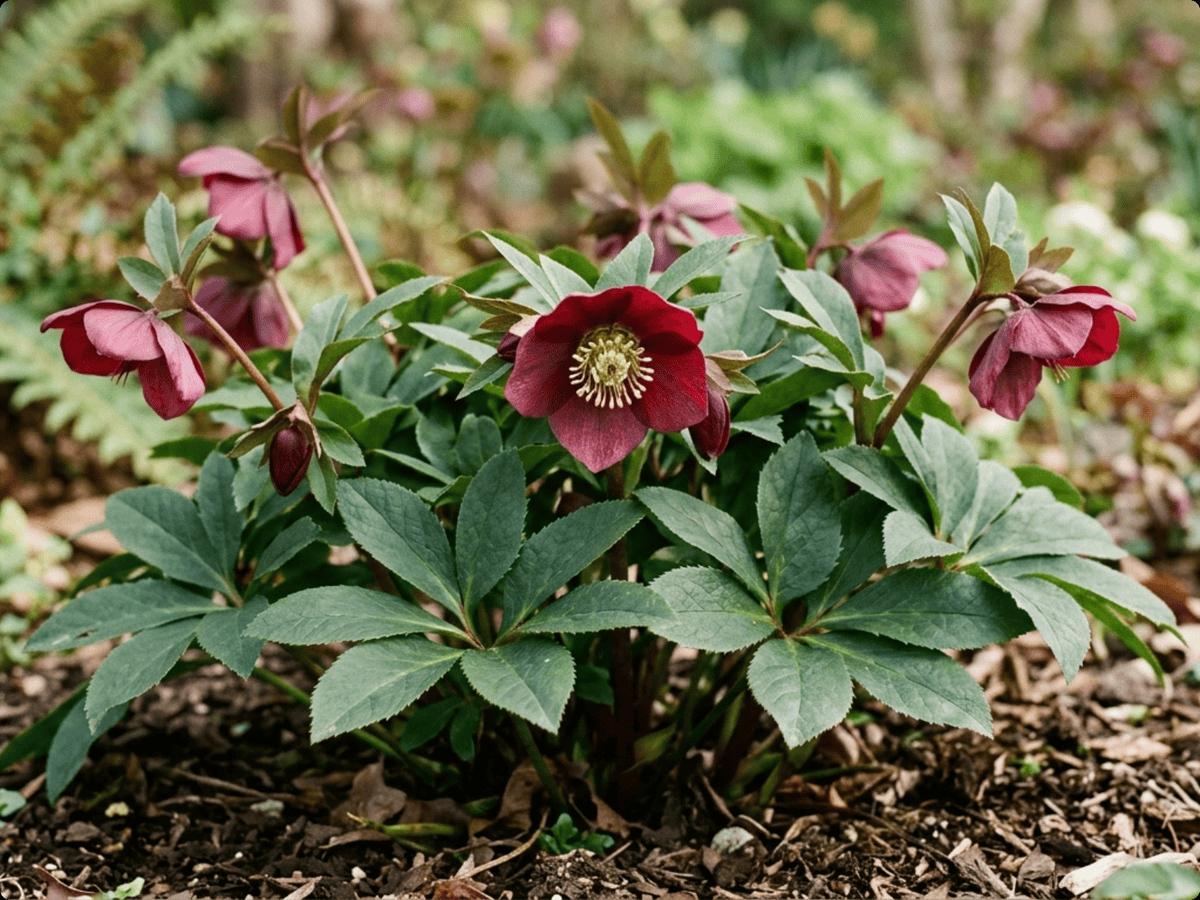
More Helleborus plants
Plants with similar care
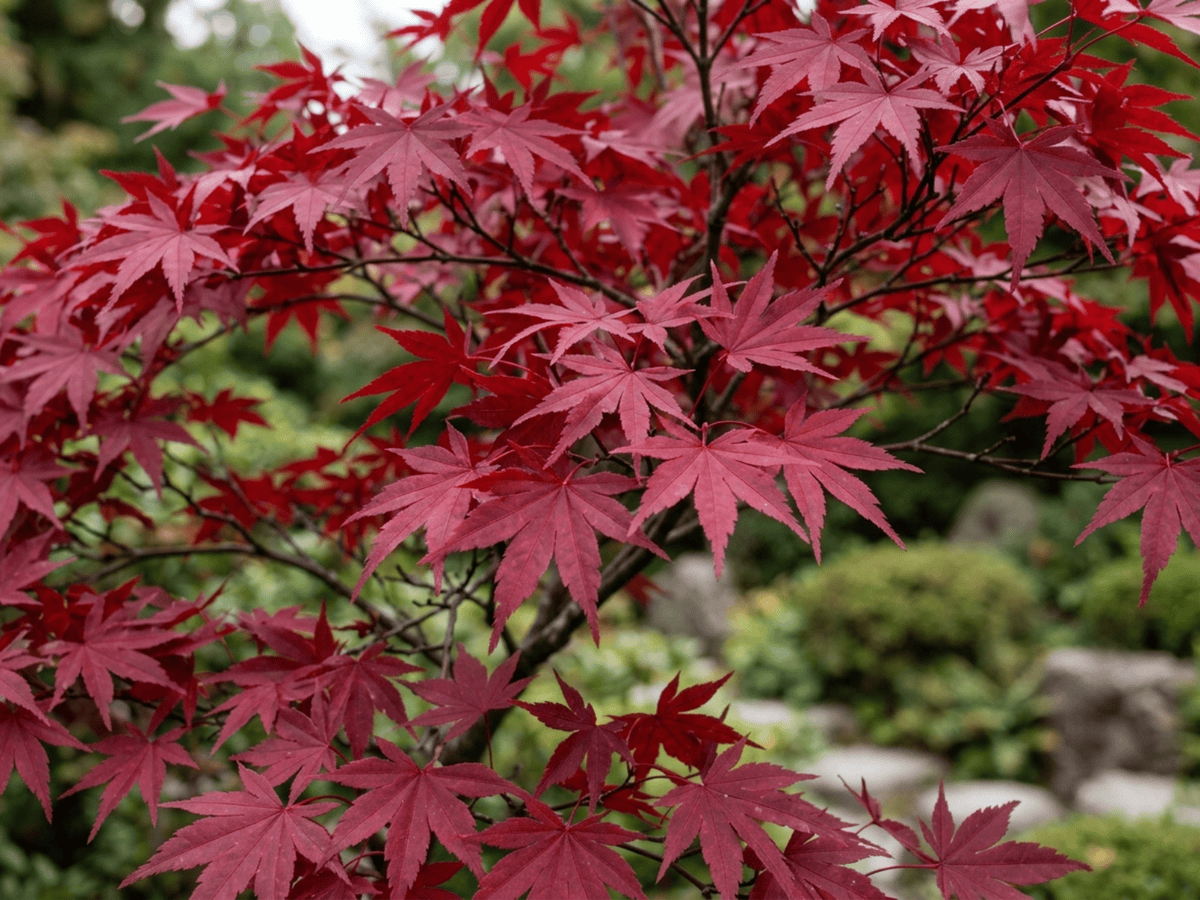 Japanese MapleAcer palmatum
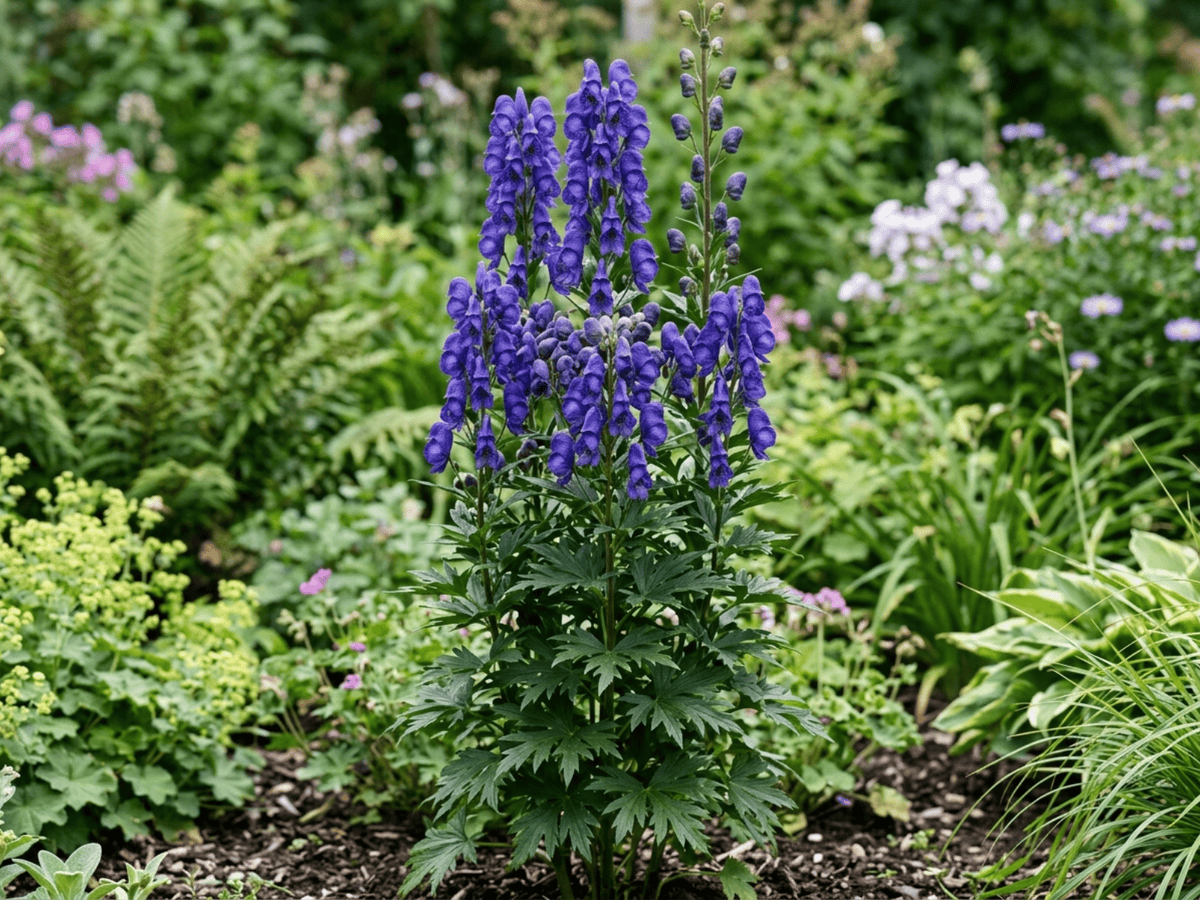 Azure MonkshoodAconitum carmichaelii
 Florida HobblebushAgarista populifolia
 Shell GingerAlpinia zerumbet
Frequently asked questions
How often should I water Christmas-Rose?
In summer, water about every 5 days; in winter, about every 14 days. Adjust for heat, pot size and drainage.
How much light does Christmas-Rose need?
Part shade: 2–4 hrs direct. Watch the leaves — scorching or stretching means the light needs adjusting.
Is Christmas-Rose toxic to cats or dogs?
Pets Toxic (Dogs Toxic · Cats Toxic) Educational information, not medical or veterinary advice. If exposure is suspected, contact a doctor or veterinarian.
Is Christmas-Rose easy to grow?
It is moderately demanding: a good choice once you have a little experience.
When does Christmas-Rose bloom?
It typically blooms Dec–Feb in the Northern Hemisphere.
YardMate
Identify any plant in seconds
Snap a photo — YardMate names the plant, diagnoses problems, and reminds you when to water.
Download on the App Store