 YardMate


Lenten-Rose
Helleborus orientalis
Easy · Beginner friendlyAbout Lenten-Rose
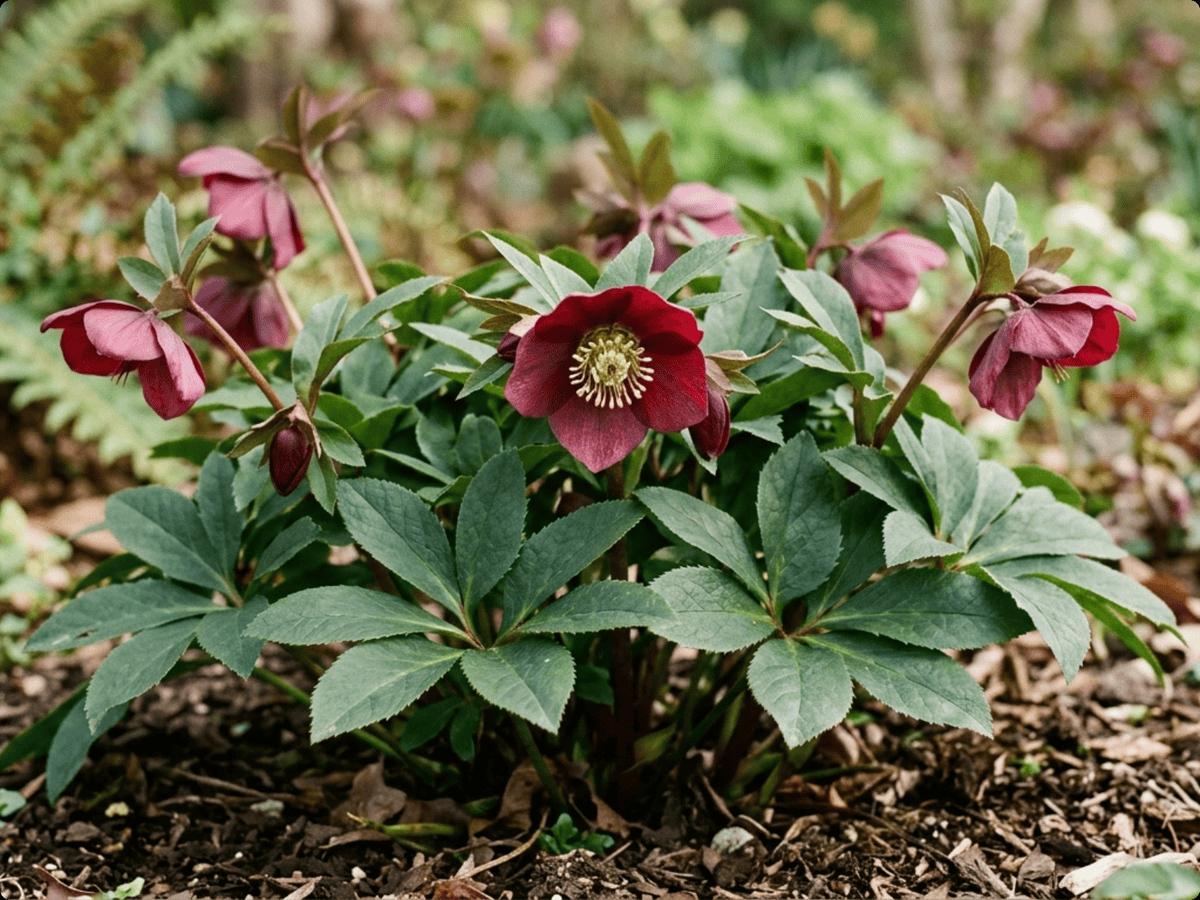
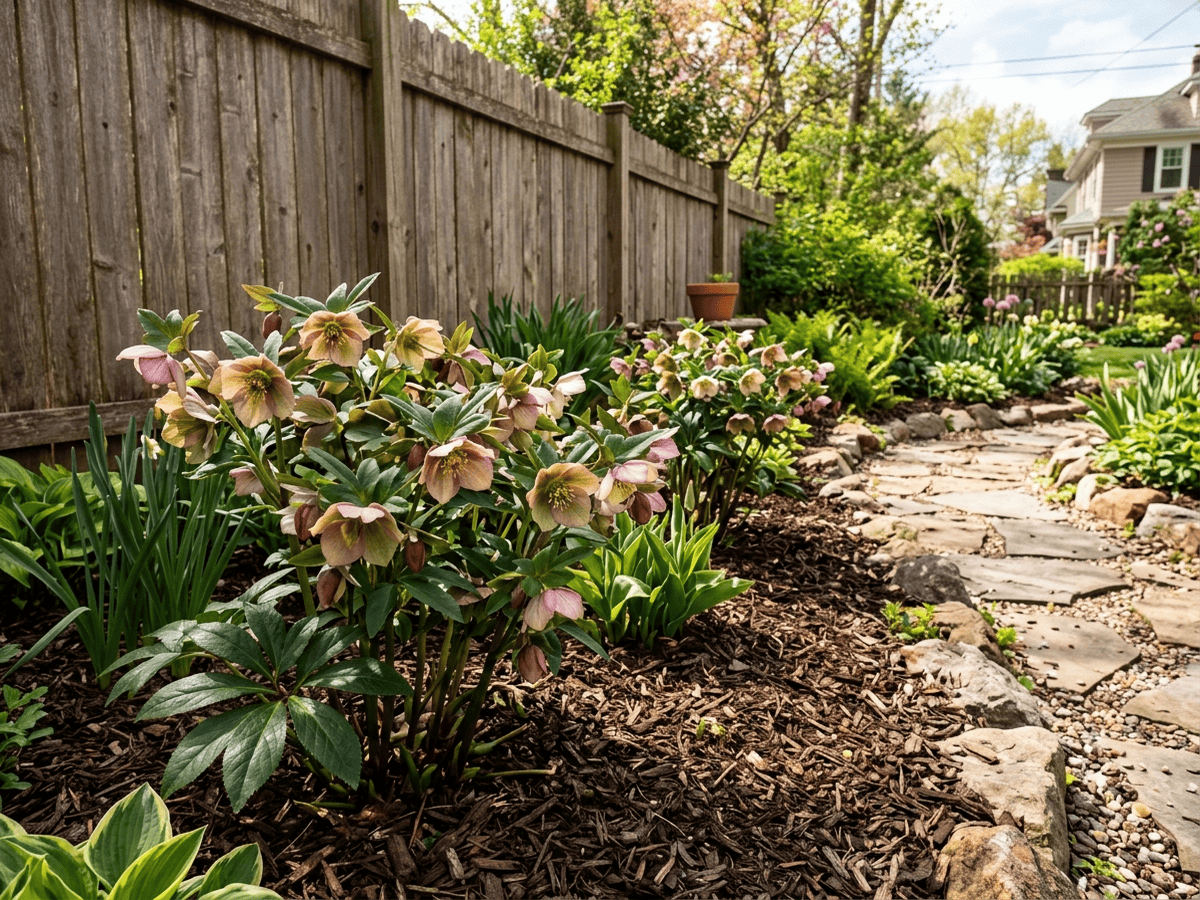
Helleborus orientalis, the Lenten rose, is one of the earliest perennials to bloom, producing nodding, cup-shaped flowers in shades of white, pink, purple, green, and near-black from late winter through early spring. The waxy flowers last 2–3 months, gradually aging to green. Evergreen, leathery, palmate leaves provide year-round structure. Native to Turkey and Greece, it thrives in dry shade under deciduous trees — one of the few flowering perennials for this challenging site. Modern breeding has produced upward-facing, double, and picotee forms. Long-lived plants improve with age.
- Shade-tolerant
- Deer-resistant
- Evergreen
How to care for Lenten-Rose
Watering
- Springevery 7 days
- Summerevery 5 days
- Fallevery 10 days
- Winterevery 14 days
Soil · Well-draining
- Top dressingPine bark mulch10%
- Main mixPotting soil + perlite 2:170%
- DrainageLECA / gravel20%
Never skip the drainage layer — standing water is the top cause of root rot.
FERTILIZER
Balanced Feed 14-14-14
An even feed covers all three needs at once, keeping leaves, roots and blooms moving together with nothing pushed out of balance.
- Nitrogen · Leaves
- Phosphorus · Roots + Blooms
- Potassium · Strength
- Springevery 30 days
- Fallevery 30 days
At a Glance
- NativeEurope, Mediterranean, Western Asia
- Height1–1.5 ft (0.3–0.5 m)
- Spread1.5–2 ft (0.5–0.6 m)
- Flower colorWhite, Pink, Purple, Green
- Foliage colorGreen
- SoilLoamy, Well-drained, Alkaline
- LocationsYard
Bloom time
BLOOM CYCLE
Peak bloom
Dec–May
Late winter to early spring; remove old foliage in January to showcase flowers; self-seeds
Fragrance
NO FRAGRANCE
No notable fragrance.
Toxicity
Humans Toxic · Pets Toxic
cardiac glycosides (hellebrin), saponins, and protoanemonin
Toxic
- All
- Ingestion
- Contact
EXPOSURE Eating any part of the plant. Touching any part of the plant.
EFFECT Burning mouth, vomiting, cardiac glycoside effects, bradycardia and sap causes skin irritation.
NOTE Documented concern for humans: Burning mouth, vomiting, cardiac glycoside effects, bradycardia and sap causes skin irritation.
Toxic
- All
- Ingestion
EXPOSURE Eating any part of the plant.
EFFECT Drooling, vomiting, diarrhea, cardiac arrhythmia.
NOTE ASPCA lists Helleborus as toxic to dogs, cats, horses. Historically used as a weapon — reportedly poisoning a city's water supply in the First Sacred War.
Toxic
- All
- Ingestion
EXPOSURE Eating any part of the plant.
EFFECT Drooling, vomiting, diarrhea, cardiac arrhythmia.
NOTE ASPCA lists Helleborus as toxic to dogs, cats, horses. Historically used as a weapon — reportedly poisoning a city's water supply in the First Sacred War.
Educational information, not medical or veterinary advice. If exposure is suspected, contact a doctor or veterinarian.
DISTRIBUTION


- Native
- Introduced
- Europe
- Mediterranean
- Western Asia
History

Helleborus orientalis (more accurately Helleborus x hybridus, the hybrid complex involving H. orientalis and related Balkan species) is native to the deciduous forests of the Balkans, northern Greece, and the Black Sea coast of Turkey. Ancient Greeks classified hellebores into "black" and "white," both used as emetic purges and poisons — Helleborus orientalis is the "black" (melampodium) type associated with curing madness in legend (King Argos's daughters). It entered British cultivation by the early 19th century.
Modern hellebore hybridization was pioneered from 1960s by Helen Ballard, Jim Archibald, and Elizabeth Strangman of Washfield Nursery, who selected for outward-facing flowers, color range, and picotee patterning. Ashwood Nurseries (John Massey) and Dutch breeders then took hellebore hybrids to commercial scale. Hellebores have a dual reputation — revered as healers but feared as poisons.
Ancient Greeks used Helleborus to treat madness (the name may derive from 'helein' — to injure, and 'bora' — food). Legend says Alexander the Great died from a hellebore overdose given as medicine. In Christian tradition, the Christmas rose (H. niger) bloomed in Bethlehem on Christmas night. Modern breeding centers include Ashwood Nurseries (UK), Pine Knot Farms (US), and the legendary Winter Jewels series from Erwin Knoll in Germany. The annual Hellebore Festival at Ashwood attracts thousands of collectors seeking rare color forms.
Symbolism & meaning
What It Symbolizes
The lenten-rose holds hope in the darkest weeks of the year, lifting its nodding cups when little else will face the cold — sometimes through January snow itself. Its bloom is a winter promise that spring will return, a Christian and pre-Christian both: medieval gardeners planted it near doors as an emblem of resurrection. Few flowers carry so much consolation into so brief a daylight.
- Hope — Blooming in the darkest days of winter, it represents hope that spring will return
Where the Name Comes From
The name Lenten-Rose describes its rose-like blooms. Helleborus possibly comes from Greek 'helein' (to injure) and 'bora' (food), reflecting its dangerous chemistry. Orientalis means eastern, for its Turkish-Greek origin.
Uses & Fun Facts
- Nodding cup flowers bloom from late winter through early spring
- Evergreen leathery foliage carpets dry shade under deciduous trees
Related plants
More Helleborus plants
Plants with similar care
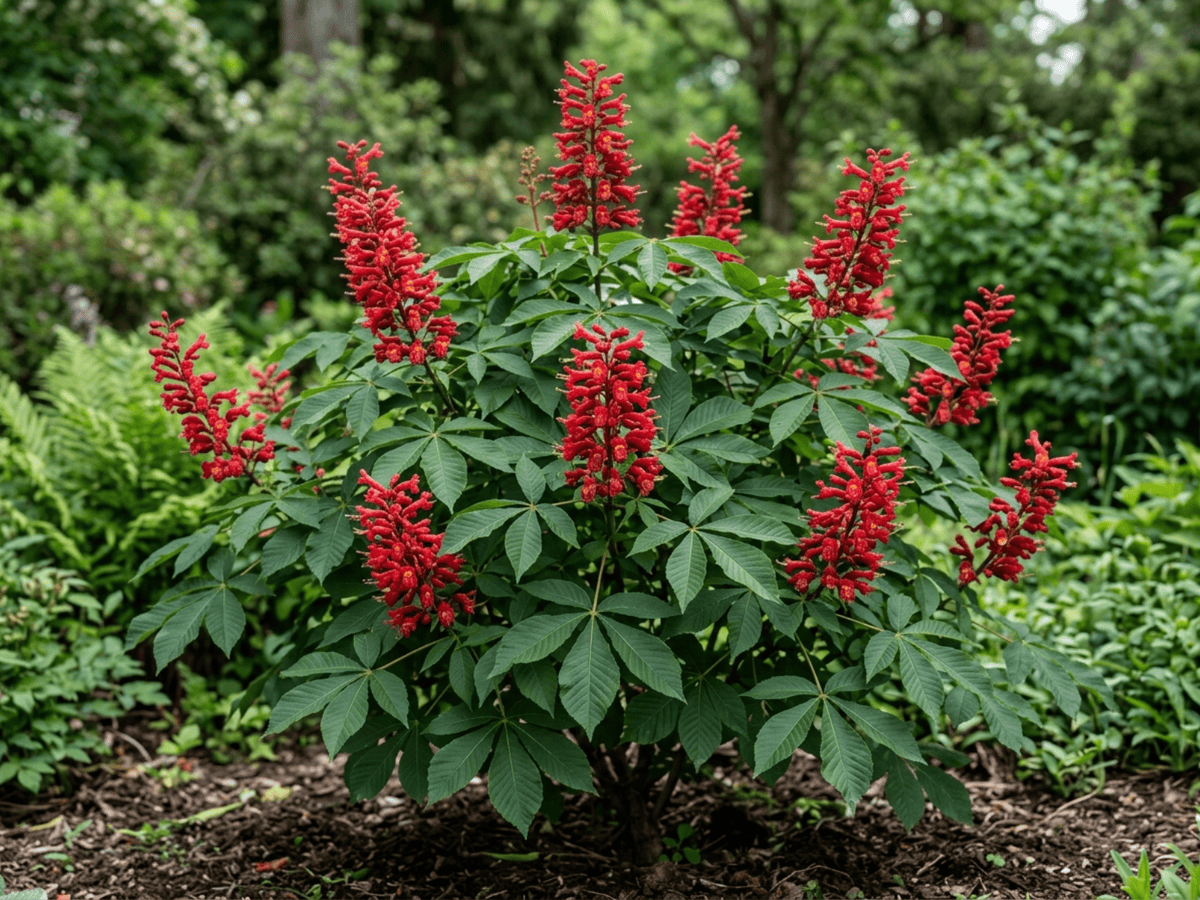 Red BuckeyeAesculus pavia
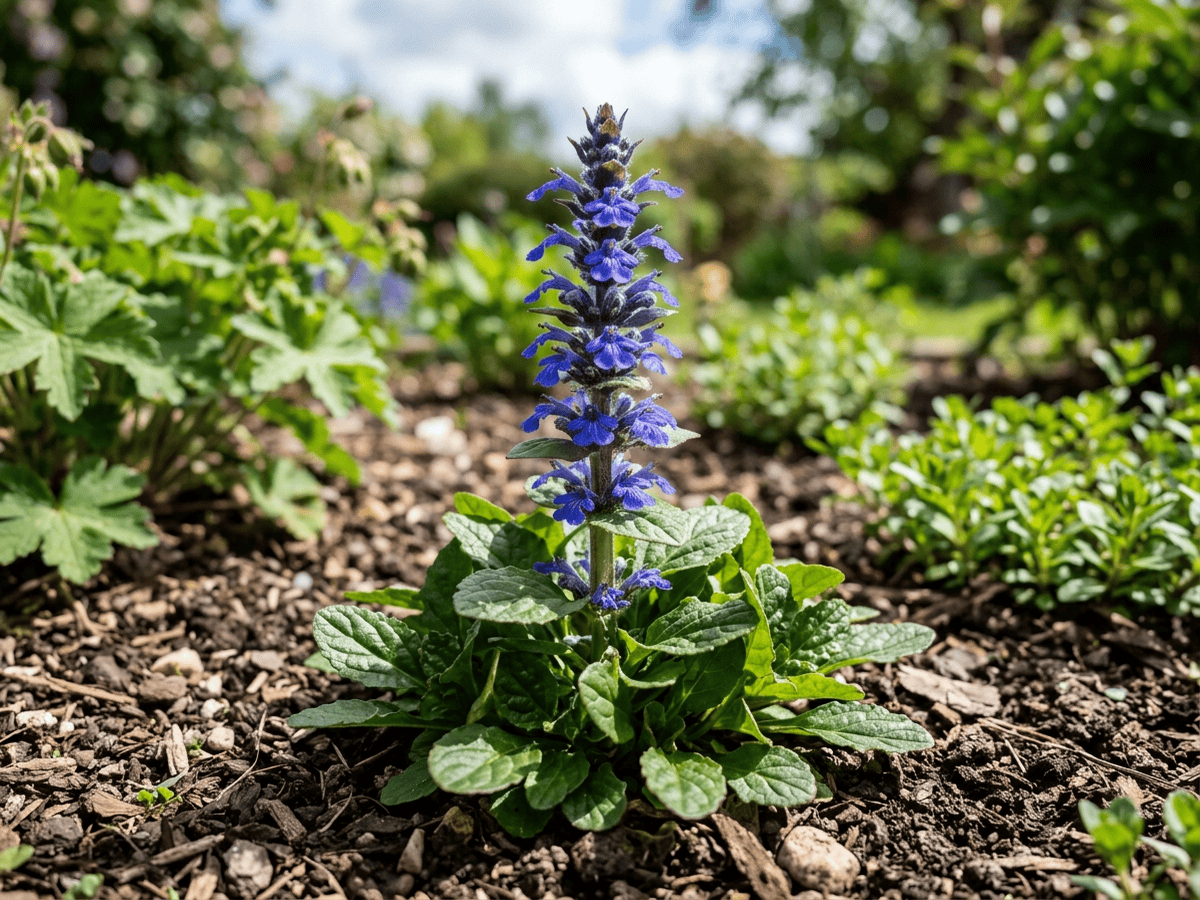 Blue BugleAjuga genevensis
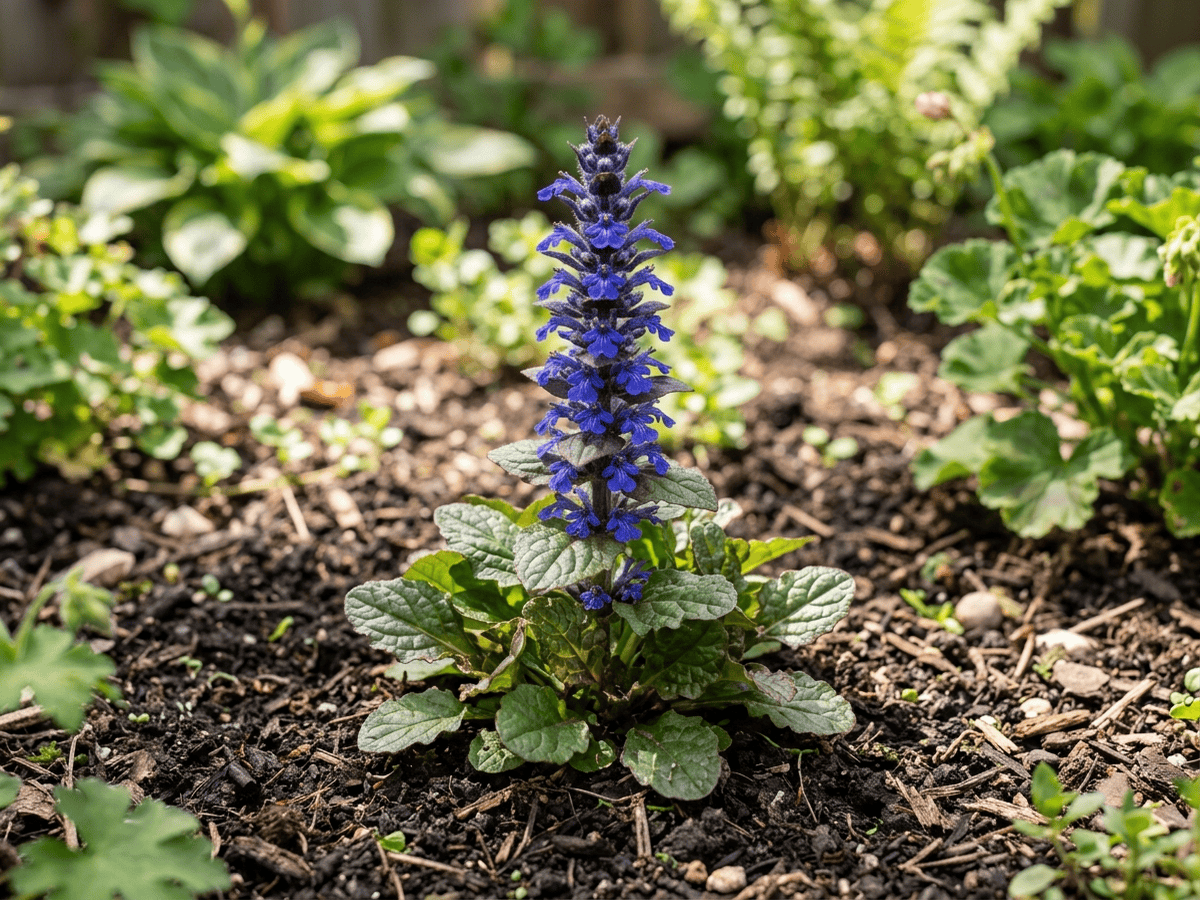 Pyramidal BugleAjuga pyramidalis
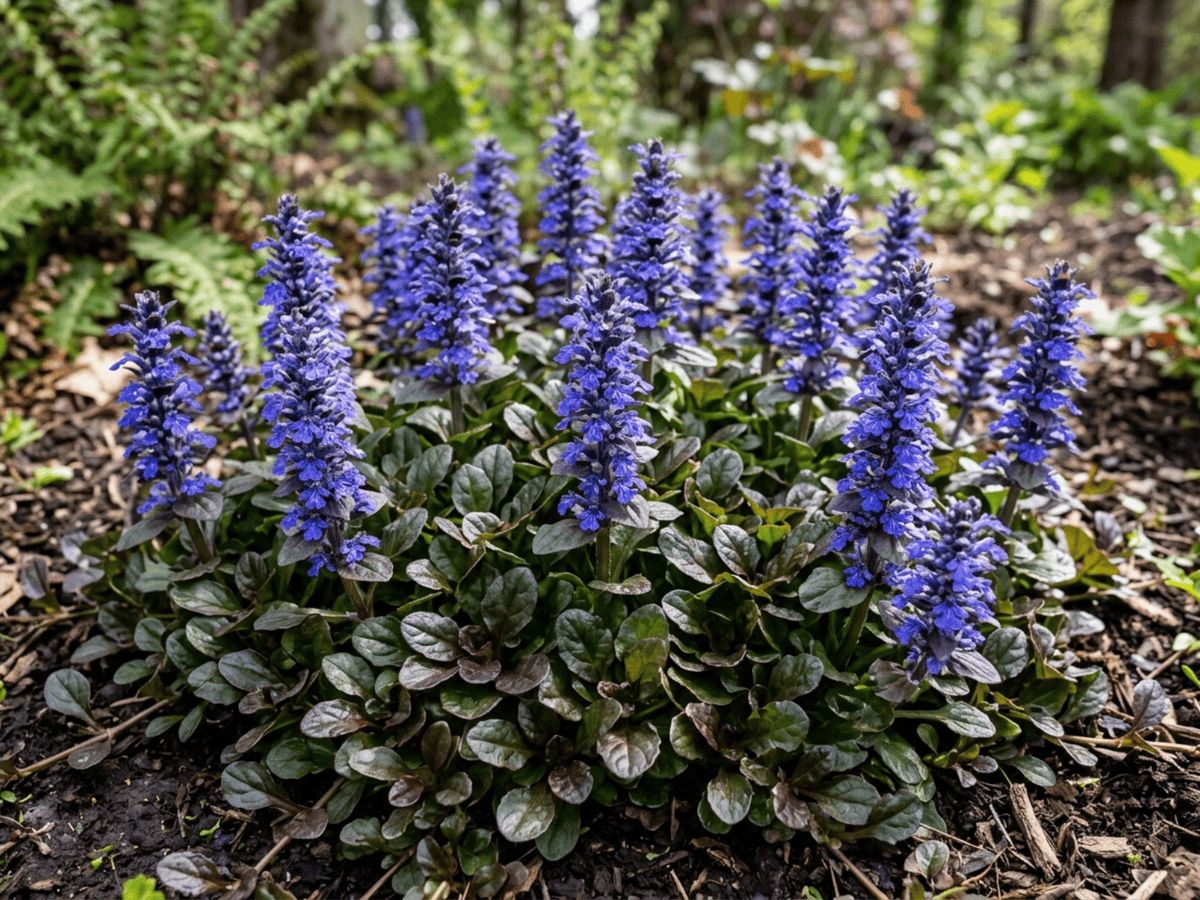 Carpet BugleAjuga reptans
Frequently asked questions
How often should I water Lenten-Rose?
In summer, water about every 5 days; in winter, about every 14 days. Adjust for heat, pot size and drainage.
How much light does Lenten-Rose need?
Part shade: 2–4 hrs direct. Watch the leaves — scorching or stretching means the light needs adjusting.
Is Lenten-Rose toxic to cats or dogs?
Pets Toxic (Dogs Toxic · Cats Toxic) Educational information, not medical or veterinary advice. If exposure is suspected, contact a doctor or veterinarian.
Is Lenten-Rose easy to grow?
Yes — it is considered an easy, beginner-friendly plant.
When does Lenten-Rose bloom?
It typically blooms Dec–May in the Northern Hemisphere.
YardMate
Identify any plant in seconds
Snap a photo — YardMate names the plant, diagnoses problems, and reminds you when to water.
Download on the App Store