 YardMate


Florida Anise
Illicium floridanum
Medium · Some experienceAbout Florida Anise
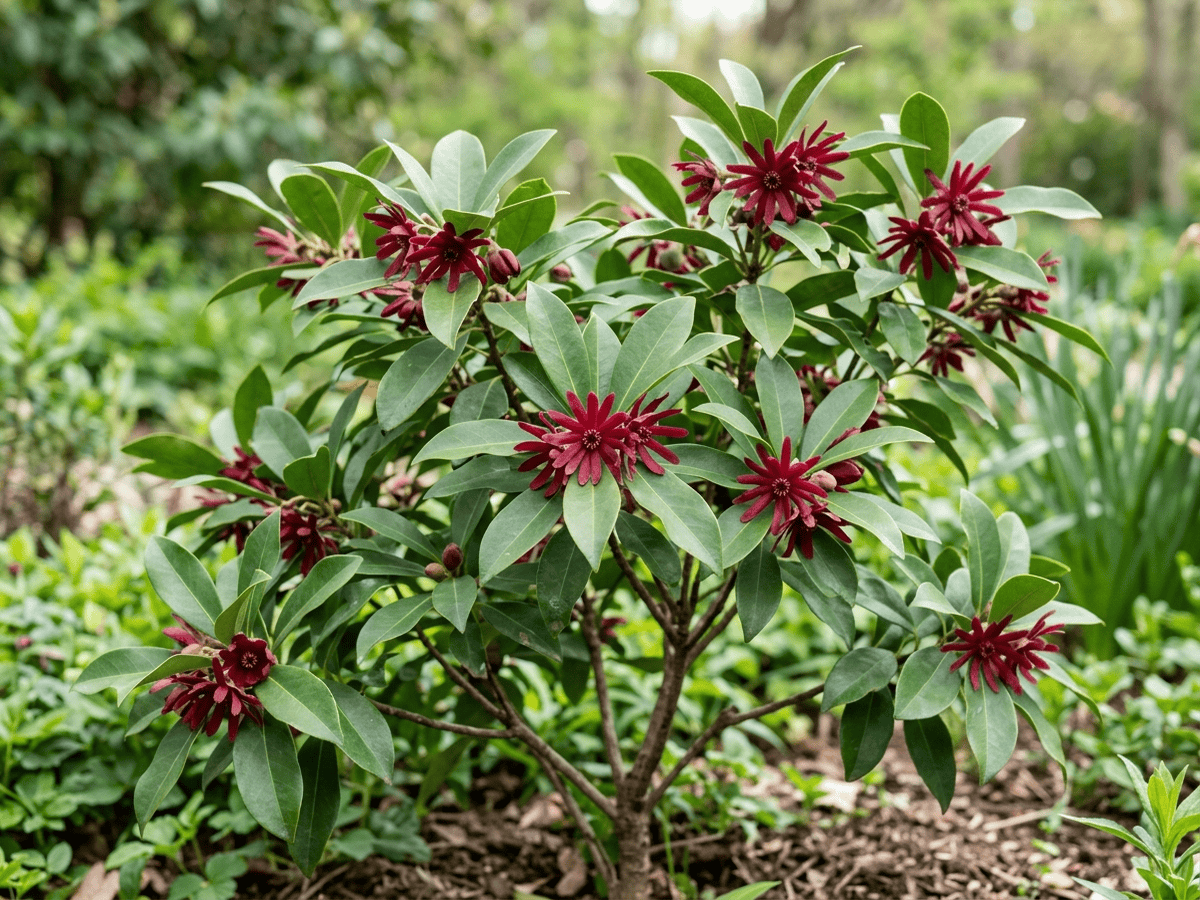
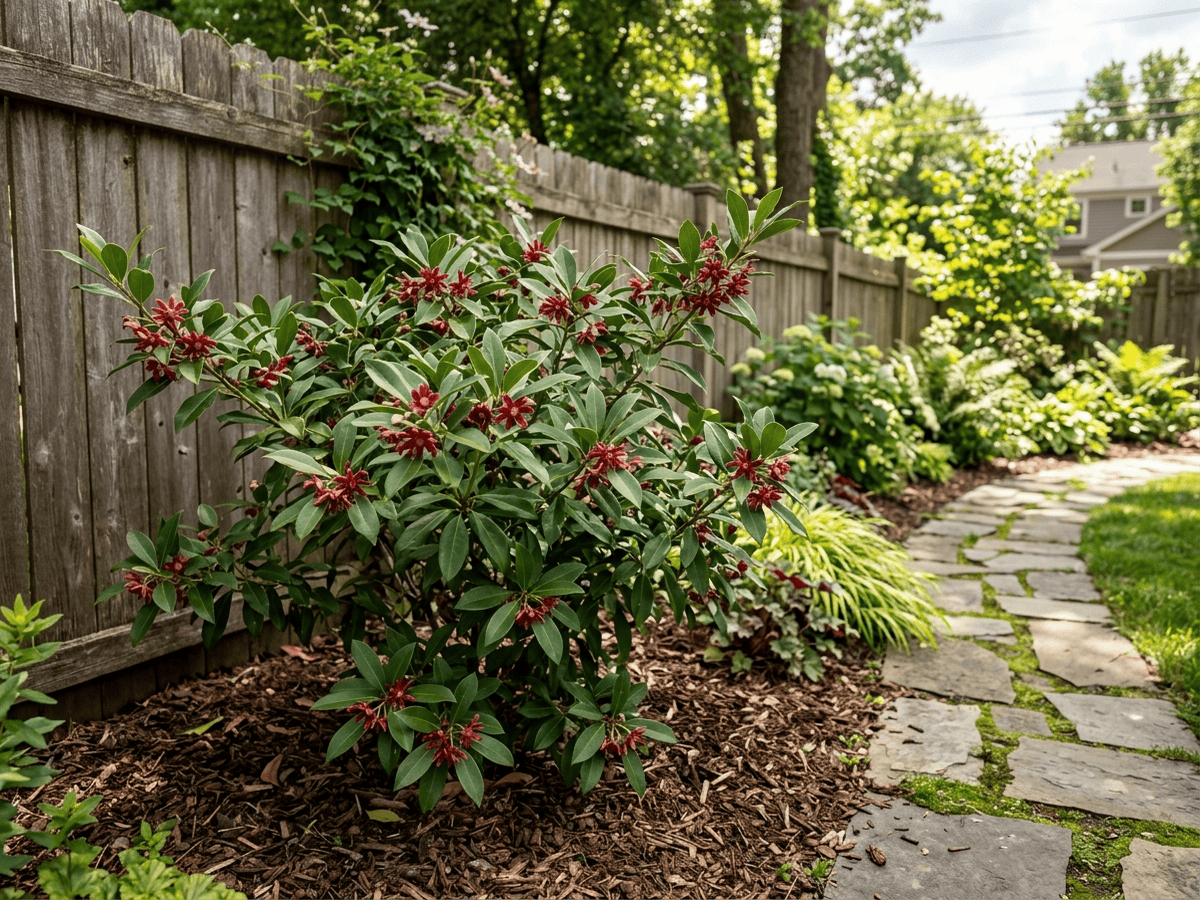
Florida Anise is a Southeastern US native evergreen shrub growing 6-10 feet tall with aromatic olive-green leaves that release an anise scent when crushed. Unusual deep maroon-red star-shaped flowers appear in spring, attractive but with a pungent fishy odor up close. Native to swampy woodlands in Florida, Georgia, Alabama, and Louisiana, it is a superb shade shrub for Southern gardens where it tolerates wet acidic soils.
- Fragrant
- Shade-tolerant
- Evergreen
- Native
How to care for Florida Anise
Watering
- Springevery 5 days
- Summerevery 3 days
- Fallevery 7 days
- Winterevery 14 days
Soil · Acidic · pH 4.5–6
- Top dressingPine needle mulch10%
- Main mixAcid-lover mix + peat 3:175%
- DrainageGravel15%
Never add lime or wood ash — it cancels out the acidity.
FERTILIZER
Acid-Loving Feed 4-3-4
One bag does both jobs. An acid feed carries the usual nitrogen, phosphorus and potassium, plus the sulfur and iron that keep the soil sour enough for the roots to take them up at all.
- Nitrogen · Leaves
- Phosphorus · Roots + Blooms
- Potassium · Strength
- Springevery 30 days
At a Glance
- NativeNorth America
- Height6–10 ft (1.8–3 m)
- Spread6–10 ft (1.8–3 m)
- Flower colorRed, Burgundy, White
- Foliage colorDark-green, Green
- Fruit colorBrown
- SoilAcidic, Moisture-retentive
- LocationsYard
Bloom time
BLOOM CYCLE
Peak bloom
Apr–May
Deep red star-shaped flowers April to May
Fragrance
MODERATE FRAGRANCE
Leaves smell strongly of anise; flowers carry an unusual fishy-carrion odor.
Toxicity
Humans Toxic · Pets Toxic
anisatin, neoanisatin, and veranisatins
Toxic
- Leaf
- Seed
- Fruit
- Ingestion
EXPOSURE Eating leaves, seeds, and fruit.
EFFECT Convulsions, vomiting, neurological effects from anisatin; potentially fatal.
NOTE Not the culinary spice. Contains potent neurotoxic sesquiterpene lactones—anisatin is a GABA antagonist causing seizures.
Toxic
- Leaf
- Fruit
- Ingestion
EXPOSURE Eating leaves and fruit.
EFFECT Tremors, seizures, vomiting.
NOTE Not the culinary spice. Contains potent neurotoxic sesquiterpene lactones—anisatin is a GABA antagonist causing seizures.
Toxic
- Leaf
- Fruit
- Ingestion
EXPOSURE Eating leaves and fruit.
EFFECT Tremors, seizures, vomiting.
NOTE Not the culinary spice. Contains potent neurotoxic sesquiterpene lactones—anisatin is a GABA antagonist causing seizures.
Educational information, not medical or veterinary advice. If exposure is suspected, contact a doctor or veterinarian.
DISTRIBUTION


- Native
- North America
History
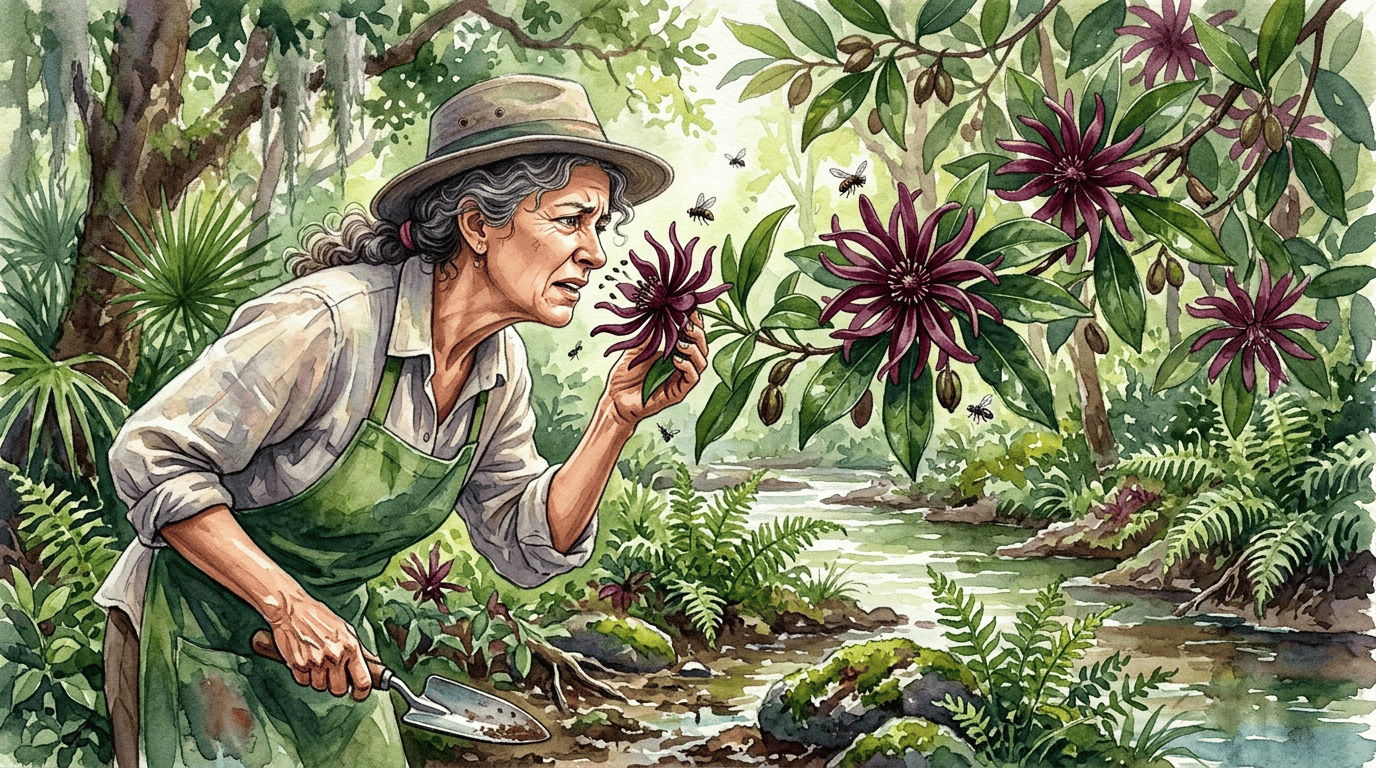
Illicium floridanum occurs naturally in moist acidic woodlands of the southeastern United States, from Louisiana east to the Florida panhandle, typically in streambank forests and wooded seeps. English naturalist John Ellis described the species in 1770, and the type locality is Florida—hence the epithet. The 2-3 meter evergreen shrub produces distinctive dark maroon-purple star-shaped flowers in April-May with 20+ narrow strap-like petaloid tepals radiating like a sea anemone.
The flowers have an unusual carrion-fishy odor that attracts fly pollinators; some people find it mildly unpleasant while others cannot detect it. Crushed leaves, by contrast, smell strongly of anise (hence the genus Illicium from Latin illicium, allurement). Despite the aromatic leaves, this species is toxic and is NOT the culinary Chinese star anise (I. verum)—I. floridanum contains toxic sesquiterpene lactones and should never be consumed.
The cultivar 'Alba' has creamy white flowers; 'Halley's Comet' is a more compact vigorous red-flowered selection; 'Pebblebrook' has narrower leaves and deeper flower color. Hardy to zone 7. Long cultivated in Southern US plantation gardens as an evergreen screen. Cherished for reliable shade performance in the Deep South where few broadleaf evergreens thrive in wet shade.
Symbolism & meaning
What It Symbolizes
Florida anise carries Southern mystery in its dark crimson blossoms, which give off a strange, spicy smell some gardeners love and others find unsettling. Native to the wet woods of the Gulf Coast, it has long been part of Southern garden heritage, used as evergreen shade understory beneath live oaks and magnolias. A shrub with a personality — one not everyone agrees about, but no one forgets.
- Mystery — unusual dark flowers with dual personality
- Heritage — a Southern garden tradition
Where the Name Comes From
From Latin 'illicium' (allurement, referring to aromatic oils); 'floridanum' means of Florida.
Uses & Fun Facts
- Crushed leaves release distinct anise-like aroma in shade gardens
- Maroon star-shaped spring flowers on glossy evergreen foliage
Related plants
More Illicium plants

Plants with similar care
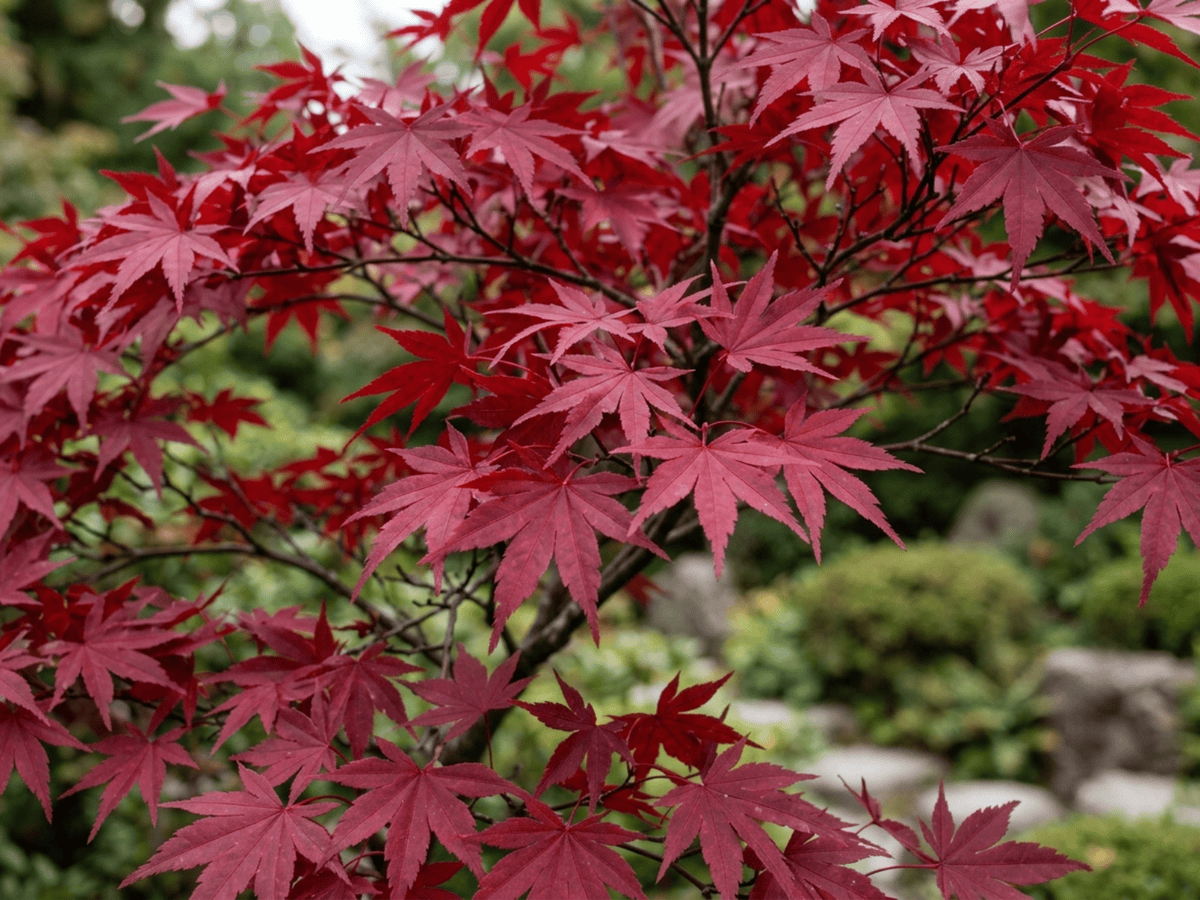 Japanese MapleAcer palmatum
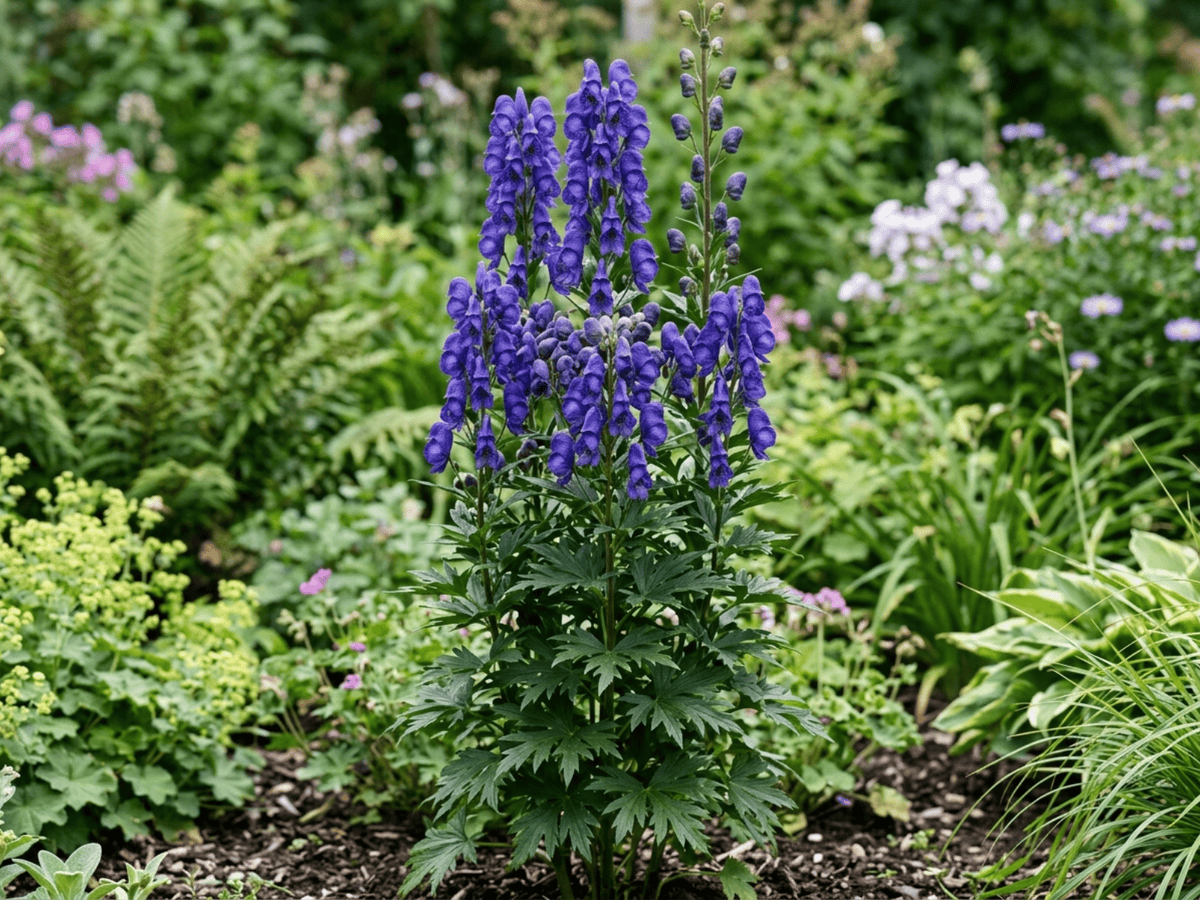 Azure MonkshoodAconitum carmichaelii
 Florida HobblebushAgarista populifolia
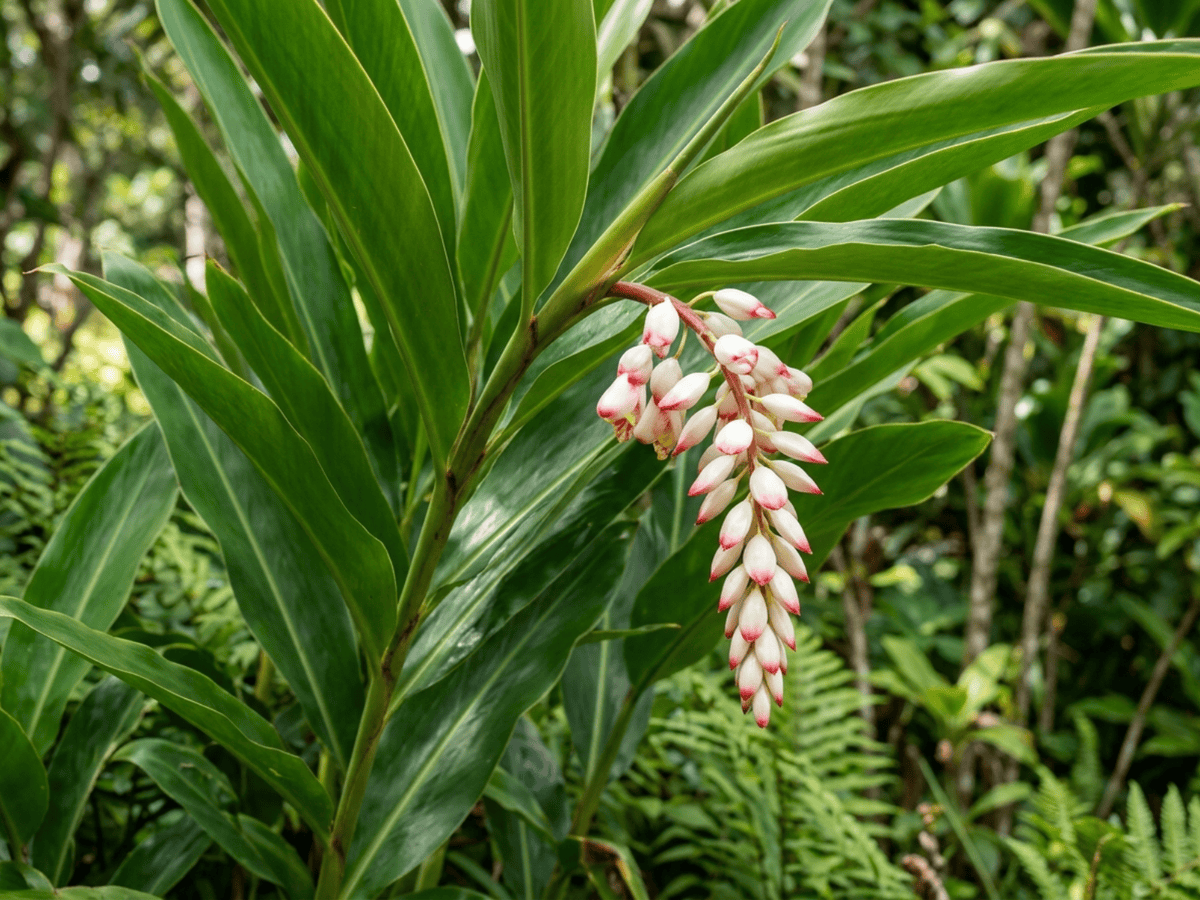 Shell GingerAlpinia zerumbet
Frequently asked questions
How often should I water Florida Anise?
In summer, water about every 3 days; in winter, about every 14 days. Adjust for heat, pot size and drainage.
How much light does Florida Anise need?
Part shade: 2–4 hrs direct. Watch the leaves — scorching or stretching means the light needs adjusting.
Is Florida Anise toxic to cats or dogs?
Pets Toxic (Dogs Toxic · Cats Toxic) Educational information, not medical or veterinary advice. If exposure is suspected, contact a doctor or veterinarian.
Is Florida Anise easy to grow?
It is moderately demanding: a good choice once you have a little experience.
When does Florida Anise bloom?
It typically blooms Apr–May in the Northern Hemisphere.
YardMate
Identify any plant in seconds
Snap a photo — YardMate names the plant, diagnoses problems, and reminds you when to water.
Download on the App Store