 YardMate


Yellow Anise
Illicium parviflorum
Medium · Some experienceAbout Yellow Anise
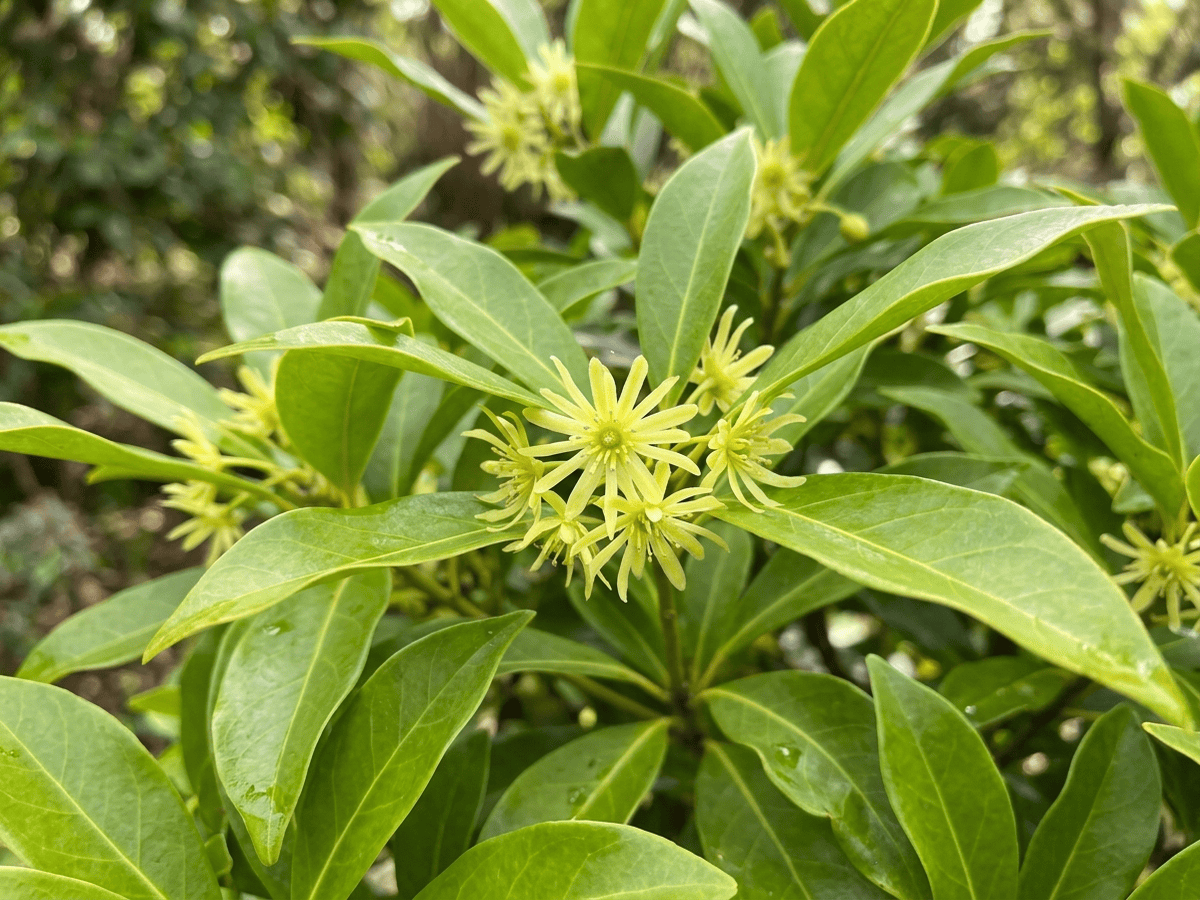
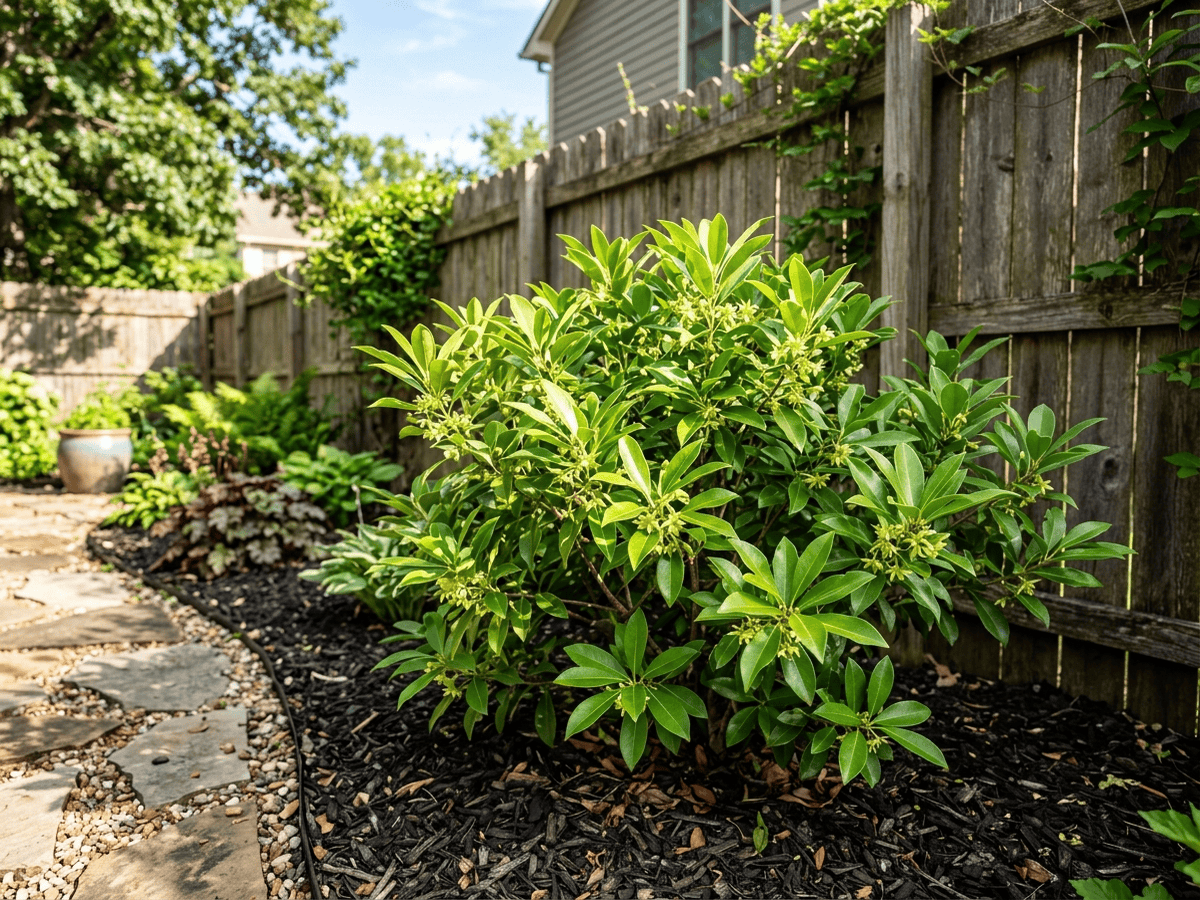
Small Anise Tree is a rare Florida and Georgia native evergreen shrub reaching 10-15 feet with narrow olive-green aromatic leaves. Tiny yellowish flowers in late spring are less showy than its cousin Florida Anise but the plant offers excellent dense evergreen structure. Federally listed as threatened in the wild, it has gained popularity as a low-maintenance Southern garden evergreen tolerant of deer, drought, and deep shade.
- Fragrant
- Deer-resistant
- Evergreen
- Native
How to care for Yellow Anise
Watering
- Springevery 5 days
- Summerevery 3 days
- Fallevery 7 days
- Winterevery 14 days
Soil · Acidic · pH 4.5–6
- Top dressingPine needle mulch10%
- Main mixAcid-lover mix + peat 3:175%
- DrainageGravel15%
Never add lime or wood ash — it cancels out the acidity.
FERTILIZER
Acid-Loving Feed 4-3-4
One bag does both jobs. An acid feed carries the usual nitrogen, phosphorus and potassium, plus the sulfur and iron that keep the soil sour enough for the roots to take them up at all.
- Nitrogen · Leaves
- Phosphorus · Roots + Blooms
- Potassium · Strength
- Springevery 30 days
At a Glance
- NativeNorth America
- Height10–15 ft (3–4.6 m)
- Spread6–10 ft (1.8–3 m)
- Flower colorCream, Yellow
- Foliage colorYellow, Green
- Fruit colorBrown
- SoilLoamy, Moisture-retentive, Acidic
- LocationsYard
Bloom time
BLOOM CYCLE
Peak bloom
Apr–May
Small yellow-green flowers April to May
Fragrance
STRONG FRAGRANCE
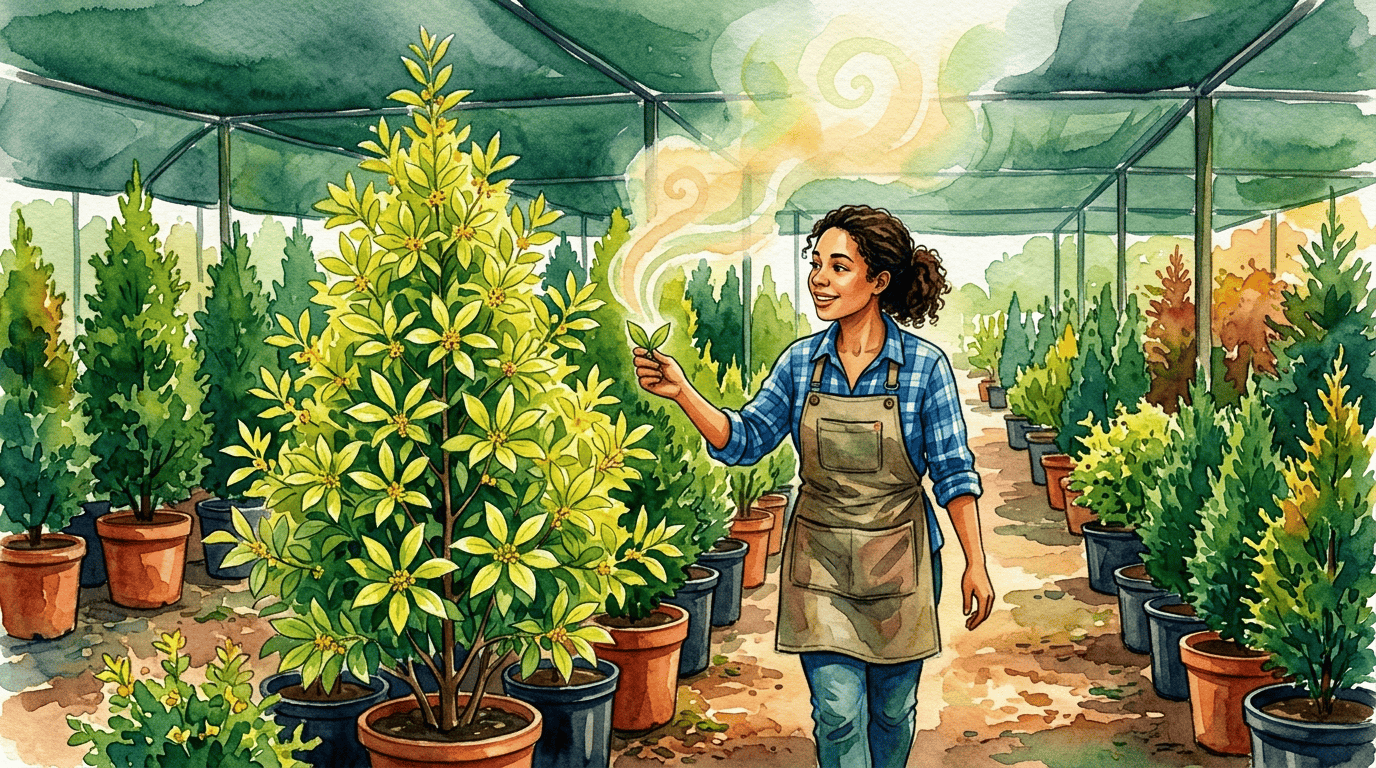
Powerful sweet anise-licorice fragrance when leaves crushed.
Toxicity
Humans Toxic · Pets Toxic
anisatin and veranisatins
Toxic
- Leaf
- Seed
- Ingestion
EXPOSURE Eating leaves and seeds.
EFFECT Convulsions, vomiting from anisatin; potentially fatal.
NOTE Not the culinary spice. All North American Illicium contain toxic anisatin; do not consume.
Toxic
- Leaf
- Seed
- Ingestion
EXPOSURE Eating leaves and seeds.
EFFECT Tremors, seizures, vomiting.
NOTE Not the culinary spice. All North American Illicium contain toxic anisatin; do not consume.
Toxic
- Leaf
- Seed
- Ingestion
EXPOSURE Eating leaves and seeds.
EFFECT Tremors, seizures, vomiting.
NOTE Not the culinary spice. All North American Illicium contain toxic anisatin; do not consume.
Educational information, not medical or veterinary advice. If exposure is suspected, contact a doctor or veterinarian.
DISTRIBUTION


- Native
- North America
History
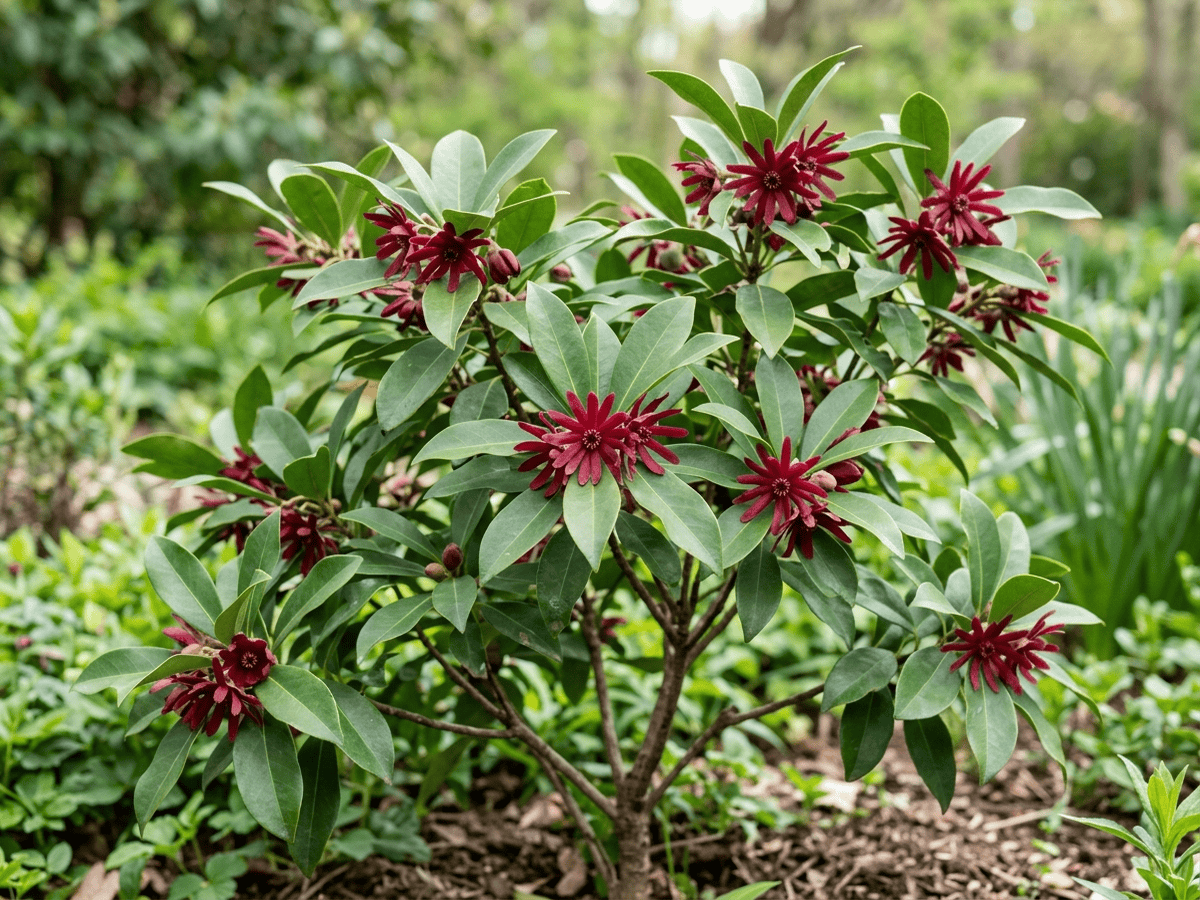
Illicium parviflorum is endemic to a small area of central Florida, occurring naturally only in Lake, Marion, Orange, Polk, Putnam, Seminole, and Volusia counties, in moist acidic sandy woodlands. French botanist André Michaux described the species in 1803 in his posthumously published Flora Boreali-Americana. The epithet parviflorum means small-flowered, referring to the inconspicuous half-inch cream-yellow flowers that lack the dramatic dark maroon stars of I. floridanum.
What the species lacks in floral display it makes up for with foliage: glossy yellow-green to olive-green leaves release a powerful sweet anise-licorice fragrance when crushed or brushed against, and the upright pyramidal habit to 5 meters is more tree-like than shrubby. Fine texture, deer resistance, deep shade tolerance, and drought-tolerance once established have made it a premier native evergreen shrub throughout the Southeast despite its naturally narrow range.
The cultivar 'Florida Sunshine' with bright chartreuse-yellow foliage has become widely grown. Wild populations are considered endangered due to habitat loss, but the species is genetically secure through horticulture. Known only from a few Florida counties and southern Georgia, this species is threatened in the wild but cultivated widely in Southeast US nurseries.
Symbolism & meaning
What It Symbolizes
Yellow Anise embodies resilience, enduring deer browse, drought, and deep shade where few other native shrubs thrive. As a rare native of the southeastern United States, it also carries a quiet conservation meaning — a plant worth tending precisely because it is uncommon in the wild. To grow it is to make a small pact with biodiversity, choosing endurance and stewardship together in a single fragrant evergreen.
- Resilience — endures deer, drought, and deep shade
- Conservation — a rare native worth protecting
Where the Name Comes From
The common name highlights its yellow coloring. 'Parviflorum' means small-flowered, contrasting with the showier I. floridanum.
Uses & Fun Facts
- Crushed evergreen leaves release a strong sweet anise scent
- Evergreen aromatic leaves create deer-resistant screens for moist shade
- Yellow Anise sheared into clipped hedges and privacy screens
Related plants
More Illicium plants
Plants with similar care
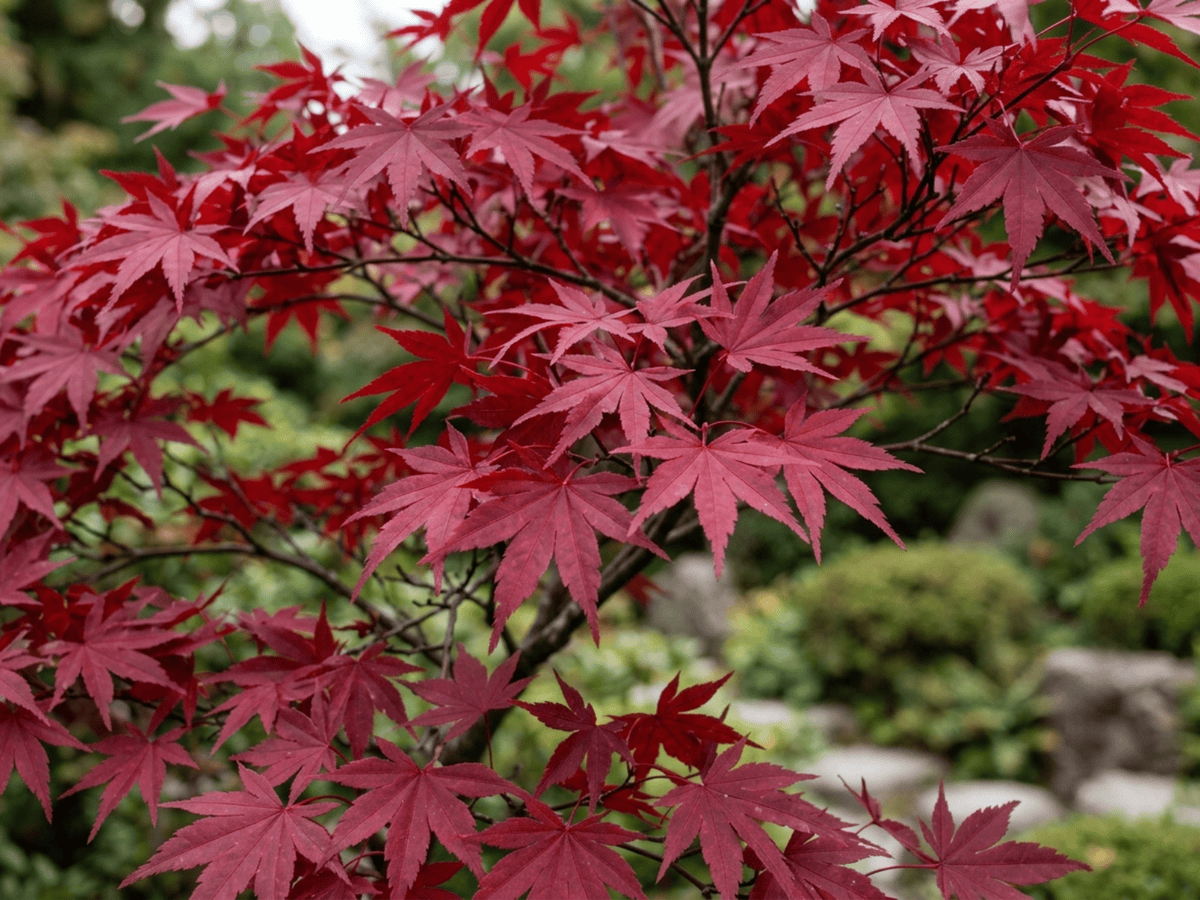 Japanese MapleAcer palmatum
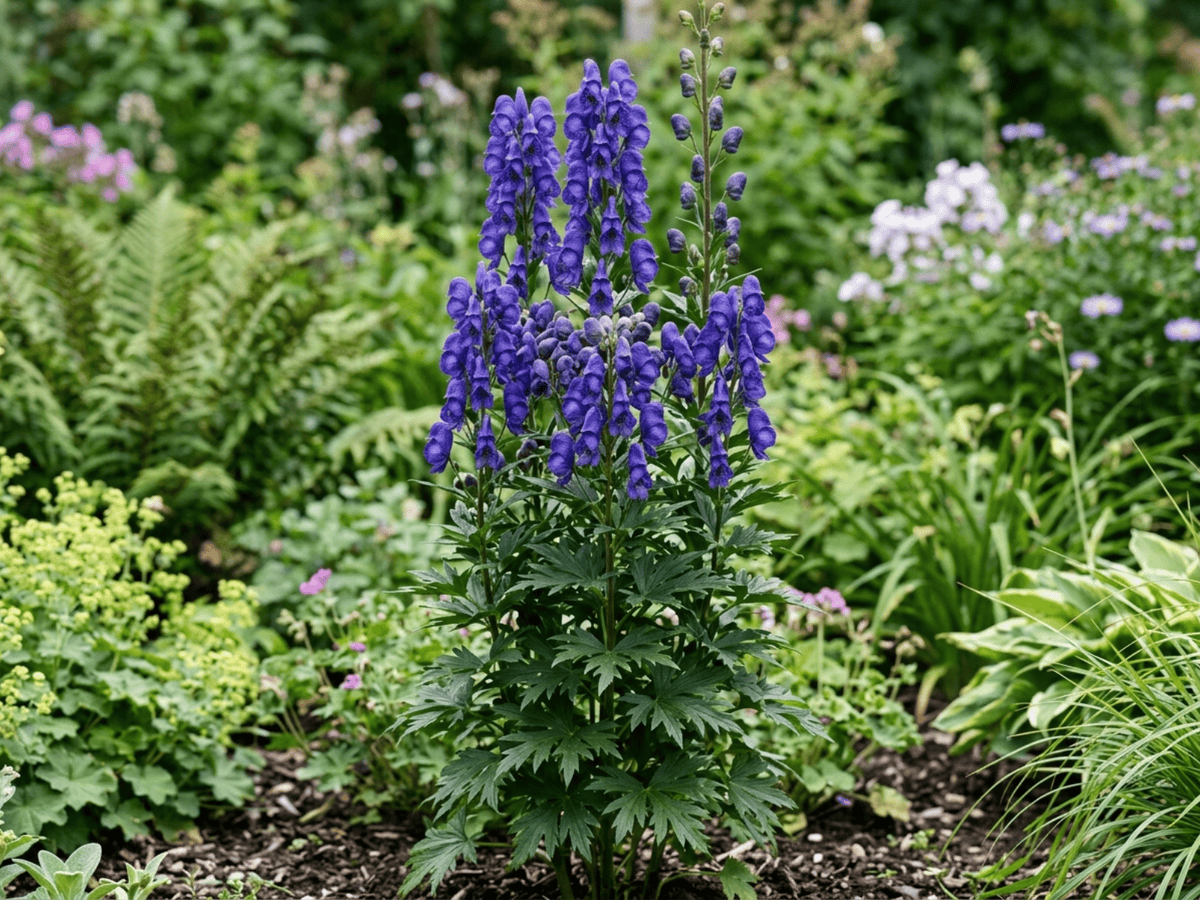 Azure MonkshoodAconitum carmichaelii
 Florida HobblebushAgarista populifolia
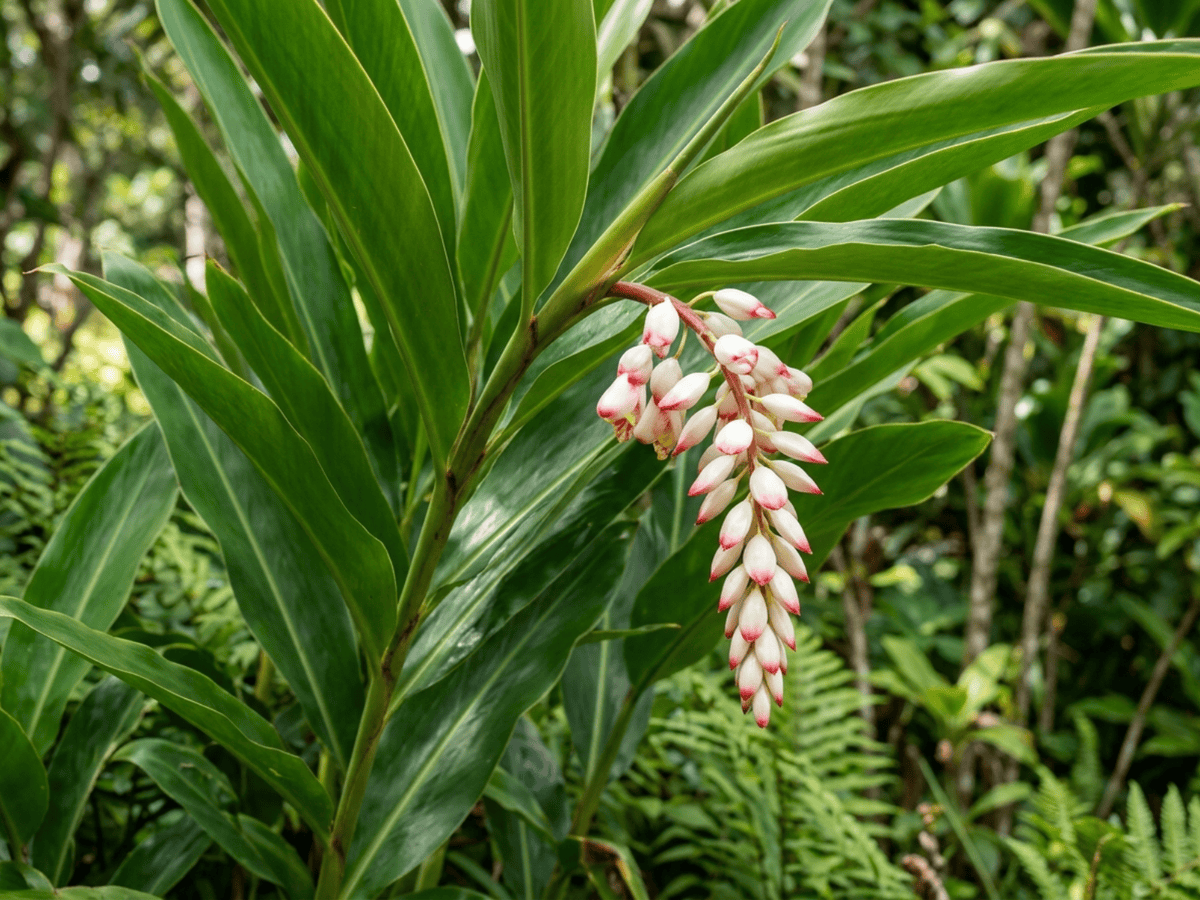 Shell GingerAlpinia zerumbet
Frequently asked questions
How often should I water Yellow Anise?
In summer, water about every 3 days; in winter, about every 14 days. Adjust for heat, pot size and drainage.
How much light does Yellow Anise need?
Part shade: 2–4 hrs direct. Watch the leaves — scorching or stretching means the light needs adjusting.
Is Yellow Anise toxic to cats or dogs?
Pets Toxic (Dogs Toxic · Cats Toxic) Educational information, not medical or veterinary advice. If exposure is suspected, contact a doctor or veterinarian.
Is Yellow Anise easy to grow?
It is moderately demanding: a good choice once you have a little experience.
When does Yellow Anise bloom?
It typically blooms Apr–May in the Northern Hemisphere.
YardMate
Identify any plant in seconds
Snap a photo — YardMate names the plant, diagnoses problems, and reminds you when to water.
Download on the App Store