 YardMate
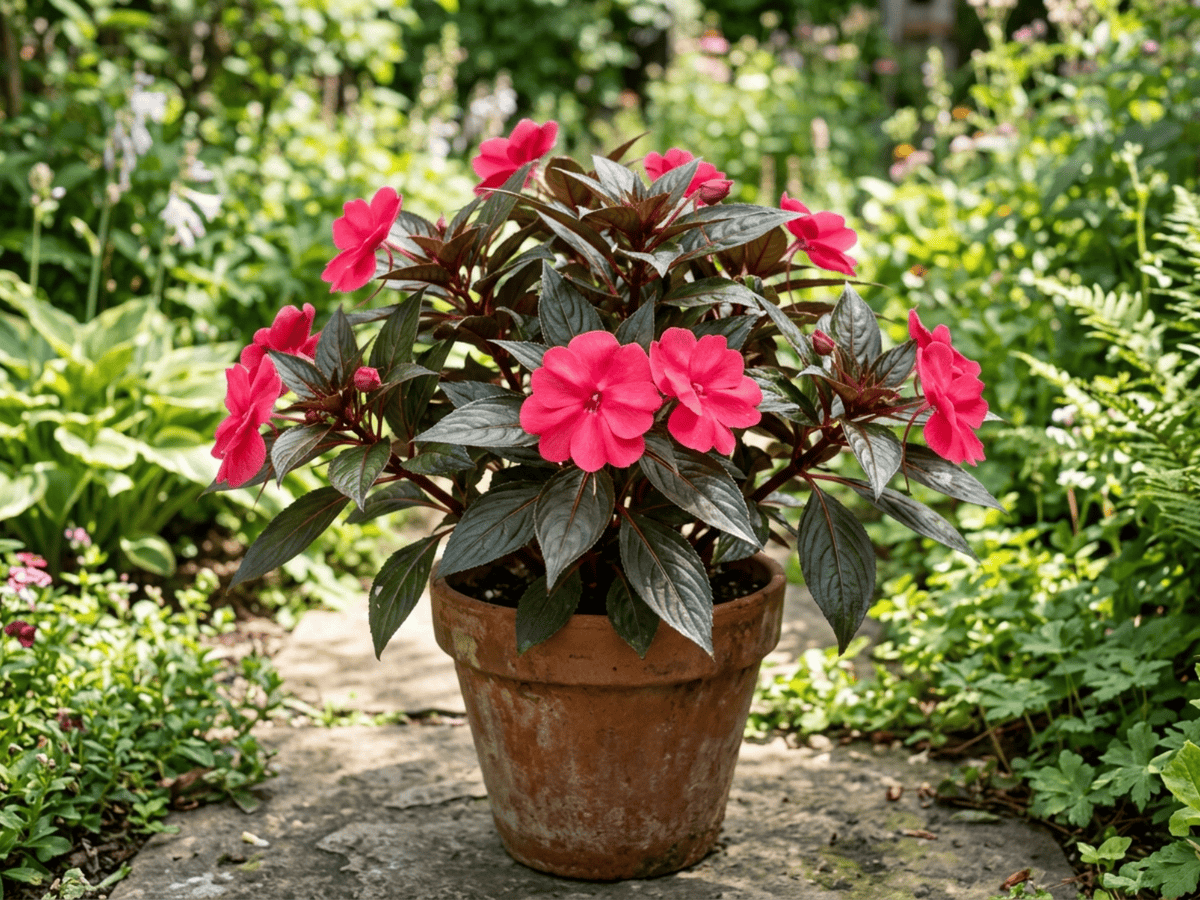


New Guinea Impatiens
Impatiens hawkeri
Easy · Beginner friendlyAbout New Guinea Impatiens
New Guinea Impatiens is a tender perennial grown as a summer annual across the United States, bearing large, flat flowers in vivid coral, magenta, purple, and white over glossy, sometimes bronze-toned foliage. Bred from species native to New Guinea, it tolerates more sun than common Impatiens walleriana and resists downy mildew that devastated traditional impatiens. A favorite for shaded and partially-sunny containers, window boxes, and hanging baskets from the Pacific Northwest to the Southeast.
- Shade-tolerant
- Disease-resistant
- Container-friendly
- Long-blooming
How to care for New Guinea Impatiens
Watering
- Springevery 3 days
- Summerevery 2 days
- Fallevery 4 days
- Winterevery 7 days
Soil · Well-draining
- Top dressingPine bark mulch10%
- Main mixPotting soil + perlite 2:170%
- DrainageLECA / gravel20%
Never skip the drainage layer — standing water is the top cause of root rot.
FERTILIZER
Balanced Feed 14-14-14
An even feed covers all three needs at once, keeping leaves, roots and blooms moving together with nothing pushed out of balance.
- Nitrogen · Leaves
- Phosphorus · Roots + Blooms
- Potassium · Strength
- Springevery 14 days
- Summerevery 14 days
- Fallevery 21 days
- Winterevery 30 days
At a Glance
- NativeAustralasia
- Height1–2 ft (0.3–0.6 m)
- Spread1–2 ft (0.3–0.6 m)
- Flower colorPink, Red, Orange, White
- Foliage colorGreen, Bronze, Variegated, Red
- SoilLoamy, Moisture-retentive, Rich
- LocationsYard · Balcony · Indoor
Bloom time
BLOOM CYCLE
Peak bloom
May–Nov
Large vibrant flowers late spring to frost
Fragrance
NO FRAGRANCE
No notable fragrance.
Toxicity
No toxicity has been reported for this plant. Still, it is wise to keep pets from chewing on any houseplant.
Educational information, not medical or veterinary advice. If exposure is suspected, contact a doctor or veterinarian.
DISTRIBUTION


- Native
- Introduced
- Australasia
History

Impatiens hawkeri is native to the tropical mountain forests of Papua New Guinea, the Solomon Islands, and adjacent Pacific islands, growing in moist montane forest understory. It was collected during a 1970 USDA-funded plant-exploration expedition to New Guinea led by Longwood Gardens horticulturist Harold Winters and USDA's John Creech — this expedition specifically aimed to find wild Impatiens with larger flowers and greater heat/humidity tolerance than the traditional shade-bedding Impatiens walleriana. The collected wild material was then developed into commercial ornamentals primarily by Claude Hope (1907-2000) at Linda Vista nursery in Costa Rica, who pioneered the commercial seed-production methods that made mass-market "New Guinea impatiens" possible by the mid-1970s.
The resulting breeding line revolutionized the American shade-bedding market of the 1980s and 1990s: New Guinea impatiens offered larger flowers (4-6 cm versus 2-3 cm), substantially more heat and sun tolerance, and colored foliage (bronze, variegated, and darker tones) unavailable in traditional walleriana. By the 1990s and 2000s New Guinea impatiens became one of the largest bedding-plant crops in US commercial horticulture.
The collapse of Impatiens walleriana due to the Impatiens downy mildew (Plasmopara obducens) pandemic of 2011-2014 further elevated New Guinea impatiens, which are largely resistant to the pathogen, into the dominant market position.
Symbolism & meaning
What It Symbolizes
New Guinea Impatiens suggests motherly love, a long-standing symbol of affection and protection in container gardens that welcome guests and shelter children. Its botanical name nods to it impatience, the explosively dehiscent seed pods that fling their seeds at the slightest touch. It is often read as a flower of attentive devotion, a tropical bloom whose tenderness for those nearby is matched only by its eagerness to scatter the next generation.
- Motherly love — symbol of affection and protection
- Impatience — named for its explosively dehiscent seed pods
Where the Name Comes From
From Latin 'impatiens' (impatient) for the seed pods that burst at a touch; 'hawkeri' for 19th-century collector Lt. Hawker.
Uses & Fun Facts
- Vivid bedding for shade containers and hanging baskets
- Long-blooming summer flowers in deep shade
Related plants
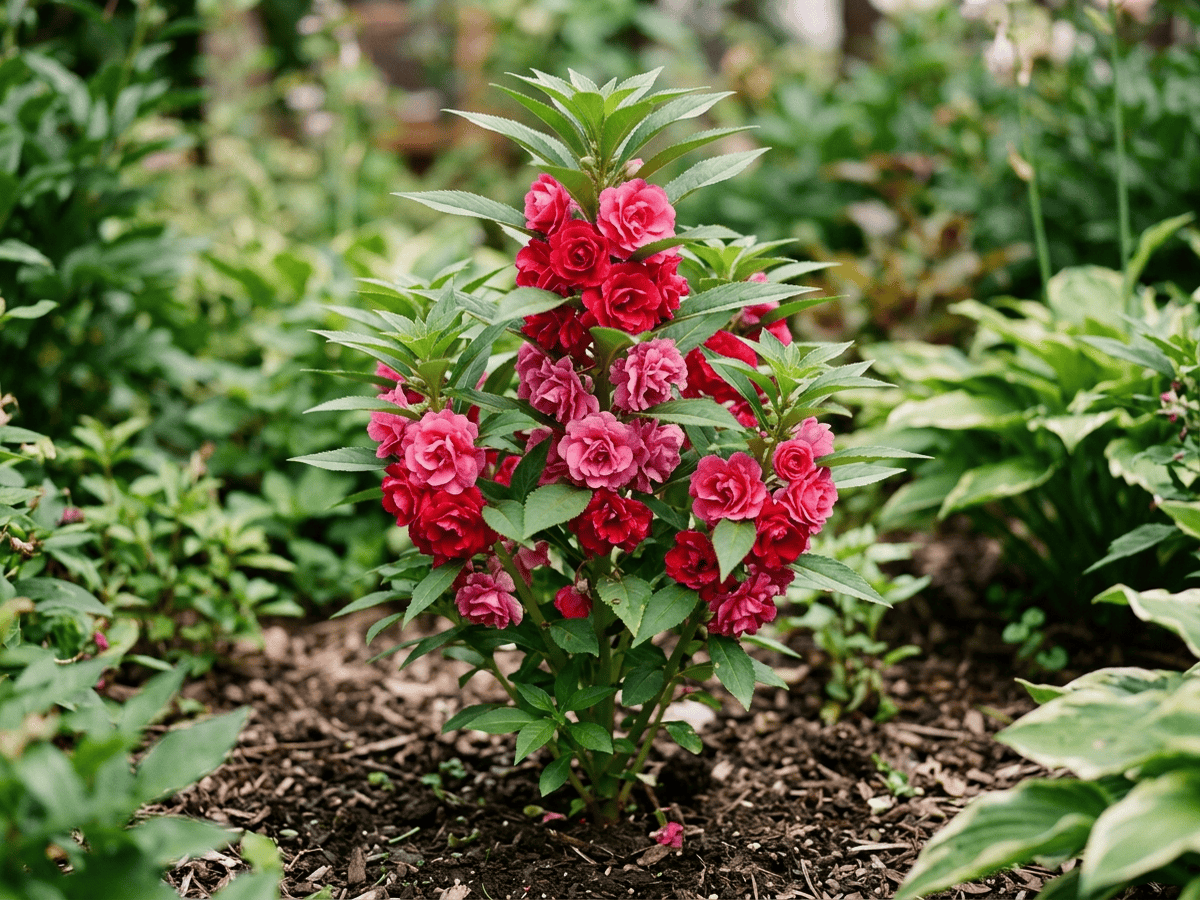
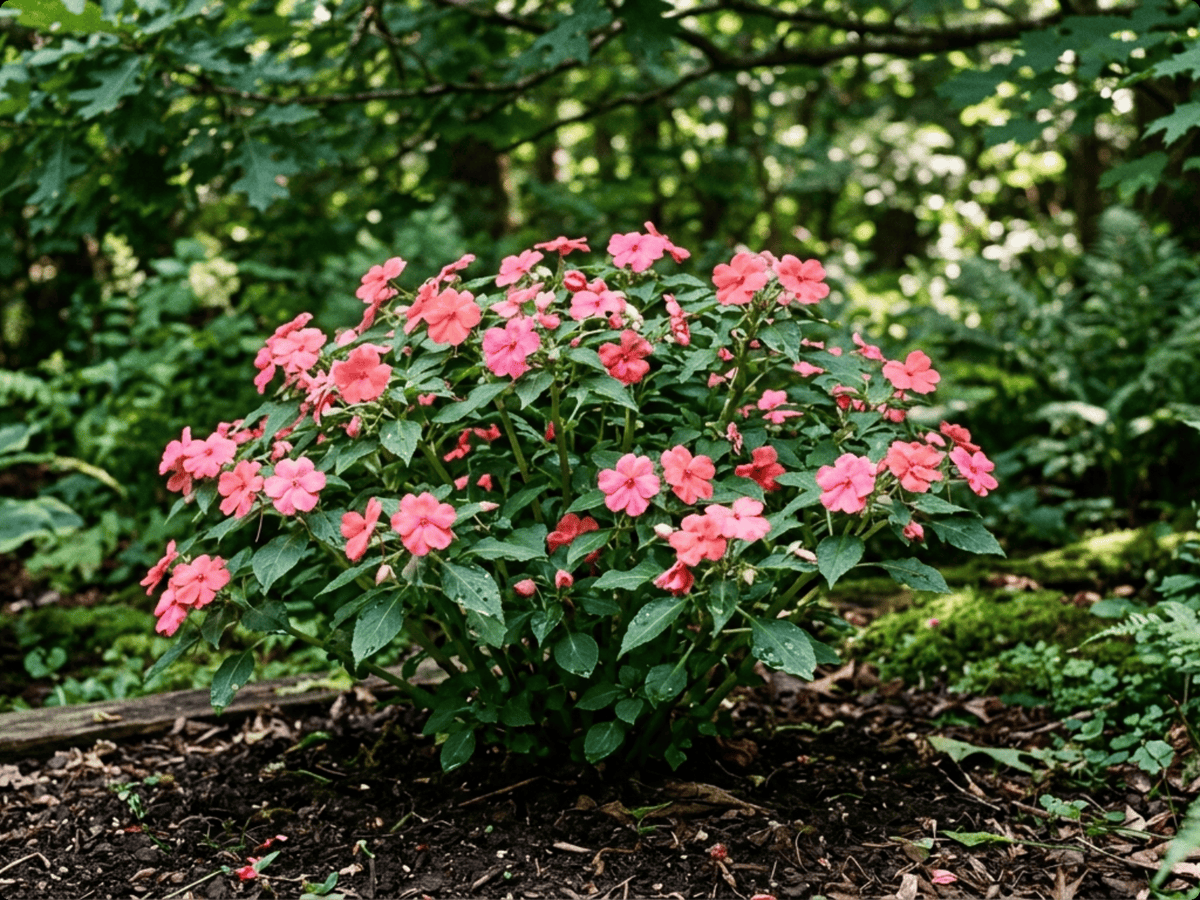
More Impatiens plants
Plants with similar care
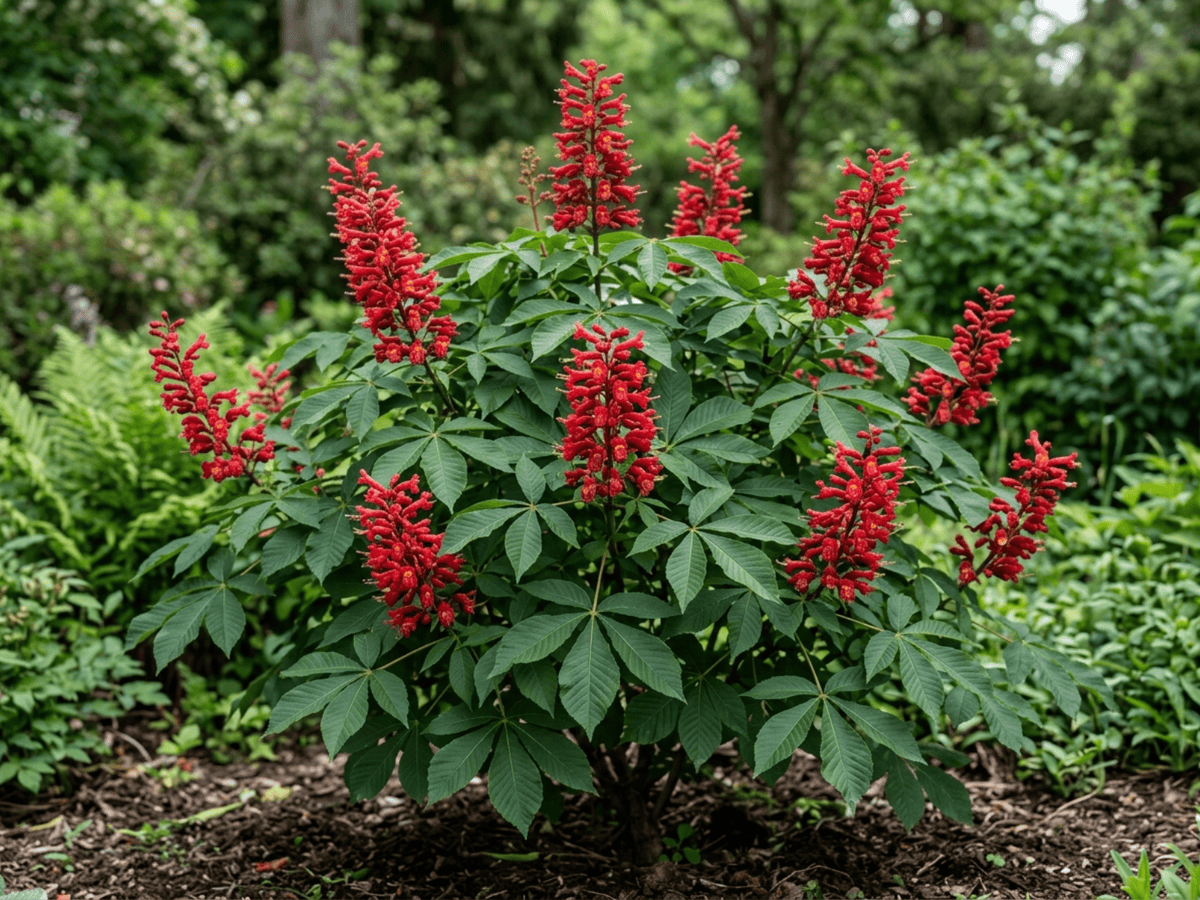 Red BuckeyeAesculus pavia
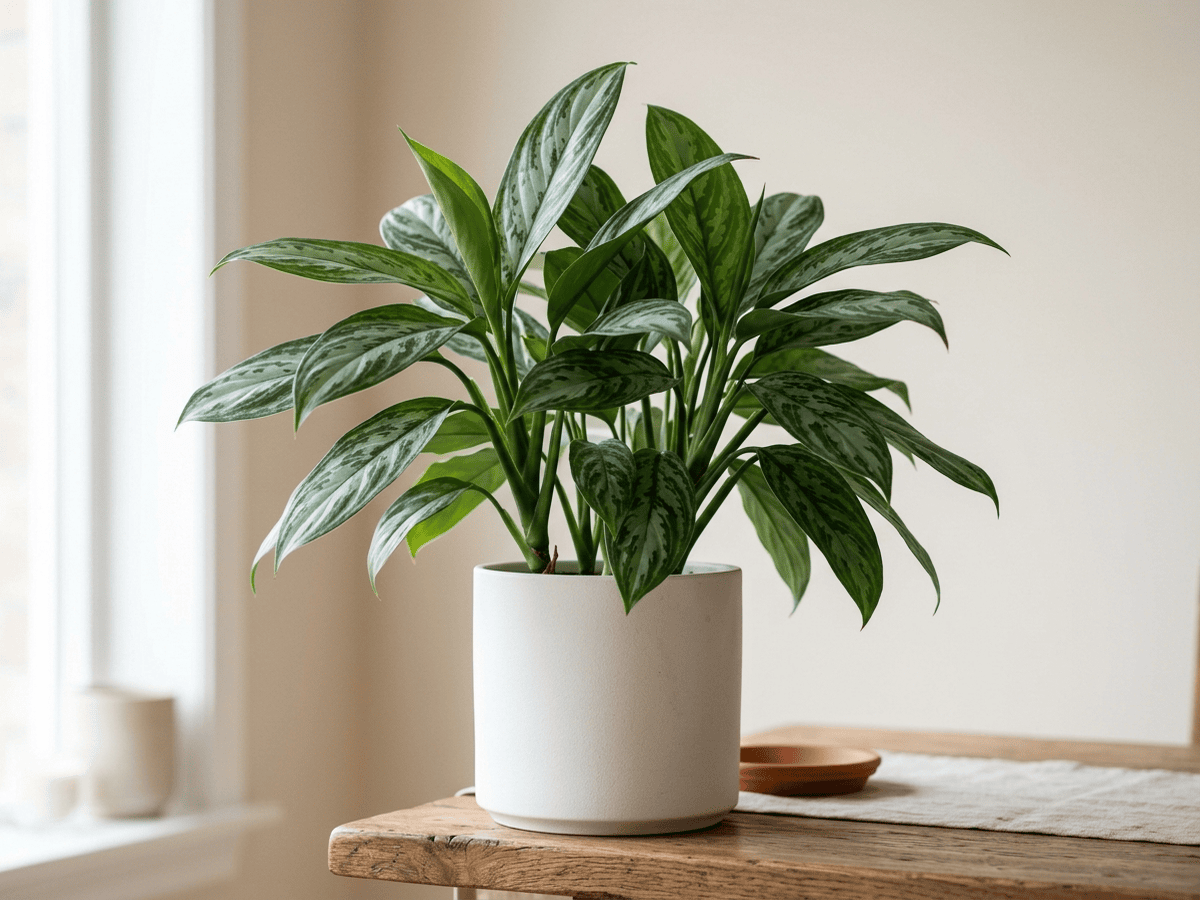 Philippine EvergreenAglaonema commutatum
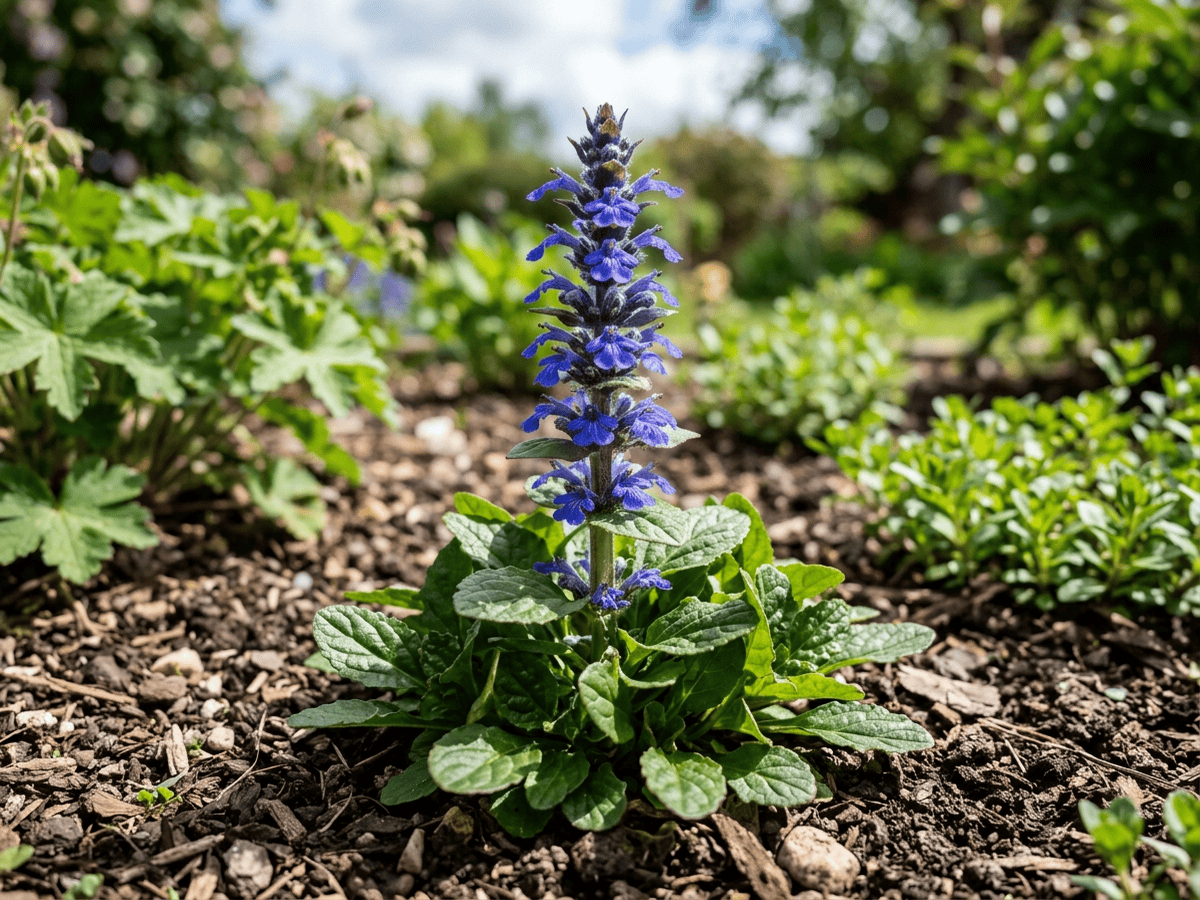 Blue BugleAjuga genevensis
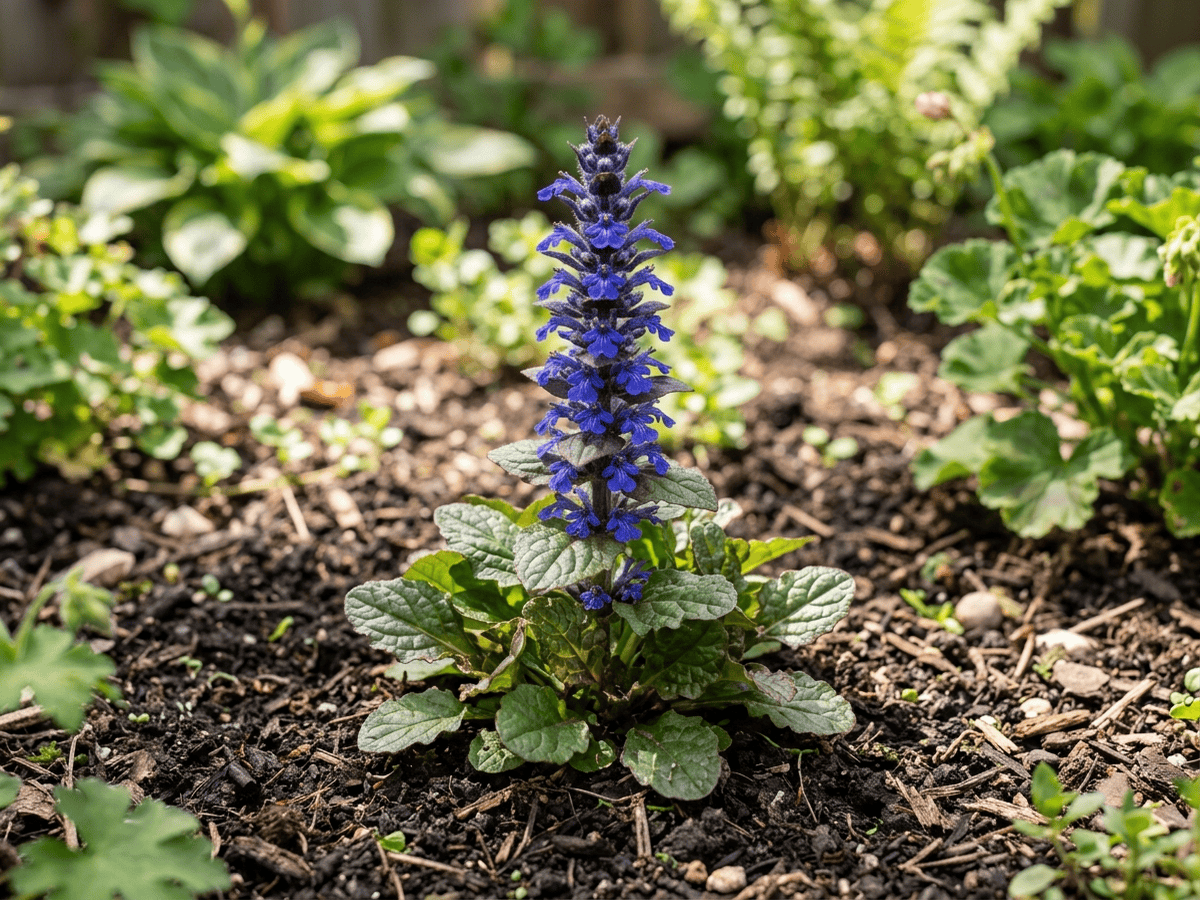 Pyramidal BugleAjuga pyramidalis
Frequently asked questions
How often should I water New Guinea Impatiens?
In summer, water about every 2 days; in winter, about every 7 days. Adjust for heat, pot size and drainage.
How much light does New Guinea Impatiens need?
Part shade: 2–4 hrs direct. Watch the leaves — scorching or stretching means the light needs adjusting.
Is New Guinea Impatiens toxic to cats or dogs?
No toxicity has been reported for this plant. Still, it is wise to keep pets from chewing on any houseplant. Educational information, not medical or veterinary advice. If exposure is suspected, contact a doctor or veterinarian.
Is New Guinea Impatiens easy to grow?
Yes — it is considered an easy, beginner-friendly plant.
Can New Guinea Impatiens be grown indoors?
Yes, it adapts well to indoor growing given the right light.
When does New Guinea Impatiens bloom?
It typically blooms May–Nov in the Northern Hemisphere.
YardMate
Identify any plant in seconds
Snap a photo — YardMate names the plant, diagnoses problems, and reminds you when to water.
Download on the App Store