 YardMate

Busy Lizzie
Impatiens walleriana
Easy · Beginner friendlyAbout Busy Lizzie
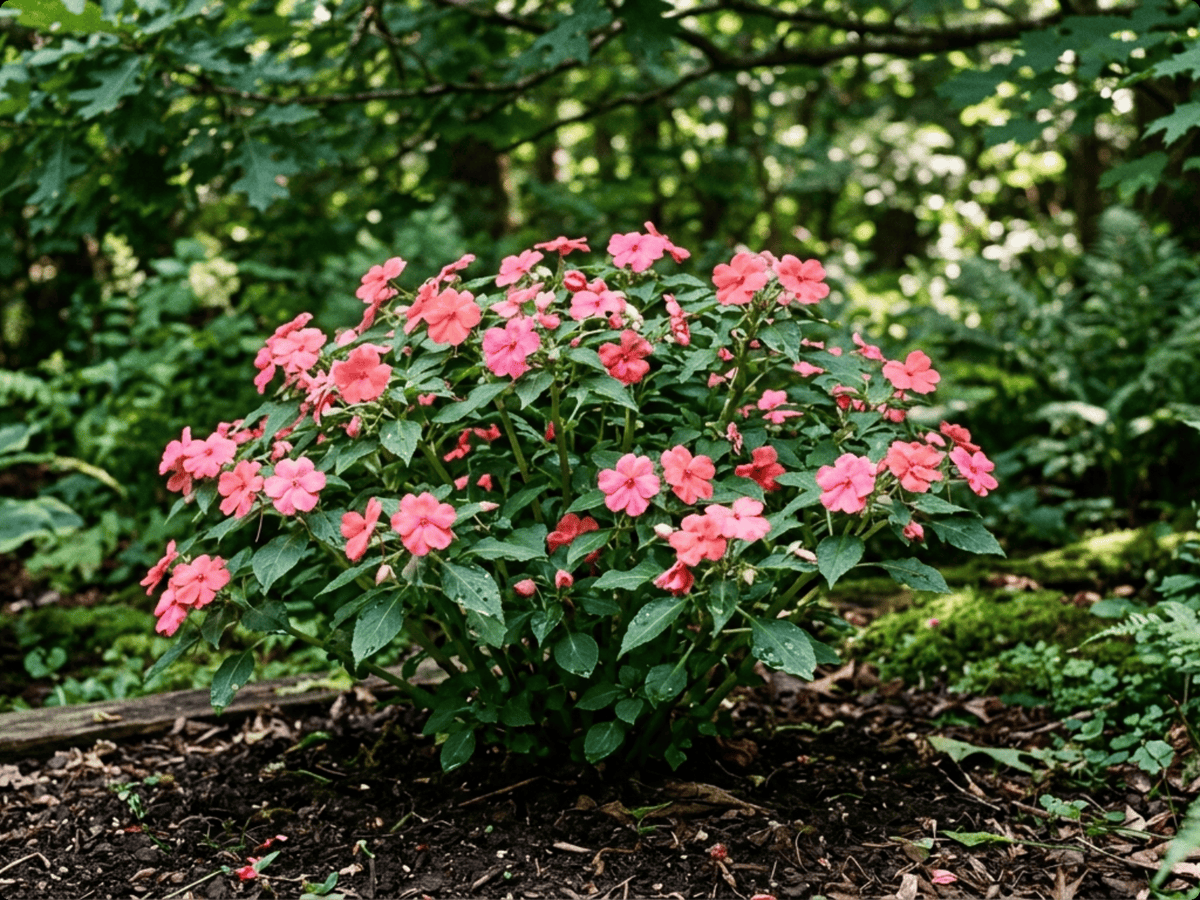
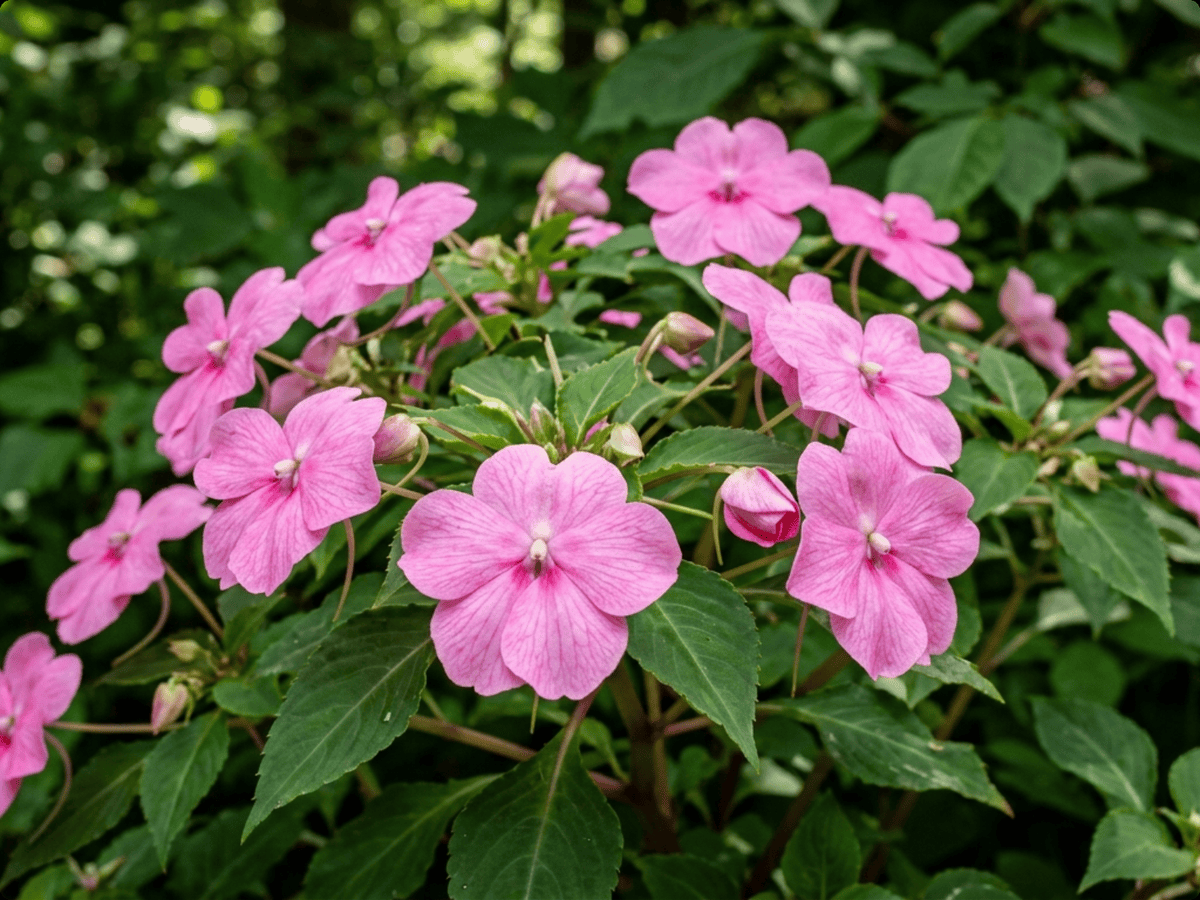
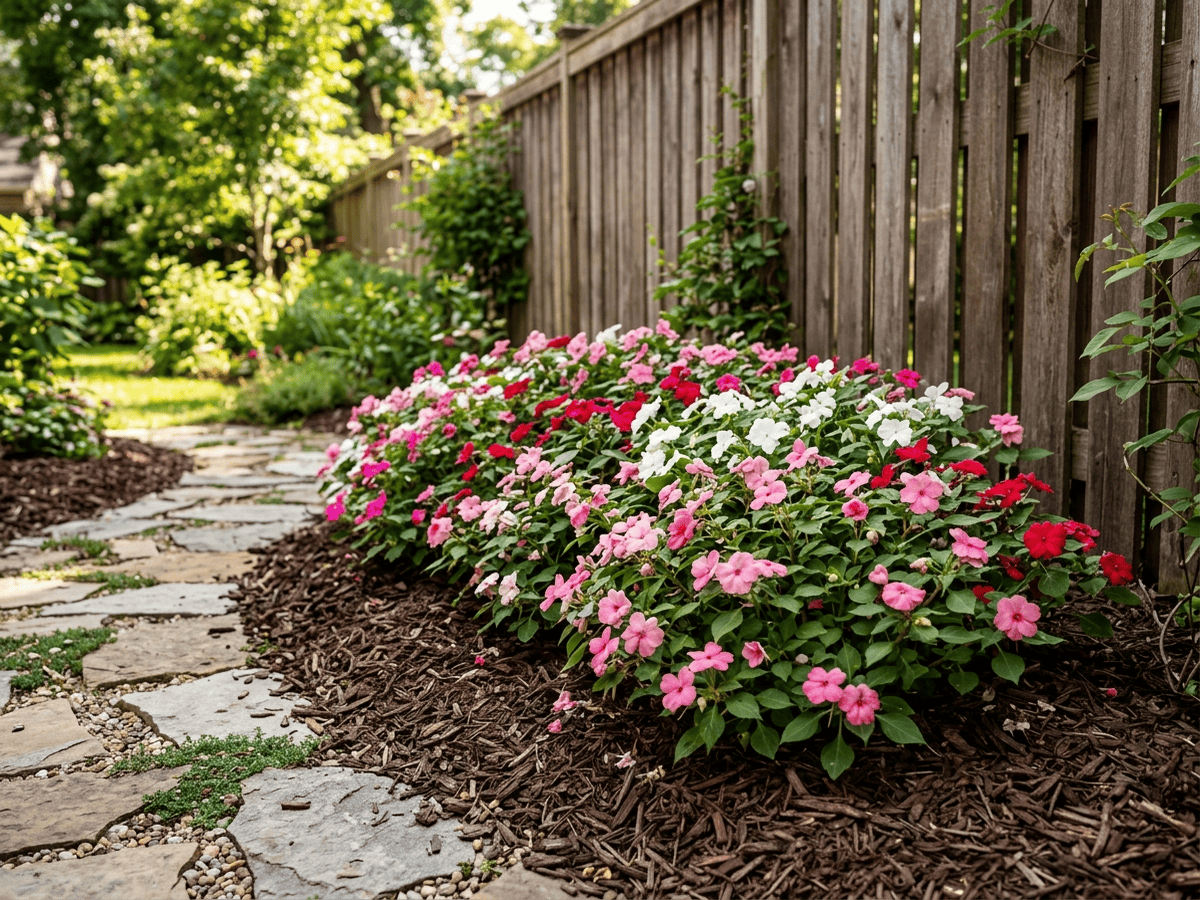
Impatiens walleriana, the busy Lizzie, was once the world's most popular bedding plant for shade — until downy mildew devastated it. Producing an endless succession of flat, open flowers in every color except blue, it blooms nonstop from planting to frost in shade to part shade. Native to East African mountains, it thrives in moist, shaded conditions where few other annuals will flower. The common name 'impatiens' (impatient) refers to the explosive seed pods that burst open when touched. After the downy mildew crisis of 2011–2013, disease-resistant interspecific hybrids have partly restored its market.
- Shade-tolerant
- Long-blooming
How to care for Busy Lizzie
Watering
- Springevery 3 days
- Summerevery 2 days
- Fallevery 5 days
- Winterpause watering
Soil · Well-draining
- Top dressingPine bark mulch10%
- Main mixPotting soil + perlite 2:170%
- DrainageLECA / gravel20%
Never skip the drainage layer — standing water is the top cause of root rot.
FERTILIZER
Balanced Feed 14-14-14
An even feed covers all three needs at once, keeping leaves, roots and blooms moving together with nothing pushed out of balance.
- Nitrogen · Leaves
- Phosphorus · Roots + Blooms
- Potassium · Strength
- Springevery 21 days
- Summerevery 21 days
At a Glance
- NativeAfrica
- Height0.5–2 ft (0.2–0.6 m)
- Spread1–2 ft (0.3–0.6 m)
- Flower colorPink, Red, Orange, White
- Foliage colorGreen
- SoilLoamy, Moisture-retentive, Rich
- LocationsYard · Balcony
Bloom time
BLOOM CYCLE
Peak bloom
Jun–Aug
Nonstop flowers in shade; needs consistent moisture; avoid overhead watering (mildew risk)
Fragrance
NO FRAGRANCE
No notable fragrance.
Toxicity
Pets Safe
None reported
Not reported
EXPOSURE No exposure route is reported.
EFFECT No significant toxicity.
NOTE No human toxicity is reported in this catalog; avoid eating ornamental plants unless confirmed edible.
Safe
EXPOSURE No exposure route is reported.
EFFECT Not listed as toxic by ASPCA.
NOTE Listed as non-toxic for dogs; avoid eating ornamental plants unless confirmed edible.
Safe
EXPOSURE No exposure route is reported.
EFFECT Not listed as toxic by ASPCA.
NOTE Listed as non-toxic for cats; avoid eating ornamental plants unless confirmed edible.
Educational information, not medical or veterinary advice. If exposure is suspected, contact a doctor or veterinarian.
DISTRIBUTION


- Native
- Introduced
- Africa
History
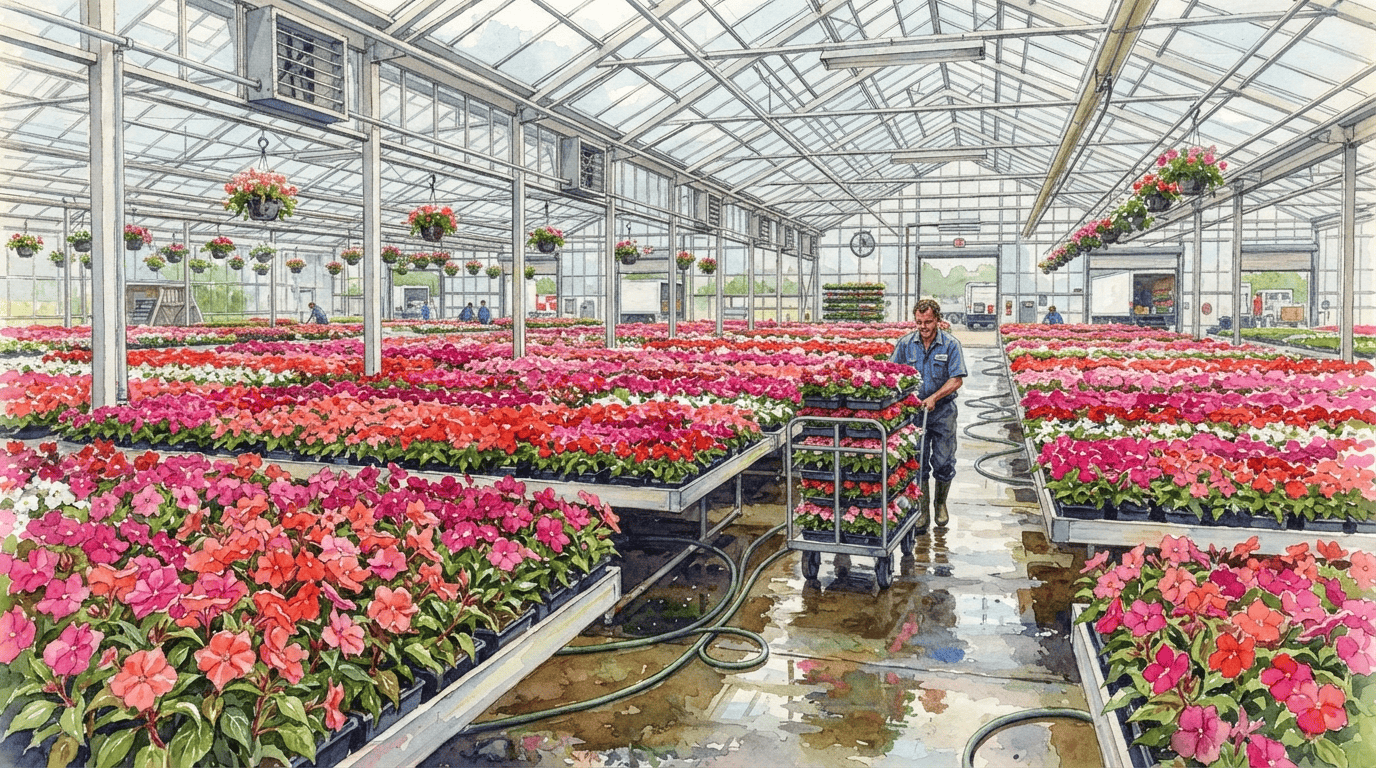
Impatiens walleriana originates in the forests of eastern Africa from Kenya to Mozambique. It reached European cultivation in the late 19th century through collections made by Horace Waller, a British anti-slavery missionary associated with David Livingstone; Hooker named the species after him in 1896. Ease of cuttings propagation and shade-tolerance made it a 20th-century horticultural sensation — by the 1990s it was one of the top-selling bedding plants in the world, anchoring shade plantings in suburban America and Europe.
The global emergence of downy mildew (Plasmopara obducens) around 2004 devastated commercial supplies, triggering breeders to develop New Guinea and "Beacon" series resistant hybrids that are now replacing it. Impatiens walleriana dominated the bedding plant industry for decades — at its peak, over 1 billion plants were sold annually in the US alone, making it the #1 bedding plant.
Then Plasmopara destructor, a devastating downy mildew, swept through North America and Europe starting in 2011, decimating Impatiens walleriana plantings virtually overnight. The disease forced a massive industry pivot to alternatives like New Guinea impatiens (I. hawkeri) and interspecific hybrids like 'Bounce' and 'Beacon' series. The crisis transformed the ornamental horticulture industry's approach to monoculture risk.
Symbolism & meaning
What It Symbolizes
Busy Lizzie expresses eagerness — its explosive seed pods burst at a touch, scattering offspring with comic urgency, while its flowering refuses any meaningful pause. Even the genus name 'Impatiens' confesses the trait outright. A bedding annual for gardens that prefer enthusiasm to patience, where summer color is happy to arrive a little breathless.
- Eagerness — Its explosive seed pods and nonstop flowering represent enthusiasm and impatience
Where the Name Comes From
Impatiens from Latin 'impatient,' for seed pods that explode when touched. Walleriana honors Horace Waller, British missionary in East Africa.
Uses & Fun Facts
- Mounded annual fills shady patio pots and window boxes
- Reliable continuous color for shaded annual bedding
Related plants
More Impatiens plants
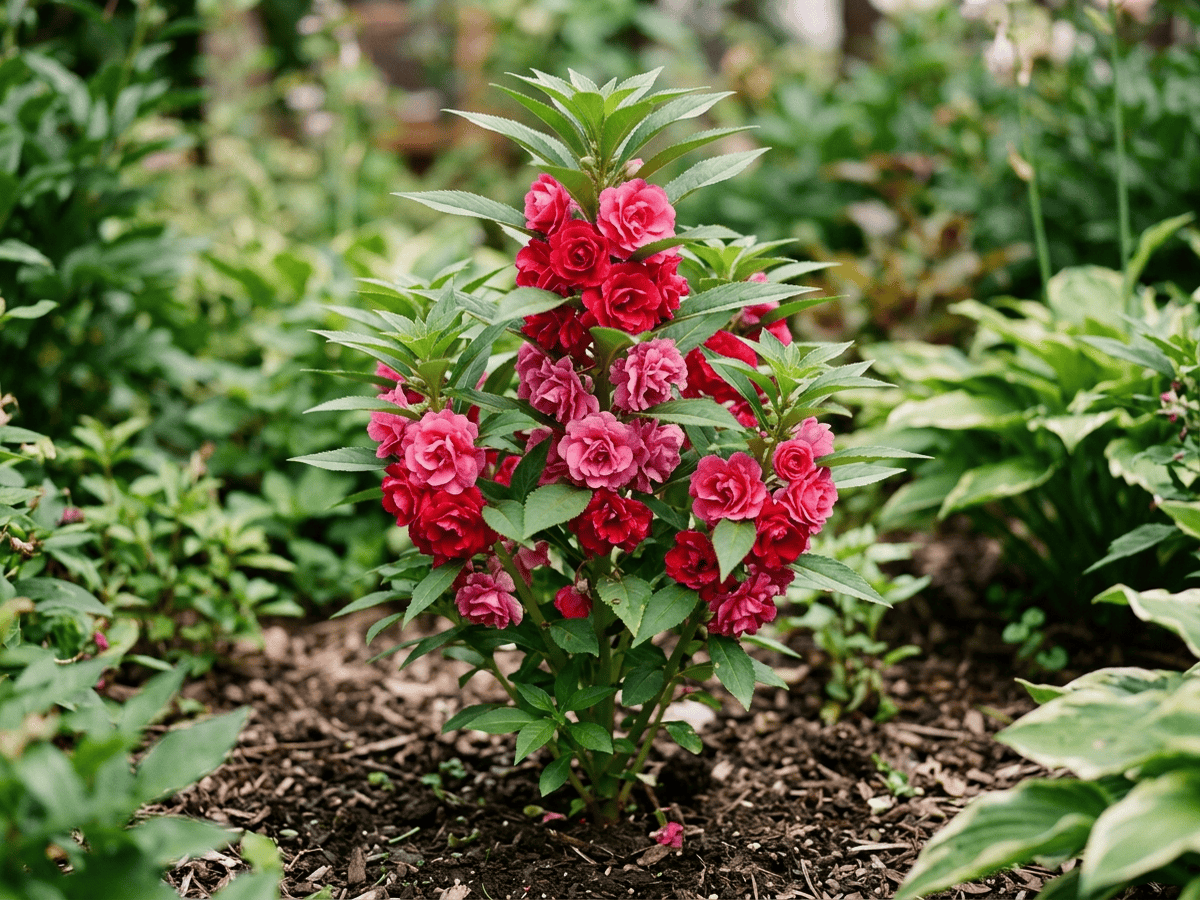
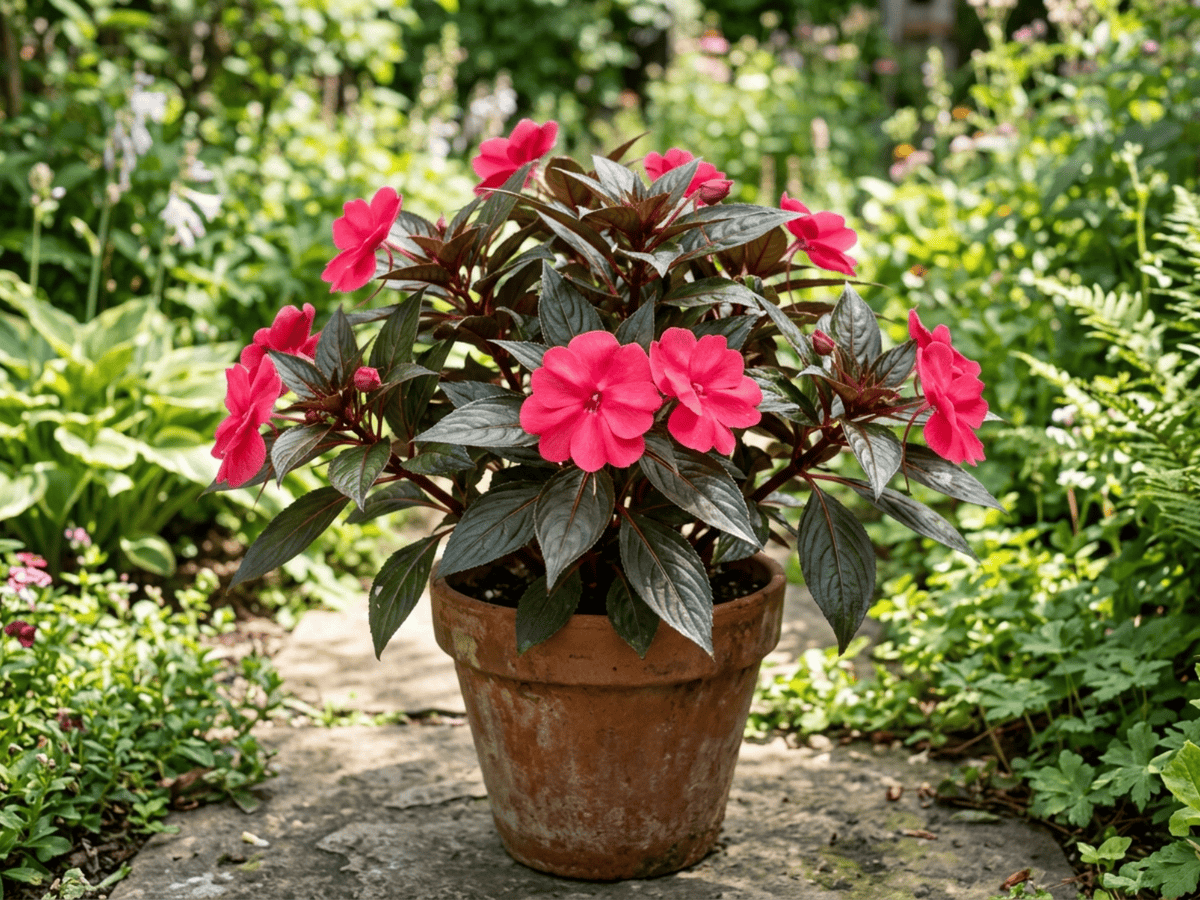
Plants with similar care
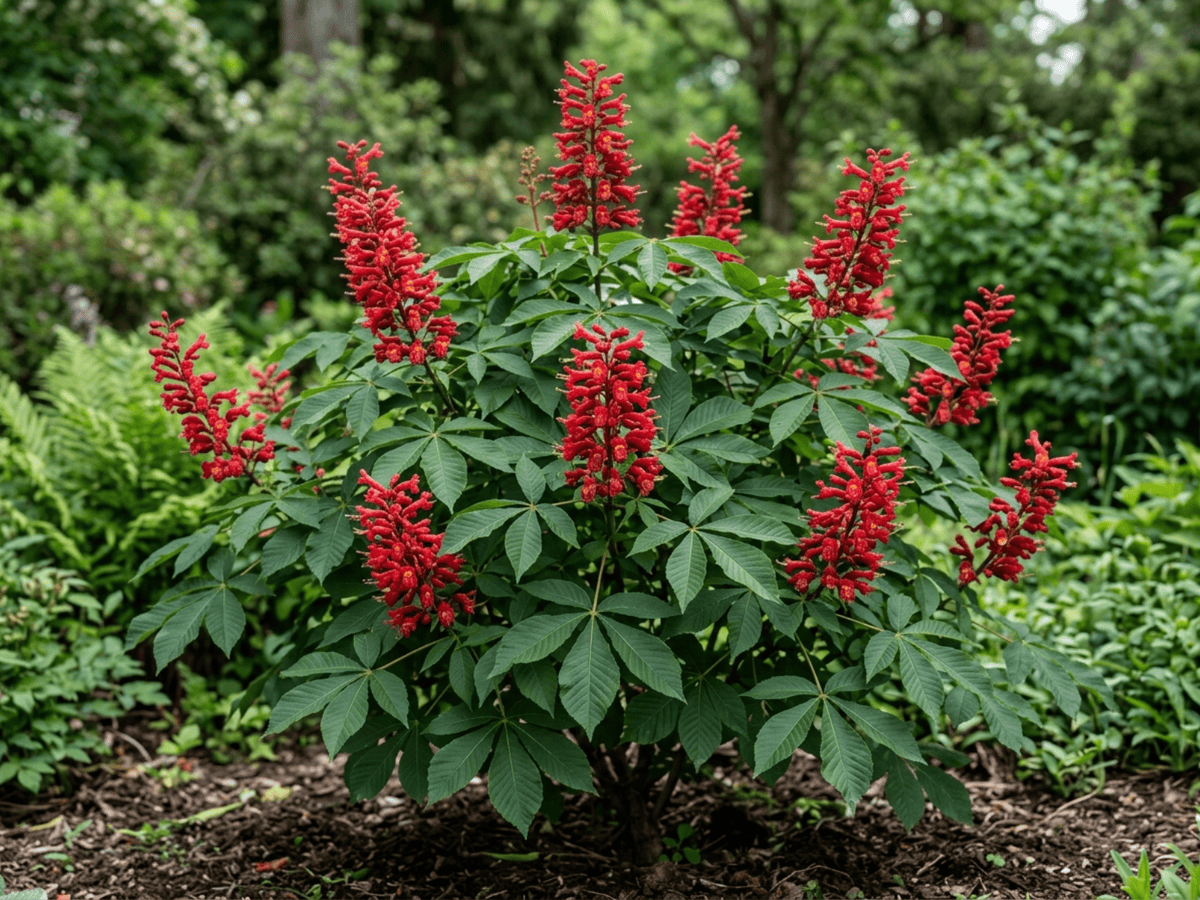 Red BuckeyeAesculus pavia
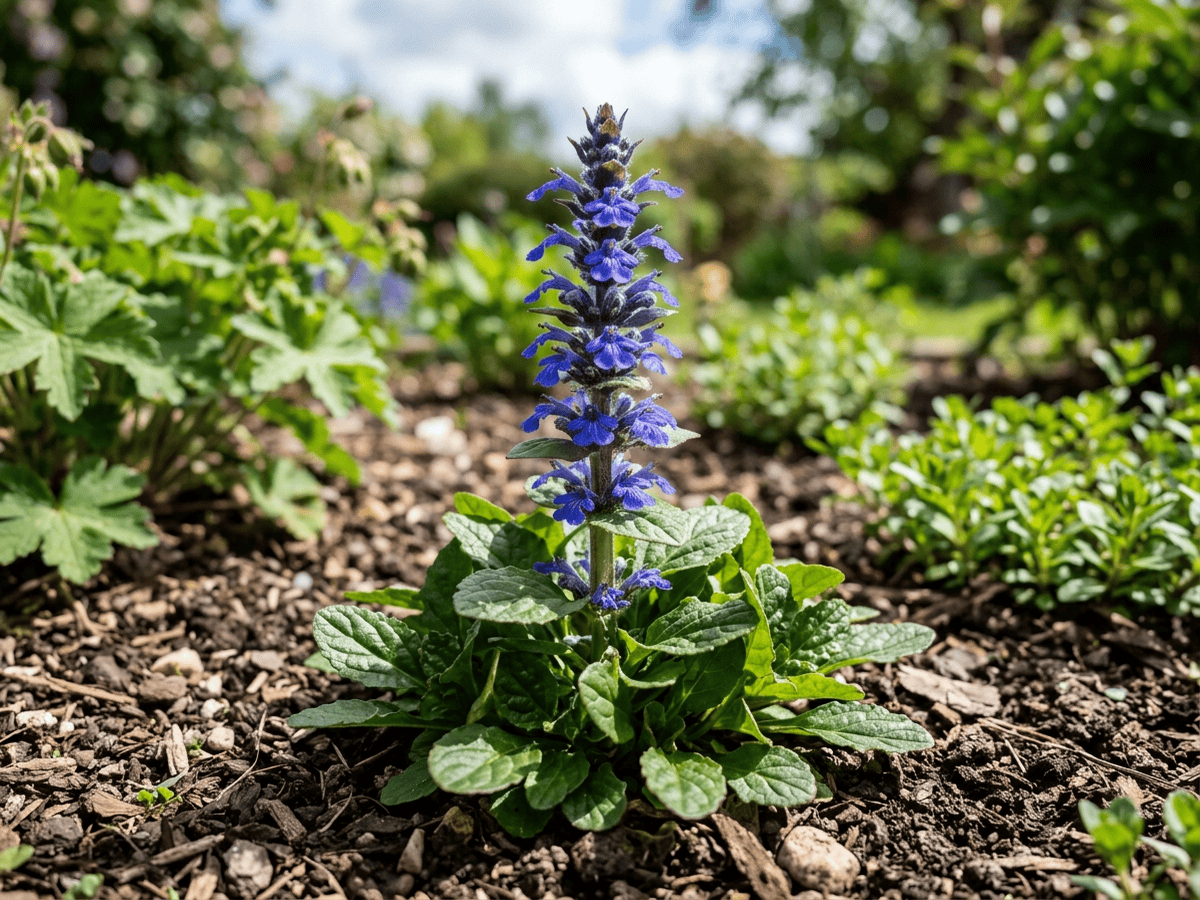 Blue BugleAjuga genevensis
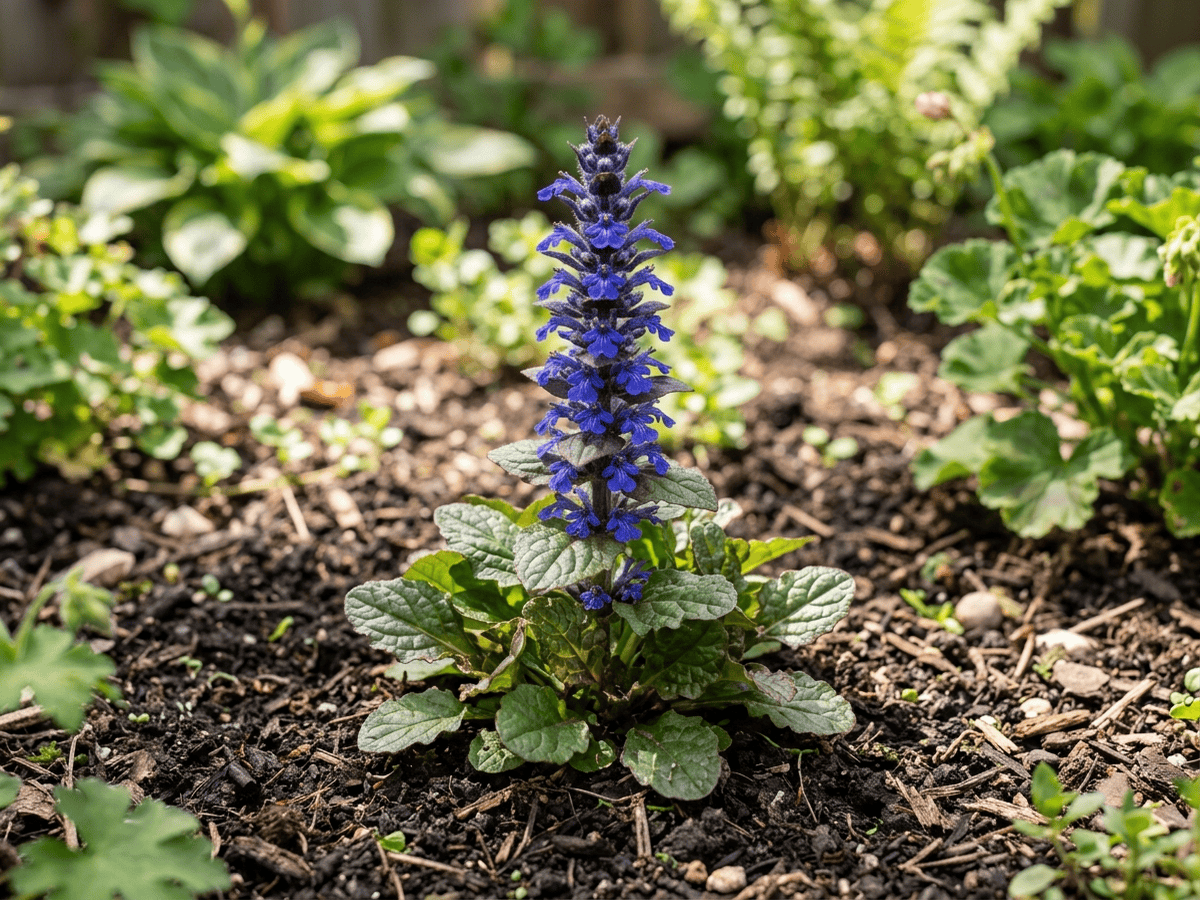 Pyramidal BugleAjuga pyramidalis
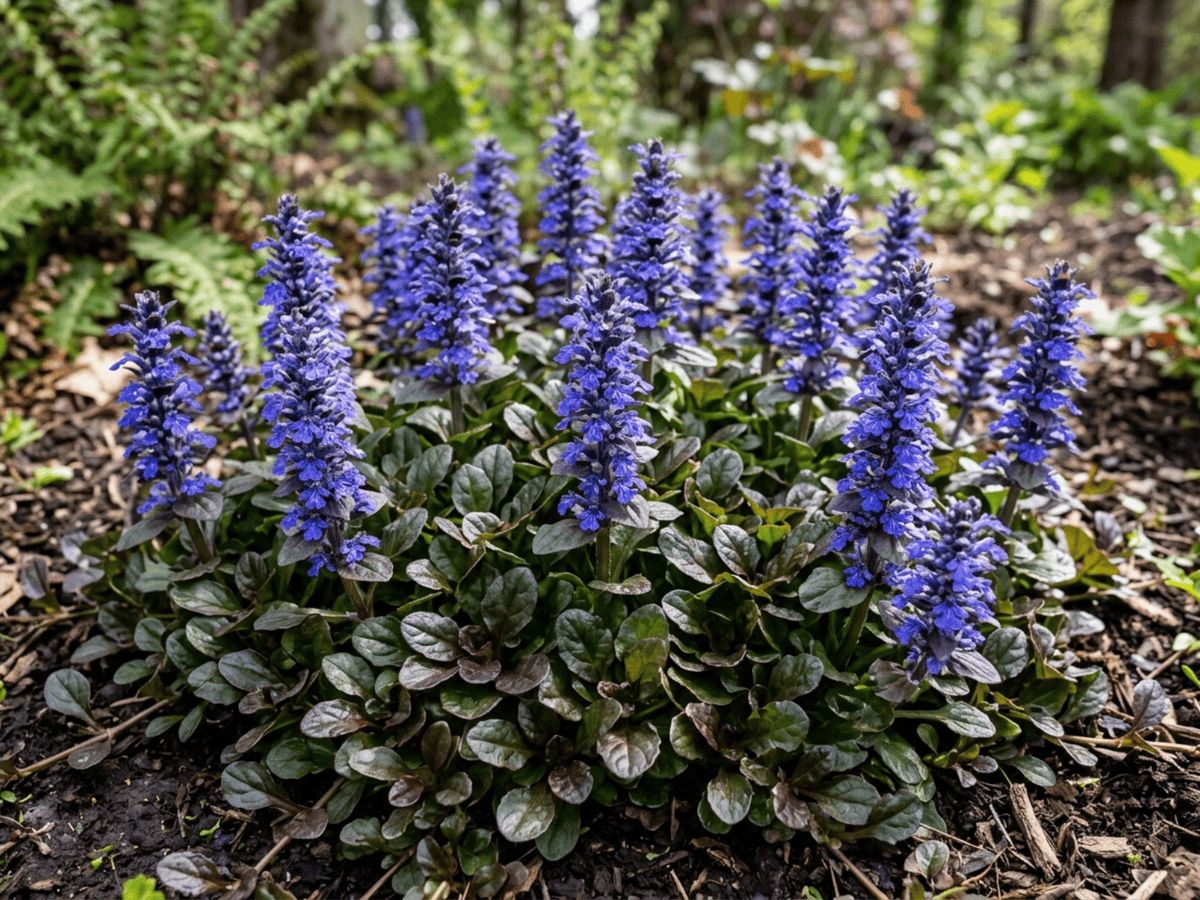 Carpet BugleAjuga reptans
Frequently asked questions
How often should I water Busy Lizzie?
Water about every 3 days during the growing season, and always let excess water drain away.
How much light does Busy Lizzie need?
Part shade: 2–4 hrs direct. Watch the leaves — scorching or stretching means the light needs adjusting.
Is Busy Lizzie toxic to cats or dogs?
Pets Safe (Dogs Safe · Cats Safe) Educational information, not medical or veterinary advice. If exposure is suspected, contact a doctor or veterinarian.
Is Busy Lizzie easy to grow?
Yes — it is considered an easy, beginner-friendly plant.
When does Busy Lizzie bloom?
It typically blooms Jun–Aug in the Northern Hemisphere.
YardMate
Identify any plant in seconds
Snap a photo — YardMate names the plant, diagnoses problems, and reminds you when to water.
Download on the App Store