 YardMate


Japanese Sweetspire
Itea japonica
Easy · Beginner friendlyAbout Japanese Sweetspire
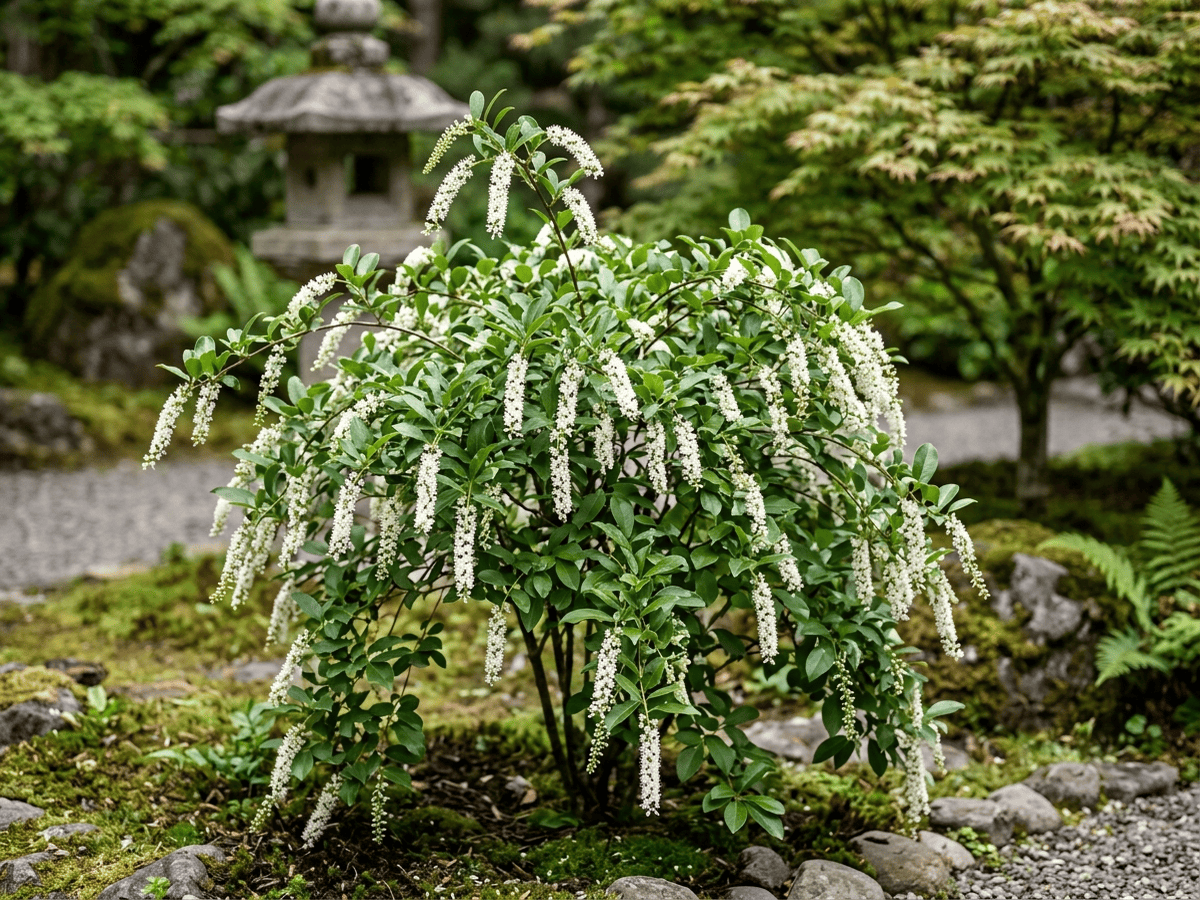
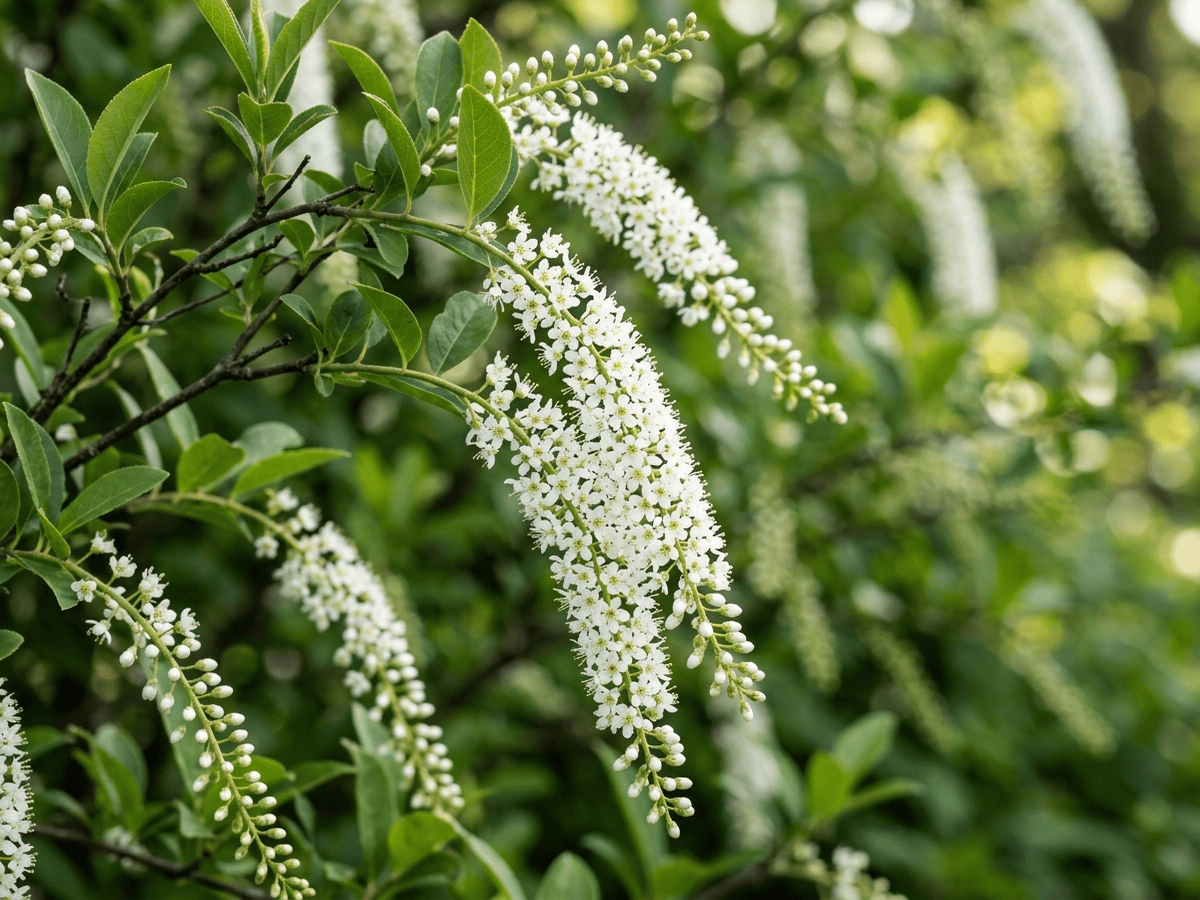
Japanese Sweetspire is a Japanese native deciduous shrub growing 4 to 6 feet tall, the East Asian counterpart to Virginia Sweetspire. Producing upright spikes of fragrant white flowers in early summer and red fall foliage, it is less commonly grown in America than its native relative but valued by collectors and Asian-garden specialists. The 'Beppu' cultivar is the most widely available dwarf form.
- Fragrant
- Shade-tolerant
- Fall-color
- Pollinator-friendly
How to care for Japanese Sweetspire
Watering
- Springevery 5 days
- Summerevery 3 days
- Fallevery 7 days
- Winterevery 14 days
Soil · Acidic · pH 4.5–6
- Top dressingPine needle mulch10%
- Main mixAcid-lover mix + peat 3:175%
- DrainageGravel15%
Never add lime or wood ash — it cancels out the acidity.
FERTILIZER
Balanced Feed 14-14-14
An even feed covers all three needs at once, keeping leaves, roots and blooms moving together with nothing pushed out of balance.
- Nitrogen · Leaves
- Phosphorus · Roots + Blooms
- Potassium · Strength
- Springevery 45 days
- Summerevery 60 days
At a Glance
- NativeEast Asia
- Height5–8 ft (1.5–2.4 m)
- Spread5–8 ft (1.5–2.4 m)
- Flower colorWhite, Cream
- Foliage colorGreen
- SoilLoamy, Moisture-retentive, Acidic
- LocationsYard
Bloom time
BLOOM CYCLE
Peak bloom
May–Jun
Upright fragrant white spikes in early summer
Fragrance
LIGHT FRAGRANCE
The flowers have a lightly sweet-scented scent.
Toxicity
No toxicity has been reported for this plant. Still, it is wise to keep pets from chewing on any houseplant.
Educational information, not medical or veterinary advice. If exposure is suspected, contact a doctor or veterinarian.
DISTRIBUTION


- Native
- East Asia
History

Itea japonica grows on wooded slopes and stream banks of central and southern Japan, Taiwan, Korea, and much of China. The English botanist Daniel Oliver described it in 1891 at Kew from specimens sent by Japanese collectors. Compared to its celebrated American cousin I. virginica, it has longer, glossier semi-evergreen leaves and shorter creamy flower clusters, lacking the dramatic fall color.
In Japan it is grown as 'zuina' and used for moderate-height hedges and wooded borders in temple gardens. It reached Western gardens via late-19th-century plant exchanges but remained niche until the 1980s when nurseries such as Hines Growers in California promoted the cultivar 'Beppu' (smaller scale) and a broadleaf form 'Sarah Eve'.
Modern US use is limited mainly to USDA zones 7 and warmer. Native to Japan and introduced to American collectors' gardens in the 20th century. The 'Beppu' cultivar, named for Beppu city in Kyushu where it was collected, is a dwarf form reaching only 2 to 3 feet, ideal for modern smaller American gardens seeking Japanese-garden character with sweetspire's classic fall color.
Symbolism & meaning
What It Symbolizes
Itea japonica expresses Eastern grace, drawing on a refined Japanese-garden heritage where quiet form matters more than loud bloom. Its slender autumn spires of fragrant white flowers are matched by reliable fall color — the autumn spire revealing itself in both flower and leaf. A shrub for those who prefer an entire choreographed season to a single show-stopping moment.
- Eastern grace — refined Japanese-garden heritage
- Autumn spire — upright flower form and fall color
Where the Name Comes From
'japonica' refers to Japan, the species' homeland.
Uses & Fun Facts
- Drooping white flower racemes carry sweet honey fragrance
- Long flower chains attract bees and small butterflies
- Arching shrub with fiery red autumn foliage for shaded borders
Related plants
More Itea plants

Plants with similar care
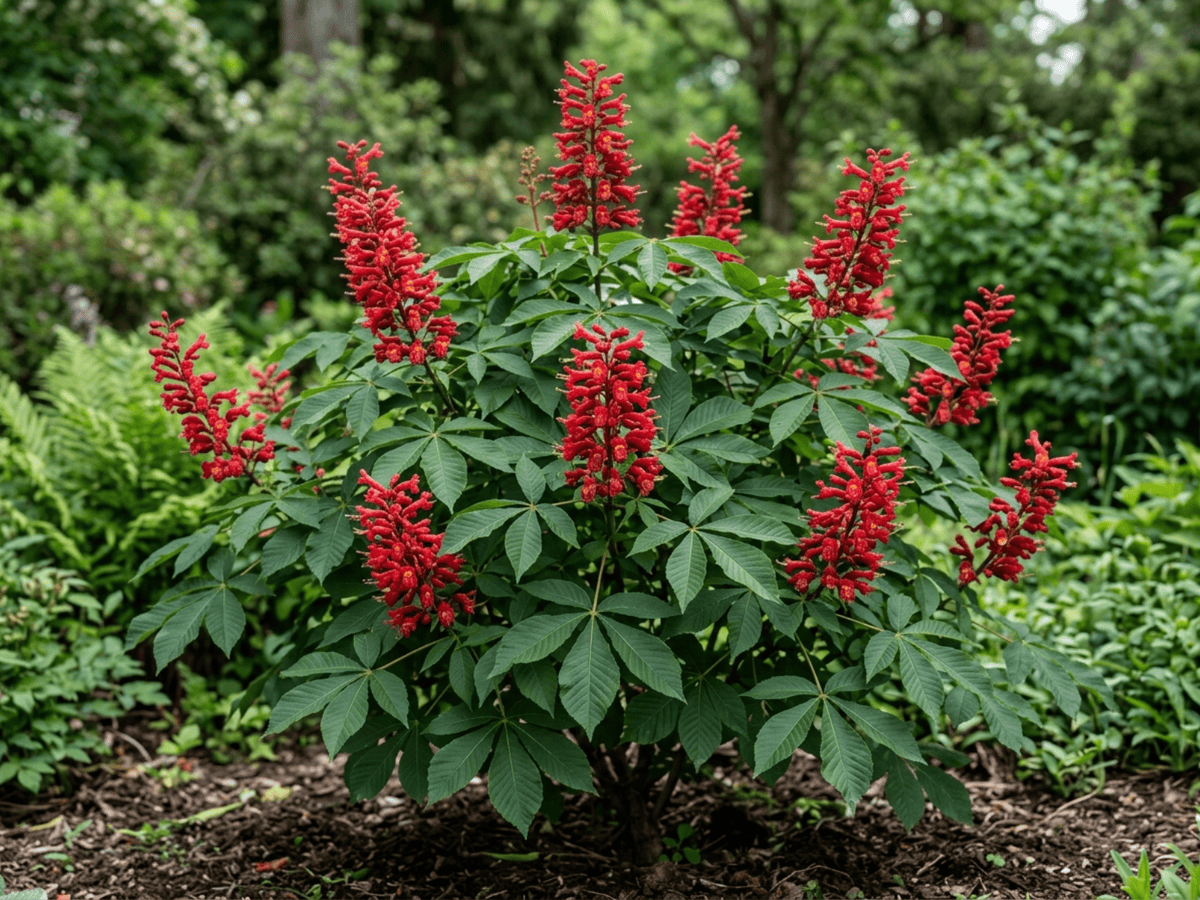 Red BuckeyeAesculus pavia
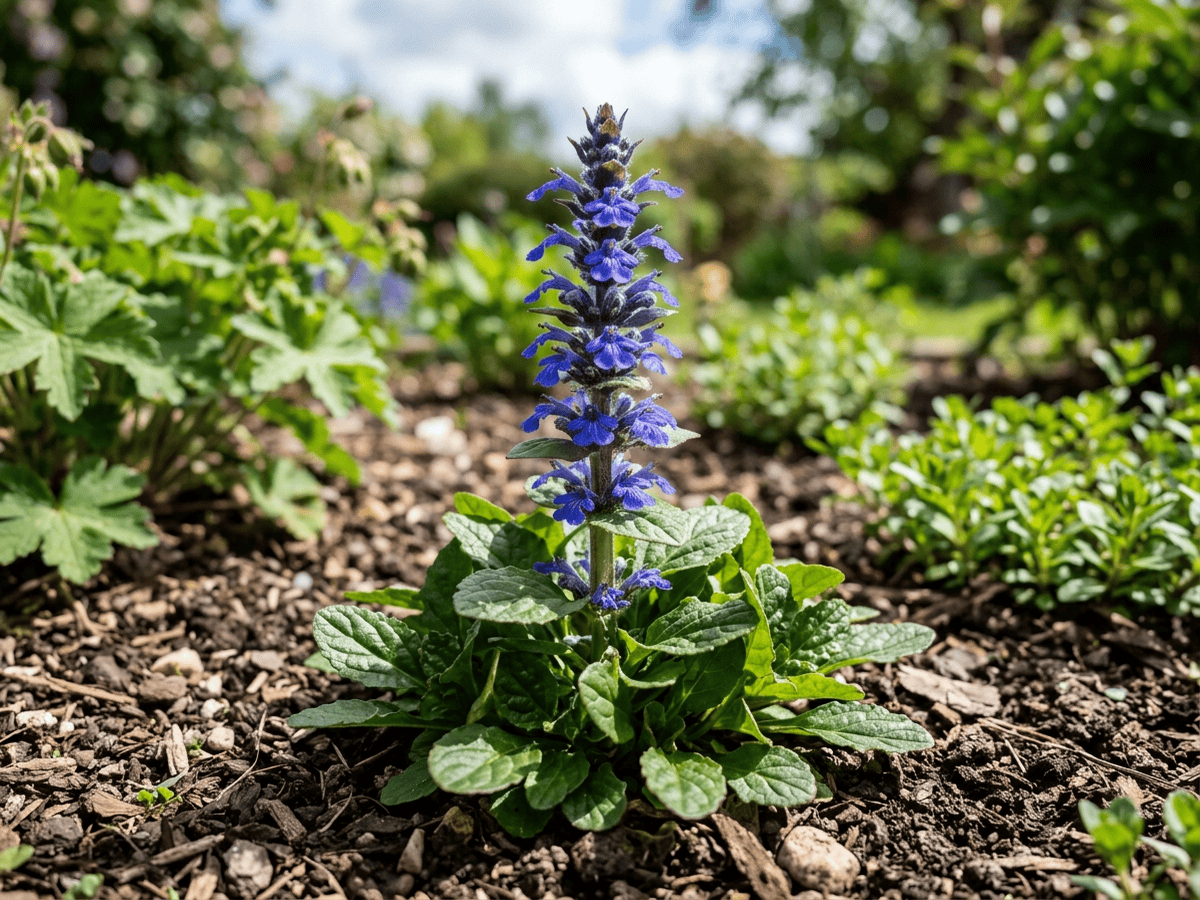 Blue BugleAjuga genevensis
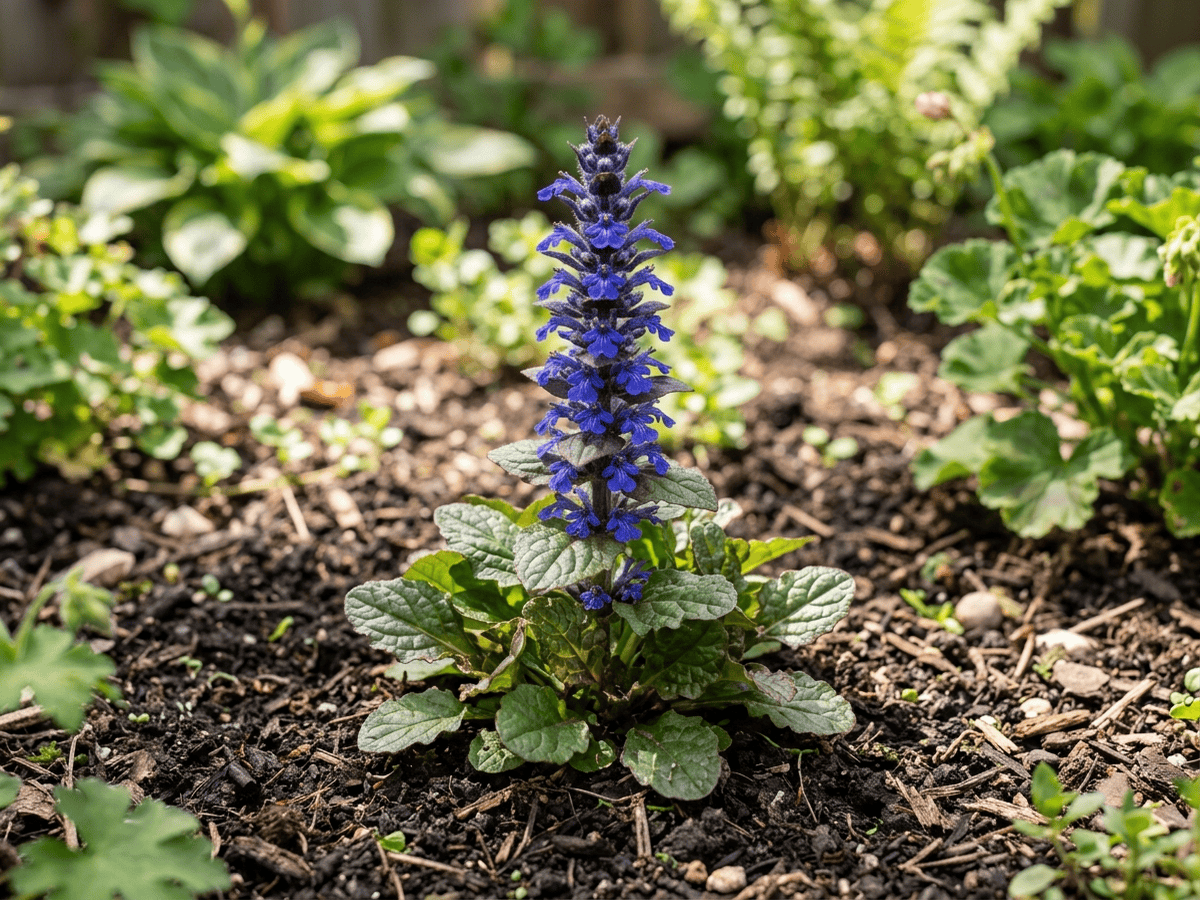 Pyramidal BugleAjuga pyramidalis
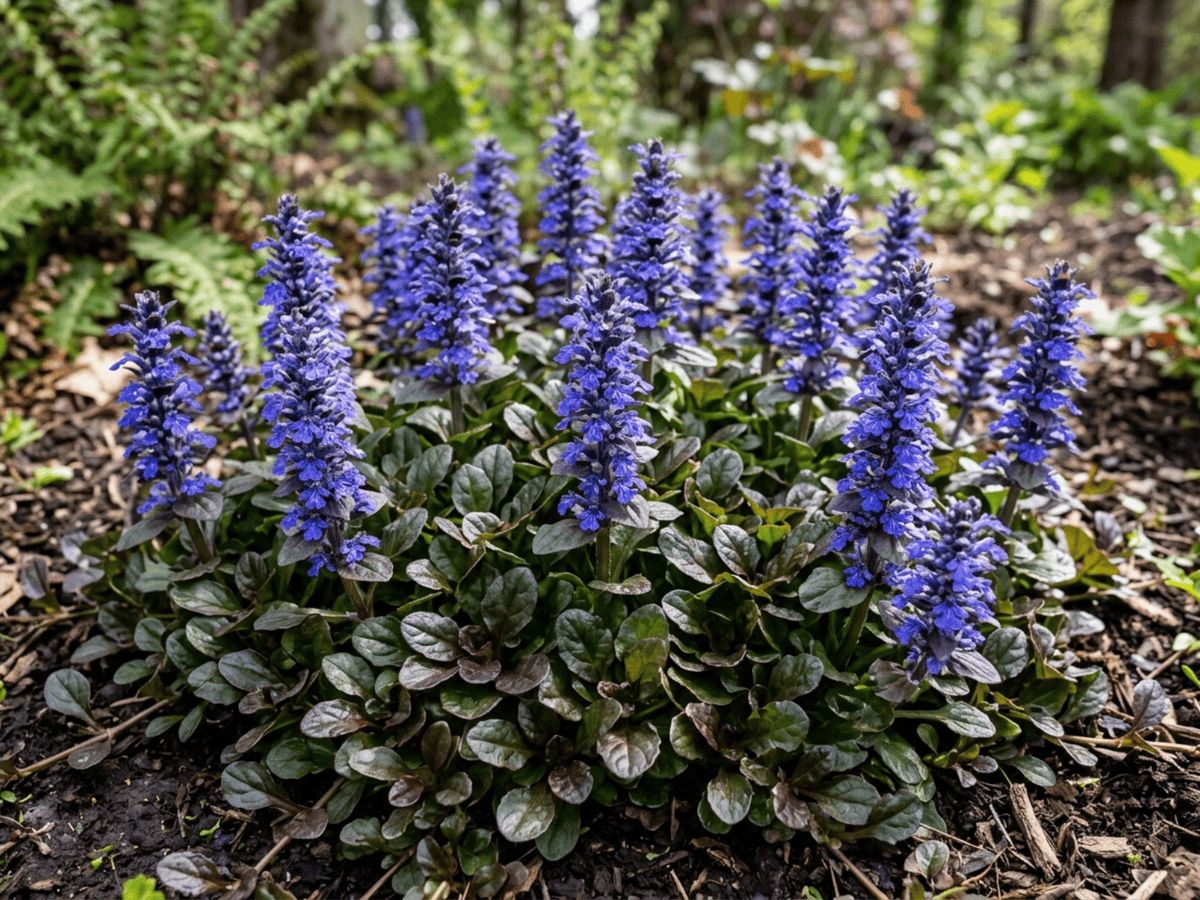 Carpet BugleAjuga reptans
Frequently asked questions
How often should I water Japanese Sweetspire?
In summer, water about every 3 days; in winter, about every 14 days. Adjust for heat, pot size and drainage.
How much light does Japanese Sweetspire need?
Part shade: 2–4 hrs direct. Watch the leaves — scorching or stretching means the light needs adjusting.
Is Japanese Sweetspire toxic to cats or dogs?
No toxicity has been reported for this plant. Still, it is wise to keep pets from chewing on any houseplant. Educational information, not medical or veterinary advice. If exposure is suspected, contact a doctor or veterinarian.
Is Japanese Sweetspire easy to grow?
Yes — it is considered an easy, beginner-friendly plant.
When does Japanese Sweetspire bloom?
It typically blooms May–Jun in the Northern Hemisphere.
YardMate
Identify any plant in seconds
Snap a photo — YardMate names the plant, diagnoses problems, and reminds you when to water.
Download on the App Store