 YardMate


Virginia Sweetspire
Itea virginica
Easy · Beginner friendlyAbout Virginia Sweetspire
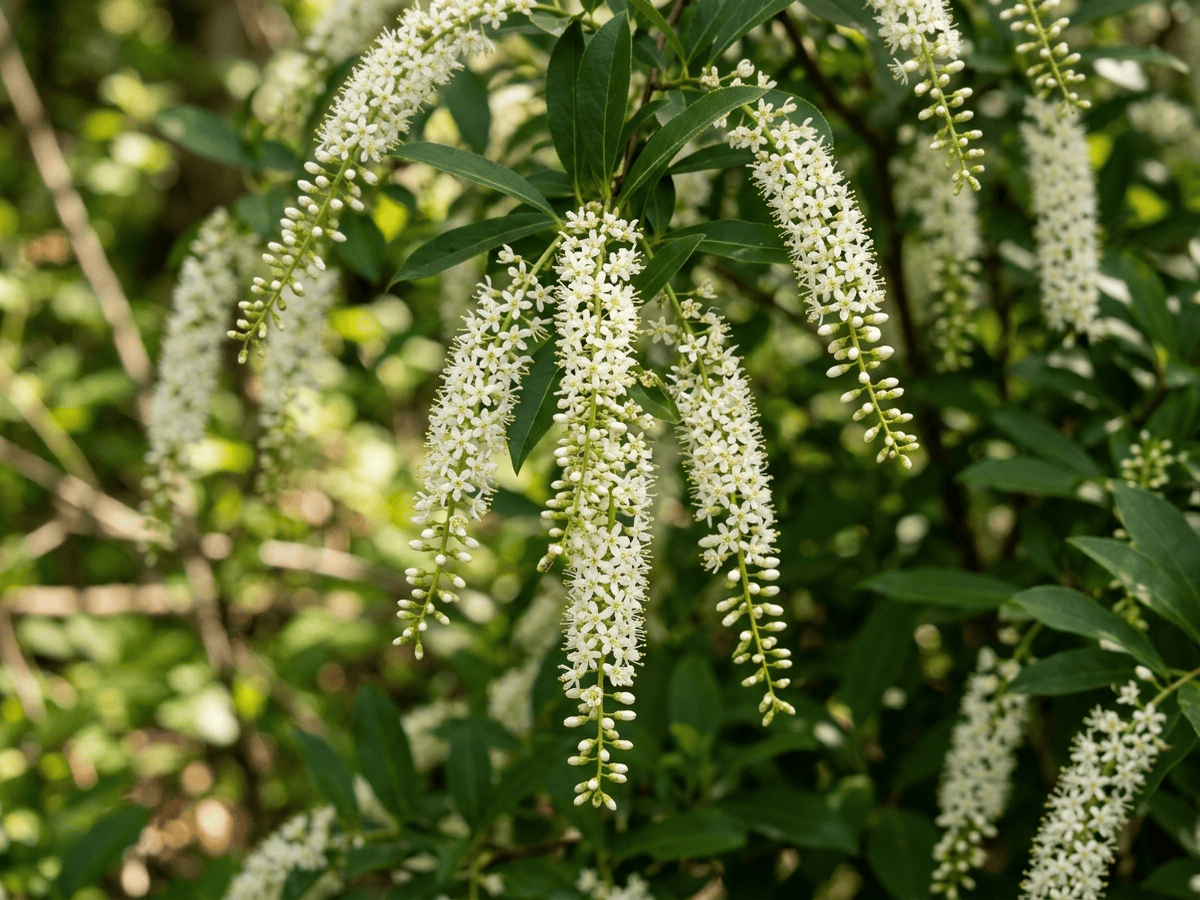
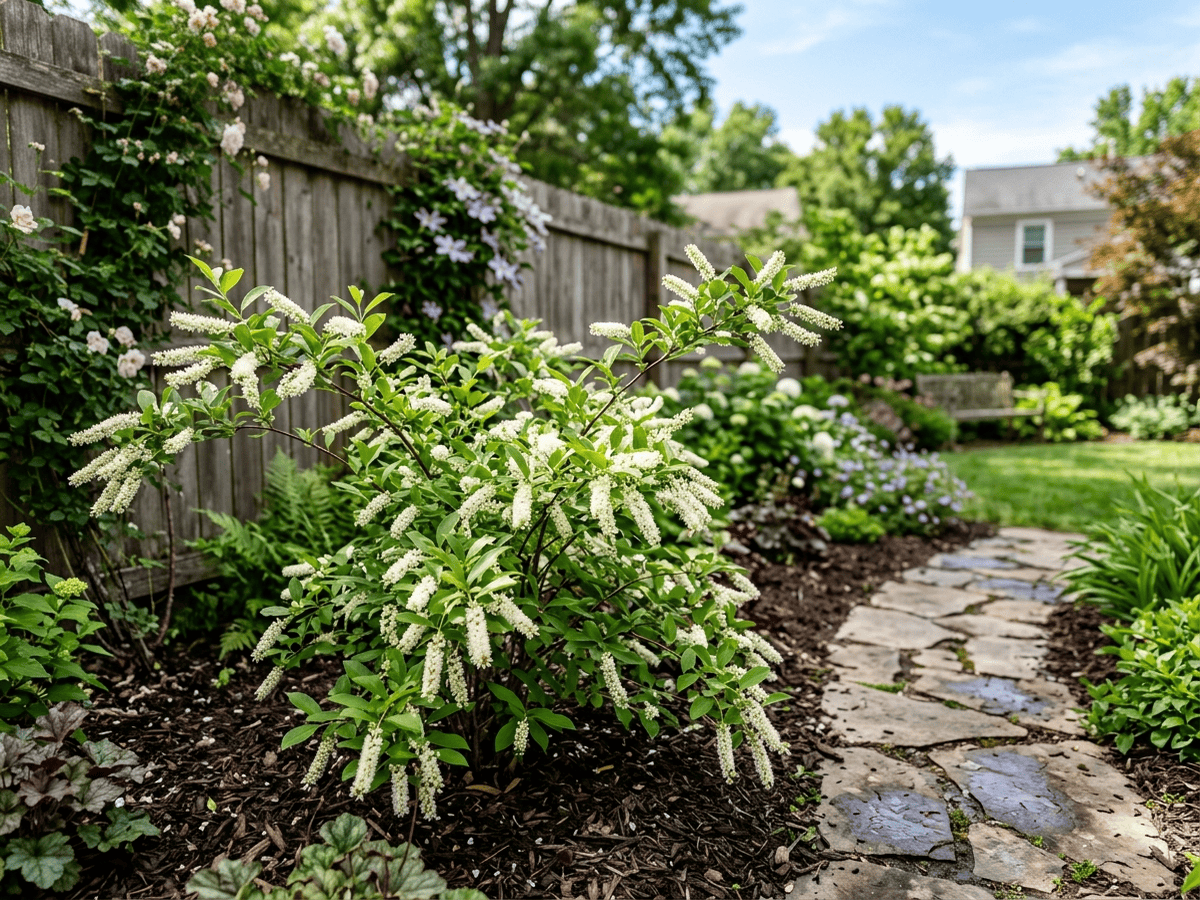
Virginia Sweetspire is an eastern North American native deciduous shrub growing 3 to 5 feet tall, producing drooping fragrant white flower spikes in late spring and early summer, followed by brilliant red-burgundy fall foliage that persists into early winter. A top-tier American native shrub for rain gardens, stream banks, and mixed borders, awarded Cary Award and many plant-of-the-year honors.
- Fragrant
- Fall-color
- Native
- Pollinator-friendly
How to care for Virginia Sweetspire
Watering
- Springevery 3 days
- Summerevery 2 days
- Fallevery 5 days
- Winterevery 10 days
Soil · Rich & loamy
- Top dressingBark mulch15%
- Main mixRich loam + compost 3:170%
- DrainageGravel15%
Use fully finished compost — fresh compost burns roots.
FERTILIZER
Balanced Feed 14-14-14
An even feed covers all three needs at once, keeping leaves, roots and blooms moving together with nothing pushed out of balance.
- Nitrogen · Leaves
- Phosphorus · Roots + Blooms
- Potassium · Strength
- Springevery 45 days
- Summerevery 60 days
At a Glance
- NativeNorth America
- Height3–5 ft (0.9–1.5 m)
- Spread4–6 ft (1.2–1.8 m)
- Flower colorWhite
- Foliage colorGreen, Red, Bronze, Purple
- SoilRich, Moisture-retentive, Loamy
- LocationsYard
Bloom time
BLOOM CYCLE
Peak bloom
Mar–Aug
Fragrant white drooping spikes late spring to early summer
Fragrance
MODERATE FRAGRANCE
Flowers honey-sweet, very attractive to bees.
Toxicity
No toxicity has been reported for this plant. Still, it is wise to keep pets from chewing on any houseplant.
Educational information, not medical or veterinary advice. If exposure is suspected, contact a doctor or veterinarian.
DISTRIBUTION


- Native
- North America
History
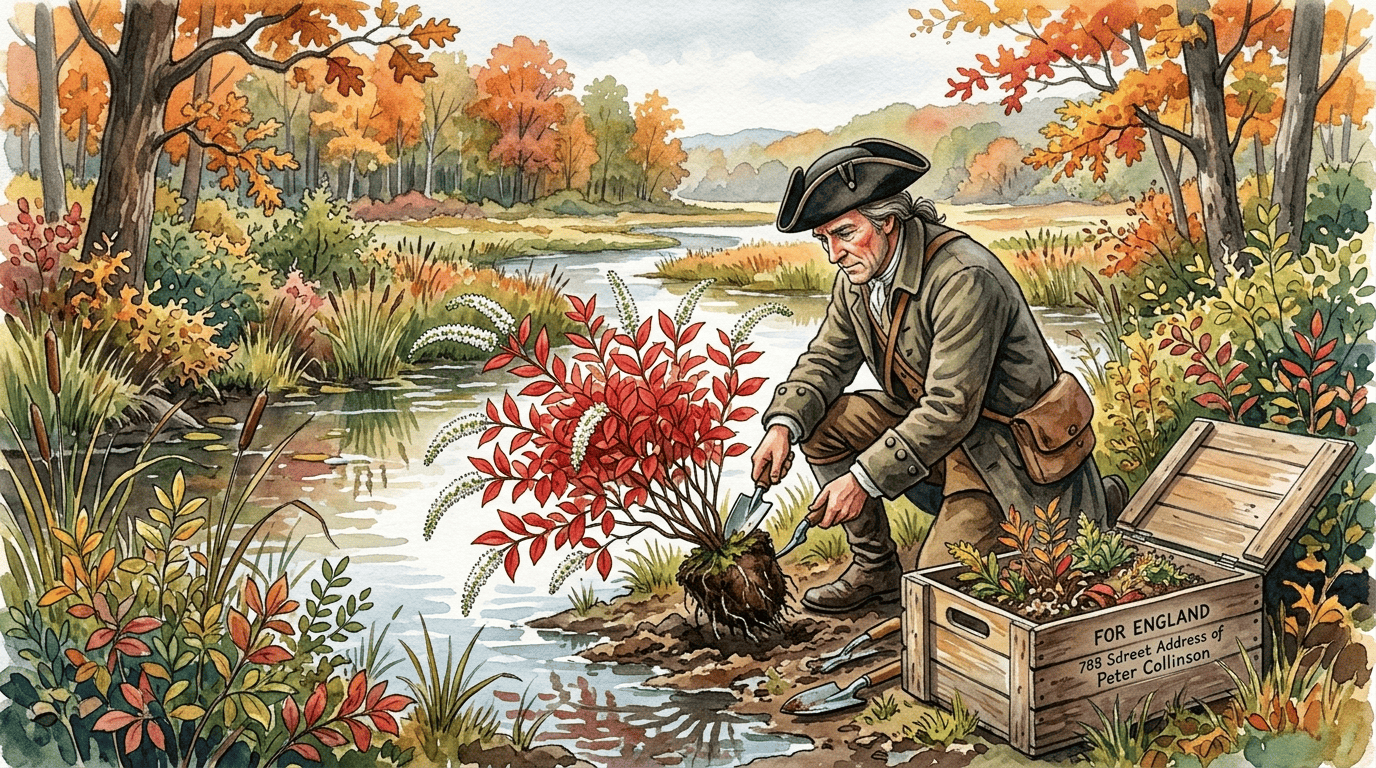
Itea virginica grows along streams, swamps, and wet woods across the southeastern United States from New Jersey to Florida and west to east Texas. Linnaeus described it in Species Plantarum (1753); the genus name is Greek for willow, alluding to the willow-like leaves. It appeared in early colonial American gardens and was exported to England by John Bartram of Philadelphia in the 1750s.
Its mid-summer arching spikes of tiny fragrant white flowers and blazing red fall color made it popular in cottage gardens. The species rose to horticultural prominence after the 1982 introduction of the compact cultivar 'Henry's Garnet' by the Swarthmore College Arboretum, which won the 1988 Pennsylvania Horticultural Society Styer Award and a 1999 RHS Award of Garden Merit.
'Little Henry' (2001) and 'Merlot' are widely used in modern landscapes. Michael Dirr from a Swarthmore College planting honoring Mary Henry, revolutionized its use in American gardens from the 1980s onward. 'Little Henry' dwarf form adapts it to small gardens.
Symbolism & meaning
What It Symbolizes
Virginia Sweetspire offers native grace, its arching stems hung with fragrant white racemes along American wetland edges. In autumn, the leaves catch fire — a brilliant red that often holds well into early winter, lighting the dim November garden. Its meaning is the layered gift of a native shrub: spring fragrance for pollinators, fall color for human eyes, and quiet contribution to the wet places that need it.
- Native grace — American wetland native beauty
- Autumn fire — brilliant red fall color lasts to winter
Where the Name Comes From
'Itea' from Greek word for willow used by Theophrastus; 'virginica' for Virginia, part of its native range.
Uses & Fun Facts
- Drooping white flower racemes carry honey-like fragrance
- Early-summer blooms feed native bees and butterflies
- Crimson fall foliage brightens southeastern native gardens
Related plants
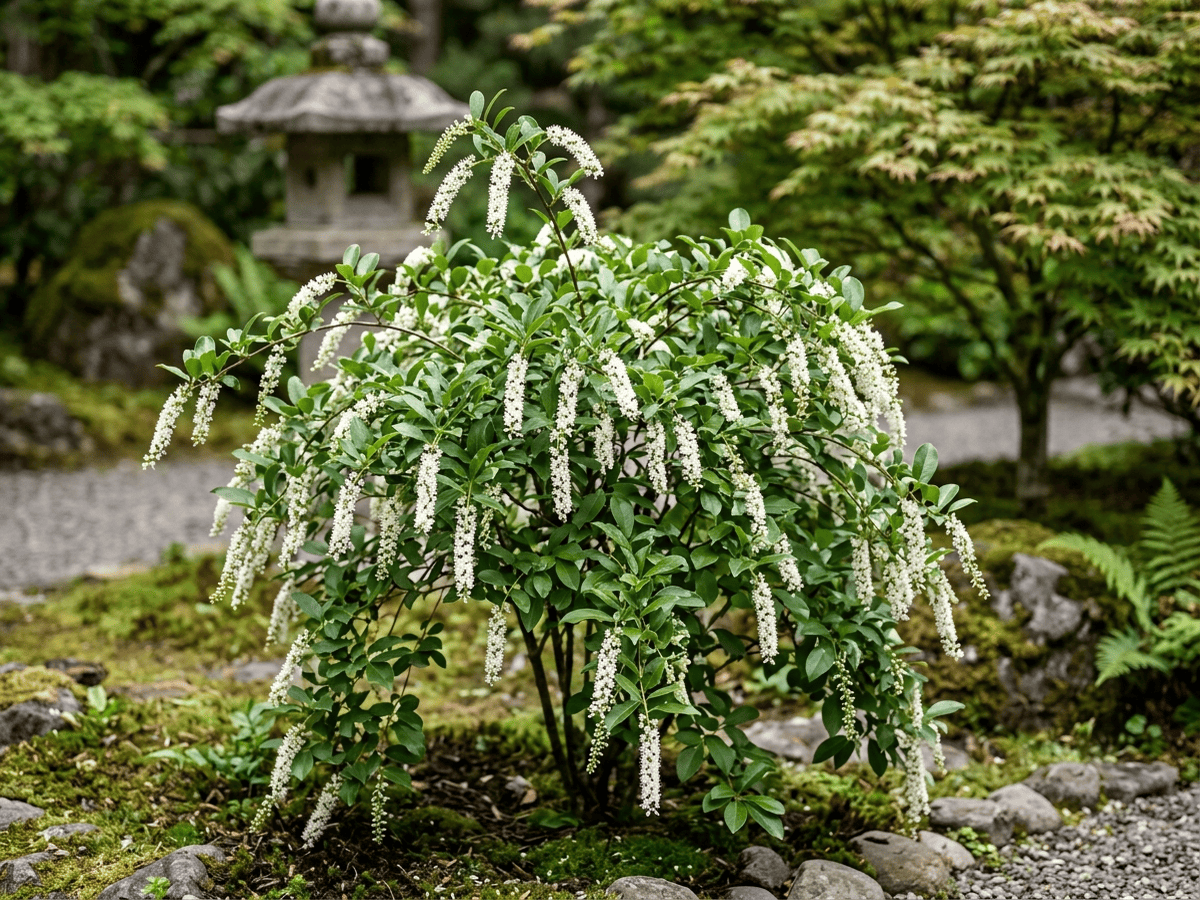
More Itea plants
Plants with similar care
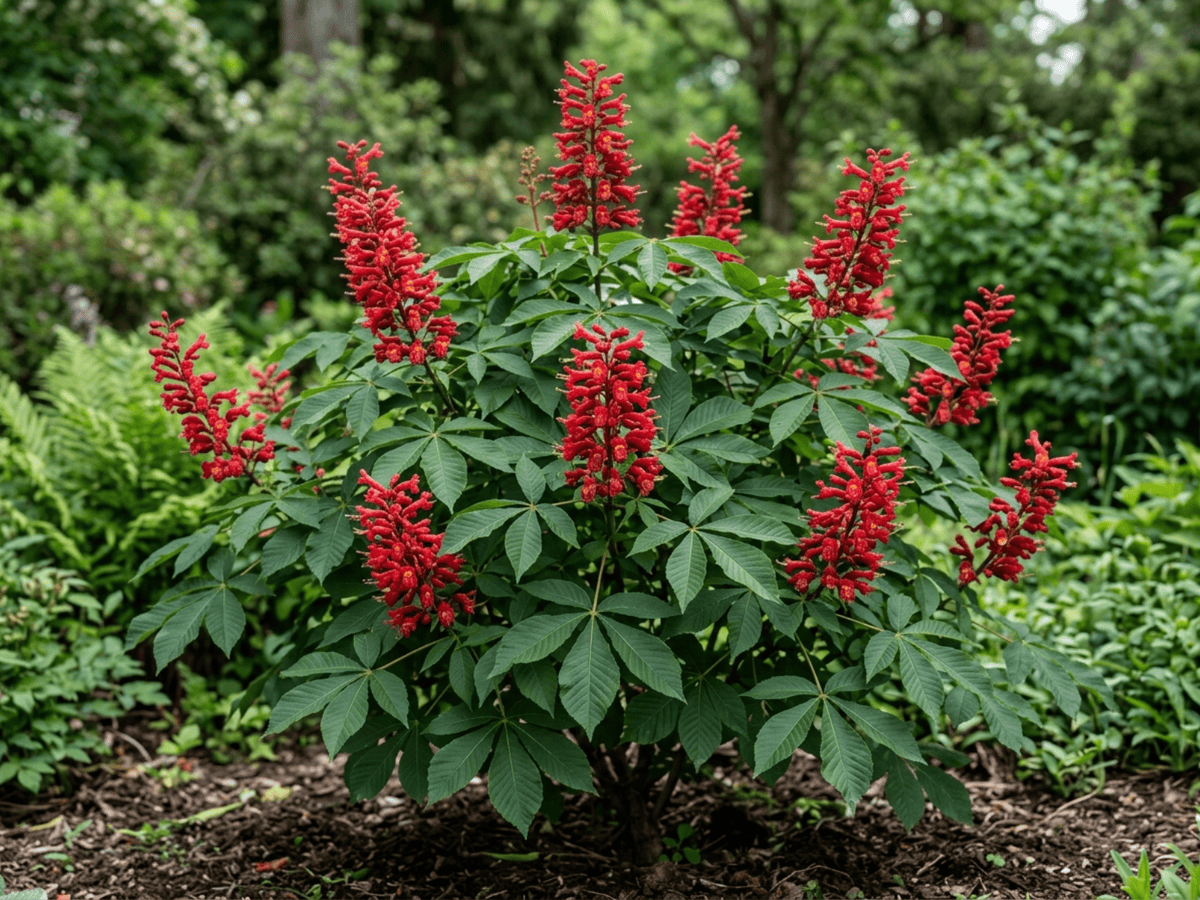 Red BuckeyeAesculus pavia
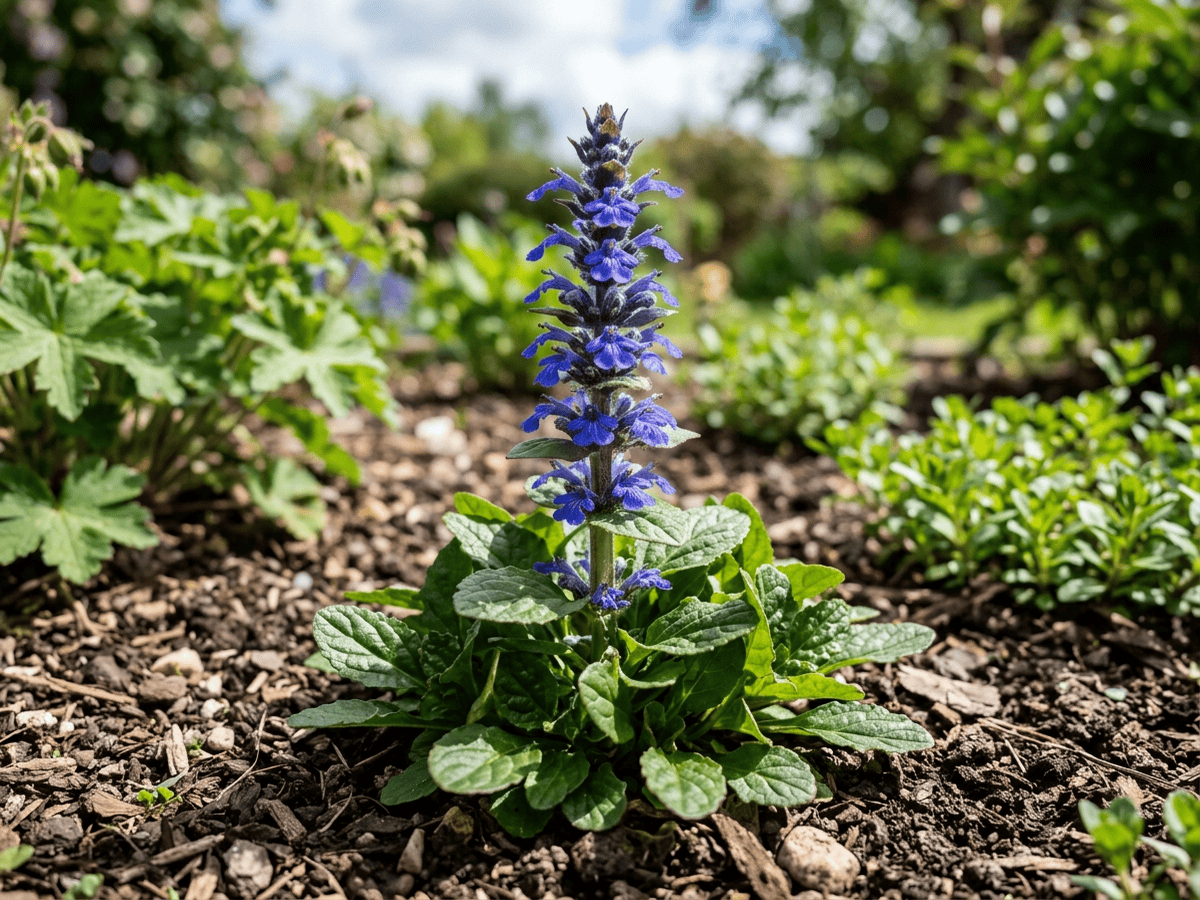 Blue BugleAjuga genevensis
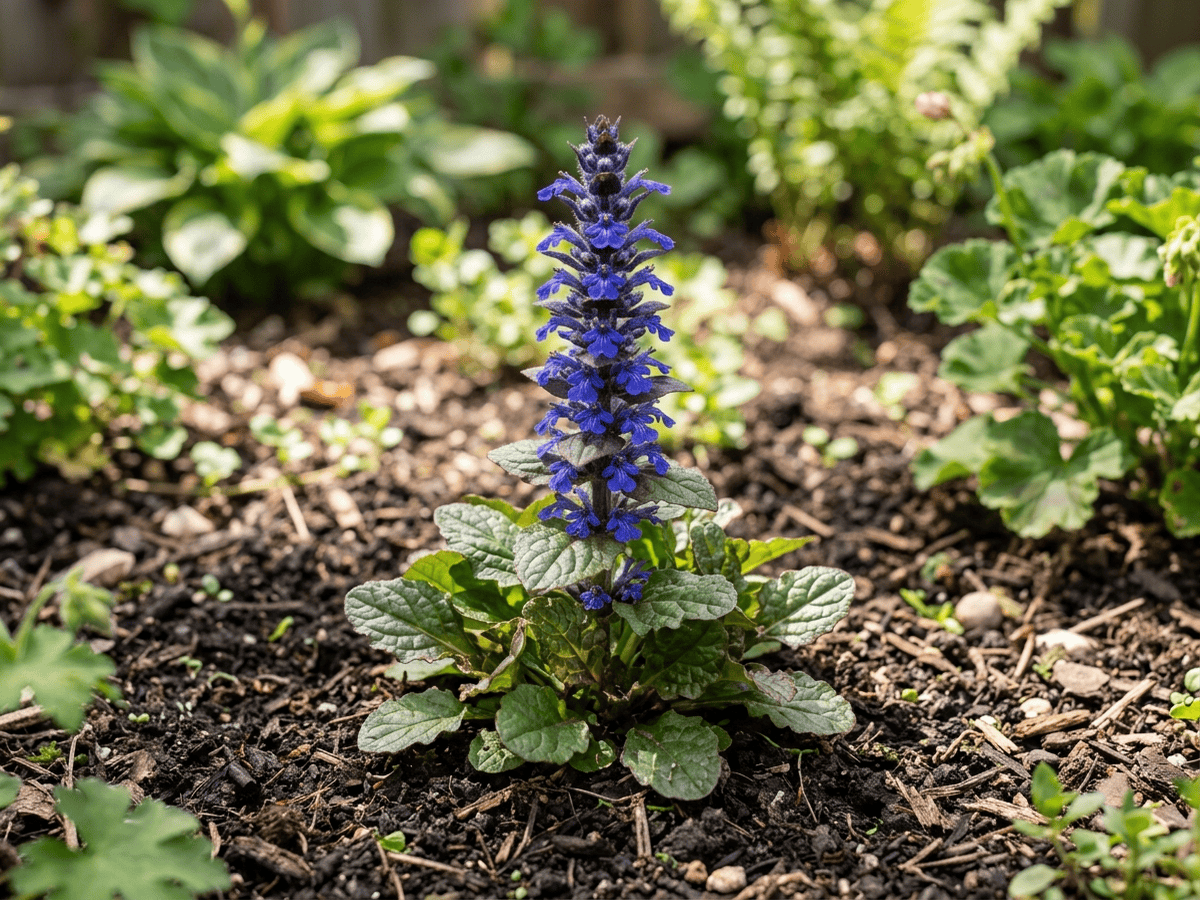 Pyramidal BugleAjuga pyramidalis
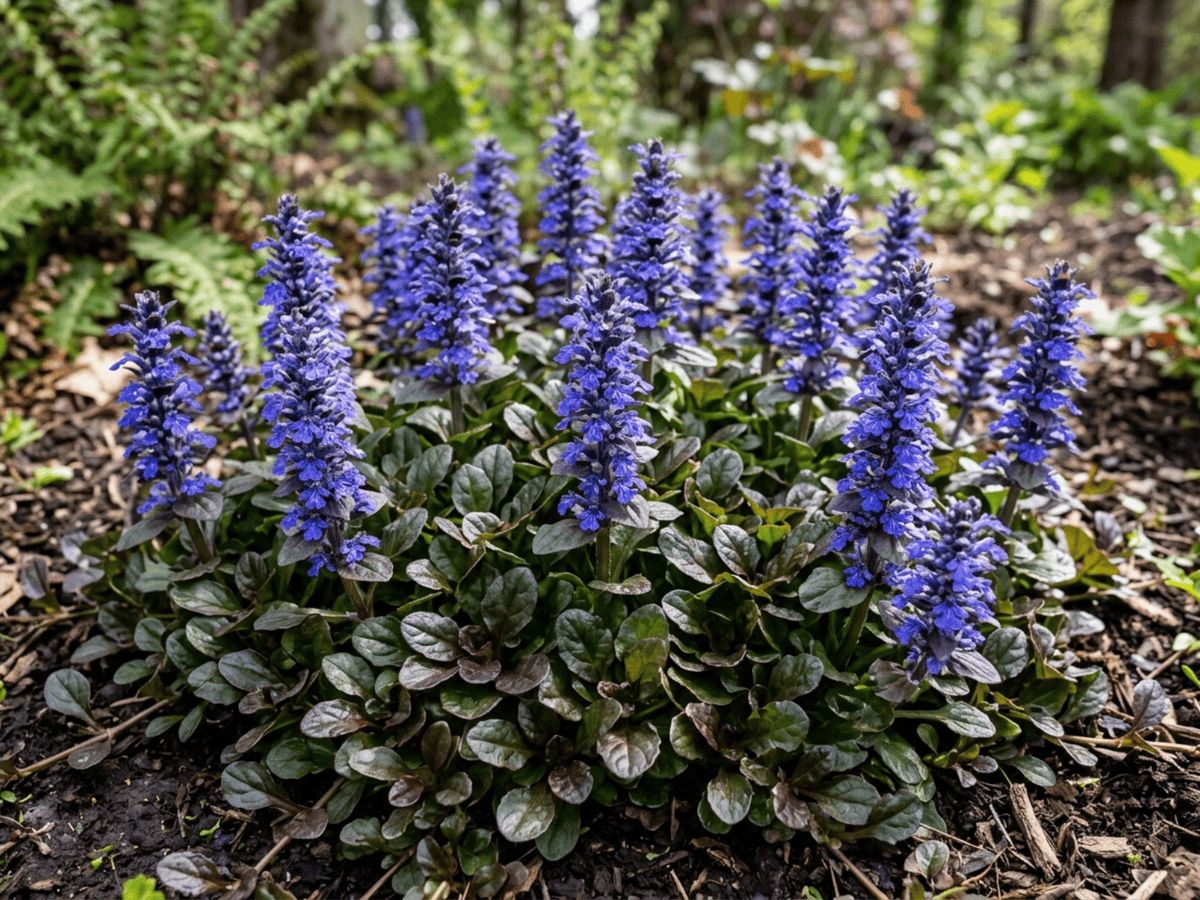 Carpet BugleAjuga reptans
Frequently asked questions
How often should I water Virginia Sweetspire?
In summer, water about every 2 days; in winter, about every 10 days. Adjust for heat, pot size and drainage.
How much light does Virginia Sweetspire need?
Part shade: 2–4 hrs direct. Watch the leaves — scorching or stretching means the light needs adjusting.
Is Virginia Sweetspire toxic to cats or dogs?
No toxicity has been reported for this plant. Still, it is wise to keep pets from chewing on any houseplant. Educational information, not medical or veterinary advice. If exposure is suspected, contact a doctor or veterinarian.
Is Virginia Sweetspire easy to grow?
Yes — it is considered an easy, beginner-friendly plant.
When does Virginia Sweetspire bloom?
It typically blooms Mar–Aug in the Northern Hemisphere.
YardMate
Identify any plant in seconds
Snap a photo — YardMate names the plant, diagnoses problems, and reminds you when to water.
Download on the App Store