 YardMate



Soft Rush
Juncus effusus
Easy · Beginner friendlyAbout Soft Rush
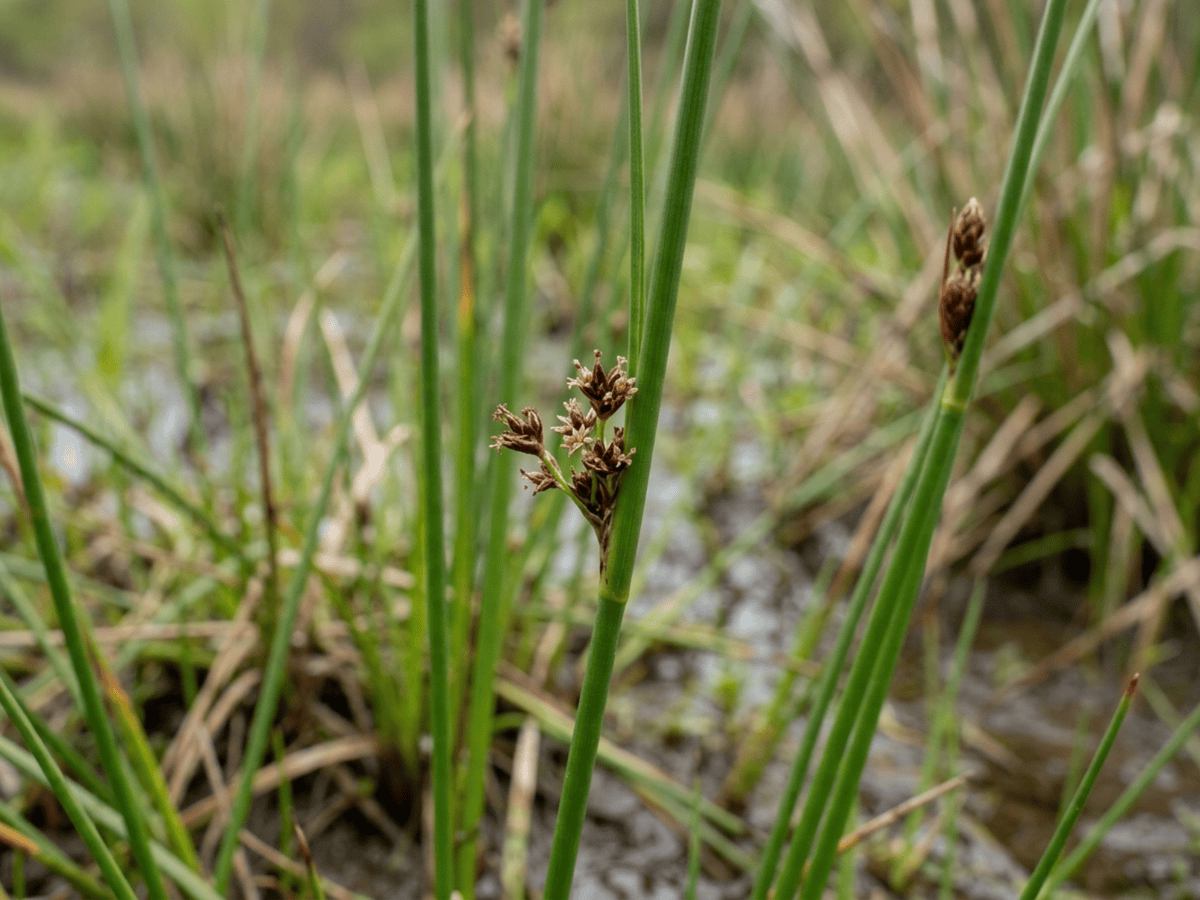
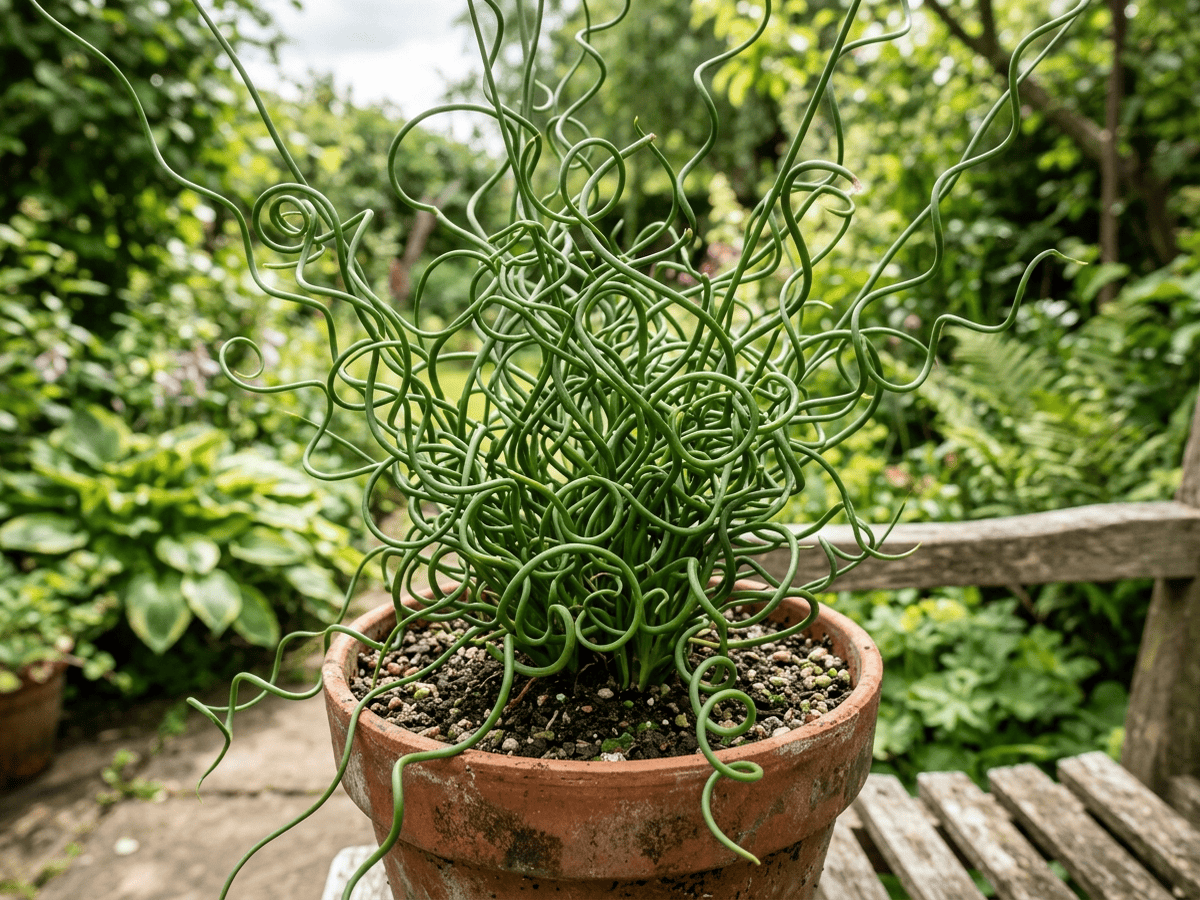
Juncus effusus, commonly known as soft rush or common rush, is a cosmopolitan wetland perennial found on every continent except Antarctica. Its cylindrical, dark green stems grow in dense tufts 40–120 cm tall, emerging from a compact rhizome base. Unlike grasses, rush stems are solid and pithy rather than hollow. The small brownish flower clusters appear laterally near the stem tip, an unusual feature that gives the plant its distinctive look. Extremely adaptable, it colonizes wet meadows, stream margins, ditches, and rain gardens with equal vigor. The spongy pith inside the stems has been used for centuries as wicking material for rush lights — a predecessor to the candle. Modern cultivars like 'Spiralis' (corkscrew rush) are popular ornamental plants. It is invaluable for bioswales and constructed wetlands, where its root network filters stormwater pollutants.
- Low-maintenance
- Native
How to care for Soft Rush
Watering
- Springevery 1 days
- Summerevery 1 days
- Fallevery 2 days
- Winterevery 7 days
Soil · Bog-wet
- WaterStanding water above soil20%
- SoilHeavy pond soil80%
No drainage layer — keep water standing above the soil.
FERTILIZER
This plant needs little to no feeding.
At a Glance
- NativeNorth America
- Height2–4 ft (0.6–1.2 m)
- Spread2–3 ft (0.6–0.9 m)
- Flower colorBrown
- Foliage colorGreen
- SoilMoisture-retentive
- LocationsYard
Bloom time
BLOOM CYCLE
Peak bloom
Jun–Aug
Small brown flower clusters appear laterally near stem tips in summer; subtle but architectural
Fragrance
NO FRAGRANCE
No notable fragrance.
Toxicity
No toxicity has been reported for this plant. Still, it is wise to keep pets from chewing on any houseplant.
Educational information, not medical or veterinary advice. If exposure is suspected, contact a doctor or veterinarian.
DISTRIBUTION


- Native
- Introduced
- North America
History
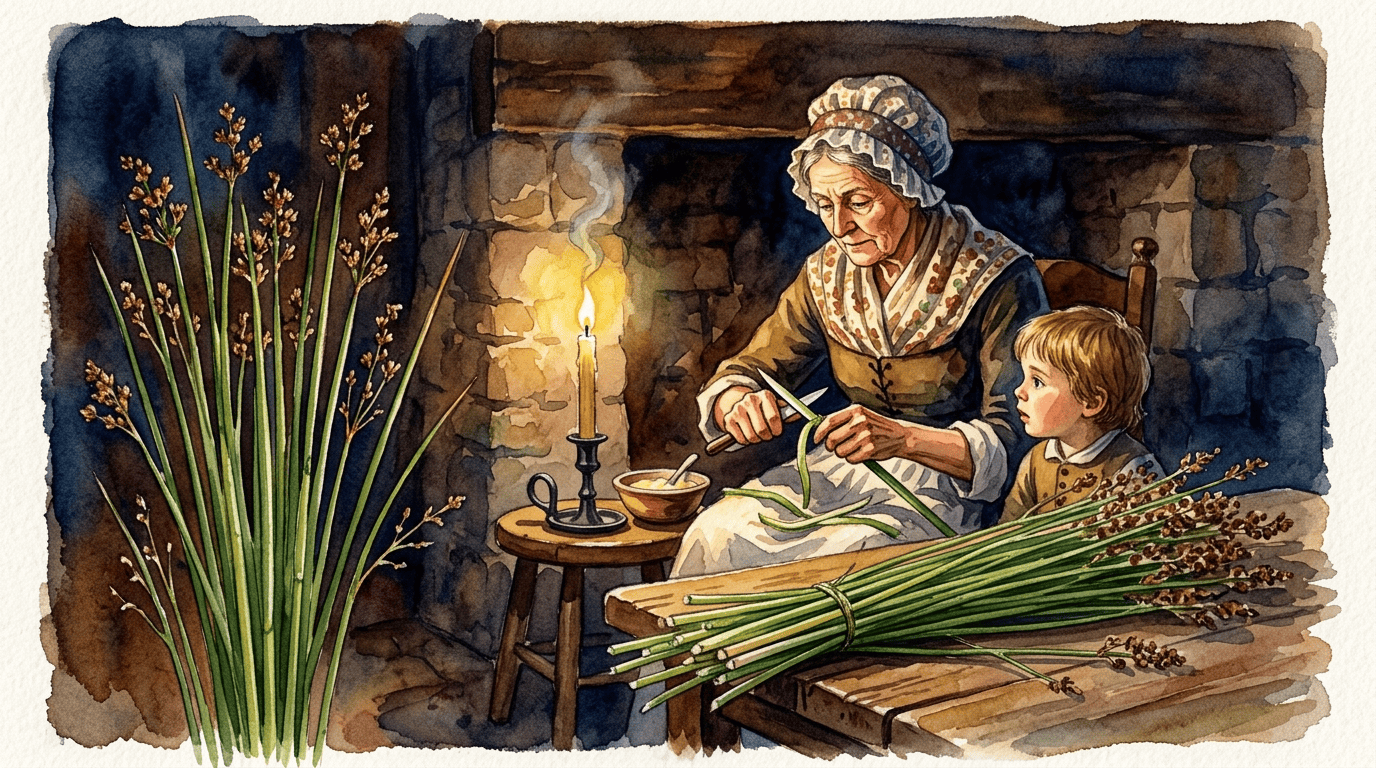
Juncus effusus is a circumboreal wetland rush, native across temperate and subarctic Europe, Asia, and North America, growing in wet meadows, stream margins, wet pasture, and poorly-drained soils. It forms dense tussocks of upright cylindrical glossy green stems 60-120 cm tall, with inconspicuous brown flowers arising from a distinctive side-branching point partway up each stem. Before the 19th-century availability of cheap paraffin candles and oil lamps, soft rush was one of the primary lighting materials of rural European cottages and farmhouses: stems were harvested in summer, peeled of their outer green skin to expose the white pith (while leaving one thin strip of green as structural support), dried, and then repeatedly dipped in mutton tallow, beef fat, or bacon grease.
These "rushlights" burned slowly with a smoky yellow flame and provided cheap household lighting; Gilbert White's 1789 "Natural History of Selborne" devotes an extended passage to rushlight manufacture, noting that a good rushlight could burn for an hour and that a frugal family might get through 20 rushlights per week. In Japan the related rush I. effusus var. decipiens (softly different growth form) is cultivated as "igusa" and is the essential fiber of traditional tatami mats — industrial igusa cultivation in Kumamoto Prefecture supplies Japanese tatami production.
Symbolism & meaning
What It Symbolizes
Soft rush is the plant of humility — modest, unshowy, easy to walk past, yet historically indispensable. Across rural Europe and Japan its pith was peeled and dipped in tallow to make the rushlights that lit cottage evenings before kerosene. Resilience is its other gift, thriving in soggy ground where ornamental grasses rot. Few plants do so much, and ask so little credit.
- Humility — its modest appearance belies extraordinary usefulness
- Resilience — thrives in harsh wet conditions where other plants struggle
Where the Name Comes From
'Juncus' from Latin 'jungere' (to join), as rushes were used to tie and bind materials. 'Effusus' means 'spread out' or 'loosely spreading.'
Uses & Fun Facts
- Cylindrical green stems form clumps at pond edges and rain gardens
- Pith traditionally used for rushlight wicks and Japanese tatami weaving
- Provides nesting cover for waterfowl and wetland songbirds
Related plants
More Juncus plants
Plants with similar care
 Chinese AbeliaAbelia chinensis
 Fragrant AbeliaAbelia mosanensis
 Large-Flowered AbeliaAbelia uniflora
 Glossy AbeliaAbelia x grandiflora
Frequently asked questions
How often should I water Soft Rush?
In summer, water about every 1 days; in winter, about every 7 days. Adjust for heat, pot size and drainage.
How much light does Soft Rush need?
Full sun: 6+ hrs direct. Watch the leaves — scorching or stretching means the light needs adjusting.
Is Soft Rush toxic to cats or dogs?
No toxicity has been reported for this plant. Still, it is wise to keep pets from chewing on any houseplant. Educational information, not medical or veterinary advice. If exposure is suspected, contact a doctor or veterinarian.
Is Soft Rush easy to grow?
Yes — it is considered an easy, beginner-friendly plant.
When does Soft Rush bloom?
It typically blooms Jun–Aug in the Northern Hemisphere.
YardMate
Identify any plant in seconds
Snap a photo — YardMate names the plant, diagnoses problems, and reminds you when to water.
Download on the App Store