 YardMate


Common Laburnum
Laburnum anagyroides
Medium · Some experienceAbout Common Laburnum
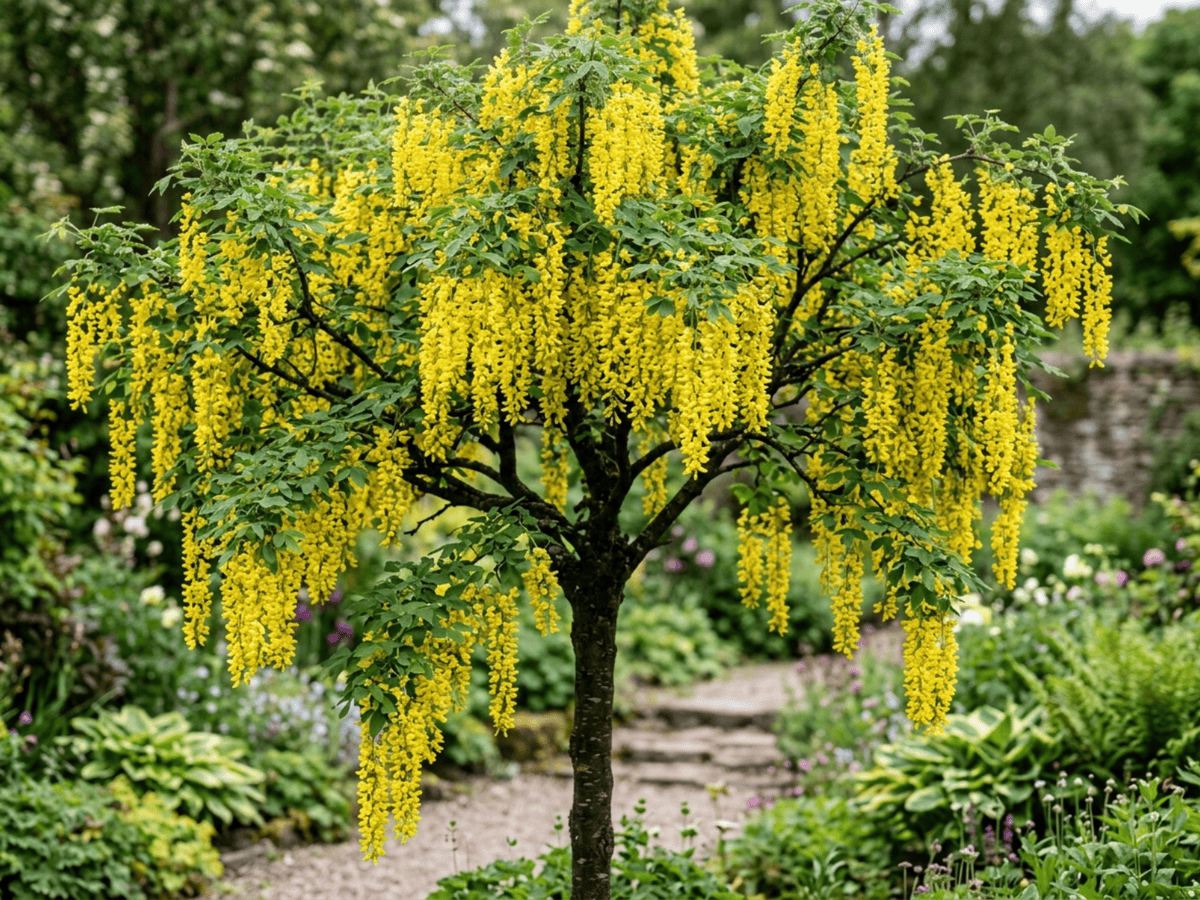
Common Laburnum or Golden Chain Tree is a small European tree growing 15-25 feet tall, smothered in late spring with spectacular 12-inch hanging chains of bright golden-yellow pea-like flowers that cascade like a waterfall of sunshine. Hardy in USDA zones 5-7, it prefers cool summer climates—thriving especially in the Pacific Northwest and Northeast of the United States. One of the most dramatic spring-flowering trees available.
- Pollinator-friendly
How to care for Common Laburnum
Watering
- Springevery 7 days
- Summerevery 5 days
- Fallevery 10 days
- Winterpause watering
Soil · Well-draining
- Top dressingPine bark mulch10%
- Main mixPotting soil + perlite 2:170%
- DrainageLECA / gravel20%
Never skip the drainage layer — standing water is the top cause of root rot.
FERTILIZER
Balanced Feed 14-14-14
An even feed covers all three needs at once, keeping leaves, roots and blooms moving together with nothing pushed out of balance.
- Nitrogen · Leaves
- Phosphorus · Roots + Blooms
- Potassium · Strength
- Springevery 60 days
- Summerevery 60 days
At a Glance
- NativeEurope
- Height15–25 ft (4.6–7.6 m)
- Spread12–20 ft (3.7–6.1 m)
- Flower colorYellow
- Foliage colorGreen
- Fruit colorBrown
- SoilLoamy, Well-drained, Alkaline
- LocationsYard
Bloom time
BLOOM CYCLE
Peak bloom
May–Jun
Golden-yellow hanging chains May to June
Fragrance
LIGHT FRAGRANCE
The flowers have a mild sweet scent.
Toxicity
Humans Toxic · Pets Toxic
cytisine, laburnine, and quinolizidine alkaloids
Toxic
- All
- Ingestion
EXPOSURE Eating any part of the plant.
EFFECT Severe nausea, vomiting, convulsions, coma, and death.
NOTE Documented concern for humans: Severe nausea, vomiting, convulsions, coma, and death.
Toxic
- All
- Ingestion
EXPOSURE Eating any part of the plant.
EFFECT Vomiting, seizures, and cardiac arrest.
NOTE One of the most toxic European garden plants; seeds resemble peas and have killed children. ASPCA-listed severely toxic.
Toxic
- All
- Ingestion
EXPOSURE Eating any part of the plant.
EFFECT Vomiting, seizures, and cardiac arrest.
NOTE One of the most toxic European garden plants; seeds resemble peas and have killed children. ASPCA-listed severely toxic.
Educational information, not medical or veterinary advice. If exposure is suspected, contact a doctor or veterinarian.
DISTRIBUTION

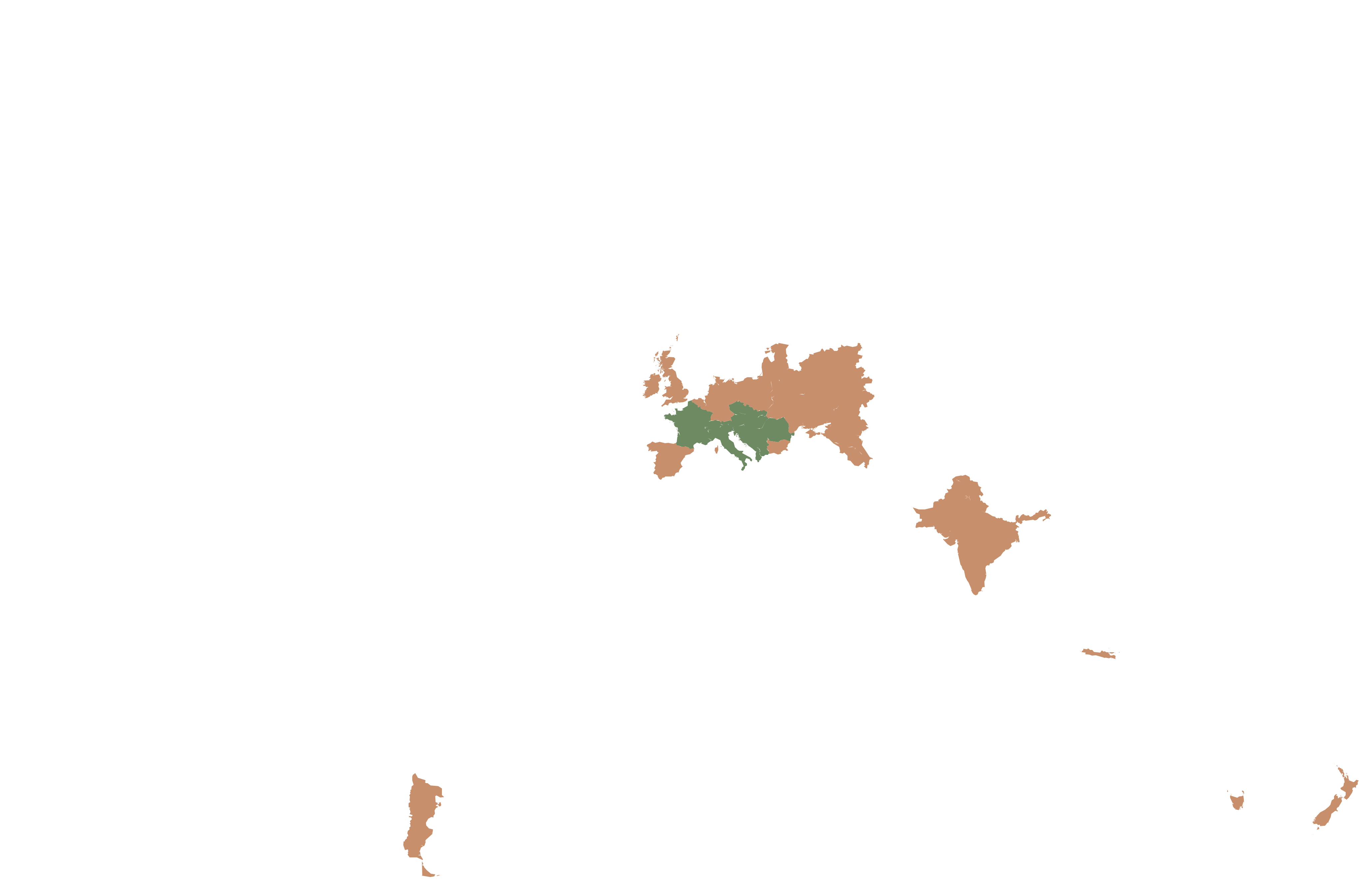
- Native
- Introduced
- Europe
History
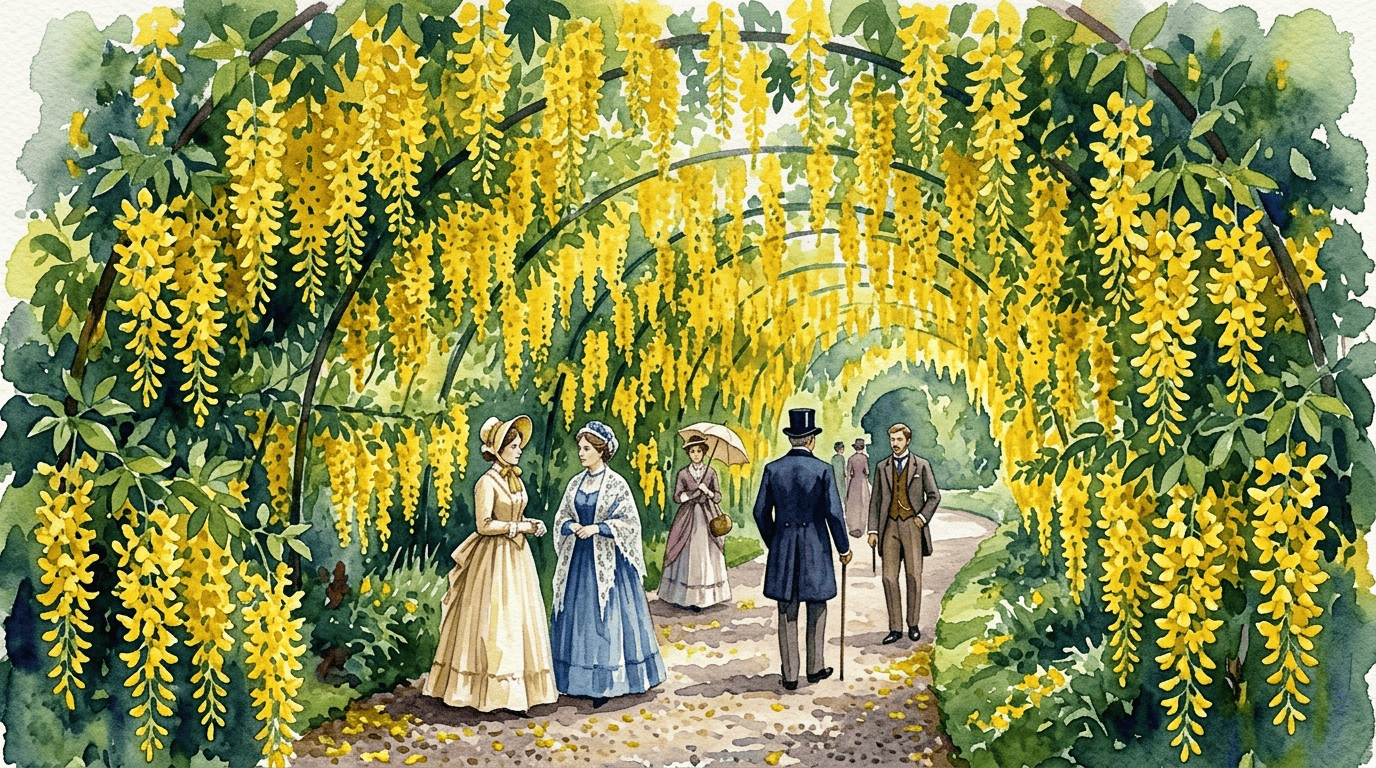
Laburnum anagyroides grows wild in the mountains of central and southern Europe from France through the Alps to the Balkans. Roman authors including Pliny mentioned it, and Mediterranean herbals of the Renaissance catalogued its toxicity. It became a classic European ornamental for its spectacular cascading 12-18 inch pendant racemes of 1-inch pea-like golden-yellow flowers in May-June, like columns of falling gold.
Medik formally named it in 1787. The famous Laburnum Walk at Bodnant Garden in North Wales, planted in 1880 by Henry Pochin, is among the most photographed garden features in the world—a 55-meter tunnel of arched golden chains. All parts of the plant are dangerously toxic, especially the seeds which resemble peas and tempt children.
The hybrid L. x watereri (see next entry) is usually preferred for garden use. The hard yellow-brown heartwood has been prized for wind instruments and inlay work. The dense hard wood—known as 'alpine ebony'—was used historically for inlays and bagpipe parts. Made famous in American gardens by the spectacular Laburnum Walk at Kew Gardens and similar tunnels at Bayleaf Farmstead. Site carefully given high toxicity, especially where children play.
Symbolism & meaning
What It Symbolizes
Common Laburnum is splendor with a locked gate. The long golden racemes are among the most dramatic sights in a spring garden, especially when trained over a pergola like falling sunlight. Yet every part demands distance and respect, making the tree a symbol of beauty that must never be mistaken for innocence.
- Beauty — cascades of golden chains
- Caution — beauty with poisonous potential
Where the Name Comes From
'Laburnum' is the classical Latin name; 'anagyroides' means 'resembling Anagyris'.
Uses & Fun Facts
- Cascading golden flower chains create spectacular spring focal point
- Trained over arches in cool-summer European-style gardens
- Pea-like flowers feed bumblebees in late spring
Related plants
More Laburnum plants
Plants with similar care
 Mexican AbeliaAbelia floribunda
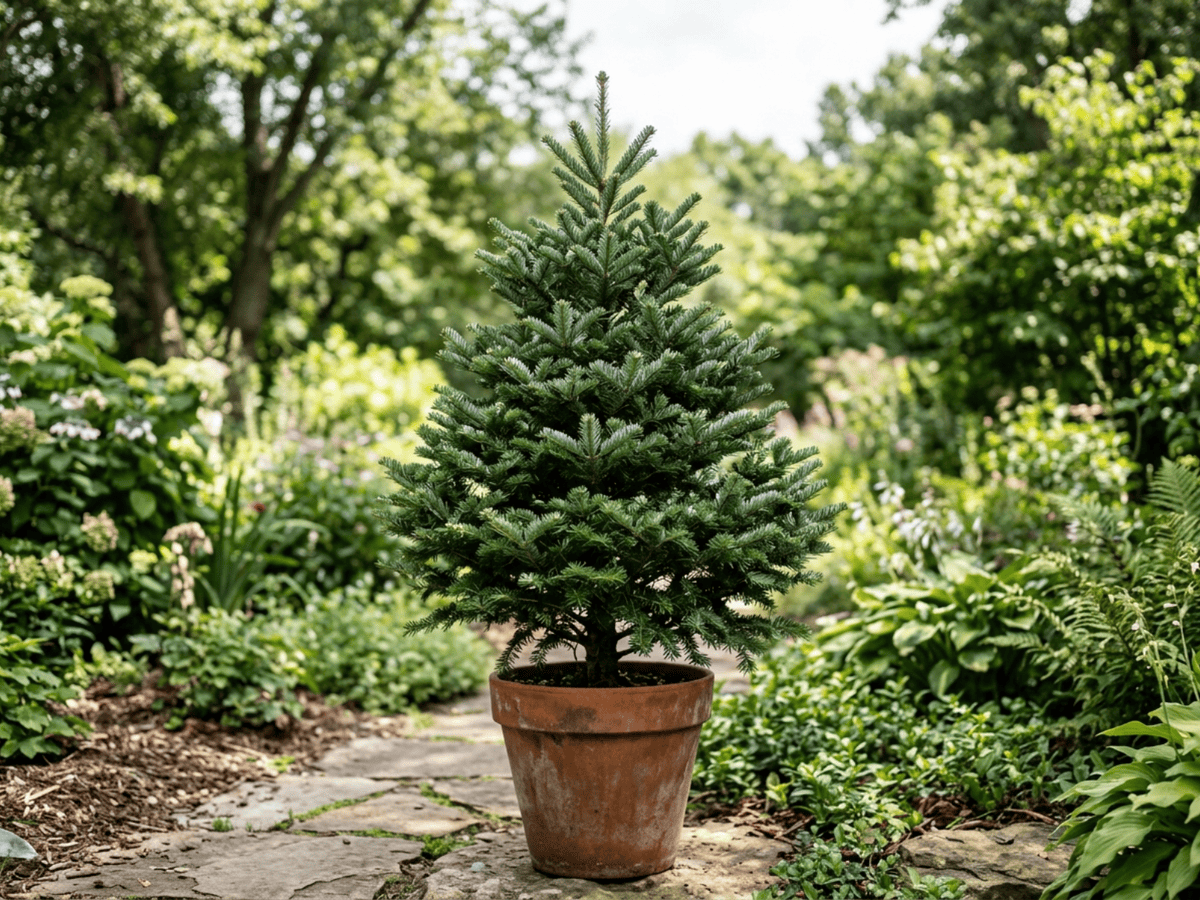 Fraser FirAbies fraseri
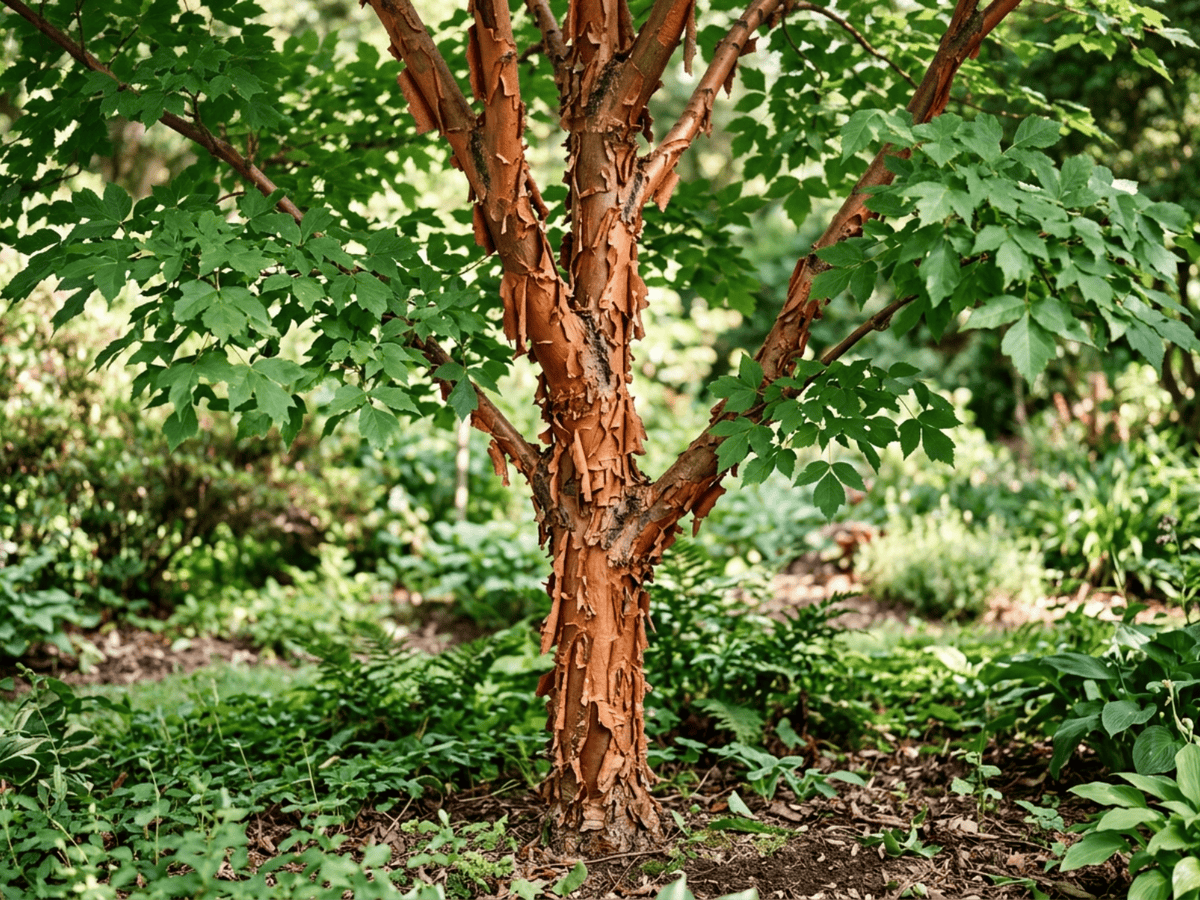 Paperbark MapleAcer griseum
 Sugar MapleAcer saccharum
Frequently asked questions
How often should I water Common Laburnum?
Water about every 7 days during the growing season, and always let excess water drain away.
How much light does Common Laburnum need?
Full sun: 6+ hrs direct. Watch the leaves — scorching or stretching means the light needs adjusting.
Is Common Laburnum toxic to cats or dogs?
Pets Toxic (Dogs Toxic · Cats Toxic) Educational information, not medical or veterinary advice. If exposure is suspected, contact a doctor or veterinarian.
Is Common Laburnum easy to grow?
It is moderately demanding: a good choice once you have a little experience.
When does Common Laburnum bloom?
It typically blooms May–Jun in the Northern Hemisphere.
YardMate
Identify any plant in seconds
Snap a photo — YardMate names the plant, diagnoses problems, and reminds you when to water.
Download on the App Store