 YardMate
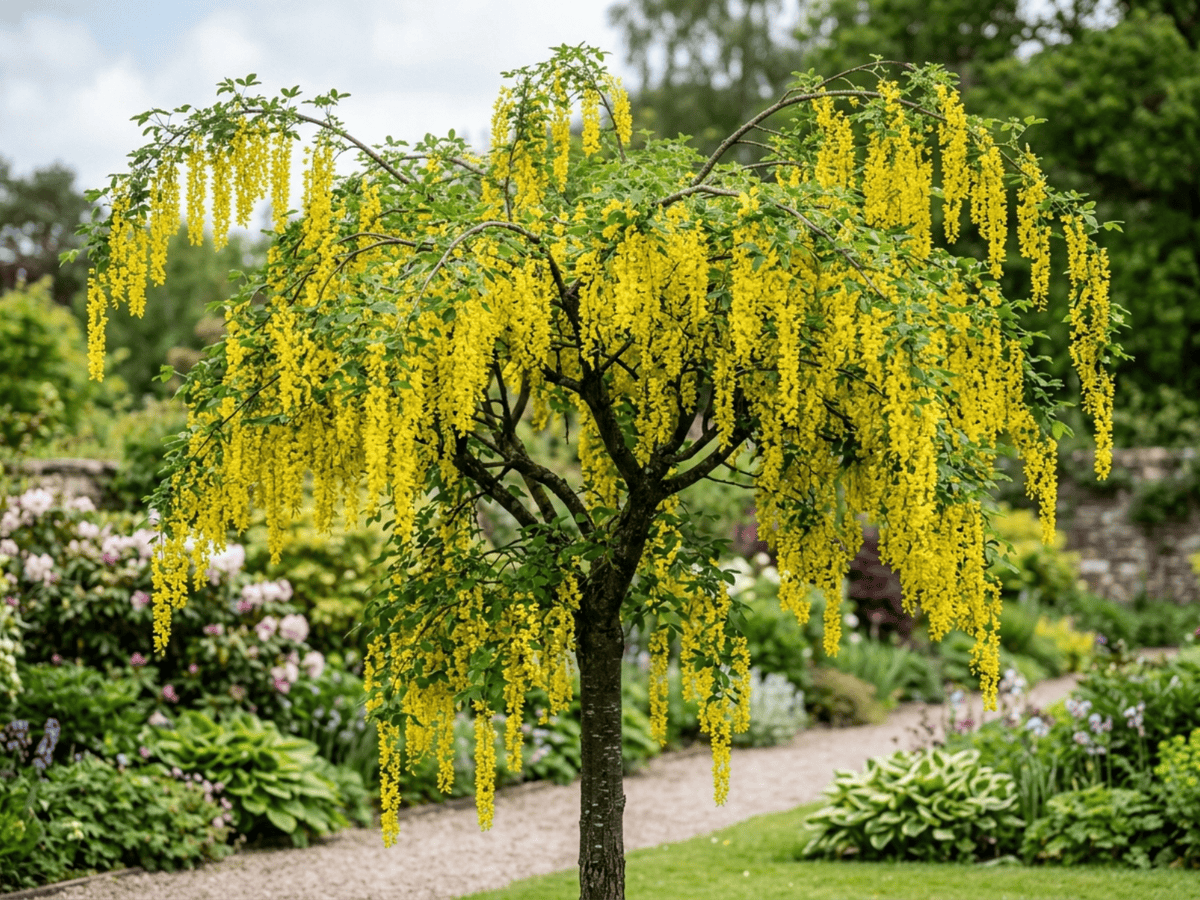


Golden Chain Tree
Laburnum x watereri
Medium · Some experienceAbout Golden Chain Tree
Voss's Golden Chain Tree is a superior hybrid laburnum with longer 18-24 inch flower chains and improved vigor compared to its parents (L. anagyroides × L. alpinum). Growing 15-25 feet tall, it produces the most dramatic cascades of golden-yellow spring flowers available in small ornamental trees. Hardy in USDA zones 5-7 and the form of choice for the iconic laburnum tunnel walkways in gardens like the Bayleaf Farmstead and RHS Rosemoor in the UK and American counterparts.
- Pollinator-friendly
How to care for Golden Chain Tree
Watering
- Springevery 7 days
- Summerevery 5 days
- Fallevery 10 days
- Winterpause watering
Soil · Well-draining
- Top dressingPine bark mulch10%
- Main mixPotting soil + perlite 2:170%
- DrainageLECA / gravel20%
Never skip the drainage layer — standing water is the top cause of root rot.
FERTILIZER
Balanced Feed 14-14-14
An even feed covers all three needs at once, keeping leaves, roots and blooms moving together with nothing pushed out of balance.
- Nitrogen · Leaves
- Phosphorus · Roots + Blooms
- Potassium · Strength
- Springevery 60 days
- Summerevery 60 days
At a Glance
- Height15–25 ft (4.6–7.6 m)
- Spread12–20 ft (3.7–6.1 m)
- Flower colorYellow
- Foliage colorGreen
- SoilLoamy, Well-drained, Alkaline
- LocationsYard
Bloom time
BLOOM CYCLE
Peak bloom
May–Jun
Golden-yellow 18-inch hanging chains May to June
Fragrance
LIGHT FRAGRANCE
The flowers have a mild sweet scent.
Toxicity
Humans Toxic · Pets Toxic
cytisine and quinolizidine alkaloids
Toxic
- All
- Ingestion
EXPOSURE Eating any part of the plant.
EFFECT Severe nausea, convulsions, coma, and death.
NOTE Documented concern for humans: Severe nausea, convulsions, coma, and death.
Toxic
- All
- Ingestion
EXPOSURE Eating any part of the plant.
EFFECT Vomiting, seizures, and cardiac arrest.
NOTE Extremely toxic like parent species; ASPCA-listed.
Toxic
- All
- Ingestion
EXPOSURE Eating any part of the plant.
EFFECT Vomiting, seizures, and cardiac arrest.
NOTE Extremely toxic like parent species; ASPCA-listed.
Educational information, not medical or veterinary advice. If exposure is suspected, contact a doctor or veterinarian.
DISTRIBUTION


- Native
- Introduced
History
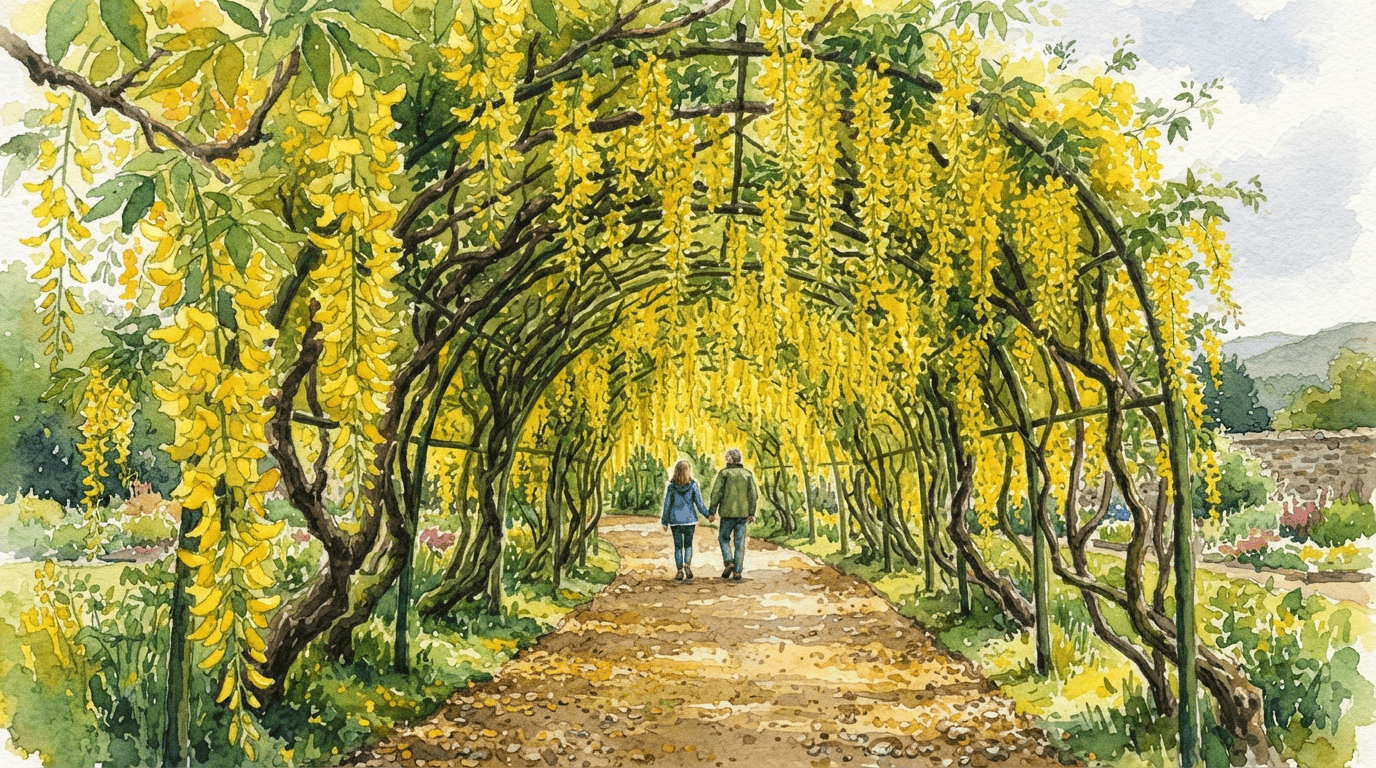
Laburnum x watereri is a hybrid of L. anagyroides (common laburnum) and L. alpinum (Scotch laburnum) developed at the Waterer family's Knap Hill Nursery in Surrey, England, in the mid-19th century. The nothospecies name was formally published in 1864. Its most celebrated cultivar 'Vossii', raised in the Netherlands around 1869 by J.H. Voss, produces flower racemes reaching 18-24 inches—significantly longer than either parent—and remains the standard commercial laburnum across temperate horticulture.
The famous Laburnum Arch at Bodnant Garden in North Wales uses 'Vossii'. The hybrid retains the extreme toxicity of its parents.
Compared to pure L. anagyroides, the hybrid is more disease-resistant and self-sterile, producing fewer of the dangerous seedpods. Pairing laburnum arches with Allium christophii or giganteum planted below creates the iconic purple-and-gold pairing popularized at Van Dusen Botanical Garden and other public gardens. Famous tunnels created using trained specimens on curved pergolas—the Bodnant Laburnum Arch in Wales inspires such features worldwide.
Symbolism & meaning
What It Symbolizes
The Golden Chain Tree can symbolize splendour, the longest, brightest cascades of yellow blossom in its entire genus draping over arch and walk. Another layer is transcendence, for to walk beneath a laburnum tunnel in full bloom is to feel the world briefly turn entirely golden, footstep, light and air aligned. In the formal garden it has become the chosen tree of the romantic walkway, a passage that turns ordinary visitors, briefly, into pilgrims.
- Splendor — the longest golden chains of the genus
- Transcendence — walking beneath a laburnum tunnel feels otherworldly
Where the Name Comes From
The common name highlights its golden coloring. 'Waterer' honors the Waterer family of British nurserymen.
Uses & Fun Facts
- Golden chain flowers attract bumblebees in late spring
- Trained over arches as cascading golden flower tunnels
- Pendant yellow racemes drape from arching branches
Related plants
More Laburnum plants
Plants with similar care
 Mexican AbeliaAbelia floribunda
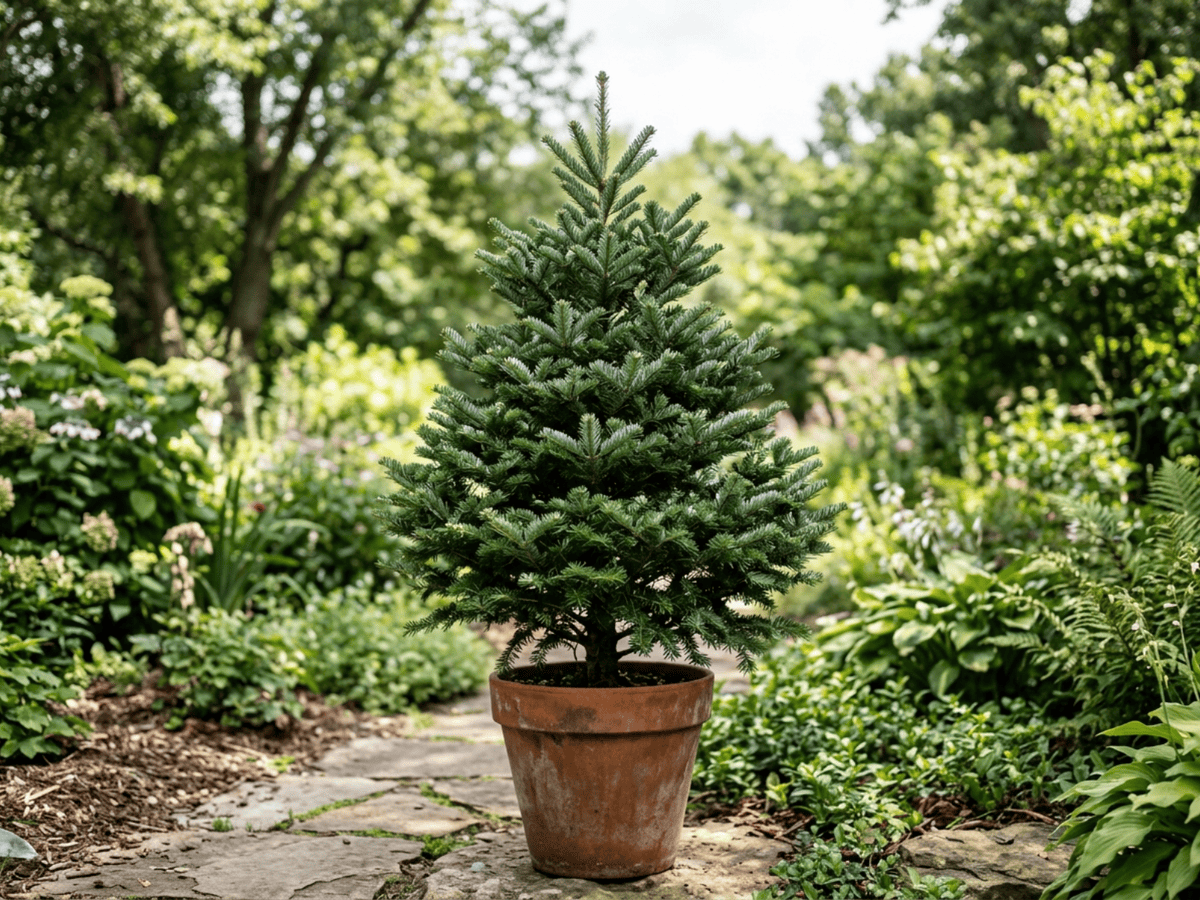 Fraser FirAbies fraseri
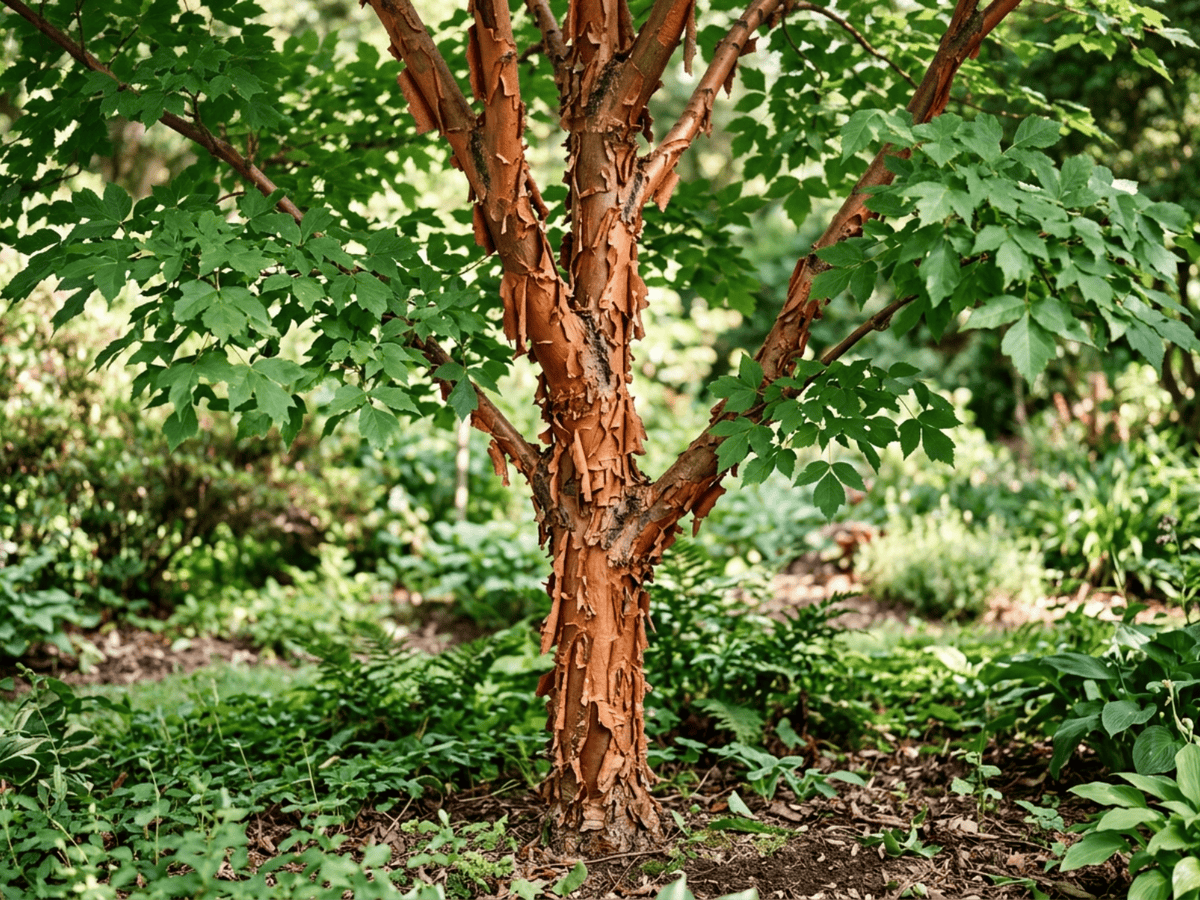 Paperbark MapleAcer griseum
 Sugar MapleAcer saccharum
Frequently asked questions
How often should I water Golden Chain Tree?
Water about every 7 days during the growing season, and always let excess water drain away.
How much light does Golden Chain Tree need?
Full sun: 6+ hrs direct. Watch the leaves — scorching or stretching means the light needs adjusting.
Is Golden Chain Tree toxic to cats or dogs?
Pets Toxic (Dogs Toxic · Cats Toxic) Educational information, not medical or veterinary advice. If exposure is suspected, contact a doctor or veterinarian.
Is Golden Chain Tree easy to grow?
It is moderately demanding: a good choice once you have a little experience.
When does Golden Chain Tree bloom?
It typically blooms May–Jun in the Northern Hemisphere.
YardMate
Identify any plant in seconds
Snap a photo — YardMate names the plant, diagnoses problems, and reminds you when to water.
Download on the App Store