 YardMate


Henbit Deadnettle
Lamium amplexicaule
Easy · Beginner friendlyAbout Henbit Deadnettle
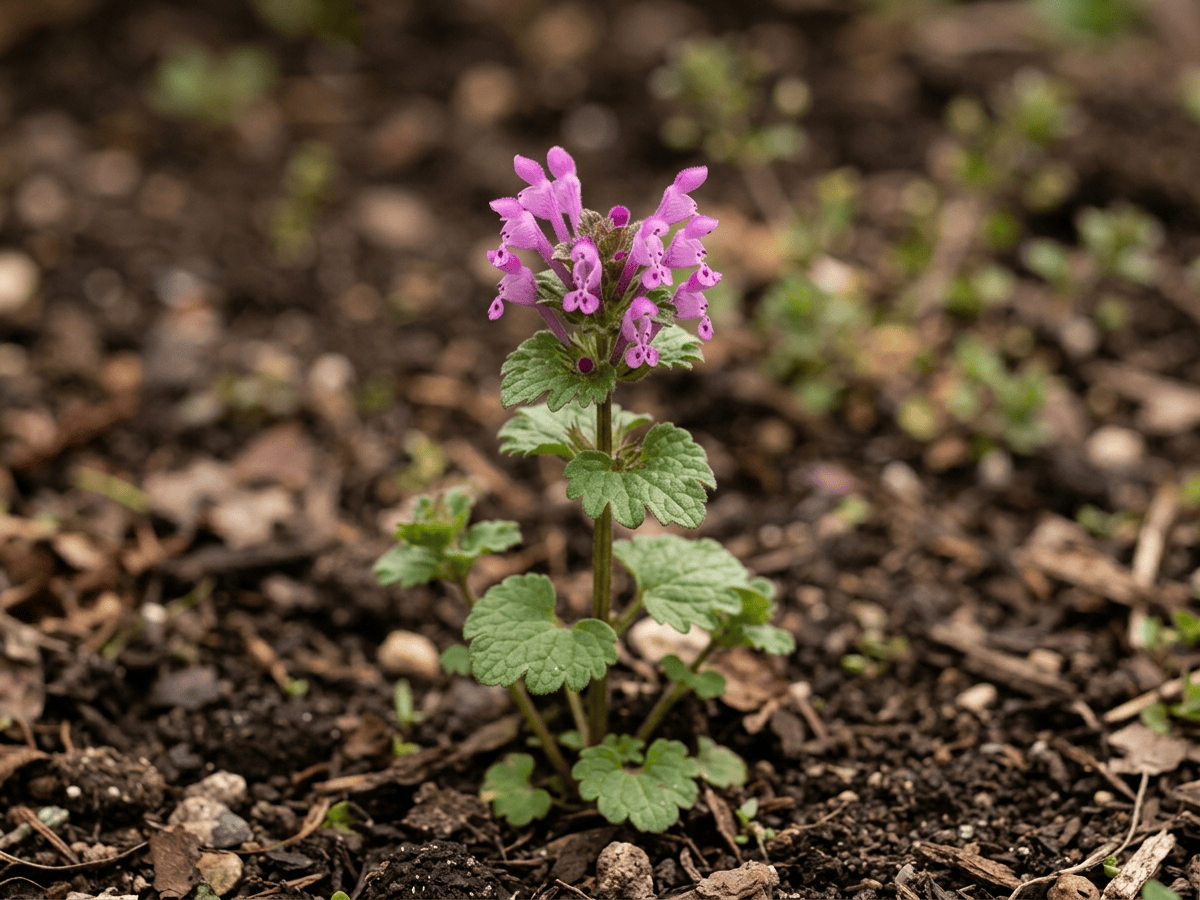
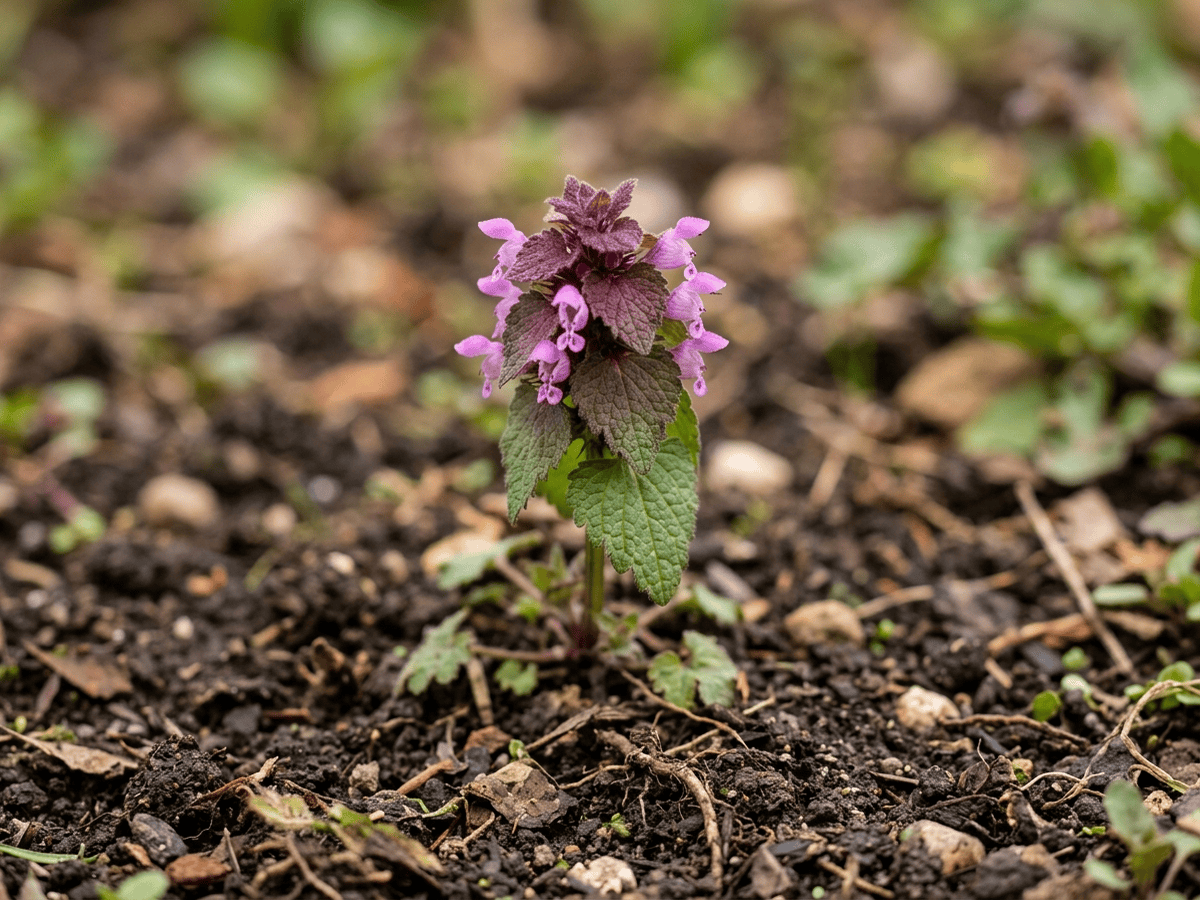
Henbit is a close cousin of purple deadnettle, a European winter annual mint naturalized across the US with square stems, rounded scalloped leaves that clasp the stem, and conspicuous long pink-purple tubular flowers in whorls. Invades fall-plowed crop fields, lawns, and gardens, carpeting large areas in early spring with purple-pink blooms. Also fully edible and an important early bee forage plant.
- Edible
- Pollinator-friendly
How to care for Henbit Deadnettle
Watering
- Springevery 7 days
- Summerevery 5 days
- Fallevery 10 days
- Winterevery 14 days
Soil · Rich & well-draining
- Top dressingCompost10%
- Main mixPotting soil + compost 3:180%
- DrainageGravel10%
Top up the compost layer each season.
FERTILIZER
This plant needs little to no feeding.
At a Glance
- NativeEurope, Africa, Western Asia
- Height0.5–1 ft (0.2–0.3 m)
- Spread0.5–1 ft (0.2–0.3 m)
- Flower colorPurple, Pink
- Foliage colorGreen
- Fruit colorBrown
- SoilWell-drained, Loamy
- LocationsYard
Bloom time
BLOOM CYCLE
Peak bloom
Mar–May
Long pink-purple tubular flowers in whorls in early spring
Toxicity
No toxicity has been reported for this plant. Still, it is wise to keep pets from chewing on any houseplant.
Educational information, not medical or veterinary advice. If exposure is suspected, contact a doctor or veterinarian.
DISTRIBUTION

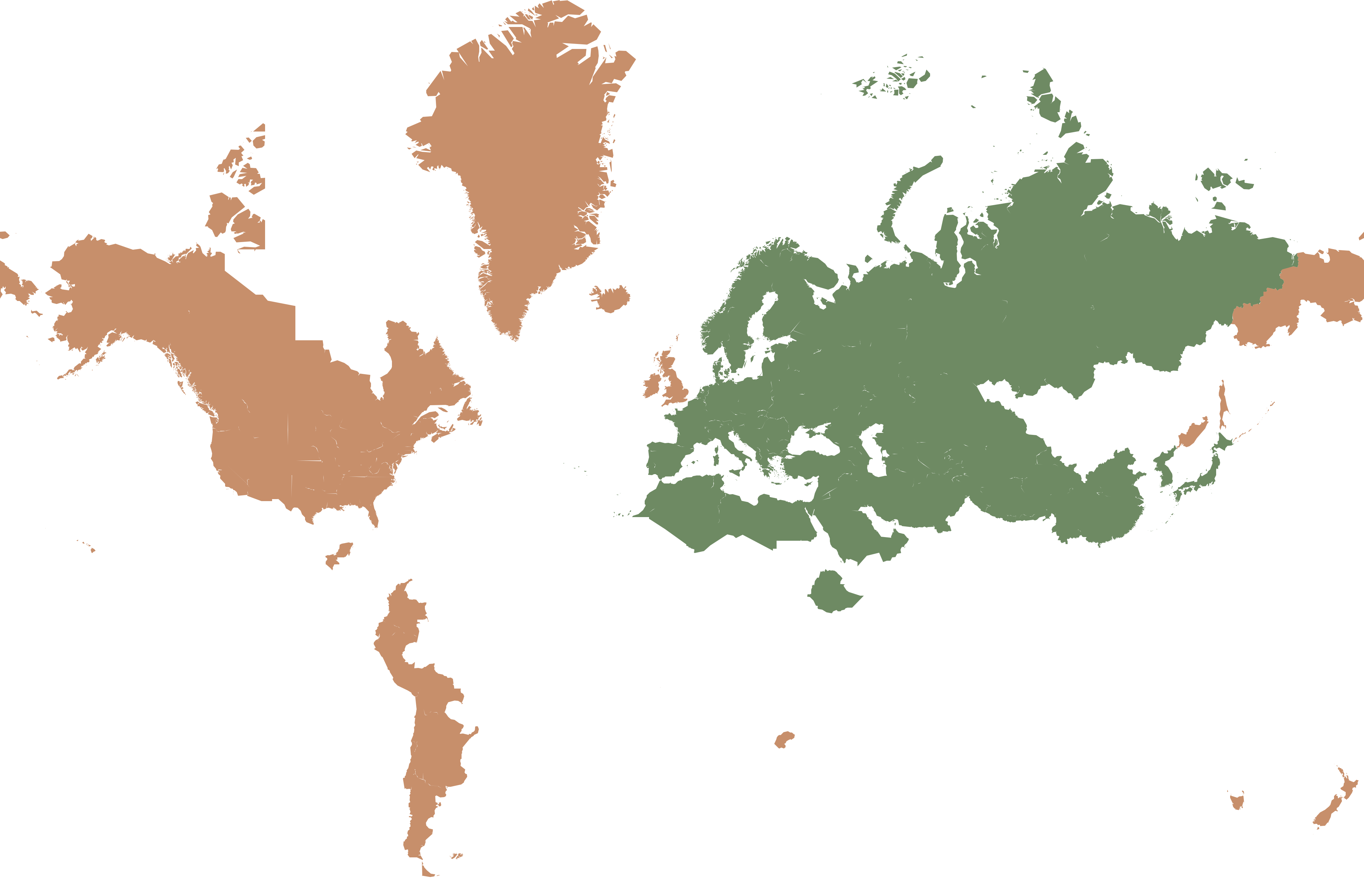
- Native
- Introduced
- Europe
- Africa
- Western Asia
History
Lamium amplexicaule grows natively across Europe, North Africa, and western Asia. Linnaeus described it in Species Plantarum (1753); the epithet amplexicaule means 'clasping the stem', referring to the round upper leaves. A cool-season annual, it germinates in fall, overwinters as a green rosette, and bolts into pink-purple flowering stems in early spring.
It is one of the most recognizable early-spring weeds in US row crops, lawns, and winter grain fields, visible as extensive purple blooms in March and April. In Japan, where it is called hotoke-no-za, it is one of the seven herbs of the spring nanakusa festival although the name formally belongs to Lapsana apogonoides in older texts.
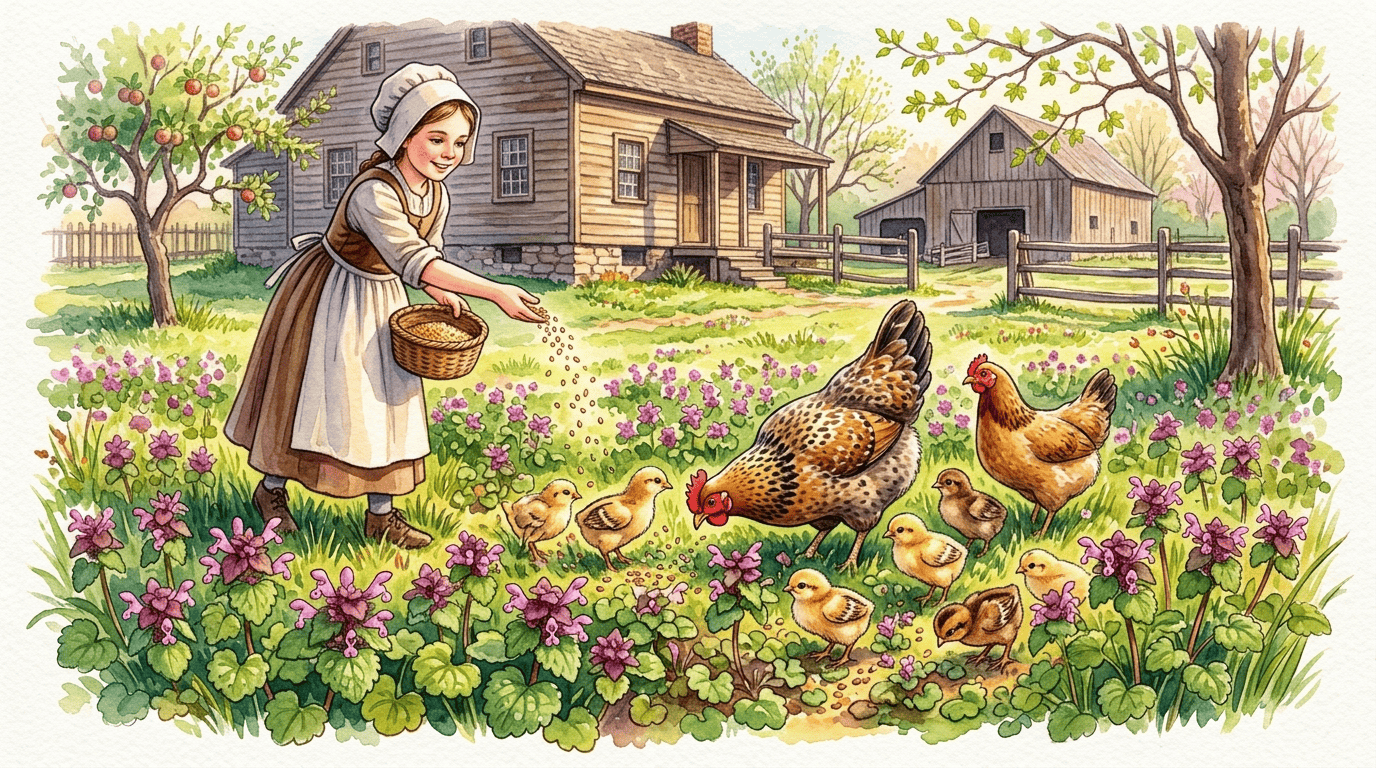
It provides crucial early-season nectar for emerging honey bees, bumblebees, and flower flies. The common name comes from its use as chicken forage in traditional European and early American farmyards. One of the signature early-spring weeds carpeting US farm country with pink bloom in March and April.
Symbolism & meaning
What It Symbolizes
Henbit Deadnettle turns winter-bare fields into pink spring carpets, one of the earliest blooms welcomed by hungry bees emerging from cold. Its older country meaning is the chicken plant — a traditional forage that farmsteads scattered to their flocks in late winter. Its lesson is ecological: even a so-called weed has its season, its pollinators, and its long quiet usefulness to those who notice.
- Spring carpets — turns fields pink in early spring
- Chicken plant — traditional forage for farm chickens
Where the Name Comes From
'amplexicaule' from Latin means stem-clasping, for the rounded leaves that wrap around the stem distinguishing it from purple deadnettle.
Uses & Fun Facts
- Tender young tops eaten as wild salad green
- Early purple flowers feed emerging bees in late winter
Related plants
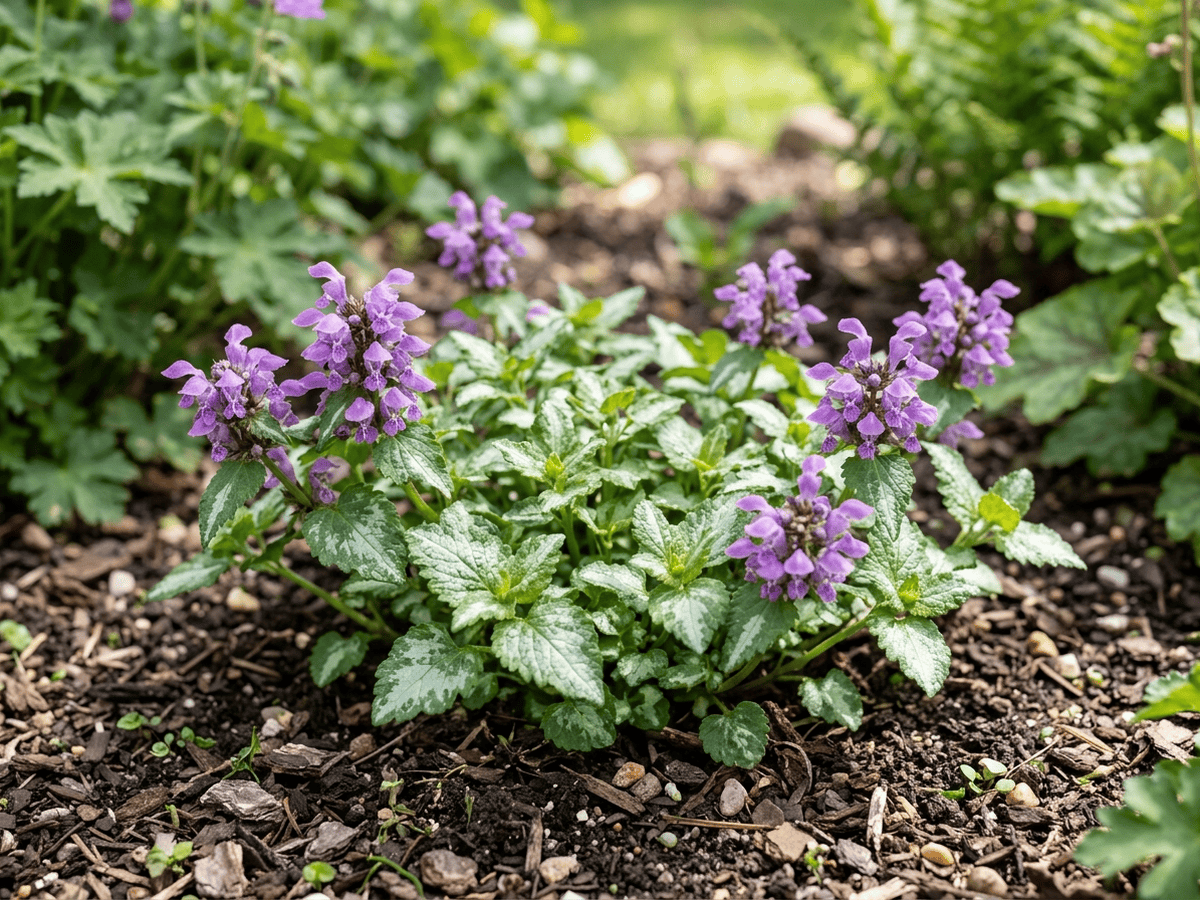
More Lamium plants

Plants with similar care
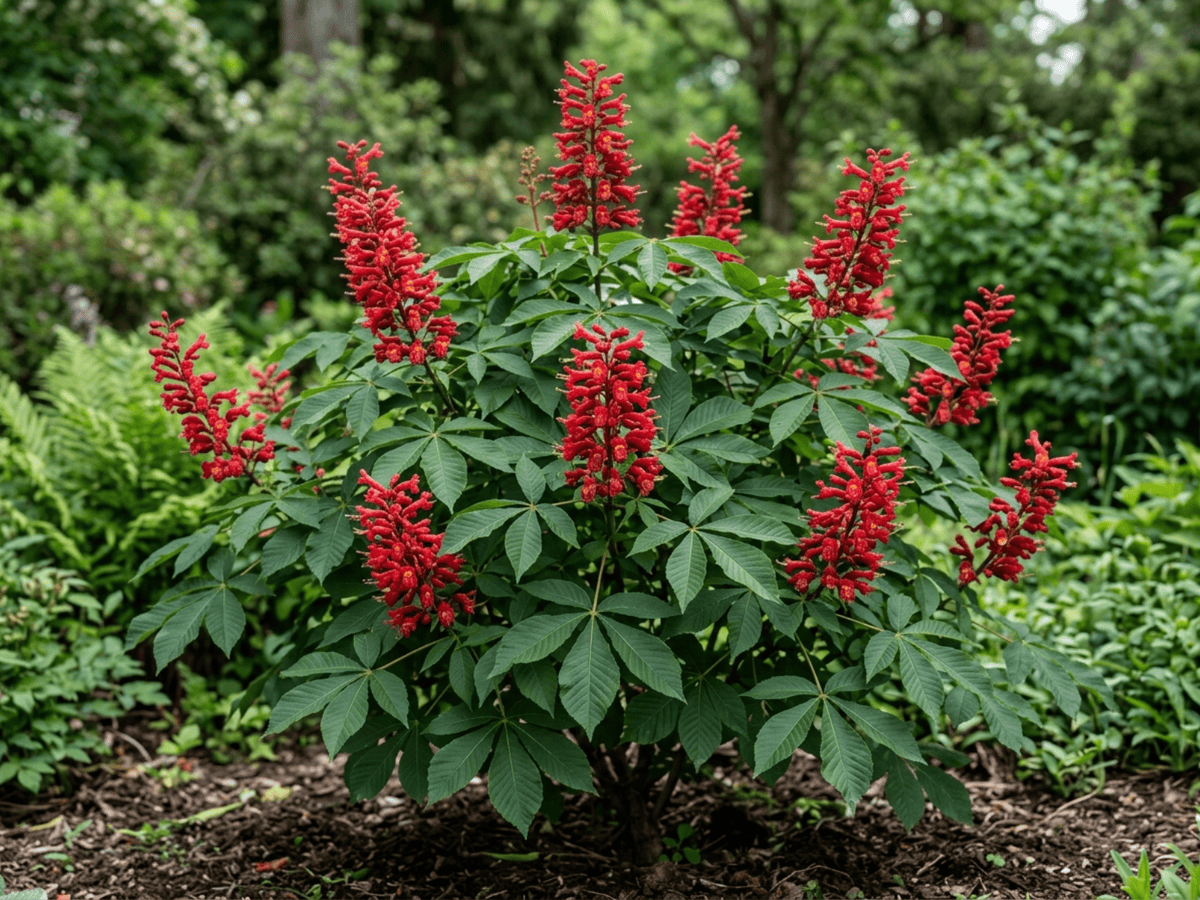 Red BuckeyeAesculus pavia
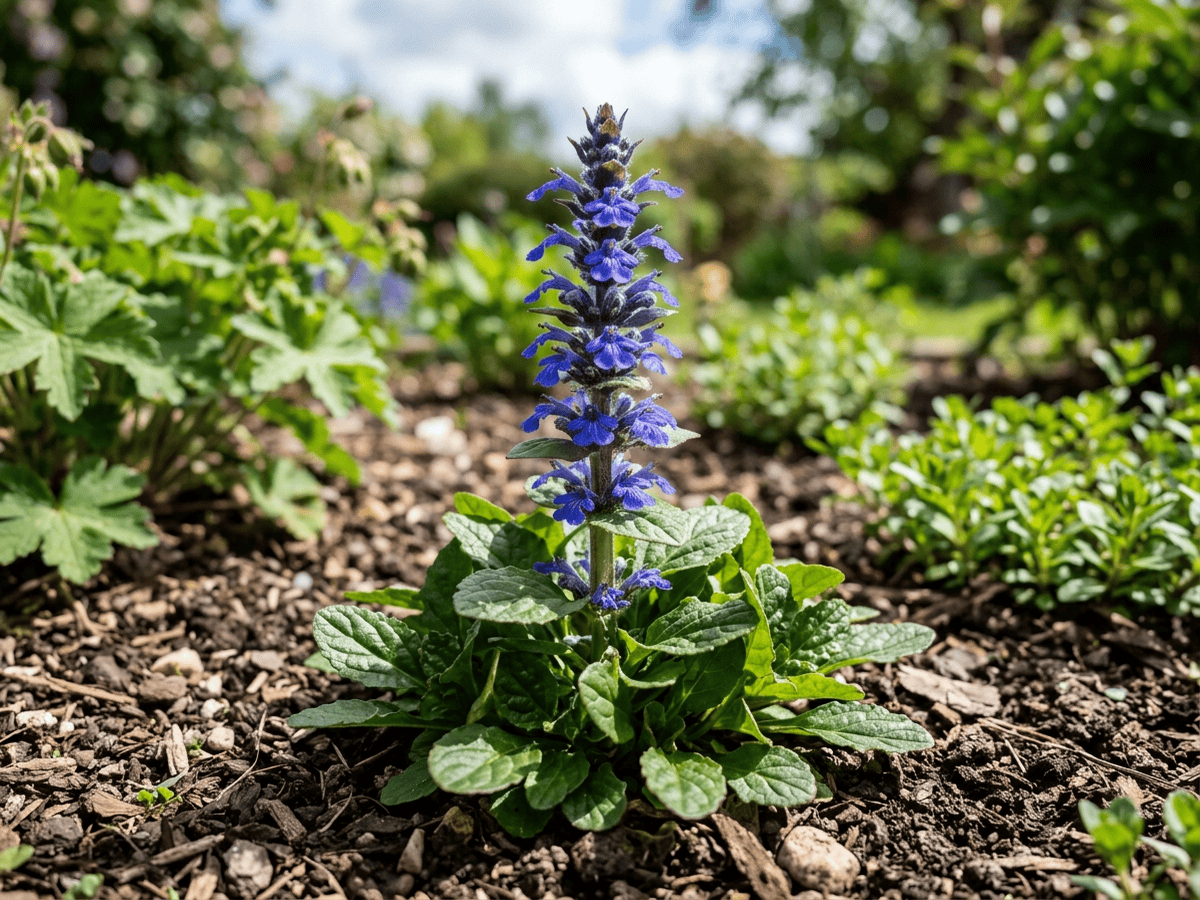 Blue BugleAjuga genevensis
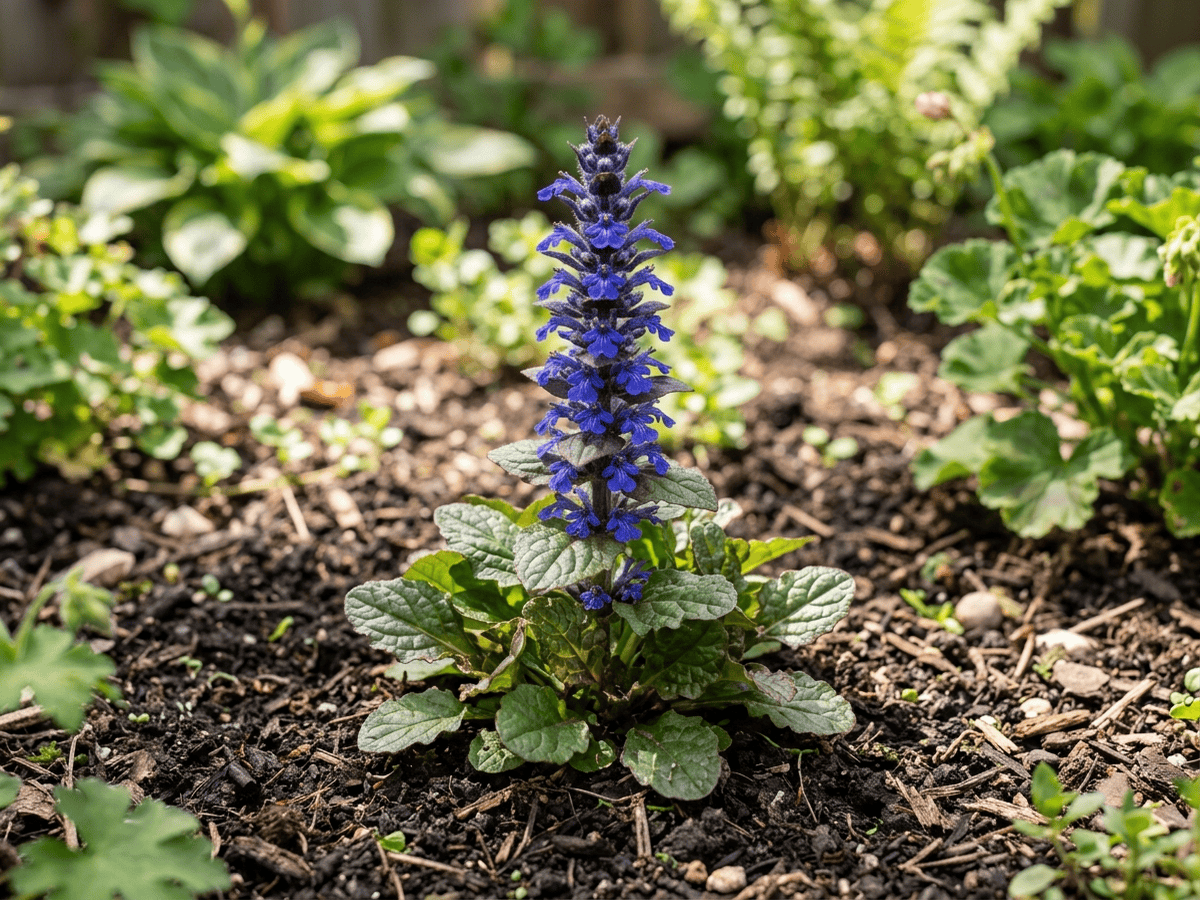 Pyramidal BugleAjuga pyramidalis
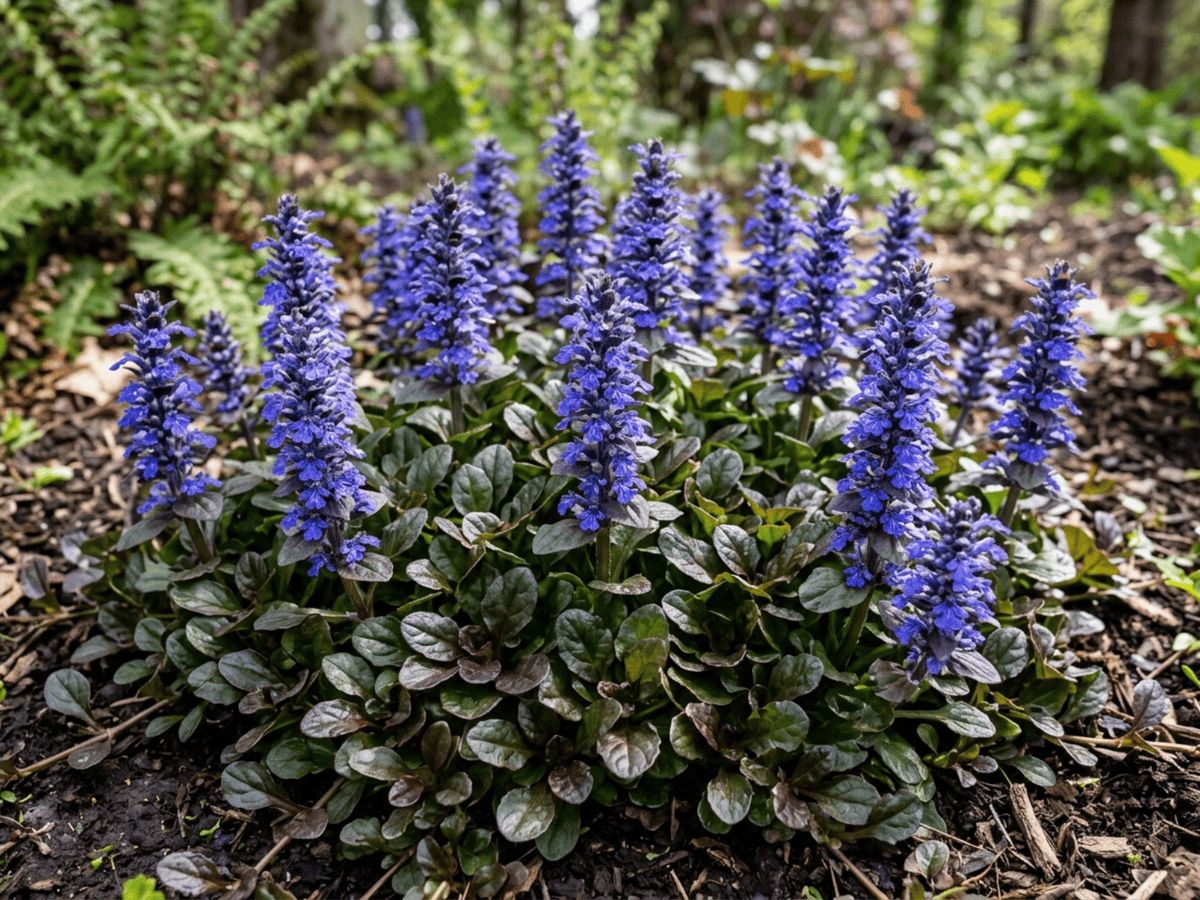 Carpet BugleAjuga reptans
Frequently asked questions
How often should I water Henbit Deadnettle?
In summer, water about every 5 days; in winter, about every 14 days. Adjust for heat, pot size and drainage.
How much light does Henbit Deadnettle need?
Part shade: 2–4 hrs direct. Watch the leaves — scorching or stretching means the light needs adjusting.
Is Henbit Deadnettle toxic to cats or dogs?
No toxicity has been reported for this plant. Still, it is wise to keep pets from chewing on any houseplant. Educational information, not medical or veterinary advice. If exposure is suspected, contact a doctor or veterinarian.
Is Henbit Deadnettle easy to grow?
Yes — it is considered an easy, beginner-friendly plant.
When does Henbit Deadnettle bloom?
It typically blooms Mar–May in the Northern Hemisphere.
YardMate
Identify any plant in seconds
Snap a photo — YardMate names the plant, diagnoses problems, and reminds you when to water.
Download on the App Store