 YardMate


Red Deadnettle
Lamium purpureum
Easy · Beginner friendlyAbout Red Deadnettle
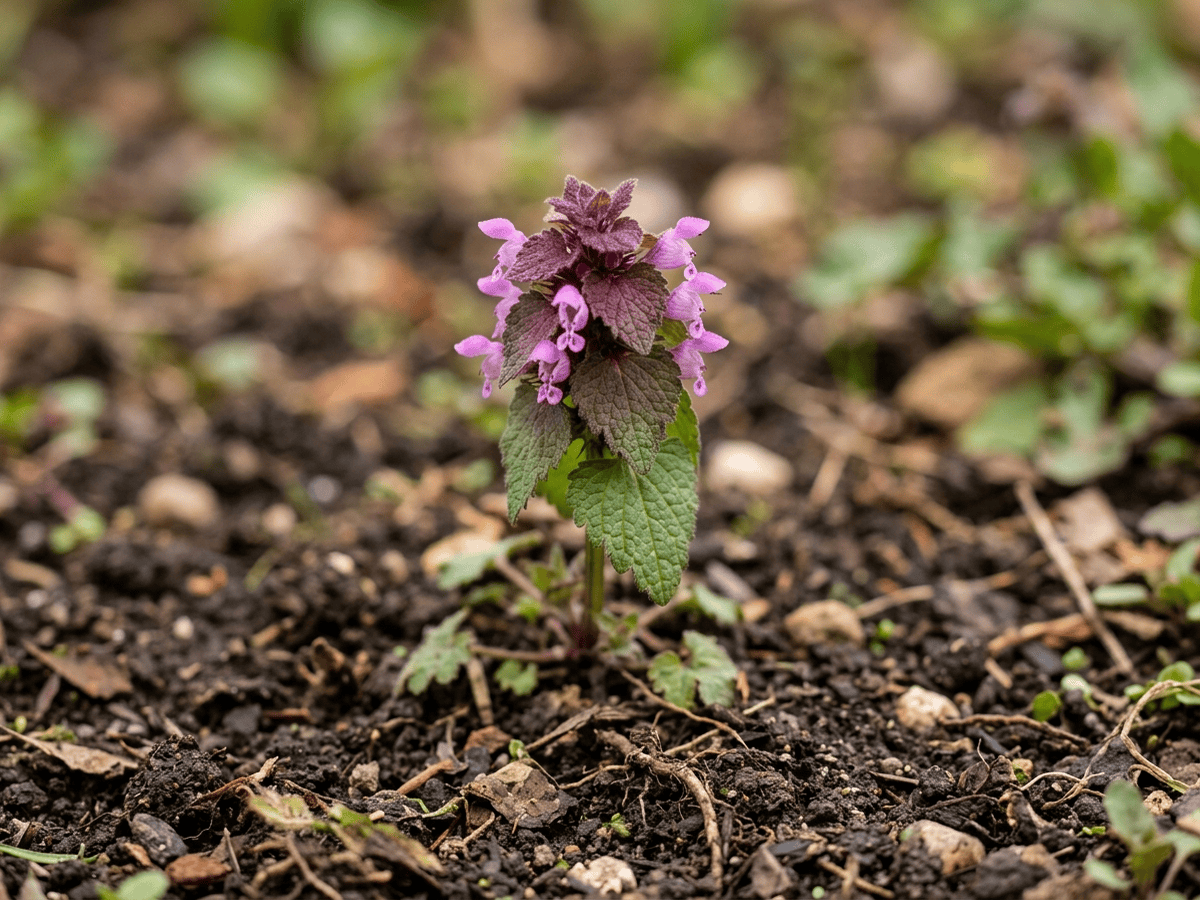
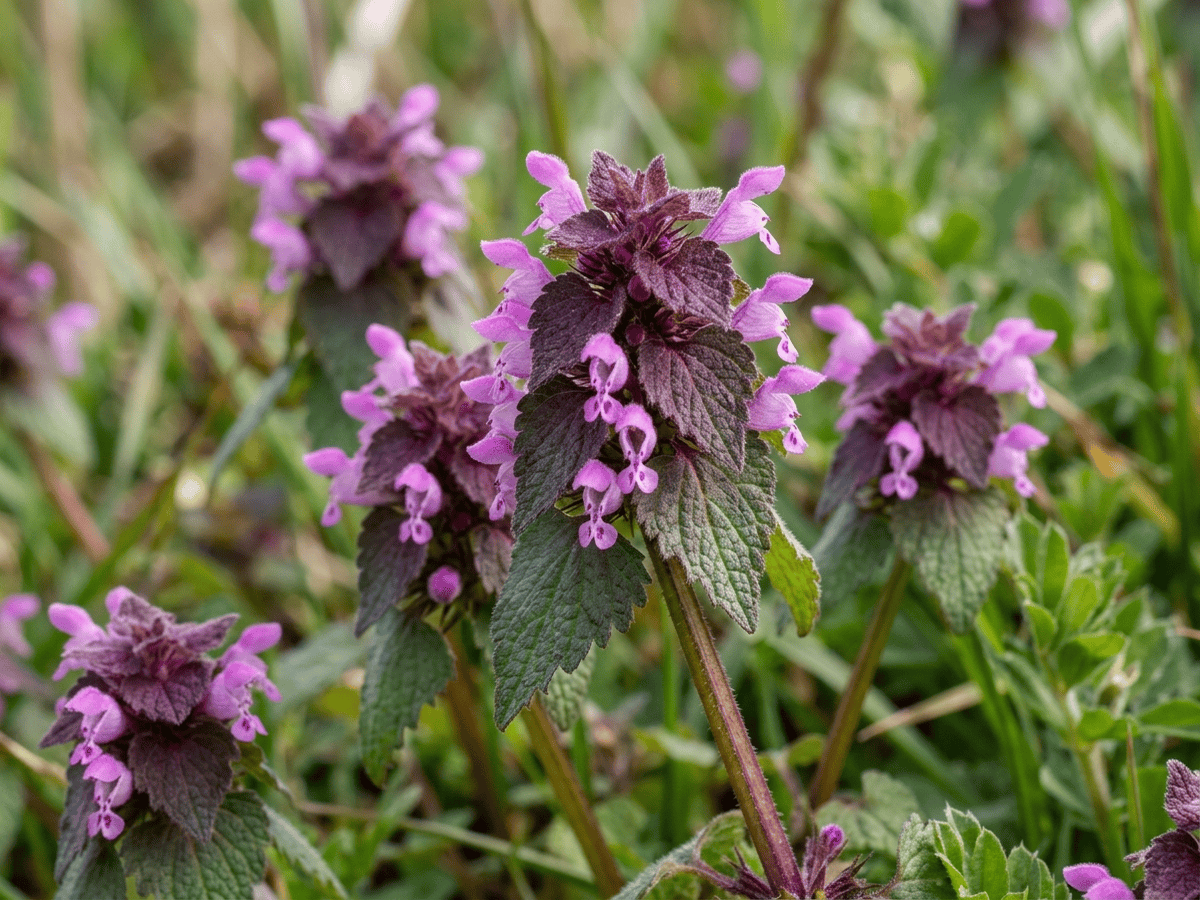
Purple Deadnettle is a European annual mint naturalized throughout the US, emerging in early spring with distinctive square stems, heart-shaped leaves flushed purple toward the top, and small pink-purple tubular flowers nested among the upper leaves. Forms quick dense colonies in lawns, gardens, and farm fields before disappearing in summer. Related to mint but lacking stinging hairs despite the nettle name. Important early-spring bee forage and is fully edible.
- Edible
- Pollinator-friendly
How to care for Red Deadnettle
Watering
- Springevery 7 days
- Summerevery 5 days
- Fallevery 10 days
- Winterevery 14 days
Soil · Rich & well-draining
- Top dressingCompost10%
- Main mixPotting soil + compost 3:180%
- DrainageGravel10%
Top up the compost layer each season.
FERTILIZER
This plant needs little to no feeding.
At a Glance
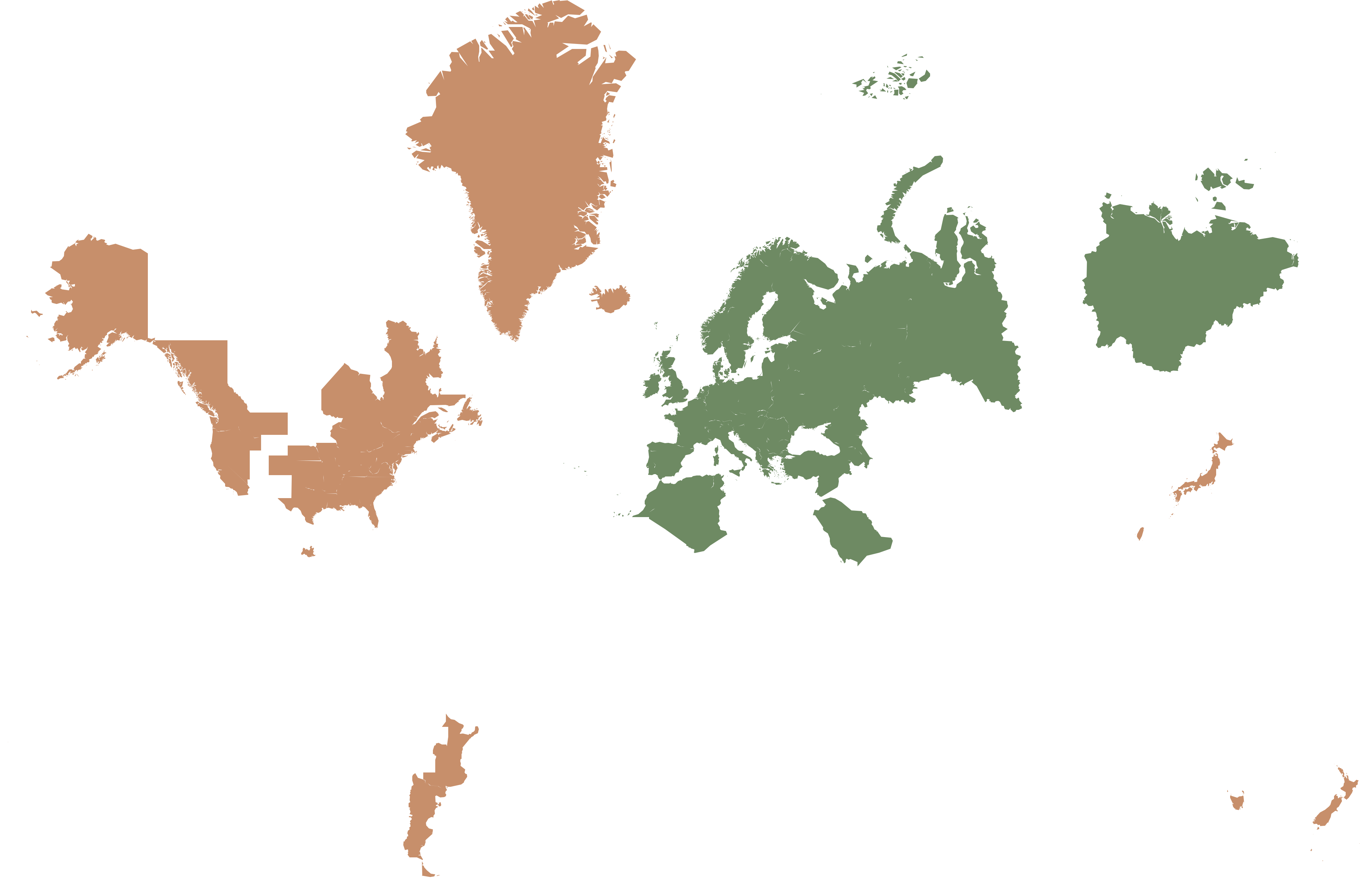
- NativeEurope, Western Asia
- Height0.3–1 ft (0.1–0.3 m)
- Spread0.5–1 ft (0.2–0.3 m)
- Flower colorPurple, Pink
- Foliage colorGreen, Purple
- Fruit colorBrown
- SoilMoisture-retentive, Loamy, Well-drained
- LocationsYard
Bloom time
BLOOM CYCLE
Peak bloom
Mar–May
Pink-purple tubular flowers among top leaves in early spring
Fragrance
LIGHT FRAGRANCE
Foliage faintly resinous when crushed.
Toxicity
No toxicity has been reported for this plant. Still, it is wise to keep pets from chewing on any houseplant.
Educational information, not medical or veterinary advice. If exposure is suspected, contact a doctor or veterinarian.
DISTRIBUTION

- Native
- Introduced
- Europe
- Western Asia
History
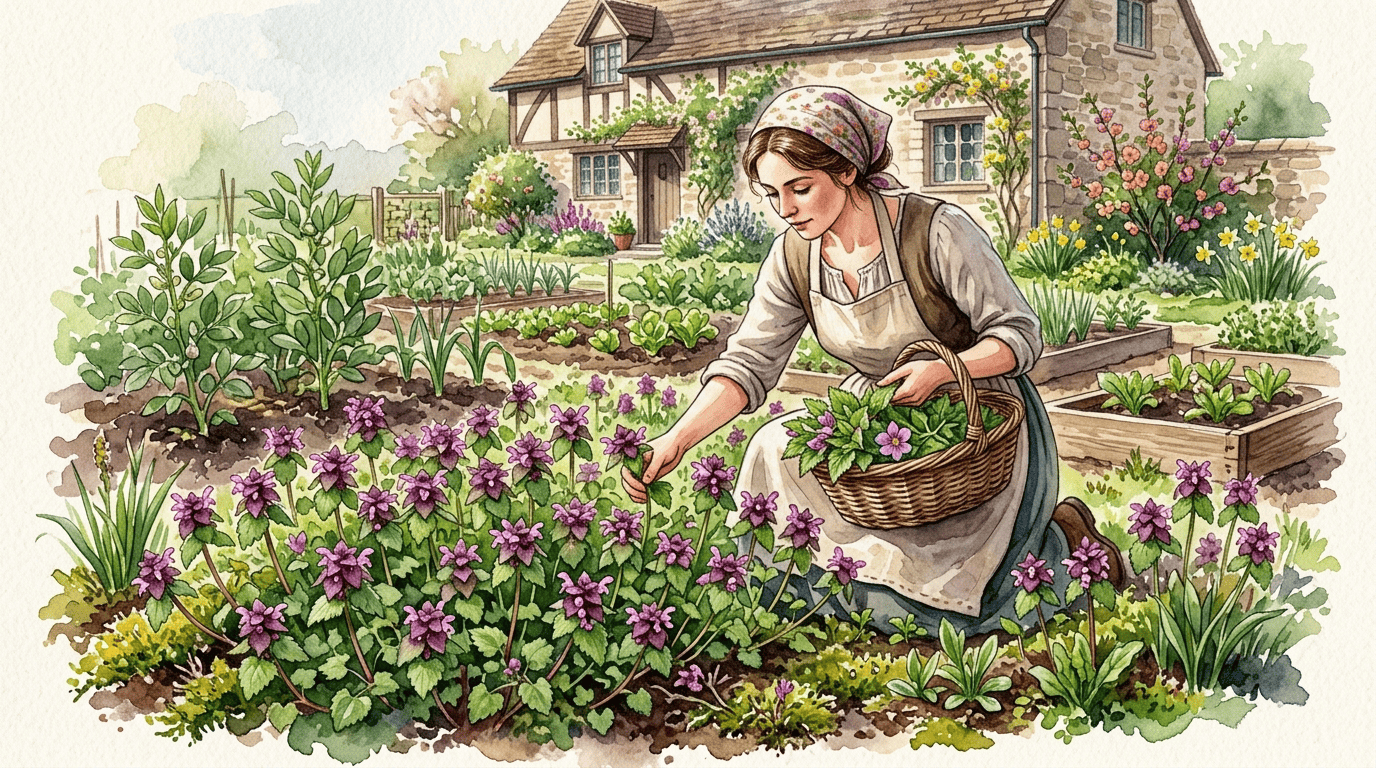
Lamium purpureum grows natively across Europe and western Asia and has spread globally as a cool-season annual of lawns, fields, and disturbed ground. Linnaeus described it in Species Plantarum (1753). The 'dead' in deadnettle refers to the lack of stinging hairs despite superficial resemblance to true nettle (Urtica).
It has been eaten as a wild spring green in Europe for millennia — young leaves and flowers have a mild earthy flavor, and the tops were sometimes added to potherbs and spring tonics. Modern chefs occasionally use the purple flowers for garnish. The species is increasingly valued in conservation contexts as an early-blooming nectar source for emerging bumblebee queens, and some gardeners now tolerate it in lawns and orchards for its pollinator benefit.
Native to Europe and western Asia, introduced to North America in colonial times. Has dramatically expanded across American farm country since the 1990s with the rise of no-till agriculture, making it one of the most visible spring weeds in crop fields. Celebrated by modern foragers as one of the first abundant spring wild edibles.
Symbolism & meaning
What It Symbolizes
Red Deadnettle is an Early gift — carpeting fallow fields and garden edges with rosy-purple hooded flowers when little else has stirred. Despite its appearance it is the Safe nettle, looking like its stinging cousin yet harmless to touch and even edible. A flower that turns bare early-spring ground into a quiet welcome.
- Early gift — carpets fields in earliest spring
- Safe nettle — looks like nettle but is harmless and edible
Where the Name Comes From
The common name highlights its red coloring. 'Lamium' from Greek 'laimos' meaning throat, for the flower's open throat; 'purpureum' from Latin means purple, for the flushed upper leaves and flowers.
Uses & Fun Facts
- Young tops eaten raw or cooked as wild green
- Early purple flowers feed emerging bumblebees
- Self-seeds across waste ground and garden margins
Related plants
More Lamium plants
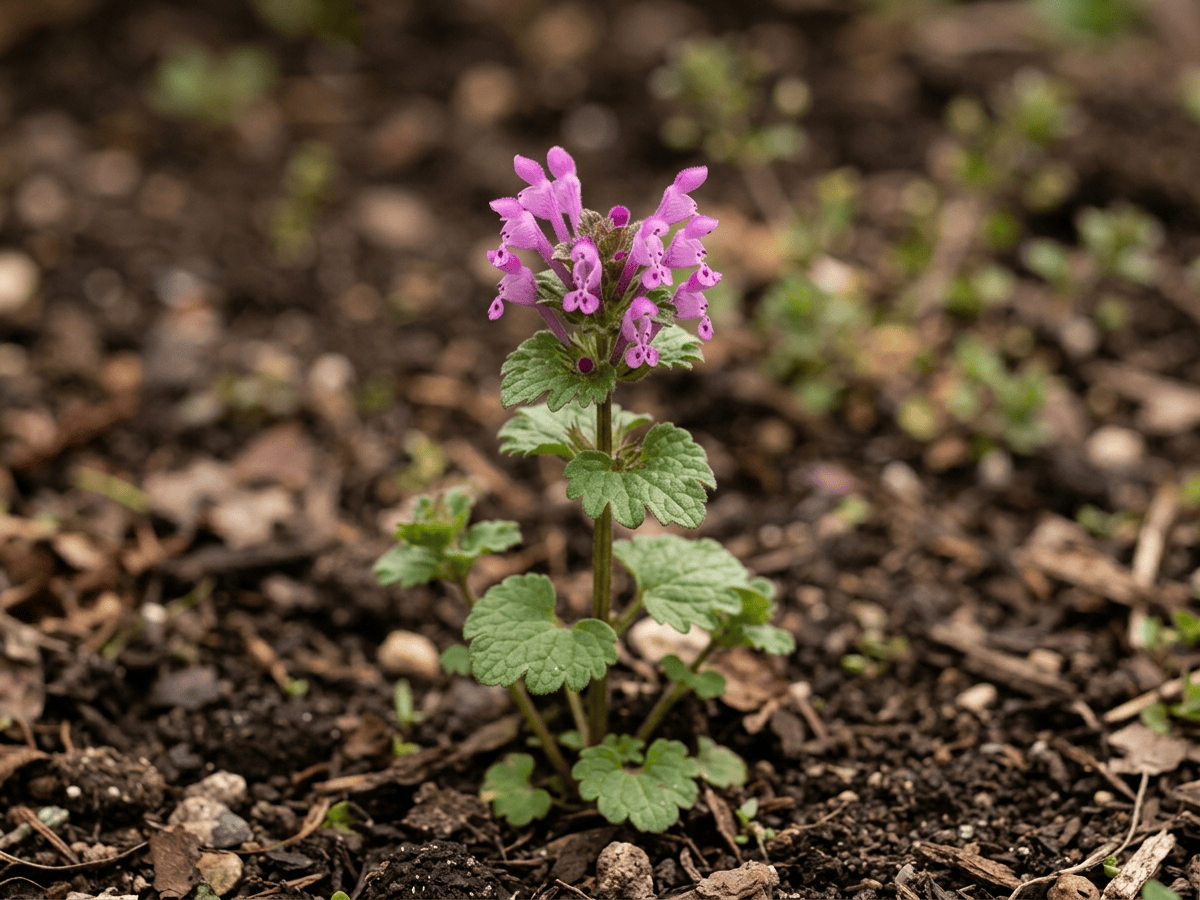 Henbit DeadnettleLamium amplexicaule
 Yellow ArchangelLamium galeobdolon
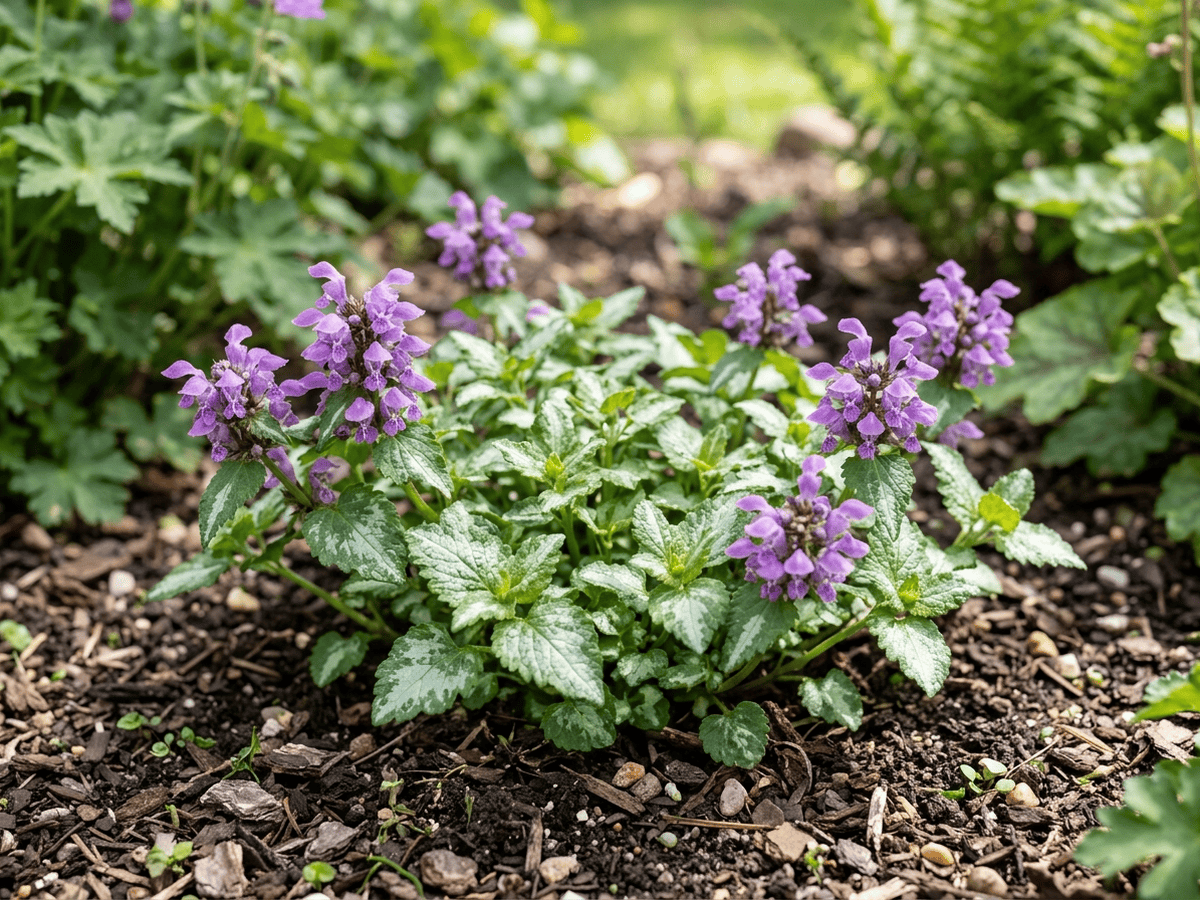 Spotted Dead NettleLamium maculatum
Plants with similar care
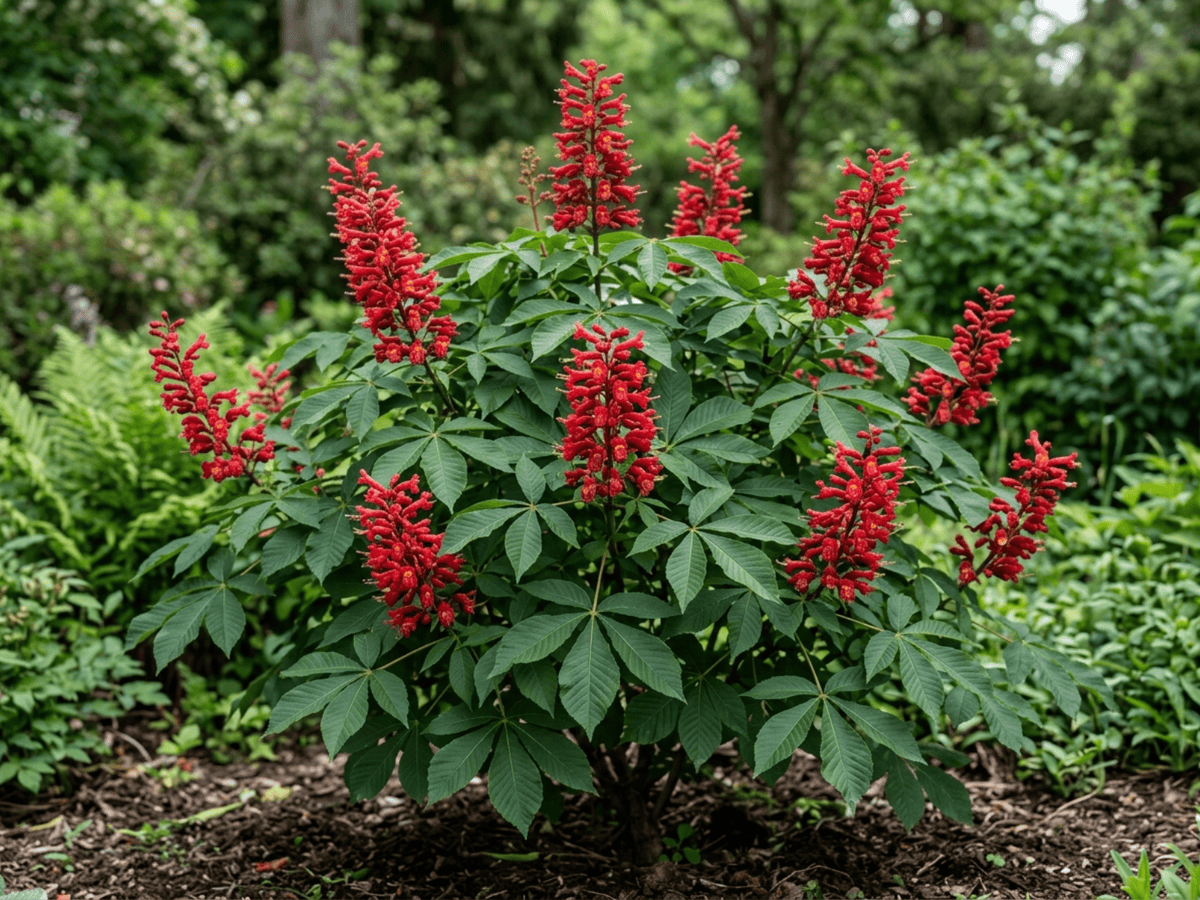 Red BuckeyeAesculus pavia
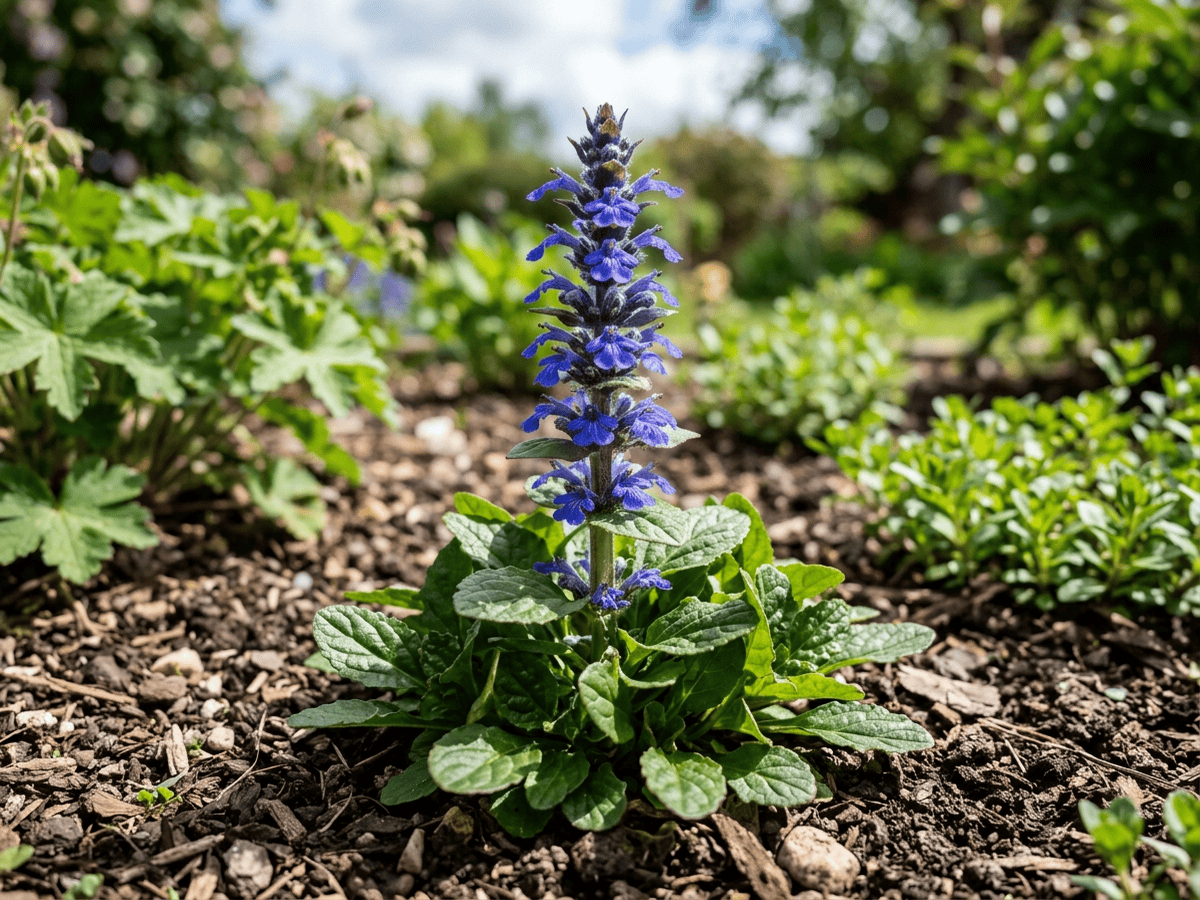 Blue BugleAjuga genevensis
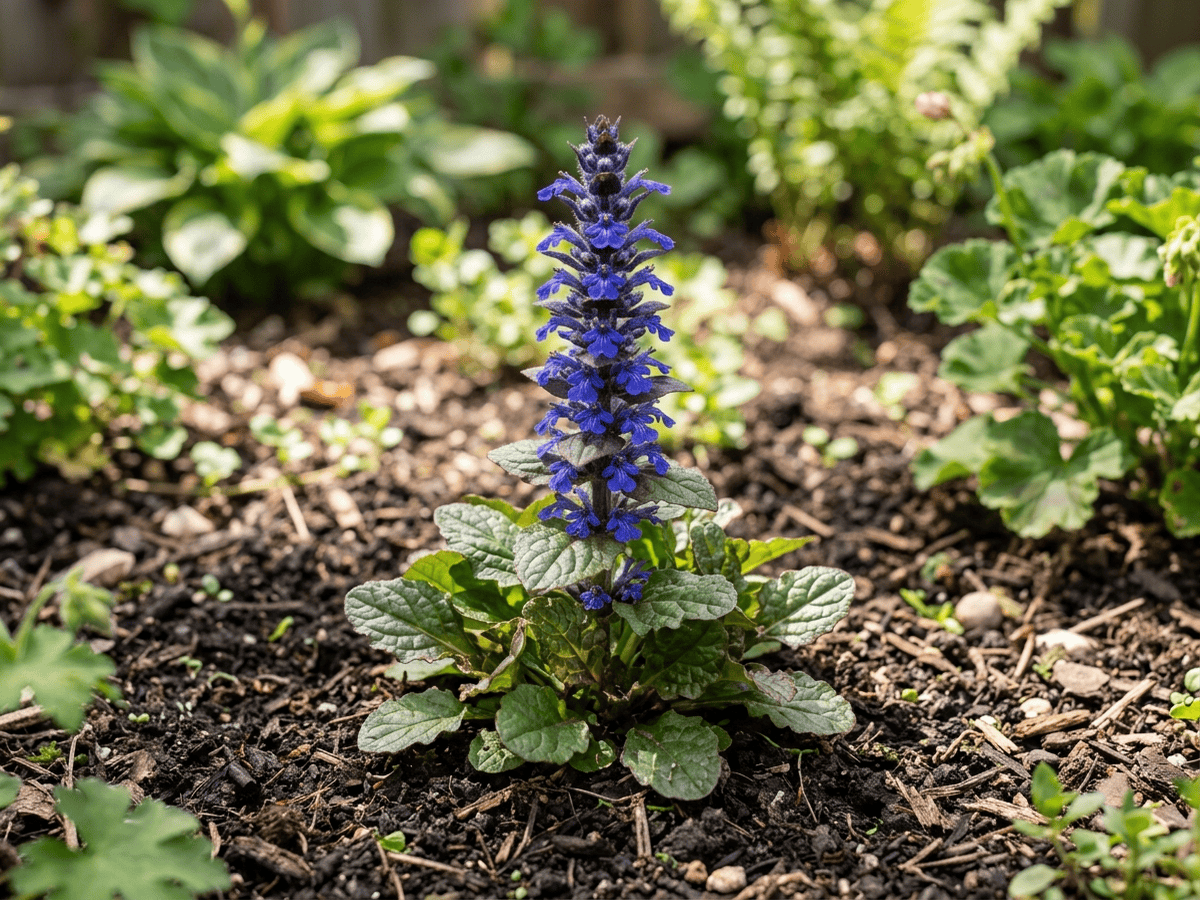 Pyramidal BugleAjuga pyramidalis
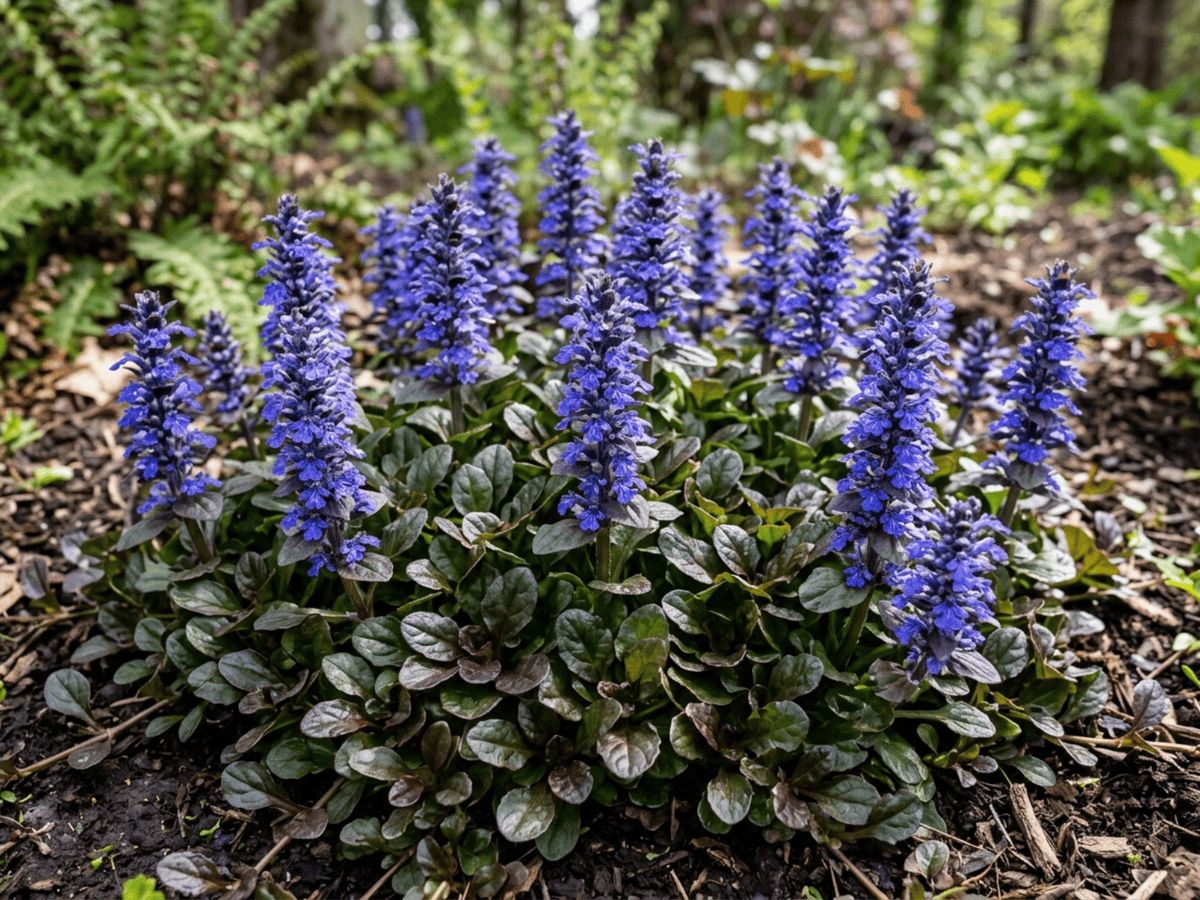 Carpet BugleAjuga reptans
Frequently asked questions
How often should I water Red Deadnettle?
In summer, water about every 5 days; in winter, about every 14 days. Adjust for heat, pot size and drainage.
How much light does Red Deadnettle need?
Part shade: 2–4 hrs direct. Watch the leaves — scorching or stretching means the light needs adjusting.
Is Red Deadnettle toxic to cats or dogs?
No toxicity has been reported for this plant. Still, it is wise to keep pets from chewing on any houseplant. Educational information, not medical or veterinary advice. If exposure is suspected, contact a doctor or veterinarian.
Is Red Deadnettle easy to grow?
Yes — it is considered an easy, beginner-friendly plant.
When does Red Deadnettle bloom?
It typically blooms Mar–May in the Northern Hemisphere.
YardMate
Identify any plant in seconds
Snap a photo — YardMate names the plant, diagnoses problems, and reminds you when to water.
Download on the App Store