 YardMate
Spotted Dead Nettle
Lamium maculatum
Hard · Experienced growersAbout Spotted Dead Nettle
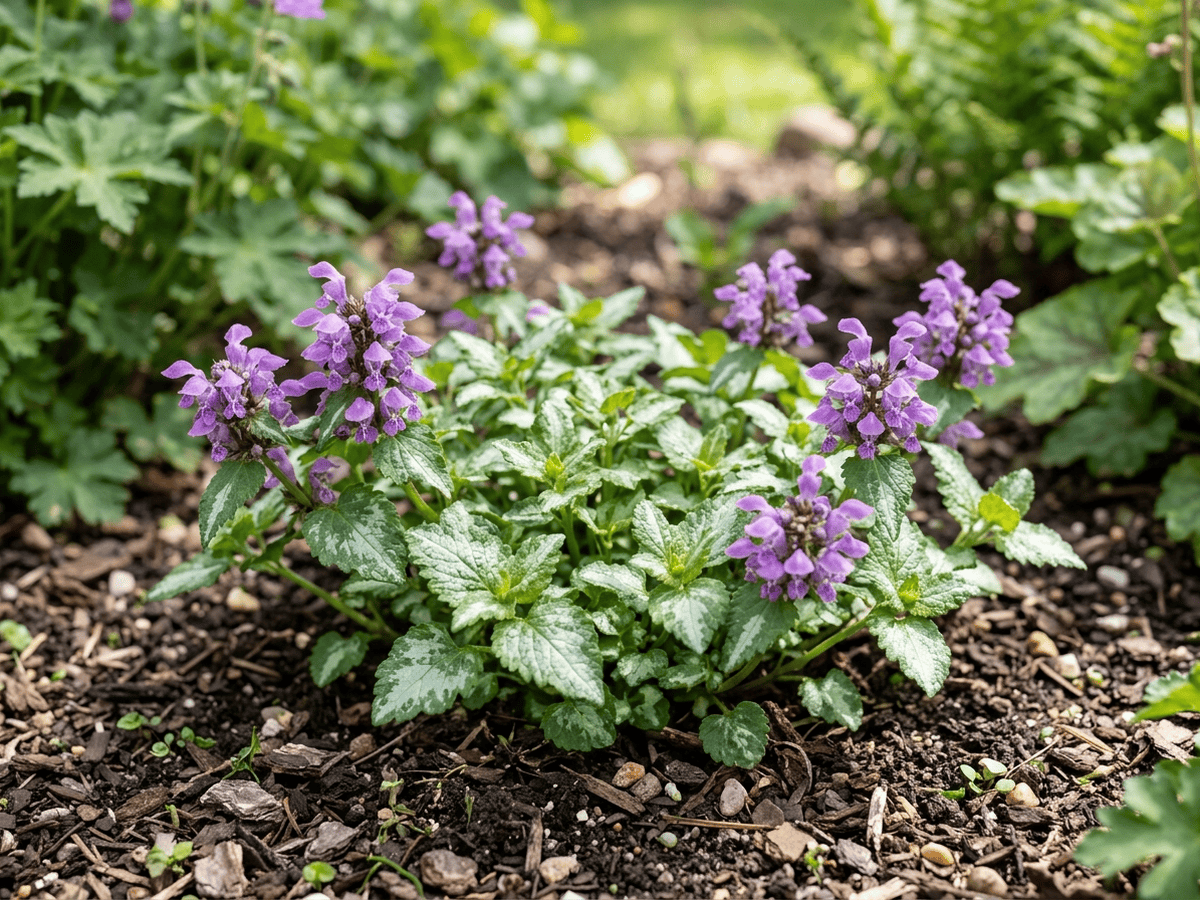
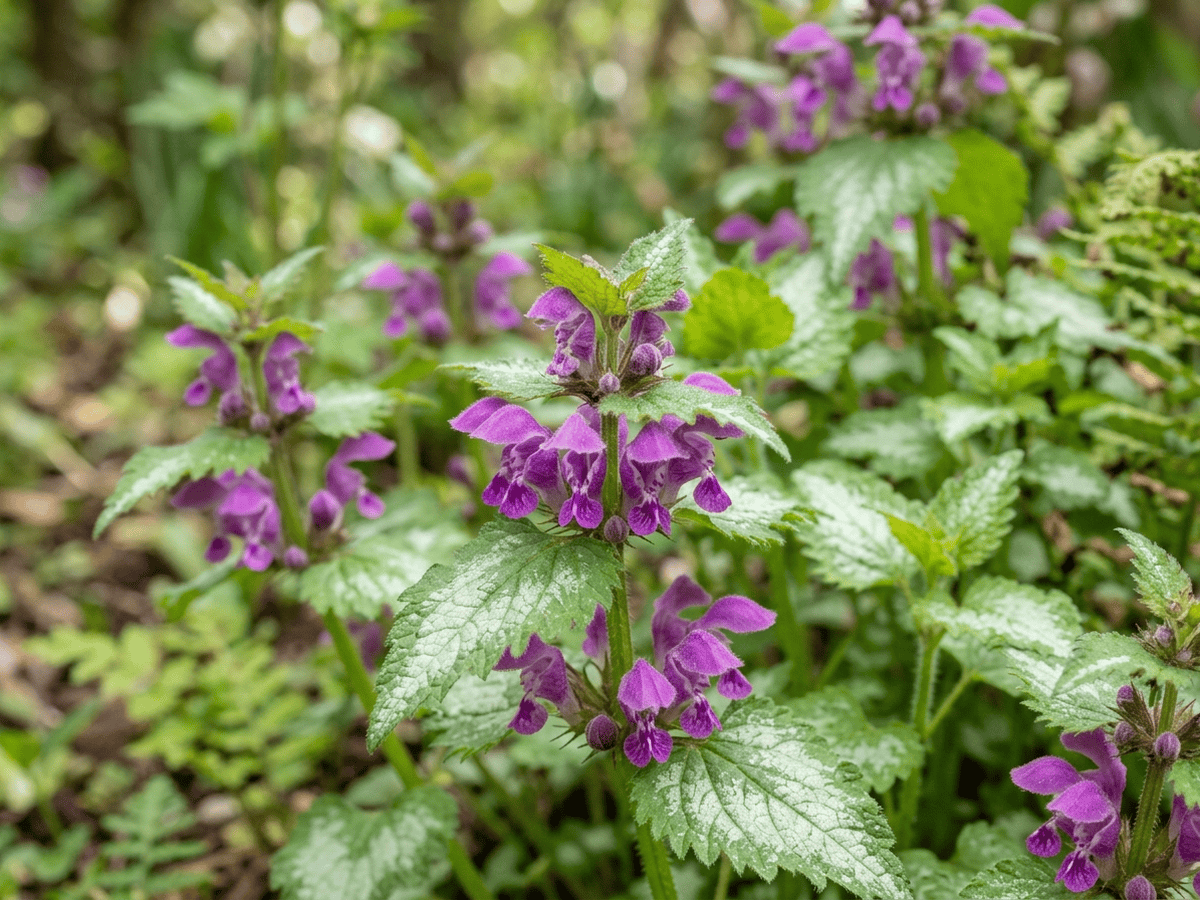
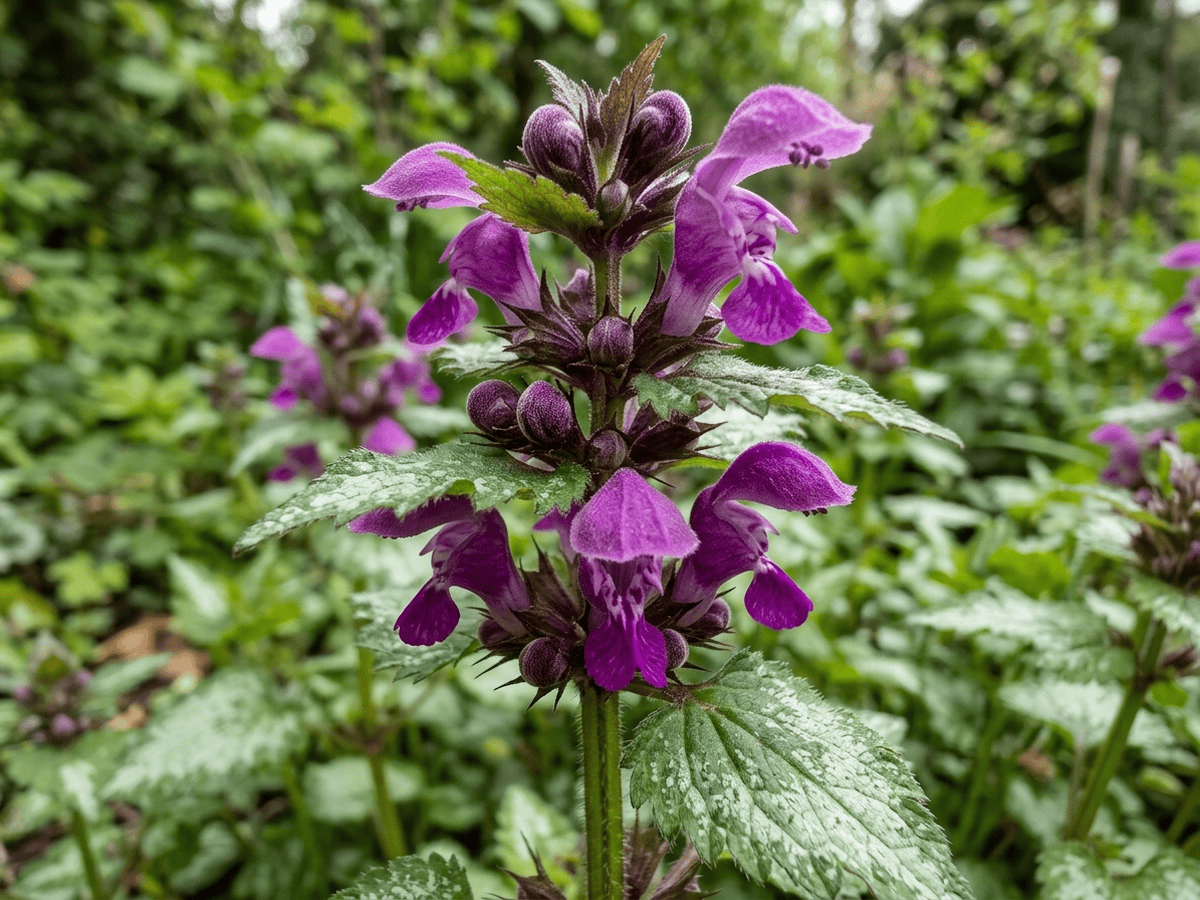
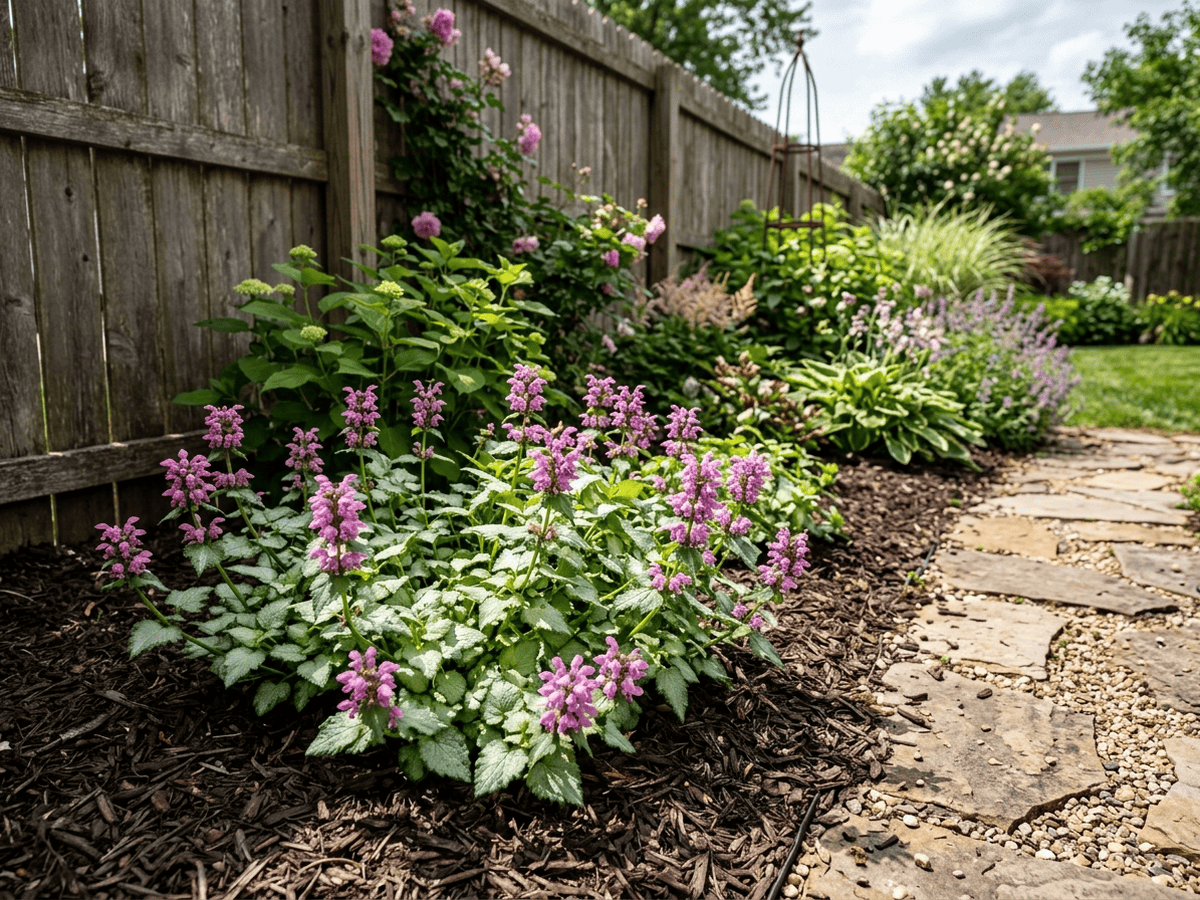
Spotted Dead Nettle (Lamium maculatum) is a low, spreading groundcover in the mint family, valued for heart-shaped leaves marked with a silvery-white central stripe. In late spring and summer, whorls of small hooded, two-lipped flowers in pink, purple, or white rise above the foliage and draw bees and other pollinators. Despite resembling stinging nettle in leaf shape, Spotted Dead Nettle carries no sting, which is exactly what earned it the "dead" nettle name. Thriving in partial to full shade and moist, well-drained soil, it spreads into a dense, weed-suppressing mat under a foot and a half tall, ideal for woodland edges and shaded borders.
- Shade-tolerant
- Spreading
- Fast-growing
- Pollinator-friendly
- Deciduous
- Container-friendly
How to care for Spotted Dead Nettle
Watering
- Springevery 7 days
- Summerevery 5 days
- Fallevery 10 days
- Winterpause watering
Soil · Well-draining
- Top dressingPine bark mulch10%
- Main mixPotting soil + perlite 2:170%
- DrainageLECA / gravel20%
Never skip the drainage layer — standing water is the top cause of root rot.
FERTILIZER
Foliage Feed 24-8-16
Nitrogen leads so the plant spends its energy on dense green growth. Phosphorus and potassium follow just far enough to keep roots and stems up to speed.
- Nitrogen · Leaves
- Phosphorus · Roots + Blooms
- Potassium · Strength
- Springevery 30 days
- Summerevery 30 days
- Fallevery 30 days
At a Glance
- NativeEurope, Asia
- Height0.5–1.5 ft (0.2–0.5 m)
- Spread1–3 ft (0.3–0.9 m)
- Flower colorPurple, Pink
- Foliage colorGreen, Variegated
- SoilMoist, Well-drained, Loamy
- LocationsYard · Patio · Greenhouse
Bloom time
BLOOM CYCLE
Peak bloom
Apr–Jul
This plant blooms in spring and summer, with elegantly shaped flowers that attract pollinators.
Toxicity
No toxicity has been reported for this plant. Still, it is wise to keep pets from chewing on any houseplant.
Educational information, not medical or veterinary advice. If exposure is suspected, contact a doctor or veterinarian.
DISTRIBUTION

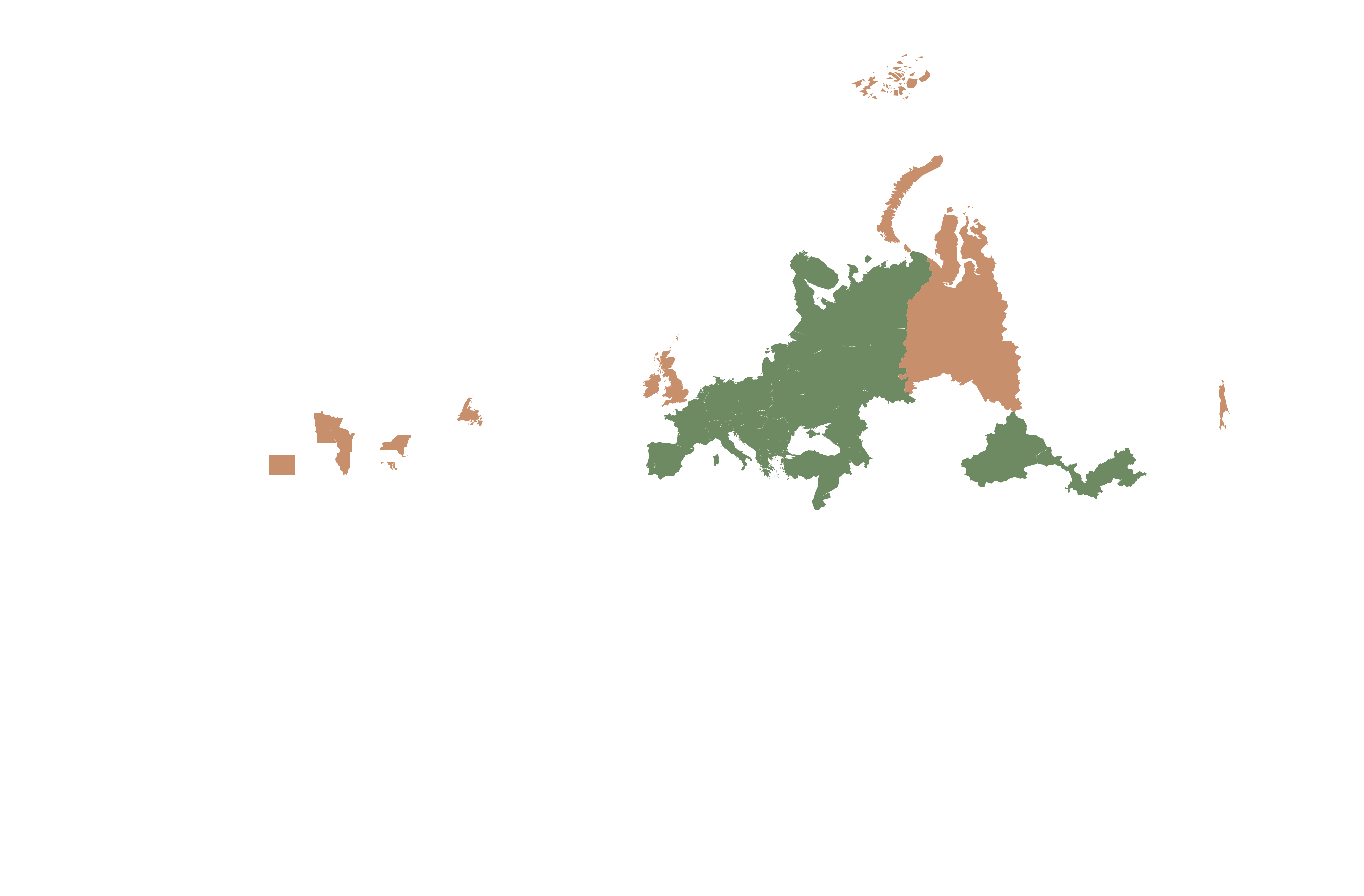
- Native
- Introduced
- Europe
- Asia
History
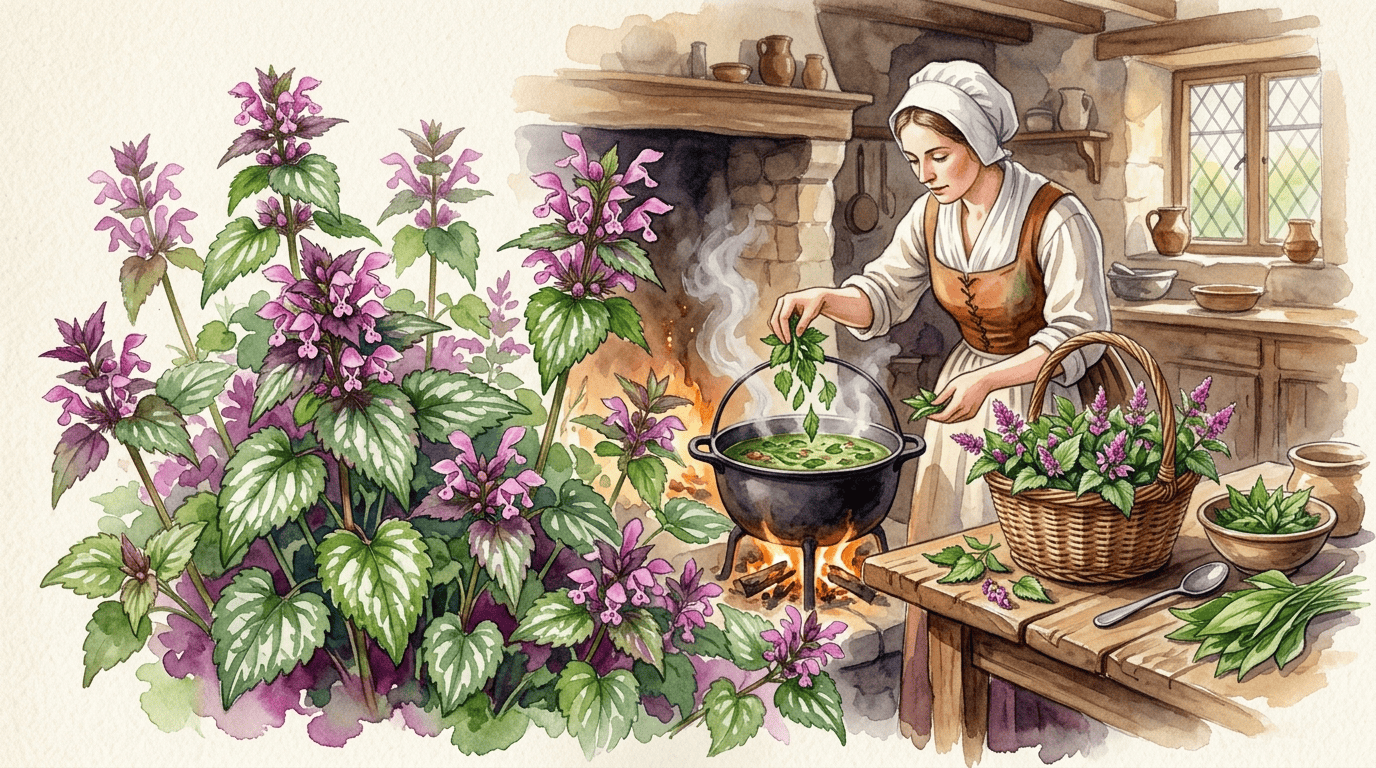
Long before it became a shade-garden favorite, Spotted Dead Nettle was known simply as a "dead" nettle: a plant that looked enough like stinging nettle to fool a hurried forager, yet delivered no sting at all. European herbalists of the sixteenth and seventeenth centuries, including the English botanist John Gerard, catalogued the "dead nettles" of genus Lamium as harmless look-alikes, useful for teaching which nettle-shaped leaves in a hedgerow could be gathered without pain. Country folk learned to tell them apart by touch, and by the silvery blotch down the center of the leaves, a marking absent from its stinging cousin. The species name "maculatum," Latin for "spotted," records exactly this feature. In folk medicine the plant served as a mild astringent for cuts and skin irritation, and its young leaves were occasionally added to spring soups in Europe and western Asia, though it never rivaled true nettle as food. Native to woodlands, hedge banks, and shaded rocky ground, it thrived in dappled light, knitting mats between roots and stones. Its garden career came later, as collectors carried silvery-leaved forms into shade gardens across Europe and North America, prized for brightening gloomy borders with variegated foliage and pink or white spring flowers. It proved almost too willing a guest: in mild, moist climates it now spreads beyond garden beds into woodlands, earning a reputation in some regions as a mildly invasive escapee. Even so, it remains one of the most dependable groundcovers for difficult shade, its folk name recalling the plain wisdom of gardeners who once needed to know, by feel, which nettle was safe to touch.
Symbolism & meaning
What It Symbolizes
For generations, foragers and gardeners judged nettle-shaped leaves by touch as much as by sight, since one careless grasp of true stinging nettle meant hours of itching skin. Spotted Dead Nettle's harmless mimicry made it something of a quiet folk emblem: a plant that wears the shape of a threat but carries none of its sting, a small reminder not to judge by appearance alone.
- Gentle Disguise — Its nettle-shaped leaves warn without any real sting, making the plant a lasting emblem of harmless appearances and false alarm.
- Quiet Resilience — Spreading confidently through deep shade where few other plants take hold, it has come to represent quiet persistence in difficult conditions.
Where the Name Comes From
Lamium derives from the Greek and Latin word for "throat," describing the tubular, hooded shape of the flowers. The species name maculatum is Latin for "spotted," referring to the pale central stripe marking each leaf. The common name "dead nettle" comes from the plant's resemblance to true stinging nettle in leaf shape, while lacking the stinging hairs that give real nettles their bite, hence "dead," meaning harmless.
Uses & Fun Facts
- A popular variegated-leaf groundcover for brightening shaded borders, woodland gardens, and containers.
- Spring and summer flowers attract bees and other early-season pollinators.
- Dense, low mats offer cover and foraging habitat for small garden wildlife.
- Traditionally used in European folk medicine as a mild astringent for minor cuts and skin irritation.
Related plants
More Lamium plants
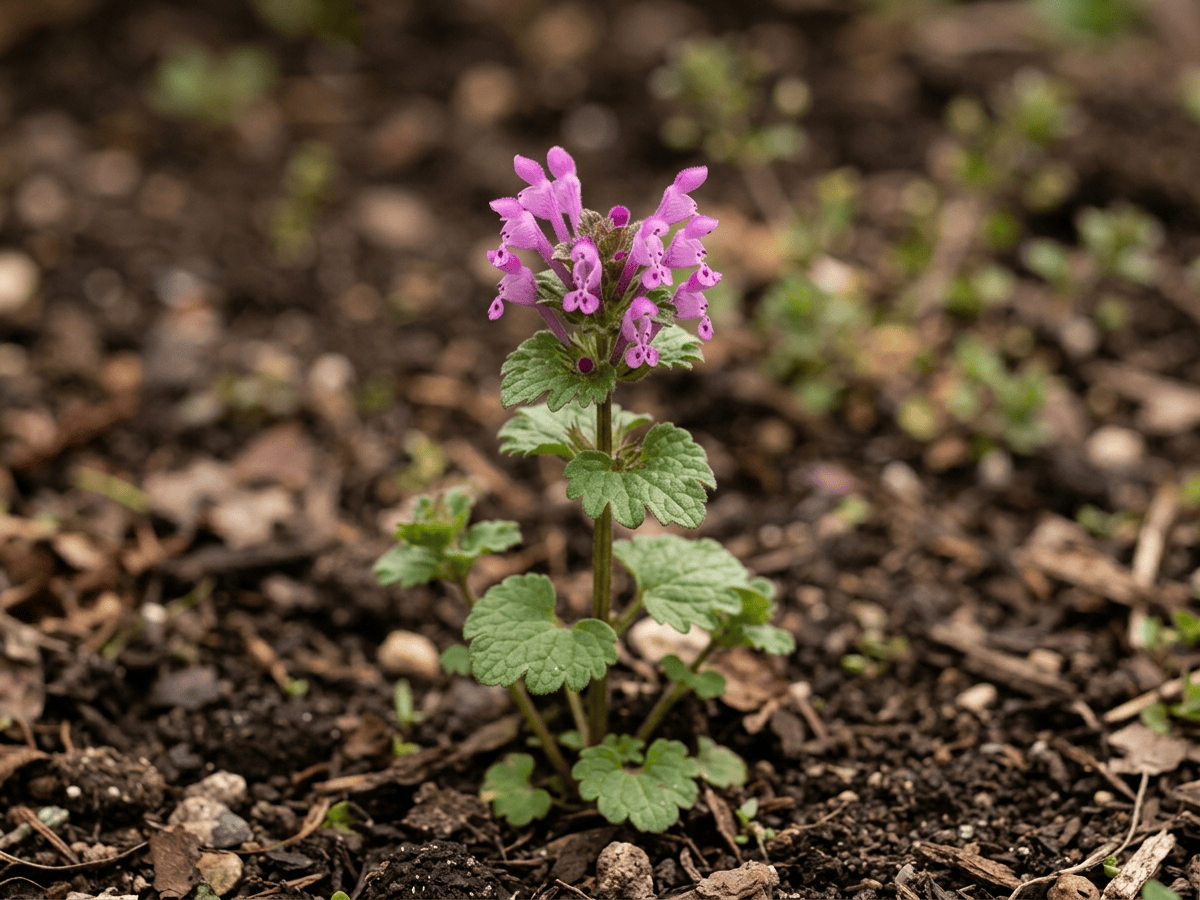 Henbit DeadnettleLamium amplexicaule
 Yellow ArchangelLamium galeobdolon
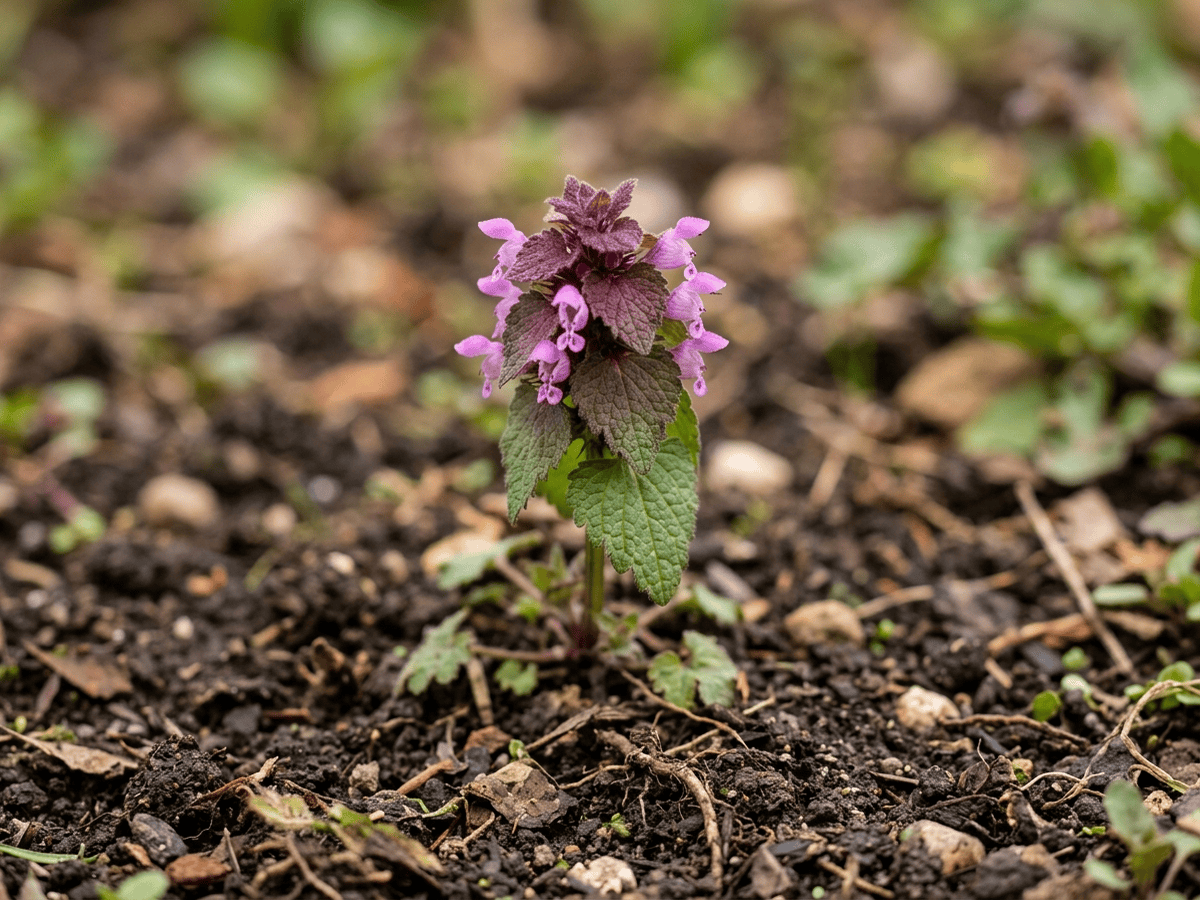 Red DeadnettleLamium purpureum
Plants with similar care
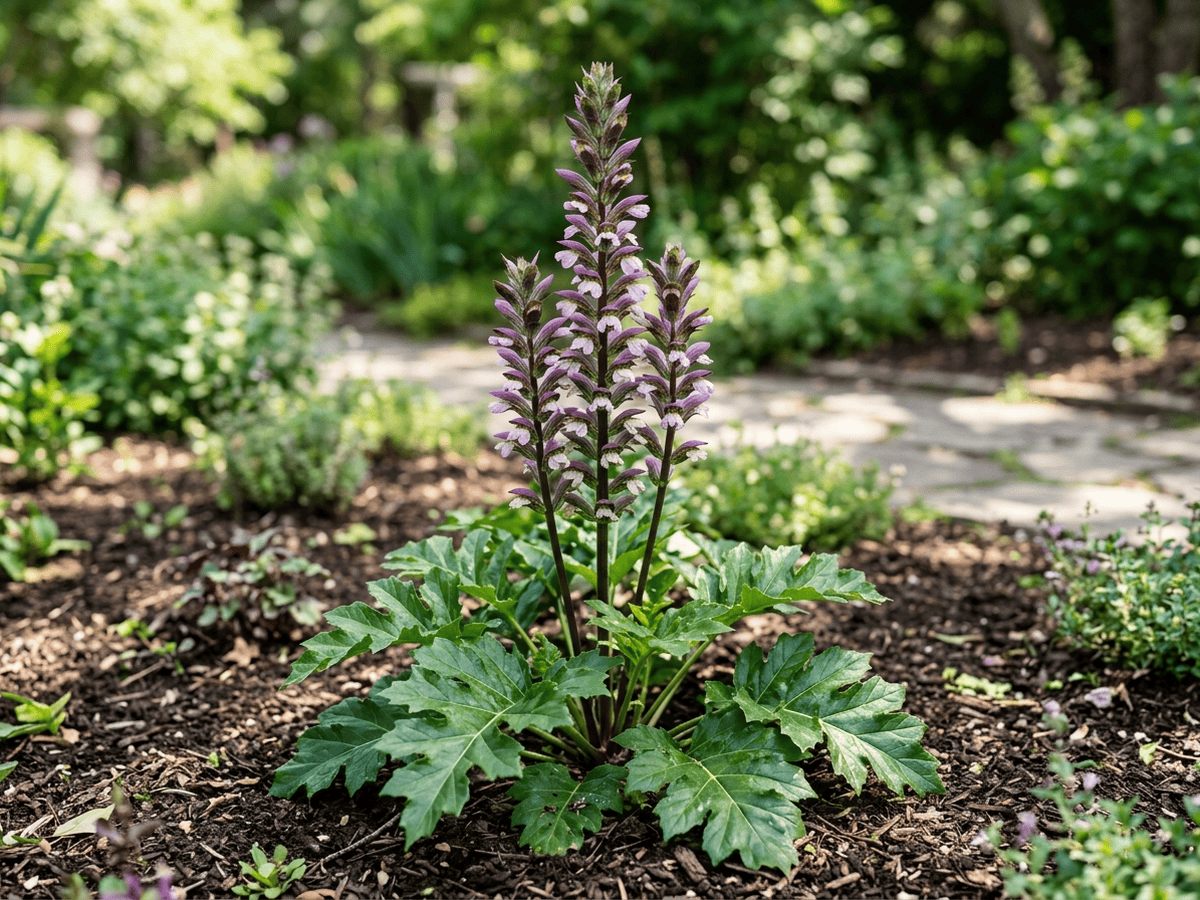 Bear's BreechesAcanthus mollis
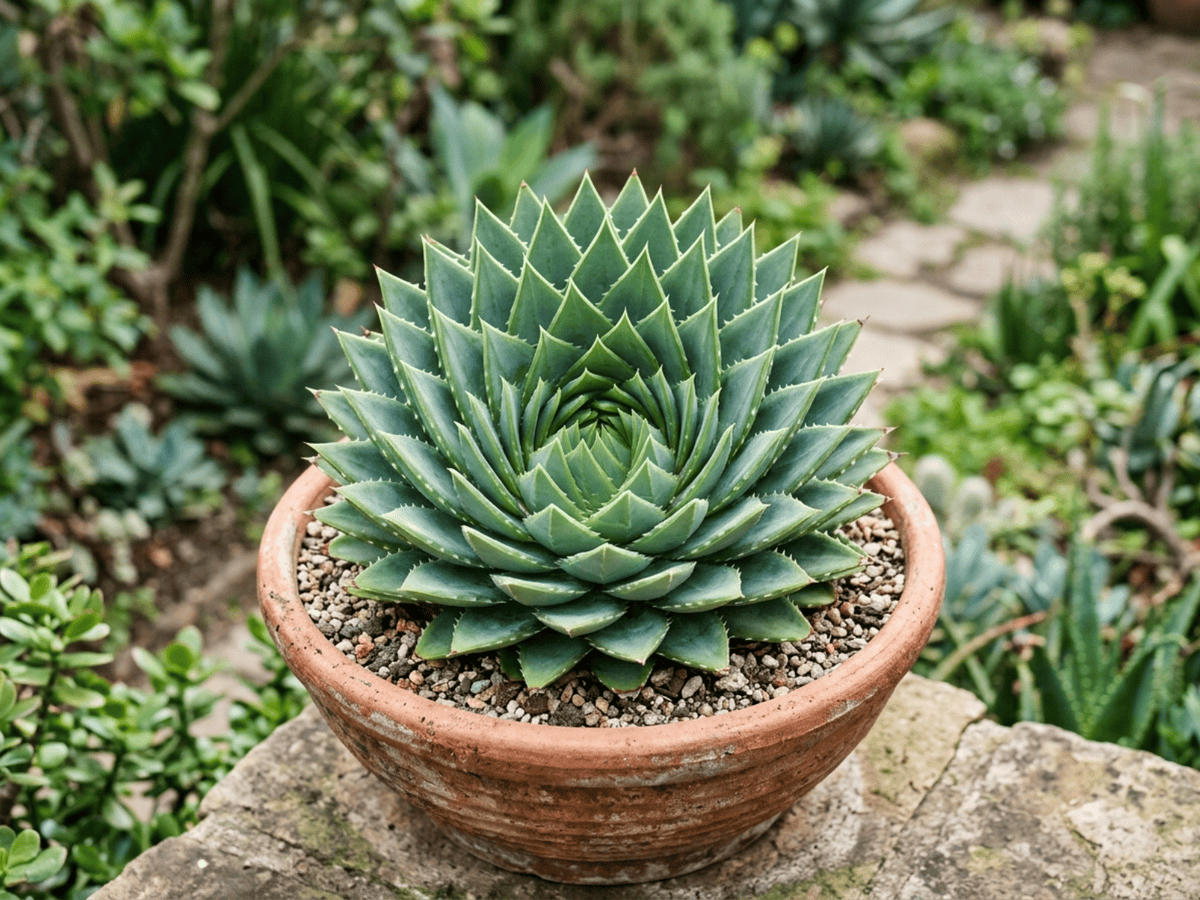 Spiral AloeAloe polyphylla
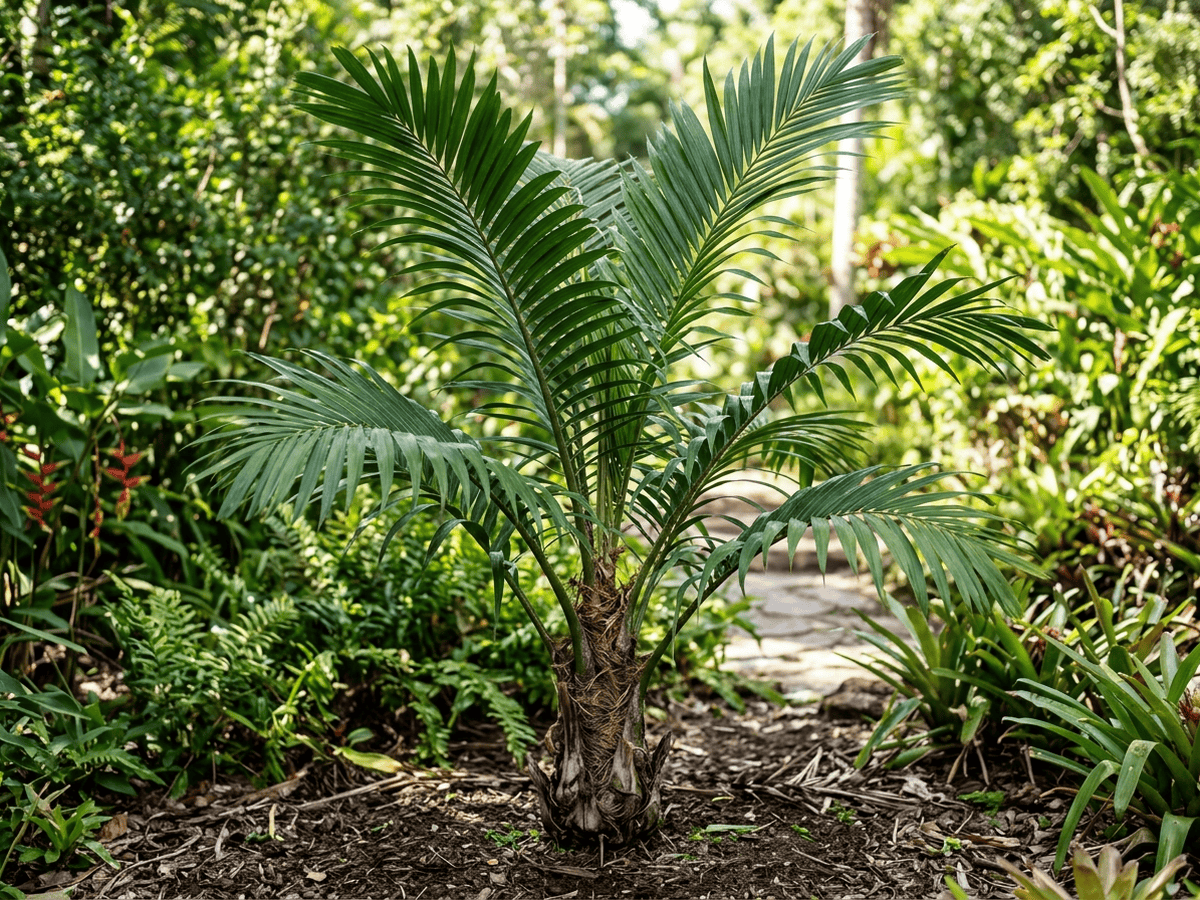 Formosa PalmArenga engleri
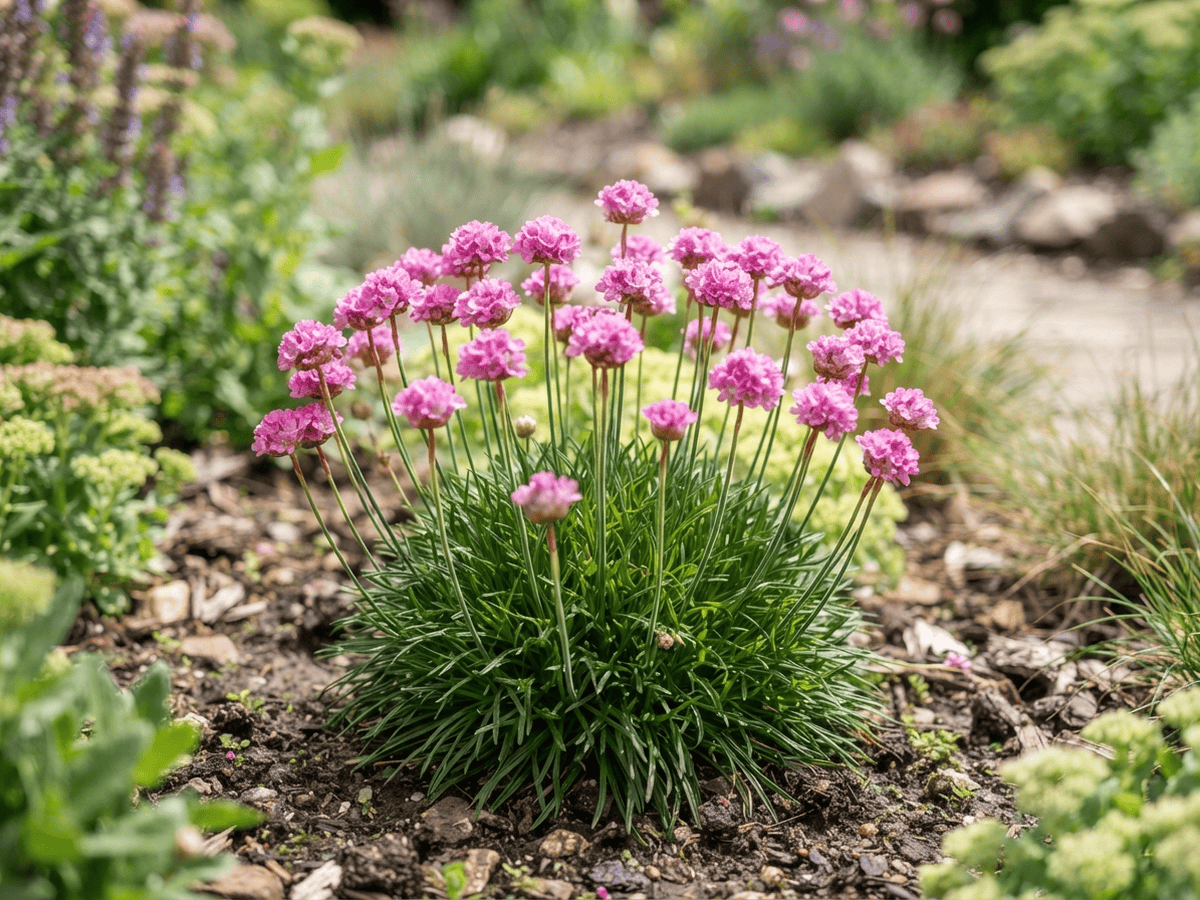 Sea ThriftArmeria maritima
Frequently asked questions
How often should I water Spotted Dead Nettle?
Water about every 7 days during the growing season, and always let excess water drain away.
How much light does Spotted Dead Nettle need?
Part shade: 2–4 hrs direct. Watch the leaves — scorching or stretching means the light needs adjusting.
Is Spotted Dead Nettle toxic to cats or dogs?
No toxicity has been reported for this plant. Still, it is wise to keep pets from chewing on any houseplant. Educational information, not medical or veterinary advice. If exposure is suspected, contact a doctor or veterinarian.
Is Spotted Dead Nettle easy to grow?
It is considered challenging and rewards experienced growers.
When does Spotted Dead Nettle bloom?
It typically blooms Apr–Jul in the Northern Hemisphere.
YardMate
Identify any plant in seconds
Snap a photo — YardMate names the plant, diagnoses problems, and reminds you when to water.
Download on the App Store