 YardMate


Prickly Tea-tree
Leptospermum continentale
Hard · Experienced growersAbout Prickly Tea-tree
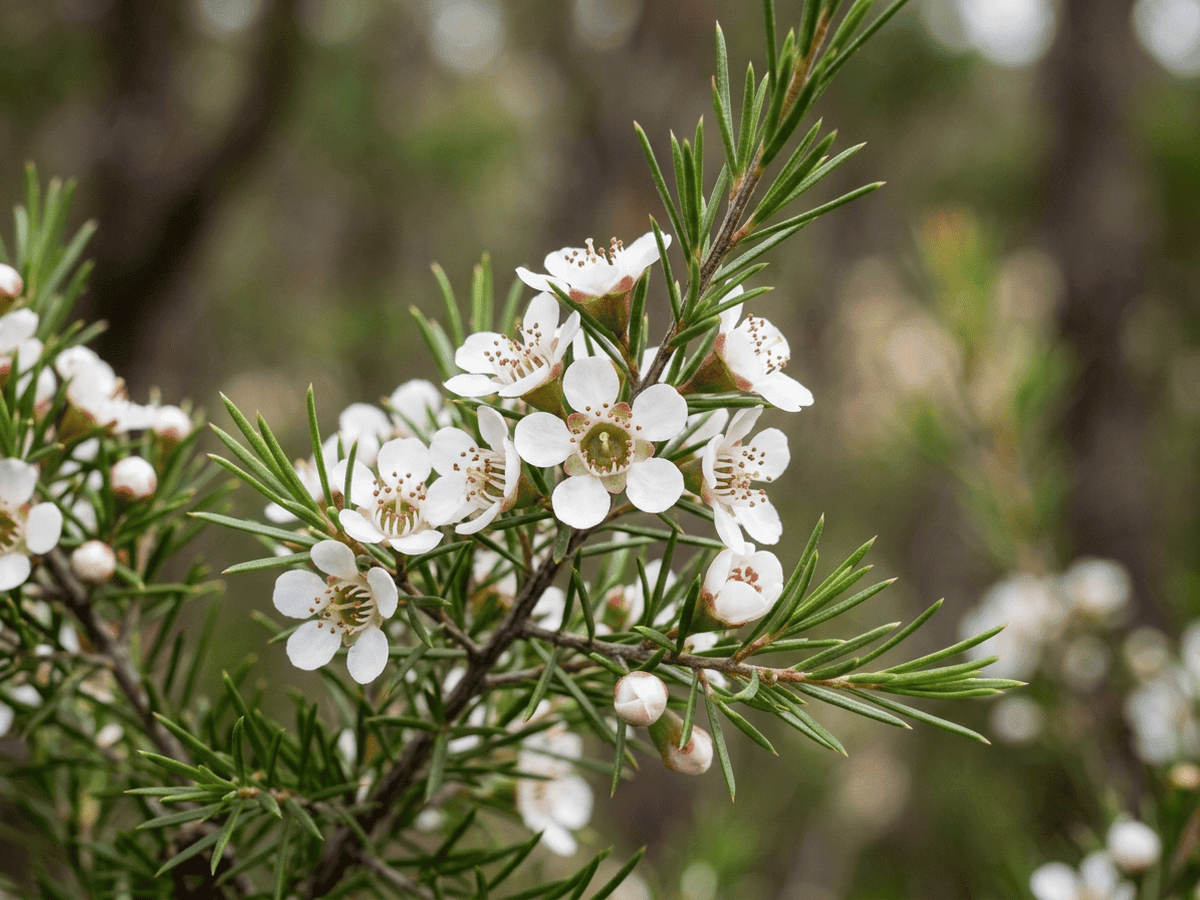
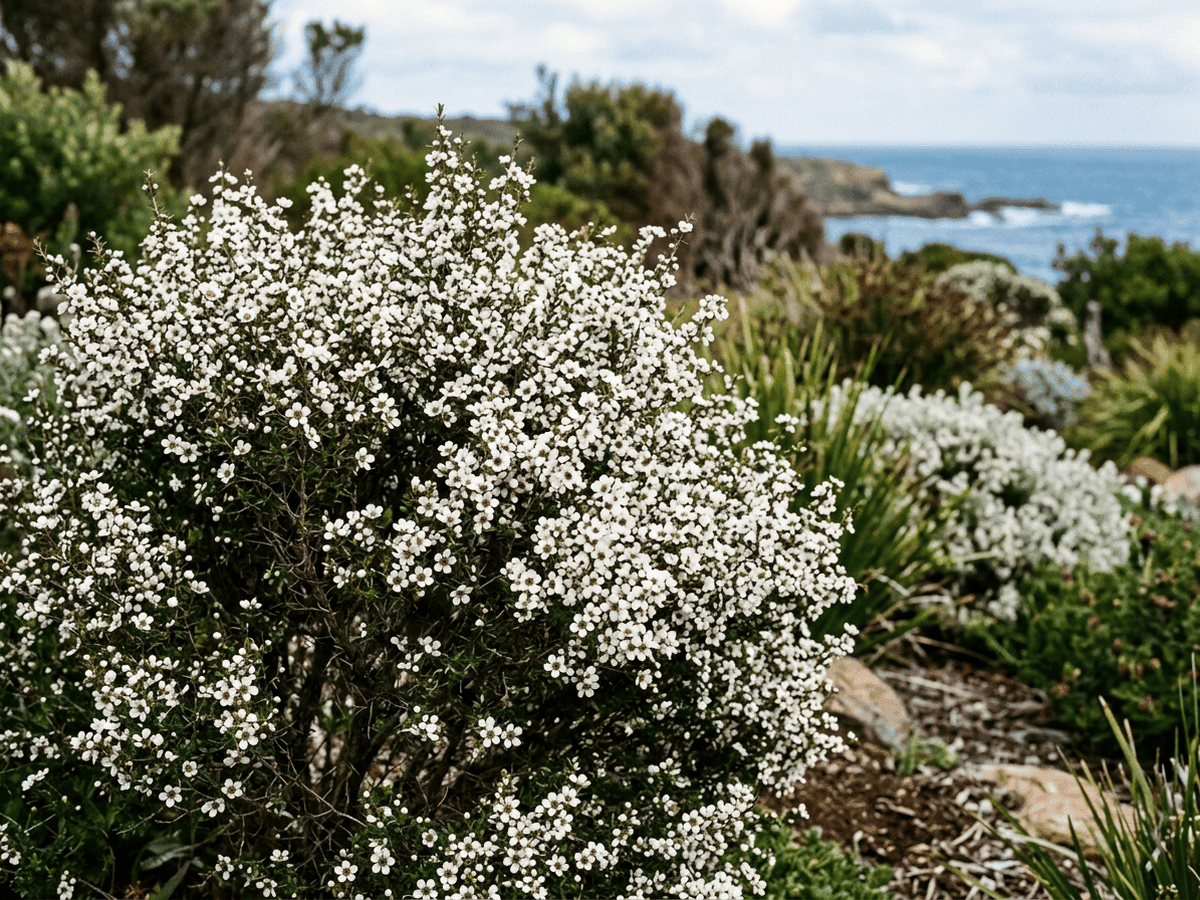
Leptospermum continentale, the Prickly Tea-tree, is a compact evergreen shrub native to southeastern mainland Australia. It produces a profusion of small, five-petaled white flowers in summer against fine, aromatic needle-like foliage. The leaves release a distinctive clean fragrance when brushed, reminiscent of eucalyptus. A tough, adaptable shrub, it tolerates drought, poor soils, and coastal conditions while attracting bees and pollinators with its generous summer blooms.
- Fragrant
- Drought-tolerant
- Evergreen
- Pollinator-friendly
How to care for Prickly Tea-tree
Watering
- Springevery 10 days
- Summerevery 7 days
- Fallevery 15 days
- Winterevery 30 days
Soil · Well-draining
- Top dressingPine bark mulch10%
- Main mixPotting soil + perlite 2:170%
- DrainageLECA / gravel20%
Never skip the drainage layer — standing water is the top cause of root rot.
FERTILIZER
Balanced Feed 14-14-14
An even feed covers all three needs at once, keeping leaves, roots and blooms moving together with nothing pushed out of balance.
- Nitrogen · Leaves
- Phosphorus · Roots + Blooms
- Potassium · Strength
- Springevery 30 days
- Summerevery 30 days
- Fallevery 30 days
At a Glance
- NativeAustralia
- Height3–6 ft (0.9–1.8 m)
- Spread3–6 ft (0.9–1.8 m)
- Flower colorWhite, Pink
- Foliage colorGreen
- SoilWell-drained, Moist
- LocationsYard · Balcony
Bloom time
BLOOM CYCLE
Peak bloom
Jun–Aug
This plant blooms in summer, producing beautiful flowers that attract insects.
Fragrance
MODERATE FRAGRANCE
Crushed leaves release a clean, fresh eucalyptus-like scent
Toxicity
No toxicity has been reported for this plant. Still, it is wise to keep pets from chewing on any houseplant.
Educational information, not medical or veterinary advice. If exposure is suspected, contact a doctor or veterinarian.
DISTRIBUTION


- Native
- Introduced
- Australia
History
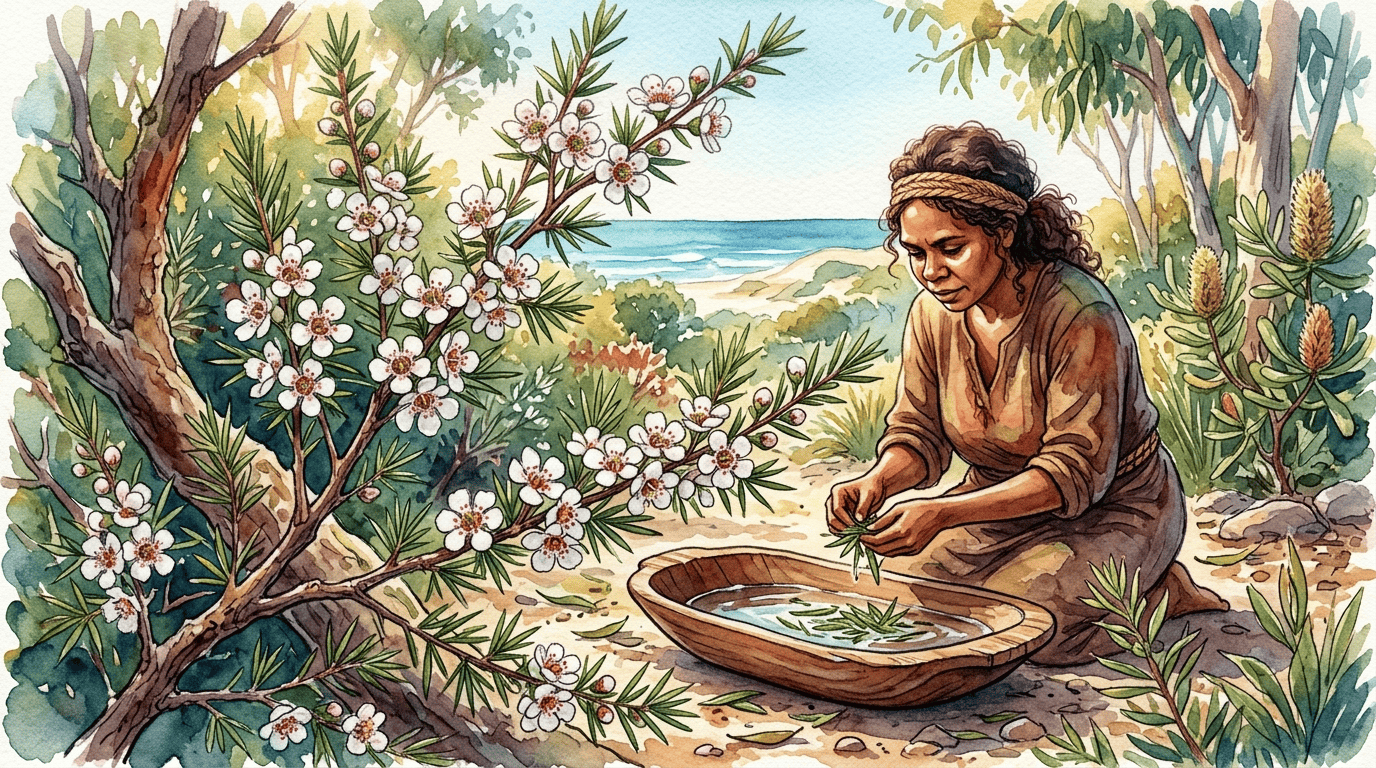
Leptospermum continentale belongs to a remarkable genus whose healing properties were recognized by Indigenous Australians long before European contact. Aboriginal peoples used various Leptospermum species—collectively called 'tea trees' by early colonists—as medicinal plants, brewing leaf infusions to treat fevers and colds, and applying crushed leaves as antiseptic poultices.
When Captain Cook's crew first encountered Leptospermum plants along Australia's eastern coast in the 1770s, they reportedly brewed the aromatic leaves as a tea substitute—hence the common name 'tea tree' that has endured ever since.
The genus name Leptospermum, from the Greek leptos (slender, fine) and sperma (seed), refers to the plant's characteristically tiny seeds. The species epithet continentale distinguishes this mainland Australian species from its New Zealand relative Leptospermum scoparium—the commercially celebrated Mānuka—whose nectar produces the antibacterial manuka honey prized in modern medicine. L. continentale shares the genus's aromatic chemistry, with leaves rich in terpenes and volatile oils that give the foliage its distinctive clean, fresh scent.
In Australian horticulture, Leptospermum continentale has earned a loyal following for its reliability, drought tolerance, and wildlife value. The nectar-rich flowers attract honeybees, native bees, and small insects from spring through summer. Hardy enough for coastal conditions and poor soils, it is a staple of low-maintenance Australian native gardens.
Symbolism & meaning
What It Symbolizes
In Aboriginal Australian traditions, tea tree plants were known for purifying and healing properties—leaves were burned to cleanse spaces and applied to wounds. The fresh, clean scent of the foliage has long been associated with natural clarity and wellness. Today the 'tea tree' name carries global resonance, synonymous with plant-powered healing in cultures worldwide.
- Healing — Long used in Indigenous medicine, the tea tree symbolizes natural restorative power
- Resilience — Thrives in dry, poor soils where other plants struggle, embodying tough adaptability
- Purity — Clean white flowers and antiseptic aromatic leaves evoke freshness and cleansing
Where the Name Comes From
From Greek leptos (slender, fine) and sperma (seed), describing the plant's characteristically small seeds. The species epithet continentale means 'of the continent,' distinguishing this mainland Australian native from closely related New Zealand species such as the commercially famous Leptospermum scoparium.
Uses & Fun Facts
- Aromatic leaves contain terpenes used in traditional Aboriginal medicine and skin care
- Nectar-rich summer flowers attract honeybees and native bees
- Compact evergreen form suits hedges, coastal gardens, and borders
Related plants
More Leptospermum plants
Plants with similar care
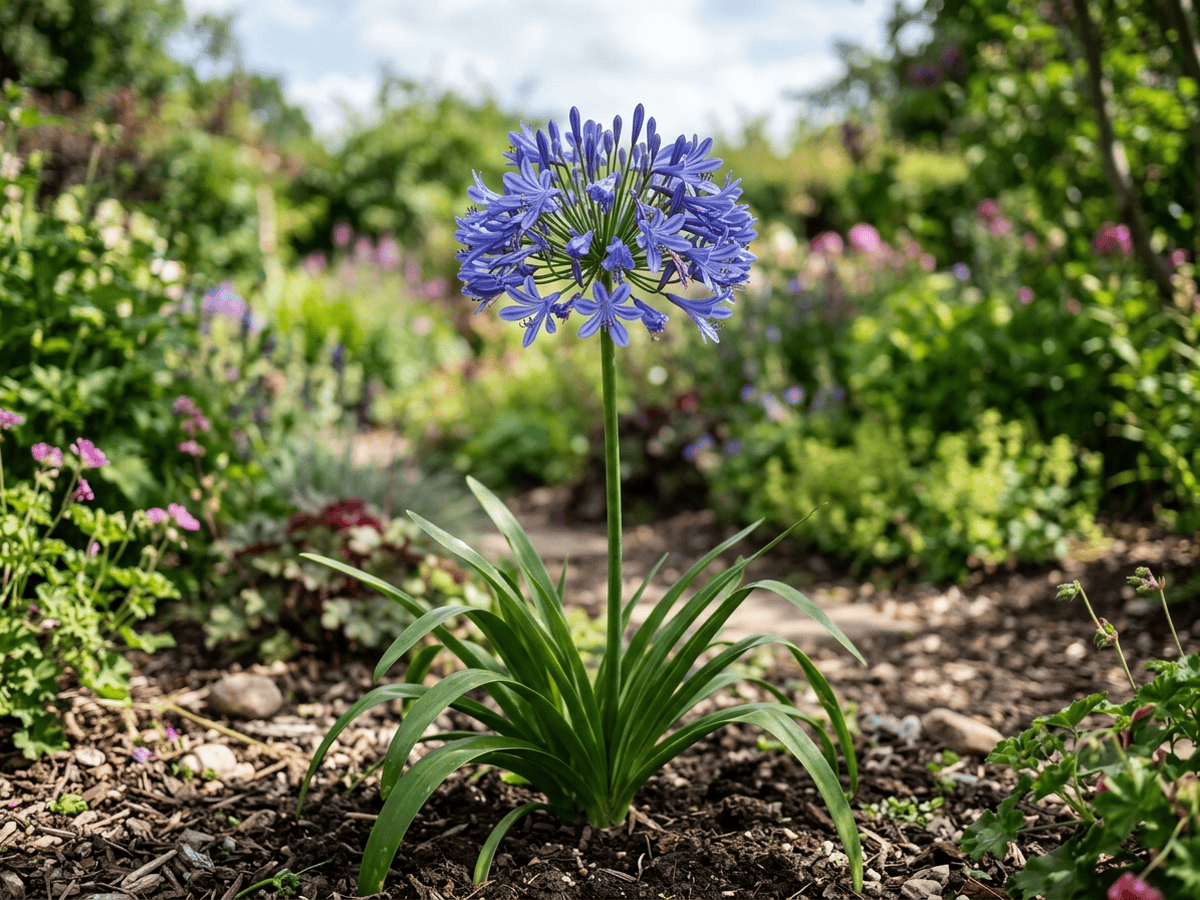 African LilyAgapanthus africanus
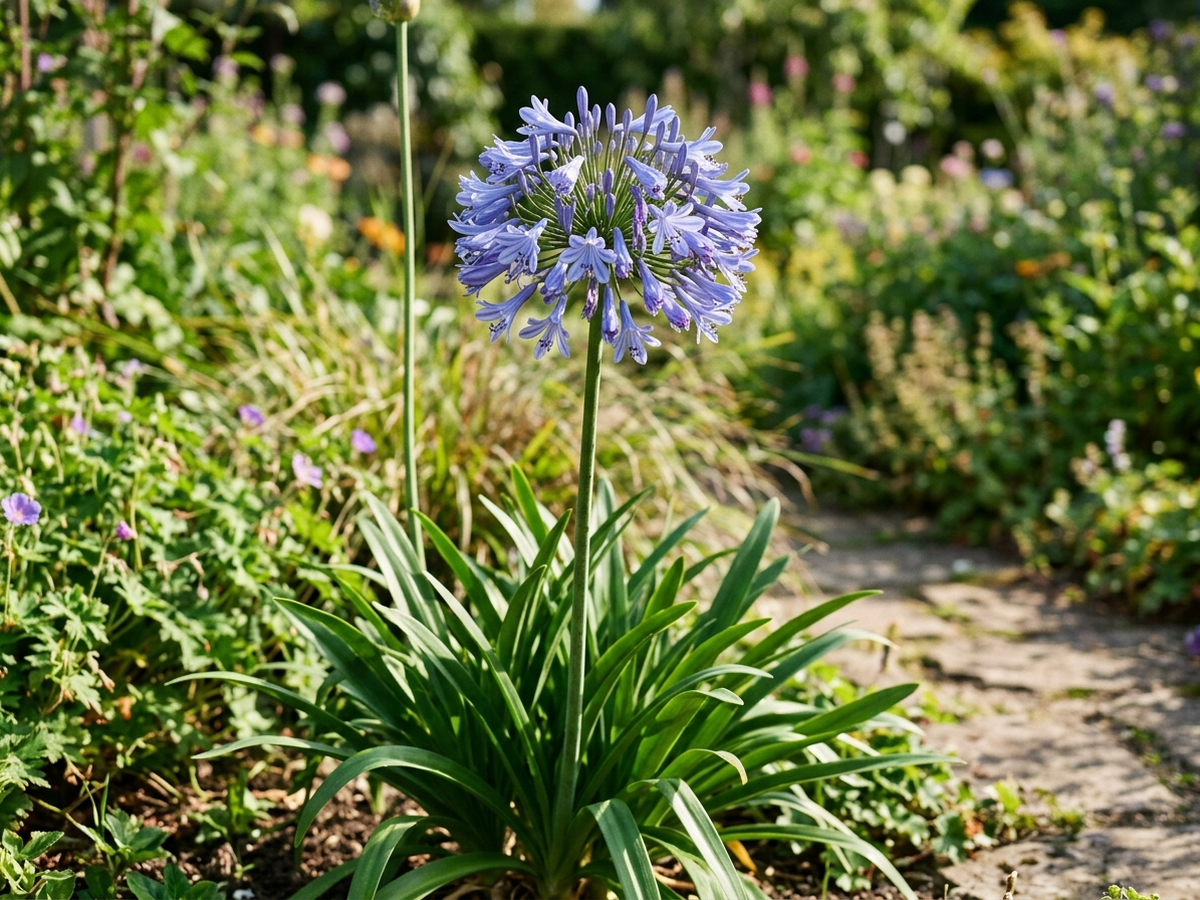 Bell AgapanthusAgapanthus campanulatus
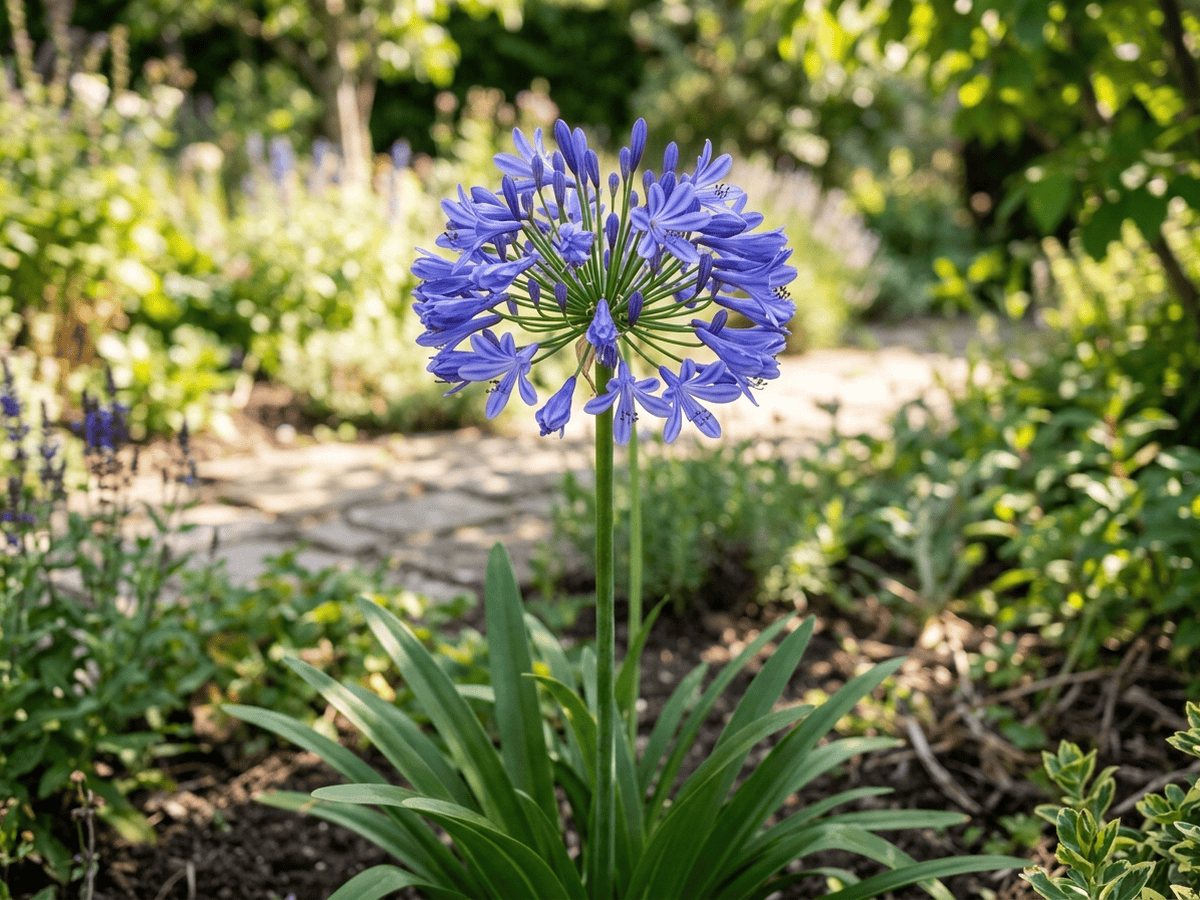 Common AgapanthusAgapanthus praecox
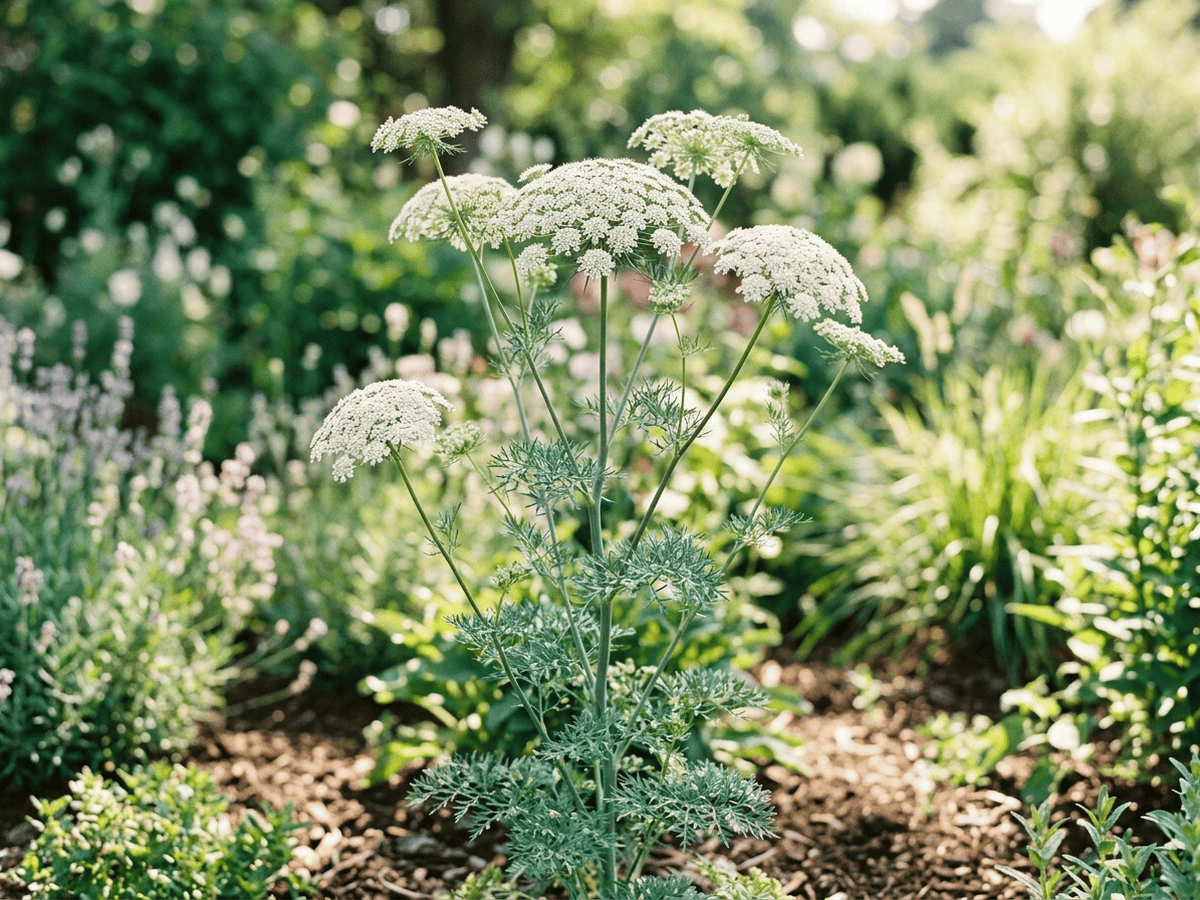 False Queen Anne's LaceAmmi majus glaucifolium
Frequently asked questions
How often should I water Prickly Tea-tree?
In summer, water about every 7 days; in winter, about every 30 days. Adjust for heat, pot size and drainage.
How much light does Prickly Tea-tree need?
Part sun: 4–6 hrs direct. Watch the leaves — scorching or stretching means the light needs adjusting.
Is Prickly Tea-tree toxic to cats or dogs?
No toxicity has been reported for this plant. Still, it is wise to keep pets from chewing on any houseplant. Educational information, not medical or veterinary advice. If exposure is suspected, contact a doctor or veterinarian.
Is Prickly Tea-tree easy to grow?
It is considered challenging and rewards experienced growers.
When does Prickly Tea-tree bloom?
It typically blooms Jun–Aug in the Northern Hemisphere.
YardMate
Identify any plant in seconds
Snap a photo — YardMate names the plant, diagnoses problems, and reminds you when to water.
Download on the App Store