 YardMate

Mānuka
Leptospermum scoparium
Hard · Experienced growersAbout Mānuka
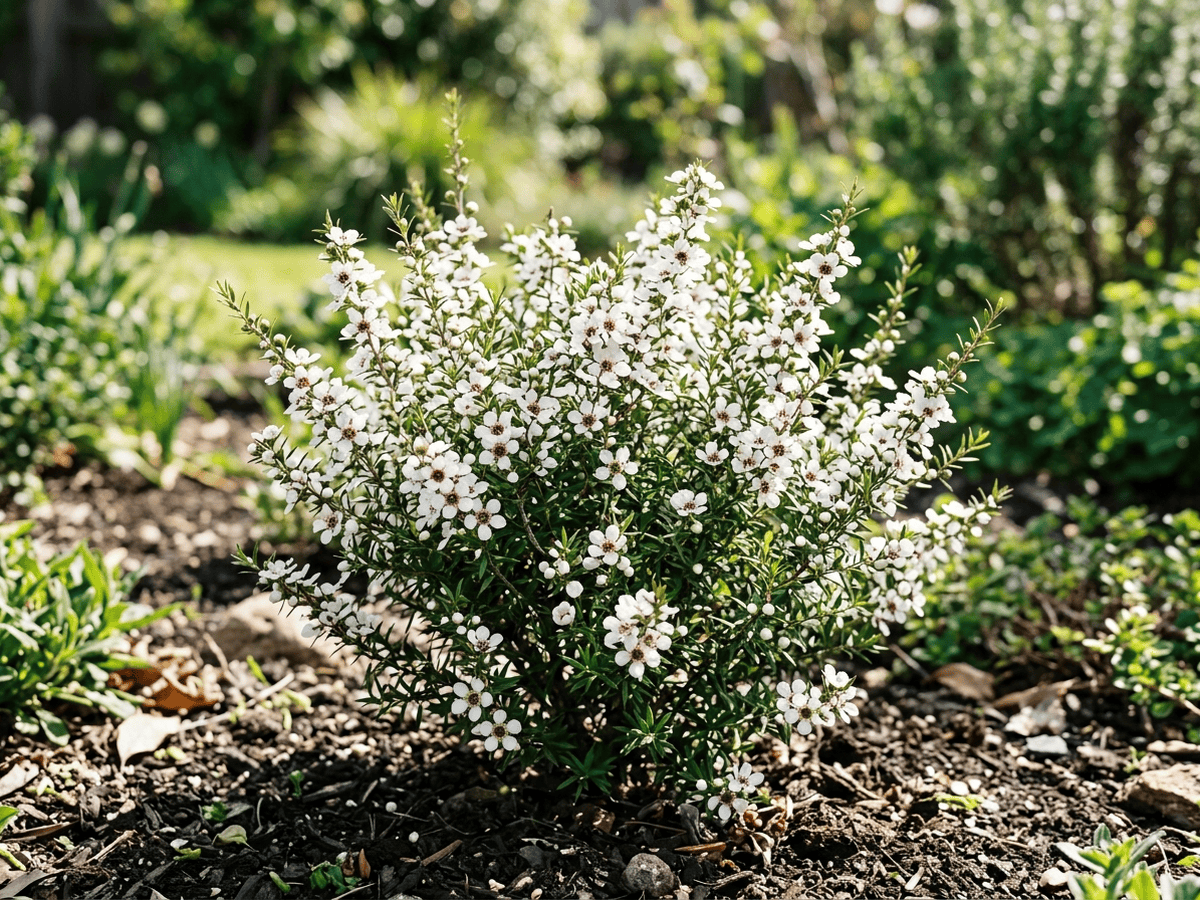
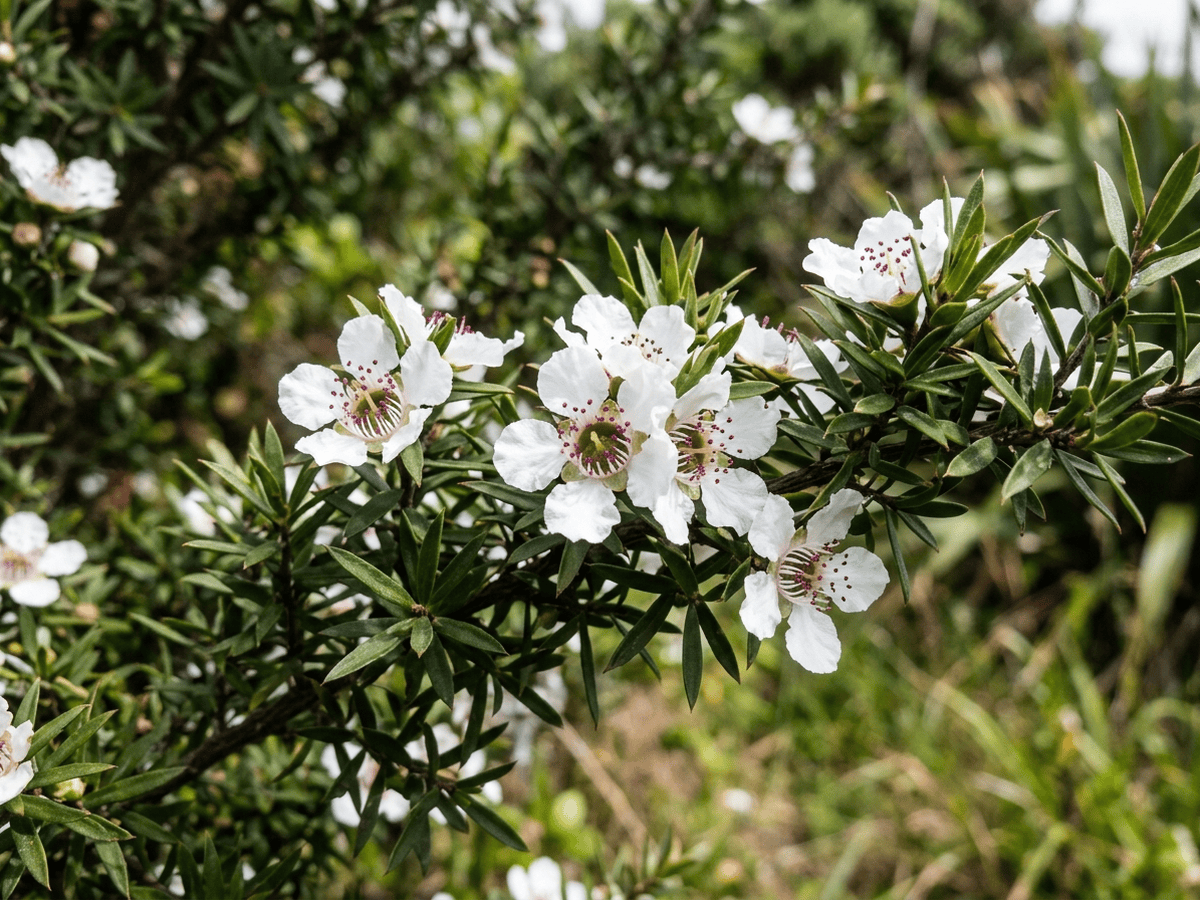
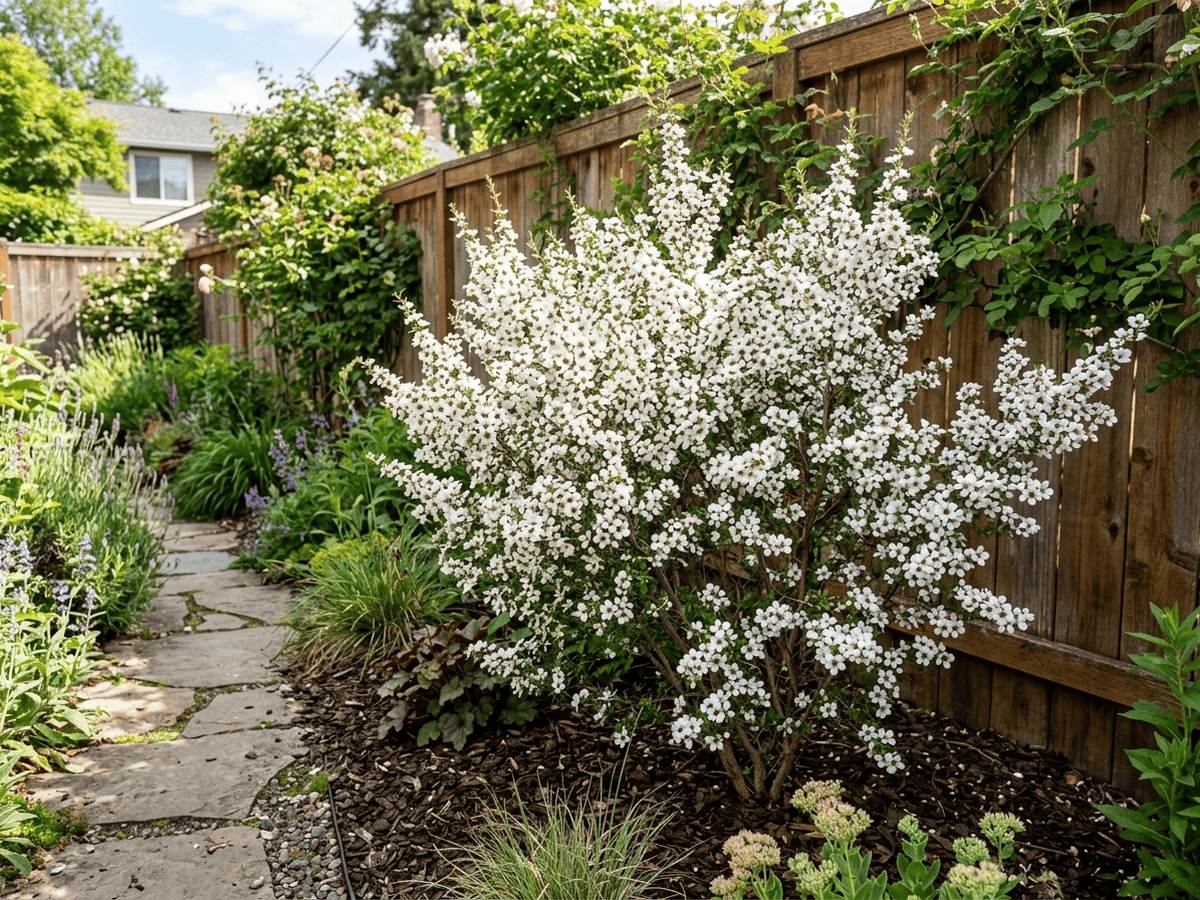
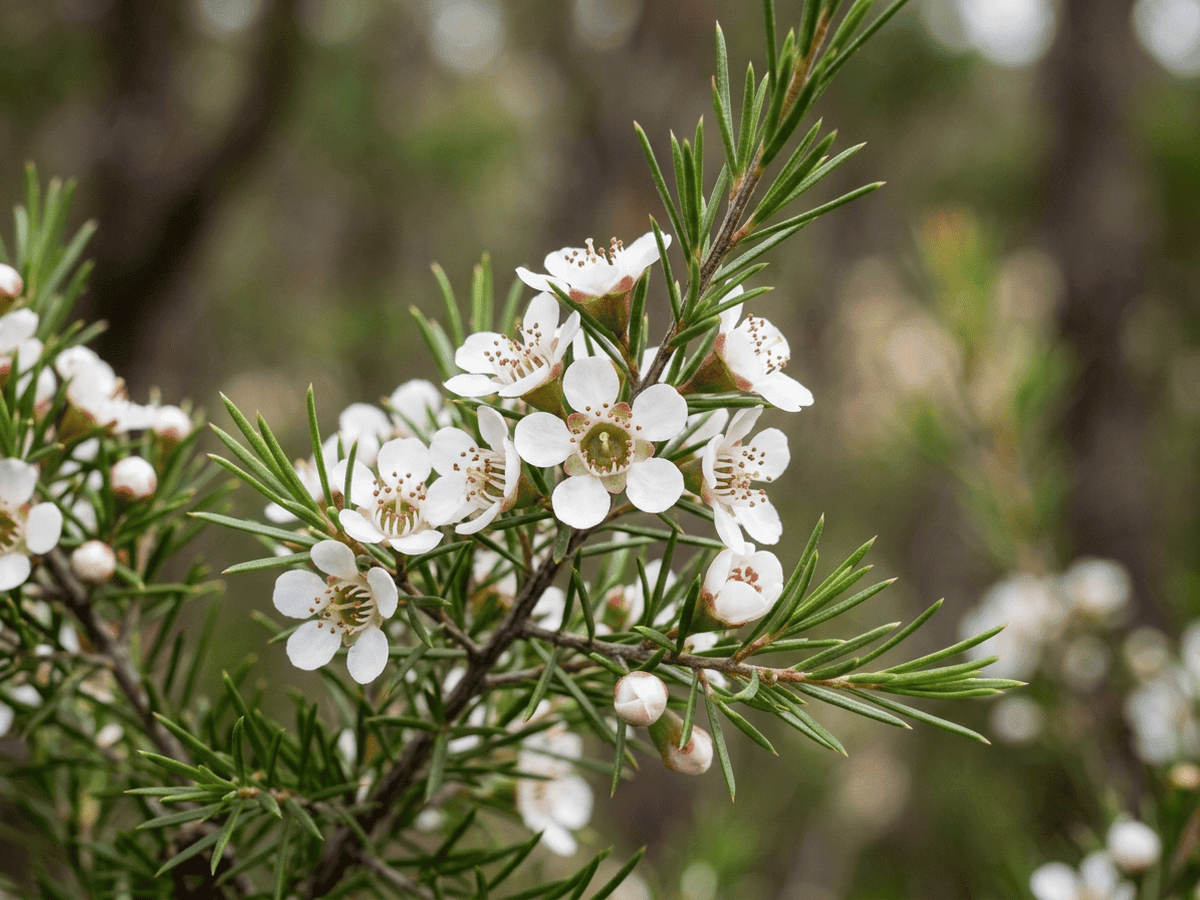
Leptospermum scoparium, commonly known as Mānuka or tea tree, is a hardy evergreen shrub native to New Zealand and southeastern Australia. It grows 2–5 m tall with a dense, bushy habit and small, needle-like aromatic leaves that give off a resinous scent when crushed. From late autumn into early winter it is covered in showy five-petalled flowers, white to soft pink, each centred with a dark red disc that draws bees and other pollinators. A tough pioneer of poor, stony, and windswept ground, it stabilises fragile soils and shelters regenerating forest. Its nectar yields the prized antibacterial Mānuka honey, and Māori have long used its leaves, bark, and gum in traditional rongoā medicine.
- Fragrant
- Evergreen
- Pollinator-friendly
- Edible
How to care for Mānuka
Watering
- Springevery 10 days
- Summerevery 7 days
- Fallevery 14 days
- Winterevery 30 days
Soil · Acidic · pH 4.5–6
- Top dressingPine needle mulch10%
- Main mixAcid-lover mix + peat 3:175%
- DrainageGravel15%
Never add lime or wood ash — it cancels out the acidity.
FERTILIZER
- Springevery 30 days
- Summerevery 30 days
- Fallevery 30 days
At a Glance
- NativeNew Zealand
- Height6–15 ft (1.8–4.6 m)
- Spread4–10 ft (1.2–3 m)
- Flower colorWhite, Pink
- Foliage colorGreen
- SoilWell-drained, Moist, Acidic
- LocationsYard · Balcony
Bloom time
BLOOM CYCLE
Peak bloom
Oct–Dec
The Mānuka produces showy white to pink flowers from late fall to early winter.
Fragrance
MODERATE FRAGRANCE
Crushed foliage releases a warm, resinous tea-tree aroma with a faint honeyed sweetness.
Toxicity
Humans Safe · Pets Safe
None reported
Safe
EXPOSURE No harmful exposure route is reported.
EFFECT No toxic effect is reported for humans.
NOTE Mānuka is reported non-toxic to humans; eating large amounts of plant material may cause mild stomach upset. This is not evidence that the plant is edible.
Safe
EXPOSURE No harmful exposure route is reported.
EFFECT No toxic effect is reported for dogs.
NOTE Mānuka is reported non-toxic to dogs; eating large amounts of plant material may cause mild stomach upset. This is not evidence that the plant is edible.
Safe
EXPOSURE No harmful exposure route is reported.
EFFECT No toxic effect is reported for cats.
NOTE Mānuka is reported non-toxic to cats; eating large amounts of plant material may cause mild stomach upset. This is not evidence that the plant is edible.
Educational information, not medical or veterinary advice. If exposure is suspected, contact a doctor or veterinarian.
DISTRIBUTION


- Native
- Introduced
- New Zealand
History
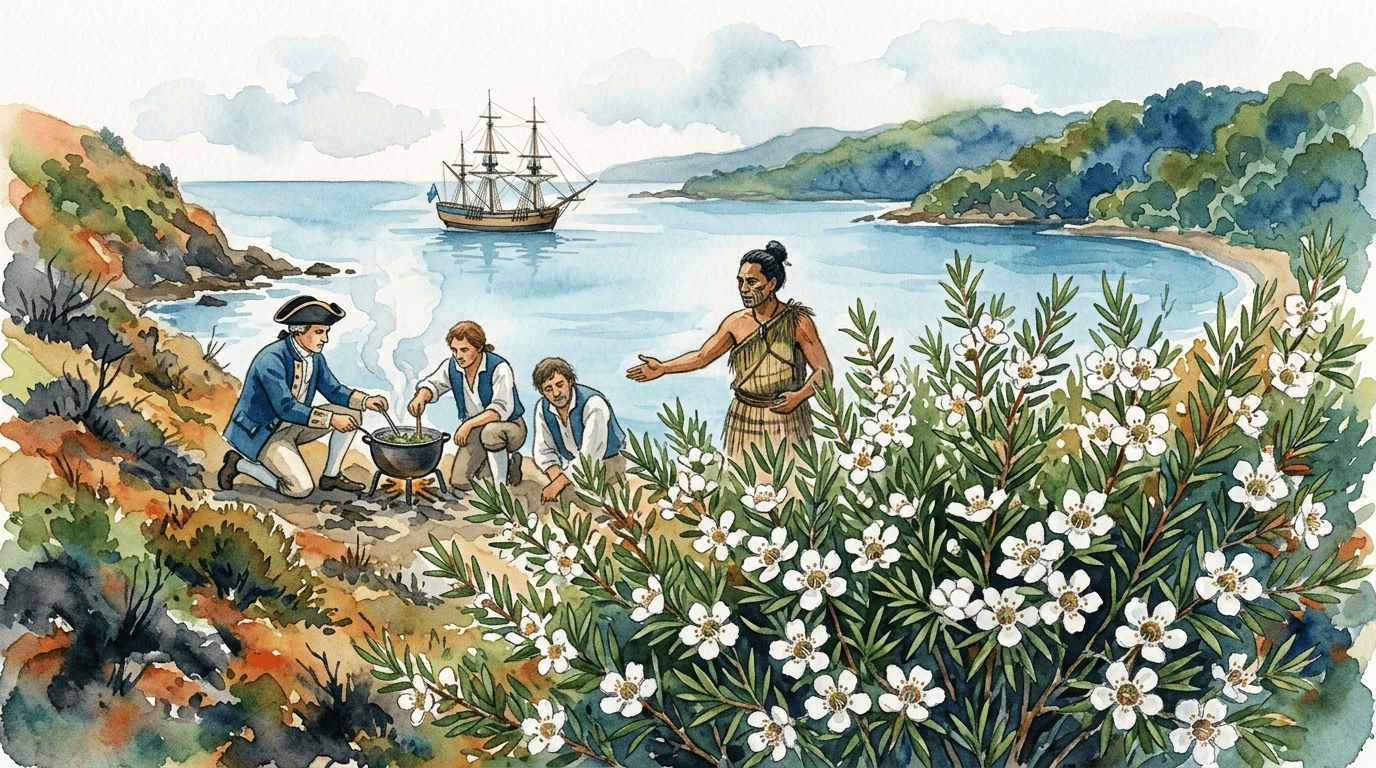
Mānuka has grown across New Zealand's hills and coasts since long before human arrival, a pioneer shrub that colonises bare and burnt ground. For Māori it was a cornerstone of rongoā: infusions of the leaves eased fever and stomach ailments, the gum soothed coughs and scalds, and the hard timber was worked into tools and weapons. When Captain James Cook reached New Zealand in 1769, his crew steeped the aromatic leaves into a bitter tea to ward off scurvy, and the name 'tea tree' stuck. In the twentieth century science caught up with tradition: the nectar of Mānuka flowers produces a honey rich in methylglyoxal, whose antibacterial power turned a humble scrubland shrub into one of the country's most valued exports.
Symbolism & meaning
What It Symbolizes
Mānuka carries a quiet message of resilience and healing. It is the first to return to scorched and stony land, its roots binding fragile coastal soils and its canopy sheltering the forest that follows — a pioneer that mends the ground itself. From that same toughness comes its gift of healing: the rongoā of Māori healers and the antibacterial honey drawn from its blossoms. To plant Mānuka is to invite endurance that gives back.
- resilience — colonises bare, burnt, and windswept ground where little else grows
- healing — rongoā medicine and antibacterial honey drawn from its flowers
Where the Name Comes From
Leptospermum joins the Greek 'leptos' (slender) and 'sperma' (seed), for its fine seeds; the species name 'scoparium' is Latin for 'broom-like', after branches once bound into brooms. 'Mānuka' is the enduring Māori name.
Uses & Fun Facts
- Nectar-rich blooms feed bees and yield antibacterial mānuka honey.
- A traditional Māori rongoā remedy for wounds, fevers, and coughs.
- Compact evergreen prized for its showy white-to-pink flowers.
- Aromatic tea-tree foliage scents the garden when brushed.
Related plants
More Leptospermum plants
Plants with similar care
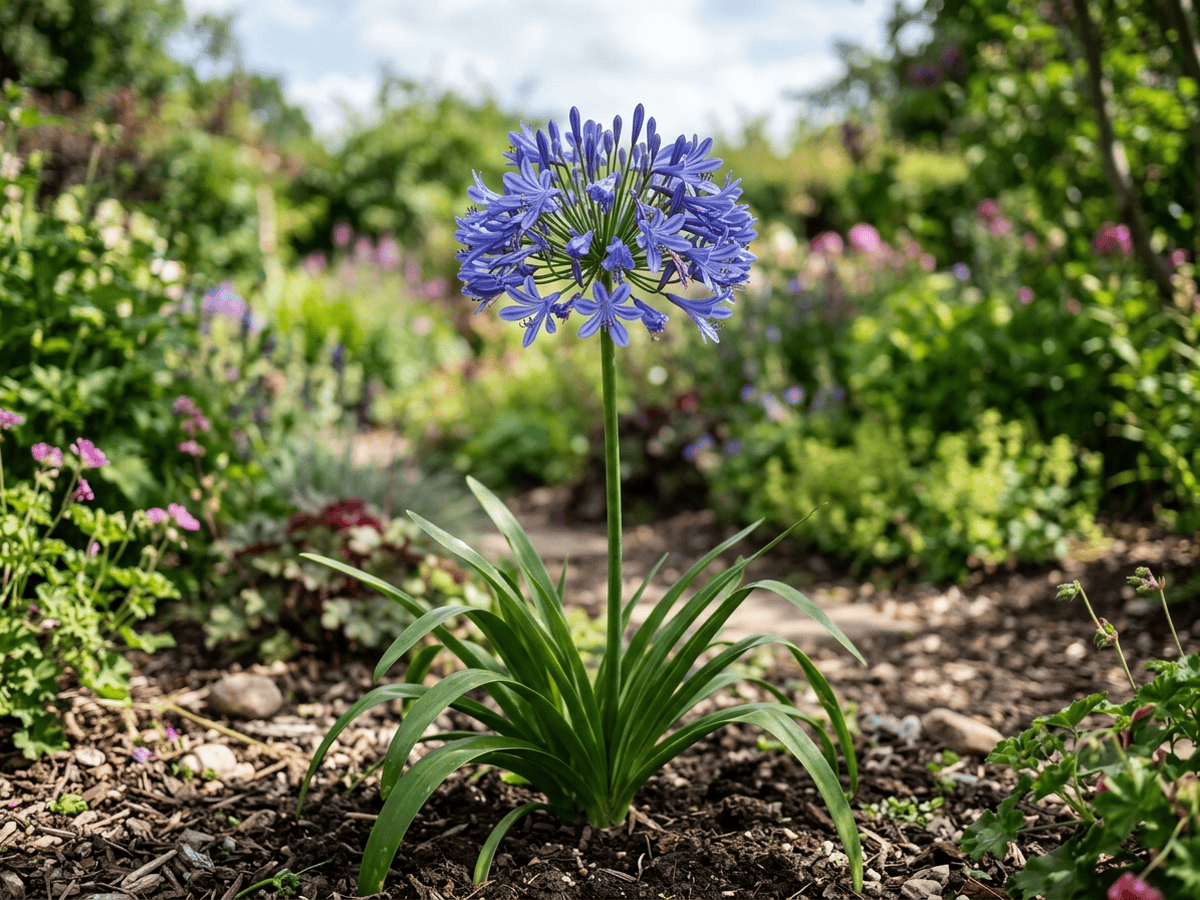 African LilyAgapanthus africanus
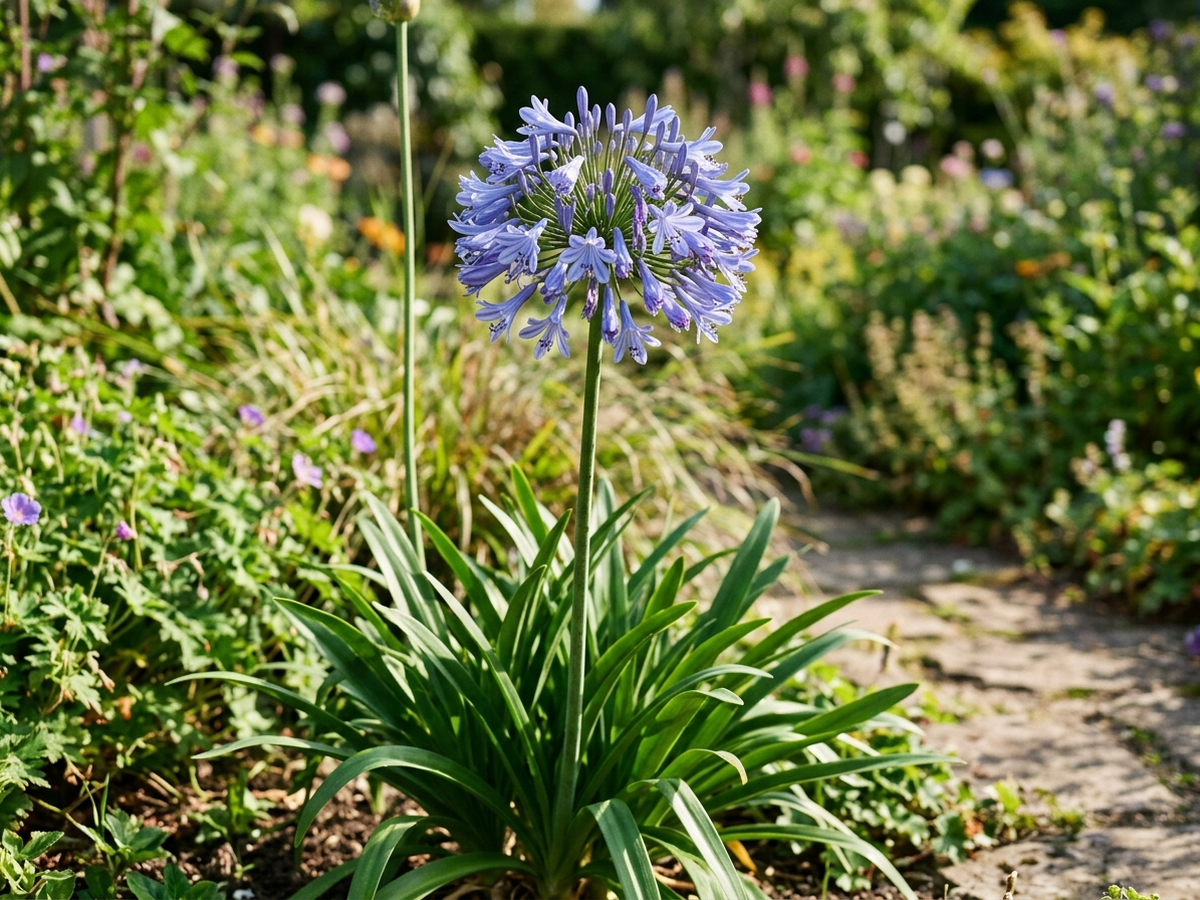 Bell AgapanthusAgapanthus campanulatus
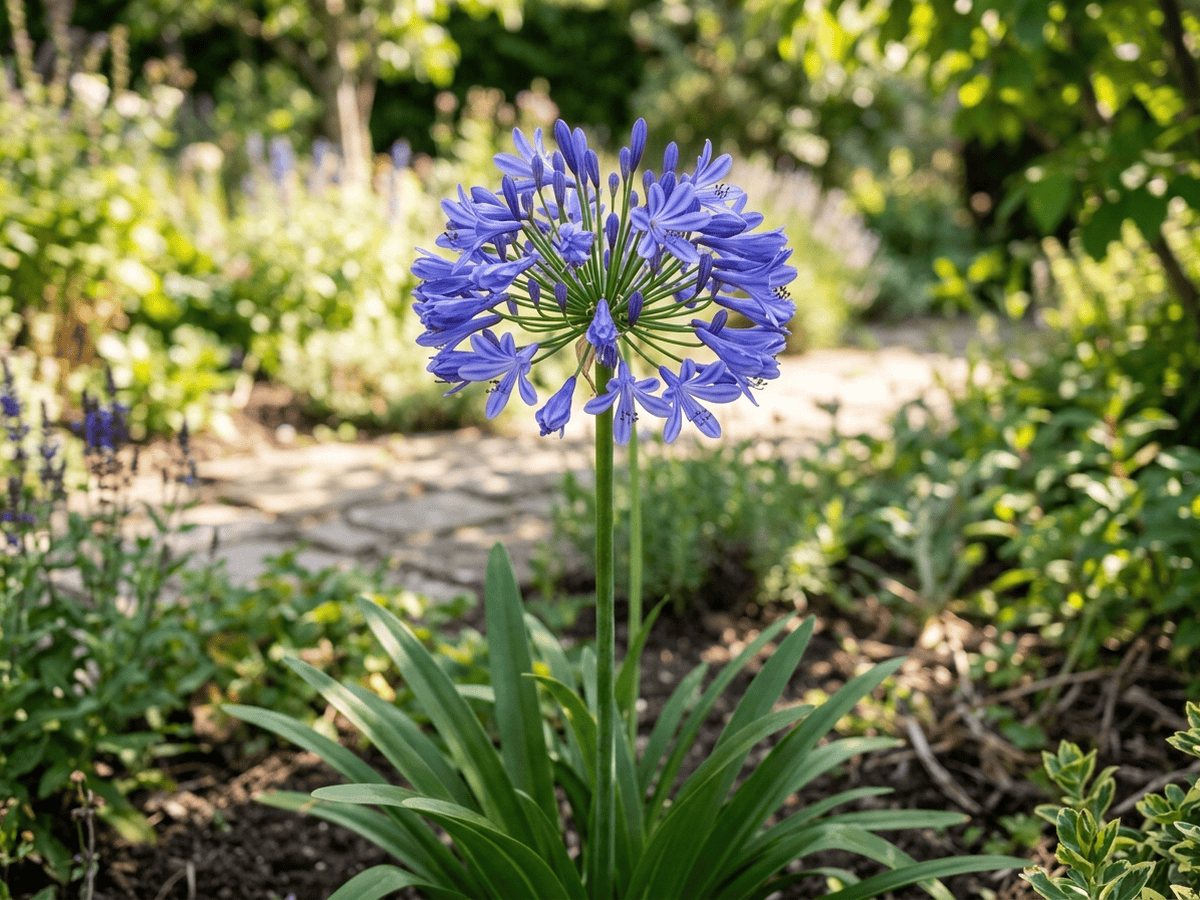 Common AgapanthusAgapanthus praecox
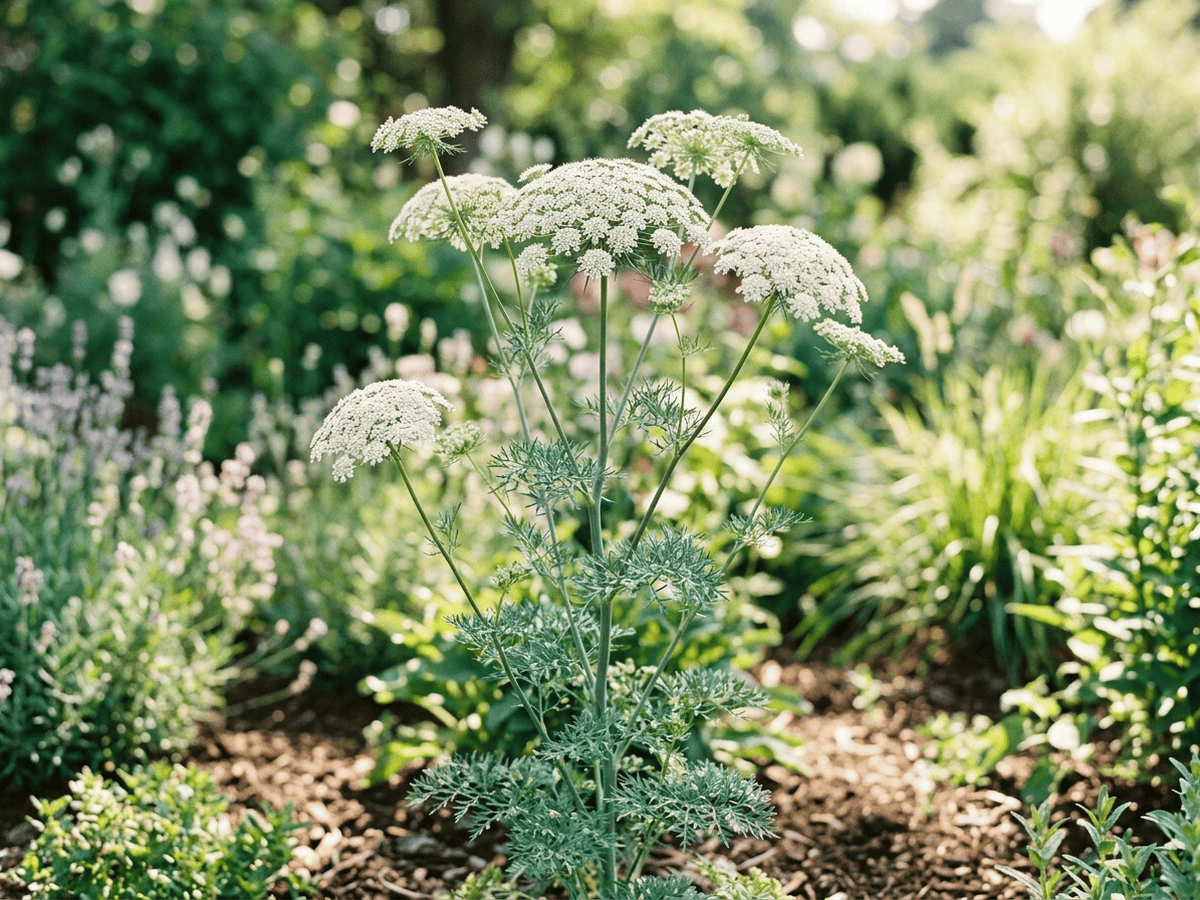 False Queen Anne's LaceAmmi majus glaucifolium
Frequently asked questions
How often should I water Mānuka?
In summer, water about every 7 days; in winter, about every 30 days. Adjust for heat, pot size and drainage.
How much light does Mānuka need?
Part sun: 4–6 hrs direct. Watch the leaves — scorching or stretching means the light needs adjusting.
Is Mānuka toxic to cats or dogs?
Pets Safe (Dogs Safe · Cats Safe) Educational information, not medical or veterinary advice. If exposure is suspected, contact a doctor or veterinarian.
Is Mānuka easy to grow?
It is considered challenging and rewards experienced growers.
When does Mānuka bloom?
It typically blooms Oct–Dec in the Northern Hemisphere.
YardMate
Identify any plant in seconds
Snap a photo — YardMate names the plant, diagnoses problems, and reminds you when to water.
Download on the App Store