 YardMate
Round-headed Bush Clover
Lespedeza capitata
Hard · Experienced growersAbout Round-headed Bush Clover
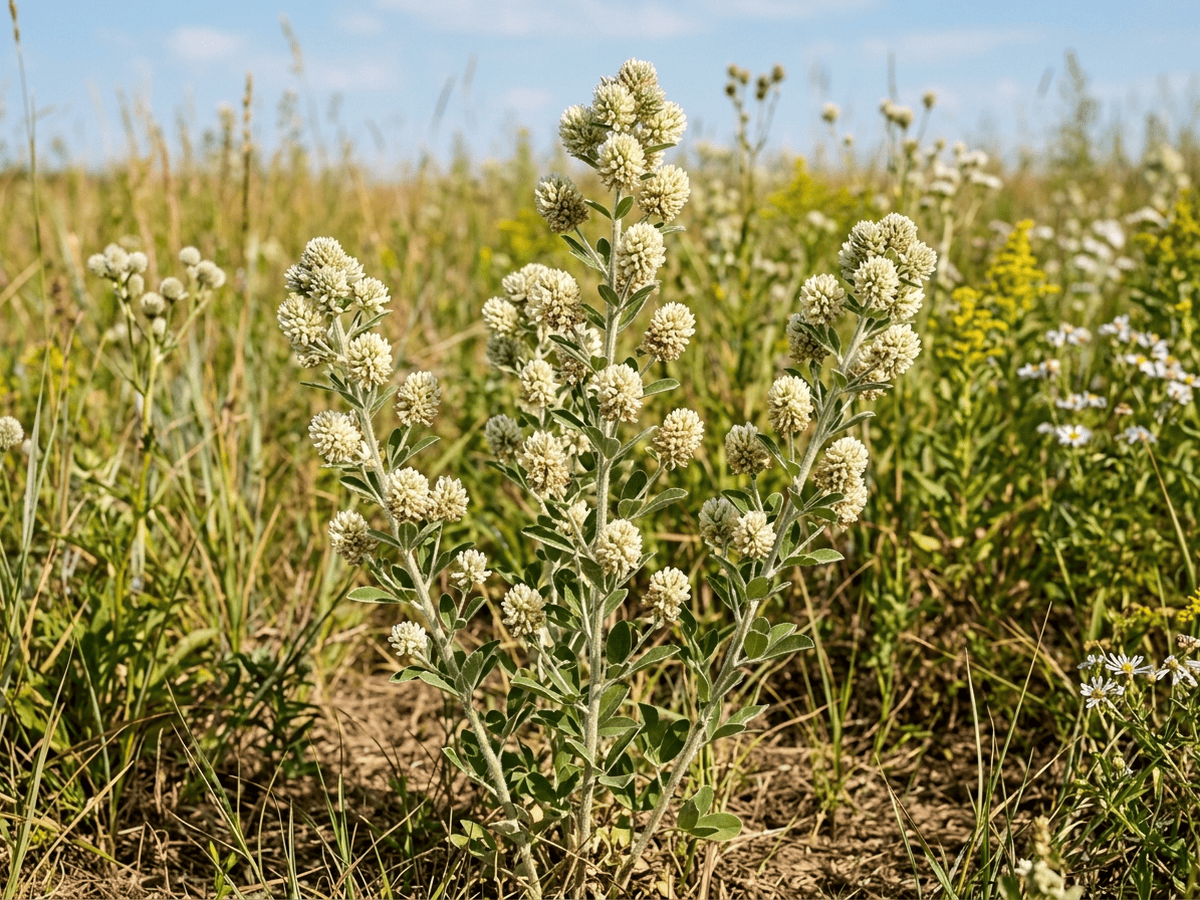
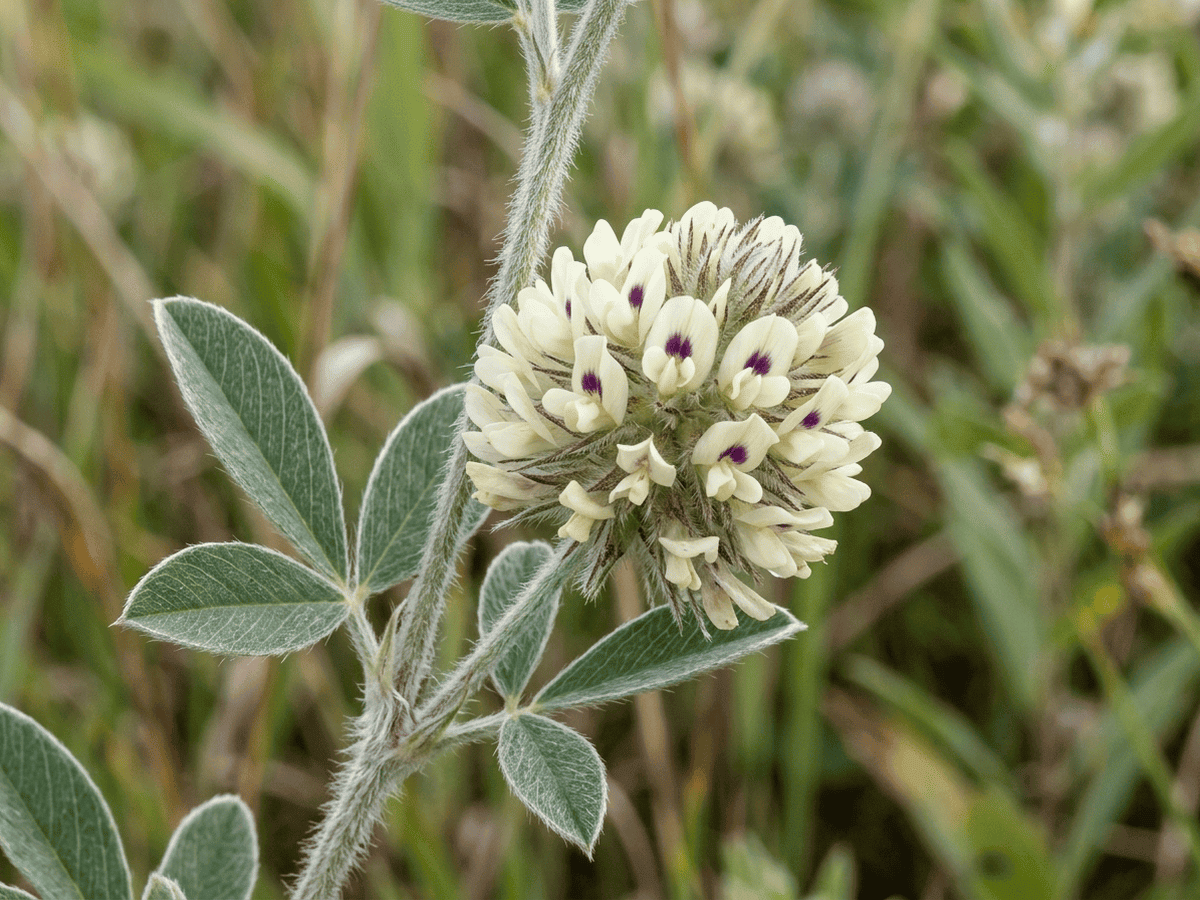
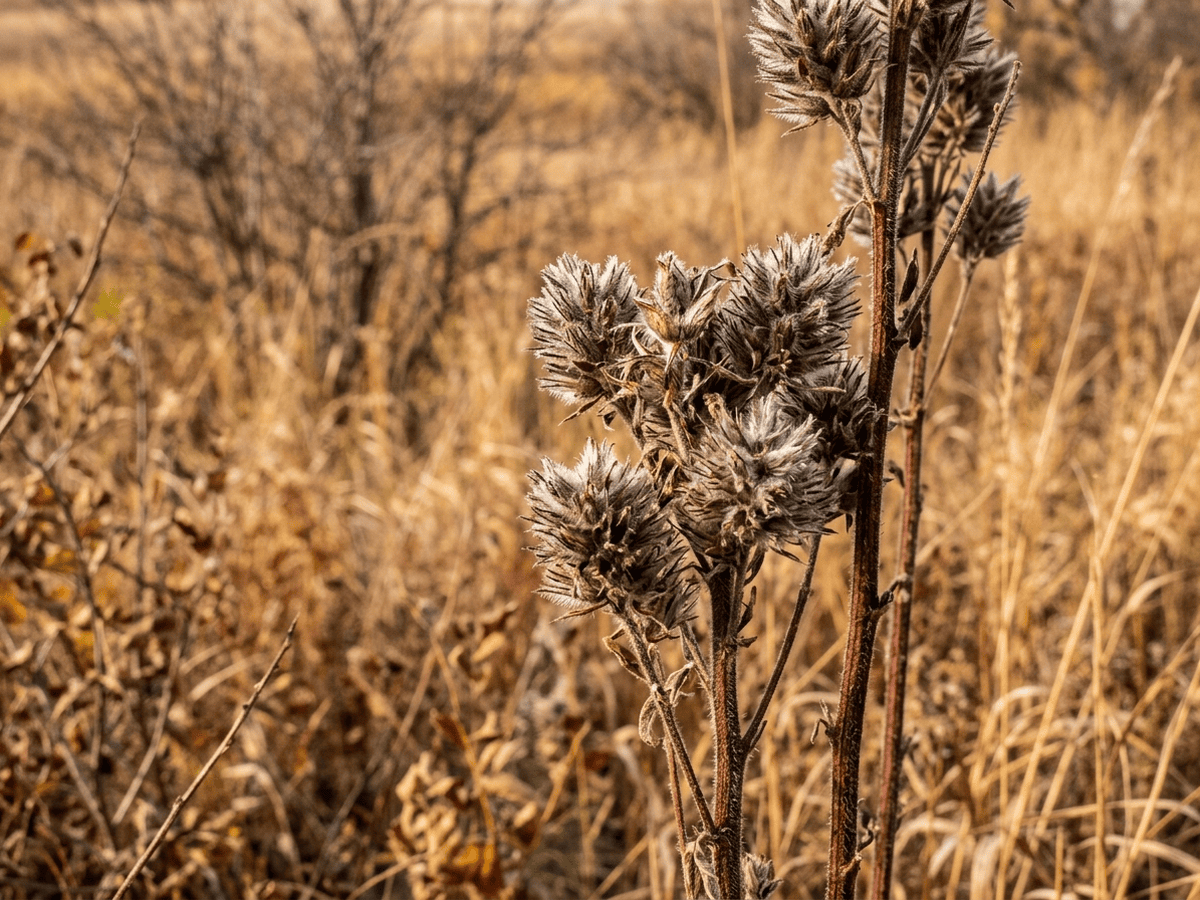
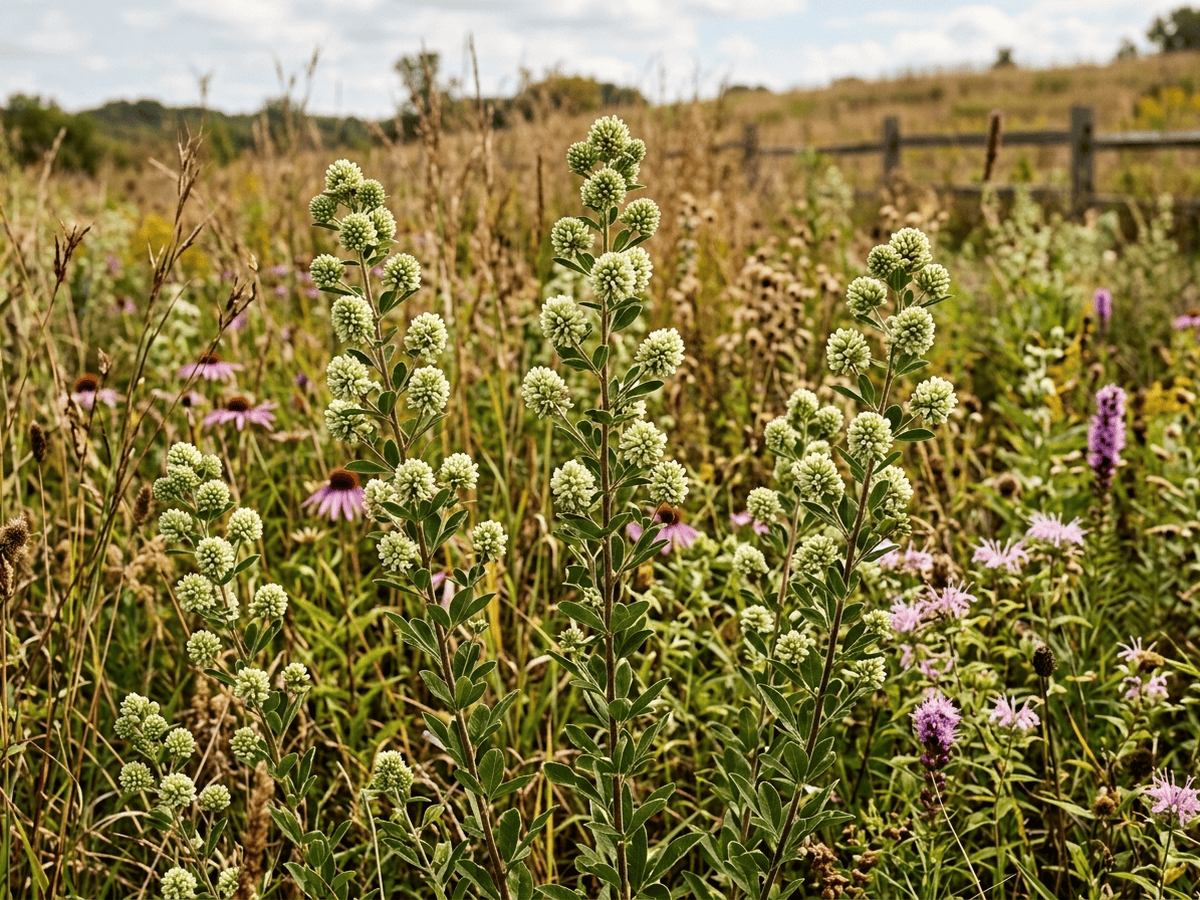
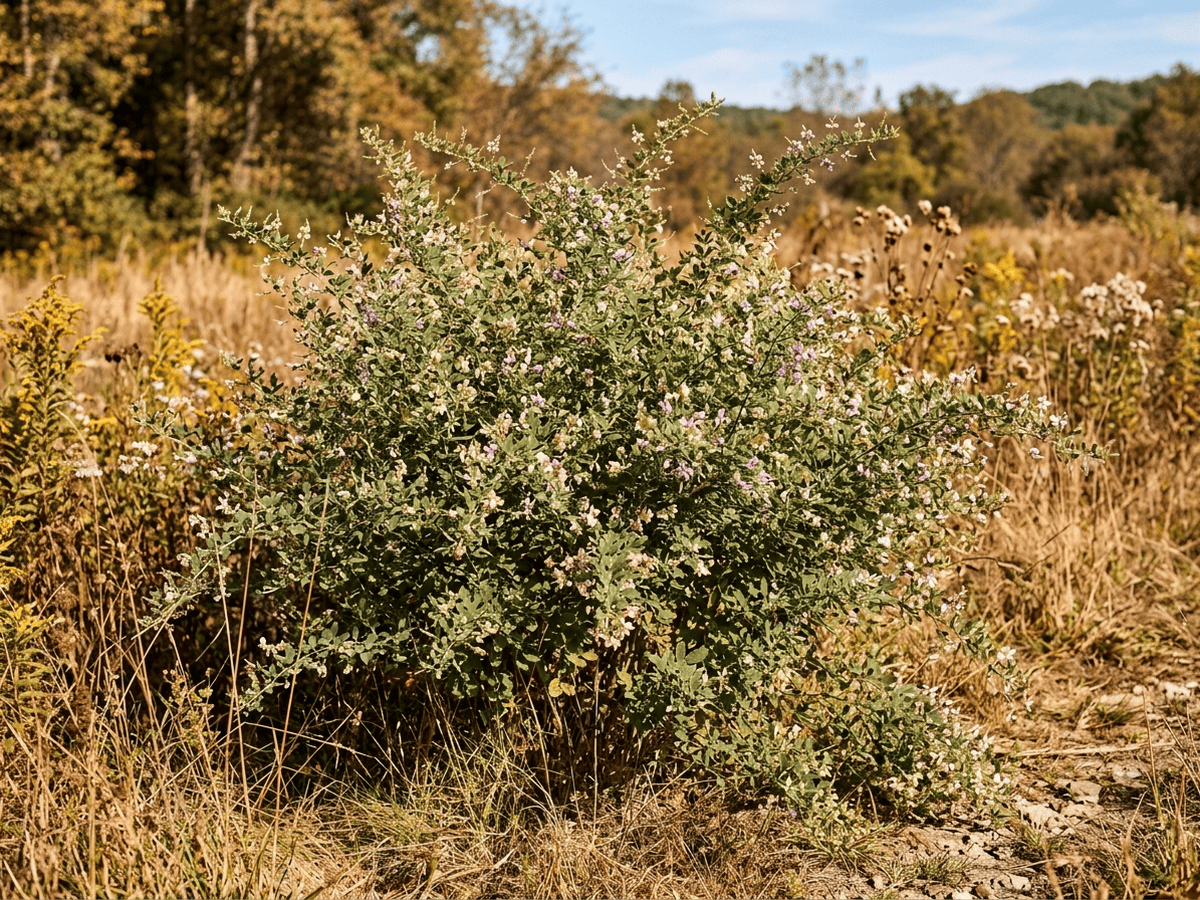
Lespedeza capitata, Round-headed Bush Clover, is a sturdy native perennial of North American prairies and open woodlands, growing 2–4 feet tall with erect, silvery-hairy stems bearing dense, rounded clusters of small creamy-white flowers marked with a purple spot from midsummer into autumn. After petals drop, the hairy seed heads dry to a distinctive silvery-brown and persist through winter, providing seeds for bobwhite quail, songbirds, and small mammals. Exceptionally drought-tolerant once established, it is a cornerstone plant in prairie restorations and dry native gardens across the eastern and central United States.
- Deciduous
- Drought-tolerant
- Pollinator-friendly
- Long-blooming
- Showy-fruit
How to care for Round-headed Bush Clover
Watering
- Springevery 15 days
- Summerevery 10 days
- Fallevery 20 days
- Winterpause watering
Soil · Well-draining
- Top dressingPine bark mulch10%
- Main mixPotting soil + perlite 2:170%
- DrainageLECA / gravel20%
Never skip the drainage layer — standing water is the top cause of root rot.
FERTILIZER
- Springevery 30 days
- Summerevery 60 days
At a Glance
- NativeNorth America
- Height1–3 ft (0.3–0.9 m)
- Spread2–3 ft (0.6–0.9 m)
- Flower colorPurple, Pink
- Foliage colorGreen
- SoilLoamy, Well-drained
- LocationsYard · Balcony
Bloom time
BLOOM CYCLE
Peak bloom
Jul–Sep
This plant produces attractive blooms in mid to late summer, providing a nectar source for pollinators.
Toxicity
No toxicity has been reported for this plant. Still, it is wise to keep pets from chewing on any houseplant.
Educational information, not medical or veterinary advice. If exposure is suspected, contact a doctor or veterinarian.
DISTRIBUTION


- Native
- North America
History
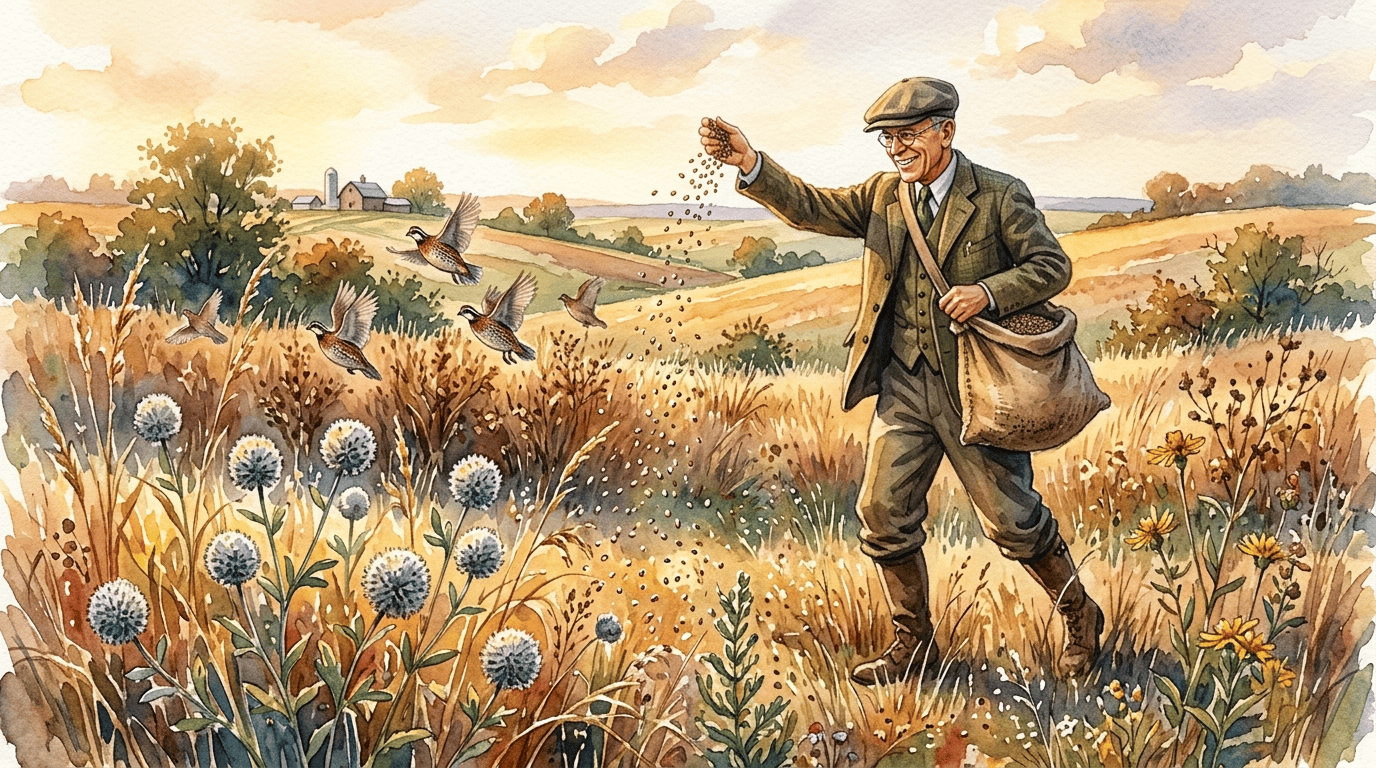
Lespedeza capitata is one of the characteristic plants of the North American tallgrass prairie—a biome that once stretched from Indiana to Kansas and from Texas to Manitoba, supporting bison herds and an extraordinary diversity of birds and insects. Round-headed Bush Clover thrives in the dry, nutrient-poor soils that define these grasslands, where its nitrogen-fixing roots slowly enrich the soil over decades.
The plant's ecological relationships are extensive. It serves as a larval host for the Hoary Edge and Silver-spotted Skipper butterflies. Its flowers attract native bees including specialist Melissodes and Andrena species that depend on legume pollen. After flowering, the persistent hairy seed heads provide critical winter food for bobwhite quail—a declining game bird whose populations closely track the availability of Lespedeza seed in the agricultural landscape.
Lespedeza capitata entered horticulture slowly. Unlike showier prairie plants, its modest creamy flower clusters don't dominate a garden visually. But the prairie restoration movement—which began seriously in the 1930s with Aldo Leopold and expanded greatly as ecological science clarified the value of native plant communities—recognized its foundational role. Today it is a standard component of prairie seed mixes across its native range.
The plant's most distinctive ornamental feature appears after the flowers are gone: the silvery-white hairy seed heads persist through winter, catching low afternoon light in the dormant garden when almost nothing else remains.
Symbolism & meaning
What It Symbolizes
The silver seed heads persist all winter when everything else has gone. Long after the flowers are forgotten, this plant is still feeding something—quail in January, bees in a future spring. Prairie plants teach a different time horizon than garden flowers.
- steadfastness — Survives drought, poor soil, and deep cold—while quietly fixing nitrogen the whole time. Strength that doesn't announce itself.
- community — Feeds bees, butterflies, quail, and soil bacteria. Prairie abundance built from modest, persistent means.
Where the Name Comes From
The genus Lespedeza was named in 1803 by botanist André Michaux to honor Vincente Manuel de Céspedes, the Spanish governor of East Florida who aided Michaux's botanical explorations in America—the name is a slight misspelling of Céspedes. The species epithet capitata is Latin for 'head-like,' referring to the dense, rounded flower clusters.
Uses & Fun Facts
- Attracts specialist native bees and skipper butterflies; one of the most ecologically valuable legumes for native bee communities in prairie regions
- Persistent silvery-brown seed heads provide striking winter interest; a cornerstone plant in prairie restorations and dry native gardens
Related plants
More Lespedeza plants
Plants with similar care
 Pink Sand VerbenaAbronia umbellata
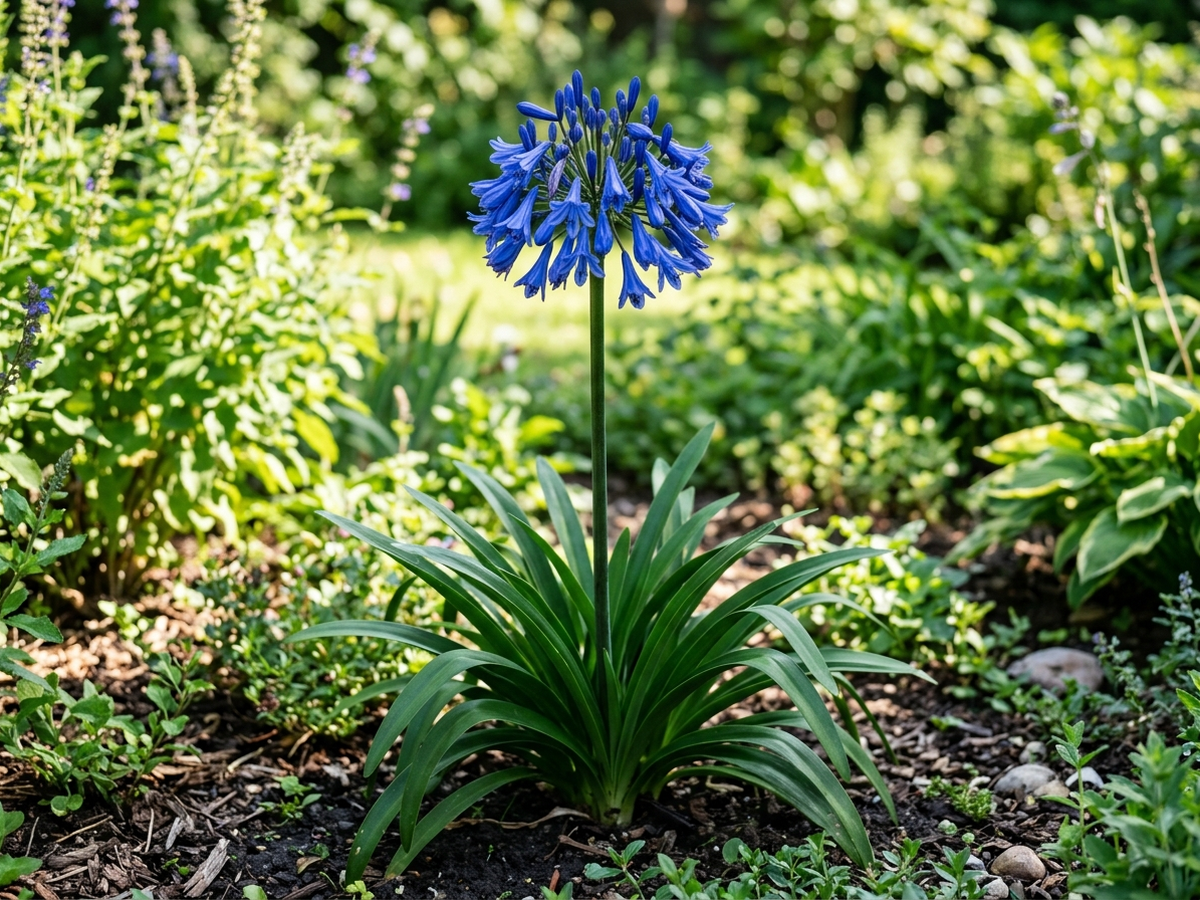 Drooping AgapanthusAgapanthus inapertus
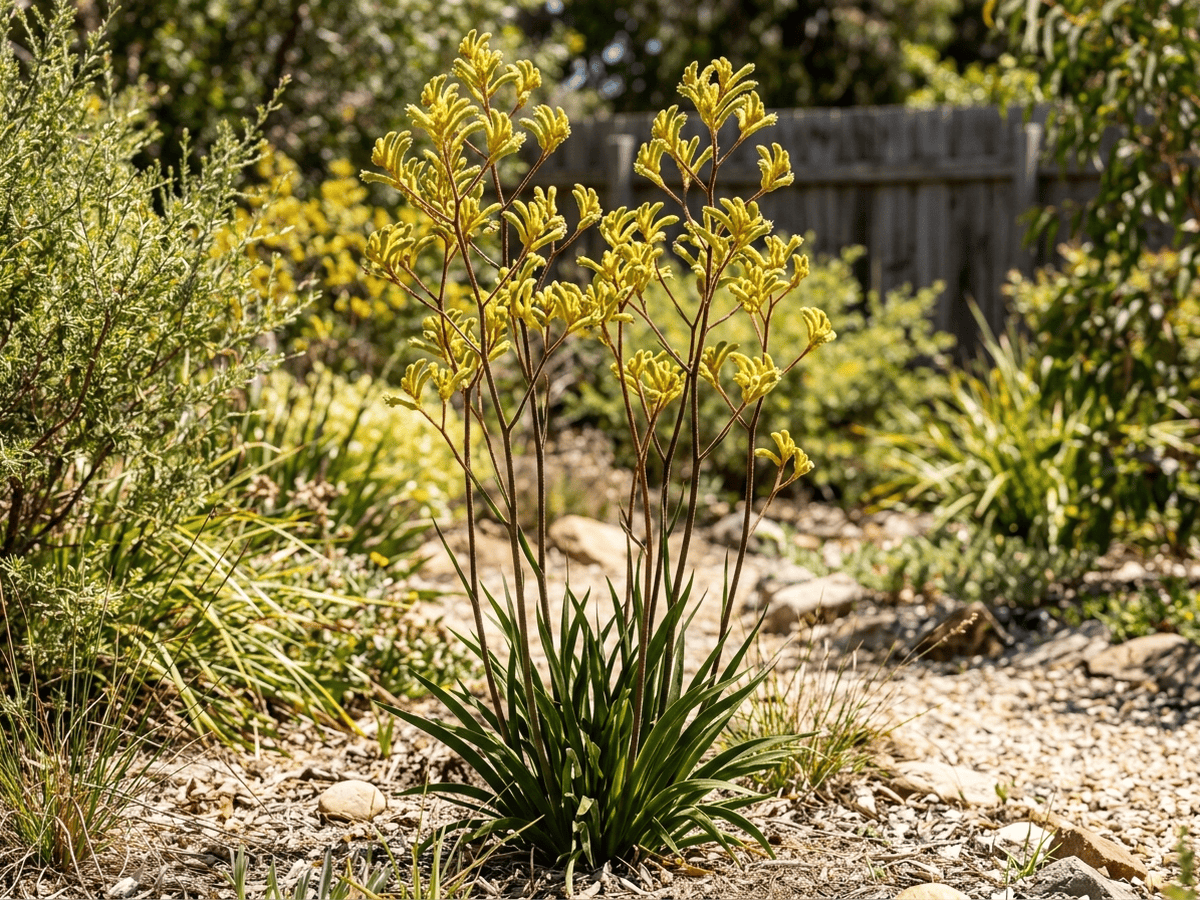 Tall Kangaroo PawAnigozanthos flavidus
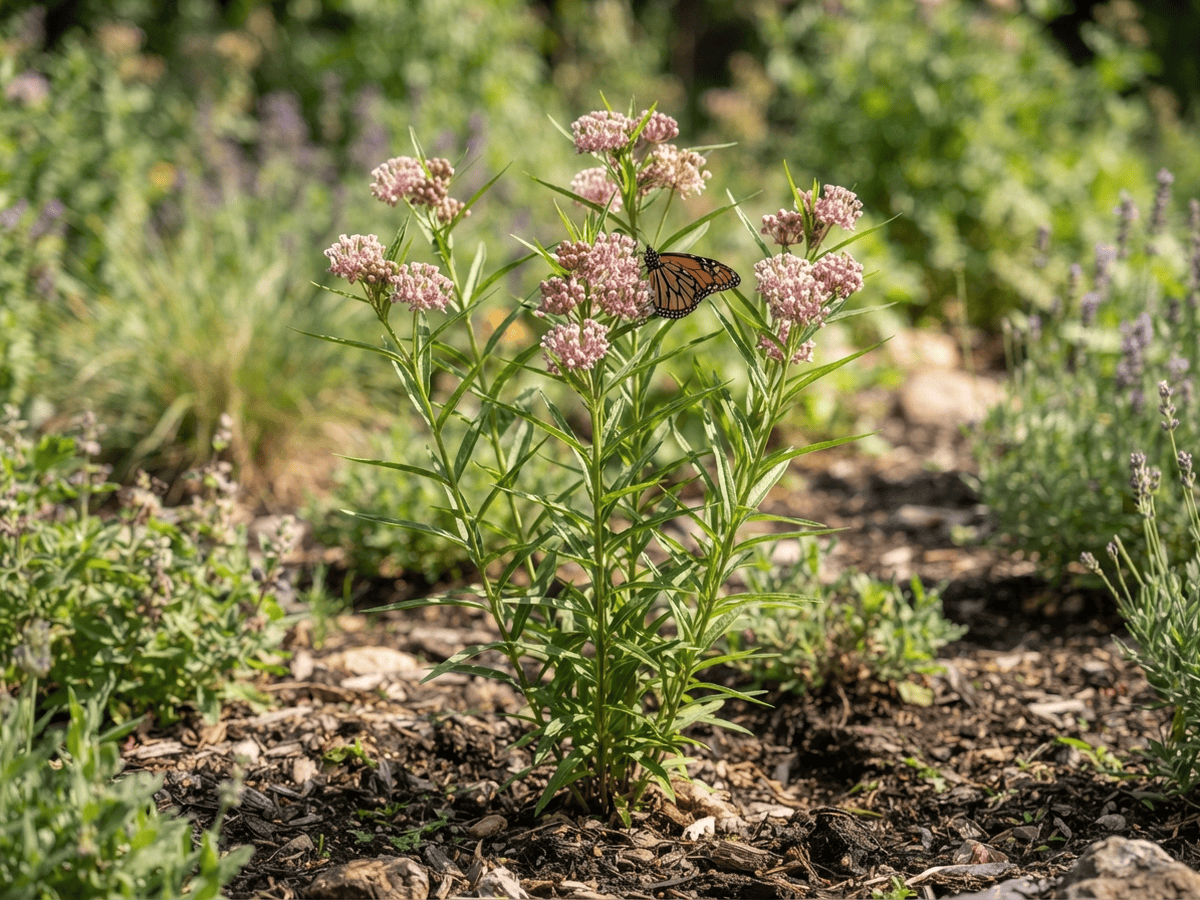 Narrowleaf MilkweedAsclepias fascicularis
Frequently asked questions
How often should I water Round-headed Bush Clover?
Water about every 15 days during the growing season, and always let excess water drain away.
How much light does Round-headed Bush Clover need?
Full sun: 6+ hrs direct. Watch the leaves — scorching or stretching means the light needs adjusting.
Is Round-headed Bush Clover toxic to cats or dogs?
No toxicity has been reported for this plant. Still, it is wise to keep pets from chewing on any houseplant. Educational information, not medical or veterinary advice. If exposure is suspected, contact a doctor or veterinarian.
Is Round-headed Bush Clover easy to grow?
It is considered challenging and rewards experienced growers.
When does Round-headed Bush Clover bloom?
It typically blooms Jul–Sep in the Northern Hemisphere.
YardMate
Identify any plant in seconds
Snap a photo — YardMate names the plant, diagnoses problems, and reminds you when to water.
Download on the App Store