 YardMate
Chinese Bushclover
Lespedeza cuneata
Hard · Experienced growersAbout Chinese Bushclover
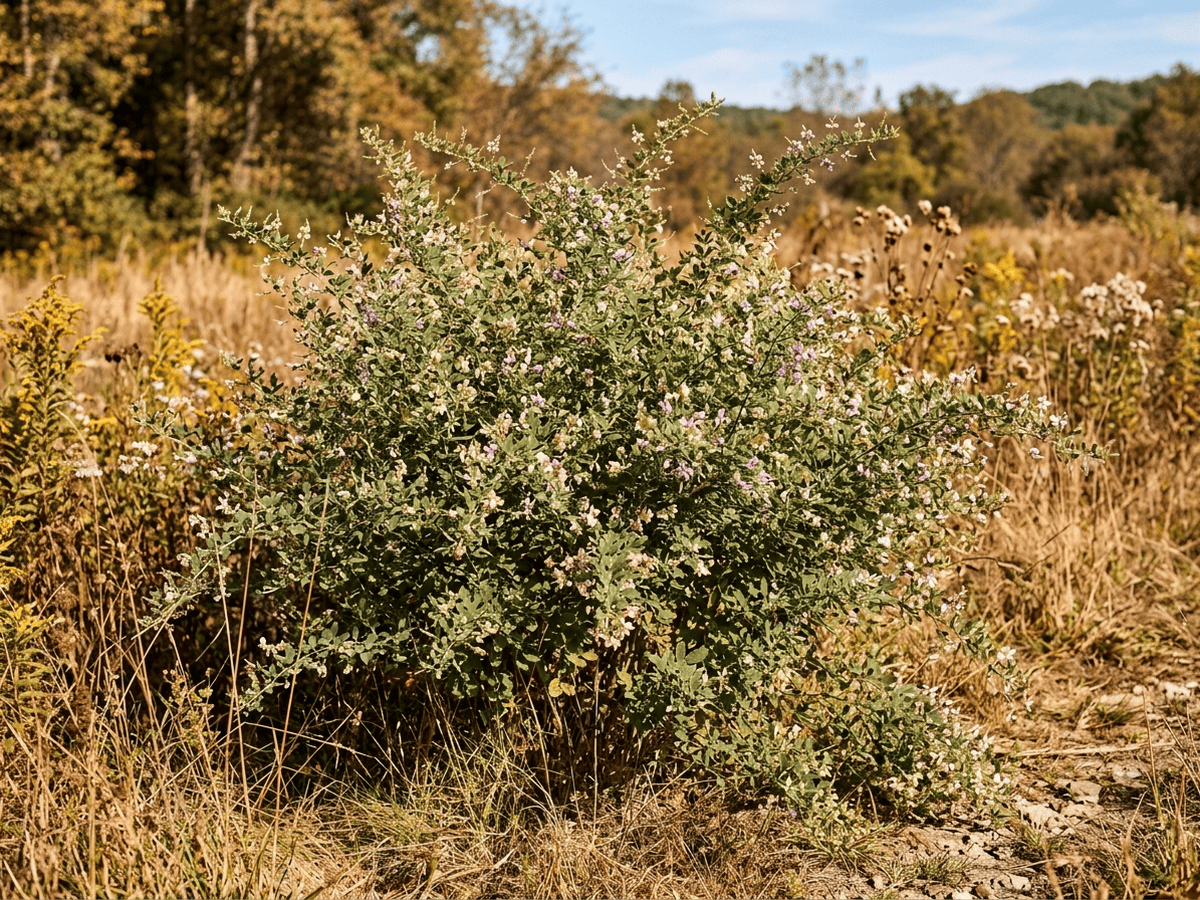
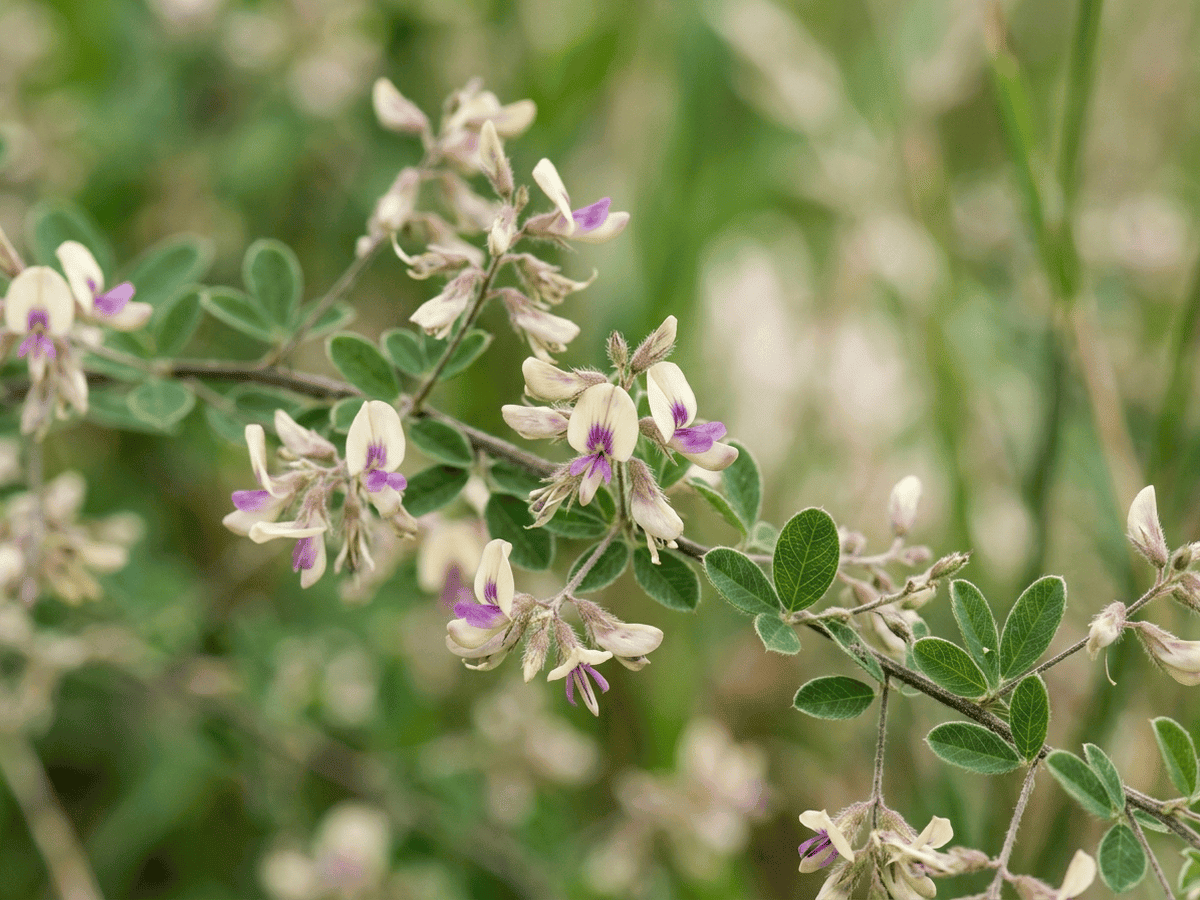
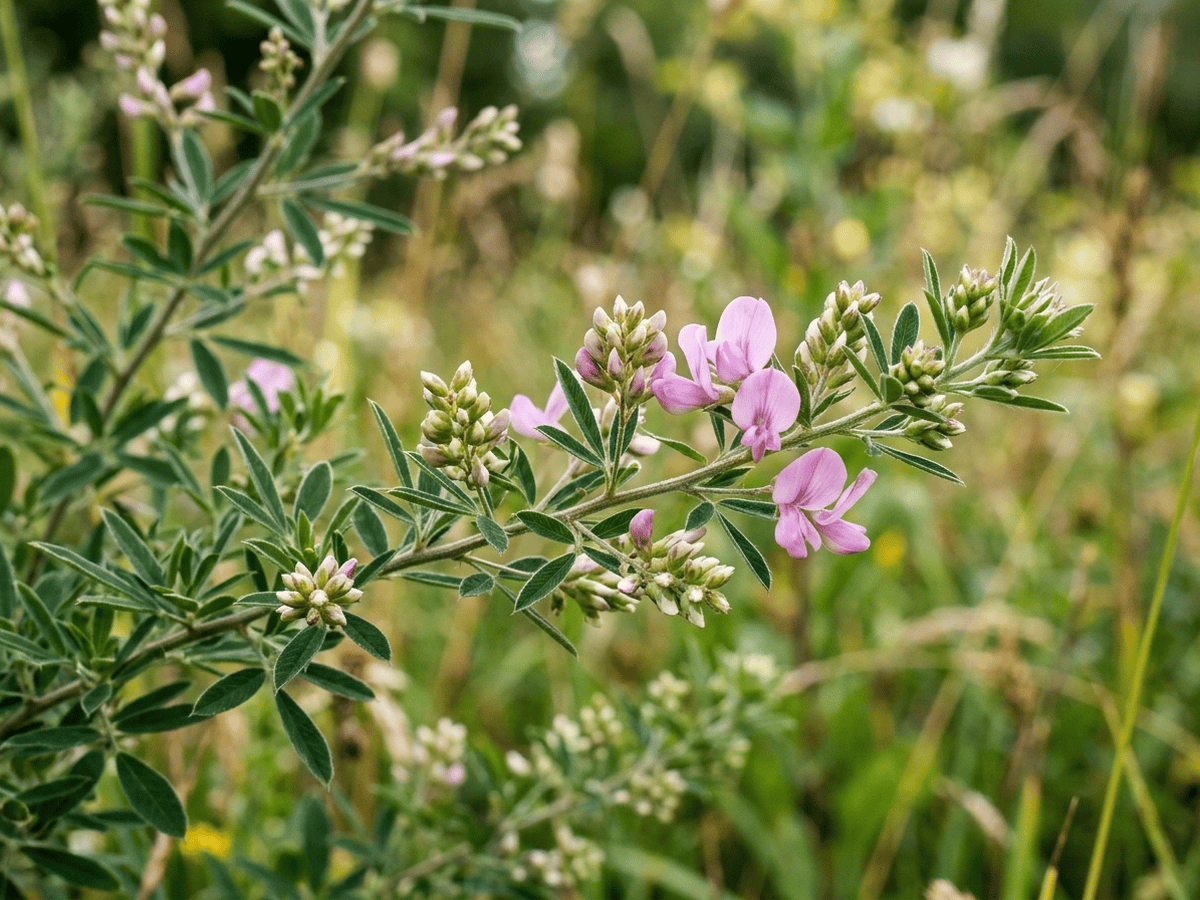
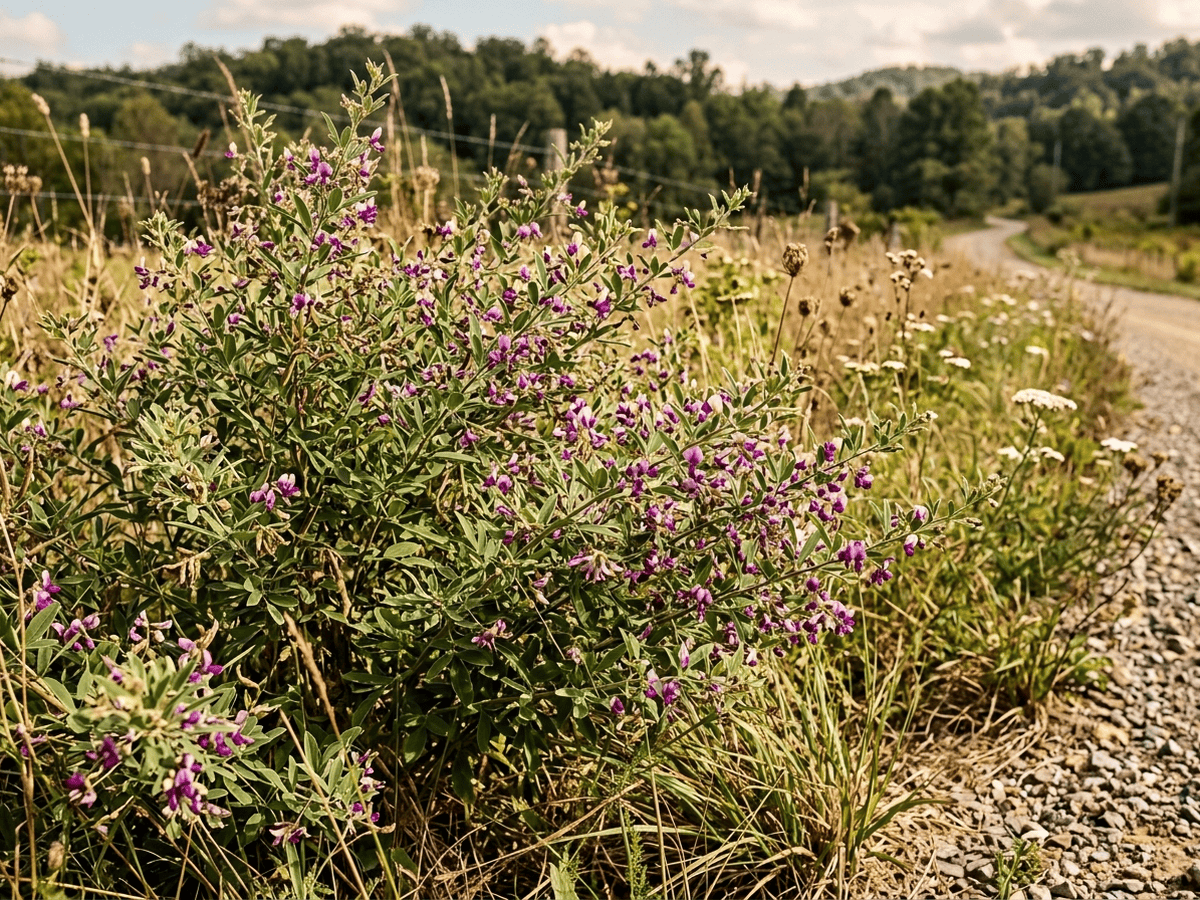
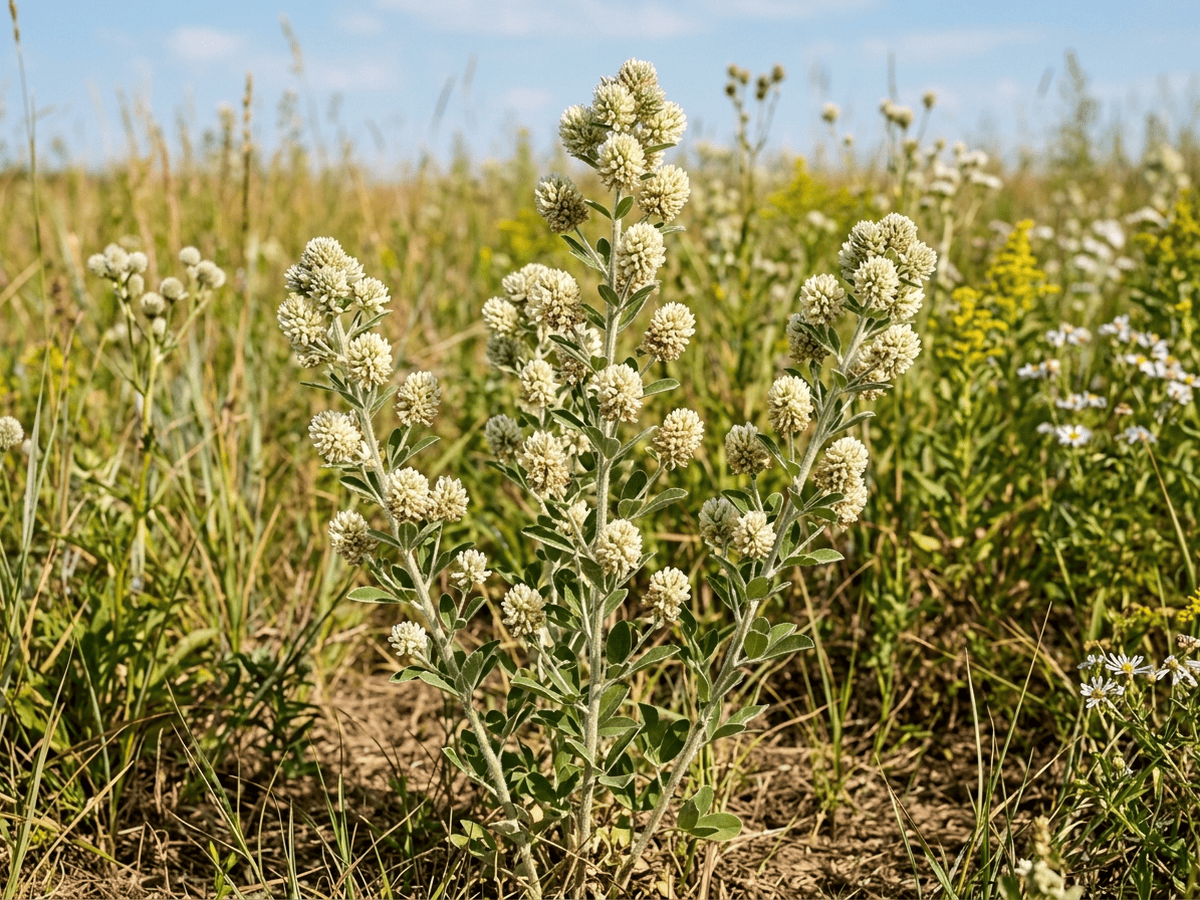
Lespedeza cuneata, Chinese Bushclover, is a tough perennial legume native to East Asia—China, Japan, Korea, and Southeast Asia—growing 2–4 feet in dense upright clumps with fine trifoliate leaves and masses of small cream-and-purple flowers July through September. A nitrogen-fixer valued in traditional medicine across its native range and introduced to North America for erosion control, it has become invasive in much of the eastern United States, where it outcompetes native vegetation. Extremely drought and heat tolerant once established.
- Drought-tolerant
- Fast-growing
- Pollinator-friendly
How to care for Chinese Bushclover
Watering
- Springevery 7 days
- Summerevery 7 days
- Fallevery 14 days
- Winterpause watering
Soil · Well-draining
- Top dressingPine bark mulch10%
- Main mixPotting soil + perlite 2:170%
- DrainageLECA / gravel20%
Never skip the drainage layer — standing water is the top cause of root rot.
FERTILIZER
- Springevery 30 days
- Summerevery 30 days
- Fallevery 30 days
At a Glance
- NativeEast Asia
- Height2–4 ft (0.6–1.2 m)
- Spread2–4 ft (0.6–1.2 m)
- Flower colorPurple, Yellow
- Foliage colorGreen
- SoilWell-drained, Moist
- LocationsYard · Balcony
Bloom time
BLOOM CYCLE
Peak bloom
Jul–Sep
Flowers attract pollinators throughout the summer months.
Fragrance
NO FRAGRANCE
Not fragrant.
Toxicity
No toxicity has been reported for this plant. Still, it is wise to keep pets from chewing on any houseplant.
Educational information, not medical or veterinary advice. If exposure is suspected, contact a doctor or veterinarian.
DISTRIBUTION


- Native
- Introduced
- East Asia
History

In its native range across China, Japan, Korea, and Southeast Asia, Lespedeza cuneata has been used for centuries in traditional medicine systems. Chinese and Japanese herbalists prepared decoctions of the roots and seeds as diuretics and kidney tonics; the plant also figured in folk treatments for parasitic infections and as a mild astringent. The foliage and seeds provide forage and food for wildlife.
The plant arrived in North America around 1899, introduced through USDA agricultural programs seeking hardy legumes for difficult sites. Its ability to grow in poor, dry, and eroded soils while fixing atmospheric nitrogen made it seem ideal for revegetating strip-mine spoils, roadsides, and overgrazed pastures. Through the 1930s, 1940s, and 1950s, government agencies actively seeded Lespedeza cuneata across millions of acres in the eastern United States as part of soil conservation programs.
By the latter decades of the 20th century, ecologists began documenting a problem: Chinese Bushclover was not staying where it was planted. It spreads prolificly by seed—plants can produce tens of thousands of seeds annually—and it releases allelopathic compounds from roots and litter that inhibit germination of competing native plants. Grasslands, glades, and open woodlands from the mid-Atlantic to the Great Plains showed significant losses of native diversity where it had taken hold.
Today Lespedeza cuneata is listed as invasive or noxious in many states, and removal programs continue across the eastern US. In its native Asian range, however, it remains valued as a medicinal herb, a soil improver for degraded land, and wildlife forage—a reminder that invasiveness is always context-dependent.
Symbolism & meaning
What It Symbolizes
Chinese Bushclover was planted to save eroding hillsides. It did that job too well. It stayed, spread, and crowded out the native plants those hillsides had always held. The story of this plant is the story of many introduced species: introduced with good intentions, living with consequences.
- adaptability — Thrives in poor soil, drought, and heat that would defeat most plants—the ultimate survivor, for better and worse.
- consequence — Introduced with the best intentions, it became one of the eastern US's most persistent invasive plants—a lesson that ecological consequence outlasts human plans.
Where the Name Comes From
The genus Lespedeza was named by Michaux in honor of Vicente Manuel de Zespedes, the Spanish governor of East Florida, whose name was misspelled in the original publication. The species epithet cuneata means 'wedge-shaped' in Latin, describing the tapering base of the leaflets.
Uses & Fun Facts
- Roots and seeds used in Chinese and Japanese traditional medicine as a diuretic and kidney tonic; practiced for centuries in native range
- Seeds consumed by quail, turkey, and deer; historically promoted as wildlife habitat plant in the US
Related plants
More Lespedeza plants
Plants with similar care
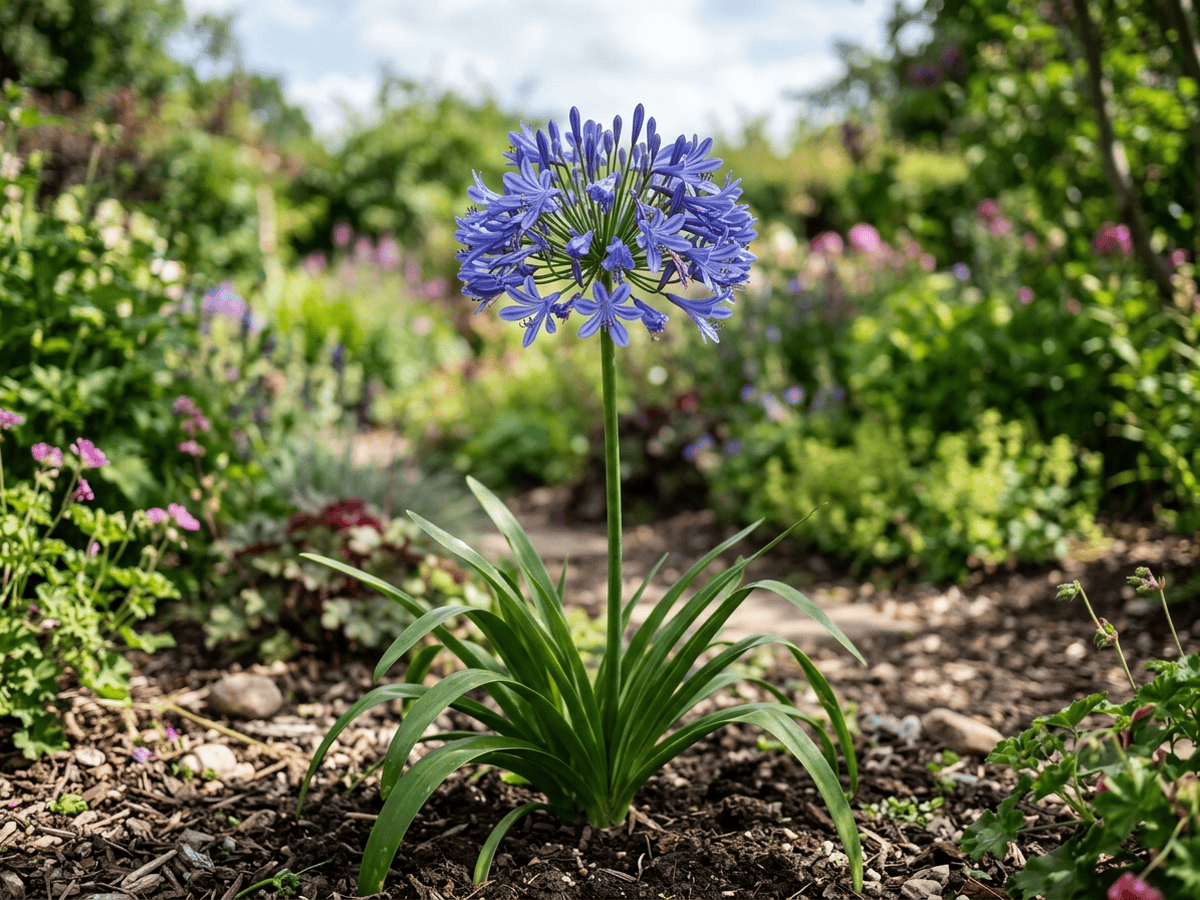 African LilyAgapanthus africanus
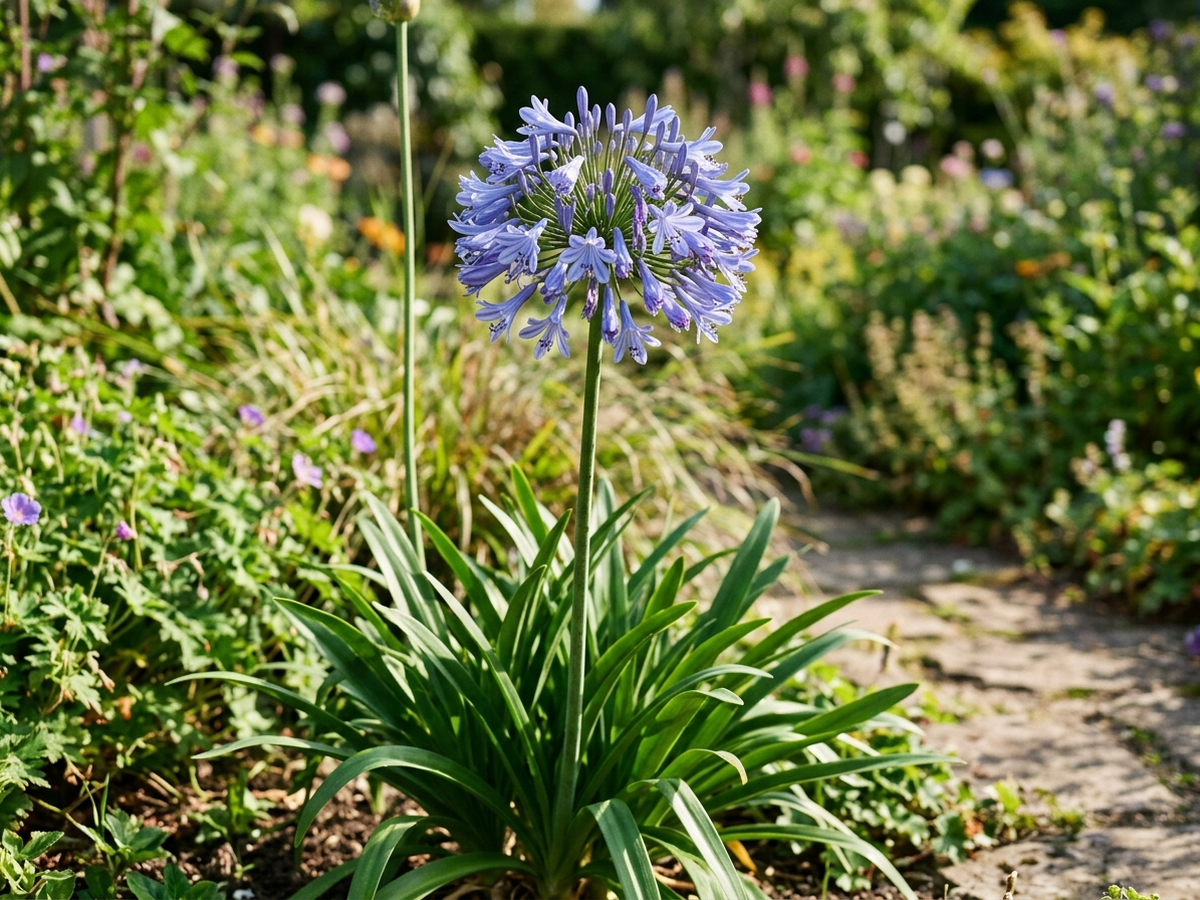 Bell AgapanthusAgapanthus campanulatus
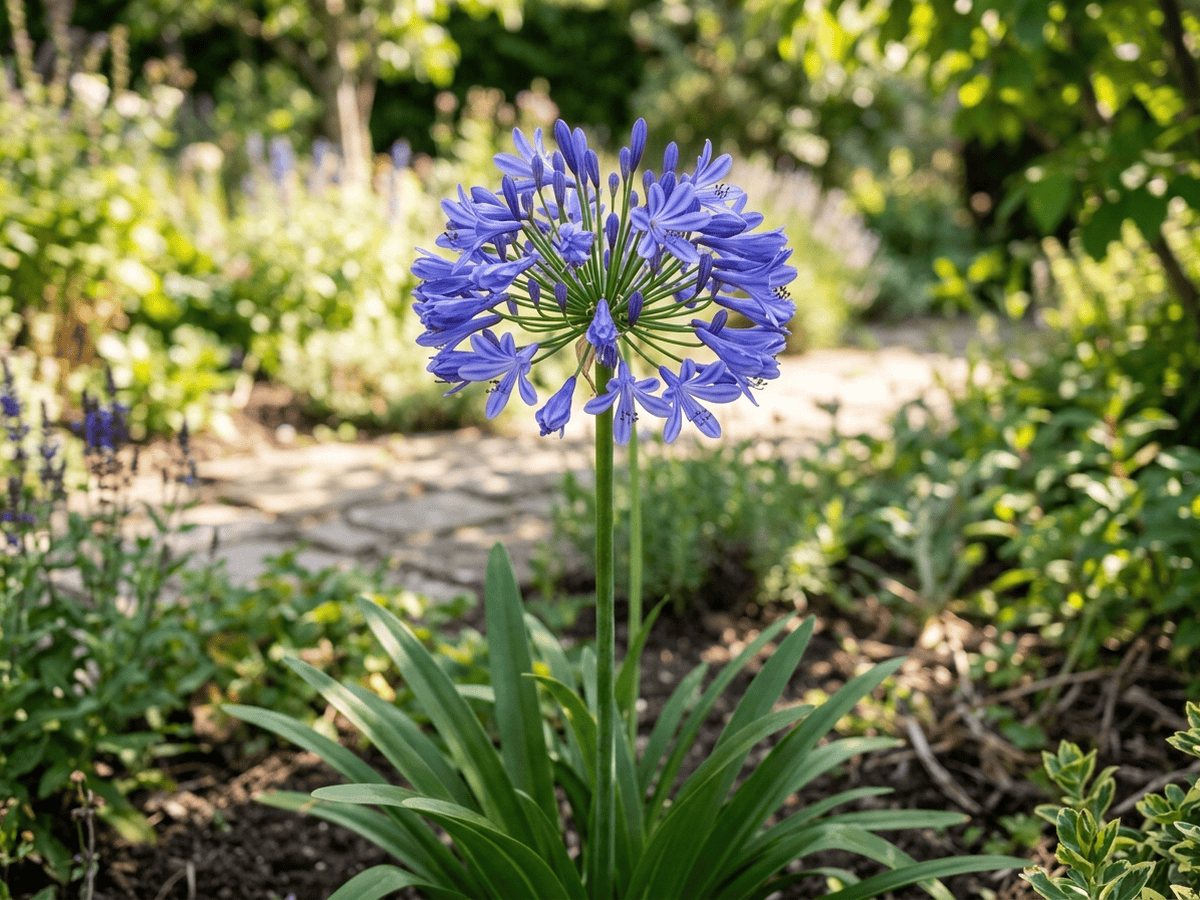 Common AgapanthusAgapanthus praecox
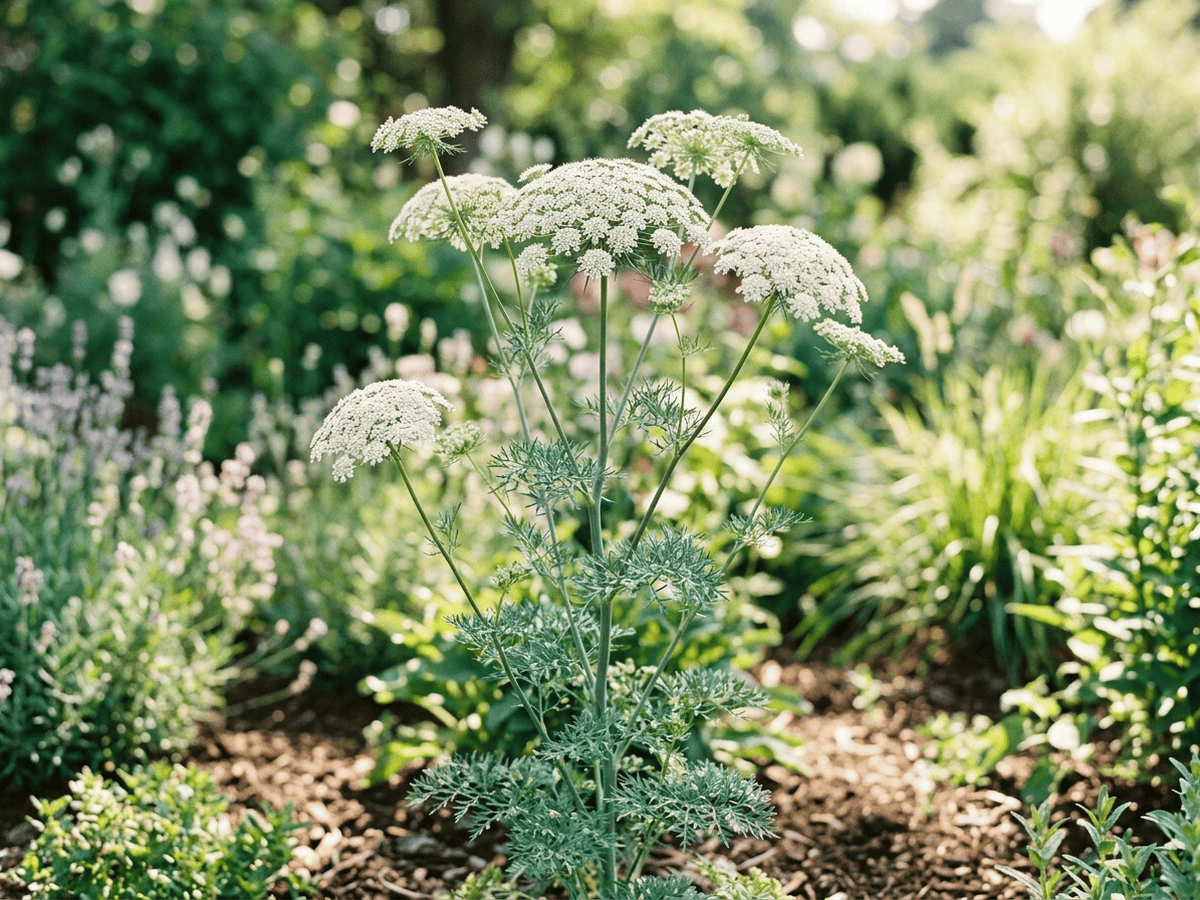 False Queen Anne's LaceAmmi majus glaucifolium
Frequently asked questions
How often should I water Chinese Bushclover?
Water about every 7 days during the growing season, and always let excess water drain away.
How much light does Chinese Bushclover need?
Part sun: 4–6 hrs direct. Watch the leaves — scorching or stretching means the light needs adjusting.
Is Chinese Bushclover toxic to cats or dogs?
No toxicity has been reported for this plant. Still, it is wise to keep pets from chewing on any houseplant. Educational information, not medical or veterinary advice. If exposure is suspected, contact a doctor or veterinarian.
Is Chinese Bushclover easy to grow?
It is considered challenging and rewards experienced growers.
When does Chinese Bushclover bloom?
It typically blooms Jul–Sep in the Northern Hemisphere.
YardMate
Identify any plant in seconds
Snap a photo — YardMate names the plant, diagnoses problems, and reminds you when to water.
Download on the App Store