 YardMate

Chinese Privet
Ligustrum sinense
Easy · Beginner friendlyAbout Chinese Privet
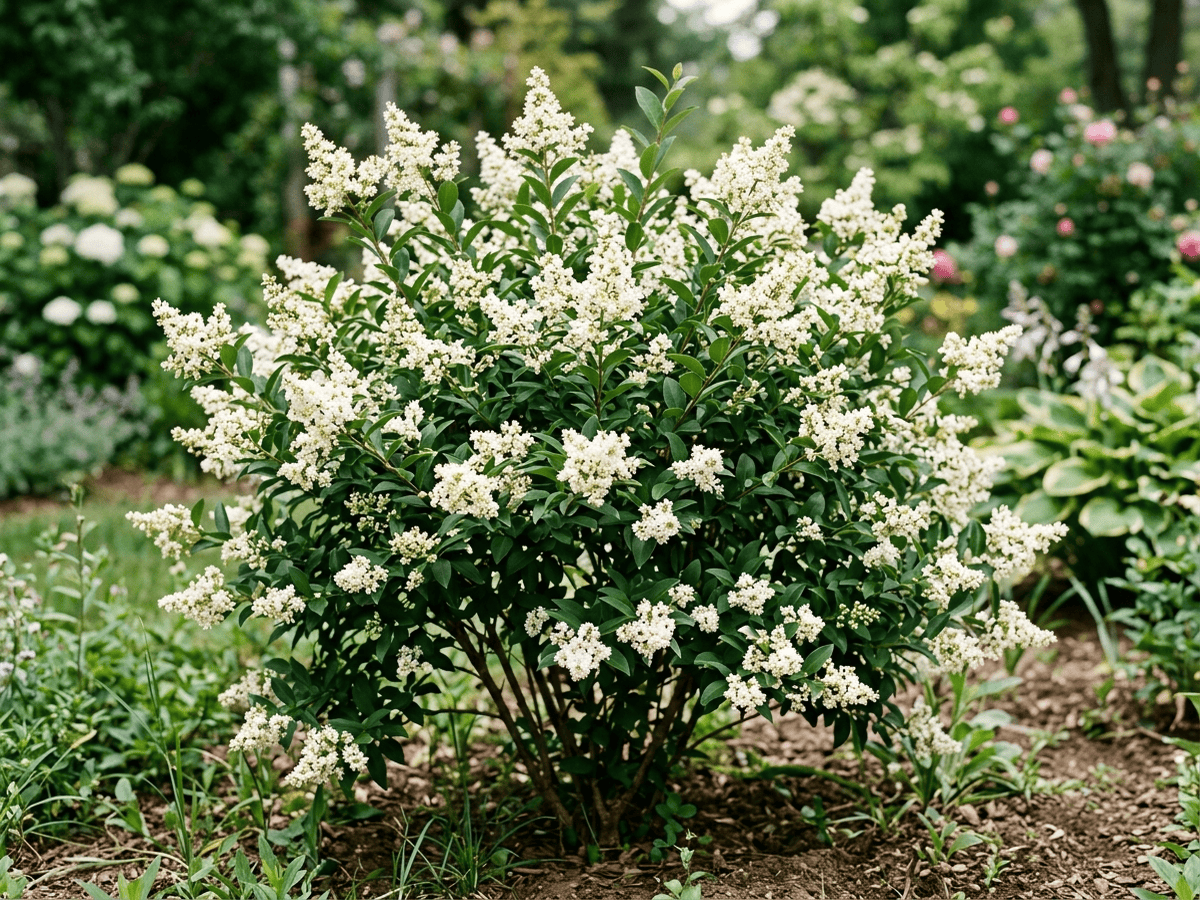
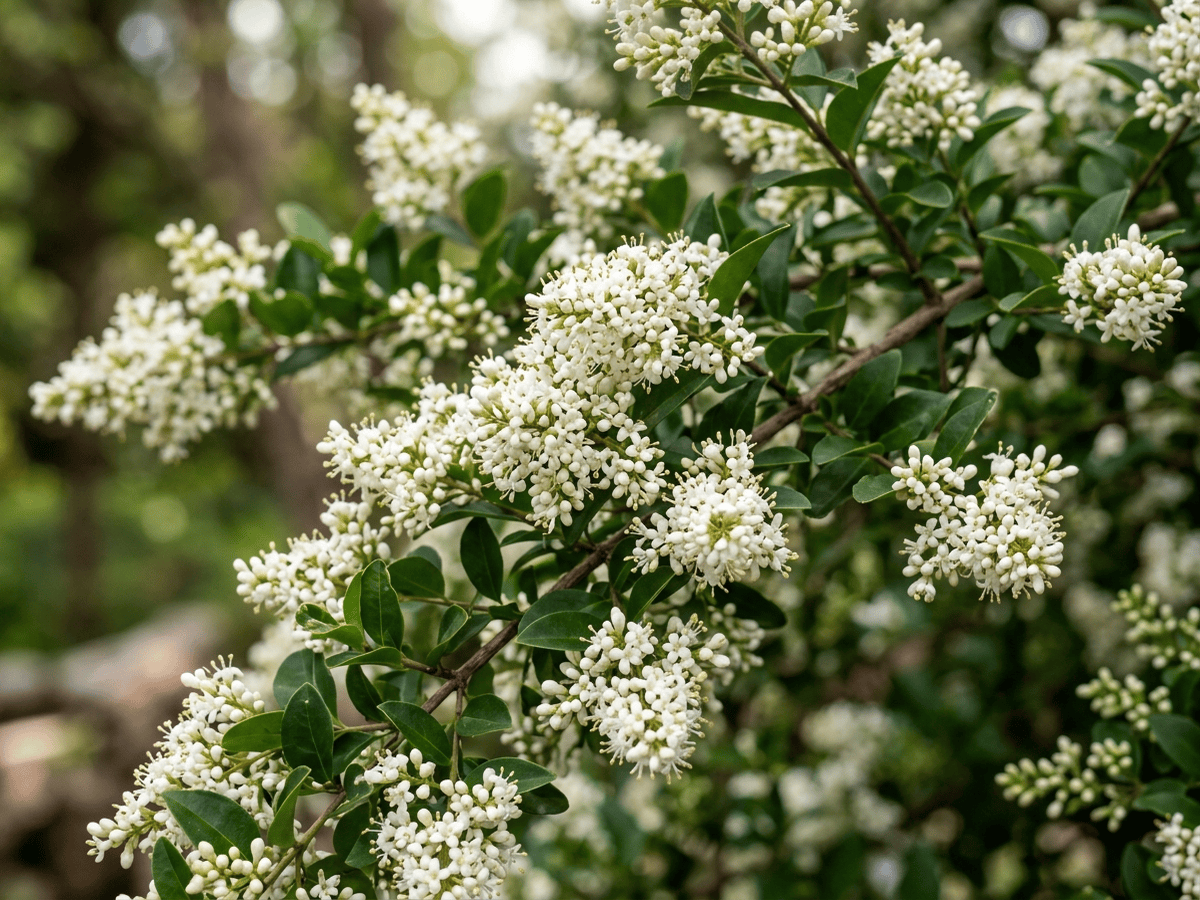
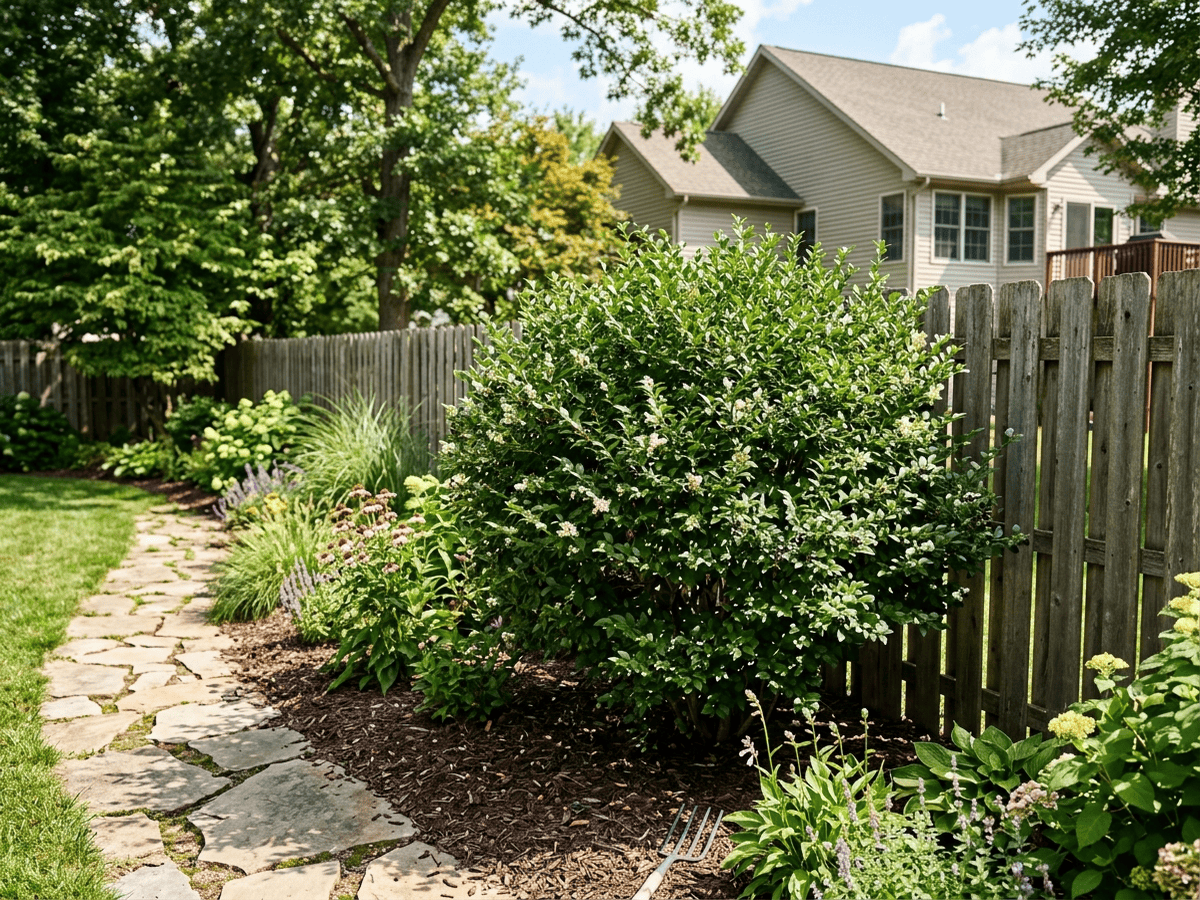
Chinese Privet is an East Asian semi-evergreen shrub introduced to the US in the 1850s as a hedge plant and now the most invasive shrub across the American South. Growing 10 to 20 feet tall in dense thickets with small oval leaves and clusters of fragrant small white flowers followed by blue-black berries, it dominates southeastern bottomland forests and river corridors. Listed invasive across southeastern states.
- Fragrant
- Shade-tolerant
How to care for Chinese Privet
Watering
- Springevery 14 days
- Summerevery 10 days
- Fallevery 14 days
- Winterevery 30 days
Soil · Well-draining
- Top dressingPine bark mulch10%
- Main mixPotting soil + perlite 2:170%
- DrainageLECA / gravel20%
Never skip the drainage layer — standing water is the top cause of root rot.
FERTILIZER
- Springevery 45 days
At a Glance
- NativeEast Asia, Southeast Asia
- Height10–15 ft (3–4.6 m)
- Spread8–12 ft (2.4–3.7 m)
- Flower colorWhite, Cream
- Foliage colorGreen
- Fruit colorBlack
- SoilLoamy, Well-drained
- LocationsYard
Bloom time
BLOOM CYCLE
Peak bloom
May–Jun
Fragrant white flower panicles late spring to early summer
Fragrance
STRONG FRAGRANCE
Heavy, sweet, cloying scent that irritates many people.
Toxicity
Humans Moderate · Pets Moderate
ligustrin, syringin, and terpenoid glycosides
Moderate
- Fruit
- Leaf
- Ingestion
EXPOSURE Eating fruit and leaves.
EFFECT Vomiting, diarrhea, and low blood pressure.
NOTE All parts mildly toxic; pollen strongly allergenic.
Moderate
- Fruit
- Leaf
- Ingestion
EXPOSURE Eating fruit and leaves.
EFFECT Vomiting and diarrhea.
NOTE All parts mildly toxic; pollen strongly allergenic.
Moderate
- Fruit
- Leaf
- Ingestion
EXPOSURE Eating fruit and leaves.
EFFECT Vomiting and diarrhea.
NOTE All parts mildly toxic; pollen strongly allergenic.
Educational information, not medical or veterinary advice. If exposure is suspected, contact a doctor or veterinarian.
DISTRIBUTION


- Native
- Introduced
- East Asia
- Southeast Asia
History

Ligustrum sinense, Chinese privet, is a semi-evergreen shrub native to southern China, Taiwan, and Vietnam. American horticulturists introduced the species in 1852, and by the late nineteenth century Southern nurseries sold it widely as a rapid-growing, shade-tolerant hedge plant. Abandoned hedges escaped into forests, and Chinese privet now infests an estimated one million hectares of bottomland and upland forest across the southeastern United States, where it forms dense evergreen thickets that shade out tree seedlings and native herbs.
The small creamy flowers produce heavy sweet pollen that triggers hay fever, and birds spread the blue-black drupes widely in autumn. Control requires repeated cutting combined with herbicide treatment of stumps; ecosystem recovery takes decades.
Native to China, Chinese Privet was introduced to the American South in the 1850s as a hedge plant and escaped cultivation within decades. Now covers millions of acres of southeastern bottomland forests from East Texas to Virginia, shading out native understory and transforming historic hardwood forests into privet monoculture.
Symbolism & meaning
What It Symbolizes
Chinese Privet is a Southern takeover dressed as a hedge, escaped from Victorian-era garden plantings and now blanketing millions of acres of bottomland forest. Its small, fragrant flowers belie a relentless capacity to displace native understory across the Southeast. In its tidy origin and chaotic legacy lies one of the cautionary fables of horticultural enthusiasm.
- Southern takeover — dominates millions of acres of southern forests
- Hedge refugee — escaped ornamental hedge now ecological disaster
Where the Name Comes From
'Ligustrum' from Latin old name for privet; 'sinense' from Latin means of China.
Related plants
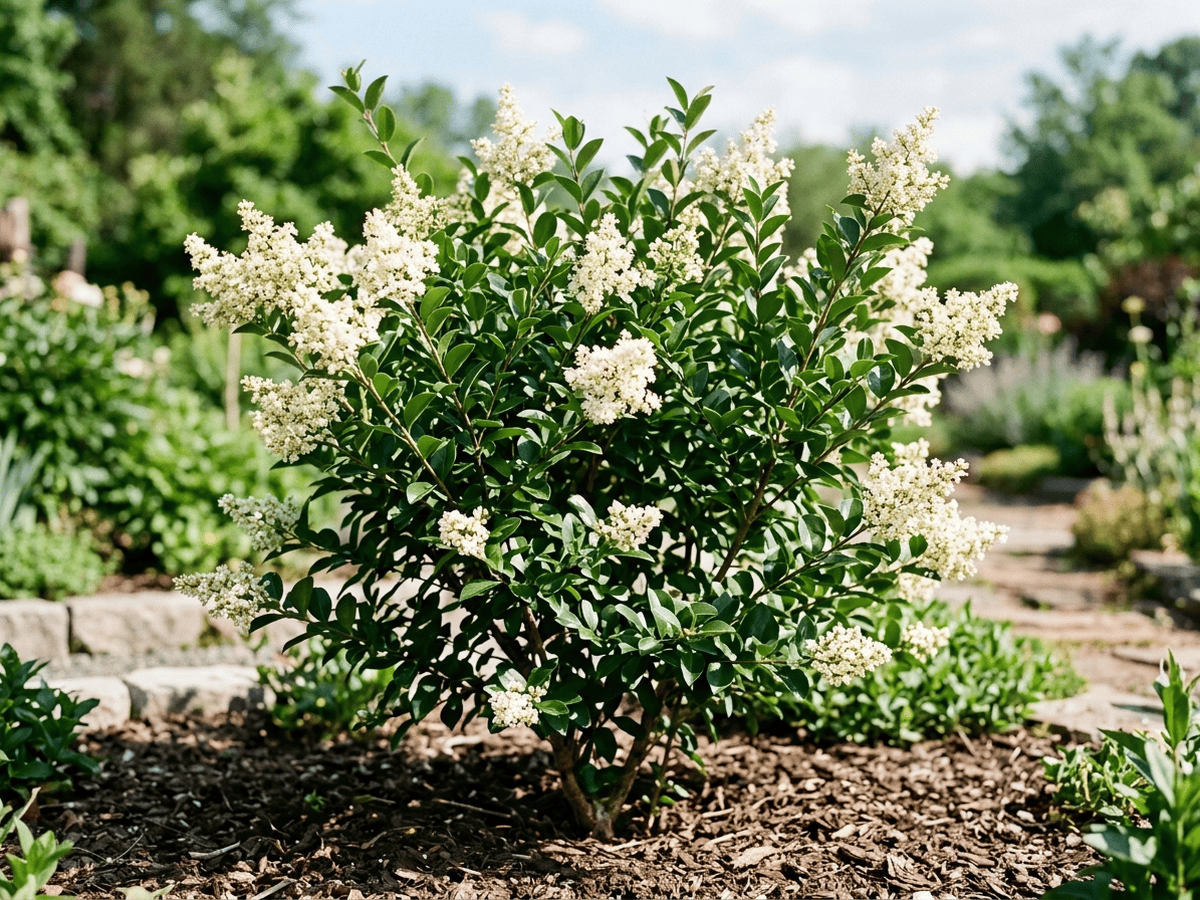
More Ligustrum plants
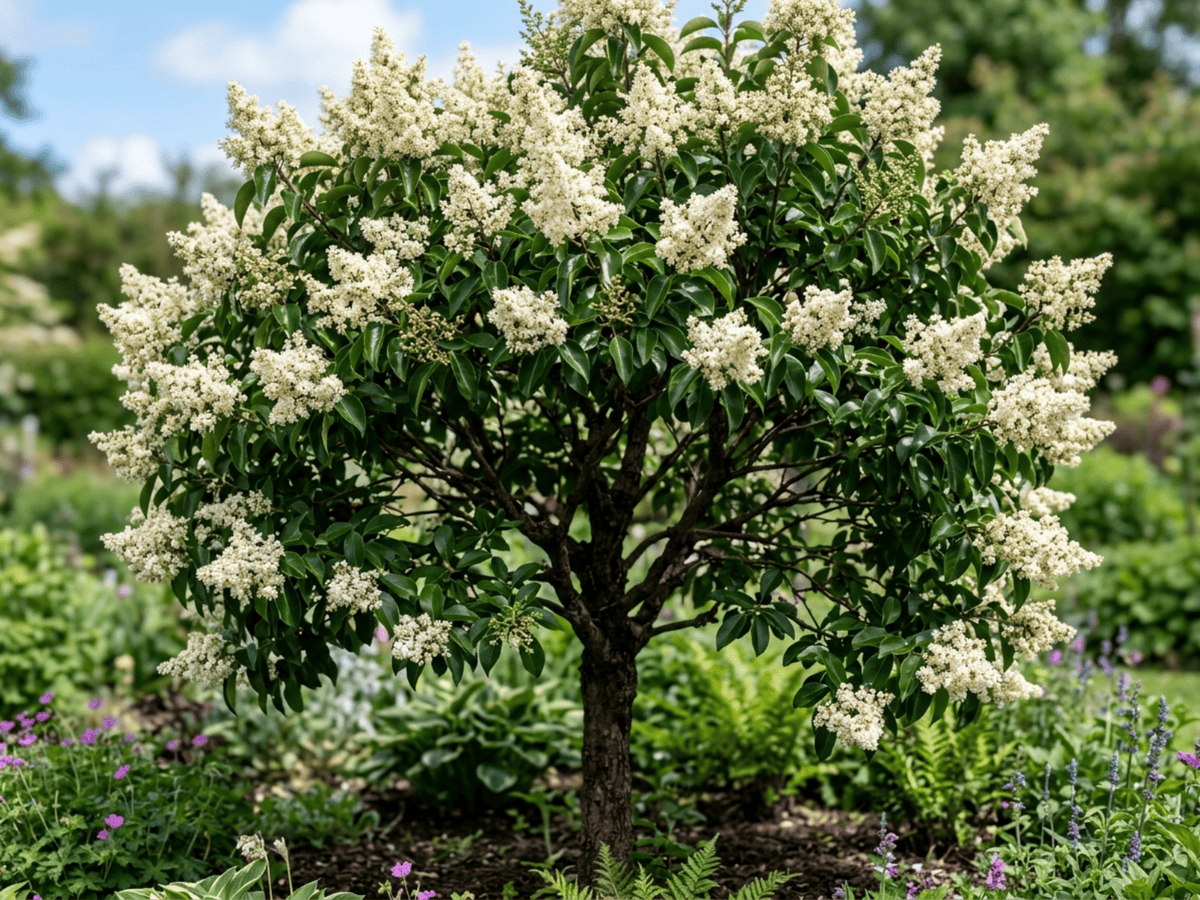
Plants with similar care
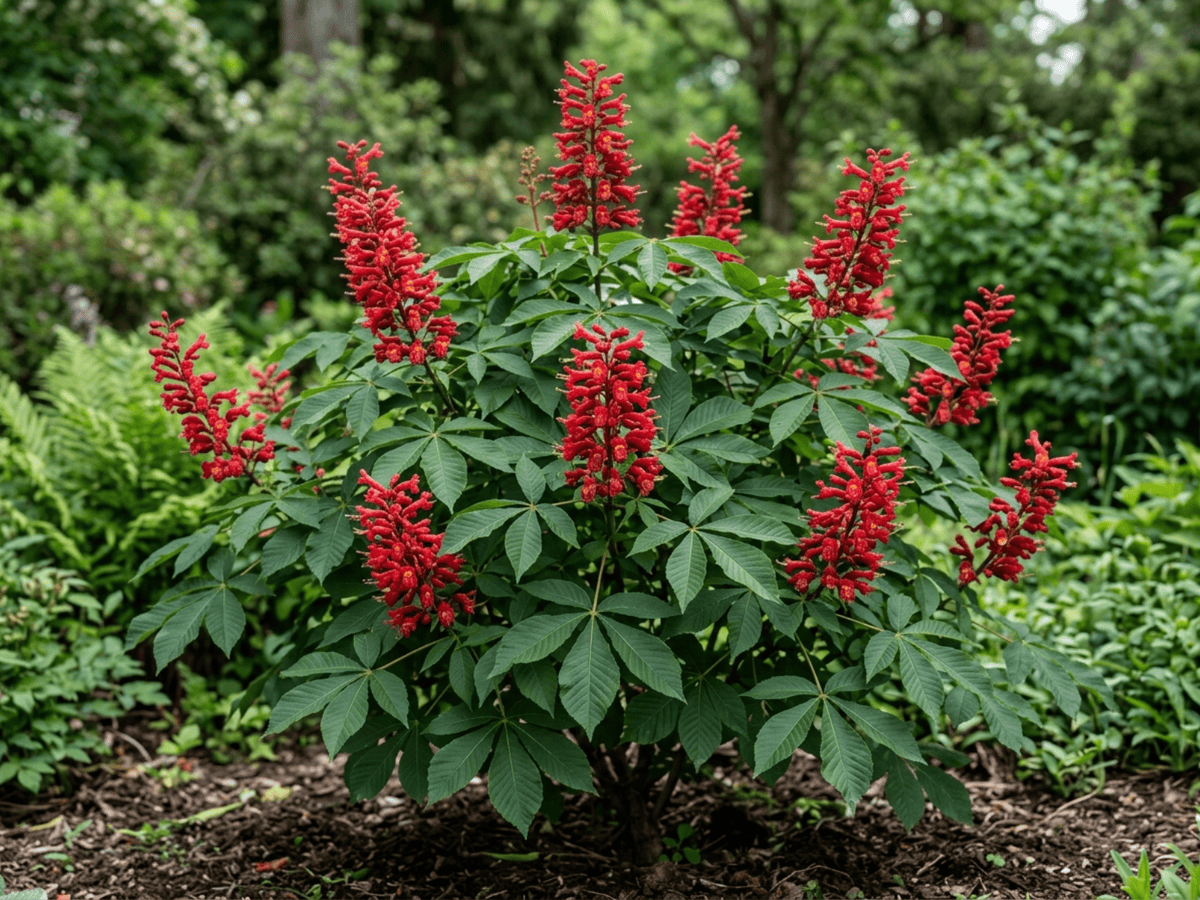 Red BuckeyeAesculus pavia
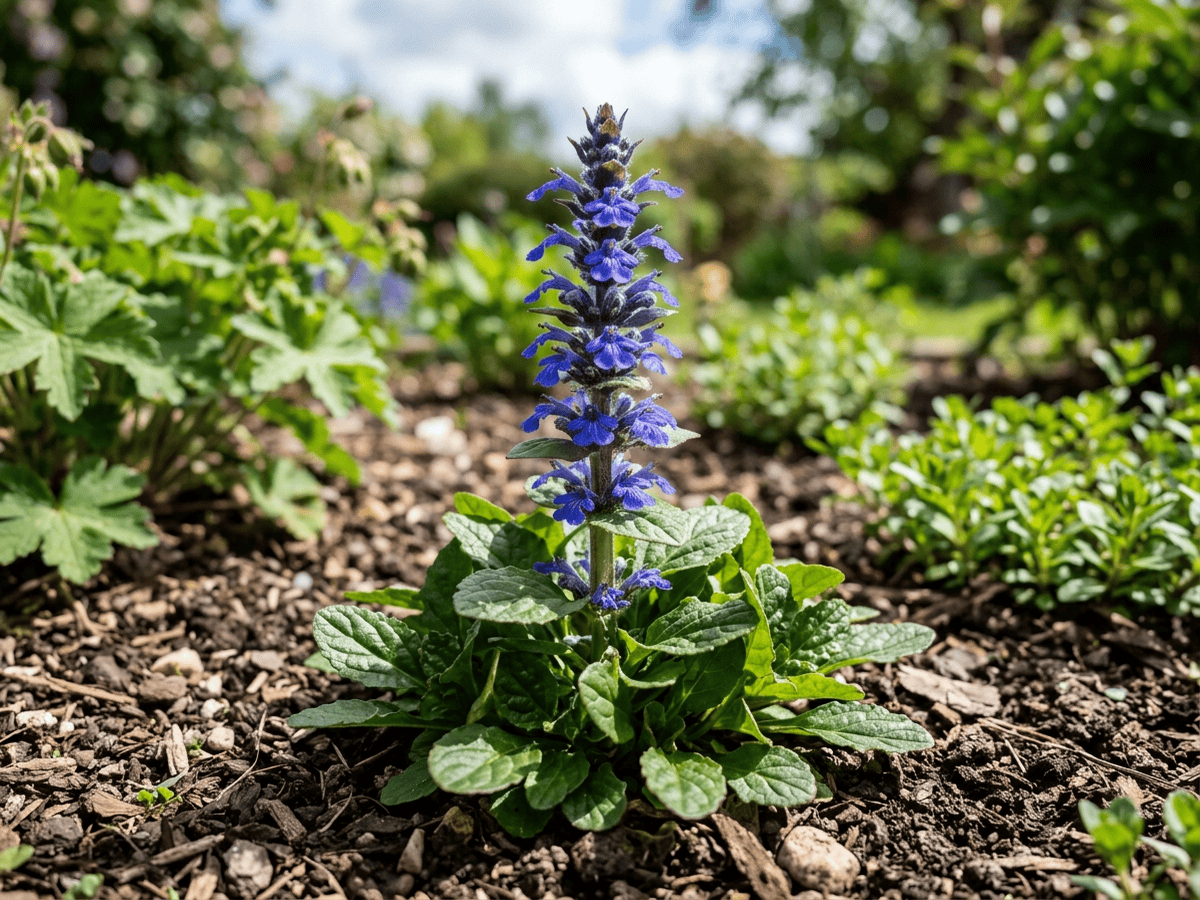 Blue BugleAjuga genevensis
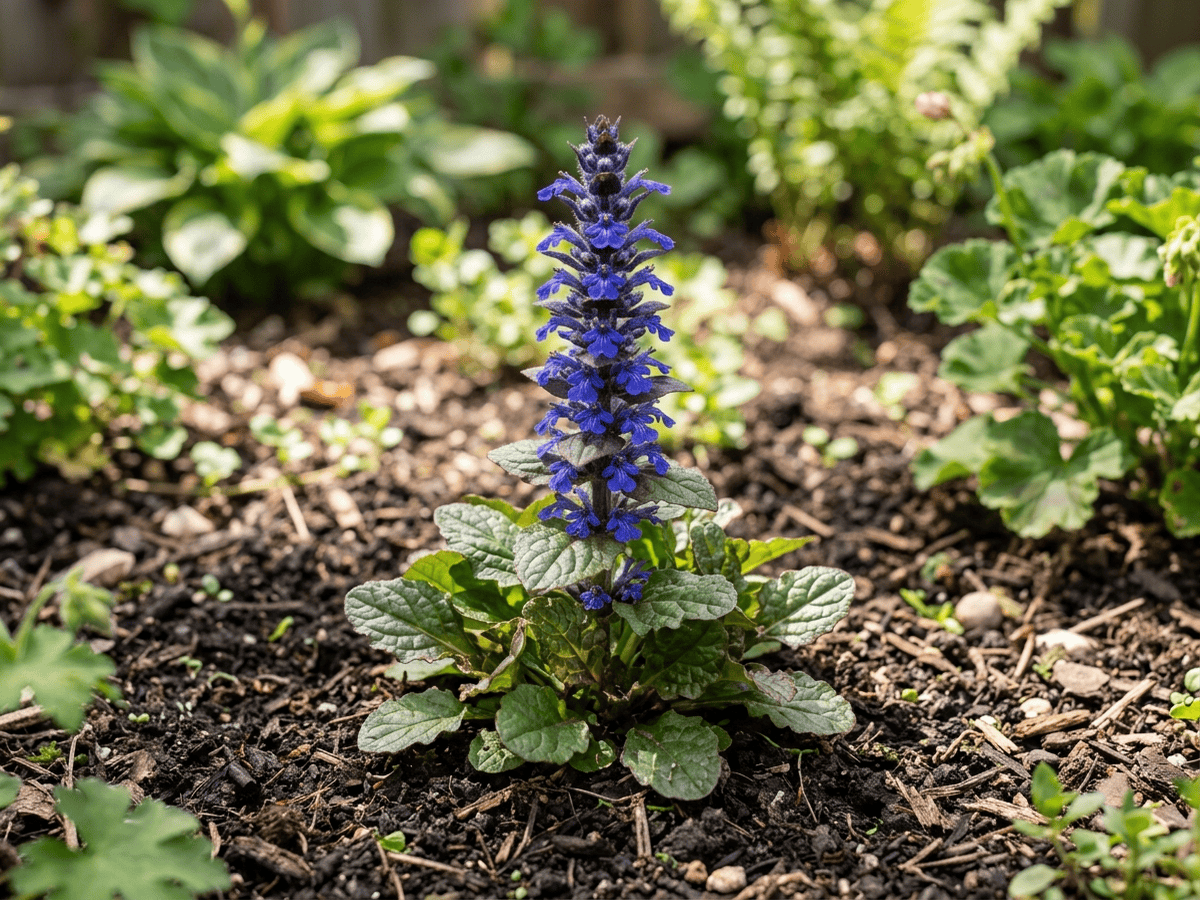 Pyramidal BugleAjuga pyramidalis
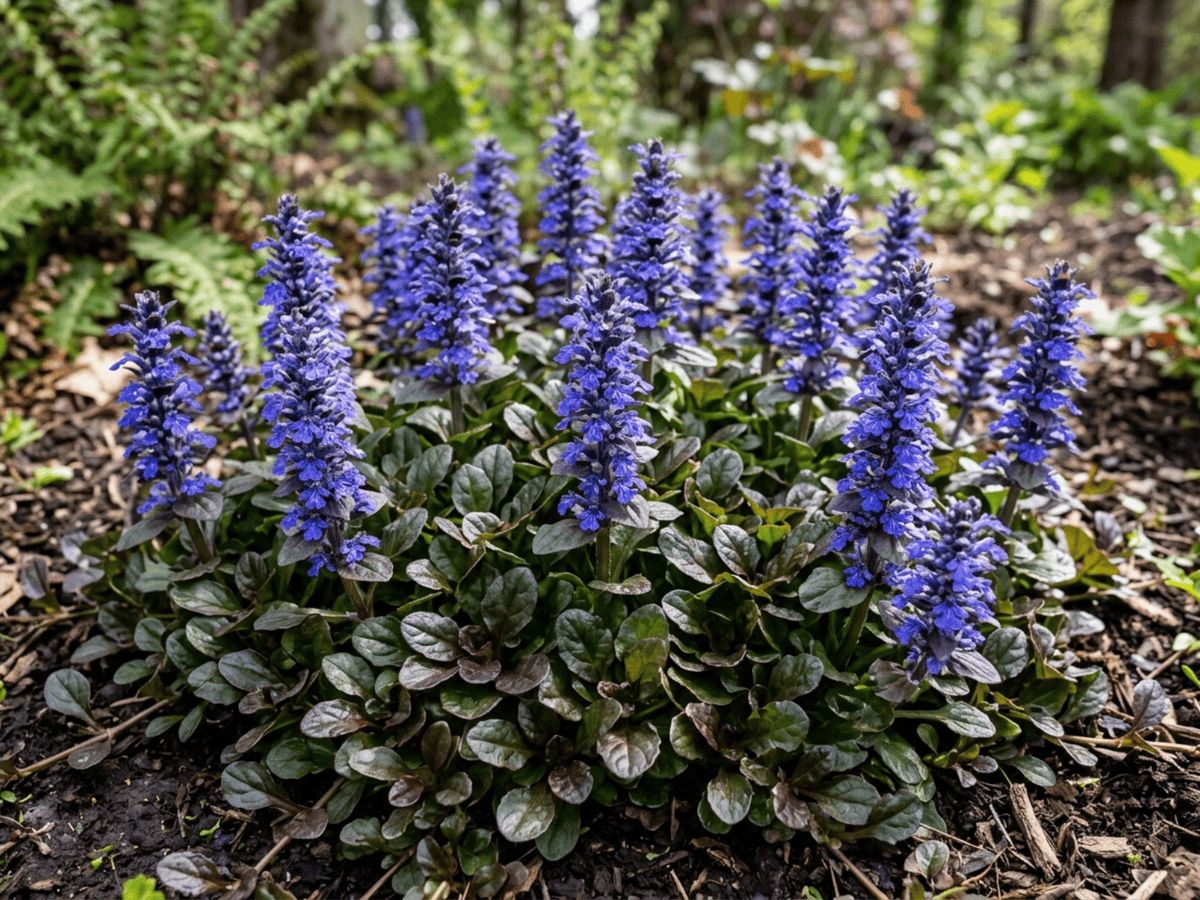 Carpet BugleAjuga reptans
Frequently asked questions
How often should I water Chinese Privet?
In summer, water about every 10 days; in winter, about every 30 days. Adjust for heat, pot size and drainage.
How much light does Chinese Privet need?
Part shade: 2–4 hrs direct. Watch the leaves — scorching or stretching means the light needs adjusting.
Is Chinese Privet toxic to cats or dogs?
Pets Moderate (Dogs Moderate · Cats Moderate) Educational information, not medical or veterinary advice. If exposure is suspected, contact a doctor or veterinarian.
Is Chinese Privet easy to grow?
Yes — it is considered an easy, beginner-friendly plant.
When does Chinese Privet bloom?
It typically blooms May–Jun in the Northern Hemisphere.
YardMate
Identify any plant in seconds
Snap a photo — YardMate names the plant, diagnoses problems, and reminds you when to water.
Download on the App Store