 YardMate

Tree Privet
Ligustrum lucidum
Easy · Beginner friendlyAbout Tree Privet
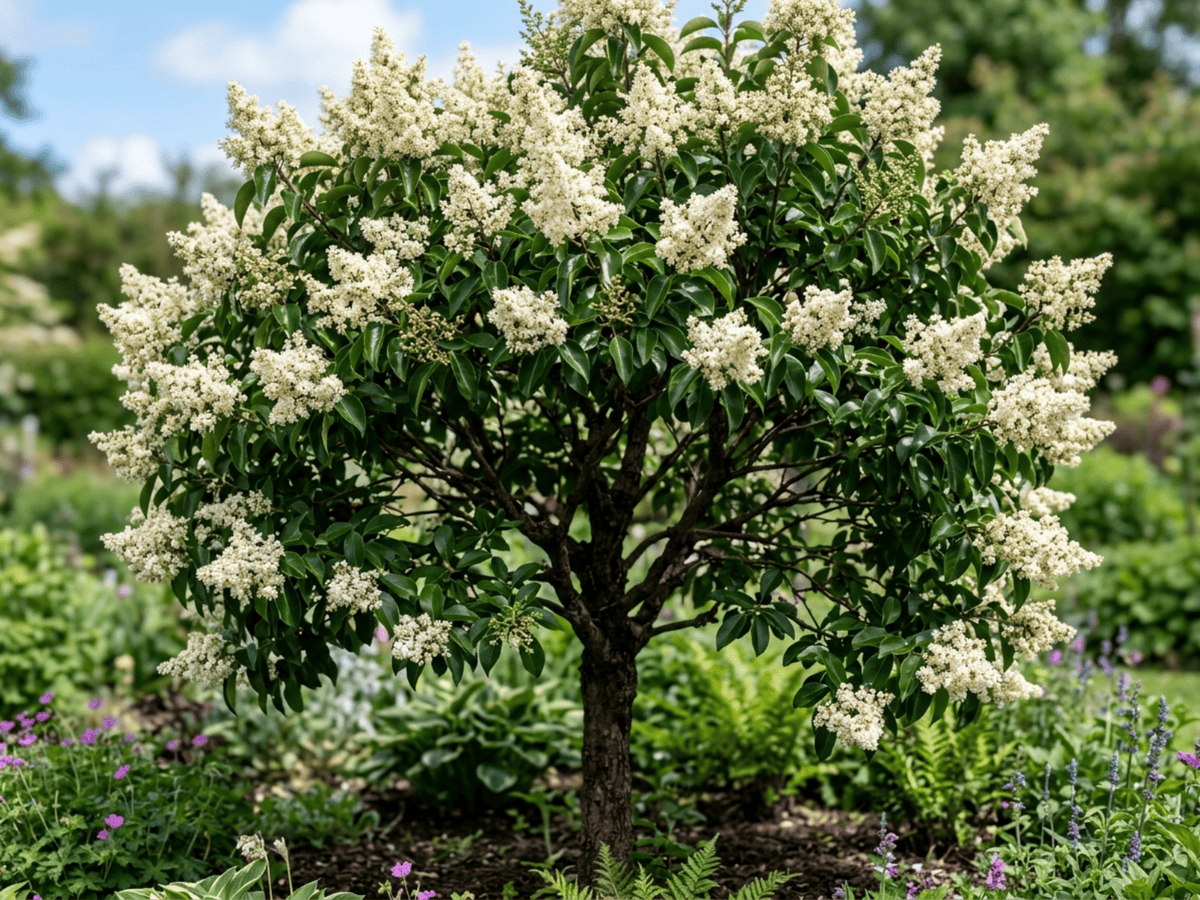
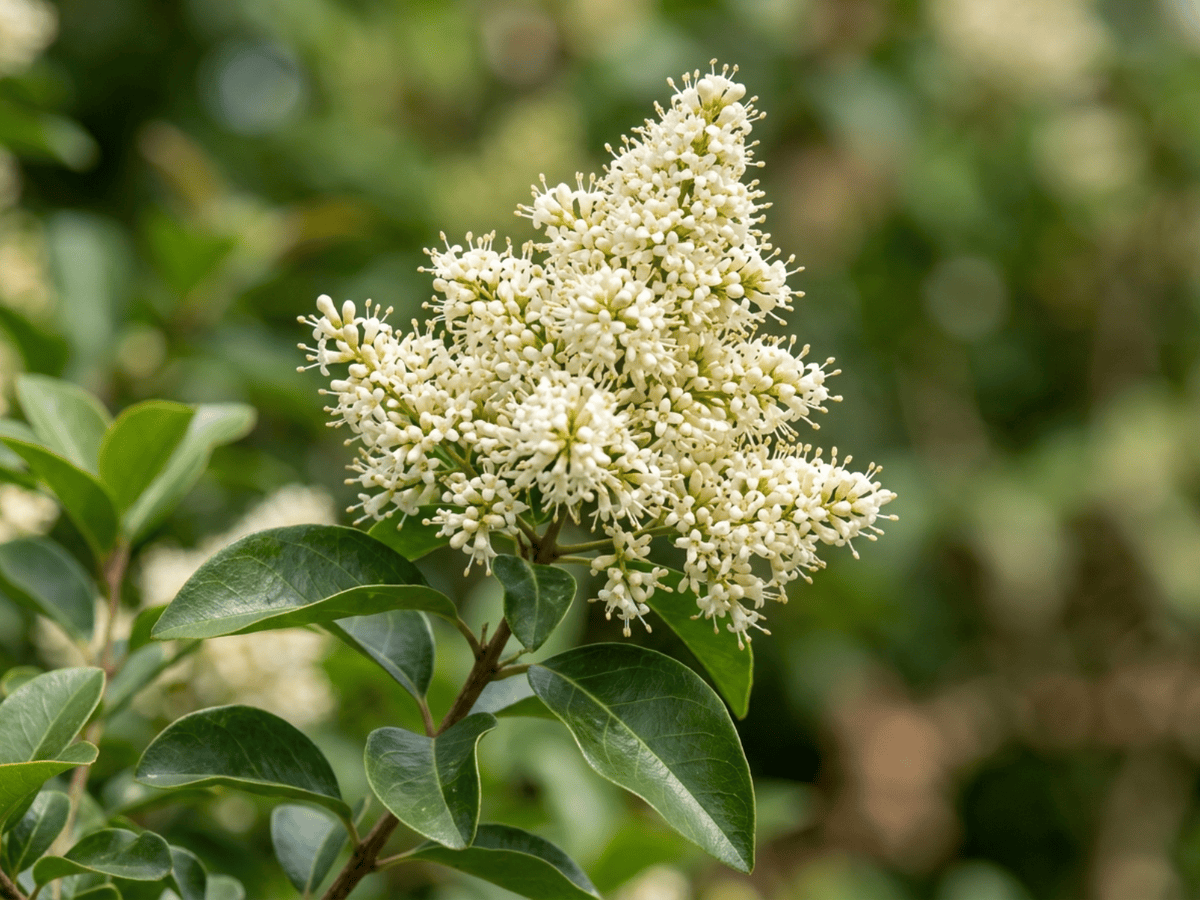
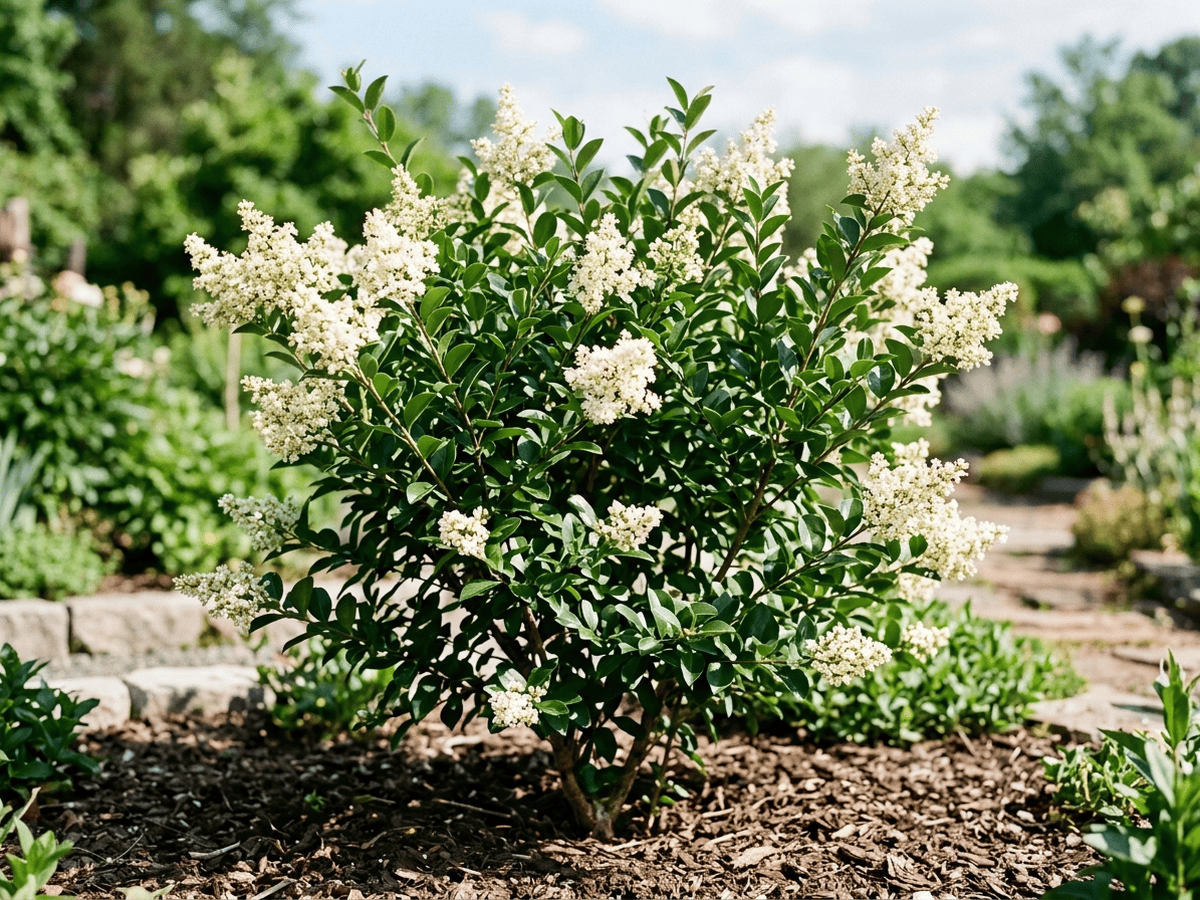
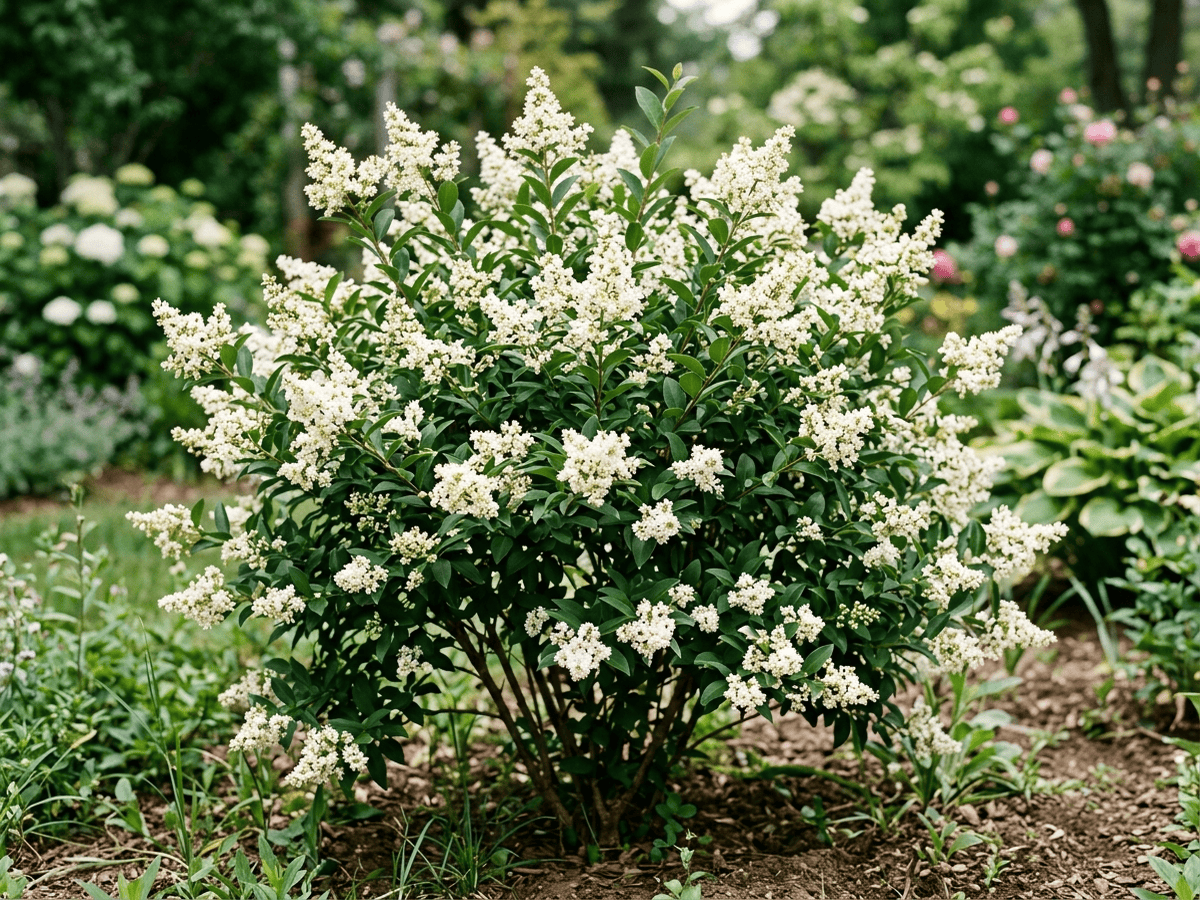
Ligustrum lucidum, commonly known as Chinese privet or glossy privet, is a vigorous evergreen tree native to China, Japan, and Korea. It grows rapidly to six to fifteen meters tall, forming a dense rounded canopy of glossy dark-green leaves that remain attractive year-round. In summer, it produces large panicles of small creamy-white flowers with a strong, somewhat divisive fragrance. These are followed by abundant clusters of small blue-black berries that persist into winter. While initially planted as an ornamental street and landscape tree for its handsome form and pollution tolerance, glossy privet has become highly invasive in many regions including the southeastern United States, Australia, and parts of South America. Birds readily spread its prolific seeds, allowing it to colonize disturbed habitats, forest edges, and waterways, displacing native vegetation. Despite its invasive tendencies, it remains widely used in urban settings in Asia for shade and hedging. The wood is hard and close-grained. In traditional Chinese medicine, the berries known as nu zhen zi have been used for centuries as a liver and kidney tonic.
- Evergreen
- Fast-growing
How to care for Tree Privet
Watering
- Springevery 7 days
- Summerevery 5 days
- Fallevery 14 days
- Winterevery 30 days
Soil · Well-draining
- Top dressingPine bark mulch10%
- Main mixPotting soil + perlite 2:170%
- DrainageLECA / gravel20%
Never skip the drainage layer — standing water is the top cause of root rot.
FERTILIZER
Balanced Feed 14-14-14
An even feed covers all three needs at once, keeping leaves, roots and blooms moving together with nothing pushed out of balance.
- Nitrogen · Leaves
- Phosphorus · Roots + Blooms
- Potassium · Strength
- Springevery 60 days
At a Glance
- NativeEast Asia
- Height25–40 ft (7.6–12.2 m)
- Spread20–30 ft (6.1–9.1 m)
- Flower colorWhite, Cream
- Foliage colorGreen
- SoilWell-drained, Loamy, Neutral
- LocationsYard
Bloom time
BLOOM CYCLE
Peak bloom
Jun–Aug
Large panicles of fragrant white flowers in summer; heavy berry production follows
Fragrance
STRONG FRAGRANCE
Sweet heavy privet scent — divisive: some find it pleasant, others cloying.
Toxicity
Humans Moderate · Pets Moderate
terpenoid glycosides and ligustrin
Moderate
- Berry
- Leaf
- Ingestion
EXPOSURE Eating berries and leaves.
EFFECT Berries and leaves contain glycosides, ingestion causes nausea, vomiting, abdominal pain, and can be serious in quantity.
NOTE Documented concern for humans: Berries and leaves contain glycosides, ingestion causes nausea, vomiting, abdominal pain, and can be serious in quantity.
Moderate
- Berry
- Leaf
- Ingestion
EXPOSURE Eating berries and leaves.
EFFECT Vomiting, GI upset, weakness and large ingestions potentially serious.
NOTE ASPCA lists privet (Ligustrum) as toxic to dogs, cats, and horses.
Moderate
- Berry
- Leaf
- Ingestion
EXPOSURE Eating berries and leaves.
EFFECT Same as dogs.
NOTE ASPCA lists privet (Ligustrum) as toxic to dogs, cats, and horses.
Educational information, not medical or veterinary advice. If exposure is suspected, contact a doctor or veterinarian.
DISTRIBUTION


- Native
- Introduced
- East Asia
History
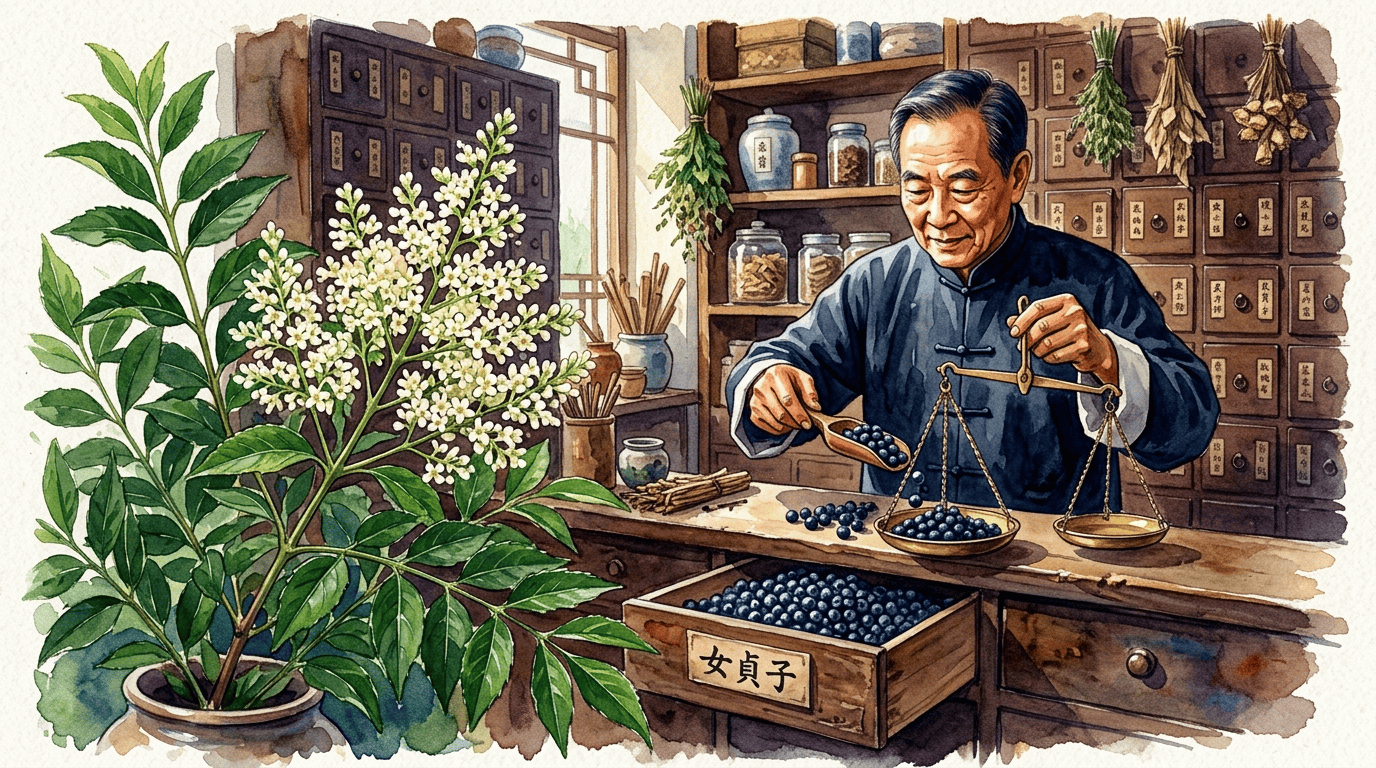
Ligustrum lucidum is native to eastern Asia, including southern China, Korea, and Japan. In Chinese medicine its dried fruit is known as nu zhen zi and has long been used as a yin tonic for liver and kidney support. The tree produces large creamy flower panicles in midsummer, powerfully sweet to some noses and cloying to others, followed by blue-black berries that birds spread readily.
Introduced to Western horticulture in 1794, glossy privet became a tough urban tree and hedge because it tolerates heat, drought, pollution, pruning, and poor soil. That toughness later made it a serious invasive in warm-temperate regions including the southeastern United States, Argentina, Australia, New Zealand, and South Africa. It is a classic ornamental cautionary tale: a tree imported for resilience, beauty, and usefulness, then rejected for being too successful outside its home ecology.
Symbolism & meaning
What It Symbolizes
Tree Privet is a study in Endurance — surviving compacted soil, urban heat, and pollution that would defeat finer trees. Its Adaptability is so complete that the same trait now drives its escape into native woodlands across the Southern United States. A tree whose virtues and its faults are written in the same line of green.
- Endurance — Survives harsh urban conditions and poor soils, symbolizing tenacity
- Adaptability — Thrives in nearly any environment, representing resourcefulness and flexibility
Where the Name Comes From
'Ligustrum' comes from the Latin 'ligare' meaning to bind, referring to the plant's traditional use in basket weaving. 'Lucidum' means shiny or glossy, describing the lustrous leaves.
Uses & Fun Facts
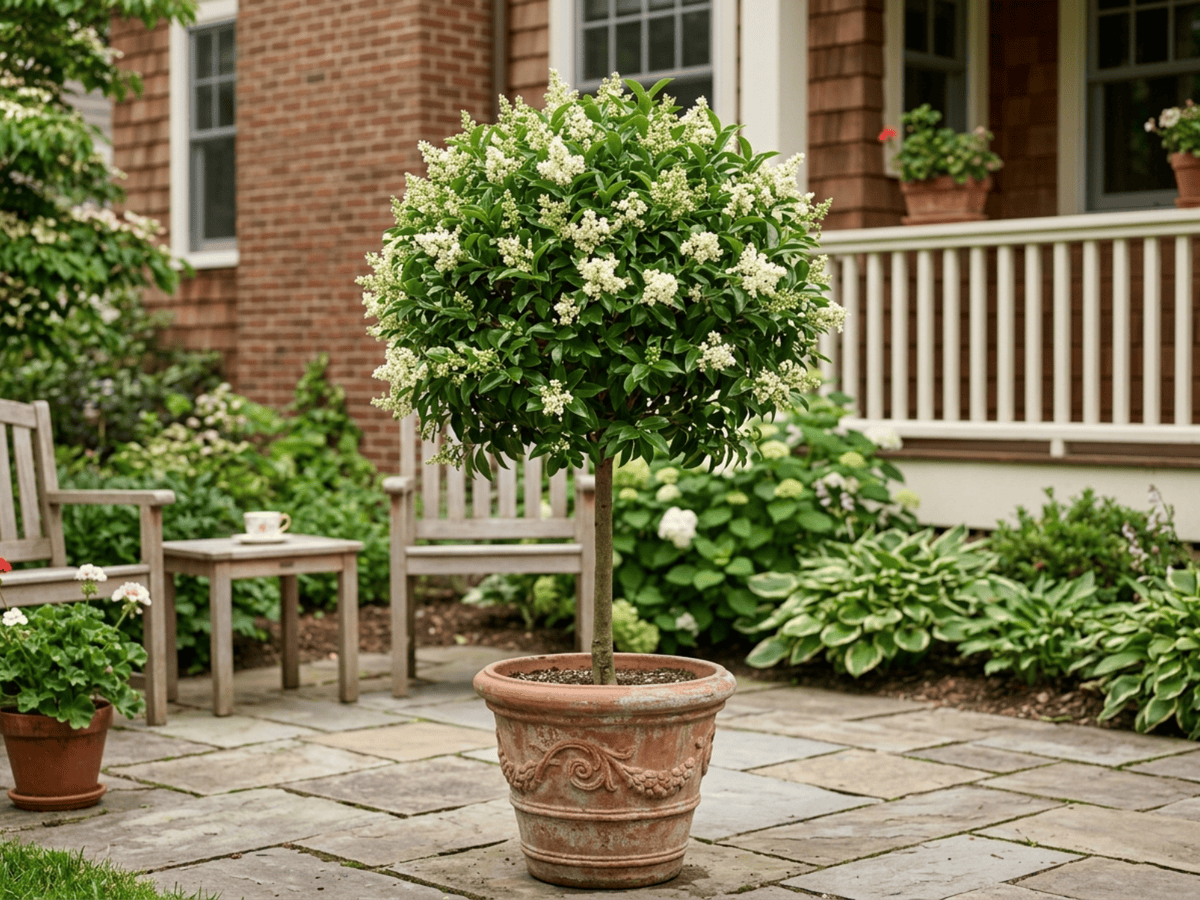
- Glossy evergreen leaves form dense formal privacy screens
- Trained as small street tree in mild climates
- Fruits used in Traditional Chinese Medicine as nu zhen zi
Related plants
More Ligustrum plants
Plants with similar care
 Chinese AbeliaAbelia chinensis
 Fragrant AbeliaAbelia mosanensis
 Large-Flowered AbeliaAbelia uniflora
 Glossy AbeliaAbelia x grandiflora
Frequently asked questions
How often should I water Tree Privet?
In summer, water about every 5 days; in winter, about every 30 days. Adjust for heat, pot size and drainage.
How much light does Tree Privet need?
Full sun: 6+ hrs direct. Watch the leaves — scorching or stretching means the light needs adjusting.
Is Tree Privet toxic to cats or dogs?
Pets Moderate (Dogs Moderate · Cats Moderate) Educational information, not medical or veterinary advice. If exposure is suspected, contact a doctor or veterinarian.
Is Tree Privet easy to grow?
Yes — it is considered an easy, beginner-friendly plant.
When does Tree Privet bloom?
It typically blooms Jun–Aug in the Northern Hemisphere.
YardMate
Identify any plant in seconds
Snap a photo — YardMate names the plant, diagnoses problems, and reminds you when to water.
Download on the App Store