 YardMate


Japanese Privet
Ligustrum japonicum
Hard · Experienced growersAbout Japanese Privet
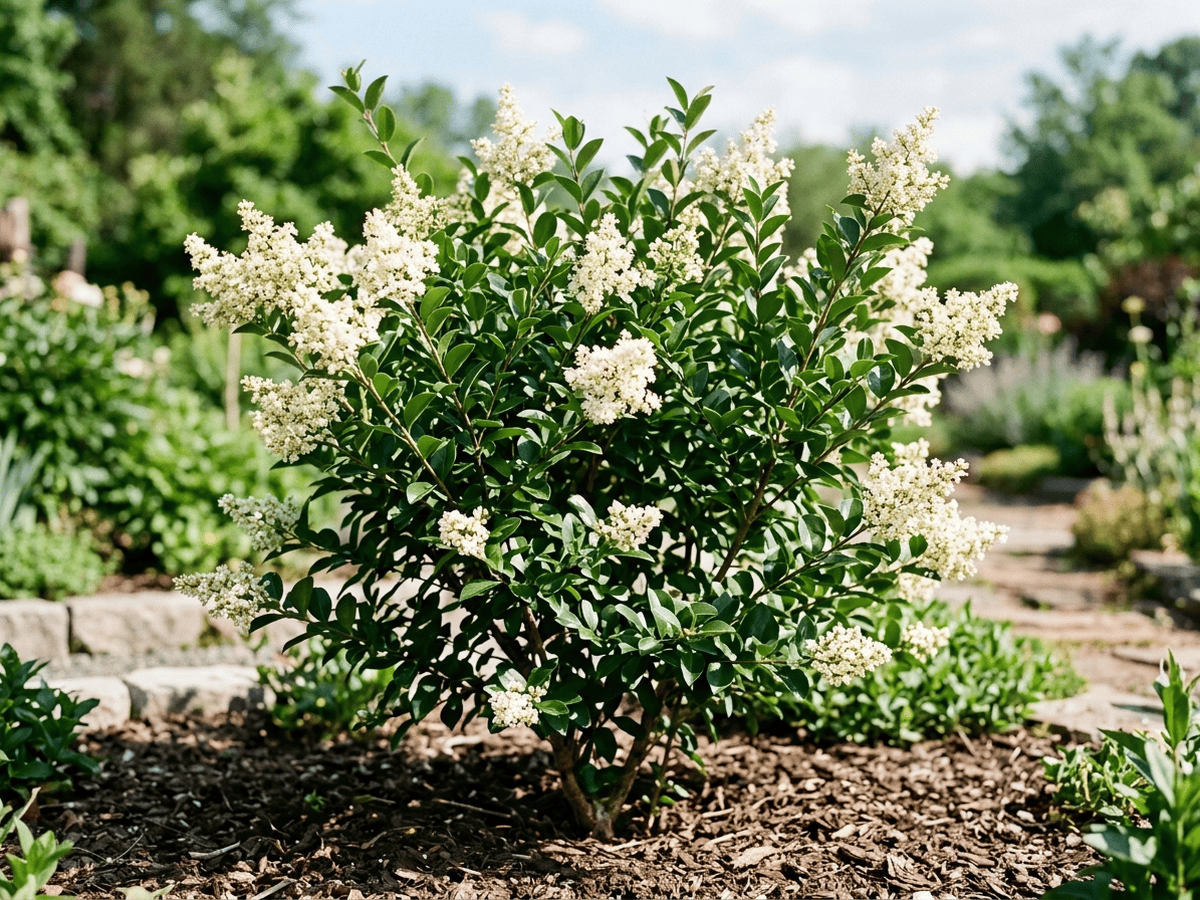
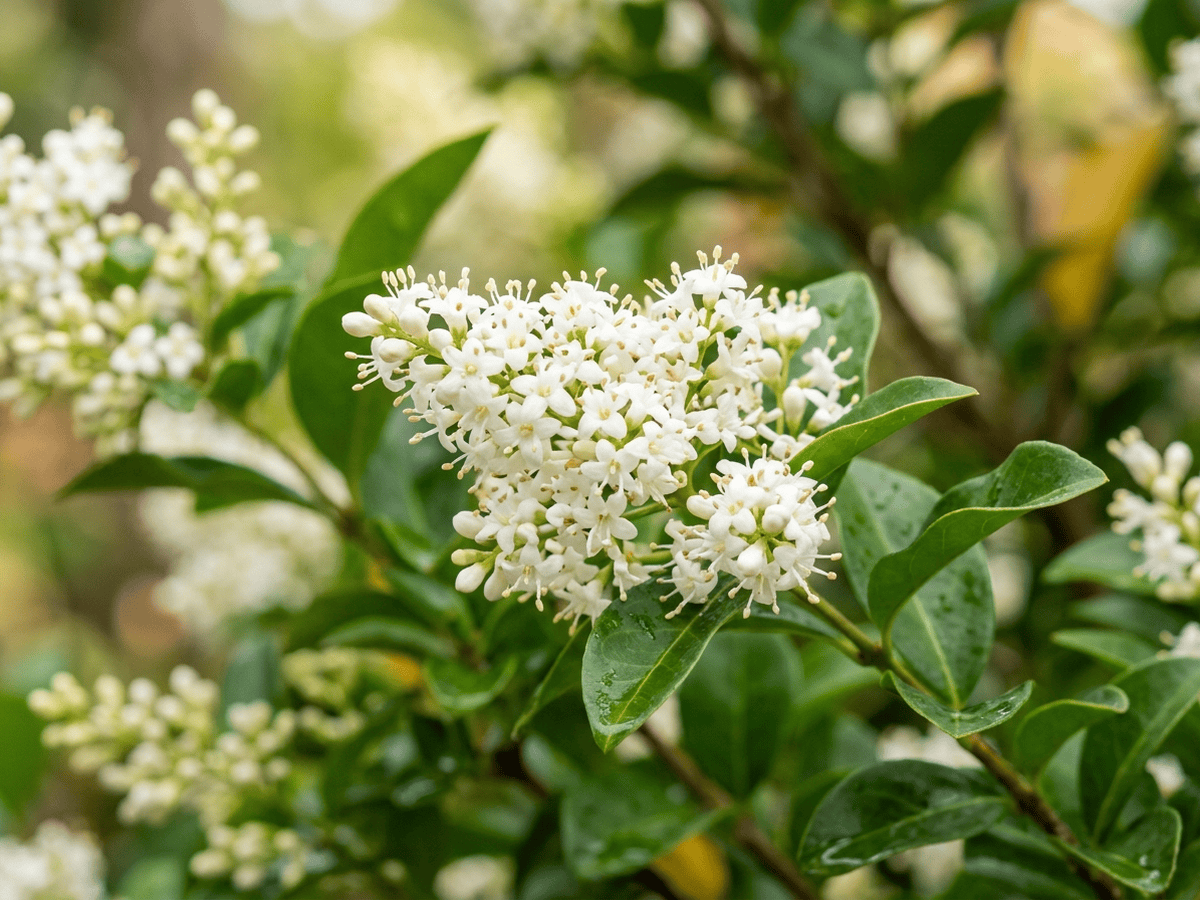
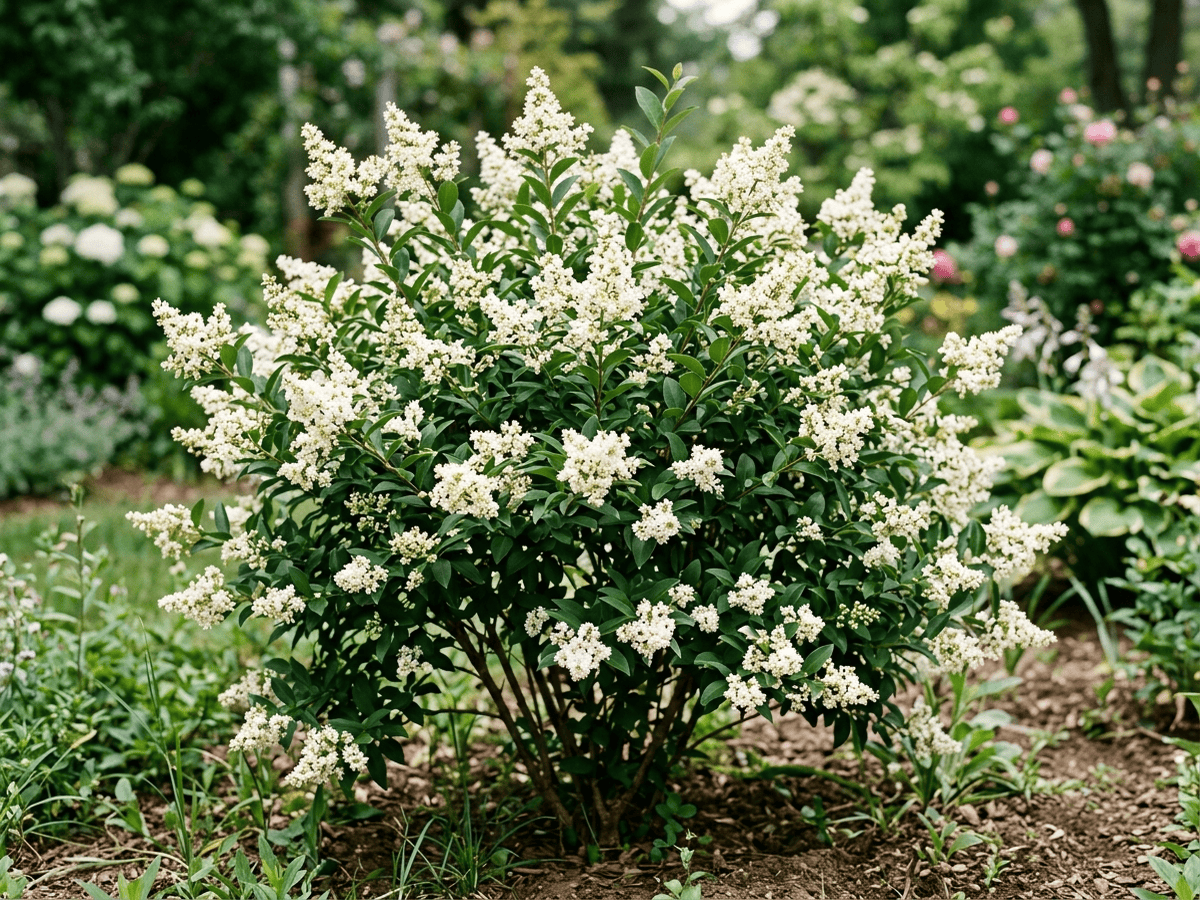
Japanese Privet is a vigorous, fast-growing evergreen shrub native to Japan and Korea, prized for its reliability as a hedge and screen plant. Dense, glossy oval leaves hold their rich green color year-round. In early summer, broad panicles of small, intensely fragrant white flowers draw pollinators from afar. These are followed by persistent clusters of blue-black berries that last through winter and attract birds. Tolerant of most soils and urban pollution, this adaptable shrub is equally at home clipped into formal topiary or left to grow as a naturalistic backdrop.
- Evergreen
- Fragrant
- Showy-fruit
- Fast-growing
- Pollinator-friendly
How to care for Japanese Privet
Watering
- Springevery 10 days
- Summerevery 7 days
- Fallevery 15 days
- Winterevery 30 days
Soil · Well-draining
- Top dressingPine bark mulch10%
- Main mixPotting soil + perlite 2:170%
- DrainageLECA / gravel20%
Never skip the drainage layer — standing water is the top cause of root rot.
FERTILIZER
Balanced Feed 14-14-14
An even feed covers all three needs at once, keeping leaves, roots and blooms moving together with nothing pushed out of balance.
- Nitrogen · Leaves
- Phosphorus · Roots + Blooms
- Potassium · Strength
- Springevery 30 days
- Summerevery 30 days
- Fallevery 30 days
At a Glance
- NativeEast Asia
- Height5–10 ft (1.5–3 m)
- Spread5–8 ft (1.5–2.4 m)
- Flower colorWhite
- Foliage colorGreen
- Fruit colorBlack
- SoilWell-drained, Loamy
- LocationsYard · Patio
Bloom time
BLOOM CYCLE
Peak bloom
May–Aug
This plant's flowers bloom in spring and summer, emitting a rich fragrance.
Fragrance
STRONG FRAGRANCE
Rich, sweet, somewhat heady perfume from dense panicles of white flowers in early summer; pleasant at a distance but can be intense up close.
Toxicity
Humans Moderate · Pets Moderate
syringin, nuezhenide, and ligustroside
Moderate
- Berry
- Leaf
- Bark
- Ingestion
EXPOSURE Eating berries, leaves, and bark.
EFFECT Nausea, vomiting, abdominal pain, and diarrhea.
NOTE All parts are toxic, especially the berries; ingestion causes gastrointestinal distress in humans, dogs, and cats.
Moderate
- Berry
- Leaf
- Bark
- Ingestion
EXPOSURE Eating berries, leaves, and bark.
EFFECT Vomiting, diarrhea, excessive salivation, and abdominal pain.
NOTE All parts are toxic, especially the berries; ingestion causes gastrointestinal distress in humans, dogs, and cats.
Moderate
- Berry
- Leaf
- Bark
- Ingestion
EXPOSURE Eating berries, leaves, and bark.
EFFECT Vomiting, diarrhea, excessive salivation, and abdominal pain.
NOTE All parts are toxic, especially the berries; ingestion causes gastrointestinal distress in humans, dogs, and cats.
Educational information, not medical or veterinary advice. If exposure is suspected, contact a doctor or veterinarian.
DISTRIBUTION


- Native
- Introduced
- East Asia
History
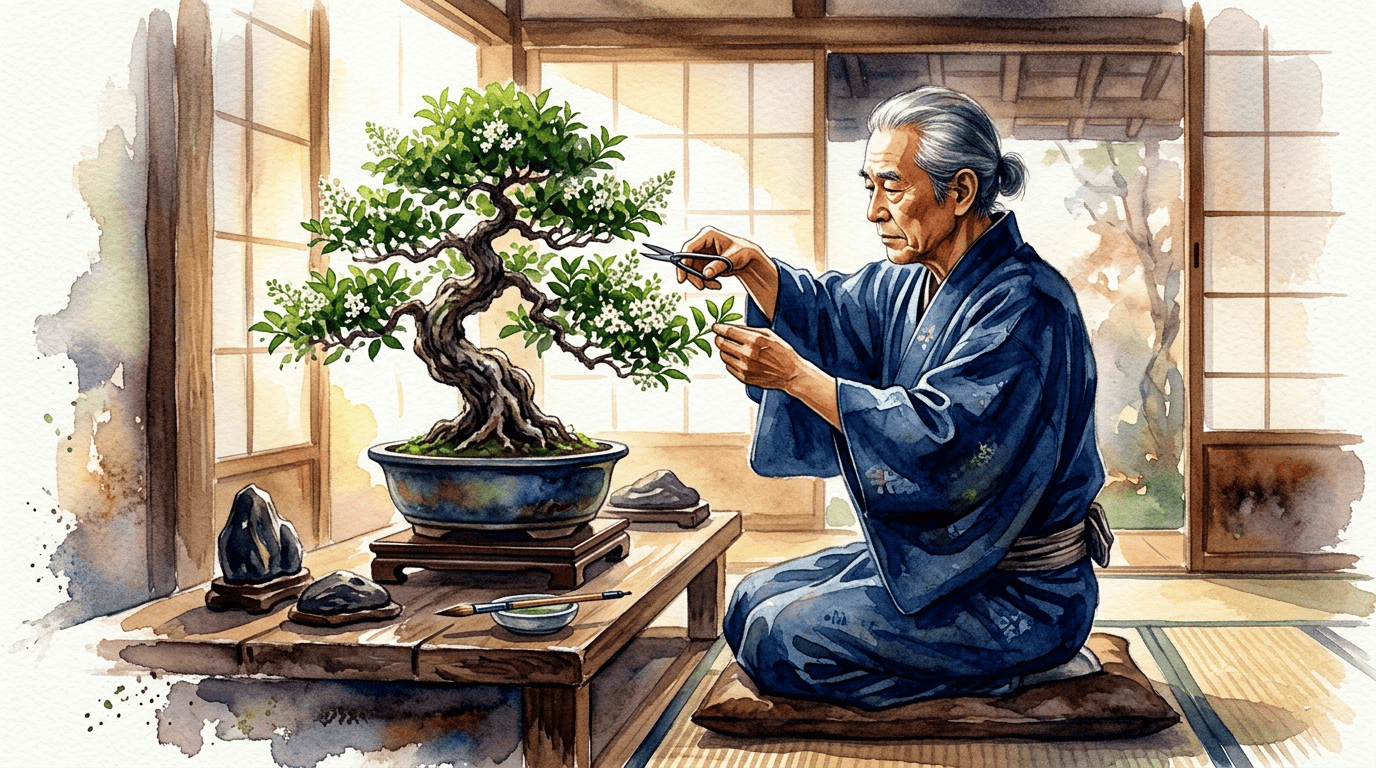
Ligustrum japonicum has been cultivated in East Asian gardens for many centuries. In Japan, its dense, pliable branches made it a natural choice for borders and screens, and it became widely used as a bonsai subject valued for its adaptability and tolerance of aggressive pruning.
European botanists first encountered the plant during the era of East Asian exploration. The Swedish naturalist Carl Thunberg collected specimens in Japan during his 1775–1776 stay, and the plant soon entered European botanical gardens. By the mid-19th century, British nurseries were distributing it widely, and Victorian landscape designers embraced it for formal hedging — its glossy foliage holding crisp geometric shapes under repeated clipping.
The plant arrived in North America in the late 19th century. In the warm, humid southeastern United States it naturalized so aggressively that it became listed as invasive in several states, spreading from gardens into woodlands and crowding out native vegetation.
Today Japanese Privet remains one of the most planted hedging shrubs in temperate gardens worldwide, prized for its speed of growth, year-round foliage, intensely fragrant summer flowers, and ornamental black berries that persist through winter.
Symbolism & meaning
What It Symbolizes
In the language of Victorian gardens, Ligustrum's role as the hedging shrub par excellence encoded quiet but powerful meanings. To plant a privet hedge was to mark both the physical and symbolic border of one's domestic world — a statement of stewardship and permanence. Its evergreen nature, holding form and color through the bleakest winter months, deepened associations with endurance and constancy.
- protection — As the quintessential hedge plant, Japanese Privet has long symbolized shelter and the defining of safe boundaries around home and garden.
- endurance — Its evergreen foliage, which holds through winter when other shrubs retreat, represents steadfast perseverance and continuity.
- resilience — Thriving in polluted urban air, poor soils, and neglect, the plant embodies the ability to adapt and persist under difficult conditions.
Where the Name Comes From
The genus name Ligustrum is derived from the Latin word ligare, meaning 'to bind' or 'to tie,' possibly referencing the plant's flexible young stems once used for binding. The species epithet japonicum is Latin for 'of Japan,' indicating its native range in the Japanese archipelago.
Uses & Fun Facts
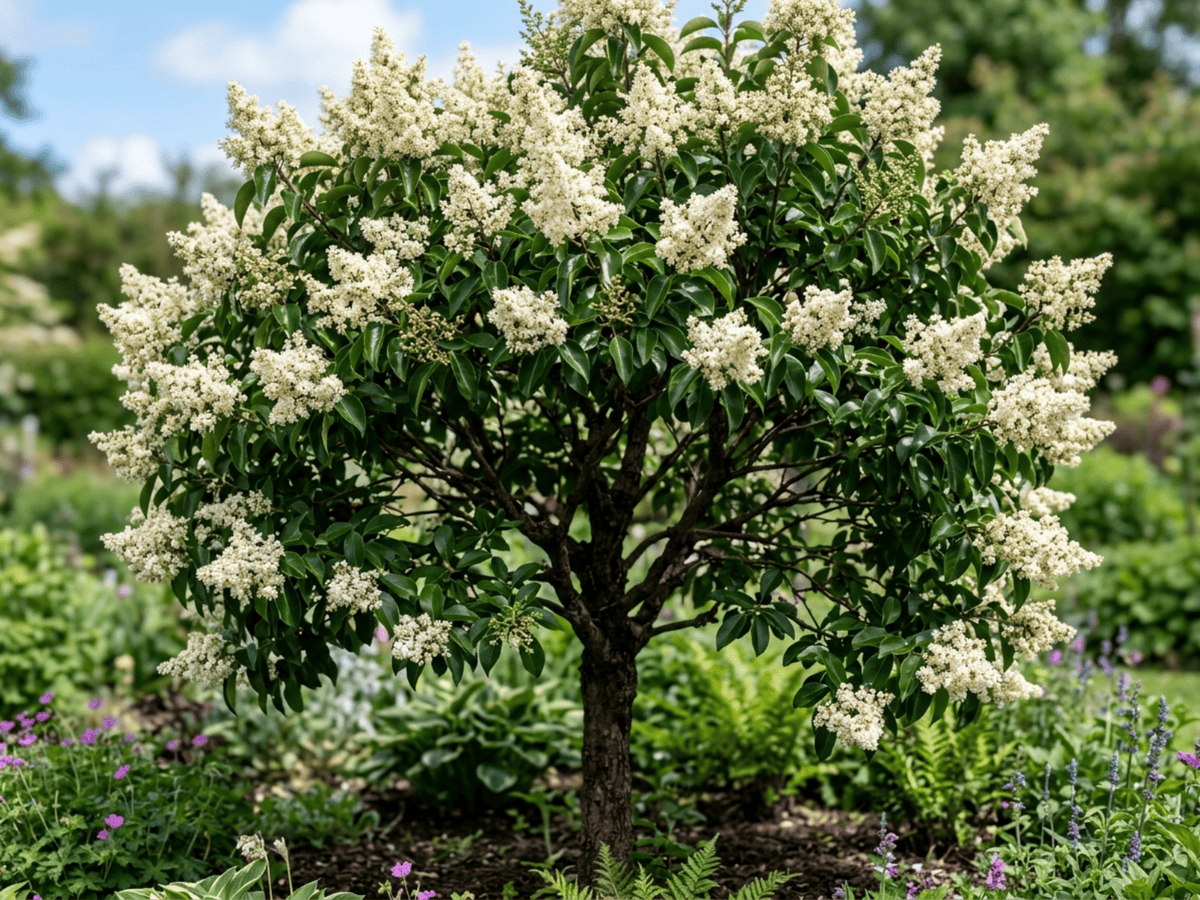
- Widely planted as a formal hedge, topiary subject, or privacy screen thanks to its dense, glossy foliage and fast, reliable growth.
- Panicles of small white flowers release a rich, sweet perfume in early summer, scenting the garden from a distance.
- Summer flower clusters draw bees, butterflies, and other beneficial insects to the garden.
- Persistent blue-black berries provide food for birds and wildlife through winter.
Related plants
More Ligustrum plants
Plants with similar care
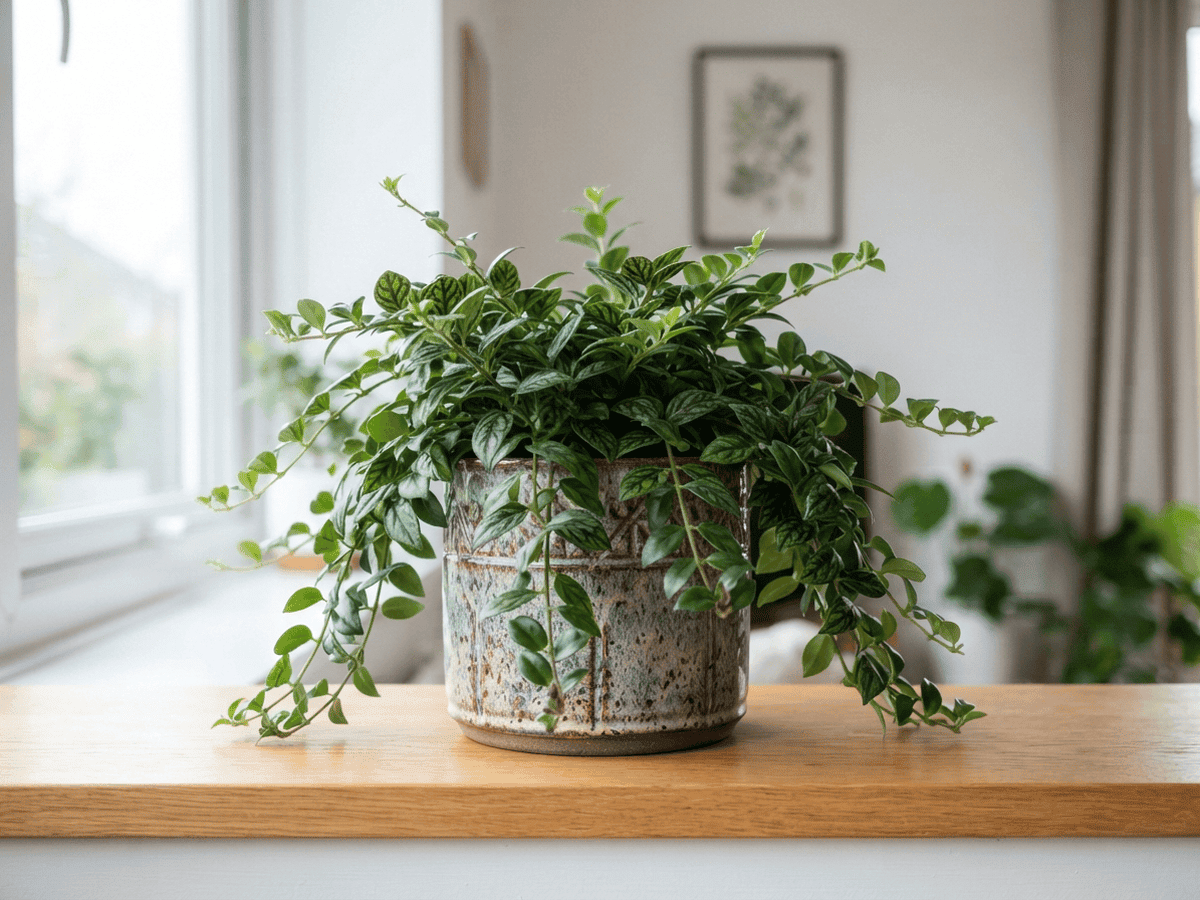 Lipstick PlantAeschynanthus longicaulis
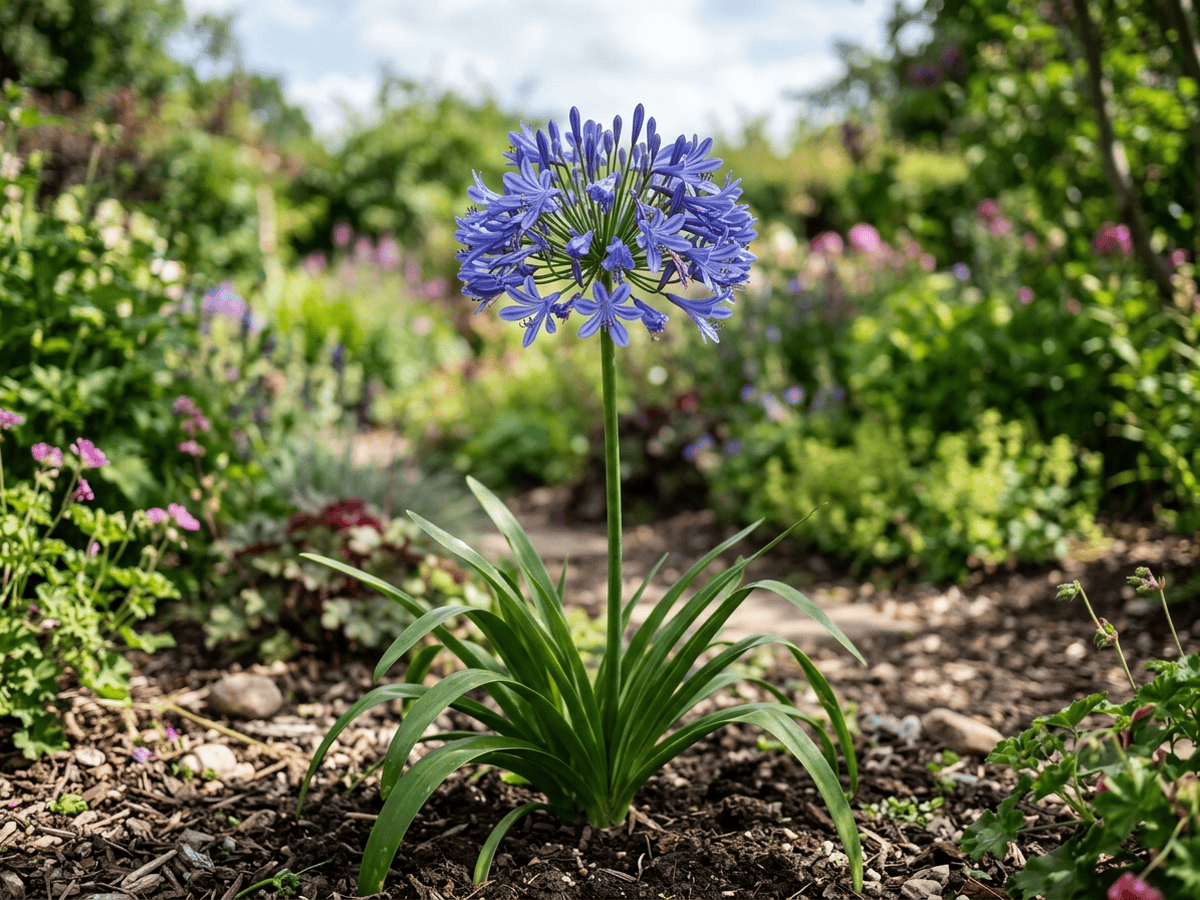 African LilyAgapanthus africanus
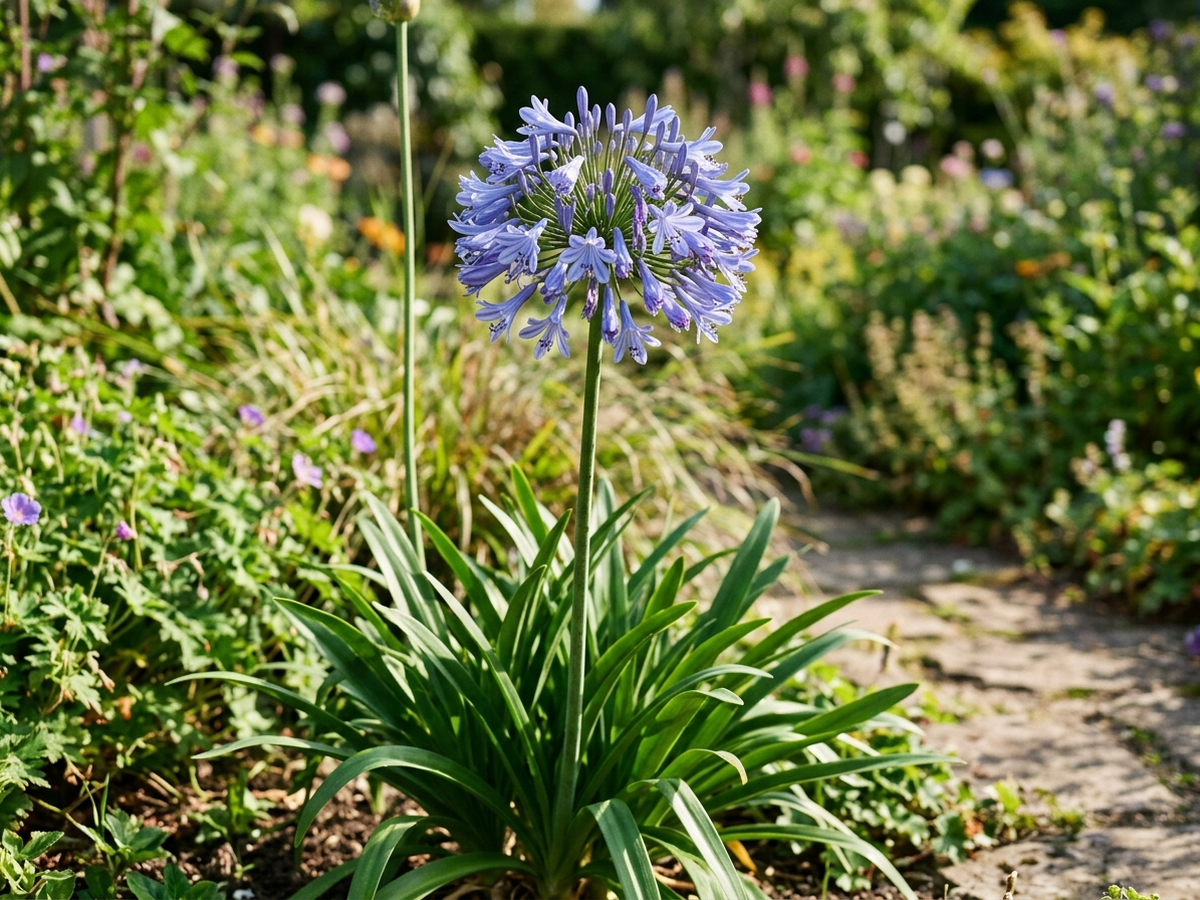 Bell AgapanthusAgapanthus campanulatus
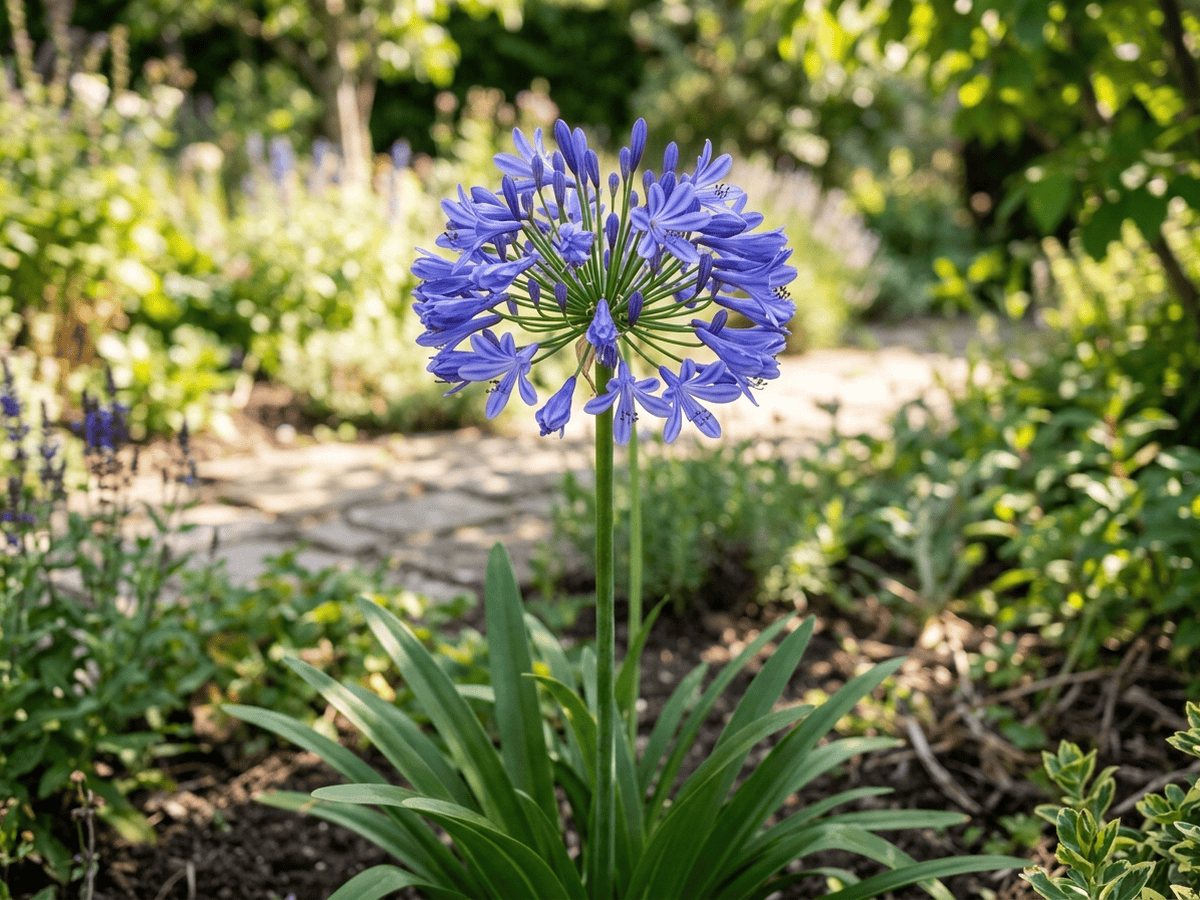 Common AgapanthusAgapanthus praecox
Frequently asked questions
How often should I water Japanese Privet?
In summer, water about every 7 days; in winter, about every 30 days. Adjust for heat, pot size and drainage.
How much light does Japanese Privet need?
Part sun: 4–6 hrs direct. Watch the leaves — scorching or stretching means the light needs adjusting.
Is Japanese Privet toxic to cats or dogs?
Pets Moderate (Dogs Moderate · Cats Moderate) Educational information, not medical or veterinary advice. If exposure is suspected, contact a doctor or veterinarian.
Is Japanese Privet easy to grow?
It is considered challenging and rewards experienced growers.
When does Japanese Privet bloom?
It typically blooms May–Aug in the Northern Hemisphere.
YardMate
Identify any plant in seconds
Snap a photo — YardMate names the plant, diagnoses problems, and reminds you when to water.
Download on the App Store