 YardMate

Bamboo Muhly
Muhlenbergia dumosa
Easy · Beginner friendlyAbout Bamboo Muhly
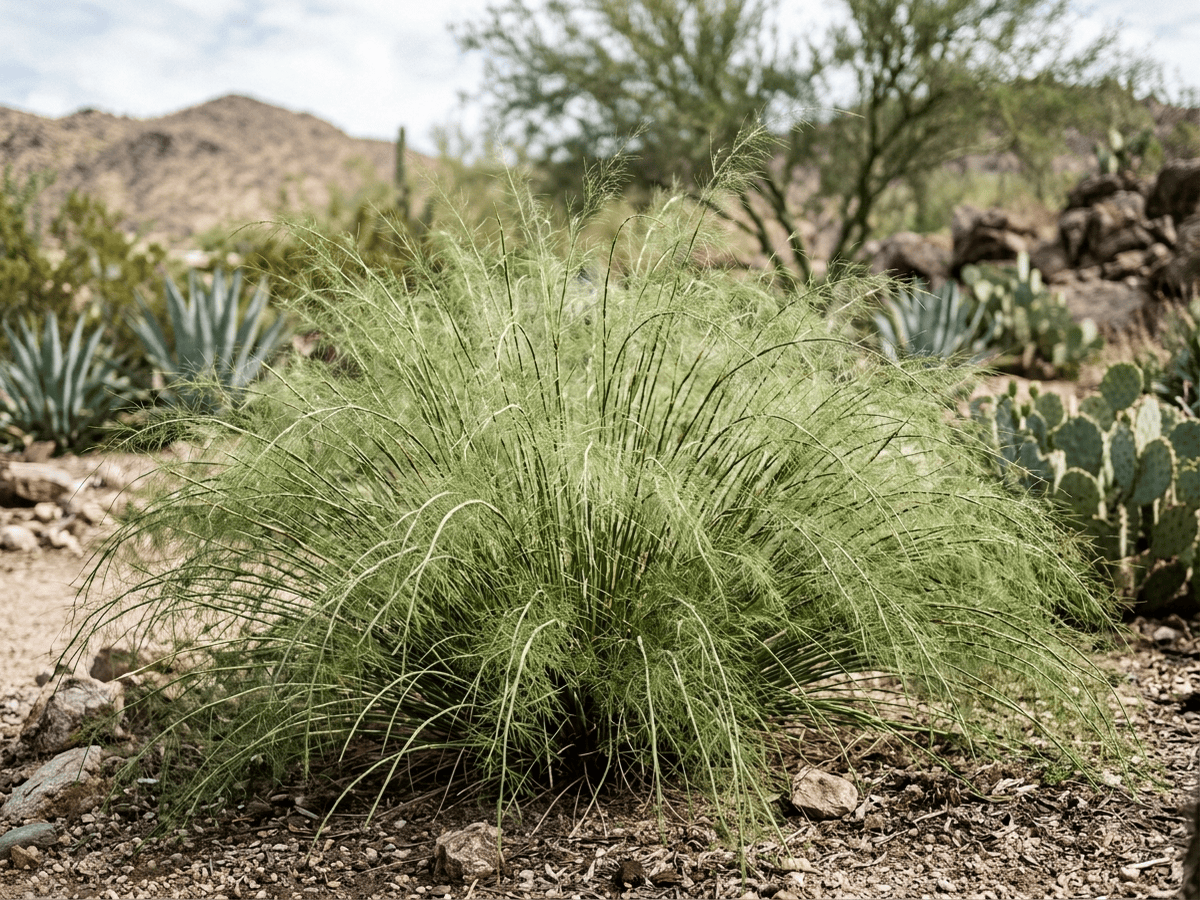
Bamboo Muhly is a graceful Southwestern native ornamental grass from Arizona and Mexico reaching 4-6 feet tall, with soft feathery bamboo-like foliage that sways gracefully in the slightest breeze. Forms a billowing cloud of bright green that turns straw-tan in cool weather. Among the most distinctive ornamental grasses for Sonoran and Southwestern landscape design, providing fine textural contrast to bold succulents and cacti.
- Drought-tolerant
- Evergreen
- Native
How to care for Bamboo Muhly
Watering
- Springevery 14 days
- Summerevery 21 days
- Fallevery 21 days
- Winterevery 45 days
Soil · Well-draining
- Top dressingPine bark mulch10%
- Main mixPotting soil + perlite 2:170%
- DrainageLECA / gravel20%
Never skip the drainage layer — standing water is the top cause of root rot.
FERTILIZER
- Springevery 60 days
At a Glance
- NativeNorth America
- Height3–6 ft (0.9–1.8 m)
- Spread3–6 ft (0.9–1.8 m)
- Foliage colorYellow
- SoilSandy, Well-drained
- LocationsYard
Bloom time
BLOOM CYCLE
Peak bloom
Aug–Sep
Inconspicuous panicles in late summer
Toxicity
Humans Safe · Pets Safe
None reported
Safe
EXPOSURE No exposure route is reported.
EFFECT No toxic effect is reported.
NOTE Listed as non-toxic for humans; avoid eating ornamental plants unless confirmed edible.
Safe
EXPOSURE No exposure route is reported.
EFFECT No toxic effect is reported.
NOTE Listed as non-toxic for dogs; avoid eating ornamental plants unless confirmed edible.
Safe
EXPOSURE No exposure route is reported.
EFFECT No toxic effect is reported.
NOTE Listed as non-toxic for cats; avoid eating ornamental plants unless confirmed edible.
Educational information, not medical or veterinary advice. If exposure is suspected, contact a doctor or veterinarian.
DISTRIBUTION


- Native
- North America
History

Muhlenbergia dumosa, commonly called bamboo muhly, is a warm-season perennial grass in the family Poaceae native to rocky canyon slopes of southern Arizona and northern Mexico (Sonora, Chihuahua, Sinaloa, Durango). American botanist Frank Lamson-Scribner's manuscript name was validly published by George Vasey in 1890. The epithet dumosa means bushy.
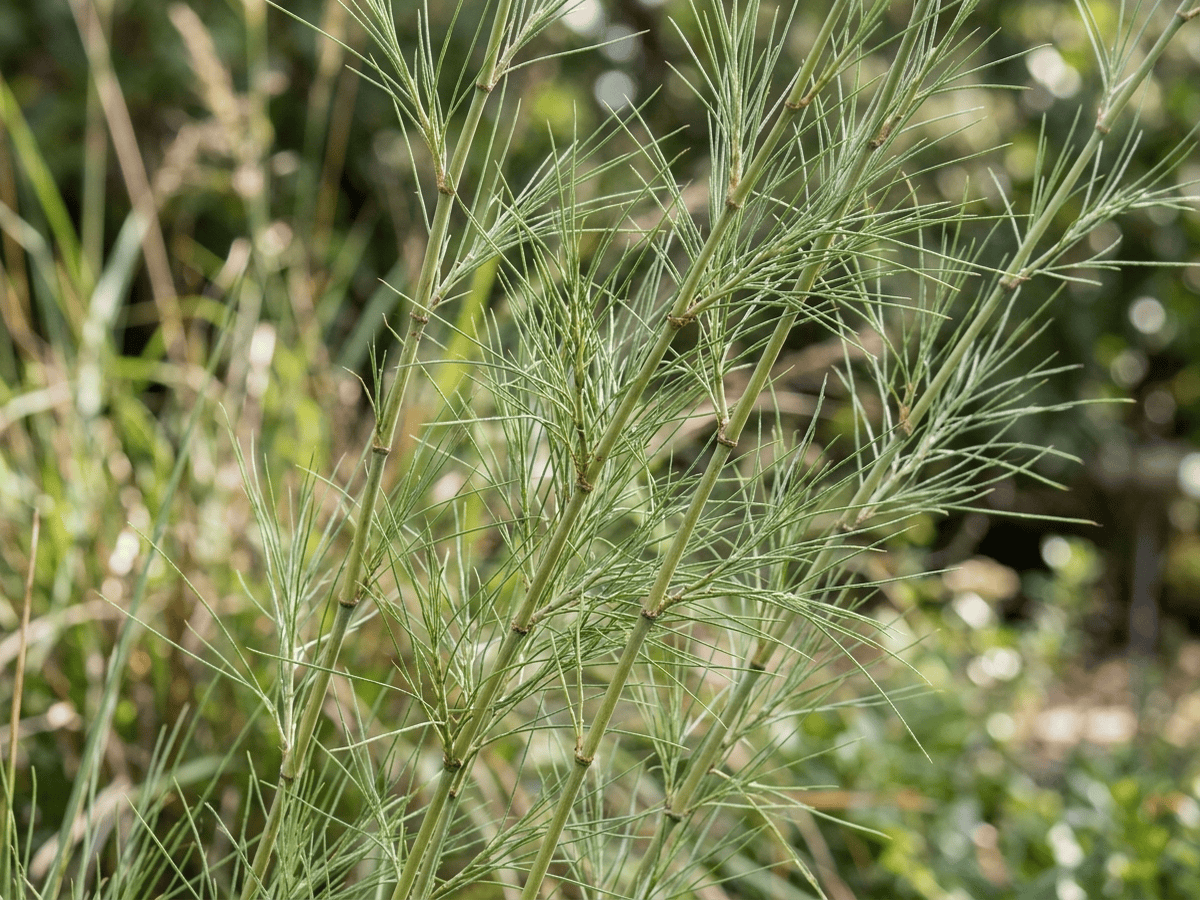
The species is unusual among Muhlenbergias for its distinctive bamboo-like branching habit: rather than forming basal clumps of narrow leaves like most species, it develops 1-1.5 meter tall woody-based canes that branch repeatedly, each twiggy branch clothed in very fine 1-2 mm wide bright chartreuse-green leaves that give the entire plant a soft feathery cloud-like appearance. Small inconspicuous pale tan panicles appear in late winter.
The species has become extremely popular in Southwestern United States and Mediterranean-climate landscape use since the 1990s for its soft texture and drought tolerance, forming attractive billowing mounds in xeric landscapes and containers. A defining ornamental grass of Sonoran-style landscape design in Tucson, Phoenix, and Palm Springs.
Symbolism & meaning
What It Symbolizes
Bamboo Muhly can symbolize movement, its fine green clouds swaying with every desert breeze in a manner closer to water than to grass. Another layer is grace, for the bamboo-like leaf texture lends the plant a refined, almost calligraphic quality at scale. In the dryland garden it has become the chosen ornamental of designers who want air and motion rather than mass, a plant that turns wind itself into something visible and quietly beautiful.
- Movement — soft cloud sways with every desert breeze
- Grace — fine bamboo-like texture
Where the Name Comes From
The name Bamboo Muhly describes its bamboo-like canes. 'Muhlenbergia' honors Pennsylvania botanist Henry Muhlenberg; 'dumosa' means bushy.
Uses & Fun Facts
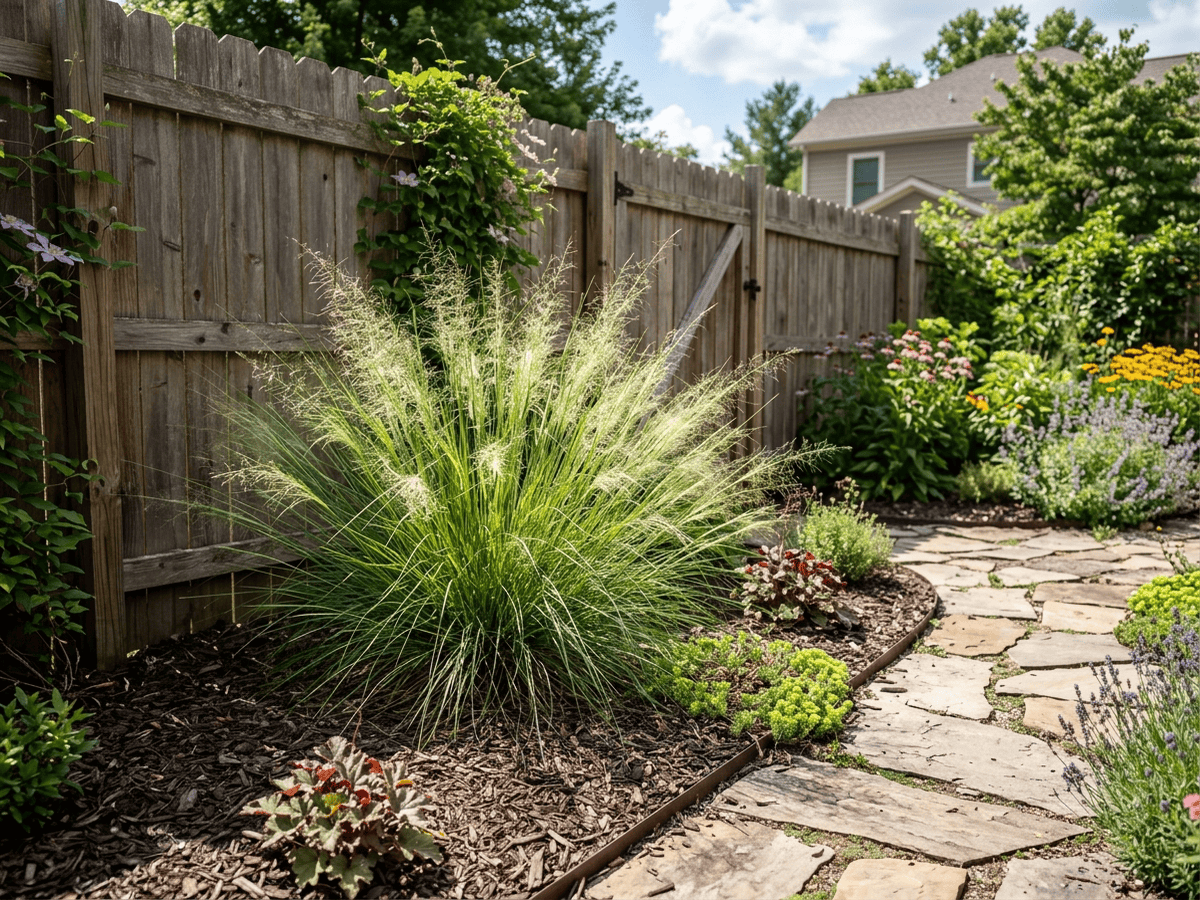
- Bamboo muhly forms airy cloud-like fountain of fine foliage
Related plants
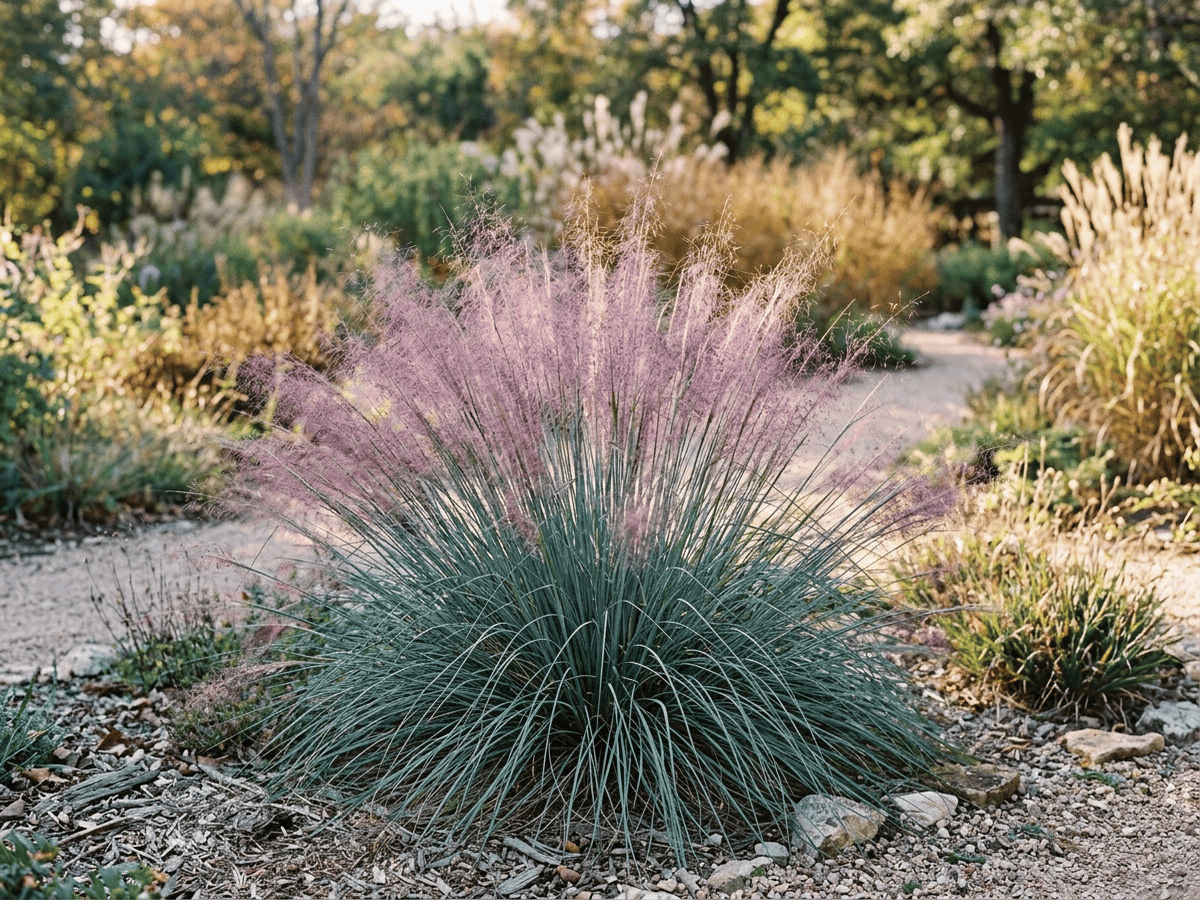
More Muhlenbergia plants
Plants with similar care
 Chinese AbeliaAbelia chinensis
 Fragrant AbeliaAbelia mosanensis
 Large-Flowered AbeliaAbelia uniflora
 Glossy AbeliaAbelia x grandiflora
Frequently asked questions
How often should I water Bamboo Muhly?
In summer, water about every 21 days; in winter, about every 45 days. Adjust for heat, pot size and drainage.
How much light does Bamboo Muhly need?
Full sun: 6+ hrs direct. Watch the leaves — scorching or stretching means the light needs adjusting.
Is Bamboo Muhly toxic to cats or dogs?
Pets Safe (Dogs Safe · Cats Safe) Educational information, not medical or veterinary advice. If exposure is suspected, contact a doctor or veterinarian.
Is Bamboo Muhly easy to grow?
Yes — it is considered an easy, beginner-friendly plant.
When does Bamboo Muhly bloom?
It typically blooms Aug–Sep in the Northern Hemisphere.
YardMate
Identify any plant in seconds
Snap a photo — YardMate names the plant, diagnoses problems, and reminds you when to water.
Download on the App Store