 YardMate
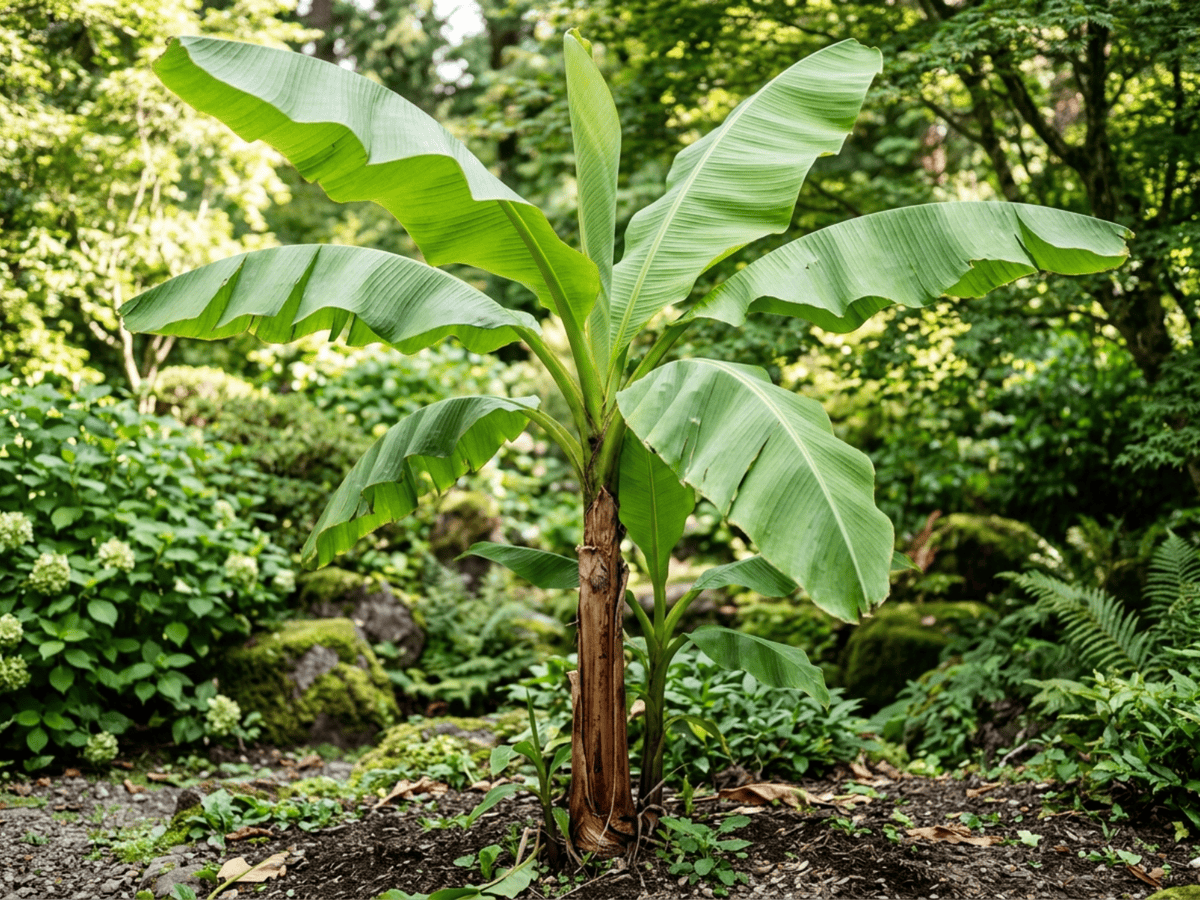


Japanese Banana
Musa basjoo
Medium · Some experienceAbout Japanese Banana
Japanese Fiber Banana is the most cold-hardy banana species in the world, native to the Sichuan province of China despite its common name. It can survive temperatures as low as -10°F when the root zone is heavily mulched, making it the only banana that can be grown outdoors in temperate climates year-round. The plant grows rapidly to 6 to 14 feet in a single season, producing huge paddle-shaped leaves up to 6 feet long that create an instant tropical atmosphere. While it does produce small yellow bananas after flowering, the fruit is filled with hard black seeds and is not palatable. The pseudostem — made of tightly wrapped leaf sheaths — dies back in winter in cold climates but regenerates from the rhizome each spring. In Japan, the fiber from the pseudostem has been used for centuries to weave bashofu cloth, a luxury textile from Okinawa. The plant requires rich soil, abundant water during the growing season, and heavy mulching in cold winter regions.
- Cold-hardy
- Fast-growing
- Tropical
How to care for Japanese Banana
Watering
- Springevery 3 days
- Summerevery 2 days
- Fallevery 5 days
- Winterevery 14 days
Soil · Well-draining
- Main mixLoam + bark + perlite 2:1:175%
- DrainageLECA25%
Bark keeps the mix from compacting under a heavy root ball.
FERTILIZER
Foliage Feed 24-8-16
Nitrogen leads so the plant spends its energy on dense green growth. Phosphorus and potassium follow just far enough to keep roots and stems up to speed.
- Nitrogen · Leaves
- Phosphorus · Roots + Blooms
- Potassium · Strength
- Springevery 30 days
- Summerevery 30 days
At a Glance
- NativeEast Asia
- Height12–18 ft (3.7–5.5 m)
- Spread6–10 ft (1.8–3 m)
- Flower colorYellow, Cream
- Foliage colorGreen
- SoilLoamy, Moisture-retentive, Rich
- LocationsYard
Bloom time
BLOOM CYCLE
Peak bloom
Jun–Aug
Yellow pendulous flower clusters after 2-3 years; fruit is seedy and inedible
Fragrance
NO FRAGRANCE
No notable fragrance.
Toxicity
Pets Safe
None reported
Not reported
EXPOSURE No exposure route is reported.
EFFECT No significant toxicity.
NOTE No human toxicity is reported in this catalog; avoid eating ornamental plants unless confirmed edible.
Safe
EXPOSURE No exposure route is reported.
EFFECT Not listed as toxic.
NOTE Listed as non-toxic for dogs; avoid eating ornamental plants unless confirmed edible.
Safe
EXPOSURE No exposure route is reported.
EFFECT Not listed as toxic.
NOTE Listed as non-toxic for cats; avoid eating ornamental plants unless confirmed edible.
Educational information, not medical or veterinary advice. If exposure is suspected, contact a doctor or veterinarian.
DISTRIBUTION


- Native
- Introduced
- East Asia
History
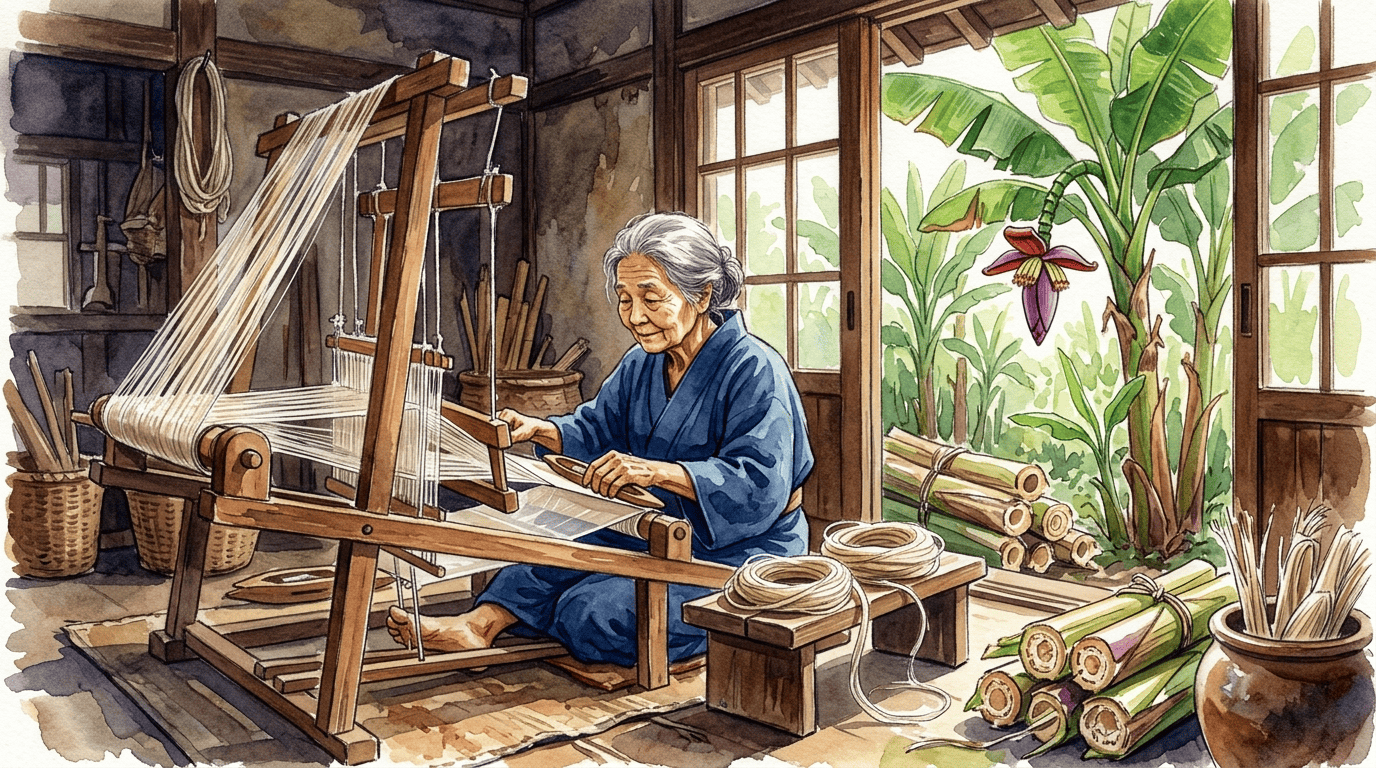
Musa basjoo is best known as the hardy banana, grown outdoors in climates that would kill most bananas. Its exact native range is debated; it is associated with the Ryukyu Islands and southern Japan, and some sources point to a Chinese origin. In Okinawa, banana-stem fibers are woven into bashofu, a fine breathable textile with more than 500 years of history in the Ryukyu Kingdom.
Small-scale production in Kijoka remains an Important Intangible Cultural Property of Japan. The plant also shaped literature: the haiku poet Matsuo Basho took his pen name from a banana plant given by a student and planted beside his hermitage.
Horticulturally, Musa basjoo is famous because its pseudostems may freeze but its rhizomes resprout, letting gardeners in parts of Britain, the Pacific Northwest, and even colder North American regions create a tropical look from a plant whose fruit is usually small, seedy, and inedible.
Symbolism & meaning
What It Symbolizes
The Japanese Banana expresses resilience, dying back in winter only to surge upward again each spring — a plant that survives by surrendering and returning. In Japanese poetry, its easily torn leaves became the emblem of impermanence, the frailty that defines life as much as its persistence. To grow it is to keep both meanings alive in the same green column: tough roots, fragile leaves.
- Resilience — survives harsh winters and regrows, symbolizing perseverance
- Impermanence — the easily torn leaves represent the transient nature of life in Japanese poetry
Where the Name Comes From
'Musa' likely derives from Arabic 'mauz' for banana. 'Basjoo' is a Latinization of 'basho,' the Japanese name for the plant, made famous by the poet Matsuo Basho.
Uses & Fun Facts
- Hardy Japanese banana gives tropical paddle-leaf effect in temperate gardens
- Pseudostem fibers traditionally woven into Japanese basho-fu cloth
Related plants
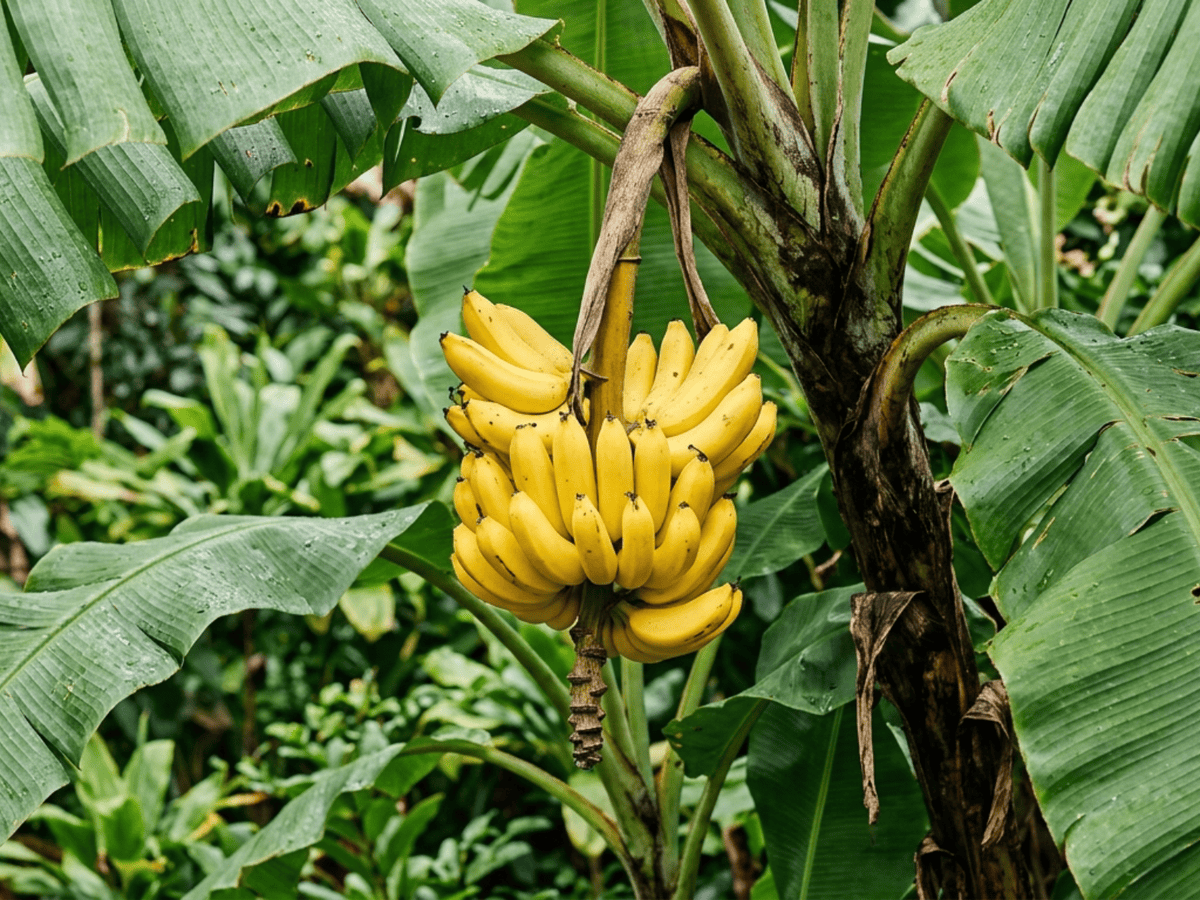
More Musa plants
Plants with similar care
 Mexican AbeliaAbelia floribunda
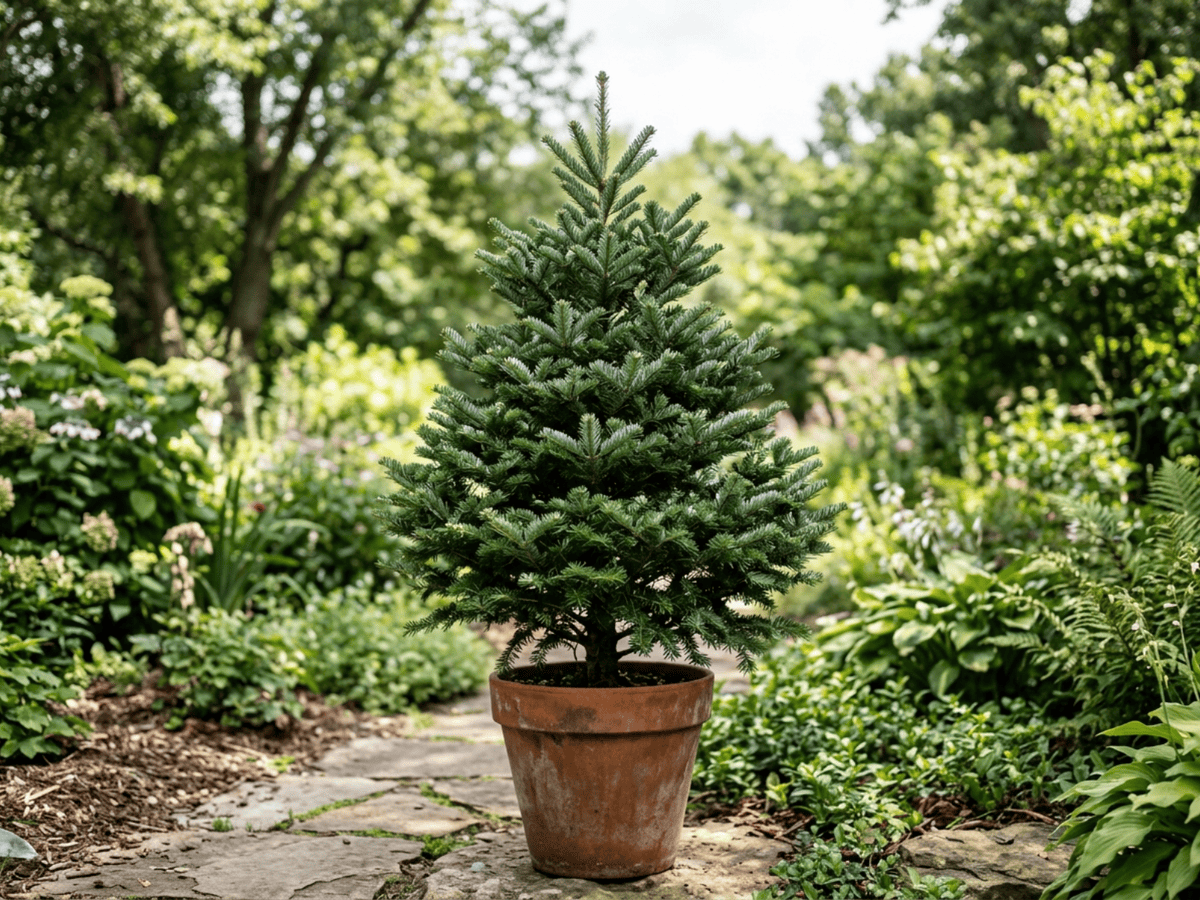 Fraser FirAbies fraseri
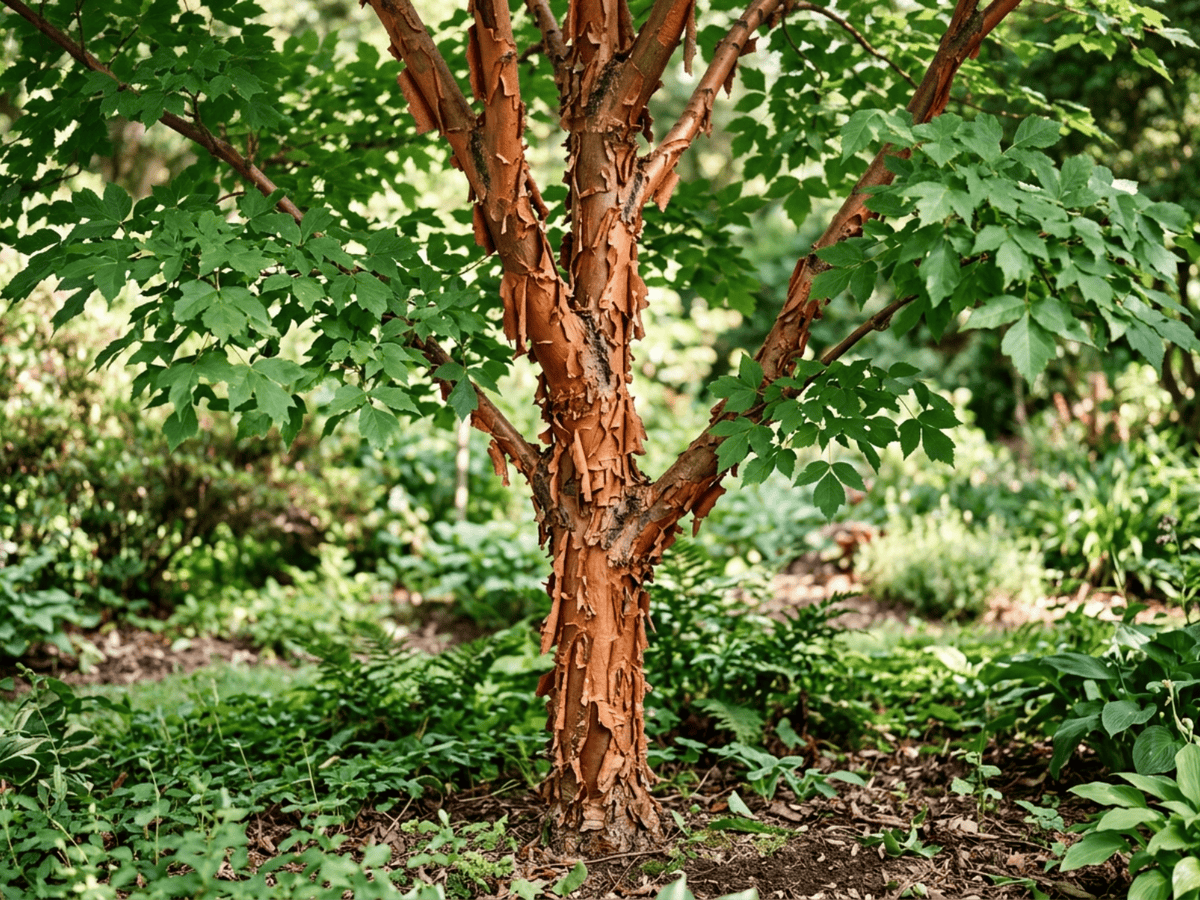 Paperbark MapleAcer griseum
 Sugar MapleAcer saccharum
Frequently asked questions
How often should I water Japanese Banana?
In summer, water about every 2 days; in winter, about every 14 days. Adjust for heat, pot size and drainage.
How much light does Japanese Banana need?
Full sun: 6+ hrs direct. Watch the leaves — scorching or stretching means the light needs adjusting.
Is Japanese Banana toxic to cats or dogs?
Pets Safe (Dogs Safe · Cats Safe) Educational information, not medical or veterinary advice. If exposure is suspected, contact a doctor or veterinarian.
Is Japanese Banana easy to grow?
It is moderately demanding: a good choice once you have a little experience.
When does Japanese Banana bloom?
It typically blooms Jun–Aug in the Northern Hemisphere.
YardMate
Identify any plant in seconds
Snap a photo — YardMate names the plant, diagnoses problems, and reminds you when to water.
Download on the App Store