 YardMate


Sacred Lotus
Nelumbo nucifera
Medium · Some experienceAbout Sacred Lotus
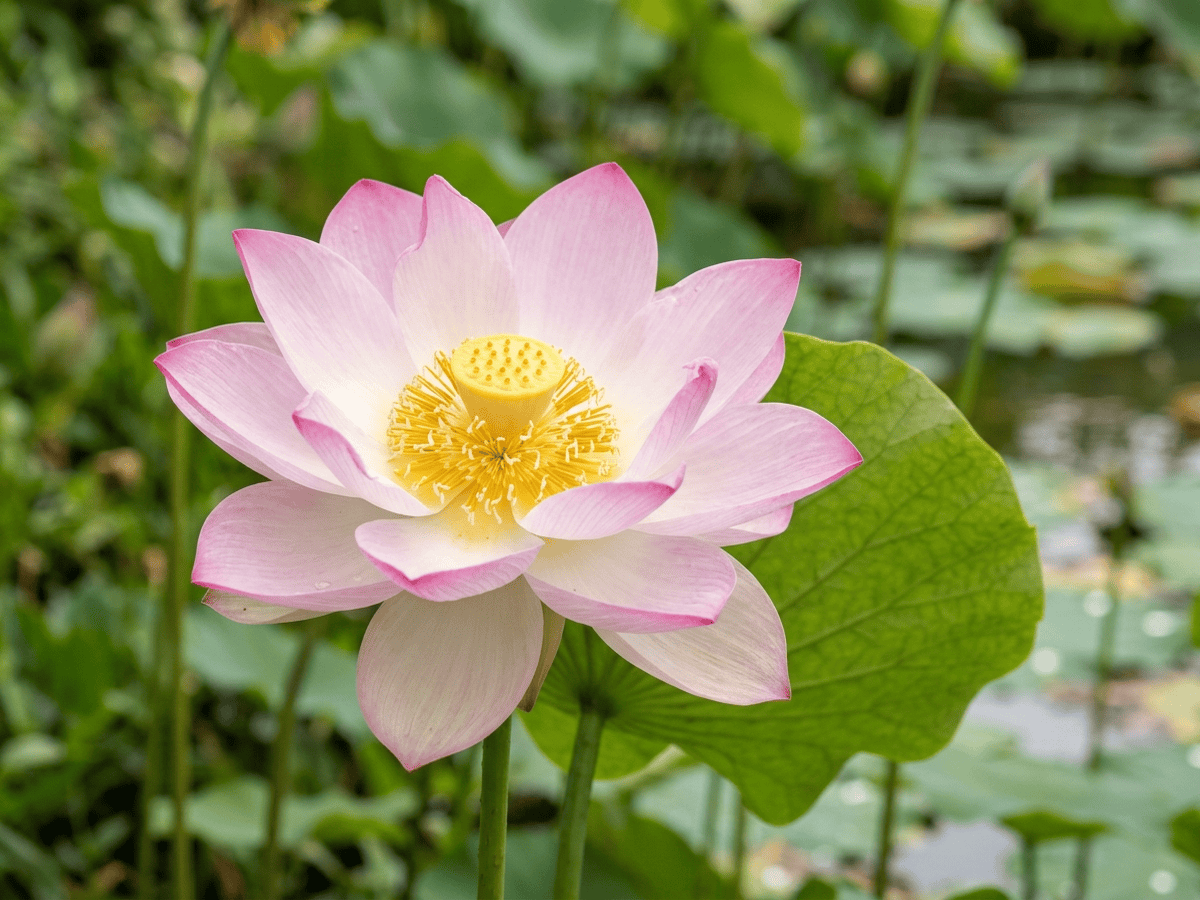
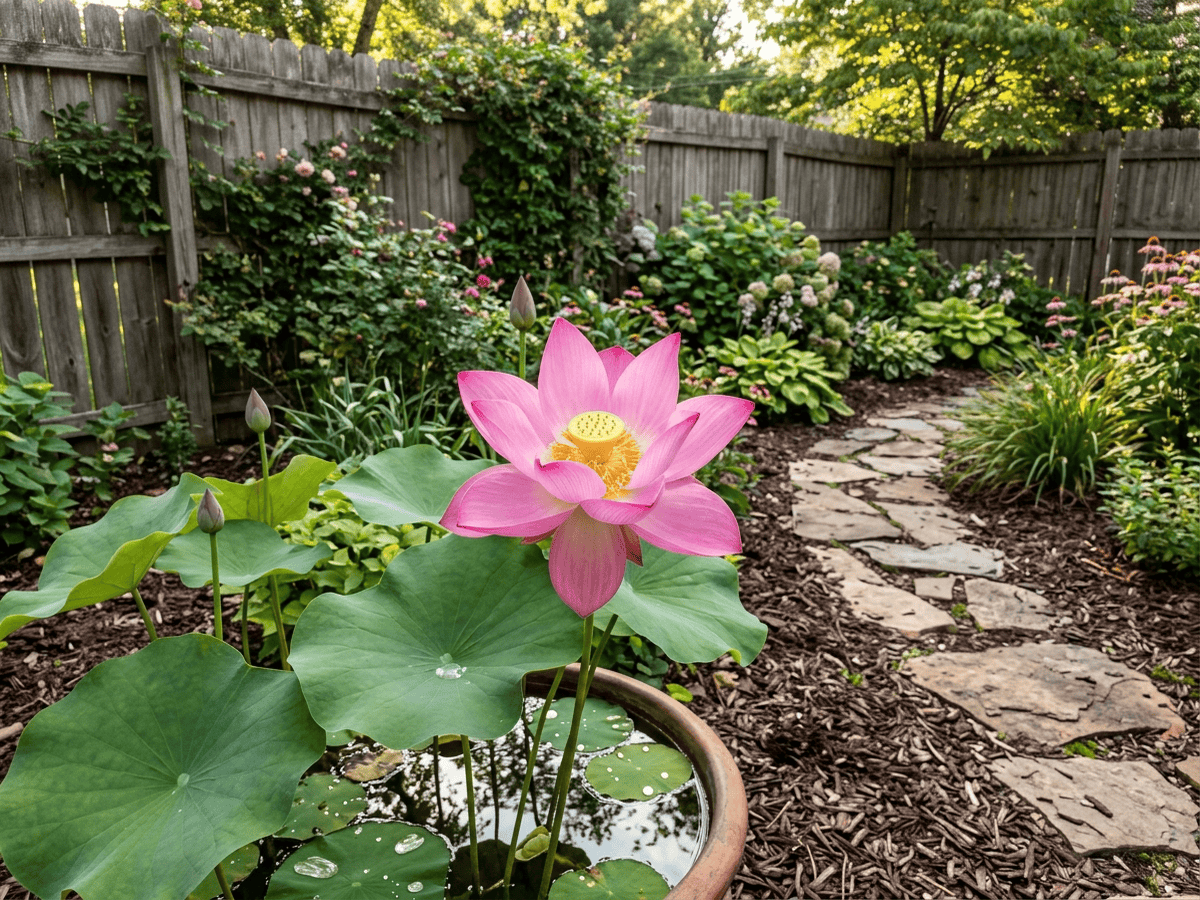
Nelumbo nucifera, the sacred lotus, is one of the most spiritually significant plants in human civilization and one of the most remarkable aquatic plants on Earth. Its enormous circular leaves, up to 60 cm across, are superhydrophobic — water beads roll off carrying dirt particles in a self-cleaning phenomenon called the 'lotus effect,' which inspired modern nanotechnology. The flowers, rising majestically above the water on sturdy stems, open in shades of pink to white and possess the extraordinary ability to thermoregulate, maintaining temperatures of 30–35°C even when air temperature drops to 10°C. Sacred to both Buddhism and Hinduism, the lotus grows from muddy pond bottoms to produce pristine flowers — a metaphor for spiritual enlightenment rising from worldly suffering. Every part is useful: seeds, rhizomes (lotus root), leaves, and stamens are all eaten or used medicinally across Asia.
- Edible
How to care for Sacred Lotus
Watering
- Springevery 1 days
- Summerevery 1 days
- Fallevery 1 days
- Winterevery 1 days
Soil · Bog-wet
- WaterStanding water above soil20%
- SoilHeavy pond soil80%
No drainage layer — keep water standing above the soil.
FERTILIZER
Balanced Feed 14-14-14
An even feed covers all three needs at once, keeping leaves, roots and blooms moving together with nothing pushed out of balance.
- Nitrogen · Leaves
- Phosphorus · Roots + Blooms
- Potassium · Strength
- Springevery 30 days
- Summerevery 30 days
At a Glance
- NativeSouth Asia, East Asia, Australasia
- Height3–6 ft (0.9–1.8 m)
- Spread4–8 ft (1.2–2.4 m)
- Flower colorPink, White, Yellow
- Foliage colorGreen, Blue-green
- SoilLoamy, Moisture-retentive
- LocationsYard · Indoor · Balcony
Bloom time
BLOOM CYCLE
Peak bloom
Jun–Aug
Large pink to white flowers bloom summer; needs full sun and still, warm water. Flowers last 3 days each.
Fragrance
MODERATE FRAGRANCE
Delicate sweet anise-like fragrance, most pronounced in morning.
Toxicity
No toxicity has been reported for this plant. Still, it is wise to keep pets from chewing on any houseplant.
Educational information, not medical or veterinary advice. If exposure is suspected, contact a doctor or veterinarian.
DISTRIBUTION


- Native
- Introduced
- South Asia
- East Asia
- Australasia
History
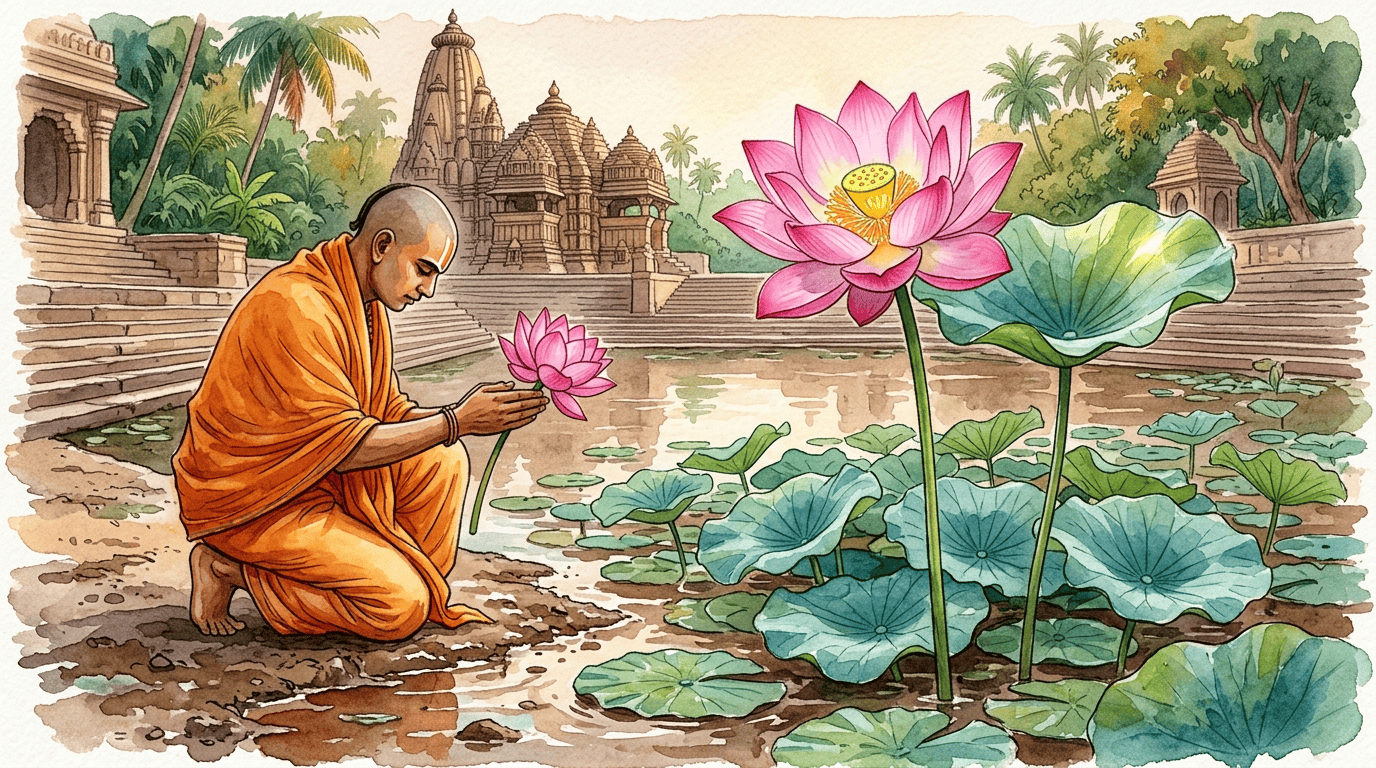
Nelumbo nucifera, the sacred lotus, is native across a vast Asian range from Iran through India, Southeast Asia, China, and into northern Australia. It is not a true water lily but a member of its own family, with closest relatives far removed from the lily-pond look. Few plants carry more symbolic weight.
In Hinduism it belongs to Lakshmi, Saraswati, Vishnu, and Brahma; in Buddhism it represents awakening, rising clean from muddy water into light. It is the national flower of India and Vietnam and has been cultivated for at least 5,000 years.
The plant is also deeply practical: lotus root is a major vegetable, seeds are eaten fresh or made into paste for sweets, and leaves wrap food for steaming. The leaf surface inspired the term lotus effect after researchers studied its self-cleaning water repellency in the 1990s. Sacred symbol, staple food, and biomimetic model all meet in one aquatic plant.
Symbolism & meaning
What It Symbolizes
The Sacred Lotus is the supreme Buddhist symbol of enlightenment, rising from muddy water to bloom in untouched purity above the surface. Its self-cleaning leaves shed every drop of grime, lending the plant a second meaning of purity, freedom from worldly corruption. A third register is rebirth, for lotus seeds have germinated after thirteen hundred years, embodying a literal eternity of renewal. Few flowers in any culture carry as dense and coherent a symbolic load as nelumbo.
- Enlightenment — rising from muddy water to bloom in purity, the supreme Buddhist symbol of spiritual awakening
- Purity — its self-cleaning leaves represent freedom from worldly corruption
- Rebirth — seeds viable after 1,300 years symbolize eternal renewal and immortality
Where the Name Comes From
'Nelumbo' from Sinhalese 'nelum,' the Sri Lankan name for the lotus. 'Nucifera' means 'nut-bearing' in Latin, referring to the edible seeds.
Uses & Fun Facts
- Lotus root and seeds eaten across Asian cuisines
- Traditional Chinese medicine uses seeds and rhizomes
- Sacred symbol in Buddhism and Hinduism
Related plants
Plants with similar care
 Mexican AbeliaAbelia floribunda
 Fraser FirAbies fraseri
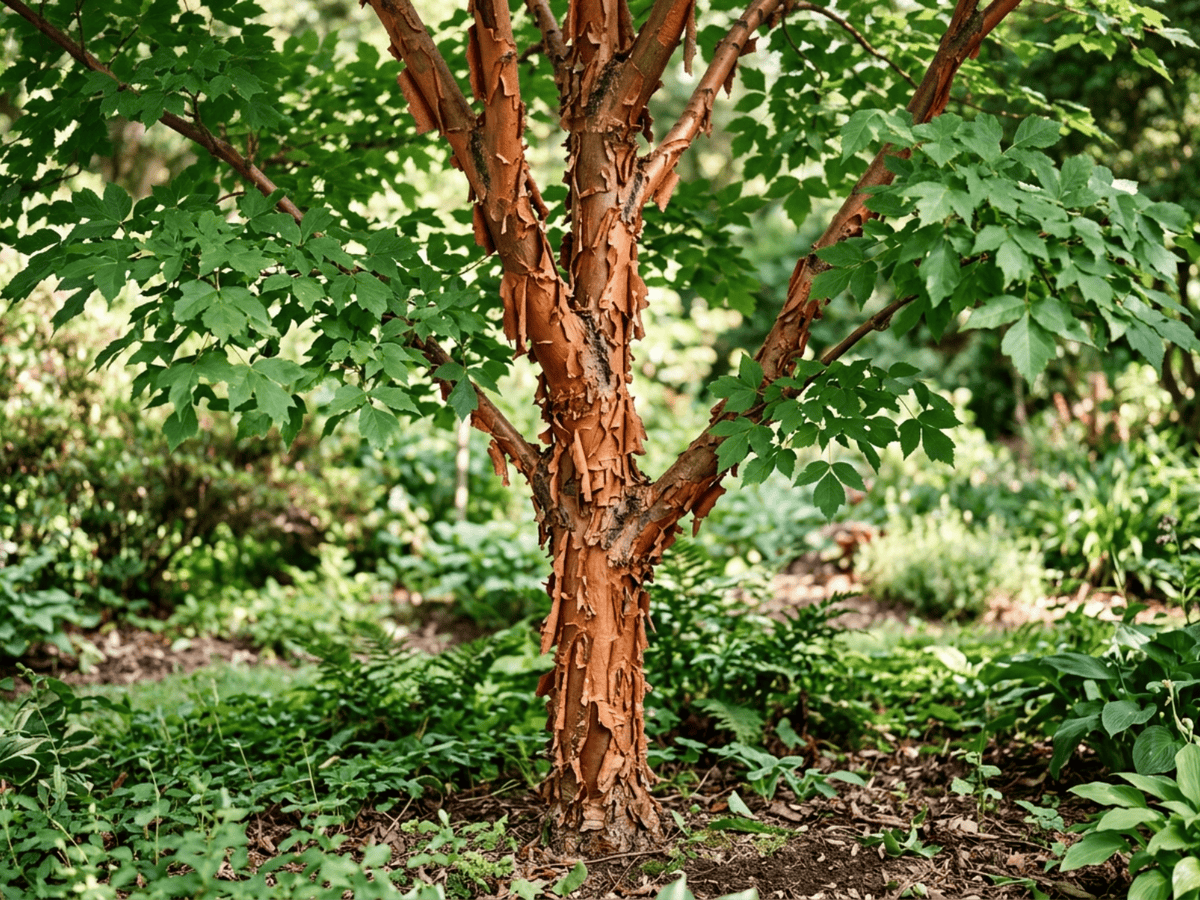 Paperbark MapleAcer griseum
 Sugar MapleAcer saccharum
Frequently asked questions
How often should I water Sacred Lotus?
In summer, water about every 1 days; in winter, about every 1 days. Adjust for heat, pot size and drainage.
How much light does Sacred Lotus need?
Full sun: 6+ hrs direct. Watch the leaves — scorching or stretching means the light needs adjusting.
Is Sacred Lotus toxic to cats or dogs?
No toxicity has been reported for this plant. Still, it is wise to keep pets from chewing on any houseplant. Educational information, not medical or veterinary advice. If exposure is suspected, contact a doctor or veterinarian.
Is Sacred Lotus easy to grow?
It is moderately demanding: a good choice once you have a little experience.
Can Sacred Lotus be grown indoors?
Yes, it adapts well to indoor growing given the right light.
When does Sacred Lotus bloom?
It typically blooms Jun–Aug in the Northern Hemisphere.
YardMate
Identify any plant in seconds
Snap a photo — YardMate names the plant, diagnoses problems, and reminds you when to water.
Download on the App Store