 YardMate


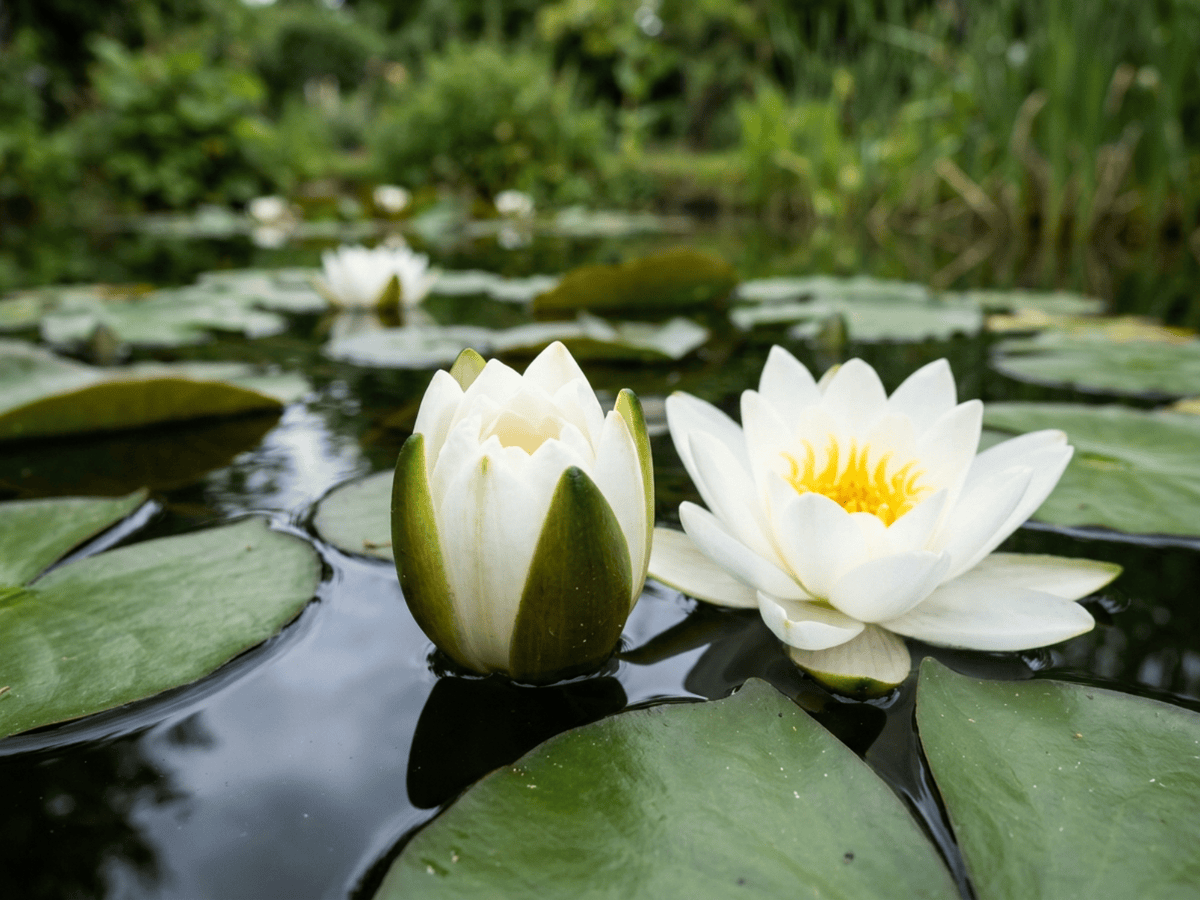
European White Waterlily
Nymphaea alba
Medium · Some experienceAbout European White Waterlily
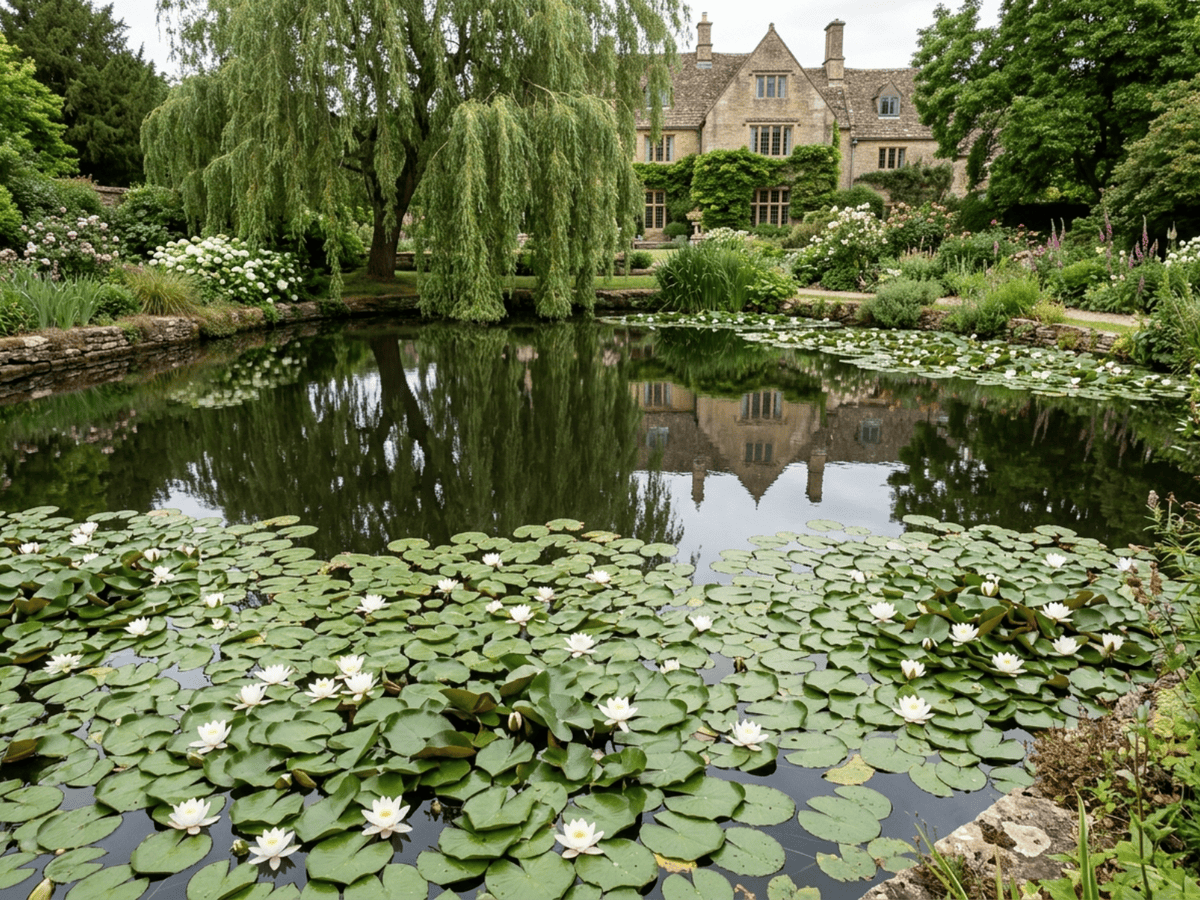
Nymphaea alba, the white water lily, is the classic European water lily found in still and slow-moving freshwater across Europe and parts of North Africa and western Asia. It produces large, round, floating leaves (lily pads) up to 30 cm across with a waxy upper surface, and pristine white, cup-shaped flowers 10–20 cm in diameter that open in the morning and close in late afternoon. The flowers emerge from thick rhizomes rooted in the pond bottom, carried on long, flexible stems that adjust to water depth. It requires a water depth of 30–150 cm and full sun for the best flowering. The plant provides valuable shade for fish, reduces algae growth by blocking light, and creates a habitat for aquatic invertebrates. It is the national flower of Bangladesh (as the genus) and appears in European art and mythology stretching back to ancient Greece.
- Fragrant
How to care for European White Waterlily
Watering
- Springevery 1 days
- Summerevery 1 days
- Fallevery 1 days
- Winterevery 1 days
Soil · Bog-wet
- WaterStanding water above soil20%
- SoilHeavy pond soil80%
No drainage layer — keep water standing above the soil.
FERTILIZER
Balanced Feed 14-14-14
An even feed covers all three needs at once, keeping leaves, roots and blooms moving together with nothing pushed out of balance.
- Nitrogen · Leaves
- Phosphorus · Roots + Blooms
- Potassium · Strength
- Springevery 30 days
- Summerevery 30 days
At a Glance
- NativeEurope, Africa, Western Asia
- Height3–6 ft (0.9–1.8 m)
- Spread4–6 ft (1.2–1.8 m)
- Flower colorWhite
- Foliage colorGreen
- SoilMoisture-retentive, Loamy
- LocationsYard
Bloom time
BLOOM CYCLE
Peak bloom
Jun–Sep
White flowers open mornings June through September; needs 6+ hours of sun for best bloom
Fragrance
LIGHT FRAGRANCE
Light sweet scent, strongest in morning.
Toxicity
Humans Slight · Pets Slight
nupharine alkaloids
Slight
- All
- Ingestion
EXPOSURE Eating any part of the plant.
EFFECT Traditional sedative use and alkaloid content (nupharine, nymphaeine).
NOTE Documented concern for humans: Traditional sedative use and alkaloid content (nupharine, nymphaeine).
Slight
- All
- Ingestion
EXPOSURE Eating any part of the plant.
EFFECT Mild GI upset possible.
NOTE Not specifically listed by ASPCA. Low-moderate concern; folk-medicine use as sedative.
Slight
- All
- Ingestion
EXPOSURE Eating any part of the plant.
EFFECT Mild GI upset possible.
NOTE Not specifically listed by ASPCA. Low-moderate concern; folk-medicine use as sedative.
Educational information, not medical or veterinary advice. If exposure is suspected, contact a doctor or veterinarian.
DISTRIBUTION


- Native
- Introduced
- Europe
- Africa
- Western Asia
History
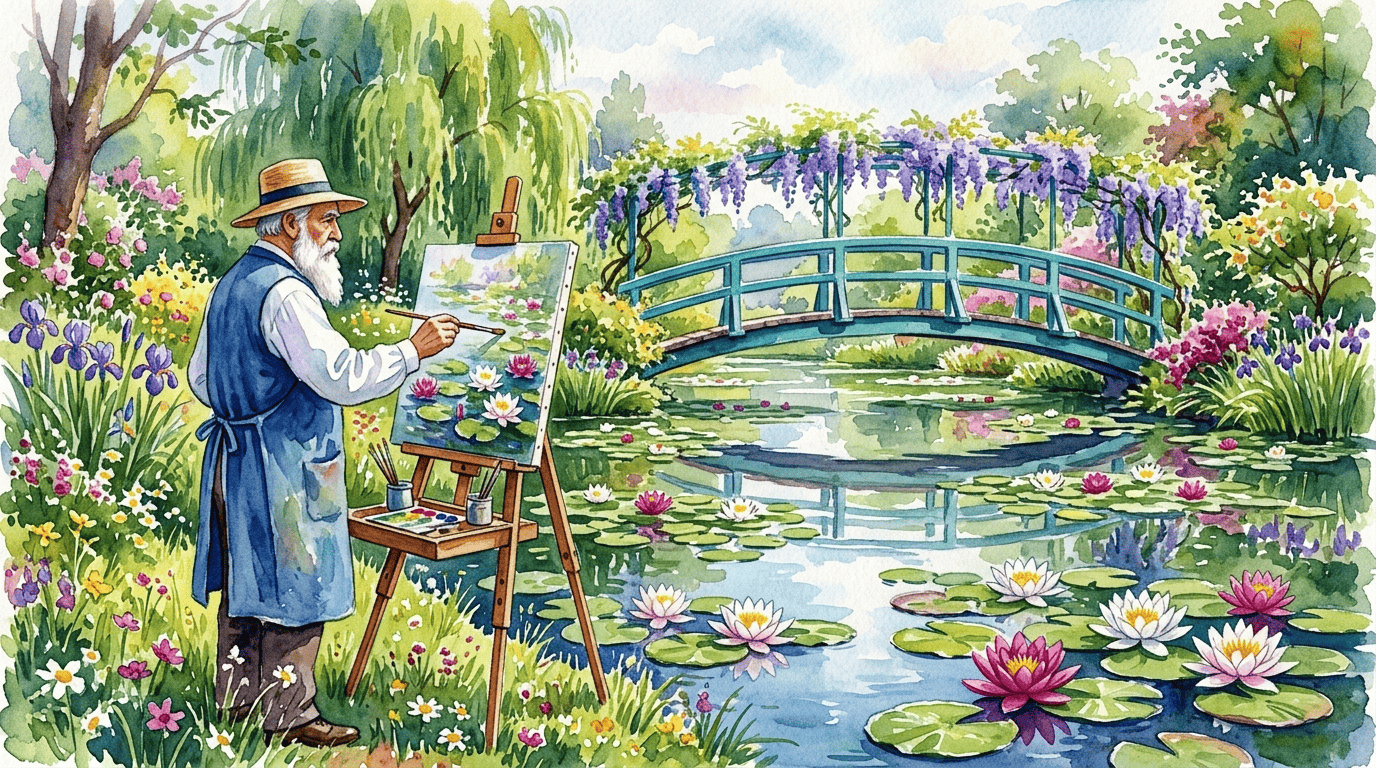
Nymphaea alba is native to freshwater ponds, lakes, and slow-moving rivers across Europe, North Africa, and western Asia. It was known to classical Greek and Roman naturalists — Dioscorides and Pliny — and features in European and North African folk medicine as a traditional sedative and anaphrodisiac. However, its supreme place in Western culture comes from Claude Monet's "Water Lilies" ("Nymphéas") paintings, approximately 250 oil paintings and panels produced at his Giverny garden from about 1897 until his death in 1926. Monet designed and built the Japanese-inspired water garden at Giverny specifically to cultivate water lilies as painting subjects; the cultivars he grew were largely hybrids developed by French breeder Joseph Bory Latour-Marliac in the 1880s-1890s, whose crosses of N. alba with warm-climate species (N. mexicana, N. odorata, N. caerulea) produced the first colored hardy water-lily hybrids — pink, red, yellow, and purple — a horticultural revolution.
The 22 large Orangerie panels at the Musée de l'Orangerie in Paris, completed in 1926 and installed by 1927, are considered one of the masterpieces of late Monet and of European modernism. Almost all modern hardy water-lily cultivars trace their ancestry to the Latour-Marliac hybrids. Nymphaea alba has enchanted humans for millennia.
In Greek mythology, water lilies were associated with nymphs — water spirits that lived in ponds and springs, giving the genus its name. Medieval monks cultivated the plant in monastery ponds, believing it suppressed carnal desire — an association that made it a symbol of chastity and purity in Christian art. Claude Monet famously dedicated the last thirty years of his life to painting his water lilies at Giverny, producing over 250 oil paintings that became masterpieces of Impressionism. The species is now protected in several European countries where wetland drainage has reduced its habitat.
Symbolism & meaning
What It Symbolizes
The European White Waterlily is purity rising from murky depths, its luminous petals lifting clean above pond mud as if untouched by where they began. Each morning it opens, each dusk it closes, performing a daily ritual of rebirth across the still water. In Old World imagination, it has long been the floating emblem of innocence and quiet spiritual clarity.
- Purity — White petals rising from murky water symbolize innocence and spiritual clarity
- Rebirth — Flowers open each morning and close at dusk, representing renewal and cycles
Where the Name Comes From
Nymphaea from Greek 'nymphe' (water nymph), as the plant was sacred to these mythological water spirits. Alba is Latin for 'white.'
Uses & Fun Facts
- Classic white floating cups define European pond plantings
- Cup-shaped blooms exhale gentle sweet aquatic perfume
- Lily pads shade fish and shelter aquatic life
- Rhizomes historically eaten as starchy survival food
Related plants
Plants with similar care
 Mexican AbeliaAbelia floribunda
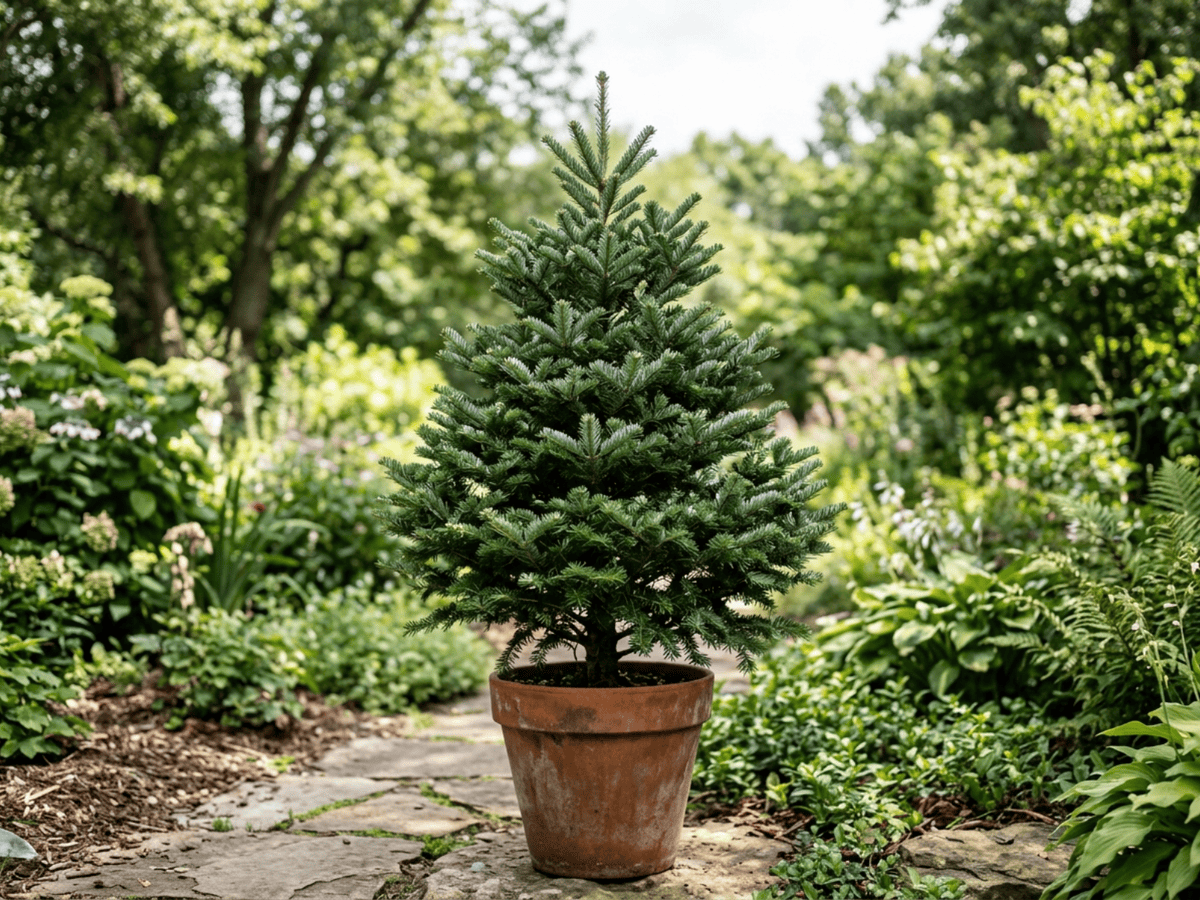 Fraser FirAbies fraseri
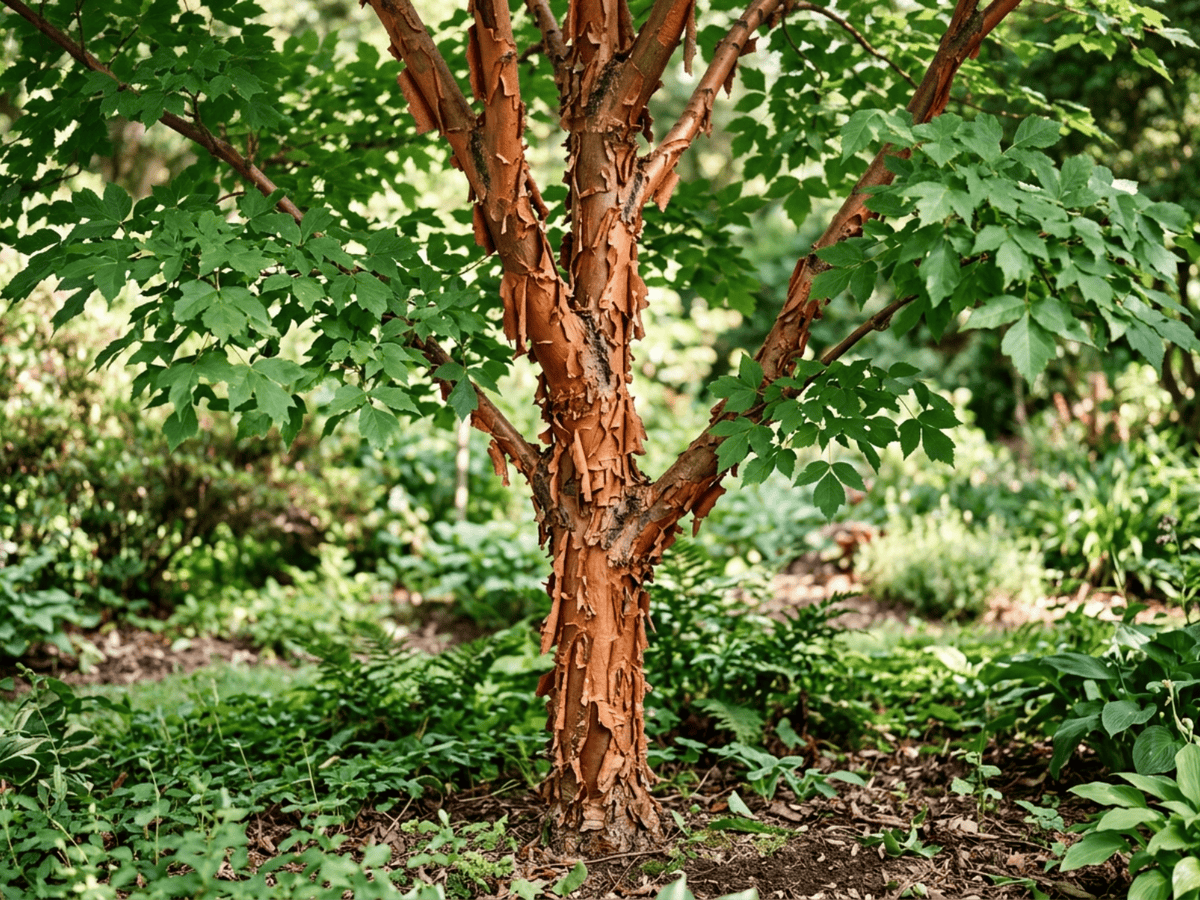 Paperbark MapleAcer griseum
 Sugar MapleAcer saccharum
Frequently asked questions
How often should I water European White Waterlily?
In summer, water about every 1 days; in winter, about every 1 days. Adjust for heat, pot size and drainage.
How much light does European White Waterlily need?
Full sun: 6+ hrs direct. Watch the leaves — scorching or stretching means the light needs adjusting.
Is European White Waterlily toxic to cats or dogs?
Pets Slight (Dogs Slight · Cats Slight) Educational information, not medical or veterinary advice. If exposure is suspected, contact a doctor or veterinarian.
Is European White Waterlily easy to grow?
It is moderately demanding: a good choice once you have a little experience.
When does European White Waterlily bloom?
It typically blooms Jun–Sep in the Northern Hemisphere.
YardMate
Identify any plant in seconds
Snap a photo — YardMate names the plant, diagnoses problems, and reminds you when to water.
Download on the App Store