 YardMate


European Royal Fern
Osmunda regalis
Medium · Some experienceAbout European Royal Fern
Osmunda regalis, the royal fern, is the largest and most majestic fern native to Europe, also found in Africa, Asia, and the Americas. It can reach 1.5 to 2 meters tall in ideal conditions, forming spectacular vase-shaped clumps of elegant, twice-pinnate fronds. Unlike most ferns, its fronds have a distinctly non-fern-like appearance, with widely spaced, oblong pinnules that resemble a locust tree's leaves more than a typical fern. The fertile fronds produce striking rusty-brown spore clusters at their tips, giving them the appearance of flowering — earning the alternative name 'flowering fern.' The royal fern is typically found growing at the edges of ponds, streams, and bogs, where its roots are constantly moist. In autumn, the fronds turn a magnificent golden-bronze before dying back. The fibrous root mass, known as osmunda fiber, was historically the preferred potting medium for orchids before it was replaced by bark-based mixes.
- Architectural
- Fall-color
- Native
How to care for European Royal Fern
Watering
- Springevery 2 days
- Summerevery 2 days
- Fallevery 5 days
- Winterevery 30 days
Soil · Moisture-retentive
- Top dressingSphagnum moss10%
- Main mixPeat + coco coir 1:180%
- DrainagePerlite / gravel10%
Keep it evenly moist — but the drainage layer still matters.
FERTILIZER
Acid-Loving Feed 4-3-4
One bag does both jobs. An acid feed carries the usual nitrogen, phosphorus and potassium, plus the sulfur and iron that keep the soil sour enough for the roots to take them up at all.
- Nitrogen · Leaves
- Phosphorus · Roots + Blooms
- Potassium · Strength
- Springevery 60 days
At a Glance
- NativeEurope, East Asia, Africa, North America
- Height3–6 ft (0.9–1.8 m)
- Spread2–3 ft (0.6–0.9 m)
- Foliage colorGreen, Yellow, Bronze
- SoilMoisture-retentive, Acidic, Rich
- LocationsYard
Bloom time
BLOOM CYCLE
Fern — does not flower. Rusty-brown fertile frond tips resemble blooms in summer.
Fragrance
NO FRAGRANCE
No notable fragrance.
Toxicity
No toxicity has been reported for this plant. Still, it is wise to keep pets from chewing on any houseplant.
Educational information, not medical or veterinary advice. If exposure is suspected, contact a doctor or veterinarian.
DISTRIBUTION


- Native
- Introduced
- Europe
- East Asia
- Africa
- North America
History
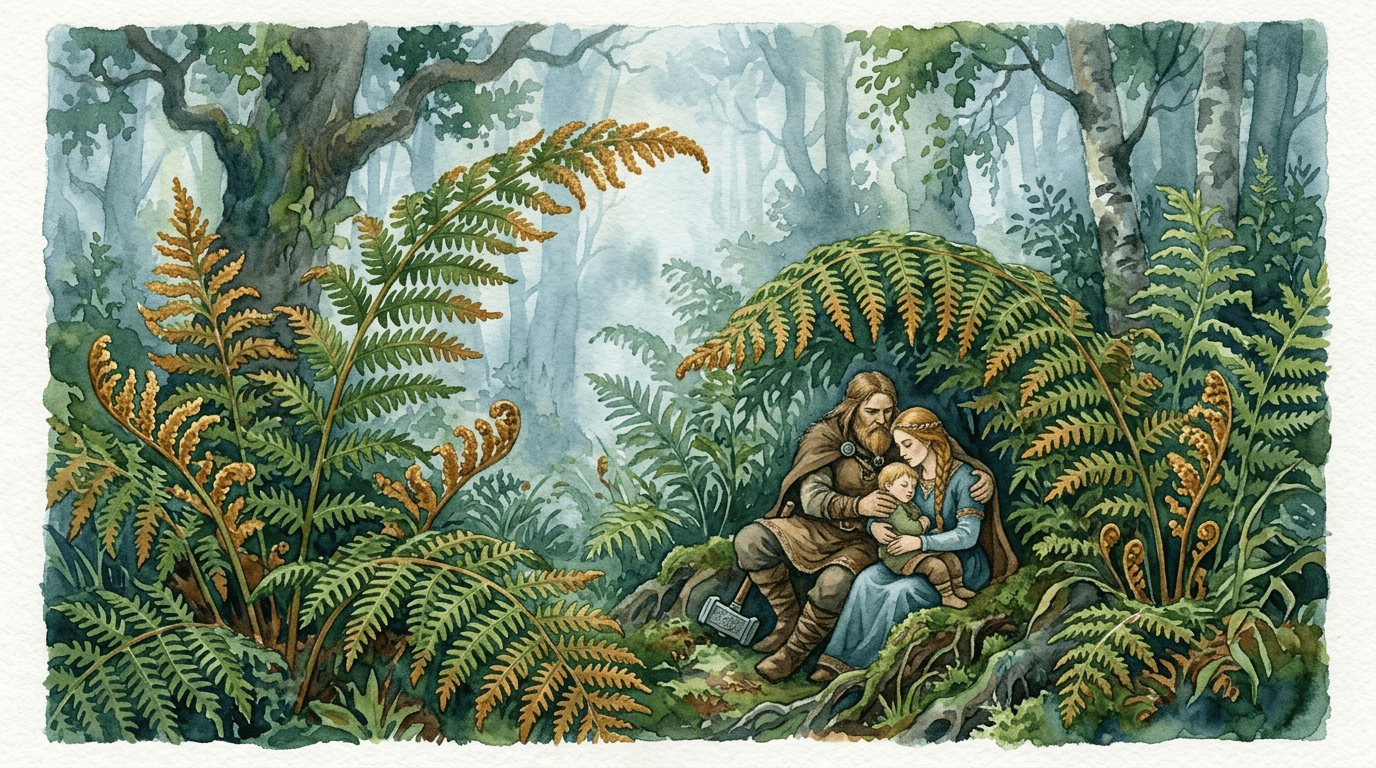
Osmunda regalis is a large, imposing deciduous fern native to temperate and subtropical wetlands of Europe, Asia, Africa, and North America — one of the most widely distributed fern species in the world. It grows to 120-180 cm tall in favorable conditions, producing large bipinnate fronds with distinctive separate fertile fronds (or fertile tips of ordinary fronds) that bear masses of sporangia with a conspicuous golden-brown color — a characteristic that gives it the common name "flowering fern" though ferns have no true flowers. The family Osmundaceae has an extraordinarily long fossil record: recognizable Osmundaceae rhizomes and frond fragments are documented from the Triassic period, approximately 220 million years ago, meaning royal fern's immediate lineage substantially predates dinosaurs' dominance. In 2014 Swedish paleobotanists reported an exceptionally preserved Early Jurassic Osmunda fossil retaining cellular-level preservation.
The species' "osmunda fiber" — the dense fibrous root mass — has been commercially harvested as orchid-potting media, a practice now largely replaced by sphagnum moss and synthetic media due to conservation concerns. As an ornamental, royal fern is one of the most architectural and long-lived ferns for moist-soil shade gardens. The royal fern is a living fossil — the Osmunda genus dates back over 200 million years, with fossils from the Triassic period nearly identical to today's species.
It is named after Osmunder, a Saxon name for the Norse god Thor, who according to legend hid his family among these large ferns for protection. In medieval Europe, the mucilaginous pith of the stem was used to set broken bones and treat rickets. The thick, fibrous root mass became known as osmunda fiber and was the gold standard orchid potting medium from the 1800s through the mid-20th century. Over-collection for the orchid trade led to the fern's decline in many areas, and it is now protected in several European countries.
Symbolism & meaning
What It Symbolizes
European Royal Fern wears majesty in every frond, the largest native fern of the European wetlands rising in cathedral arches above bog and stream. Its lineage extends roughly two hundred million years, deep into the era of dinosaurs and primeval marshlands. To stand beside a mature osmunda is to keep brief company with very ancient wisdom.
- Majesty — The largest native European fern, its regal stature commands admiration
- Ancient Wisdom — A 200-million-year lineage connects it to the age of dinosaurs
Where the Name Comes From
'Osmunda' is named after Osmunder, a Saxon variant of Thor, the Norse god of thunder. 'Regalis' means 'royal' in Latin, befitting the fern's stately size and bearing.
Uses & Fun Facts
- Vase-shaped fronds make majestic accent in bog gardens
- Rust-orange autumn fronds bring late-season pond-edge color
- Native fern colonizes wet shaded woodland edges
Related plants
Plants with similar care
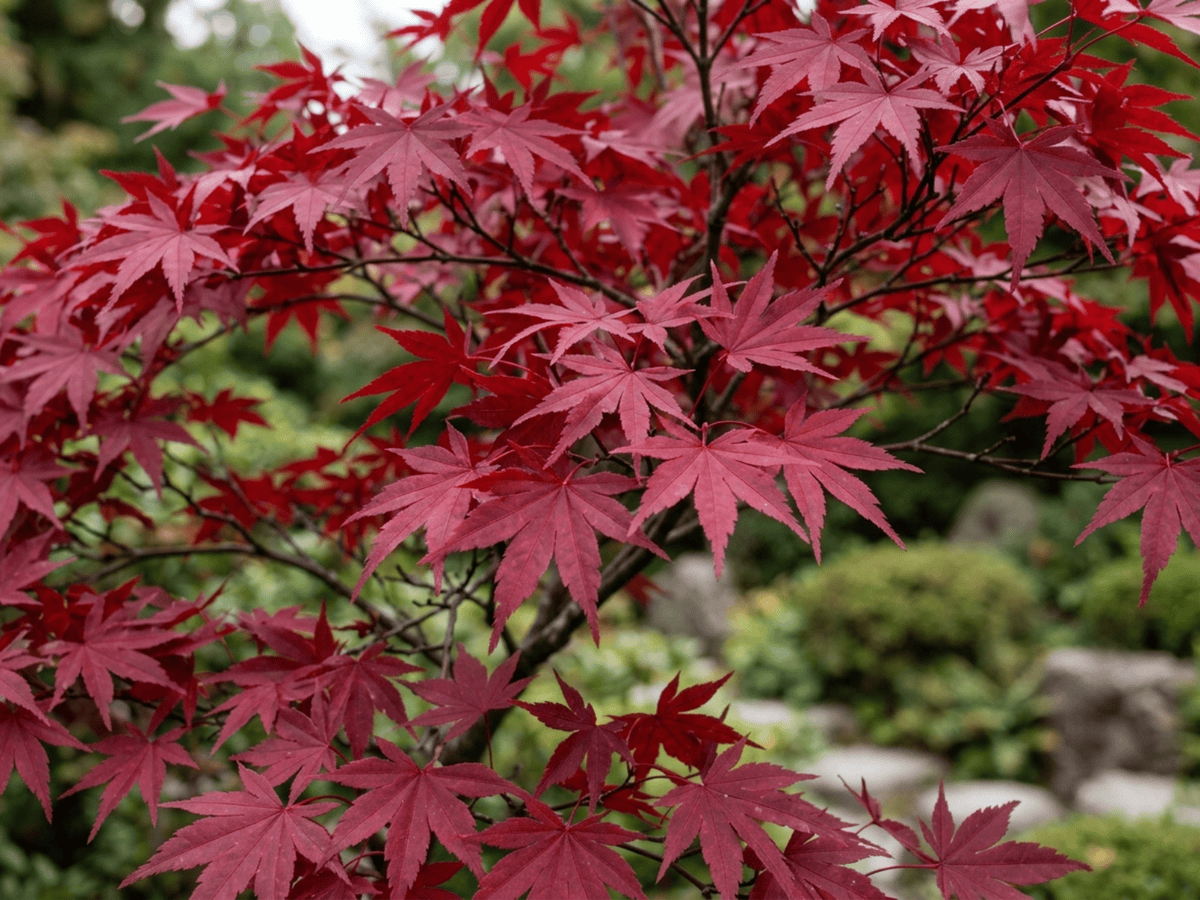 Japanese MapleAcer palmatum
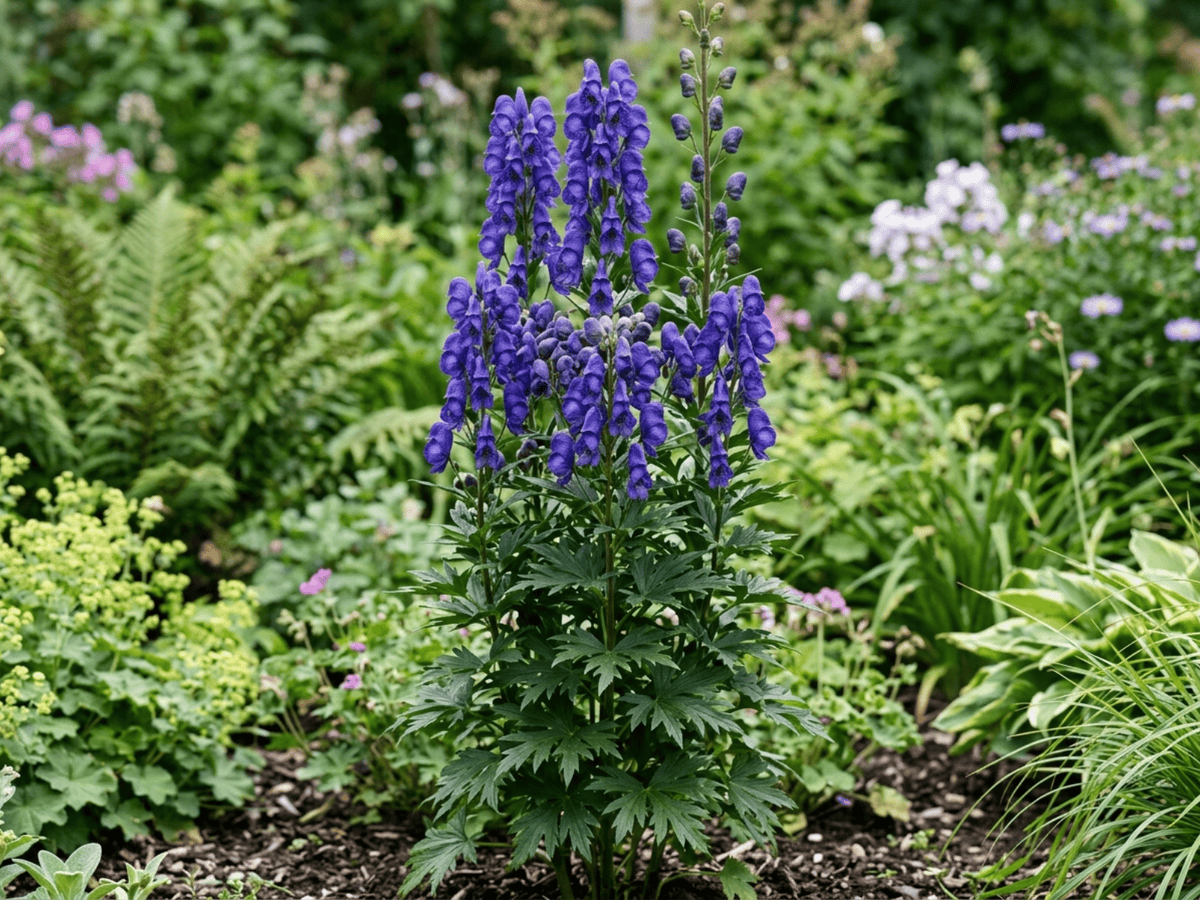 Azure MonkshoodAconitum carmichaelii
 Florida HobblebushAgarista populifolia
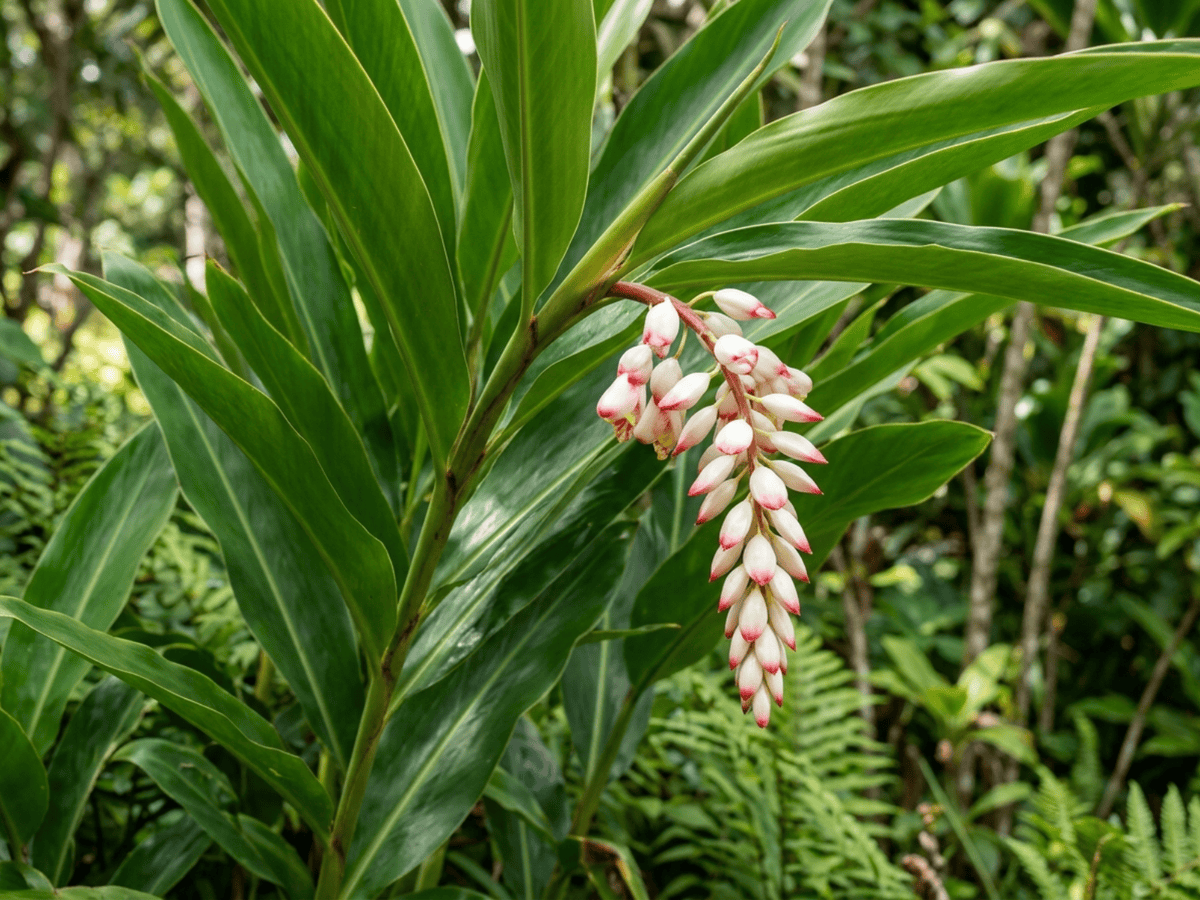 Shell GingerAlpinia zerumbet
Frequently asked questions
How often should I water European Royal Fern?
In summer, water about every 2 days; in winter, about every 30 days. Adjust for heat, pot size and drainage.
How much light does European Royal Fern need?
Part shade: 2–4 hrs direct. Watch the leaves — scorching or stretching means the light needs adjusting.
Is European Royal Fern toxic to cats or dogs?
No toxicity has been reported for this plant. Still, it is wise to keep pets from chewing on any houseplant. Educational information, not medical or veterinary advice. If exposure is suspected, contact a doctor or veterinarian.
Is European Royal Fern easy to grow?
It is moderately demanding: a good choice once you have a little experience.
YardMate
Identify any plant in seconds
Snap a photo — YardMate names the plant, diagnoses problems, and reminds you when to water.
Download on the App Store