 YardMate


Bulb Panicgrass
Panicum bulbosum
Easy · Beginner friendlyAbout Bulb Panicgrass
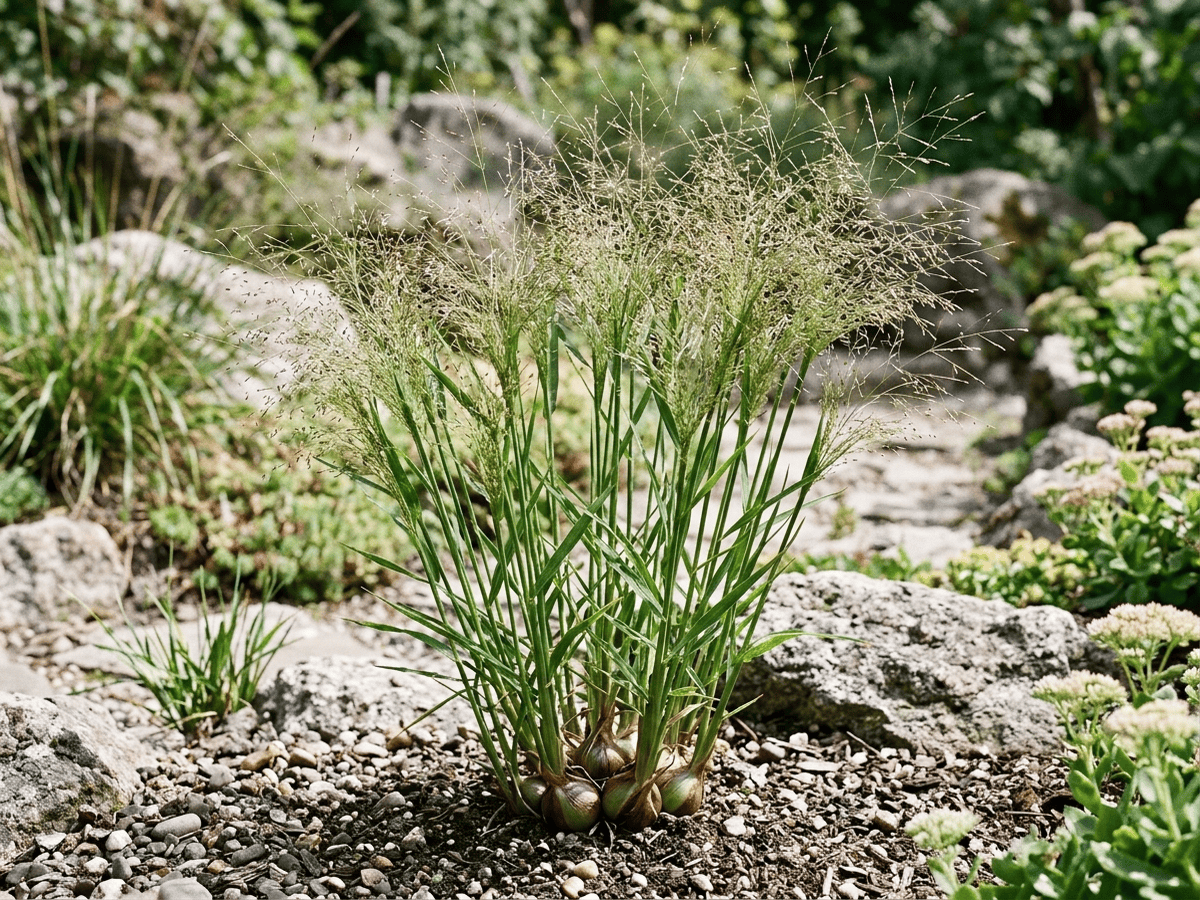
Bulb Panic Grass is a Southwestern native warm-season grass reaching 2-5 feet tall, distinguished by a swollen bulb-like base from which arise upright stems with airy purple-tinged flower panicles in summer. Native to the mountains of the American Southwest and northern Mexico, it tolerates drought, heat, and poor soils. An excellent choice for native habitat gardens and xeriscape designs in Arizona, New Mexico, and Texas.
- Drought-tolerant
- Native
How to care for Bulb Panicgrass
Watering
- Springevery 21 days
- Summerevery 21 days
- Fallevery 30 days
- Winterevery 60 days
Soil · Well-draining
- Top dressingPine bark mulch10%
- Main mixPotting soil + perlite 2:170%
- DrainageLECA / gravel20%
Never skip the drainage layer — standing water is the top cause of root rot.
FERTILIZER
This plant needs little to no feeding.
At a Glance
- NativeNorth America
- Height3–5 ft (0.9–1.5 m)
- Spread2–3 ft (0.6–0.9 m)
- Flower colorPurple
- Foliage colorGreen, Blue-green
- SoilSandy, Well-drained
- LocationsYard
Bloom time
BLOOM CYCLE
Peak bloom
Jun–Aug
Airy purple-tinged panicles in summer
Toxicity
Humans Safe · Pets Safe
None reported
Safe
EXPOSURE No exposure route is reported.
EFFECT No toxic effect is reported.
NOTE Listed as non-toxic for humans; avoid eating ornamental plants unless confirmed edible.
Safe
EXPOSURE No exposure route is reported.
EFFECT No toxic effect is reported.
NOTE Listed as non-toxic for dogs; avoid eating ornamental plants unless confirmed edible.
Safe
EXPOSURE No exposure route is reported.
EFFECT No toxic effect is reported.
NOTE Listed as non-toxic for cats; avoid eating ornamental plants unless confirmed edible.
Educational information, not medical or veterinary advice. If exposure is suspected, contact a doctor or veterinarian.
DISTRIBUTION


- Native
- North America
History
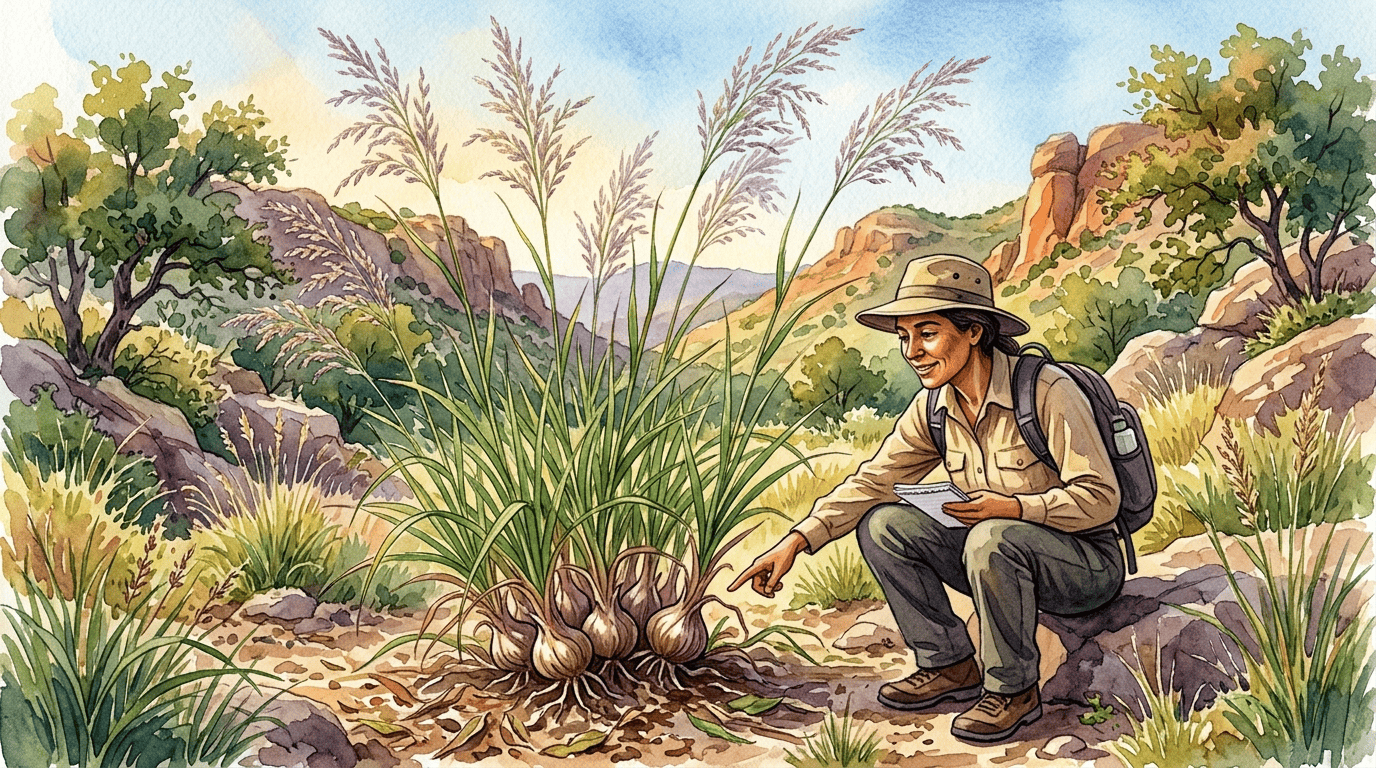
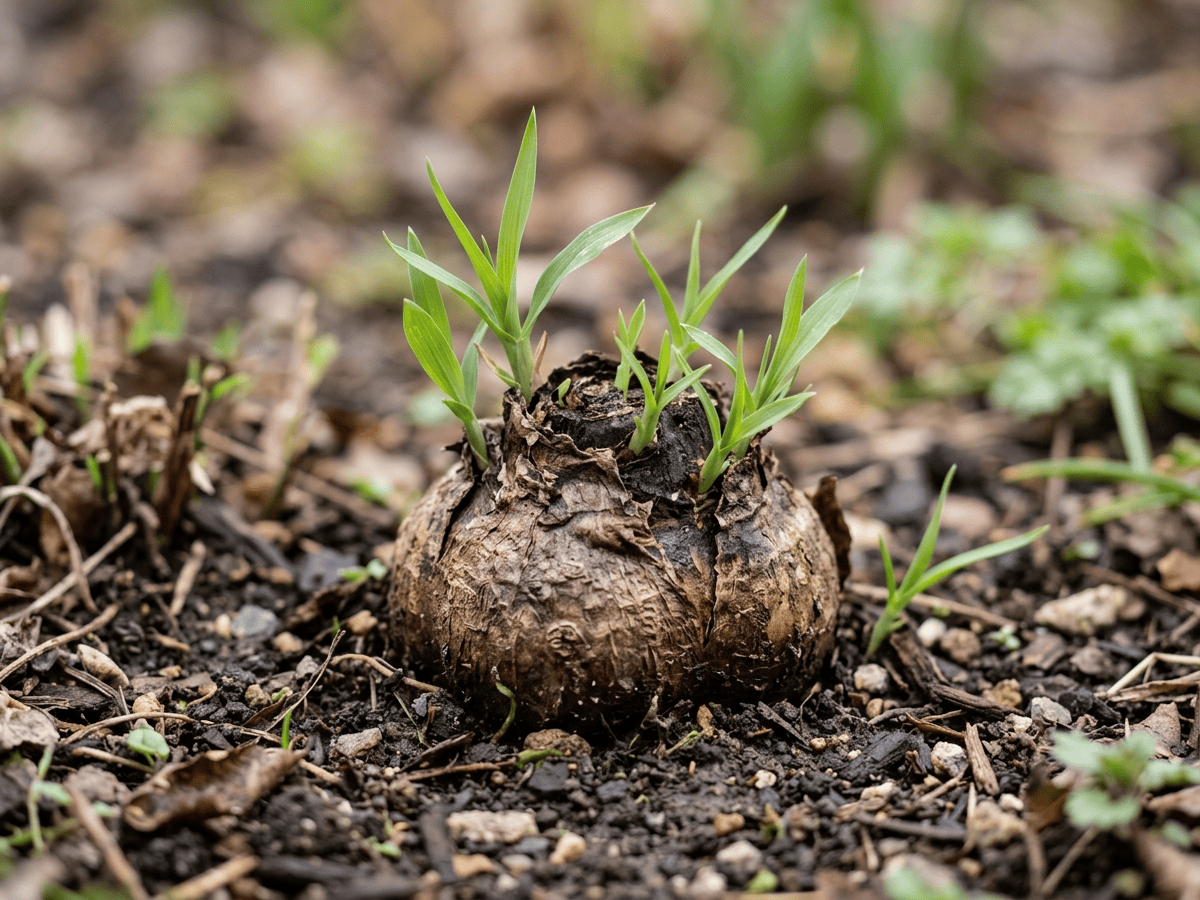
Panicum bulbosum, commonly called bulb panicgrass or western bulb panicum, is a warm-season clumping perennial grass in the family Poaceae native to the southwestern United States (southern Arizona, New Mexico, Texas) and throughout Mexico, growing in rocky canyons, grasslands, and oak savannas at moderate to high elevations. German botanist Karl Sigismund Kunth described the species in 1816 based on Alexander von Humboldt and Aimé Bonpland's collections from Mexico. The epithet bulbosum refers to the distinctive short thickened bulb-like swellings at the stem bases just at or below ground level—these serve as starch-storage organs that help the plant survive dry seasons and fires.
Plants form 60-120 cm tall clumps of narrow medium-green to glaucous leaves with airy open purplish-tan panicles of small spikelets in late summer. Drought-tolerant and increasingly used in native southwestern landscape plantings.
The similar Panicum havardii (formerly included here) is now often treated separately. The bulb-like swollen base allows it to survive prolonged drought by storing carbohydrates—a unique trait among Panicum species.
Symbolism & meaning
What It Symbolizes
Bulb Panicgrass is adaptability hidden underground, its swollen base storing energy through punishing droughts of the Southwest mountains. Above the soil it reads as elegant prairie movement; below, it carries the quiet resilience that lets it return year after year. In its double life, sky-bright grace meets stony, stubborn endurance.
- Adaptability — stores energy in swollen base for drought survival
- Resilience — thrives in harsh desert mountain conditions
Where the Name Comes From
'Bulbosum' from Latin meaning bulbous, referring to the swollen stem base.
Uses & Fun Facts
- Airy purple-tinged panicles add summer texture to native borders
- Native warm-season grass supports Southwest restoration plantings
- Drought-tolerant clumps stabilize dry mountain meadows
Related plants
More Panicum plants
Plants with similar care
 Chinese AbeliaAbelia chinensis
 Fragrant AbeliaAbelia mosanensis
 Large-Flowered AbeliaAbelia uniflora
 Glossy AbeliaAbelia x grandiflora
Frequently asked questions
How often should I water Bulb Panicgrass?
In summer, water about every 21 days; in winter, about every 60 days. Adjust for heat, pot size and drainage.
How much light does Bulb Panicgrass need?
Full sun: 6+ hrs direct. Watch the leaves — scorching or stretching means the light needs adjusting.
Is Bulb Panicgrass toxic to cats or dogs?
Pets Safe (Dogs Safe · Cats Safe) Educational information, not medical or veterinary advice. If exposure is suspected, contact a doctor or veterinarian.
Is Bulb Panicgrass easy to grow?
Yes — it is considered an easy, beginner-friendly plant.
When does Bulb Panicgrass bloom?
It typically blooms Jun–Aug in the Northern Hemisphere.
YardMate
Identify any plant in seconds
Snap a photo — YardMate names the plant, diagnoses problems, and reminds you when to water.
Download on the App Store