 YardMate


Persian Ironwood
Parrotia persica
Easy · Beginner friendlyAbout Persian Ironwood
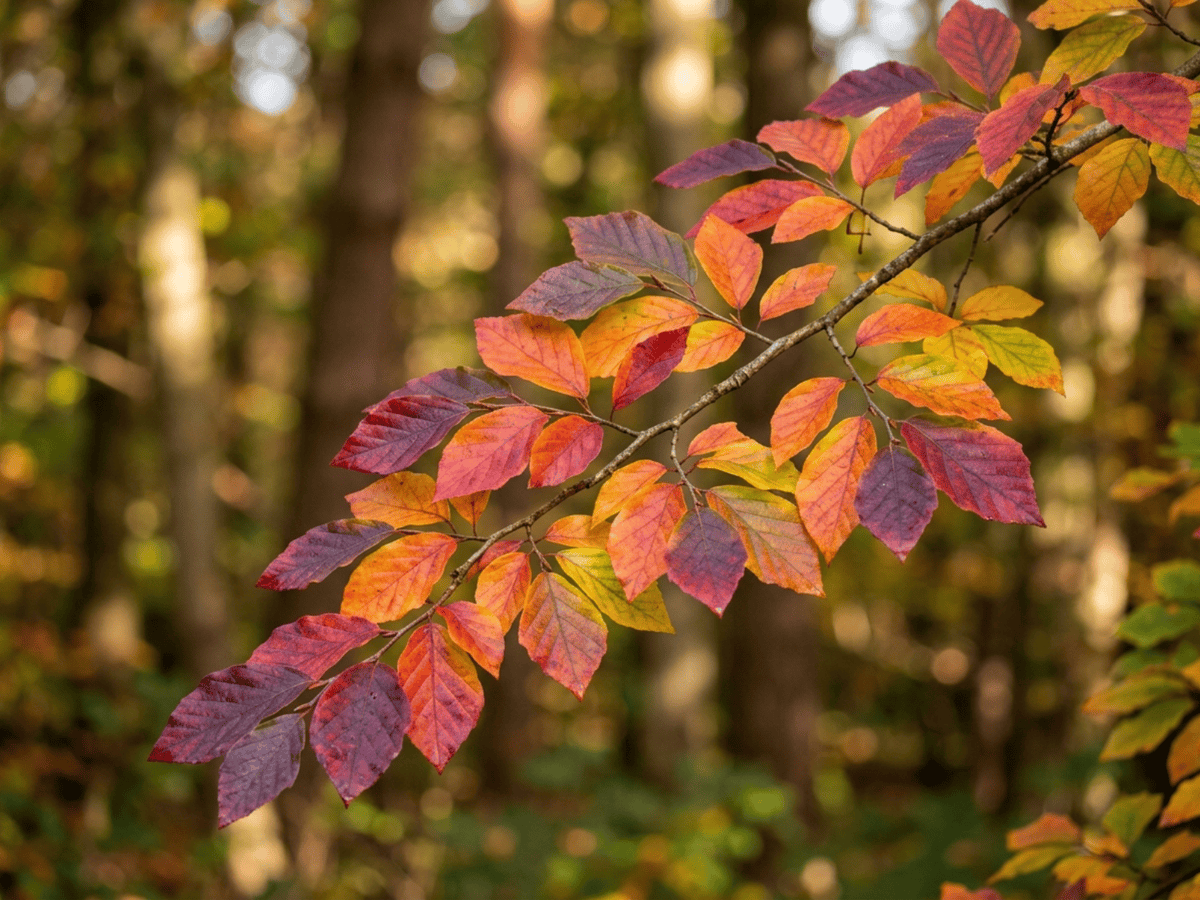
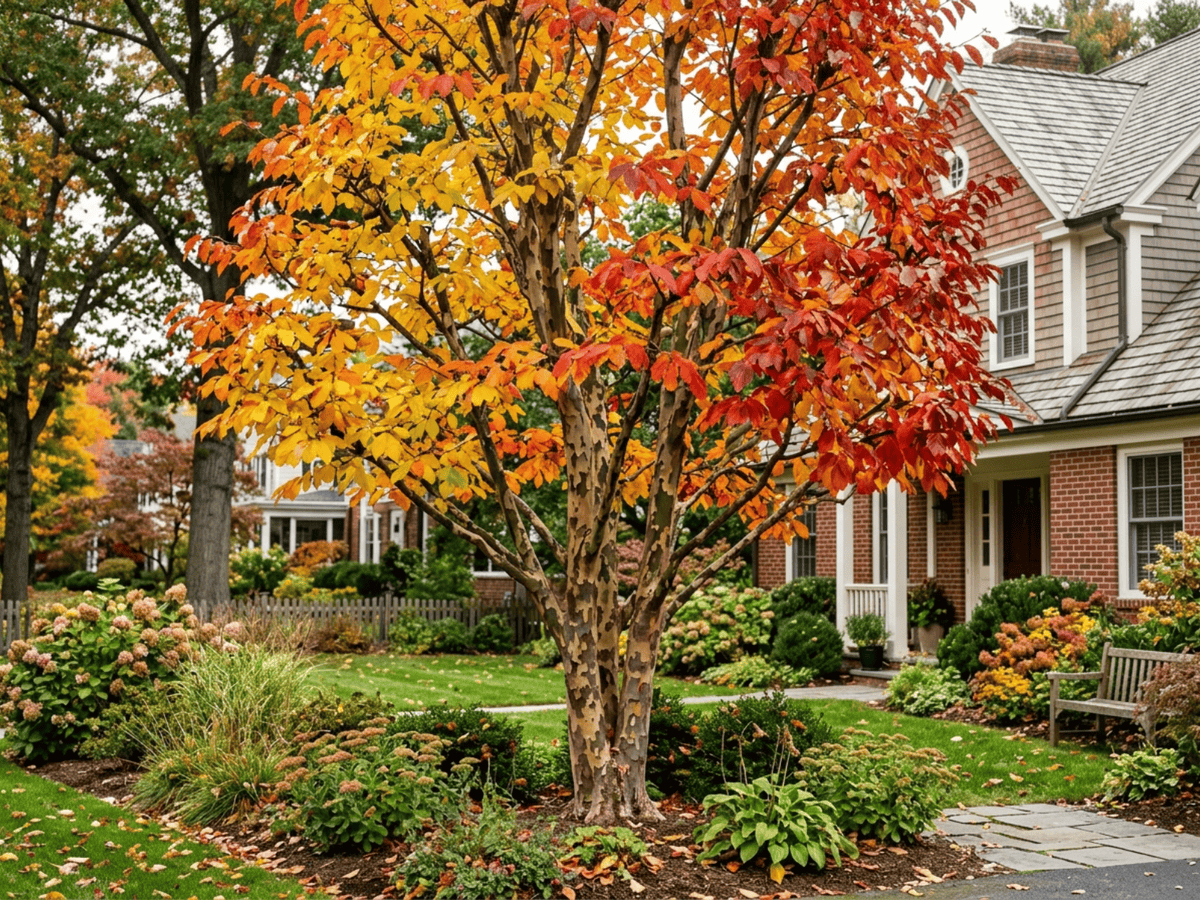
Persian Ironwood is a small-to-medium tree from Iran and the Caucasus, prized for its extraordinary fall color in yellow, orange, red, and purple, its small spider-like crimson flowers on bare branches in late winter, and its beautifully mottled exfoliating bark. Growing 20-40 feet tall, it is one of the most reliable fall-color trees for American gardens, hardy in USDA zones 4-8 and tolerant of urban conditions.
- Fall-color
How to care for Persian Ironwood
Watering
- Springevery 7 days
- Summerevery 5 days
- Fallevery 10 days
- Winterpause watering
Soil · Well-draining
- Top dressingPine bark mulch10%
- Main mixPotting soil + perlite 2:170%
- DrainageLECA / gravel20%
Never skip the drainage layer — standing water is the top cause of root rot.
FERTILIZER
Balanced Feed 14-14-14
An even feed covers all three needs at once, keeping leaves, roots and blooms moving together with nothing pushed out of balance.
- Nitrogen · Leaves
- Phosphorus · Roots + Blooms
- Potassium · Strength
- Springevery 60 days
- Summerevery 60 days
At a Glance
- NativeWestern Asia
- Height20–40 ft (6.1–12.2 m)
- Spread15–30 ft (4.6–9.1 m)
- Flower colorRed
- Foliage colorGreen, Yellow, Bronze, Red
- Fruit colorBrown
- SoilLoamy, Well-drained, Acidic
- LocationsYard
Bloom time
BLOOM CYCLE
Peak bloom
Feb–Mar
Crimson spider-like flowers February to March
Toxicity
No toxicity has been reported for this plant. Still, it is wise to keep pets from chewing on any houseplant.
Educational information, not medical or veterinary advice. If exposure is suspected, contact a doctor or veterinarian.
DISTRIBUTION

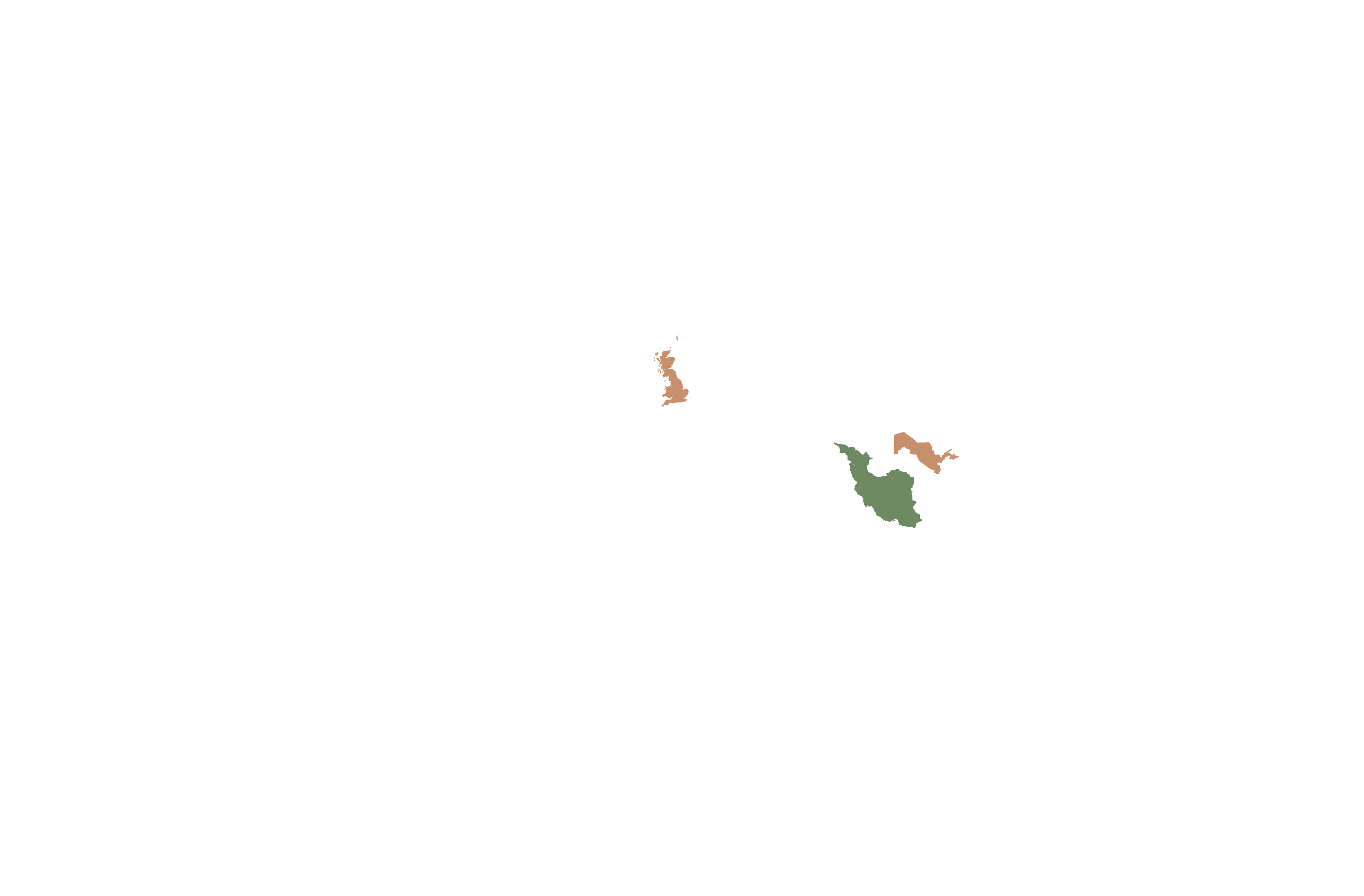
- Native
- Introduced
- Western Asia
History
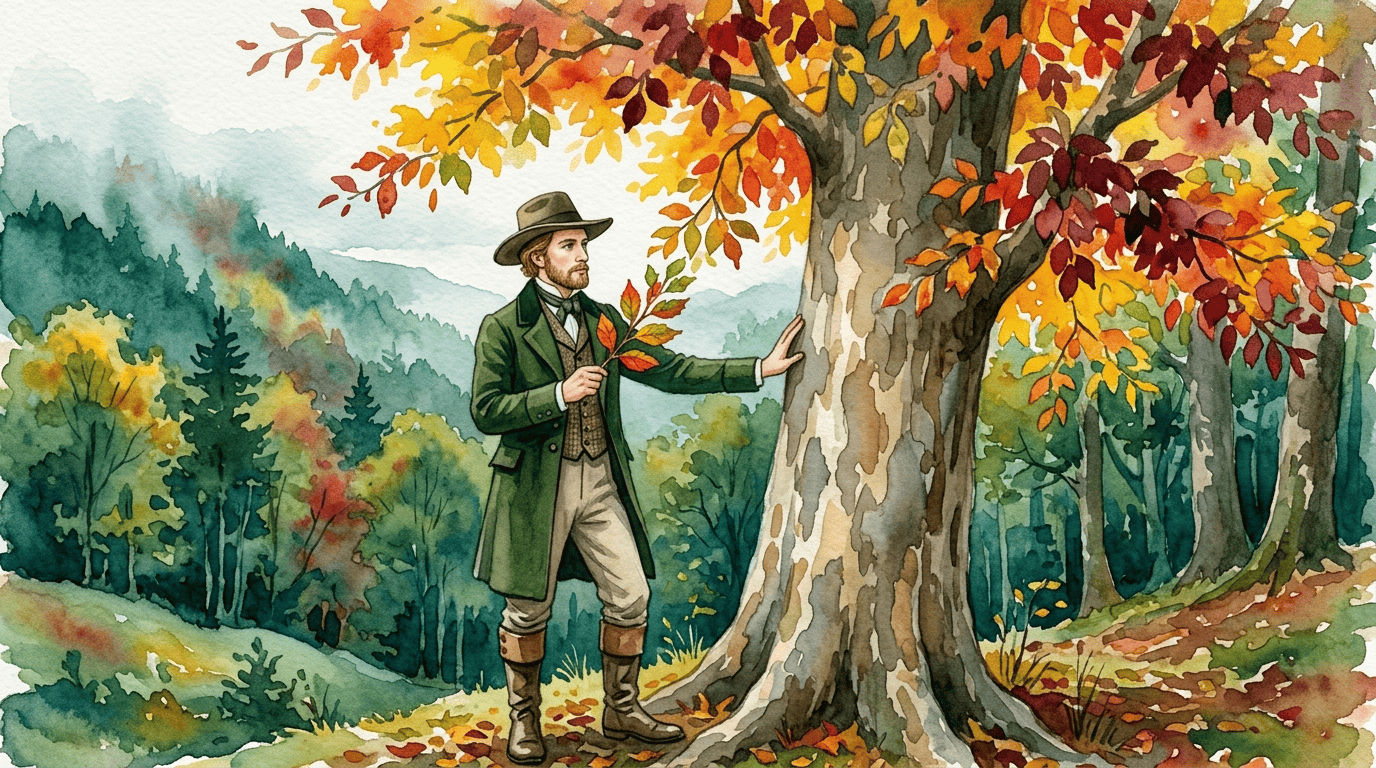
Parrotia persica is native to the ancient Hyrcanian mixed forests along the southern coast of the Caspian Sea in northern Iran and western Azerbaijan, a relict ecosystem recognized as a UNESCO World Heritage site for its Tertiary-period plant diversity. German-Baltic naturalist Friedrich Wilhelm Parrot collected specimens during his 1829 expedition to Mount Ararat, and Carl Anton von Meyer formally described the species in 1831 honoring Parrot. Russian and German nurseries distributed it to European horticulture through the 19th century.
Its October-November foliage display—progressing through yellow, orange, scarlet, and deep burgundy often on the same tree simultaneously—rivals any tree for autumn color, and the smooth mottled exfoliating bark provides year-round beauty resembling a miniature London plane. The cultivar 'Persian Spire' offers a narrower columnar form for tight urban spaces.
Named after F.W. Extremely long-lived (up to 300 years) and increasingly popular in American urban forestry for its tolerance, disease resistance, and multi-season beauty.
Symbolism & meaning
What It Symbolizes
Persian Ironwood makes visible endurance, an extremely long-lived hardwood tree of the Hyrcanian forests whose individuals can persist for centuries. Its fall color is a study in transformation, leaves shifting through gold, orange, scarlet, and burgundy, often all on the same branch at the same moment. It is often read as a flower of slow change, a tree whose meaning is that lasting things still allow themselves to become almost unrecognizable each autumn.
- Endurance — extremely long-lived hardwood
- Transformation — spectacular fall color transitions
Where the Name Comes From
The name Persian Ironwood points to Persia or western Asia. Genus honors F.W. Parrot; 'persica' refers to Persia (Iran).
Uses & Fun Facts
- Mottled exfoliating bark and four-color autumn show
- Crimson late-winter flowers on bare branches
- Spreading mid-sized tree provides residential shade
Related plants
Plants with similar care
 Chinese AbeliaAbelia chinensis
 Fragrant AbeliaAbelia mosanensis
 Large-Flowered AbeliaAbelia uniflora
 Glossy AbeliaAbelia x grandiflora
Frequently asked questions
How often should I water Persian Ironwood?
Water about every 7 days during the growing season, and always let excess water drain away.
How much light does Persian Ironwood need?
Full sun: 6+ hrs direct. Watch the leaves — scorching or stretching means the light needs adjusting.
Is Persian Ironwood toxic to cats or dogs?
No toxicity has been reported for this plant. Still, it is wise to keep pets from chewing on any houseplant. Educational information, not medical or veterinary advice. If exposure is suspected, contact a doctor or veterinarian.
Is Persian Ironwood easy to grow?
Yes — it is considered an easy, beginner-friendly plant.
When does Persian Ironwood bloom?
It typically blooms Feb–Mar in the Northern Hemisphere.
YardMate
Identify any plant in seconds
Snap a photo — YardMate names the plant, diagnoses problems, and reminds you when to water.
Download on the App Store