 YardMate


Japanese Creeper
Parthenocissus tricuspidata
Easy · Beginner friendlyAbout Japanese Creeper
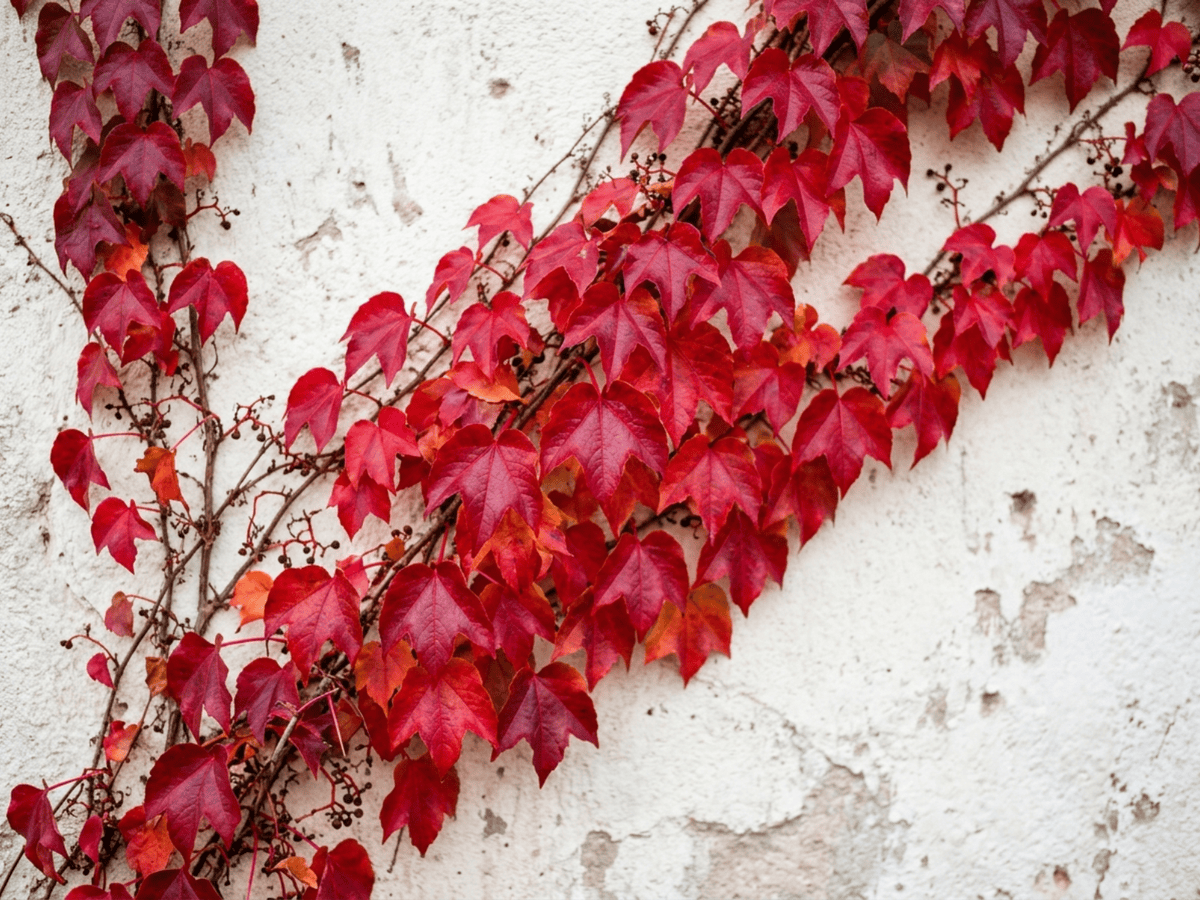
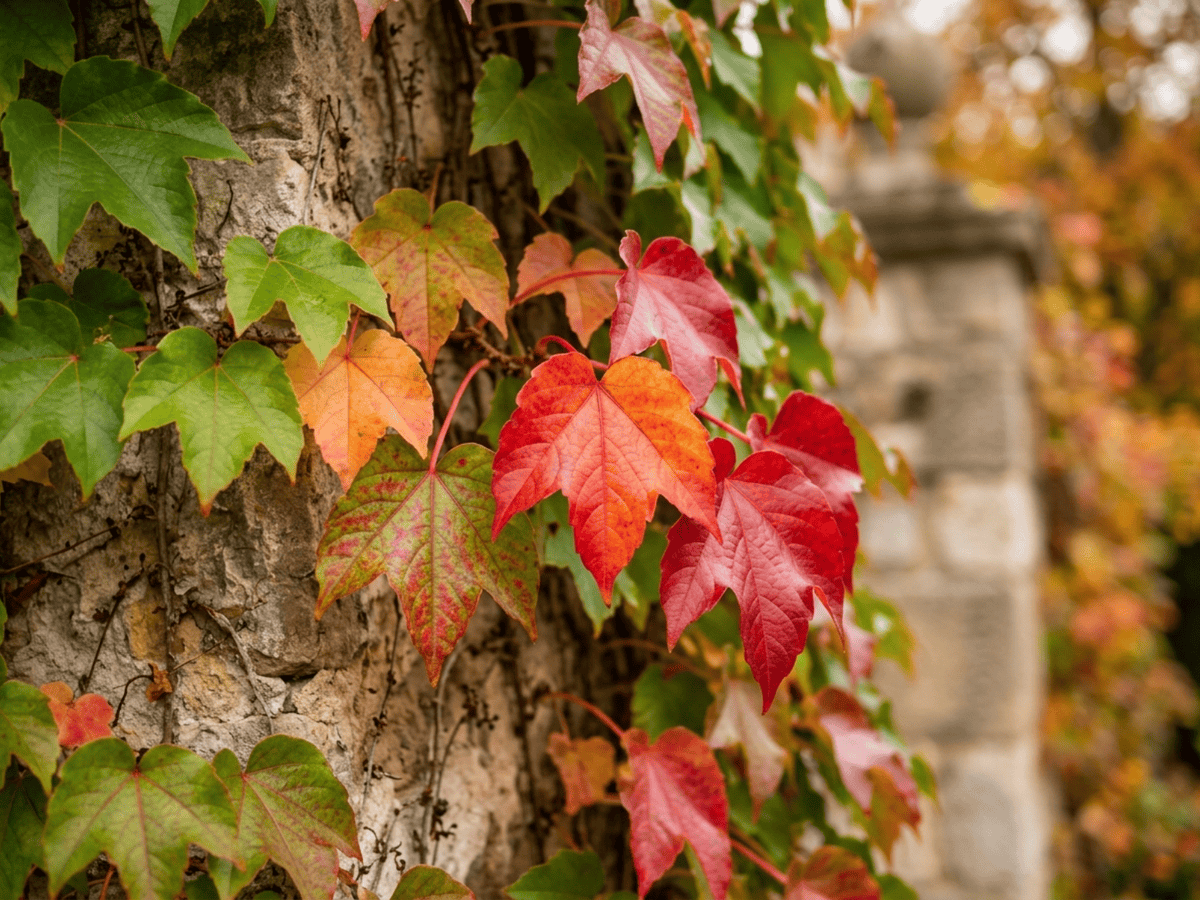
Parthenocissus tricuspidata, commonly called Boston ivy, is a deciduous climbing vine native to eastern Asia, particularly Japan, Korea, and China. Despite its common name, it has no connection to Boston — the name arose because it was widely planted on buildings in the northeastern United States, including the Ivy League campuses. It climbs using adhesive-tipped tendrils that create a flat, shingle-like pattern against walls, eventually covering entire facades in a dense tapestry of overlapping leaves. The simple, three-lobed leaves emerge reddish-purple in spring, mature to glossy dark green in summer, and transform into brilliant scarlet and orange in autumn. It can reach 20 meters or more and is remarkably self-sufficient once established. Unlike English ivy, Boston ivy is deciduous, so walls get winter sun. It is one of the most effective plants for greening urban buildings and reducing the heat island effect, lowering wall surface temperatures by up to 15 degrees Celsius in summer.
- Climbing
- Fall-color
How to care for Japanese Creeper
Watering
- Springevery 7 days
- Summerevery 5 days
- Fallevery 14 days
- Winterevery 30 days
Soil · Well-draining
- Top dressingPine bark mulch10%
- Main mixPotting soil + perlite 2:170%
- DrainageLECA / gravel20%
Never skip the drainage layer — standing water is the top cause of root rot.
FERTILIZER
- Springevery 60 days
At a Glance
- NativeEast Asia
- Height30–60 ft (9.1–18.3 m)
- Spread5–10 ft (1.5–3 m)
- Flower colorGreen, Yellow
- Foliage colorGreen, Red
- SoilLoamy, Well-drained
- LocationsYard
Bloom time
BLOOM CYCLE
Peak bloom
Jun–Aug
Small green flowers in summer; inconspicuous
Fragrance
NO FRAGRANCE
No notable fragrance.
Toxicity
Humans Moderate · Pets Moderate
oxalic acid and calcium oxalate
Moderate
- Fruit
- Ingestion
EXPOSURE Eating fruit.
EFFECT Berries contain oxalic acid and cause vomiting if eaten.
NOTE Similar toxicity profile to Virginia creeper.
Moderate
- Fruit
- Ingestion
EXPOSURE Eating fruit.
EFFECT Vomiting, diarrhea.
NOTE Similar toxicity profile to Virginia creeper.
Moderate
- Fruit
- Ingestion
EXPOSURE Eating fruit.
EFFECT Same as dogs.
NOTE Similar toxicity profile to Virginia creeper.
Educational information, not medical or veterinary advice. If exposure is suspected, contact a doctor or veterinarian.
DISTRIBUTION

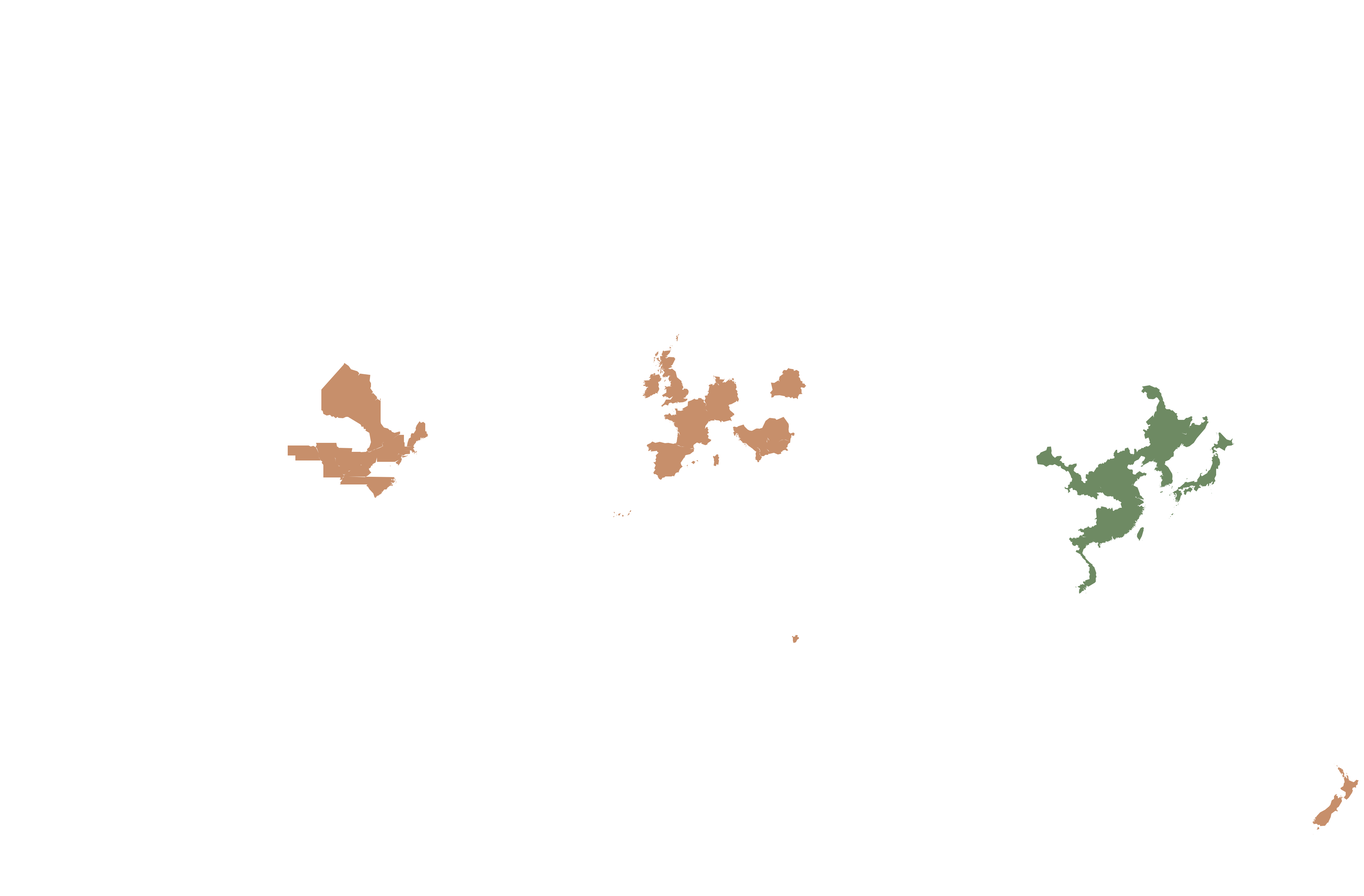
- Native
- Introduced
- East Asia
History

Parthenocissus tricuspidata is native to eastern Asia — China, Korea, Japan, and Taiwan — despite the common name "Boston ivy," which derives not from the plant's origin but from its 19th-century cultivation in Boston and its strong association with Boston's Fenway Park (where the outfield walls have been covered with it since 1937). The species reached Western horticulture around 1860-1870 and rapidly became the favored wall-covering climber of late 19th- and 20th-century temperate cities, because its adhesive tendril disks climb smooth stone, brick, and concrete more reliably than any climber except its close cousin P. quinquefolia. It was adopted extensively on American university buildings — Harvard, Yale, Princeton, Cornell, and other Ivy League campuses — giving the "Ivy League" its name alongside Hedera helix. The three-lobed leaves turn brilliant scarlet-crimson in autumn.
It is generally better behaved and more manageable than English ivy; the adhesive pads can, however, leave marks on masonry when the vine is removed. Small inconspicuous green flowers are followed by dark blue-black berries. The term 'Ivy League' itself is debated but strongly associated with these vine-covered halls.
In Tokyo, the famous Koshien Stadium — home of Japanese high school baseball — is entirely covered in Boston ivy, which has become an iconic symbol of the tournament. Research at the University of Oxford found that Boston ivy-covered walls experience 30 percent less temperature fluctuation, extending the lifespan of the building materials beneath.
Symbolism & meaning
What It Symbolizes
Boston Ivy is attachment made botanical, gripping stone and brick with adhesive tendril pads that pull its steadily upward into a single clinging coat. Its dense green walls, glowing red in autumn, are synonymous with American Ivy League universities — the very phrase a tribute to academic excellence. It is the vine that has come to mean: I held on, and I belonged.
- Attachment — Adheres firmly to surfaces, symbolizing strong bonds and connection
- Academic Excellence — Synonymous with Ivy League universities and intellectual achievement
Where the Name Comes From
The name Japanese Creeper points to Japan. 'Parthenocissus' from Greek 'parthenos' (virgin) and 'kissos' (ivy). 'Tricuspidata' means 'three-pointed' in Latin, referring to the three-lobed leaf shape.
Uses & Fun Facts
- Self-clinging vine sheathes brick walls and stadium facades
- Dense green summer cover turns brilliant scarlet in autumn
Related plants
More Parthenocissus plants


Plants with similar care
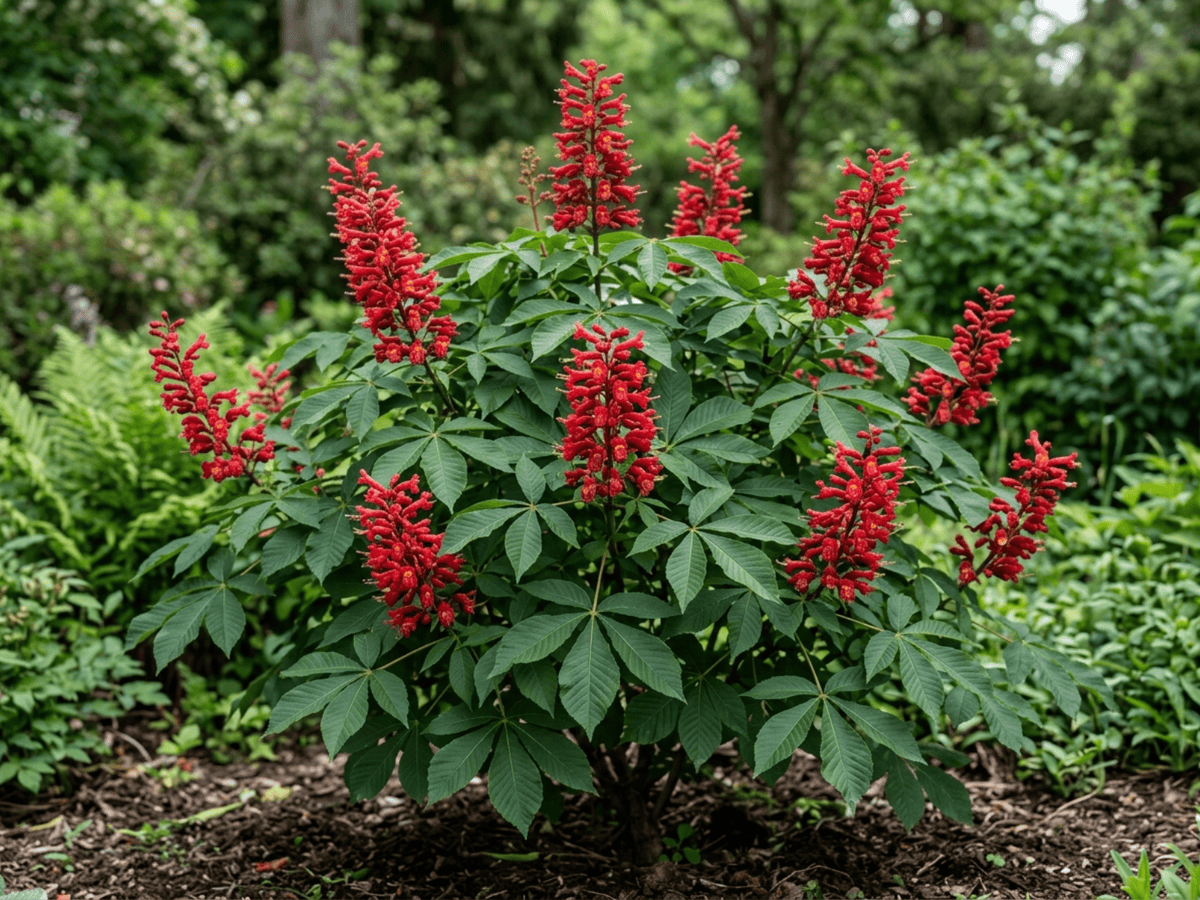 Red BuckeyeAesculus pavia
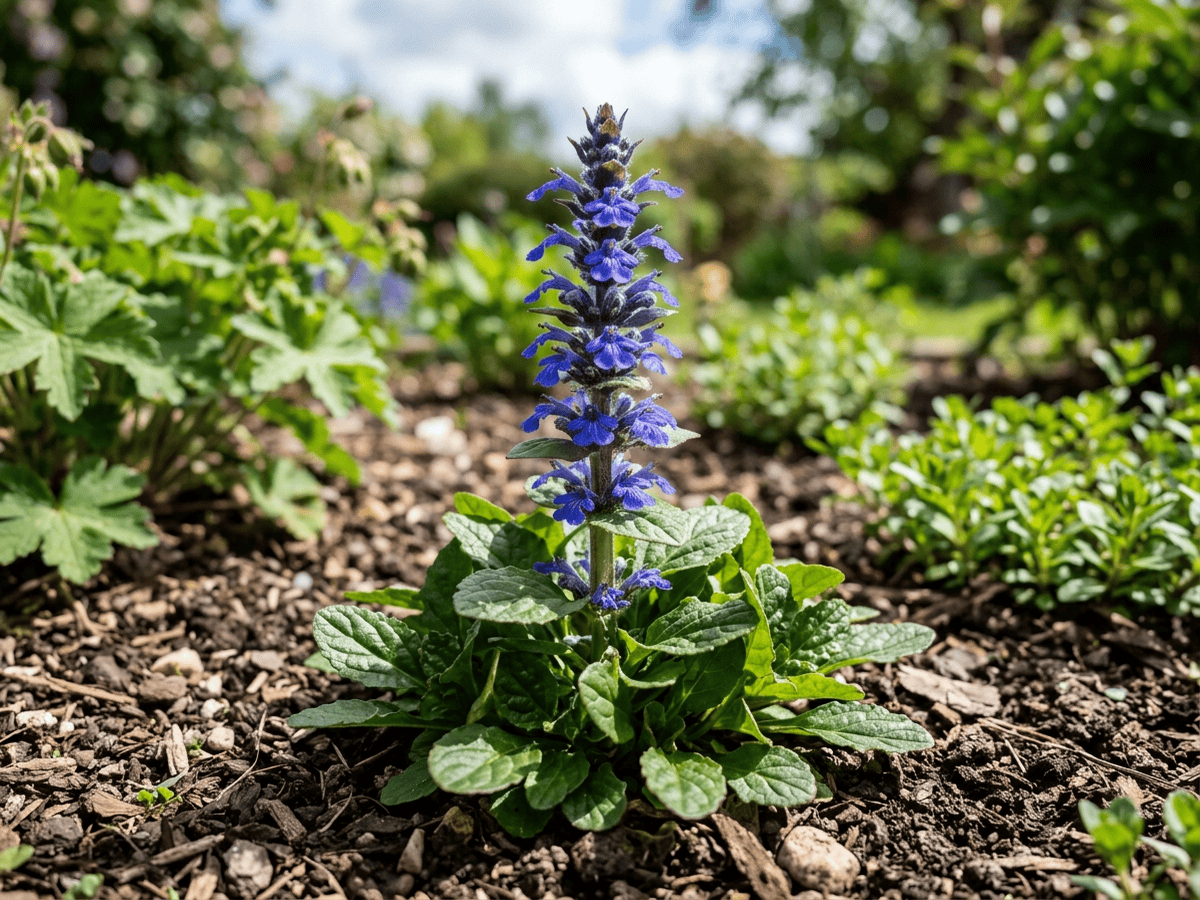 Blue BugleAjuga genevensis
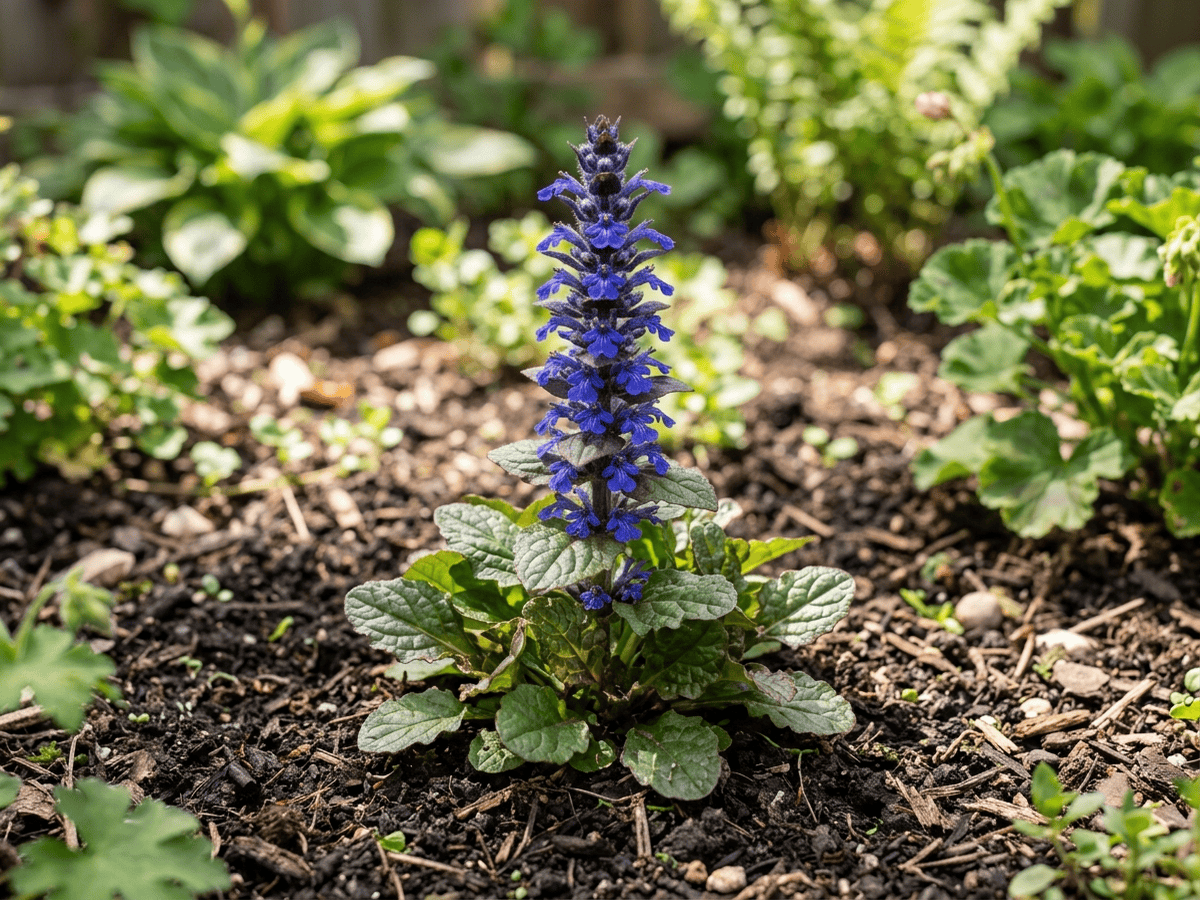 Pyramidal BugleAjuga pyramidalis
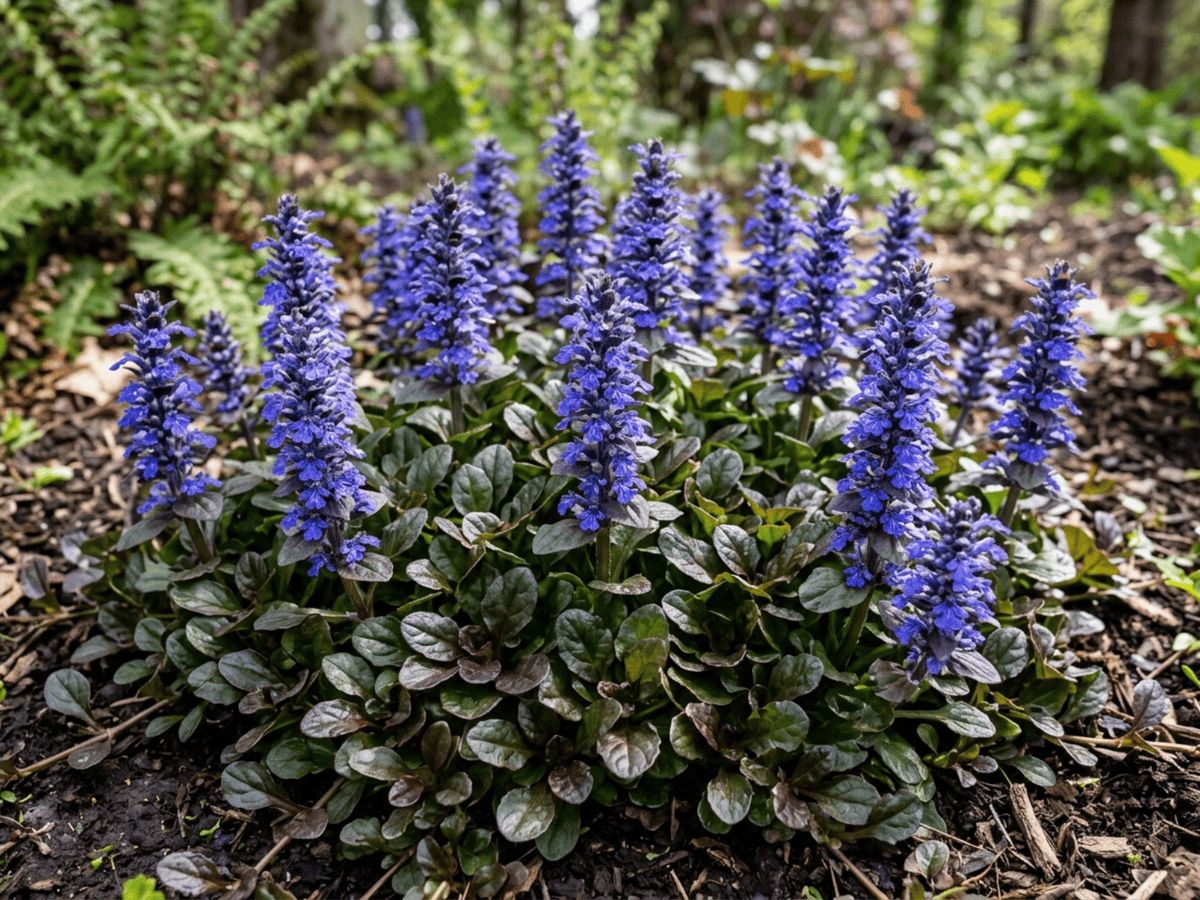 Carpet BugleAjuga reptans
Frequently asked questions
How often should I water Japanese Creeper?
In summer, water about every 5 days; in winter, about every 30 days. Adjust for heat, pot size and drainage.
How much light does Japanese Creeper need?
Part shade: 2–4 hrs direct. Watch the leaves — scorching or stretching means the light needs adjusting.
Is Japanese Creeper toxic to cats or dogs?
Pets Moderate (Dogs Moderate · Cats Moderate) Educational information, not medical or veterinary advice. If exposure is suspected, contact a doctor or veterinarian.
Is Japanese Creeper easy to grow?
Yes — it is considered an easy, beginner-friendly plant.
When does Japanese Creeper bloom?
It typically blooms Jun–Aug in the Northern Hemisphere.
YardMate
Identify any plant in seconds
Snap a photo — YardMate names the plant, diagnoses problems, and reminds you when to water.
Download on the App Store