 YardMate


Chinese Virginia Creeper
Parthenocissus henryana
Medium · Some experienceAbout Chinese Virginia Creeper
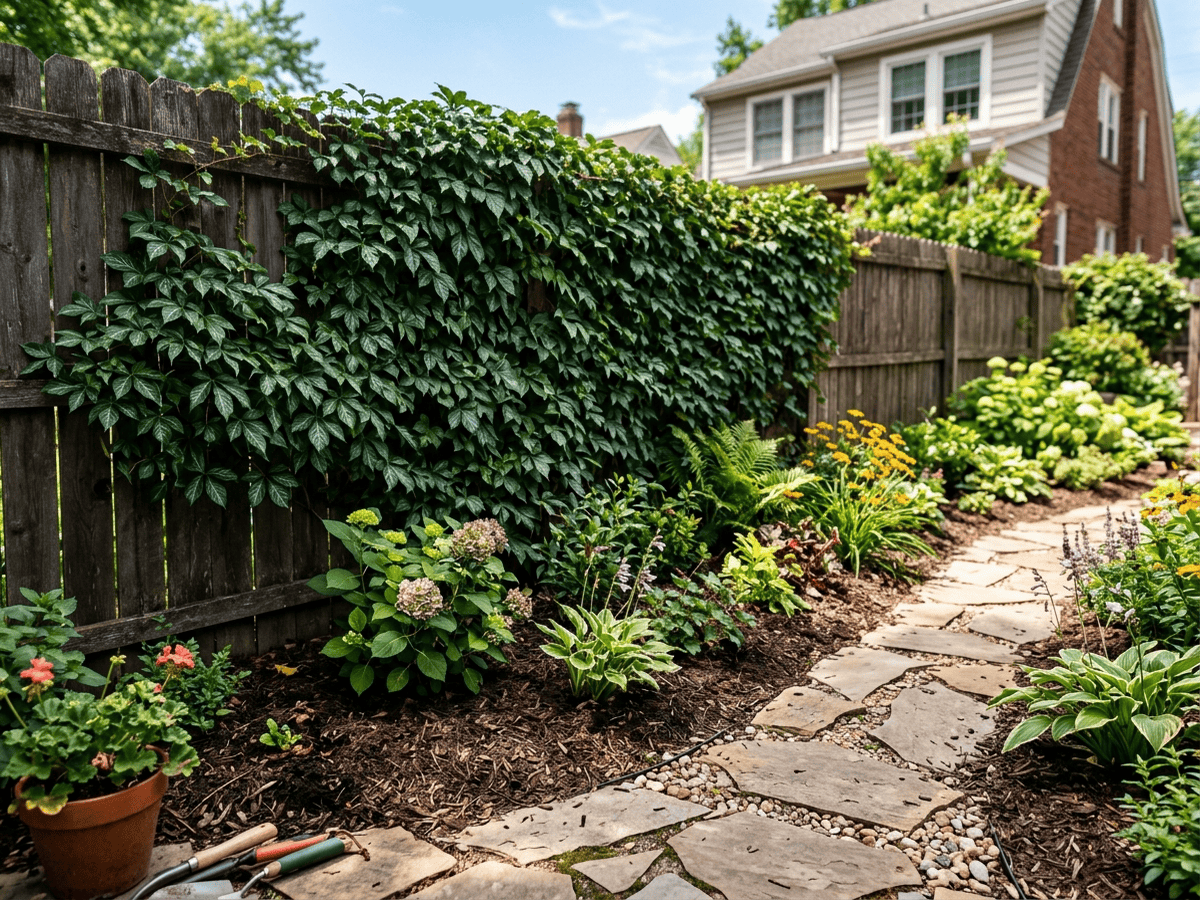
Silvervein Creeper is a refined self-clinging deciduous climber reaching 20-30 feet, distinguished by dark velvety green leaves with striking silver-white veins, turning bright red in autumn. More restrained than Virginia Creeper or Boston Ivy, it offers elegant foliage for shaded walls in cooler US climates. Native to central China and introduced by plant hunter Ernest Wilson in the early 20th century.
- Shade-tolerant
- Climbing
- Fall-color
How to care for Chinese Virginia Creeper
Watering
- Springevery 7 days
- Summerevery 5 days
- Fallevery 10 days
- Winterevery 21 days
Soil · Well-draining
- Top dressingPine bark mulch10%
- Main mixPotting soil + perlite 2:170%
- DrainageLECA / gravel20%
Never skip the drainage layer — standing water is the top cause of root rot.
FERTILIZER
Balanced Feed 14-14-14
An even feed covers all three needs at once, keeping leaves, roots and blooms moving together with nothing pushed out of balance.
- Nitrogen · Leaves
- Phosphorus · Roots + Blooms
- Potassium · Strength
- Springevery 30 days
At a Glance
- NativeEast Asia
- Height20–30 ft (6.1–9.1 m)
- Spread6–10 ft (1.8–3 m)
- Flower colorGreen, Yellow
- Foliage colorPurple, Green, Silver, Red
- Fruit colorBlue, Black
- SoilLoamy, Well-drained
- LocationsYard
Bloom time
BLOOM CYCLE
Peak bloom
Jun–Jul
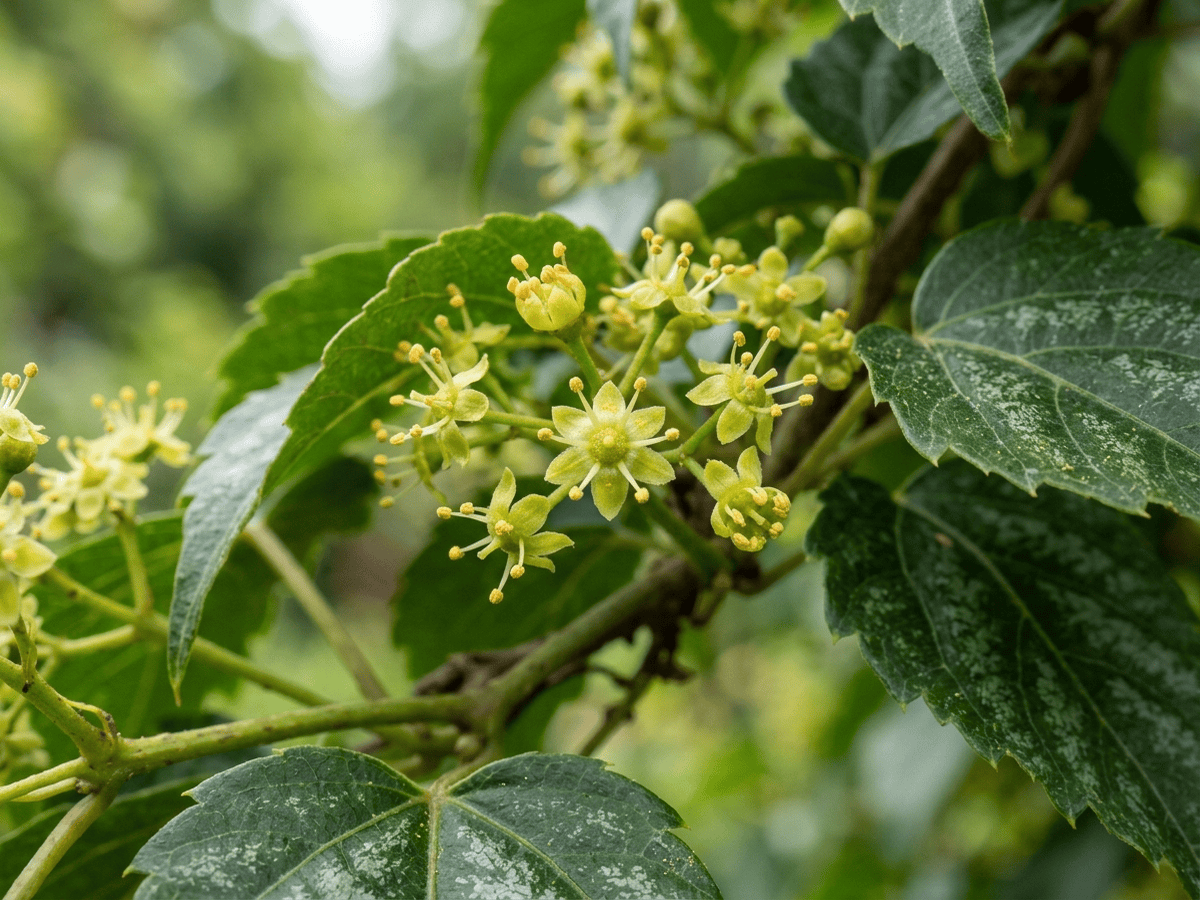
Inconspicuous greenish flowers June to July
Toxicity
Humans Slight · Pets Slight
calcium oxalate raphides
Slight
- Fruit
- Leaf
- Ingestion
EXPOSURE Eating fruit and leaves.
EFFECT Oral and GI irritation from calcium oxalate raphides.
NOTE Documented concern for humans: Oral and GI irritation from calcium oxalate raphides.
Slight
- Fruit
- Leaf
- Ingestion
EXPOSURE Eating fruit and leaves.
EFFECT Oral irritation, drooling, vomiting.
NOTE ASPCA lists Parthenocissus as toxic; berries and leaves cause oral and GI irritation.
Slight
- Fruit
- Leaf
- Ingestion
EXPOSURE Eating fruit and leaves.
EFFECT Oral irritation, drooling, vomiting.
NOTE ASPCA lists Parthenocissus as toxic; berries and leaves cause oral and GI irritation.
Educational information, not medical or veterinary advice. If exposure is suspected, contact a doctor or veterinarian.
DISTRIBUTION


- Native
- Introduced
- East Asia
History
Parthenocissus henryana is native to central and western China (Hubei, Sichuan, Shaanxi, Gansu, Guizhou, Yunnan). English botanist William Botting Hemsley formally described the species in 1894, naming it for Augustine Henry, the Irish-Chinese plant collector and sinologist who collected it in Hubei in 1887-89. The 6-10 meter deciduous woody vine attaches by adhesive-tipped tendrils similar to Boston ivy.
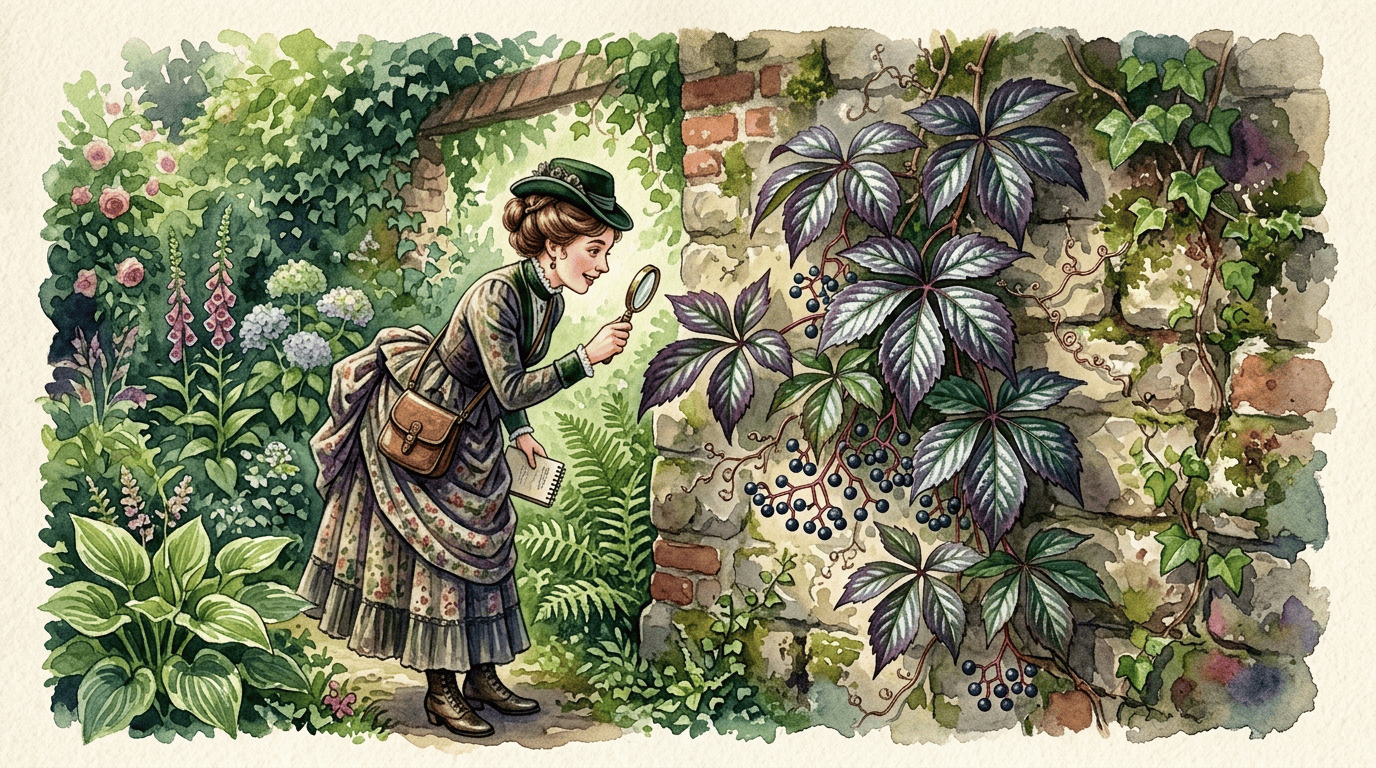
Its remarkable feature is the foliage: each palmate leaf of 5 leaflets is dark velvety purple-green, beautifully highlighted by silvery-white variegation along the veins that glows especially in partial shade—the effect has been called almost jewel-like or tattooed. Autumn foliage turns spectacular shades of purple, burgundy, and red. Small greenish flowers produce dark blue-black berries that are eaten by birds.
Compared to more familiar P. quinquefolia (Virginia creeper) and P. tricuspidata (Boston ivy), this species is less aggressive, better suited to shaded walls where its silvery variegation is most dramatic. Introduced to cultivation in 1900 by Ernest Wilson. A favorite of restrained garden designers who want Virginia Creeper's fall color without its vigor.
Symbolism & meaning
What It Symbolizes
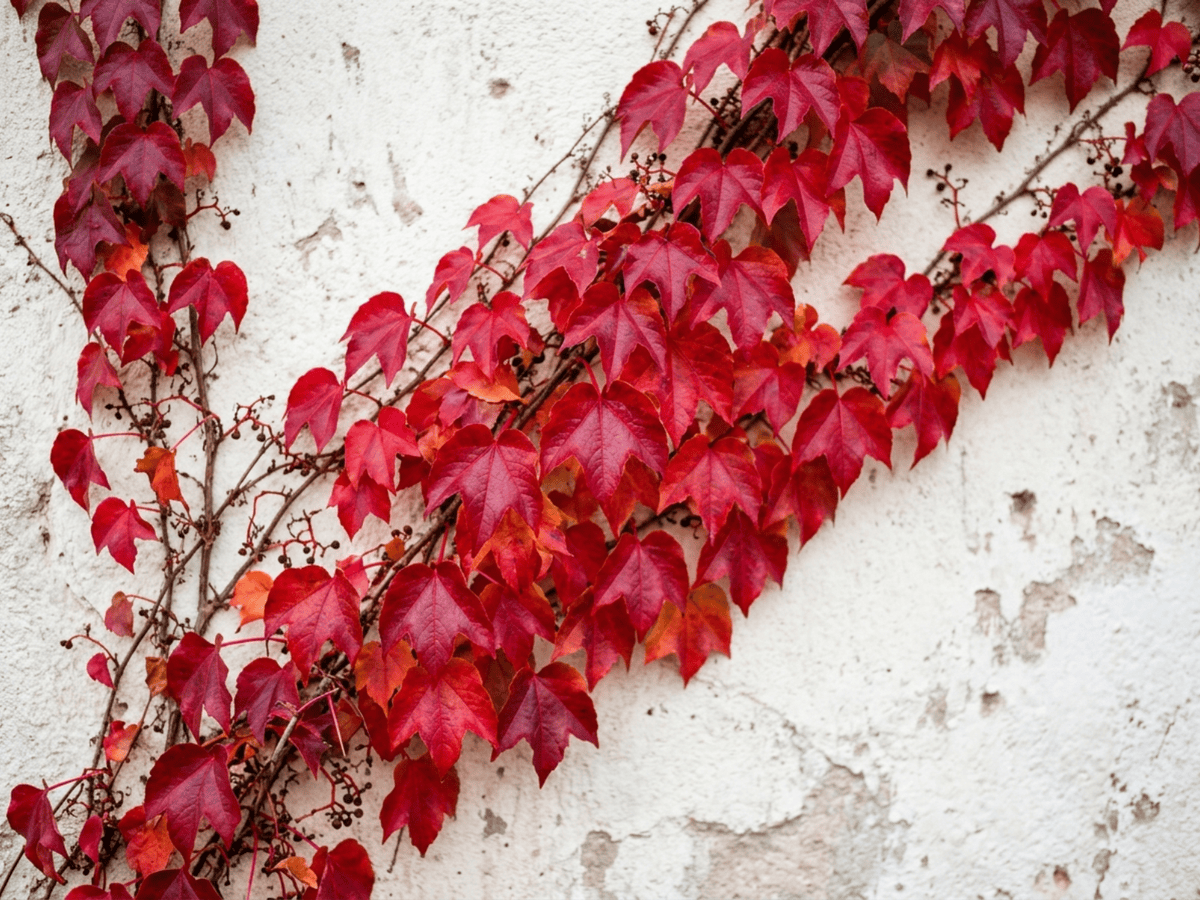
Chinese Virginia Creeper makes visible quiet sophistication, its silver-veined leaves glowing softly in shaded corners where most vines disappear. It also suggests transformation — emerald summer foliage shifting to deep crimson in autumn, an entire wall reinventing itself within a few weeks. A vine for those who want their architecture to change clothes with the seasons.
- Quiet sophistication — silver veins glow in shade
- Transformation — emerald summer turns crimson in fall
Where the Name Comes From
The name Chinese Virginia Creeper points to China. Genus from Greek 'parthenos' (virgin) + 'kissos' (ivy); 'henryana' honors Augustine Henry.
Uses & Fun Facts
- Self-clinging vine cloaks shaded walls with silver-veined foliage
- Silver-veined leaves turn brilliant red in autumn
Related plants
More Parthenocissus plants

Plants with similar care
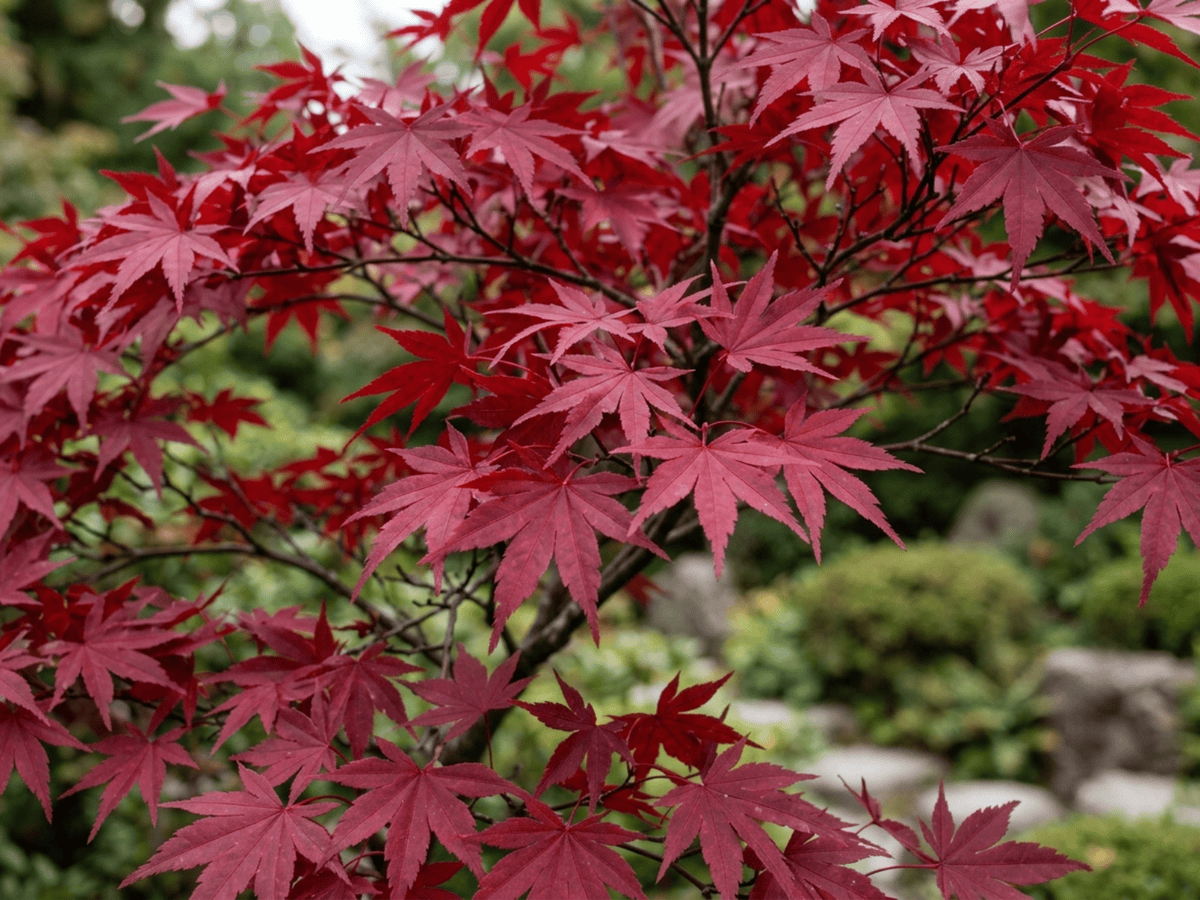 Japanese MapleAcer palmatum
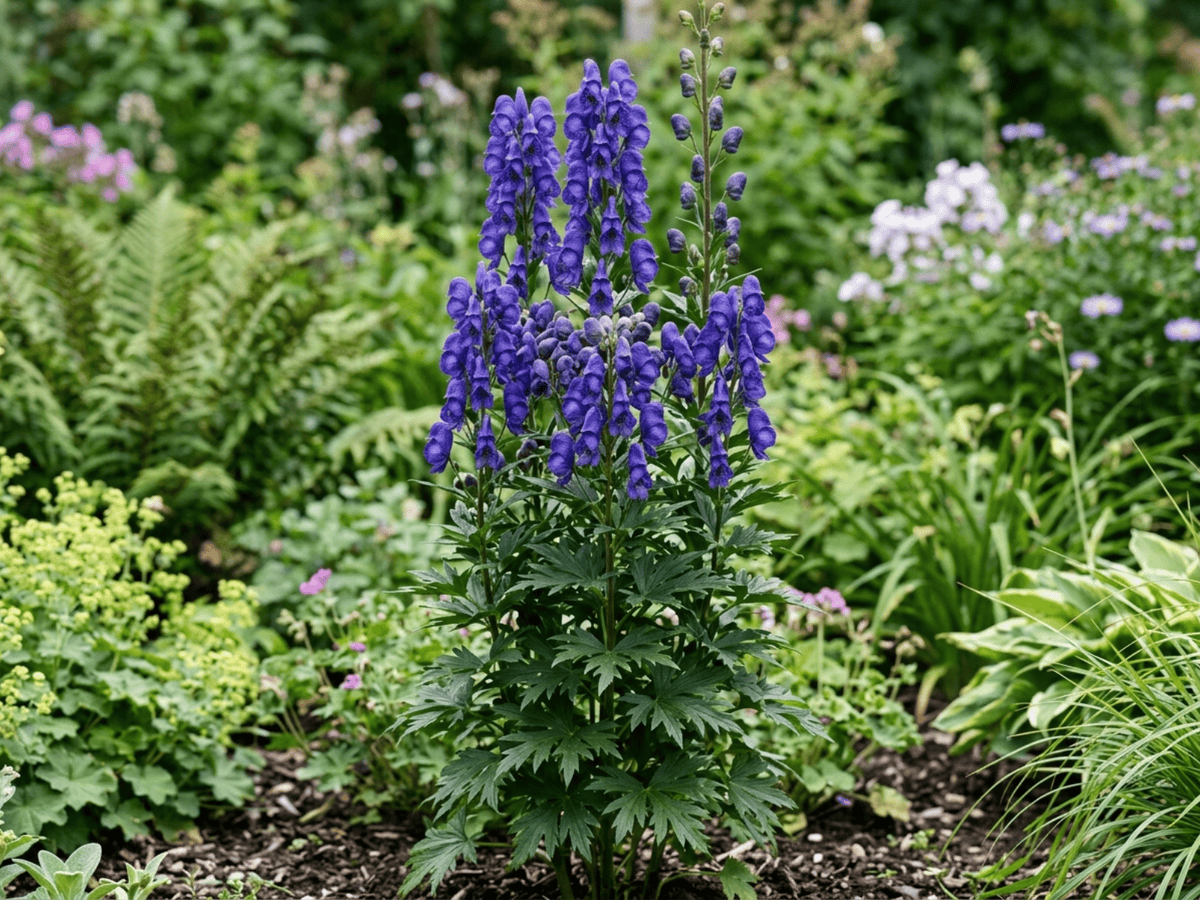 Azure MonkshoodAconitum carmichaelii
 Florida HobblebushAgarista populifolia
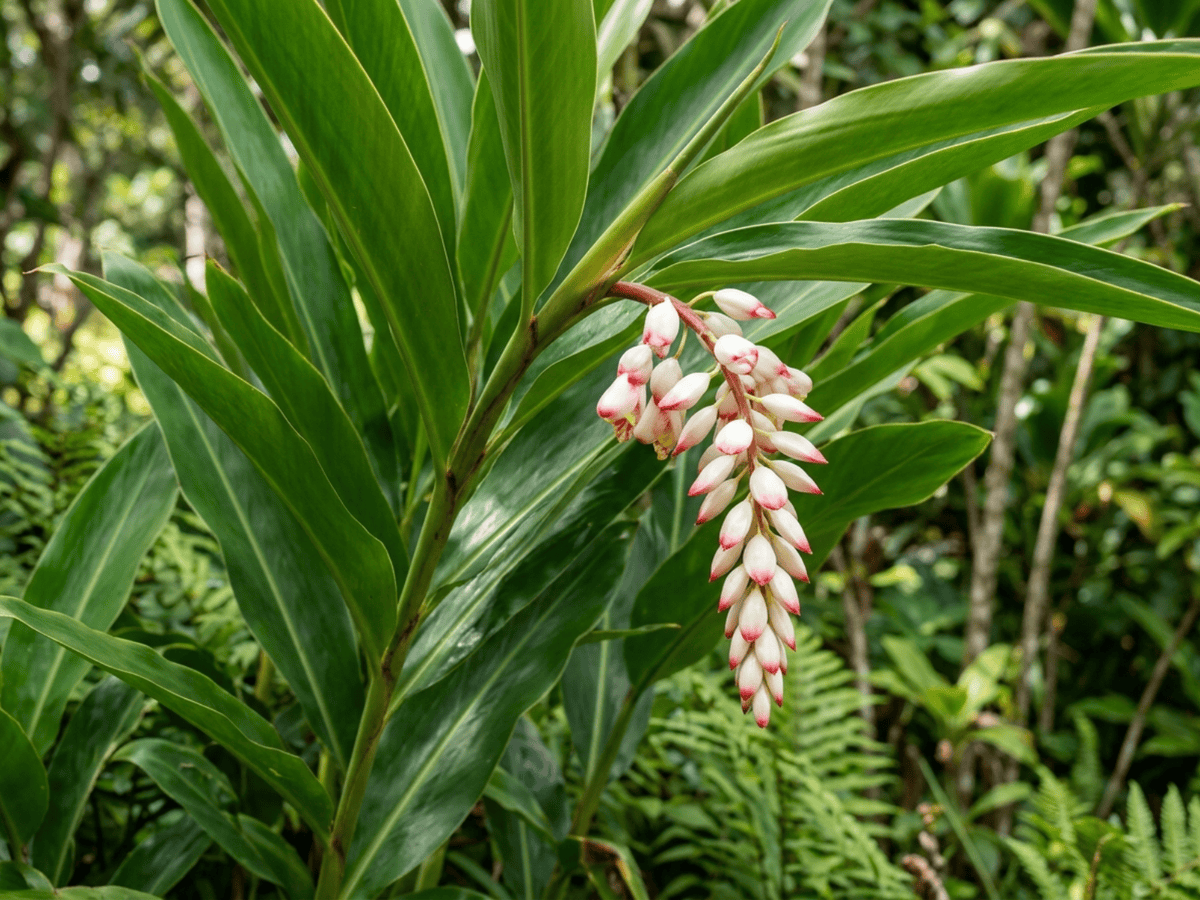 Shell GingerAlpinia zerumbet
Frequently asked questions
How often should I water Chinese Virginia Creeper?
In summer, water about every 5 days; in winter, about every 21 days. Adjust for heat, pot size and drainage.
How much light does Chinese Virginia Creeper need?
Part shade: 2–4 hrs direct. Watch the leaves — scorching or stretching means the light needs adjusting.
Is Chinese Virginia Creeper toxic to cats or dogs?
Pets Slight (Dogs Slight · Cats Slight) Educational information, not medical or veterinary advice. If exposure is suspected, contact a doctor or veterinarian.
Is Chinese Virginia Creeper easy to grow?
It is moderately demanding: a good choice once you have a little experience.
When does Chinese Virginia Creeper bloom?
It typically blooms Jun–Jul in the Northern Hemisphere.
YardMate
Identify any plant in seconds
Snap a photo — YardMate names the plant, diagnoses problems, and reminds you when to water.
Download on the App Store