 YardMate

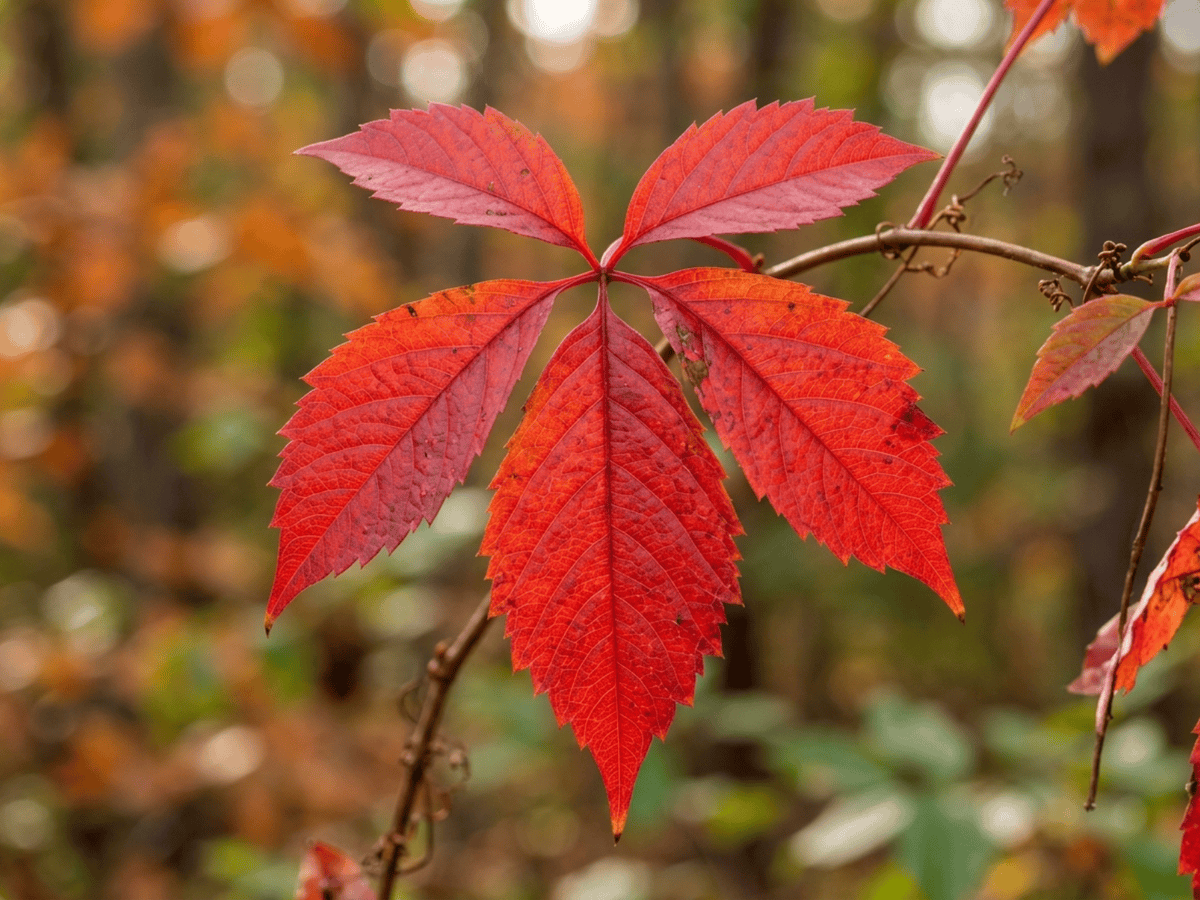


Virginia Creeper
Parthenocissus quinquefolia
Easy · Beginner friendlyAbout Virginia Creeper
Parthenocissus quinquefolia, known as Virginia creeper, is a vigorous deciduous vine native to eastern and central North America. It climbs using branched tendrils tipped with adhesive discs that grip virtually any surface. The compound leaves consist of five leaflets arranged like an open hand — a key distinguishing feature from the three-leafleted poison ivy it is often confused with. Virginia creeper is most spectacular in autumn when the foliage ignites in brilliant shades of scarlet, crimson, and purple, rivaling any tree for fall color intensity. It can climb 15 to 20 meters and spread equally wide, covering entire building facades in a few years. The small blue-black berries produced in fall are toxic to humans but are an important food source for songbirds. It is one of the fastest-growing native vines and tolerates a remarkable range of conditions from deep shade to full sun, dry to moist soils, and urban pollution.
- Climbing
- Fall-color
- Native
How to care for Virginia Creeper
Watering
- Springevery 7 days
- Summerevery 5 days
- Fallevery 14 days
- Winterevery 30 days
Soil · Well-draining
- Top dressingPine bark mulch10%
- Main mixPotting soil + perlite 2:170%
- DrainageLECA / gravel20%
Never skip the drainage layer — standing water is the top cause of root rot.
FERTILIZER
- Springevery 60 days
At a Glance
- NativeNorth America
- Height30–50 ft (9.1–15.2 m)
- Spread5–10 ft (1.5–3 m)
- Flower colorGreen, Yellow
- Foliage colorGreen, Red, Purple
- SoilWell-drained, Loamy
- LocationsYard
Bloom time
BLOOM CYCLE
Peak bloom
Jun–Aug
Tiny green flowers in summer; insignificant but attract pollinators
Fragrance
NO FRAGRANCE
No notable fragrance.
Toxicity
Humans Moderate · Pets Moderate
oxalic acid and calcium oxalate raphides
Moderate
- Fruit
- Leaf
- Ingestion
EXPOSURE Eating fruit and leaves.
EFFECT Berries contain oxalic acid and ingestion causes severe vomiting and can cause kidney damage.
NOTE Documented concern for humans: Berries contain oxalic acid and ingestion causes severe vomiting and can cause kidney damage.
Moderate
- Fruit
- Leaf
- Ingestion
EXPOSURE Eating fruit and leaves.
EFFECT Vomiting, diarrhea, lethargy and oxalate crystals may damage kidneys.
NOTE Not a commonly cited ASPCA plant, but oxalate-containing berries are toxic to humans and pets.
Moderate
- Fruit
- Leaf
- Ingestion
EXPOSURE Eating fruit and leaves.
EFFECT Same as dogs.
NOTE Not a commonly cited ASPCA plant, but oxalate-containing berries are toxic to humans and pets.
Educational information, not medical or veterinary advice. If exposure is suspected, contact a doctor or veterinarian.
DISTRIBUTION


- Native
- Introduced
- North America
History
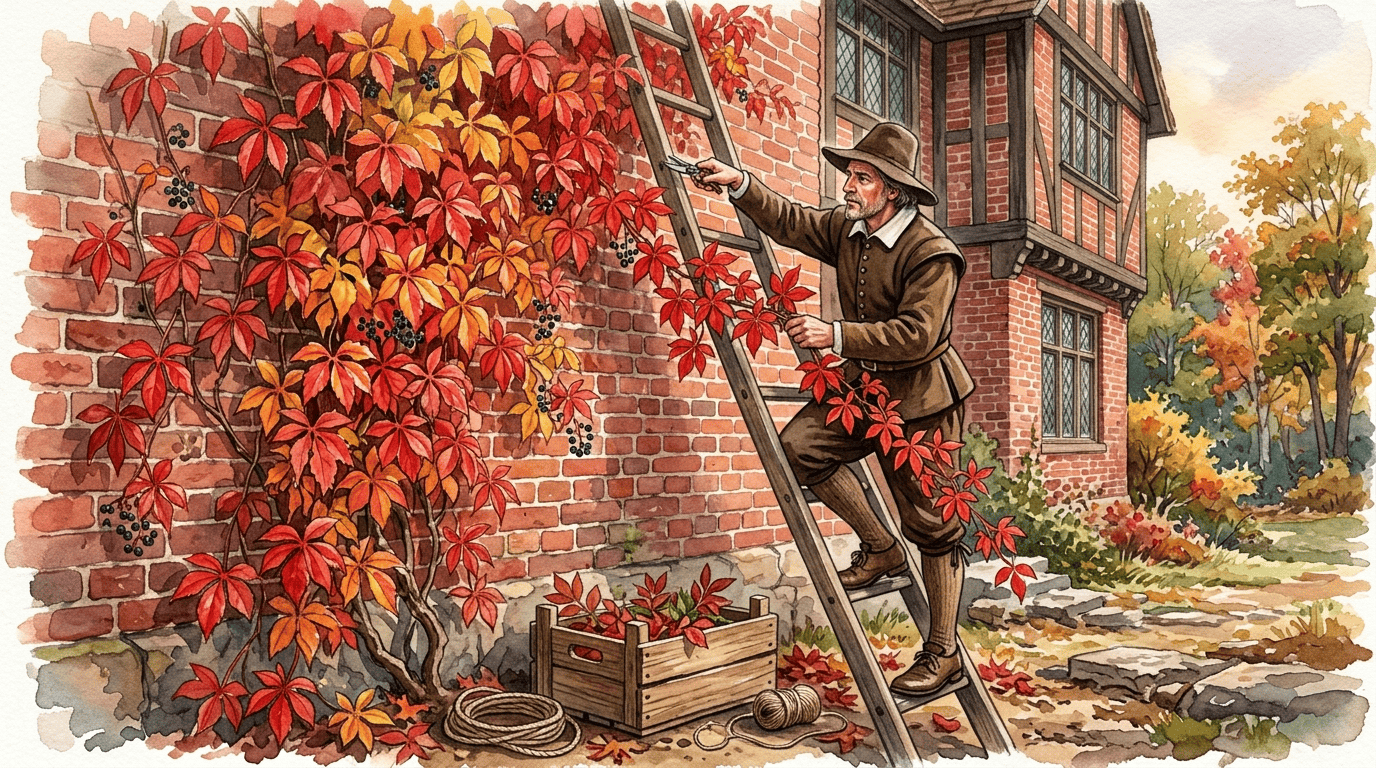
Parthenocissus quinquefolia is native to a large portion of eastern and central North America, from southern Canada to Mexico and from the Atlantic to eastern Rocky Mountains. It is a vigorous woody vine that climbs by adhesive disk-bearing tendrils, enabling it to scale brick, stone, and concrete walls without requiring physical support structures. Its palmately compound leaves with typically five (sometimes three) leaflets turn brilliant scarlet, crimson, and burgundy in autumn — often the most dramatic native fall color of eastern deciduous woodland edges. The common confusion with poison ivy (Toxicodendron radicans), which grows in similar habitats, is memorialized in the field-identification rhyme "leaves of three, let it be; leaves of five, let it thrive."
Virginia creeper itself is mildly toxic (berries contain oxalic acid and saponins; sap may irritate sensitive skin) but does not cause the urushiol-based dermatitis of poison ivy. The species has been cultivated in European gardens since 1622, often on old English estates as a brick-and-stone wall coverer alongside its Asian cousin Boston ivy (P. tricuspidata). Small dark blue-black berries are an important late-fall and winter food for songbirds.
Virginia creeper was among the first North American plants sent back to Europe by early colonists in the 1620s, where it quickly became popular for covering manor house walls. Thomas Jefferson grew it at Monticello. The name 'Virginia creeper' reflects its abundance in the Virginia colony. It is one of the primary food sources for the beautiful Virginia creeper sphinx moth. In Europe, it is widely used on buildings because unlike true ivy, it does not damage masonry — its adhesive discs detach cleanly. The vine's brilliant fall display has made it a favorite autumn subject for photographers and painters.
Symbolism & meaning
What It Symbolizes
Virginia Creeper clings tenaciously to walls, fences, and old trees, expressing devotion through its faithful, decade-long attachments. Each autumn it performs its great transformation — green leaves igniting in scarlet and burgundy, a dramatic seasonal change that makes it a quiet emblem of life's beautiful transitions. Its meaning is loyal companionship that knows how to celebrate change rather than resist it.
- Devotion — Clings tenaciously to structures, representing faithful attachment
- Transformation — Its dramatic autumn color change symbolizes life's beautiful transitions
Where the Name Comes From
'Parthenocissus' comes from Greek 'parthenos' (virgin) and 'kissos' (ivy) — 'Virginia's ivy.' 'Quinquefolia' means 'five-leaved' in Latin, describing the five leaflets.
Uses & Fun Facts
- Dark berries feed songbirds through fall and winter
- Adhesive tendrils climb walls fences and tree trunks
- Five-leaflet foliage turns brilliant scarlet in autumn
Related plants
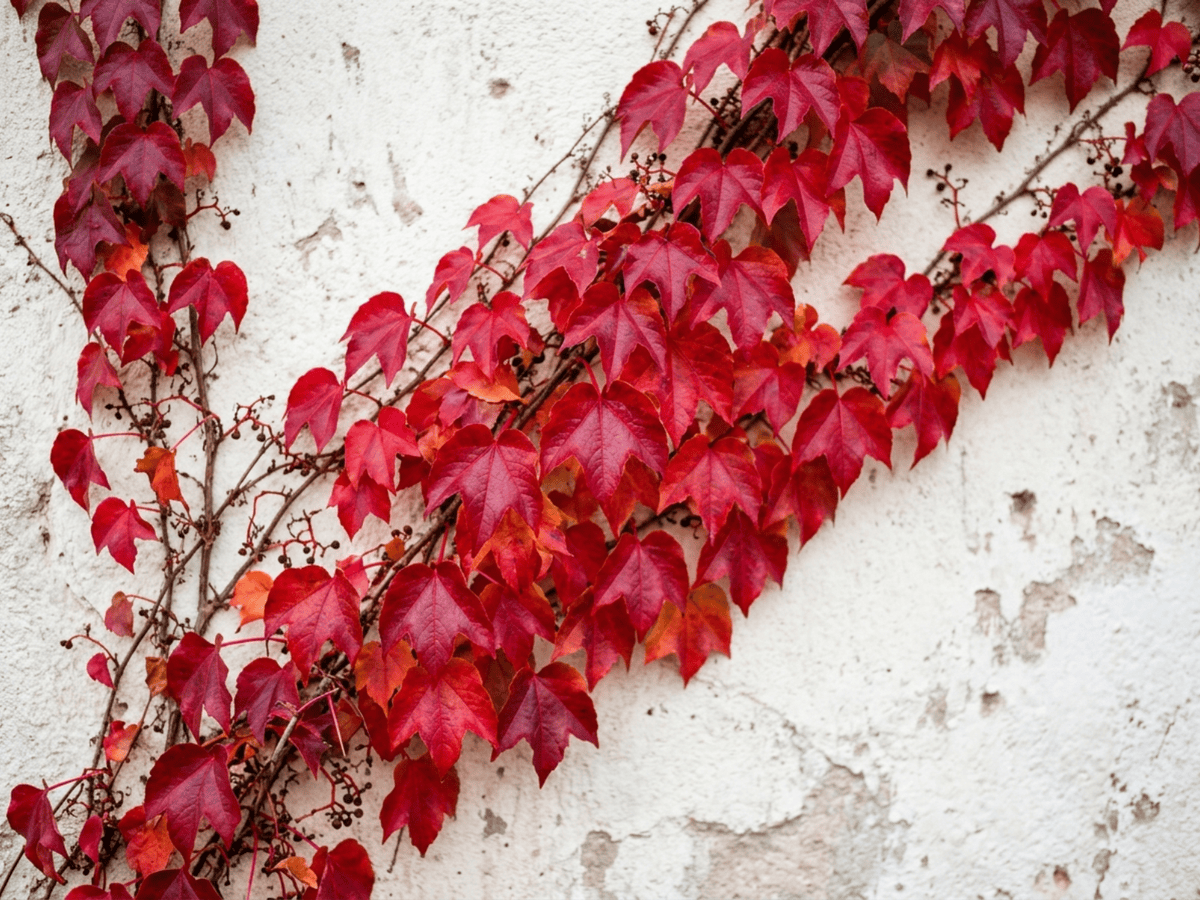
More Parthenocissus plants

Plants with similar care
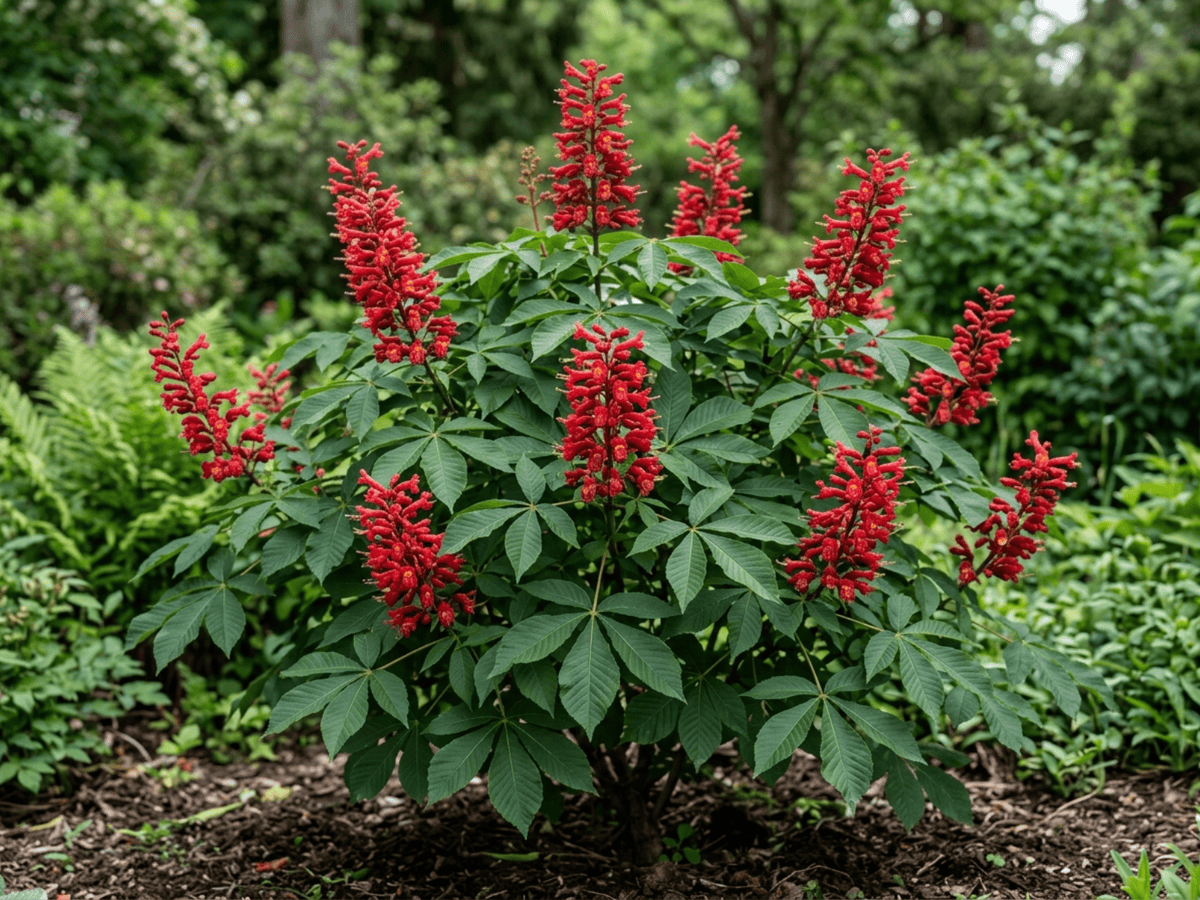 Red BuckeyeAesculus pavia
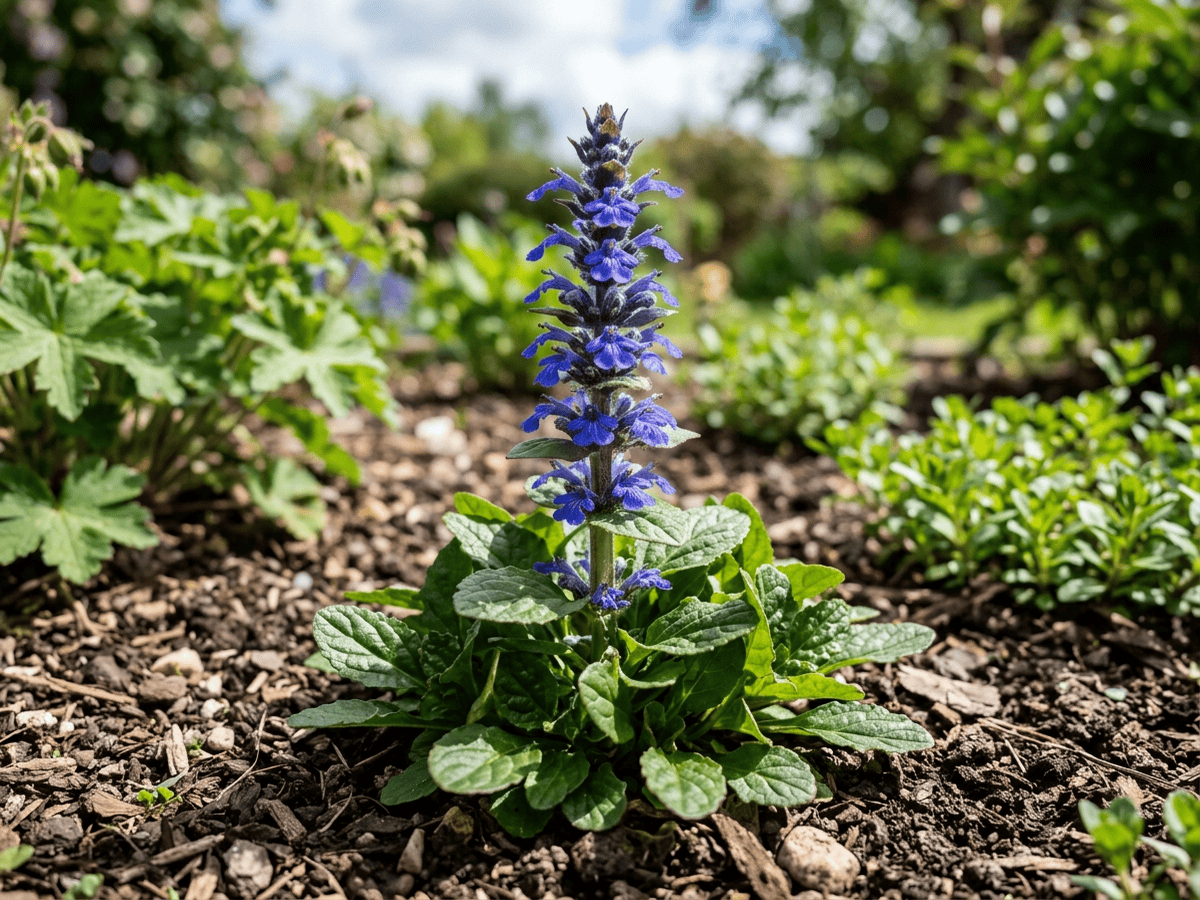 Blue BugleAjuga genevensis
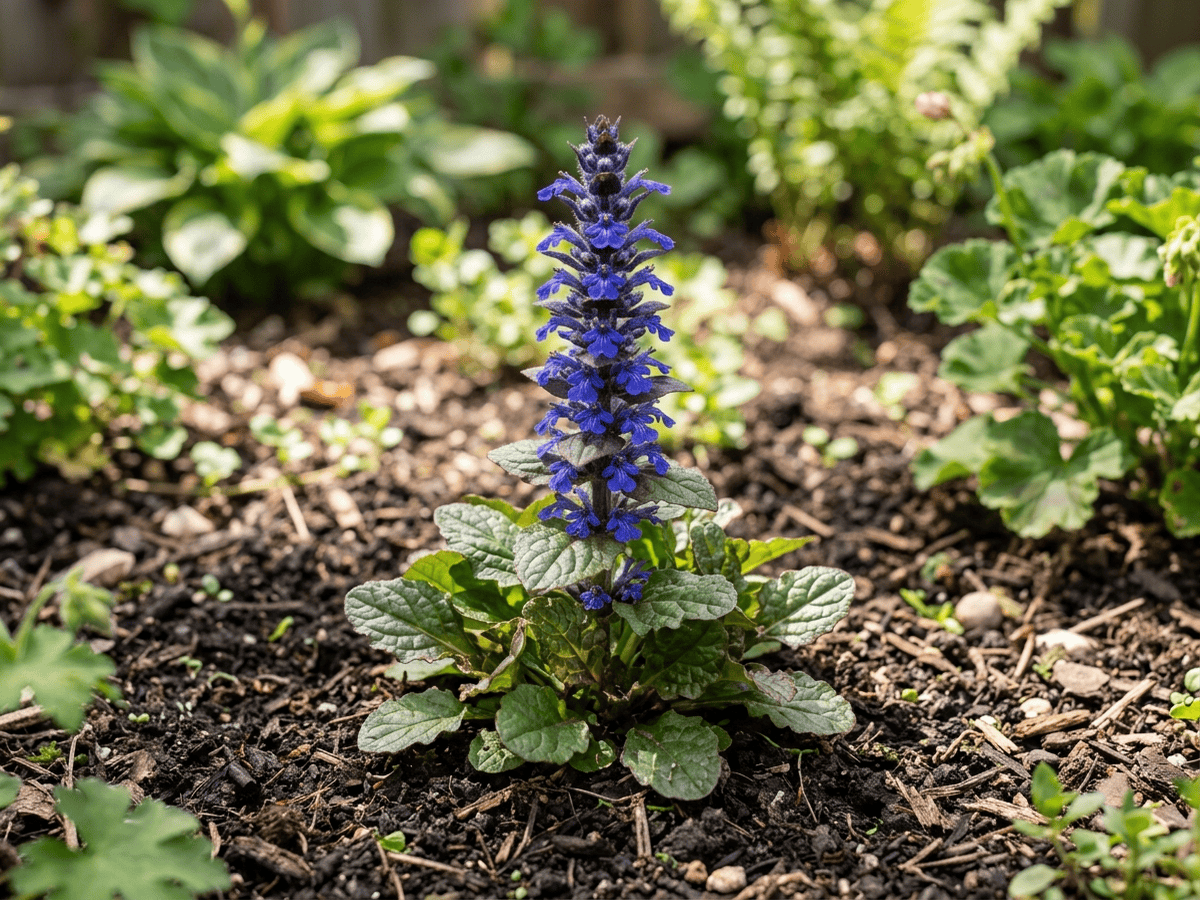 Pyramidal BugleAjuga pyramidalis
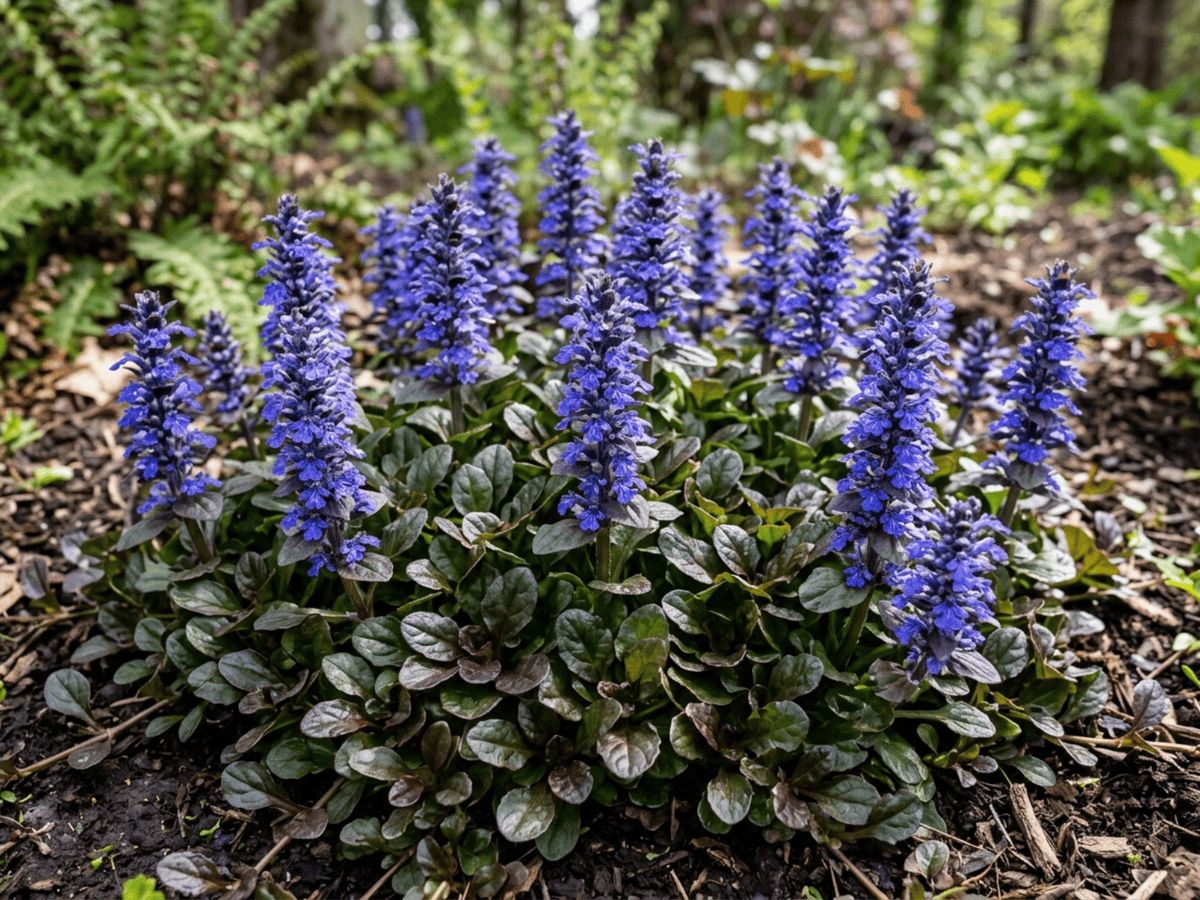 Carpet BugleAjuga reptans
Frequently asked questions
How often should I water Virginia Creeper?
In summer, water about every 5 days; in winter, about every 30 days. Adjust for heat, pot size and drainage.
How much light does Virginia Creeper need?
Part shade: 2–4 hrs direct. Watch the leaves — scorching or stretching means the light needs adjusting.
Is Virginia Creeper toxic to cats or dogs?
Pets Moderate (Dogs Moderate · Cats Moderate) Educational information, not medical or veterinary advice. If exposure is suspected, contact a doctor or veterinarian.
Is Virginia Creeper easy to grow?
Yes — it is considered an easy, beginner-friendly plant.
When does Virginia Creeper bloom?
It typically blooms Jun–Aug in the Northern Hemisphere.
YardMate
Identify any plant in seconds
Snap a photo — YardMate names the plant, diagnoses problems, and reminds you when to water.
Download on the App Store