 YardMate

Heartleaf Philodendron
Philodendron scandens
Easy · Beginner friendlyAbout Heartleaf Philodendron
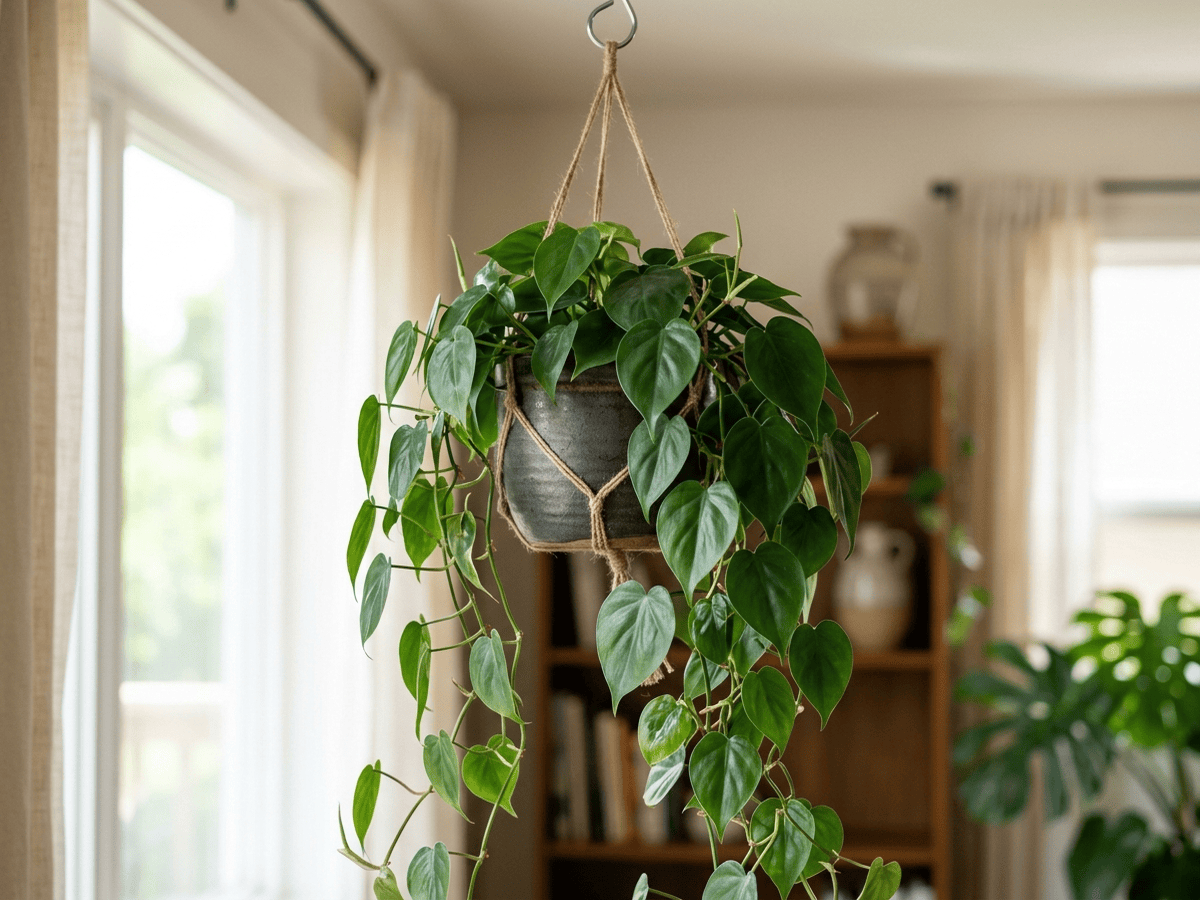
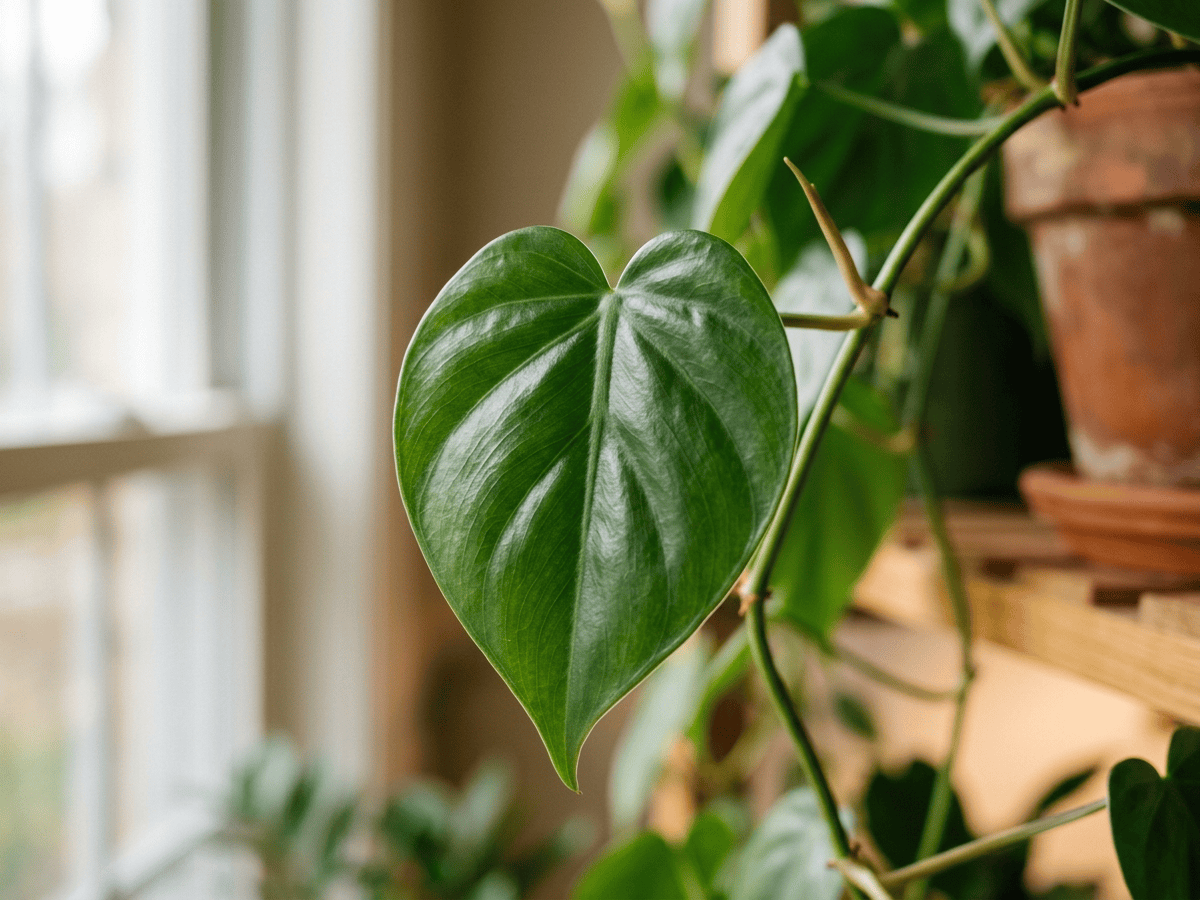
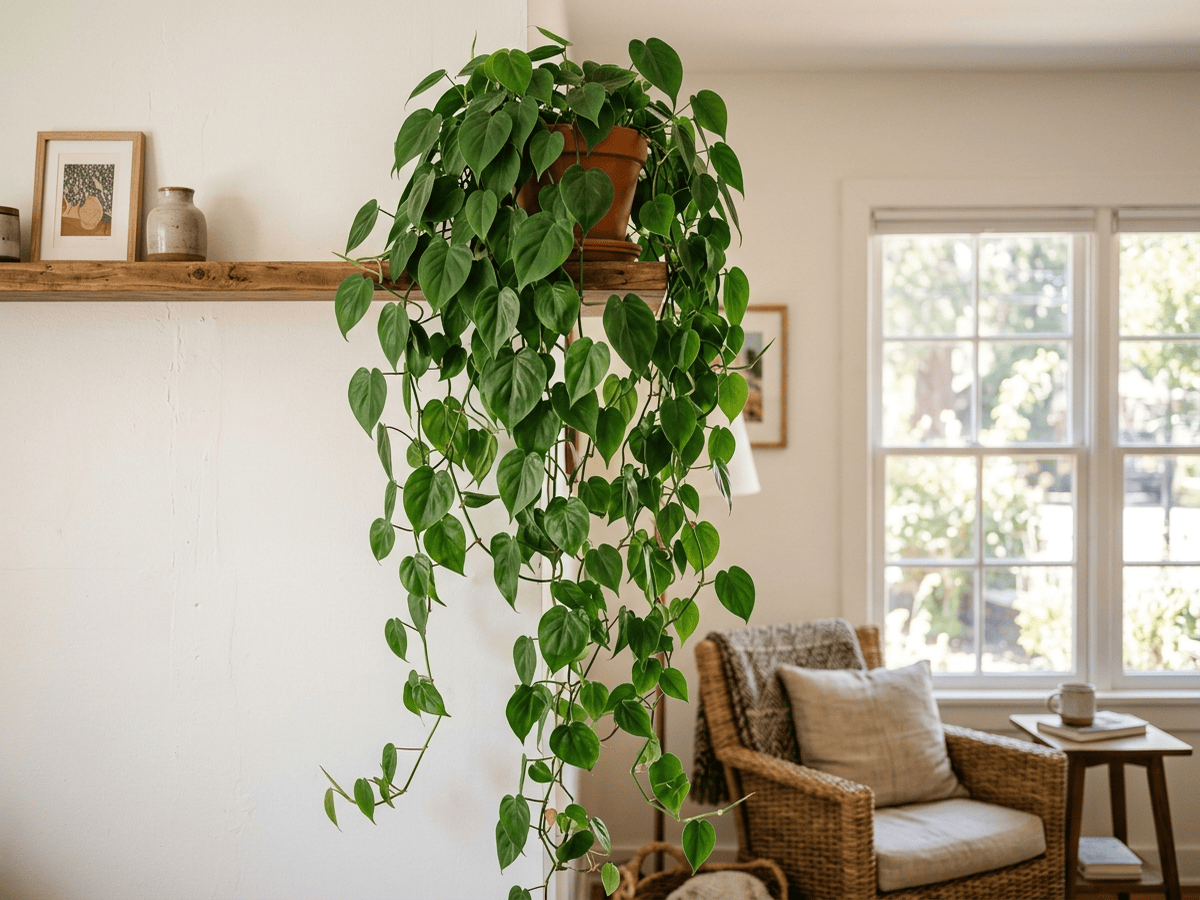
Heartleaf Philodendron is one of the most popular houseplants in the world, a Central American climbing aroid producing slender stems of glossy heart-shaped dark-green leaves. Reaching trailing lengths of 4-10 feet indoors, it adapts to low light, irregular watering, and small pots, making it the quintessential beginner houseplant. Often confused with Pothos, it has been a fixture of American homes and offices for over a century.
- Air-purifying
- Trailing
- Evergreen
How to care for Heartleaf Philodendron
Watering
- Springevery 7 days
- Summerevery 7 days
- Fallevery 10 days
- Winterevery 14 days
Soil · Chunky & airy
- Top dressingBark chips10%
- Main mixBark + potting soil + perlite 1:1:170%
- DrainageLECA20%
Chunky pieces hold air pockets open so thick roots don't suffocate.
FERTILIZER
Balanced Feed 14-14-14
An even feed covers all three needs at once, keeping leaves, roots and blooms moving together with nothing pushed out of balance.
- Nitrogen · Leaves
- Phosphorus · Roots + Blooms
- Potassium · Strength
- Springevery 30 days
- Summerevery 30 days
- Fallevery 60 days
At a Glance
- NativeNorth America, Central America, South America
- Height3–6 ft (0.9–1.8 m)
- Spread1–2 ft (0.3–0.6 m)
- Flower colorGreen, Cream
- Foliage colorDark-green, Green
- SoilLoamy, Well-drained, Rich
- LocationsIndoor
Bloom time
BLOOM CYCLE
Peak bloom
Jun–Aug
Aroid flowers (very rare indoors)
Toxicity
Humans Moderate · Pets Moderate
calcium oxalate raphides
Moderate
- Leaf
- Stem
- Sap
- Ingestion
EXPOSURE Eating leaves, stems, and sap.
EFFECT Oral irritation, drooling, and difficulty swallowing.
NOTE Documented concern for humans: Oral irritation, drooling, and difficulty swallowing.
Moderate
- Leaf
- Stem
- Ingestion
EXPOSURE Eating leaves and stems.
EFFECT Oral irritation, drooling, and vomiting.
NOTE ASPCA lists Philodendron as toxic.
Moderate
- Leaf
- Stem
- Ingestion
EXPOSURE Eating leaves and stems.
EFFECT Oral irritation, drooling, and vomiting.
NOTE ASPCA lists Philodendron as toxic.
Educational information, not medical or veterinary advice. If exposure is suspected, contact a doctor or veterinarian.
DISTRIBUTION


- Native
- Introduced
- North America
- Central America
- South America
History
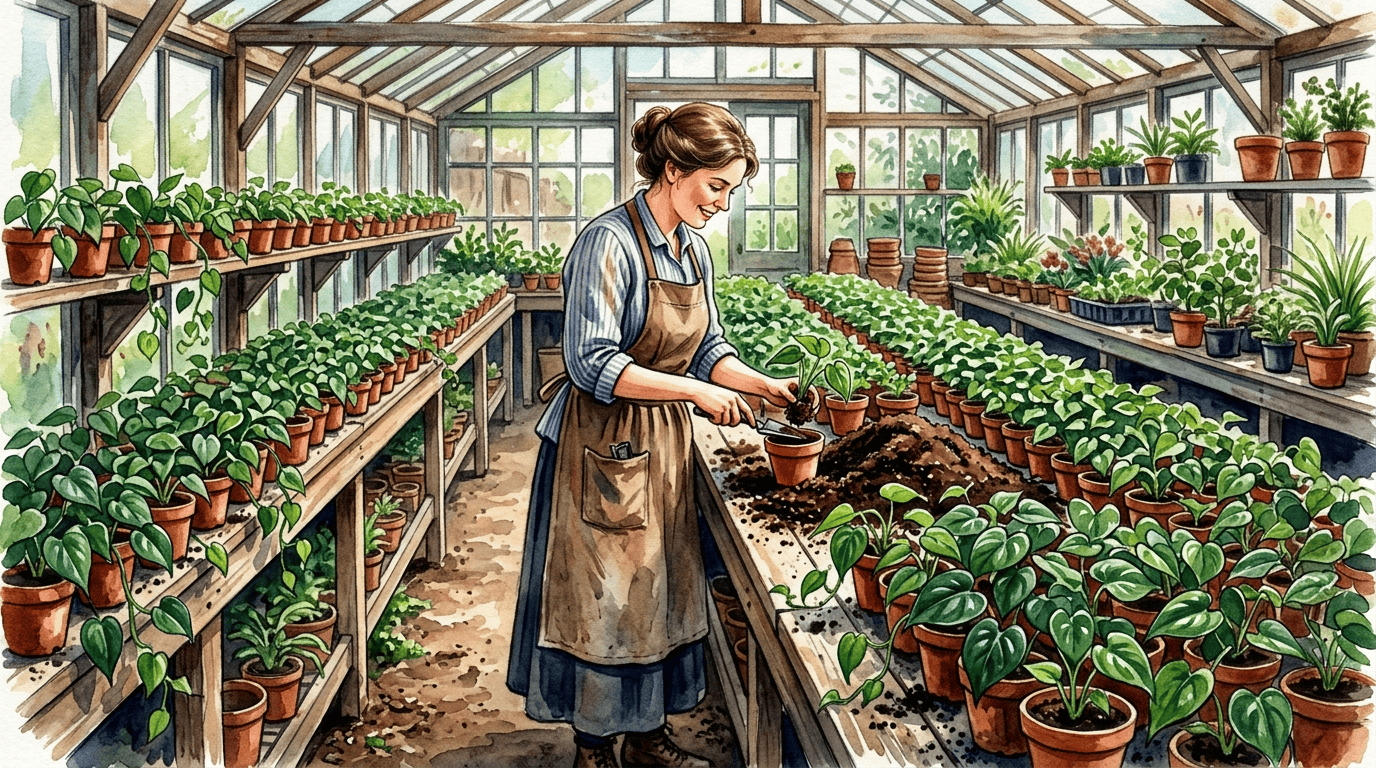
Philodendron scandens is a trailing-climbing aroid in the family Araceae native to tropical rainforests from southern Mexico through Central America to the Caribbean and northern South America. German botanists Karl Koch and Friedrich Sello formally described the species in 1853. Modern taxonomic treatments (Croat 1997, Kew Plants of the World Online) place P. scandens as a synonym of the older-named Philodendron hederaceum (described by Jacquin in 1760), which has nomenclatural priority.
Horticulture, however, has long used the name scandens and continues to do so widely. The plant is one of the most familiar indoor foliage plants worldwide, tolerating deep shade and neglect. The typical form produces dark glossy heart-shaped 10 cm leaves along trailing or climbing stems that readily root at nodes.
Numerous cultivars—'Brasil' with yellow stripe, 'Lemon Lime' chartreuse, 'Micans' velvet-bronzed, 'Variegata', 'Silver Splash'—have been selected and dominate the houseplant trade. Recognized as toxic to cats, dogs, and people due to calcium oxalate crystals. Now often called Philodendron hederaceum. Among the first tropical foliage plants commercially grown for the American home market in the early 20th century. Studied by NASA in 1989 as one of the top air-purifying houseplants.
Symbolism & meaning
What It Symbolizes
Heartleaf Philodendron carries affection through its unmistakable heart-shaped leaves, each cascading vine spelling out love and warmth on a kitchen shelf or office desk. It has been the iconic houseplant of American homes for generations, a quiet welcome in countless living rooms. It is often read as a flower of inherited domestic care, a vine whose meaning is the steady greeting offered to anyone walking through the door, easy to grow, easy to share, easy to love.
- Affection — heart-shaped leaves symbolize love and warmth
- Welcome — iconic houseplant of American homes for generations
Where the Name Comes From
'Philodendron' from Greek 'philo' (loving) and 'dendron' (tree), for its tree-climbing habit; 'scandens' means climbing.
Uses & Fun Facts
- Trailing or climbing aroid for indoor poles and shelves
- Most adaptable houseplant for low-light spaces
- Glossy heart-shaped leaves cascade from hanging pots
Related plants
More Philodendron plants
 Tree PhilodendronPhilodendron bipinnatifidum
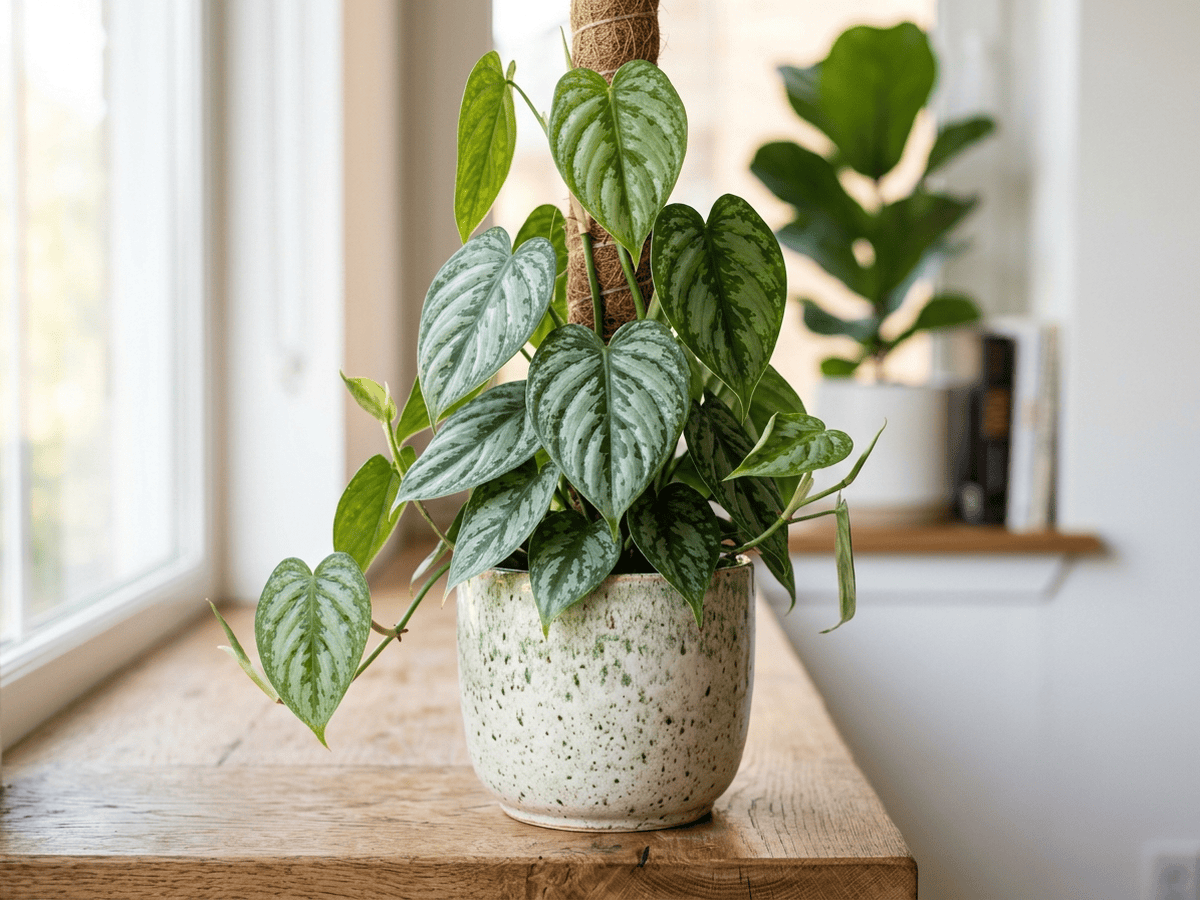 Silver Leaf PhilodendronPhilodendron brandtianum
 PhilodendronPhilodendron brasil
 Blushing PhilodendronPhilodendron erubescens
Plants with similar care
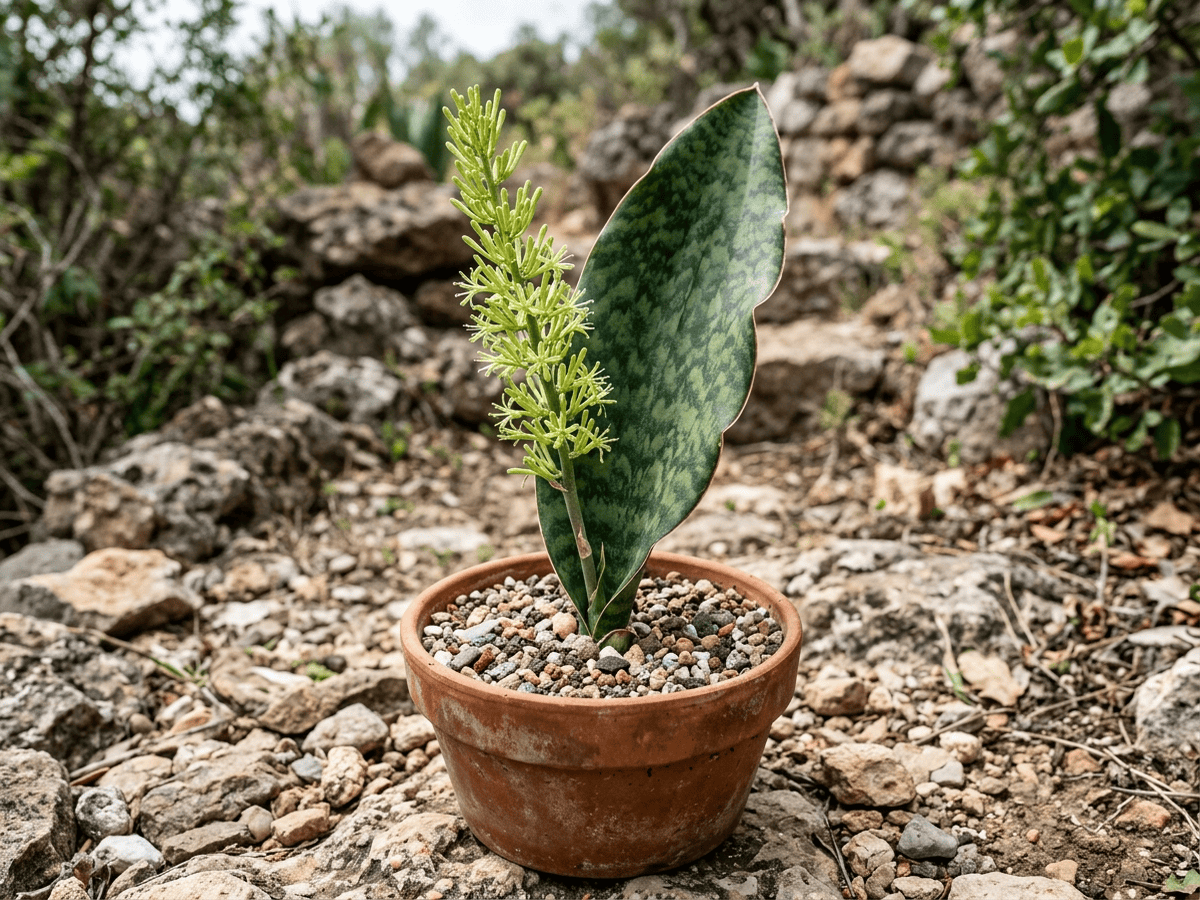
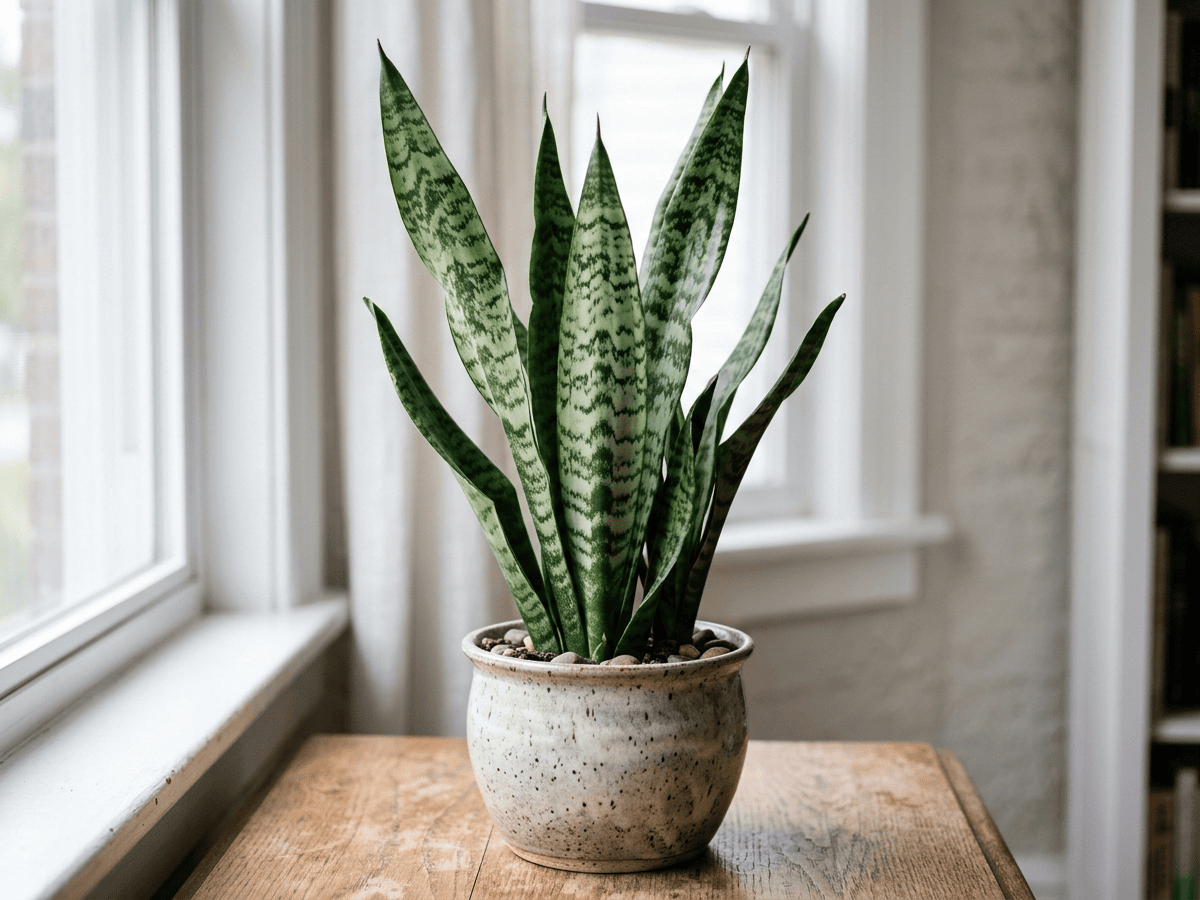
Frequently asked questions
How often should I water Heartleaf Philodendron?
In summer, water about every 7 days; in winter, about every 14 days. Adjust for heat, pot size and drainage.
How much light does Heartleaf Philodendron need?
Low light: Dim corners. Watch the leaves — scorching or stretching means the light needs adjusting.
Is Heartleaf Philodendron toxic to cats or dogs?
Pets Moderate (Dogs Moderate · Cats Moderate) Educational information, not medical or veterinary advice. If exposure is suspected, contact a doctor or veterinarian.
Is Heartleaf Philodendron easy to grow?
Yes — it is considered an easy, beginner-friendly plant.
Can Heartleaf Philodendron be grown indoors?
Yes, it adapts well to indoor growing given the right light.
When does Heartleaf Philodendron bloom?
It typically blooms Jun–Aug in the Northern Hemisphere.
YardMate
Identify any plant in seconds
Snap a photo — YardMate names the plant, diagnoses problems, and reminds you when to water.
Download on the App Store