 YardMate
Silver Leaf Philodendron
Philodendron brandtianum
Hard · Experienced growersAbout Silver Leaf Philodendron
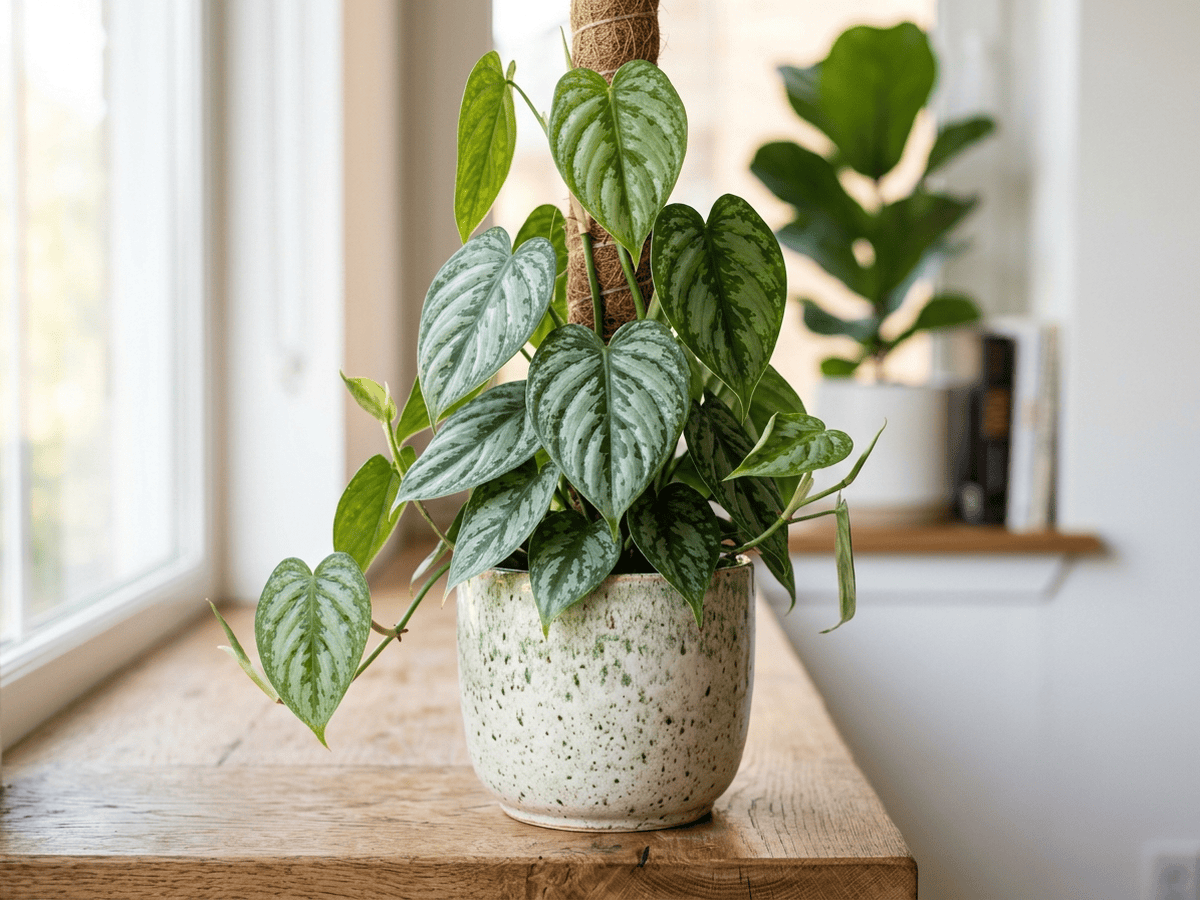
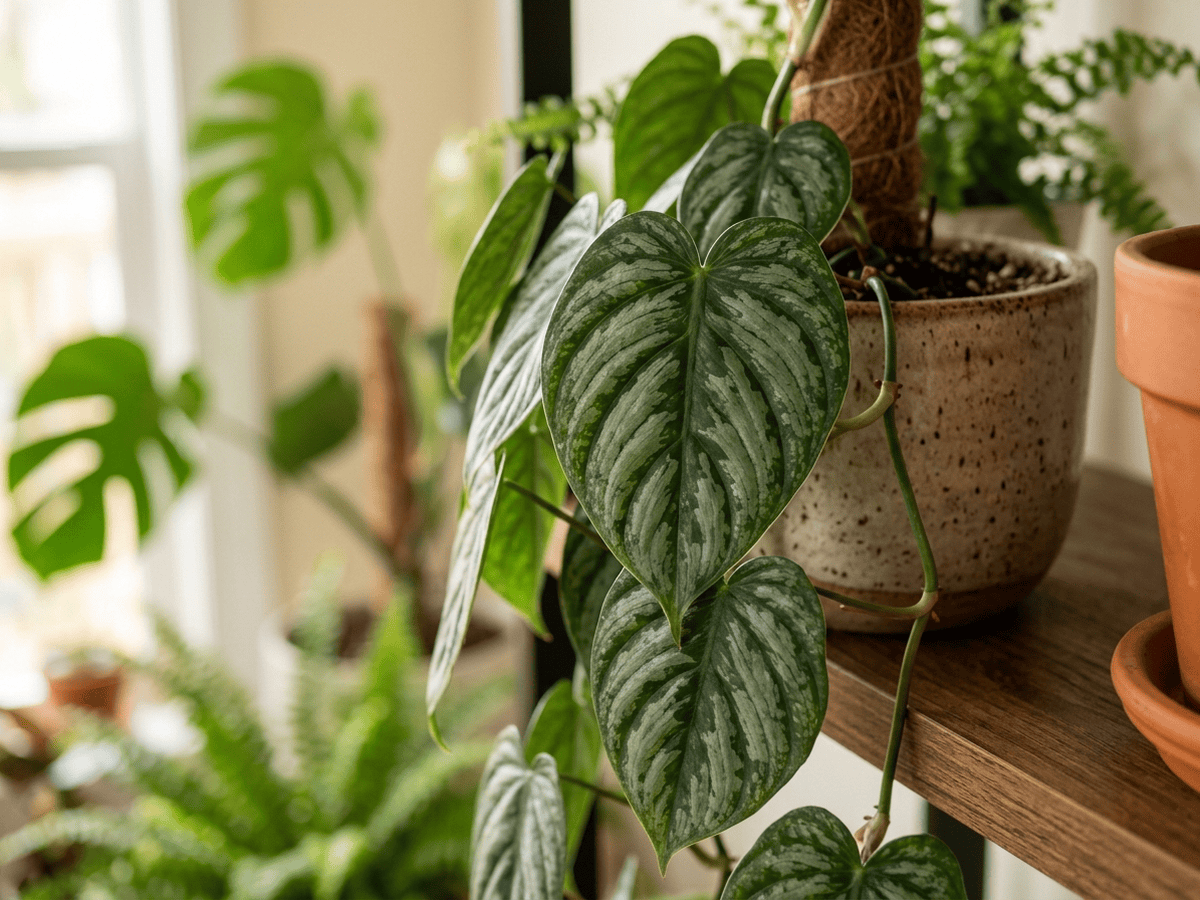
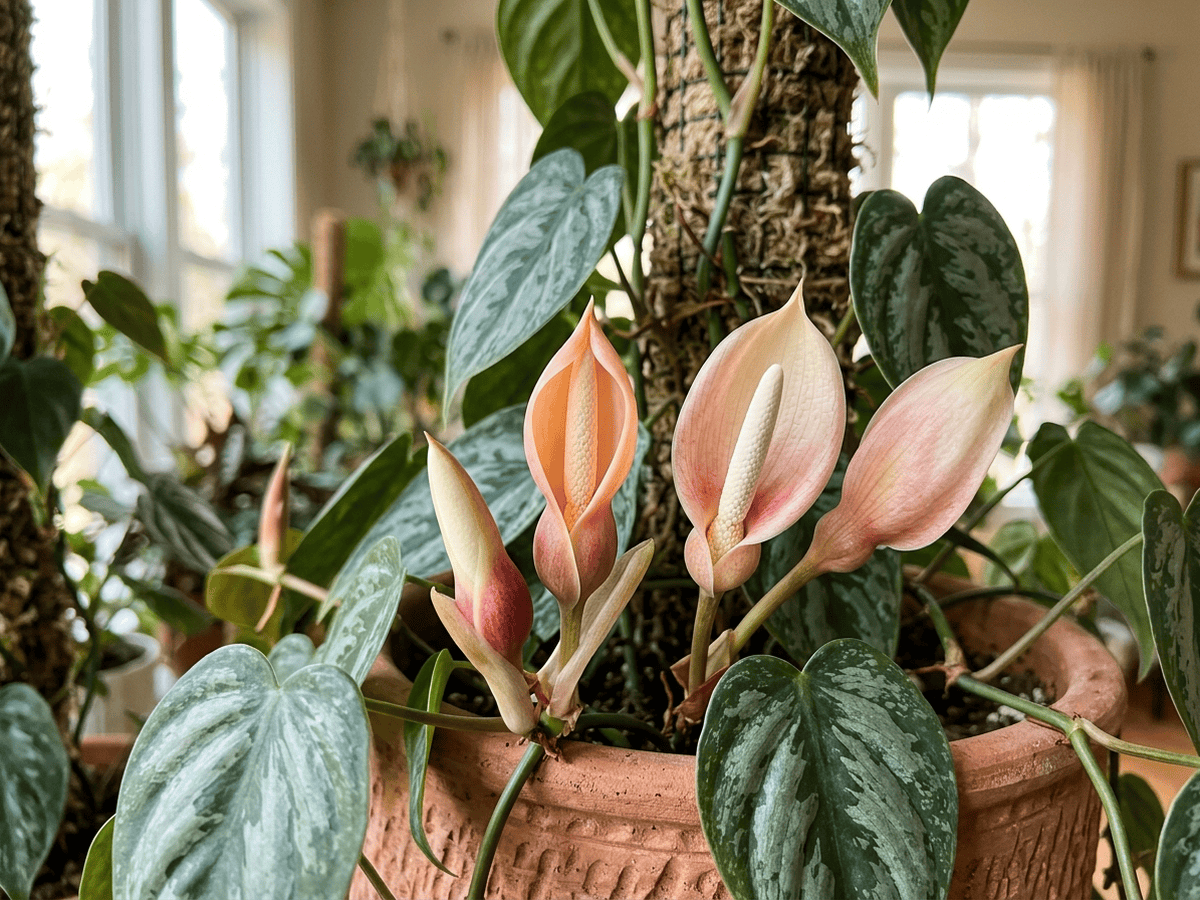
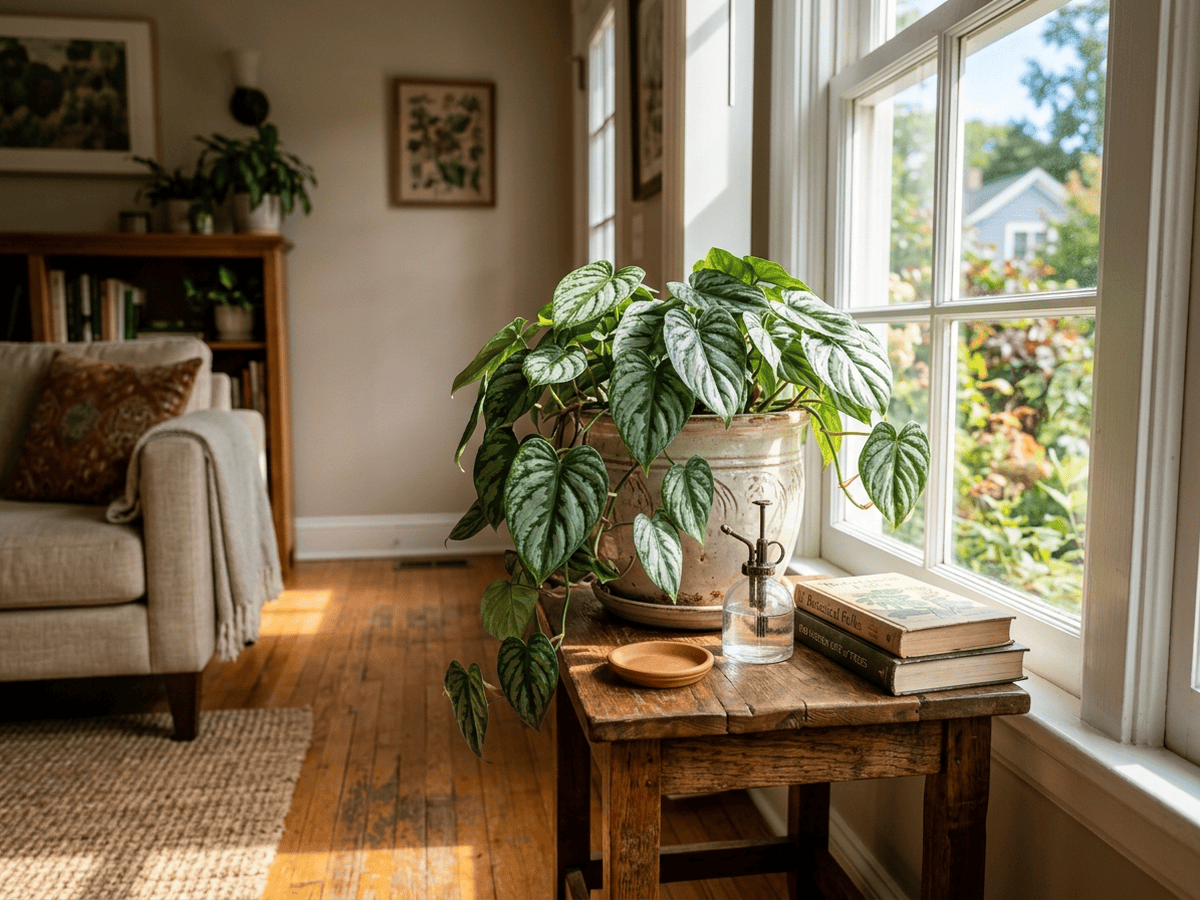
The Silver Leaf Philodendron is a climbing aroid native to the rainforests of Colombia, Ecuador, and Peru, prized for its narrow, heart-shaped, olive-green leaves brushed with a shimmering silvery-gray sheen between the veins. In the wild it is a hemiepiphyte, sending aerial roots up tree trunks toward dappled light; indoors it is most often trained up a moss pole or left to trail from a hanging basket. New leaves unfurl pale and almost translucent before darkening into their signature metallic pattern. Slow to moderate in growth, it tolerates the low, indirect light of typical rooms, making it a favorite among collectors who want dramatic variegated texture without demanding care.
- Climbing
- Container-friendly
- Shade-tolerant
- Evergreen
How to care for Silver Leaf Philodendron
Watering
- Springevery 7 days
- Summerevery 7 days
- Fallevery 14 days
- Winterevery 21 days
Soil · Chunky & airy
- Top dressingBark chips10%
- Main mixBark + potting soil + perlite 1:1:170%
- DrainageLECA20%
Chunky pieces hold air pockets open so thick roots don't suffocate.
FERTILIZER
Foliage Feed 24-8-16
Nitrogen leads so the plant spends its energy on dense green growth. Phosphorus and potassium follow just far enough to keep roots and stems up to speed.
- Nitrogen · Leaves
- Phosphorus · Roots + Blooms
- Potassium · Strength
- Springevery 30 days
- Summerevery 30 days
- Fallevery 30 days
At a Glance
- NativeSouth America
- Height1–3 ft (0.3–0.9 m)
- Spread2–3 ft (0.6–0.9 m)
- Foliage colorGreen
- SoilWell-drained, Moist
- LocationsIndoor · Office
Toxicity
Humans Slight · Pets Moderate
insoluble calcium oxalate crystals
Slight
- Leaf
- Stem
- Sap
- Contact
- Sap
EXPOSURE Touching leaves, stems, and sap. Contact with leaves, stems, and sap.
EFFECT Mouth and skin irritation on contact with sap.
NOTE Contains insoluble calcium oxalate crystals typical of aroids; causes oral and skin irritation on contact or ingestion, more severe in pets.
Moderate
- Leaf
- Stem
- Ingestion
EXPOSURE Eating leaves and stems.
EFFECT Oral irritation, intense burning of mouth and tongue, excessive drooling, vomiting, and difficulty swallowing.
NOTE Contains insoluble calcium oxalate crystals typical of aroids; causes oral and skin irritation on contact or ingestion, more severe in pets.
Moderate
- Leaf
- Stem
- Ingestion
EXPOSURE Eating leaves and stems.
EFFECT Oral irritation, intense burning of mouth and tongue, excessive drooling, vomiting, and difficulty swallowing.
NOTE Contains insoluble calcium oxalate crystals typical of aroids; causes oral and skin irritation on contact or ingestion, more severe in pets.
Educational information, not medical or veterinary advice. If exposure is suspected, contact a doctor or veterinarian.
DISTRIBUTION


- Native
- South America
History

The Silver Leaf Philodendron was formally described in 1913 by the German botanist Kurt Krause, who included it in Das Pflanzenreich, the monumental plant classification series edited by Adolf Engler. Krause named the species brandtianum in honor of Johann Friedrich von Brandt, a German-born naturalist and zoologist who spent much of his career in St. Petersburg. It was a common practice of the era for botanists to dedicate new species to respected naturalists and patrons, even those, like Brandt, better known for zoology than for plants. For decades the species remained a minor entry in herbarium collections, known mainly to specialists studying the climbing aroids of Colombia, Ecuador, and Peru, where it scrambles up rainforest tree trunks using aerial roots. Its fortunes changed dramatically with the global houseplant boom of the 2010s and 2020s, when indoor gardeners rediscovered its narrow, silver-brushed leaves. Online plant swap communities and specialist nurseries began trading small rooted cuttings, sometimes for surprisingly high prices, as collectors competed to add a well-variegated specimen to their shelves. What had been an inconspicuous forest vine, named to honor a long-dead zoologist, became a fixture of plant-store window displays and living-room moss poles around the world, prized less for any practical use than for the quiet shimmer of its foliage.
Symbolism & meaning
What It Symbolizes
Houseplant gift-givers often reach for a philodendron cutting when a friend moves into a new apartment or starts a new job, drawn to the plant's easy resilience and its habit of climbing steadily upward with minimal fuss. The Silver Leaf Philodendron, passed hand to hand as rooted cuttings through plant swap communities, carries that same association: a small, forgiving piece of green meant to take root and keep climbing alongside its new owner.
- Growth — As a vigorous climber that thrives in low indoor light, the Silver Leaf Philodendron has become a quiet symbol of steady, resilient growth, often gifted to mark a new home or the start of a new chapter.
Where the Name Comes From
Philodendron comes from the Greek philo- ("loving") and dendron ("tree"), describing the genus's climbing, tree-hugging habit. The species epithet brandtianum honors Johann Friedrich von Brandt, a 19th-century German-born naturalist and zoologist, following the era's custom of dedicating new plant species to respected scientific figures.
Uses & Fun Facts
- Grown as a climbing houseplant on moss poles, trellises, or in hanging baskets for its silver-patterned foliage.
Related plants
More Philodendron plants
 Tree PhilodendronPhilodendron bipinnatifidum
 PhilodendronPhilodendron brasil
 Blushing PhilodendronPhilodendron erubescens
 Philodendron gloriosumPhilodendron gloriosum
Plants with similar care
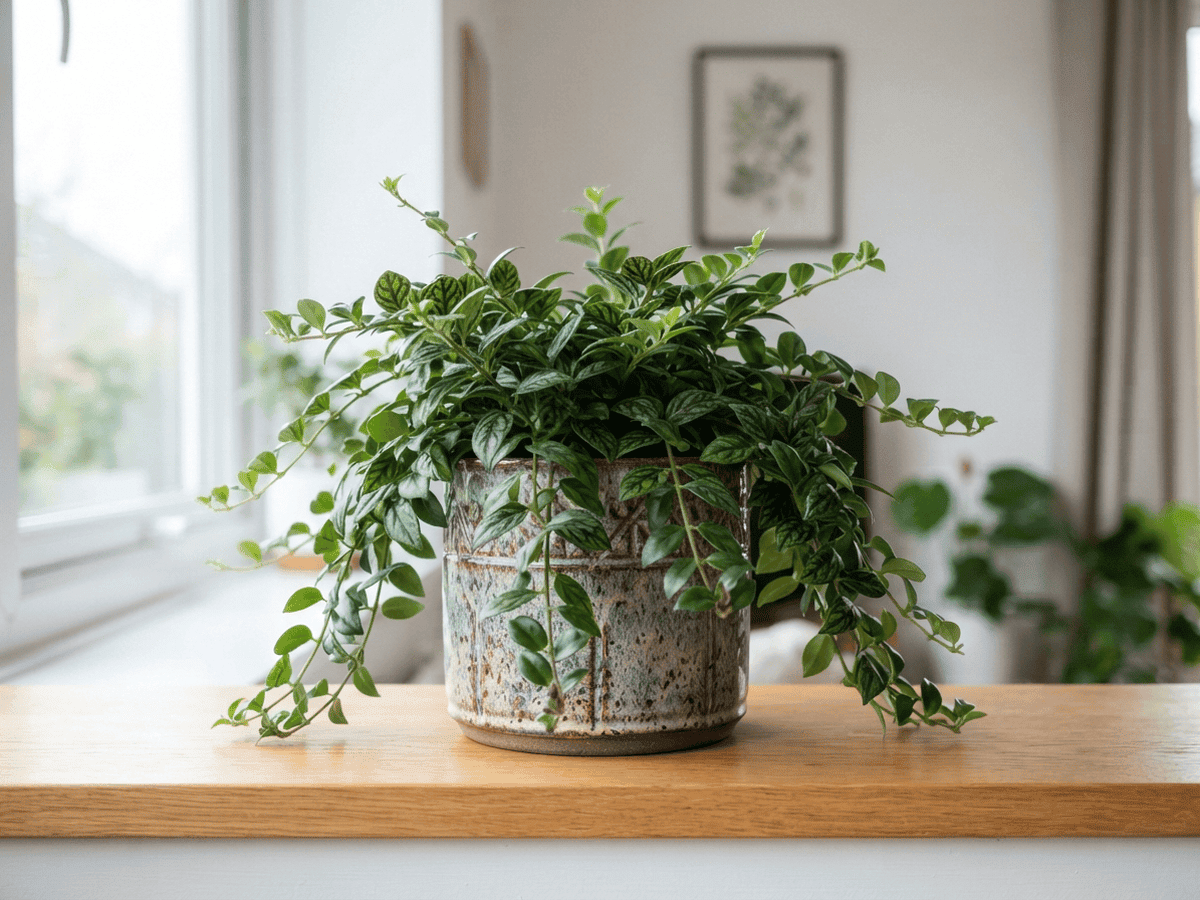 Lipstick PlantAeschynanthus longicaulis
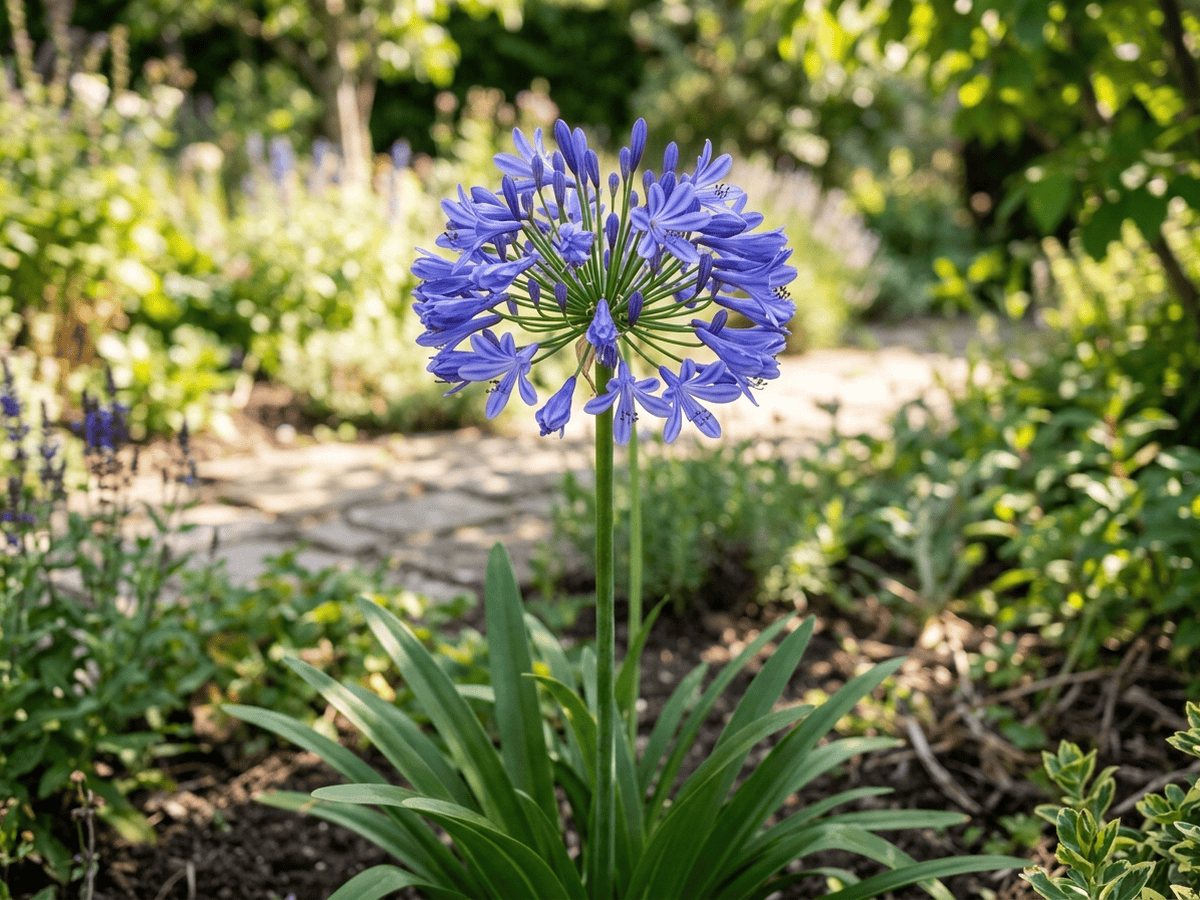 Common AgapanthusAgapanthus praecox
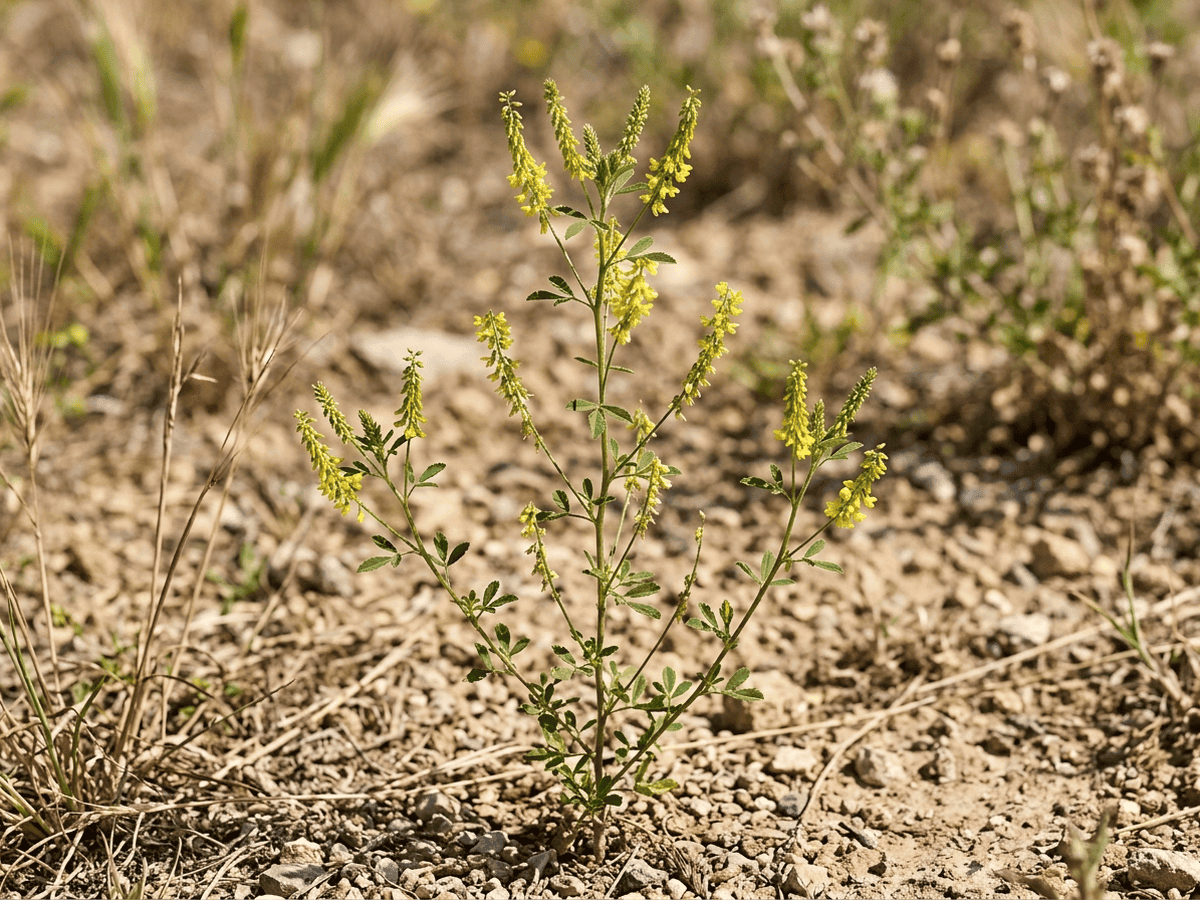 Small MelilotMelilotus indicus
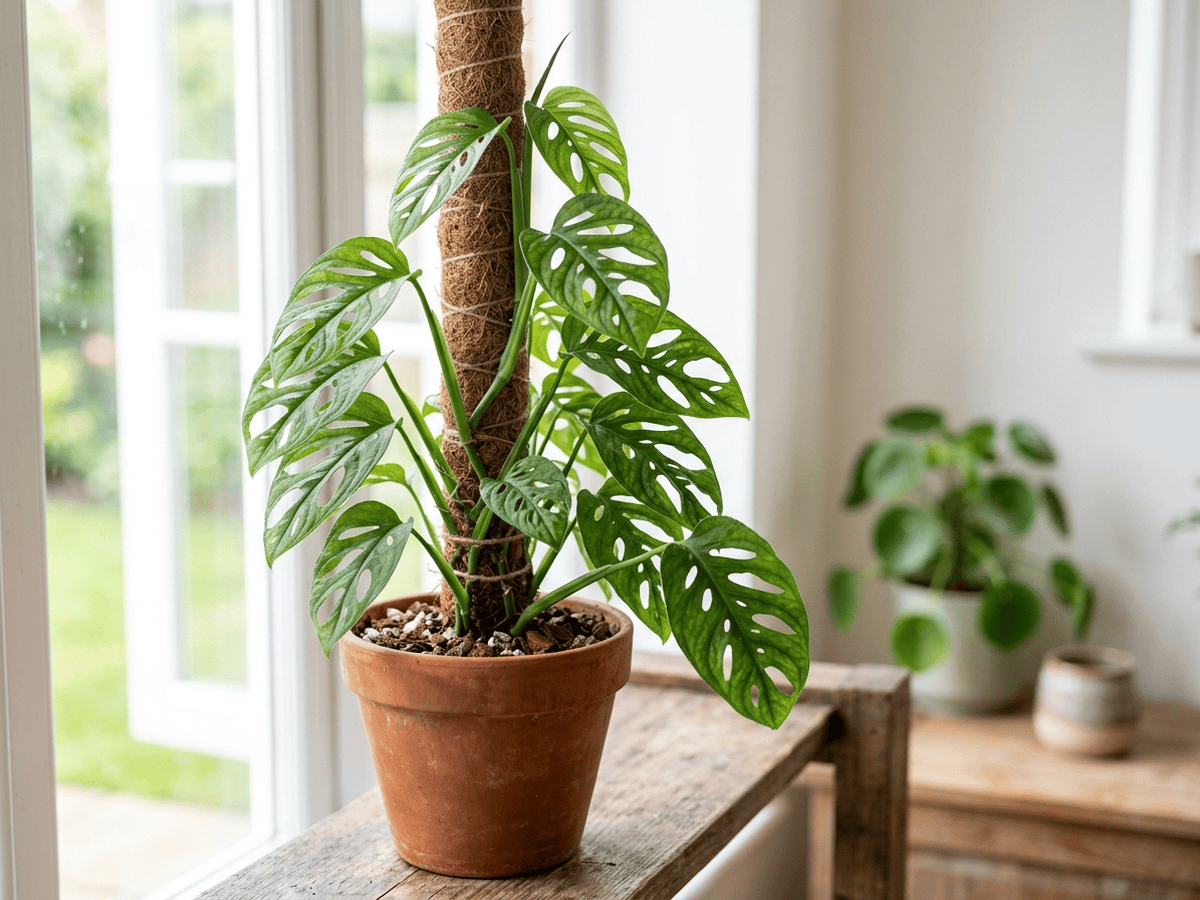 Swiss Cheese VineMonstera adansonii adansonii
Frequently asked questions
How often should I water Silver Leaf Philodendron?
In summer, water about every 7 days; in winter, about every 21 days. Adjust for heat, pot size and drainage.
How much light does Silver Leaf Philodendron need?
Part sun: 4–6 hrs direct. Watch the leaves — scorching or stretching means the light needs adjusting.
Is Silver Leaf Philodendron toxic to cats or dogs?
Pets Moderate (Dogs Moderate · Cats Moderate) Educational information, not medical or veterinary advice. If exposure is suspected, contact a doctor or veterinarian.
Is Silver Leaf Philodendron easy to grow?
It is considered challenging and rewards experienced growers.
Can Silver Leaf Philodendron be grown indoors?
Yes, it adapts well to indoor growing given the right light.
YardMate
Identify any plant in seconds
Snap a photo — YardMate names the plant, diagnoses problems, and reminds you when to water.
Download on the App Store