 YardMate



Tree Philodendron
Philodendron bipinnatifidum
Easy · Beginner friendlyAbout Tree Philodendron
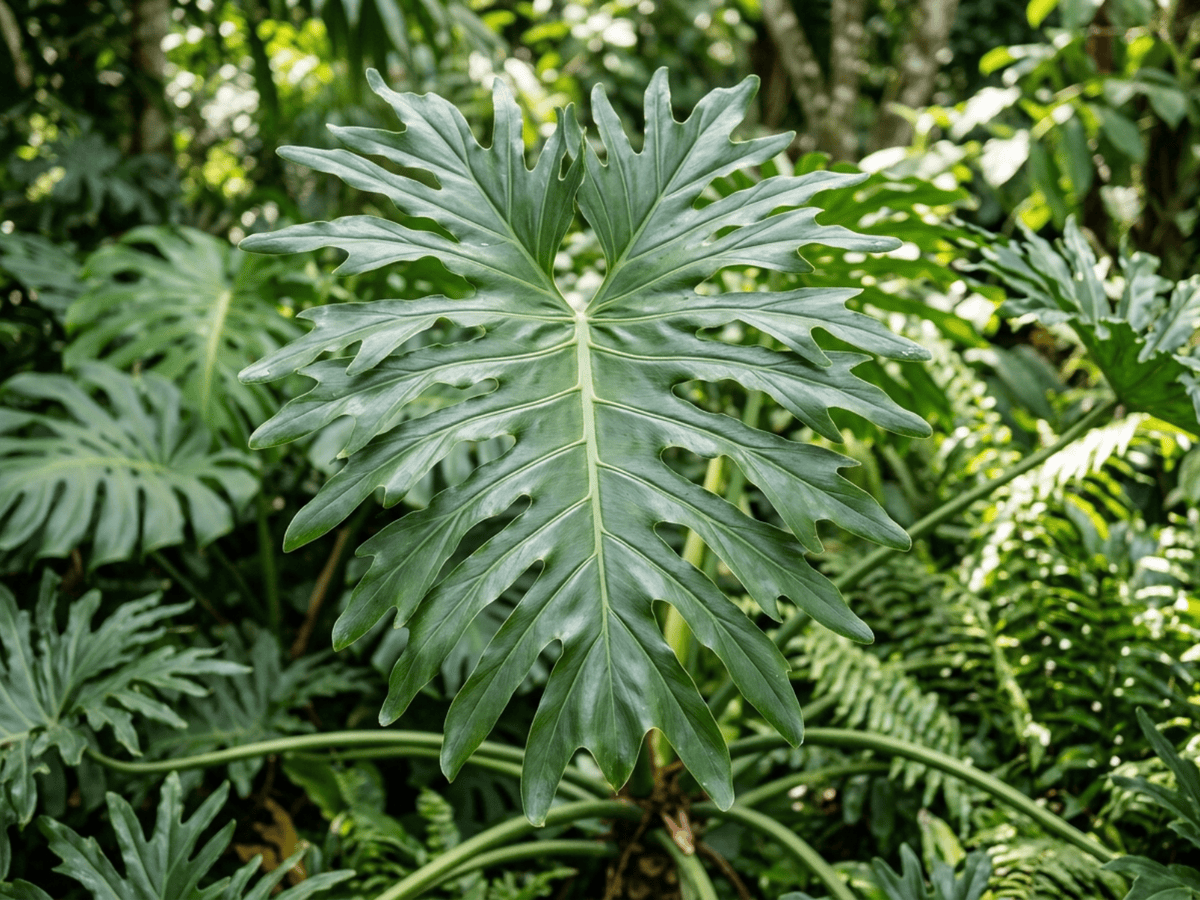
Tree Philodendron, also known as Lacy Tree Philodendron or by its reclassified name Thaumatophyllum bipinnatifidum, is a magnificent self-heading aroid native to the tropical forests of Brazil, Bolivia, Argentina, and Paraguay. Unlike climbing philodendrons, it forms a thick, trunk-like stem topped with a rosette of enormous, deeply lobed leaves that can span 3 feet across. Each leaf is intricately divided into multiple finger-like segments, creating a dramatic lacy effect. The plant reaches 6 to 15 feet tall and wide in tropical conditions. It produces large, fragrant inflorescences that heat up to over 100°F to attract scarab beetle pollinators — a remarkable case of thermogenesis in plants. Indoors, it makes a bold statement plant, tolerating lower light than many tropicals though preferring bright indirect light. It is drought-tolerant once established and remarkably adaptable. In frost-free regions, it is widely used as a landscape plant, creating a lush tropical understory effect.
- Air-purifying
- Tropical
How to care for Tree Philodendron
Watering
- Springevery 5 days
- Summerevery 3 days
- Fallevery 10 days
- Winterevery 14 days
Soil · Chunky & airy
- Top dressingBark chips10%
- Main mixBark + potting soil + perlite 1:1:170%
- DrainageLECA20%
Chunky pieces hold air pockets open so thick roots don't suffocate.
FERTILIZER
Balanced Feed 14-14-14
An even feed covers all three needs at once, keeping leaves, roots and blooms moving together with nothing pushed out of balance.
- Nitrogen · Leaves
- Phosphorus · Roots + Blooms
- Potassium · Strength
- Springevery 30 days
- Summerevery 30 days
- Fallevery 30 days
- Winterevery 60 days
At a Glance
- NativeSouth America
- Height4–8 ft (1.2–2.4 m)
- Spread4–8 ft (1.2–2.4 m)
- Flower colorWhite, Cream
- Foliage colorGreen
- SoilMoisture-retentive, Rich, Loamy
- LocationsIndoor · Yard
Bloom time
BLOOM CYCLE
Peak bloom
Jun–Aug
Large fragrant spadix that self-heats to attract beetle pollinators; rare indoors
Fragrance
MODERATE FRAGRANCE
Flowers emit a fermented-fruity scent during thermogenic bloom.
Toxicity
Humans Moderate · Pets Moderate
insoluble calcium oxalate raphides
Moderate
- All
- Sap
- Ingestion
- Contact
EXPOSURE Eating any part of the plant and sap. Touching any part of the plant and sap.
EFFECT Oxalate oral irritation and sap can cause contact dermatitis in sensitive individuals.
NOTE Documented concern for humans: Oxalate oral irritation and sap can cause contact dermatitis in sensitive individuals.
Moderate
- Leaf
- Stem
- Ingestion
EXPOSURE Eating leaves and stems.
EFFECT Oral pain, drooling, vomiting, difficulty swallowing.
NOTE ASPCA lists philodendron (all Philodendron species) as toxic to dogs, cats, and horses.
Moderate
- Leaf
- Stem
- Ingestion
EXPOSURE Eating leaves and stems.
EFFECT Same as dogs — calcium oxalate toxicity.
NOTE ASPCA lists philodendron (all Philodendron species) as toxic to dogs, cats, and horses.
Educational information, not medical or veterinary advice. If exposure is suspected, contact a doctor or veterinarian.
DISTRIBUTION


- Native
- Introduced
- South America
History

Philodendron bipinnatifidum — recently reclassified by many authorities as Thaumatophyllum bipinnatifidum, though the old name remains dominant in horticulture — is native to central and southern Brazil (the Cerrado and Atlantic Forest regions), Paraguay, northern Argentina, and Bolivia. It is a hemi-epiphytic tropical aroid that grows as a large rosette of deeply pinnately-lobed leaves — leaves reach 90 cm long on mature specimens — atop a thick aerial pseudo-trunk that develops with age; old specimens can form a true 2-3 meter tall self-supporting trunk covered with prominent leaf scars. Introduced to Western horticulture via 19th-century Brazilian plant collections, it became one of the defining tropical foliage plants of 20th-century interior design — particularly Mid-Century Modern (1950s-1970s) hotel lobbies, corporate atria, and upscale residences, where the dramatic tropical silhouette suited the International Style aesthetic. It is also among the tropical aroids known to exhibit thermogenesis: the spadix of its flowers can heat 10-15°C above ambient temperature, possibly to volatilize scent compounds for pollinator attraction.
Like all philodendrons it is toxic to pets due to calcium oxalate, though the species' arborescent growth habit makes it less commonly reached by dogs and cats than trailing philodendrons. Philodendron bipinnatifidum was first described in 1832 and has been a mainstay of tropical horticulture ever since. It was recently reclassified into the genus Thaumatophyllum (meaning 'wonder leaf'), though the old name remains widely used.
In its native Brazil, the plant grows as an understory species in the Atlantic Forest, one of the world's most biodiverse ecosystems. Its thermogenic flowers, which generate their own heat, were studied extensively by botanists as a remarkable example of plant physiology.
Symbolism & meaning
What It Symbolizes
Tree Philodendron wears majesty as a crown of deeply lobed leaves, each one a sculpted green sail held aloft on stout stems. Its Abundance is unmistakable, a single mature plant filling a room with the lush vigor of the South American forests it descends from. To live with one is to keep a small piece of canopy indoors.
- Majesty — the grand crown of deeply lobed leaves conveys regal presence
- Abundance — lush tropical foliage symbolizes nature's generous vitality
Where the Name Comes From
'Philodendron' comes from Greek 'phileo' (to love) and 'dendron' (tree), meaning tree-loving. 'Bipinnatifidum' means twice-pinnately-cut, describing the deeply divided leaf lobes.
Uses & Fun Facts
- Massive deeply-cut leaves create tropical jungle look
- Architectural focal point for shaded courtyards
- Popular indoor plant for spacious bright rooms
Related plants
More Philodendron plants
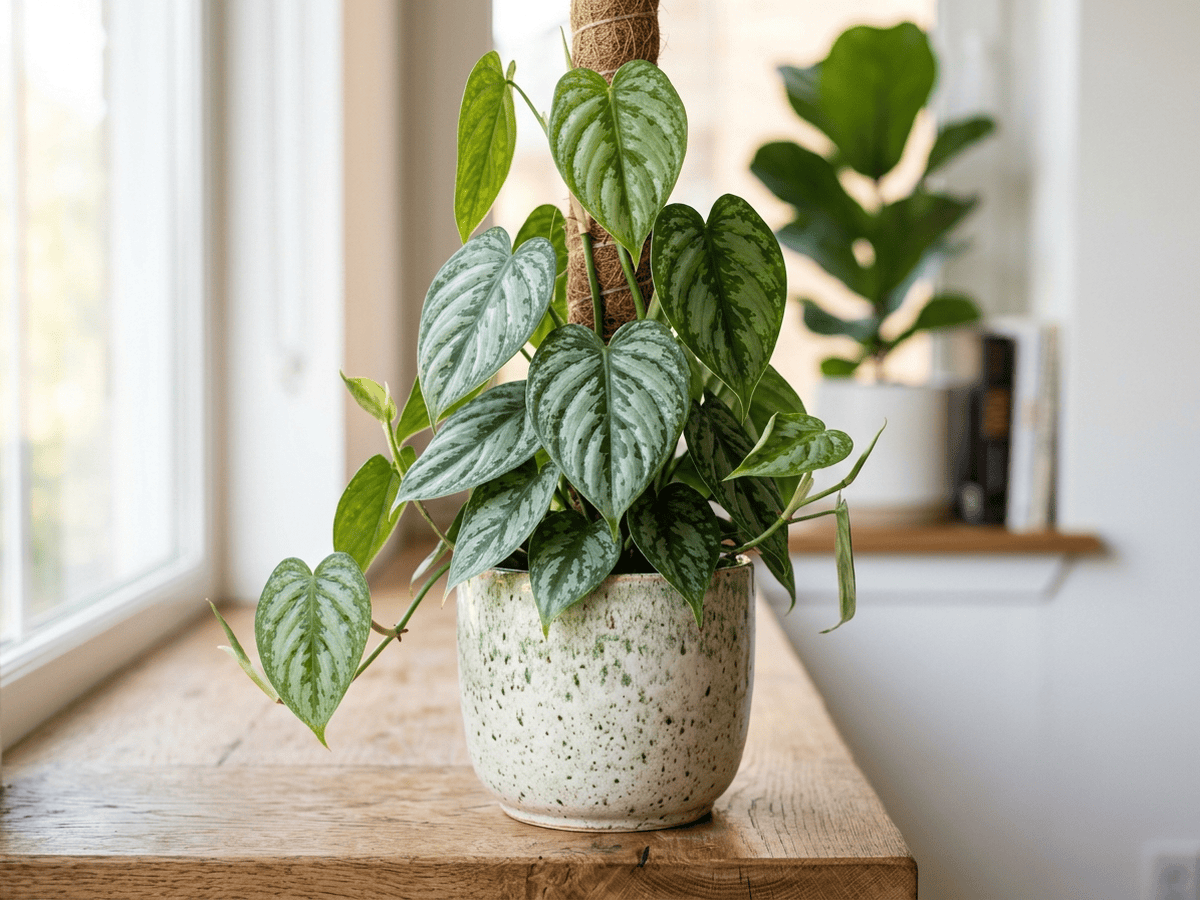 Silver Leaf PhilodendronPhilodendron brandtianum
 PhilodendronPhilodendron brasil
 Blushing PhilodendronPhilodendron erubescens
 Philodendron gloriosumPhilodendron gloriosum
Plants with similar care
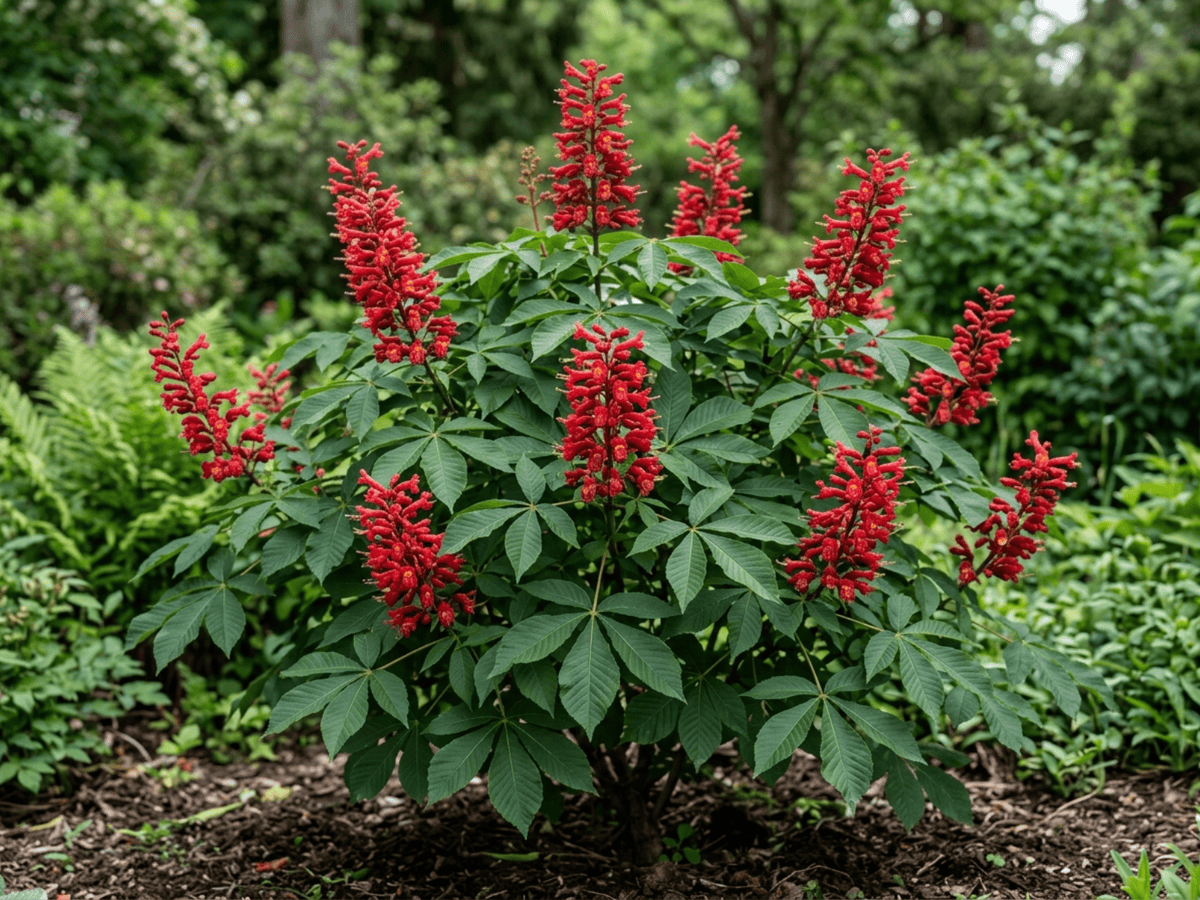 Red BuckeyeAesculus pavia
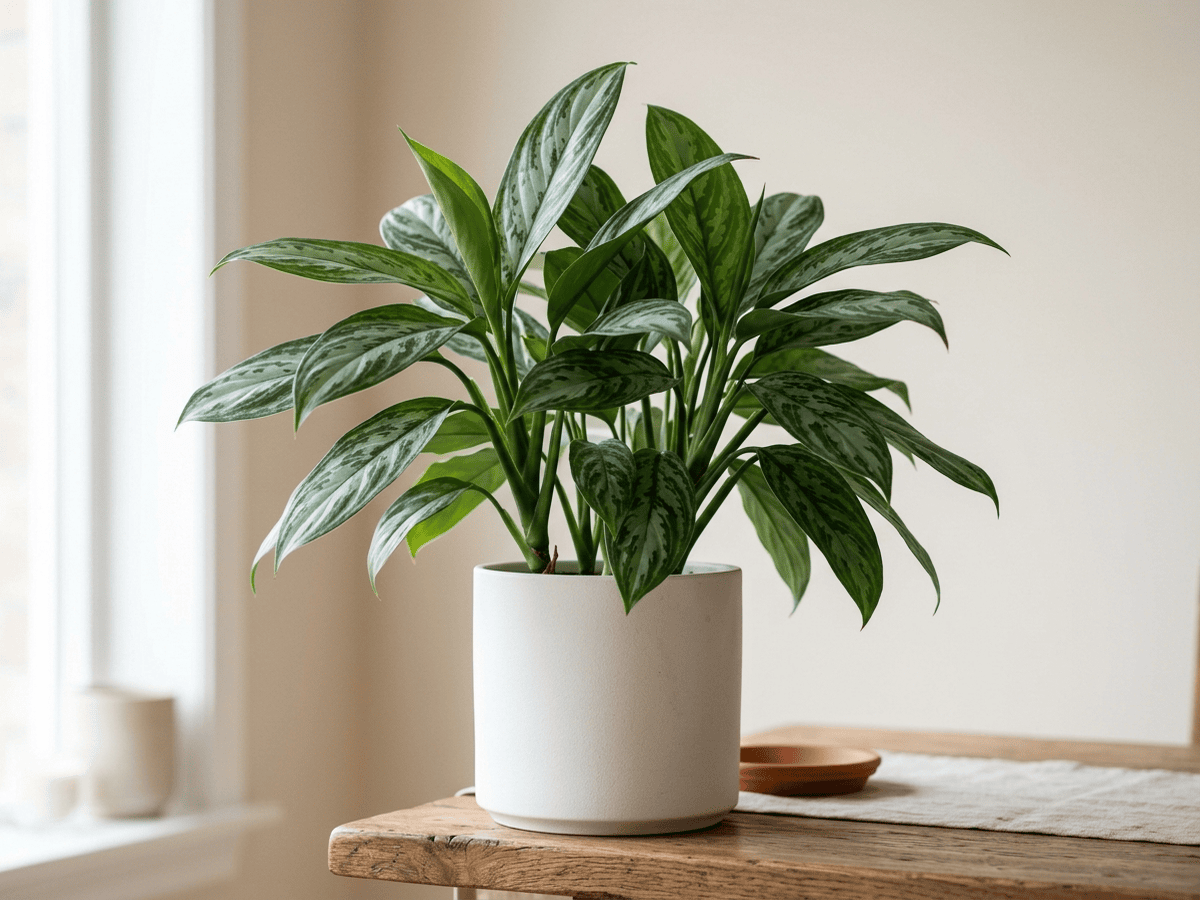 Philippine EvergreenAglaonema commutatum
 Blue BugleAjuga genevensis
 Pyramidal BugleAjuga pyramidalis
Frequently asked questions
How often should I water Tree Philodendron?
In summer, water about every 3 days; in winter, about every 14 days. Adjust for heat, pot size and drainage.
How much light does Tree Philodendron need?
Part shade: 2–4 hrs direct. Watch the leaves — scorching or stretching means the light needs adjusting.
Is Tree Philodendron toxic to cats or dogs?
Pets Moderate (Dogs Moderate · Cats Moderate) Educational information, not medical or veterinary advice. If exposure is suspected, contact a doctor or veterinarian.
Is Tree Philodendron easy to grow?
Yes — it is considered an easy, beginner-friendly plant.
Can Tree Philodendron be grown indoors?
Yes, it adapts well to indoor growing given the right light.
When does Tree Philodendron bloom?
It typically blooms Jun–Aug in the Northern Hemisphere.
YardMate
Identify any plant in seconds
Snap a photo — YardMate names the plant, diagnoses problems, and reminds you when to water.
Download on the App Store