 YardMate


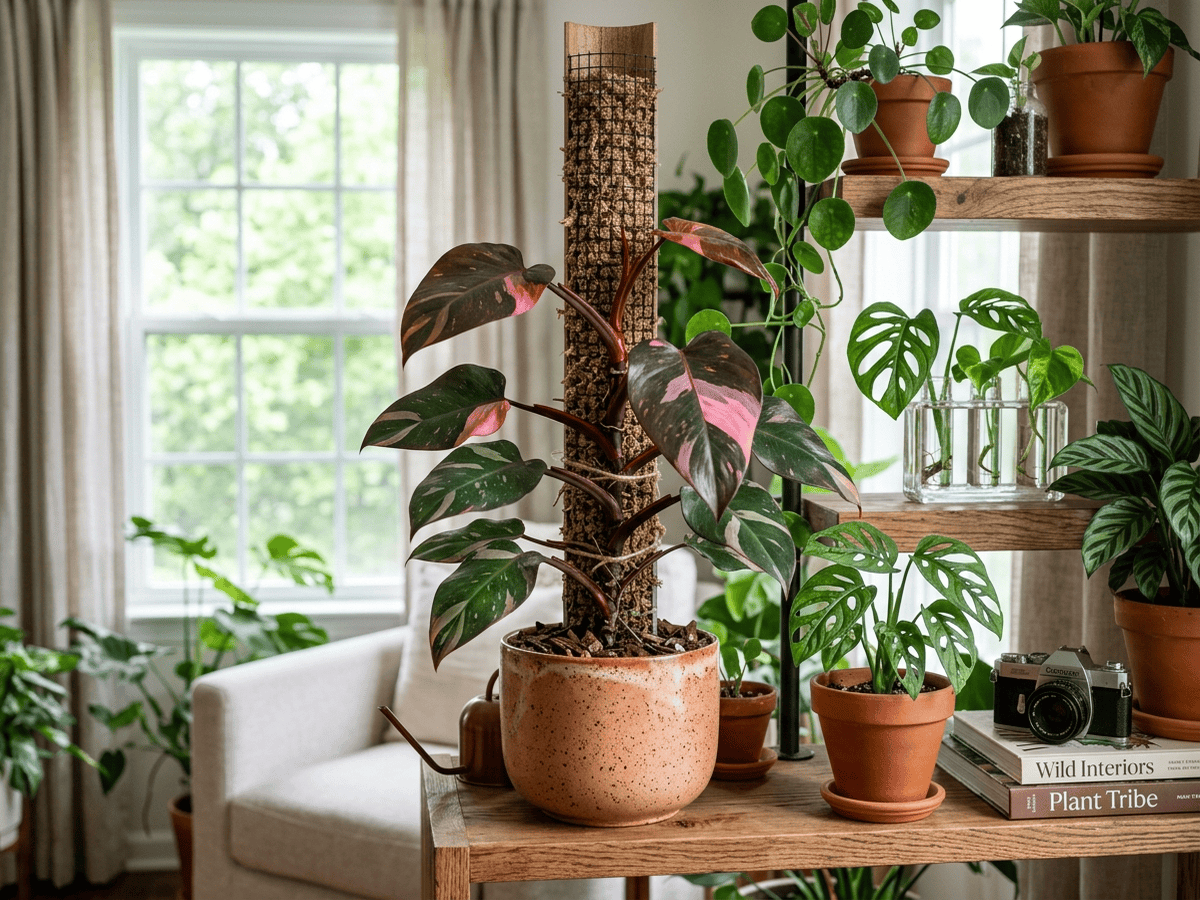
Blushing Philodendron
Philodendron erubescens
Easy · Beginner friendlyAbout Blushing Philodendron
Blushing Philodendron is a vigorous tropical climbing aroid from Colombia with large arrow-shaped glossy dark-green leaves and reddish stems and petioles. Reaching 6-10 feet on a moss pole, it is the parent of countless popular cultivars including 'Pink Princess', 'Burgundy', and 'Imperial Red'. The 'Pink Princess' cultivar—with splashes of pink variegation—has become one of the most coveted and expensive houseplants of the modern era.
- Climbing
- Container-friendly
- Evergreen
How to care for Blushing Philodendron
Watering
- Springevery 7 days
- Summerevery 7 days
- Fallevery 10 days
- Winterevery 14 days
Soil · Chunky & airy
- Top dressingBark chips10%
- Main mixBark + potting soil + perlite 1:1:170%
- DrainageLECA20%
Chunky pieces hold air pockets open so thick roots don't suffocate.
FERTILIZER
Balanced Feed 14-14-14
An even feed covers all three needs at once, keeping leaves, roots and blooms moving together with nothing pushed out of balance.
- Nitrogen · Leaves
- Phosphorus · Roots + Blooms
- Potassium · Strength
- Springevery 30 days
- Summerevery 30 days
- Fallevery 60 days
At a Glance
- NativeSouth America
- Height3–6 ft (0.9–1.8 m)
- Spread1–3 ft (0.3–0.9 m)
- Flower colorRed, Cream
- Foliage colorDark-green, Red, Variegated
- SoilLoamy, Well-drained, Rich
- LocationsIndoor
Bloom time
BLOOM CYCLE
Reddish spathe with cream spadix (rare indoors)
Toxicity
Humans Moderate · Pets Moderate
calcium oxalate raphides
Moderate
- Leaf
- Stem
- Sap
- Ingestion
EXPOSURE Eating leaves, stems, and sap.
EFFECT Oral irritation and drooling.
NOTE Documented concern for humans: Oral irritation and drooling.
Moderate
- Leaf
- Stem
- Ingestion
EXPOSURE Eating leaves and stems.
EFFECT Oral irritation, drooling, and vomiting.
NOTE ASPCA lists Philodendron as toxic.
Moderate
- Leaf
- Stem
- Ingestion
EXPOSURE Eating leaves and stems.
EFFECT Oral irritation, drooling, and vomiting.
NOTE ASPCA lists Philodendron as toxic.
Educational information, not medical or veterinary advice. If exposure is suspected, contact a doctor or veterinarian.
DISTRIBUTION


- Native
- South America
History
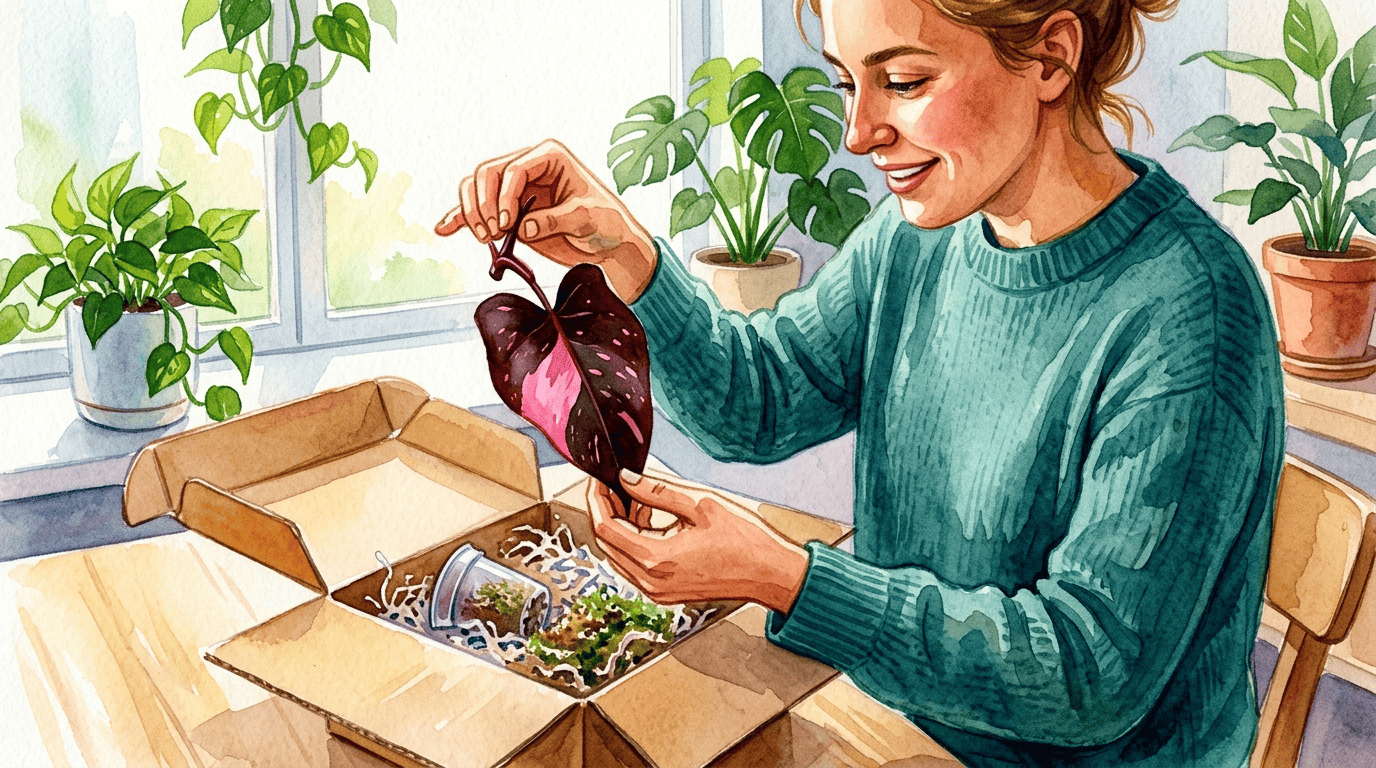
Philodendron erubescens, commonly called blushing philodendron or red-leaf philodendron, is a large climbing aroid in the family Araceae native to rainforests of Colombia. German botanists Karl Koch and Johann Augustin formally described the species in 1854, with the epithet erubescens meaning blushing, in reference to the reddish-bronze color of emerging new leaves, stems, petioles, and leaf undersides. The plant is a vigorous vine with climbing stems that can reach 3-6 meters long, attaching by aerial roots to tree trunks in habitat.
Leaves are large (25-40 cm), glossy, arrow-shaped, deep green above and burgundy-red beneath, emerging coppery-red. The species is the principal parent of some of the most commercially important philodendron cultivars of recent decades, including the pink-variegated 'Pink Princess', chartreuse 'Burle Marx Fantasy' and 'Moonlight', and deep wine 'Red Emerald' and 'Imperial Red'.
The 'Pink Princess' cultivar in particular experienced a viral social-media-driven price surge in 2019-2021. Toxic due to calcium oxalate raphides. Long cultivated as a tropical foliage plant, it became iconic during the 2018-2022 American houseplant boom when 'Pink Princess' Philodendron sales drove prices to hundreds of dollars per cutting at peak demand.
Symbolism & meaning
What It Symbolizes
The Blushing Philodendron can symbolize passion, its red-tinged stems and bold tropical leaves giving the plant an unmistakable warmth in the indoor jungle. Another layer is allure, for the Pink Princess cultivar drove a worldwide collector mania, with single variegated cuttings selling for hundreds of dollars at the height of the craze. In the language of houseplants, philodendron erubescens is the heart on display, a plant whose romance has been read by gardeners and markets alike.
- Passion — red-tinged stems and bold form
- Allure — Pink Princess cultivar drove collector mania
Where the Name Comes From
'Erubescens' from Latin meaning blushing, referring to the reddish stems and new growth.
Uses & Fun Facts
- Blushing philodendron suits large indoor floor pots
- Aerial roots cling to moss poles indoors
- Glossy red-stemmed tropical foliage for living rooms
Related plants
More Philodendron plants
 Tree PhilodendronPhilodendron bipinnatifidum
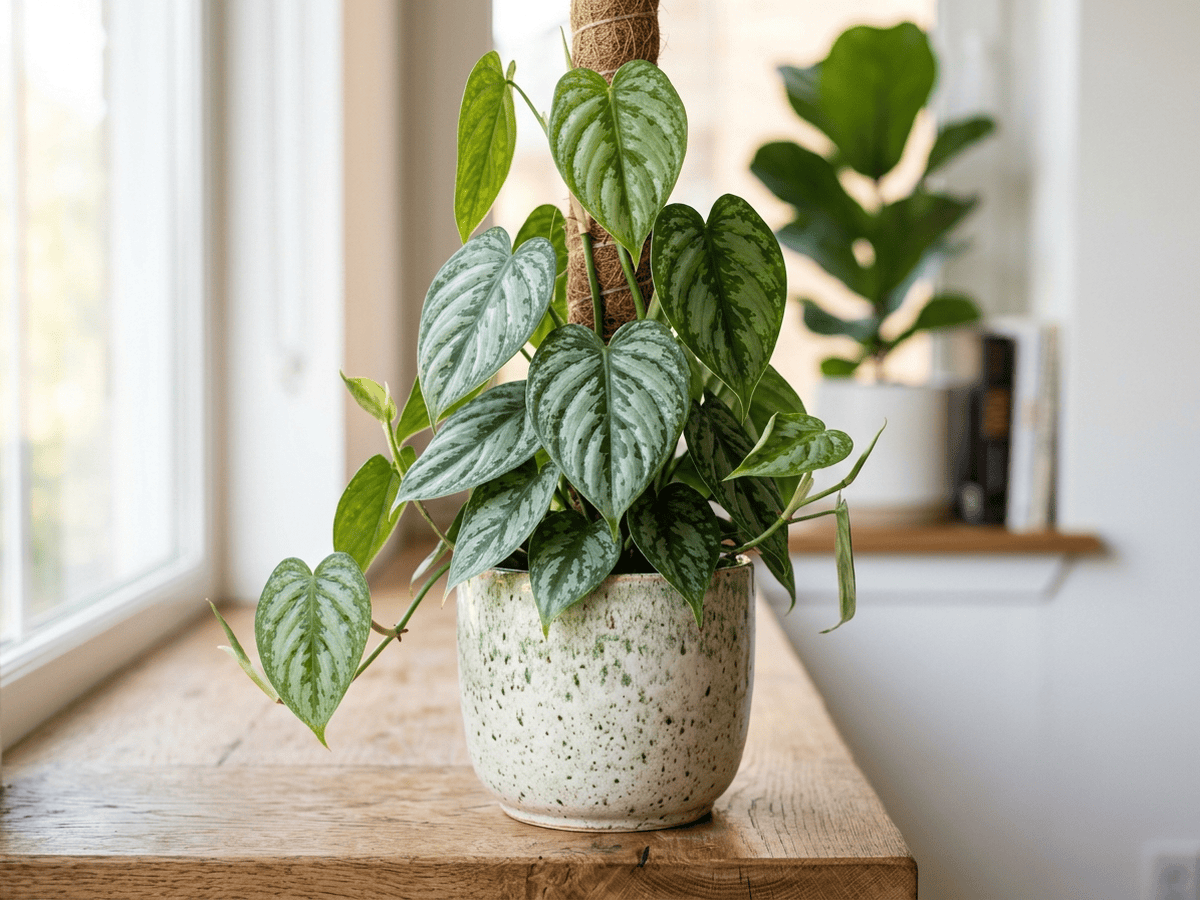 Silver Leaf PhilodendronPhilodendron brandtianum
 PhilodendronPhilodendron brasil
 Philodendron gloriosumPhilodendron gloriosum
Plants with similar care
 Giant TaroAlocasia macrorrhizos
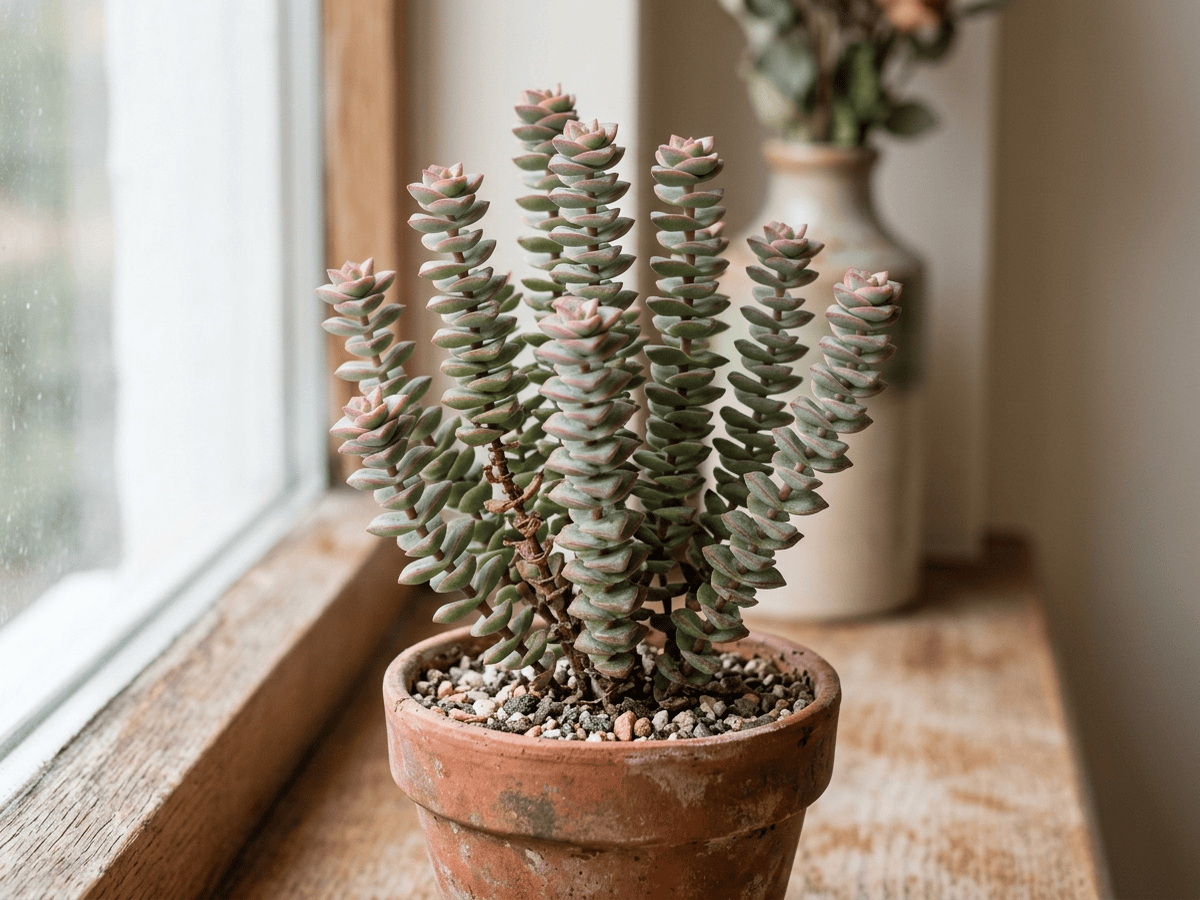 Concertina PlantCrassula perforata
 Song Of IndiaDracaena reflexa
 Snake PlantDracaena trifasciata
Frequently asked questions
How often should I water Blushing Philodendron?
In summer, water about every 7 days; in winter, about every 14 days. Adjust for heat, pot size and drainage.
How much light does Blushing Philodendron need?
Indirect: Filtered light. Watch the leaves — scorching or stretching means the light needs adjusting.
Is Blushing Philodendron toxic to cats or dogs?
Pets Moderate (Dogs Moderate · Cats Moderate) Educational information, not medical or veterinary advice. If exposure is suspected, contact a doctor or veterinarian.
Is Blushing Philodendron easy to grow?
Yes — it is considered an easy, beginner-friendly plant.
Can Blushing Philodendron be grown indoors?
Yes, it adapts well to indoor growing given the right light.
YardMate
Identify any plant in seconds
Snap a photo — YardMate names the plant, diagnoses problems, and reminds you when to water.
Download on the App Store