 YardMate
Jerusalem Sage
Phlomis fruticosa
Hard · Experienced growersAbout Jerusalem Sage
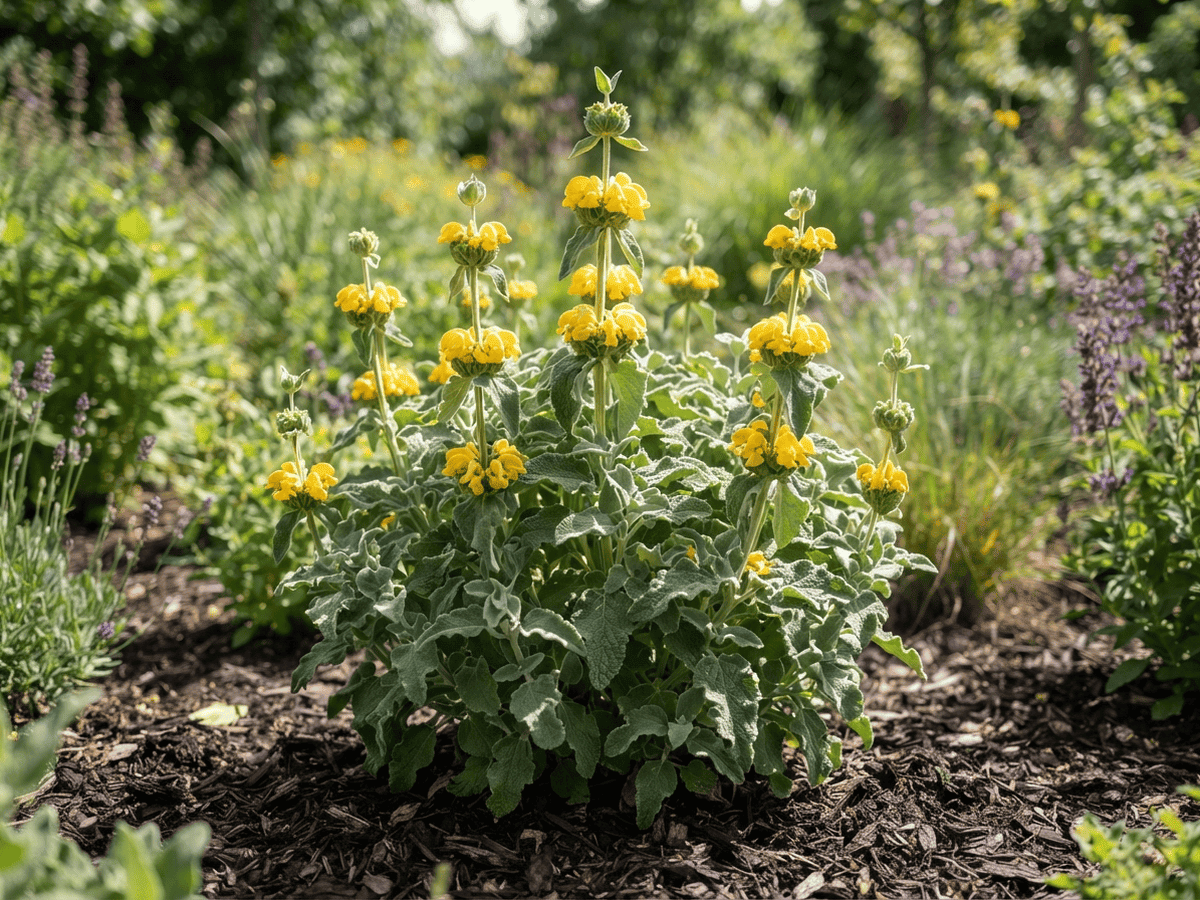
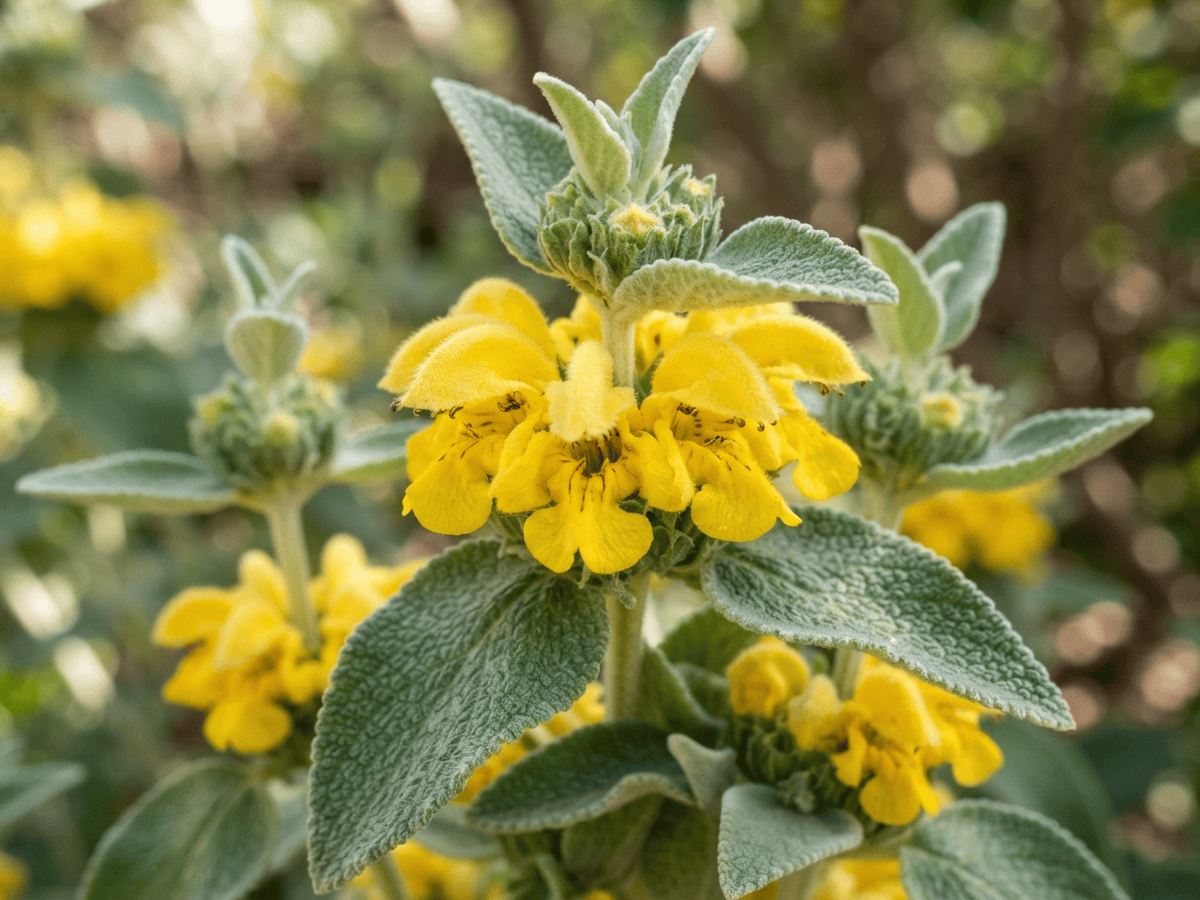
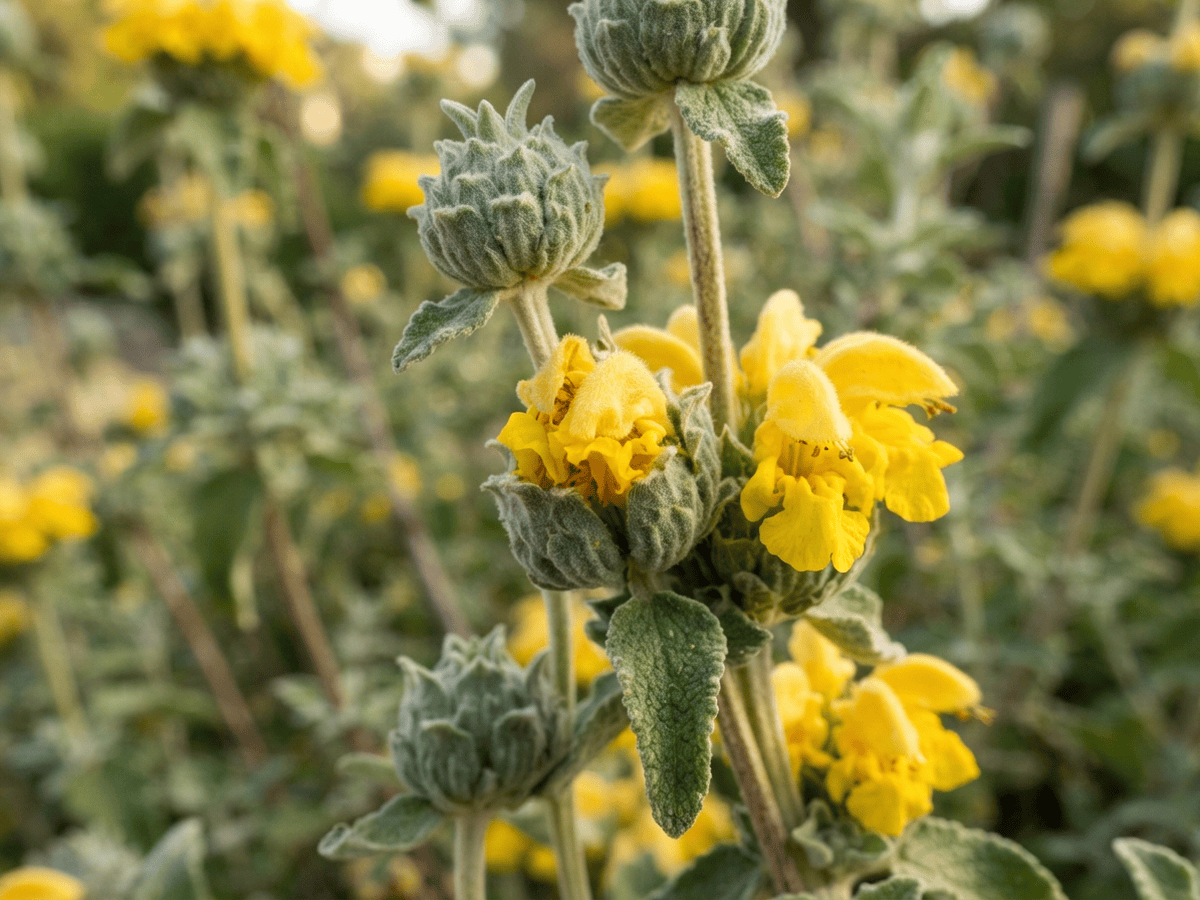
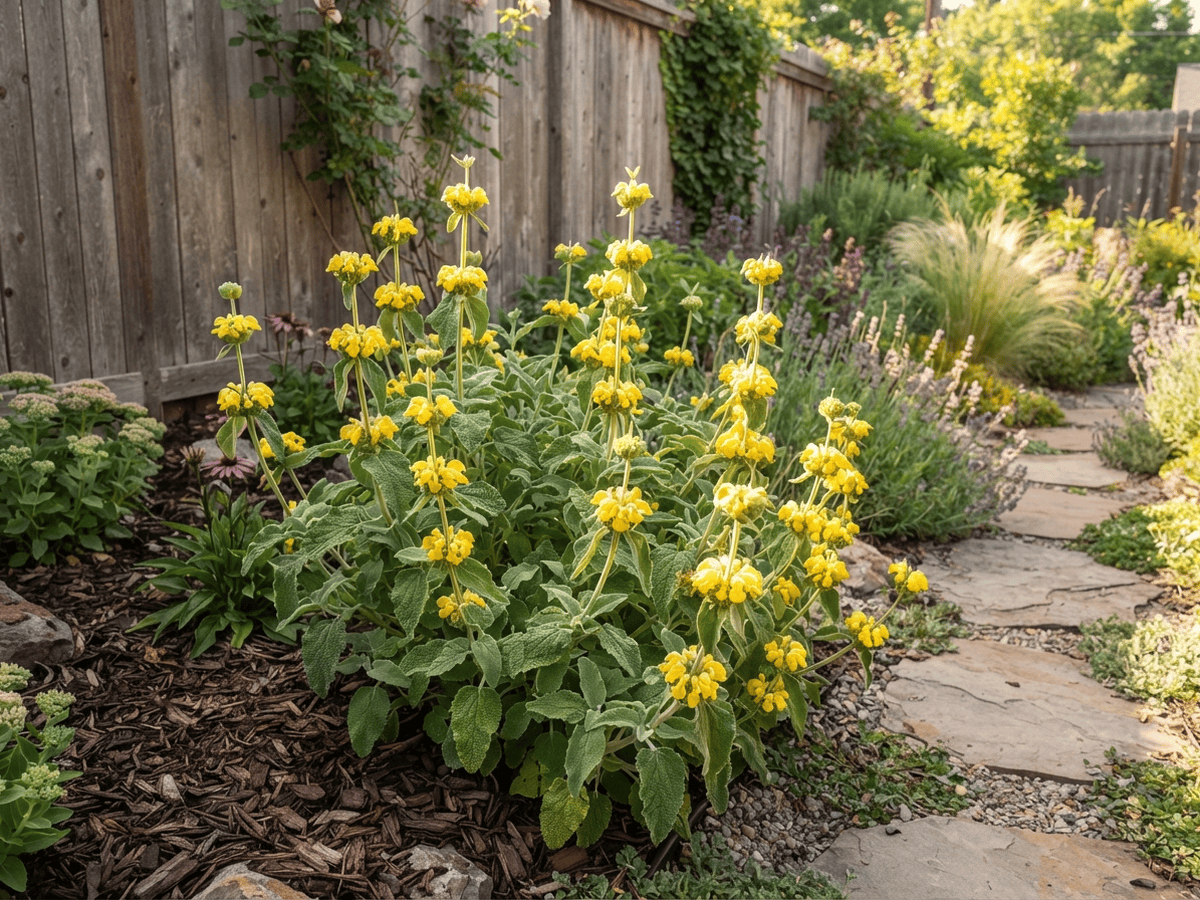
Jerusalem Sage is a rounded, drought-tolerant evergreen shrub from the Mediterranean garrigue, prized for its felted, sage-gray leaves and bold whorls of hooded yellow flowers stacked up the stems in late spring and summer. Reaching about 3 to 5 feet tall and equally wide, it forms a sturdy, structural mound suited to dry borders, gravel gardens, and coastal plantings. Full sun and lean, well-drained soil keep it compact and healthy, and established plants shrug off long dry spells with ease. Its woolly gray foliage holds through winter, while the flower whorls draw bumblebees by the dozen and dry into decorative seed heads valued for winter interest.
- Fragrant
- Drought-tolerant
- Evergreen
- Pollinator-friendly
- Showy-fruit
How to care for Jerusalem Sage
Watering
- Springevery 10 days
- Summerevery 7 days
- Fallevery 15 days
- Winterpause watering
Soil · Well-draining
- Top dressingPine bark mulch10%
- Main mixPotting soil + perlite 2:170%
- DrainageLECA / gravel20%
Never skip the drainage layer — standing water is the top cause of root rot.
FERTILIZER
- Springevery 30 days
- Summerevery 30 days
- Fallevery 30 days
At a Glance
- NativeMediterranean
- Height1–1.5 m
- Spread1–1.5 m
- Flower colorYellow
- Foliage colorGreen
- Fruit colorBrown
- SoilWell-drained, Sandy
- LocationsYard · Patio
Bloom time
BLOOM CYCLE
Peak bloom
May–Aug
This plant's flowers bloom from late spring to summer, attracting many bees.
Fragrance
MODERATE FRAGRANCE
The felted leaves give off a musky, herbal scent, sharper than common sage, when brushed or crushed.
Toxicity
No toxicity has been reported for this plant. Still, it is wise to keep pets from chewing on any houseplant.
Educational information, not medical or veterinary advice. If exposure is suspected, contact a doctor or veterinarian.
DISTRIBUTION


- Native
- Introduced
- Mediterranean
History
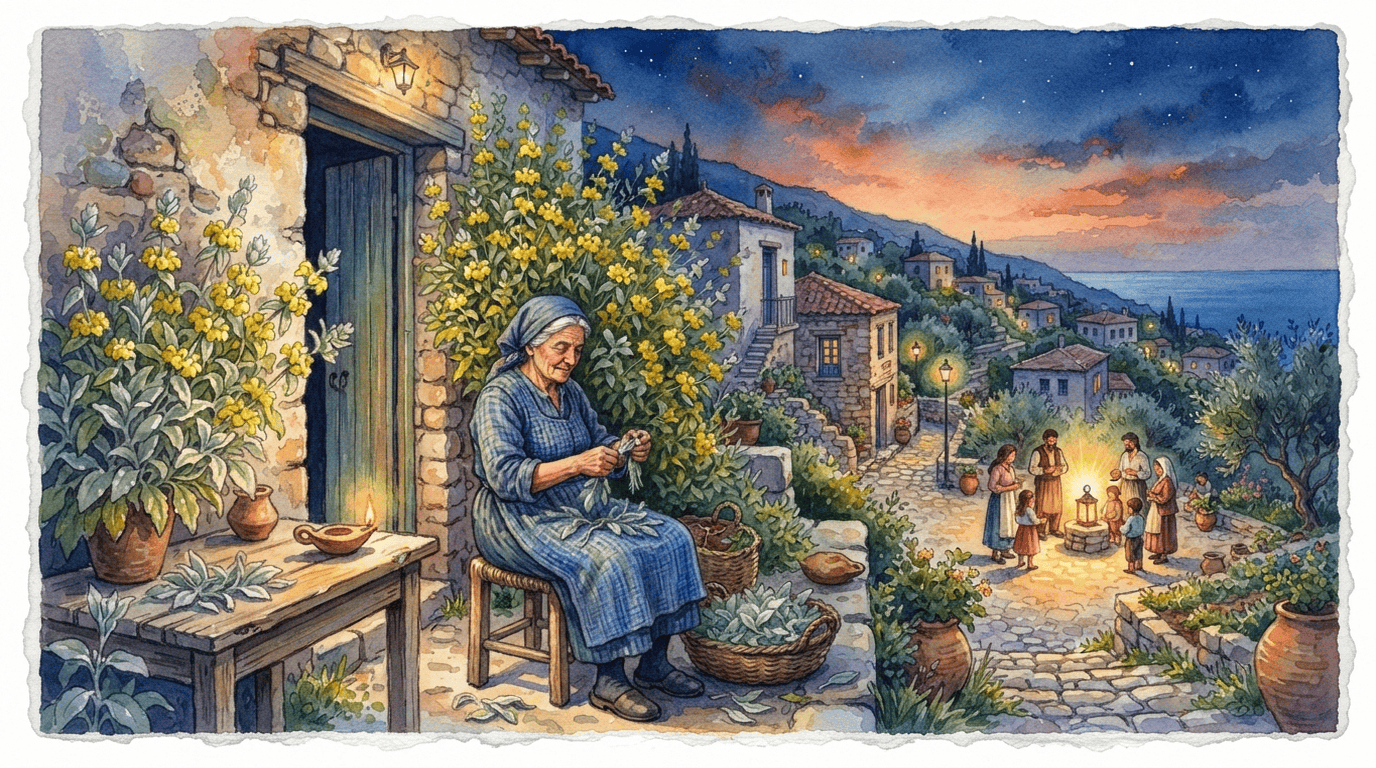
The genus name Phlomis descends from the ancient Greek phlomos, a name applied to woolly-leaved plants whose thick, felted foliage was gathered and twisted into wicks for oil lamps — a practical use recorded since antiquity, when the dense hairs on leaves like these made them ideal for slow, steady burning. Jerusalem Sage, native to the rocky hillsides and scrubby garrigue of Greece and the eastern Mediterranean, would have been a familiar sight to those same lamp-wick gatherers, its gray felted leaves and sturdy woody stems built to survive baking summers and thin, stony soil. Its English common name is less clear-cut: like several other Mediterranean herbs that reached northern European gardens through centuries of trade and pilgrimage routes passing through the Holy Land, it picked up the "Jerusalem" tag as a loose marker of exotic Mediterranean origin rather than a literal claim about where it grew. What is certain is how the plant earned its long garden life: from monastery courtyards to modern gravel gardens, its whorls of hooded yellow flowers, stacked in tiers up each flowering stem, have reliably drawn bumblebees through late spring and summer, while its dried seed heads are cut and kept for winter arrangements long after the color has faded. As Mediterranean and drought-tolerant planting styles have spread well beyond their native climate, Jerusalem Sage has followed, valued now as much for asking almost nothing of a garden as for the felted, silvery structure it holds through every season.
Symbolism & meaning
What It Symbolizes
Jerusalem Sage's toughness is written into its own biology: a shrub that thrives where the soil is thin and the summers are punishing has, over centuries of cultivation on Greek hillsides and in monastery courtyards, come to stand for resilience of the unshowy kind. It doesn't demand attention the way a rose does; it simply keeps going, its felted leaves holding their silver through drought and its yellow flower towers rebuilding every year without fuss. That steadiness, paired with its long history near doorways and gathering places, has given it a quieter symbolic register too — of shelter and modest welcome, the kind of plant that is simply always there.
- resilience — Thriving on baked, stony Mediterranean hillsides, Jerusalem Sage has come to represent quiet endurance through hardship.
- shelter — Long grown around courtyards and monastery gardens, it carries associations of steady, humble hospitality.
Where the Name Comes From
The genus name Phlomis comes from the ancient Greek phlomos, referring to woolly-leaved plants once gathered for oil-lamp wicks. The species name fruticosa is Latin for "shrubby," describing its woody, bushy habit. Its English name, Jerusalem Sage, likely reflects the old habit of tagging Mediterranean garden herbs as "Jerusalem" plants when they reached northern Europe via Holy Land trade routes, rather than any literal native range there.
Uses & Fun Facts
- Felted gray foliage and tiered yellow flower whorls give year-round structure to dry borders and gravel gardens.
- Stacked whorls of hooded flowers are a favorite of bumblebees through late spring and summer.
- Woolly leaves release a musky, herbal scent when brushed or crushed.
- Dried seed heads are cut and kept for winter arrangements and dried-flower displays.
Related plants
Plants with similar care
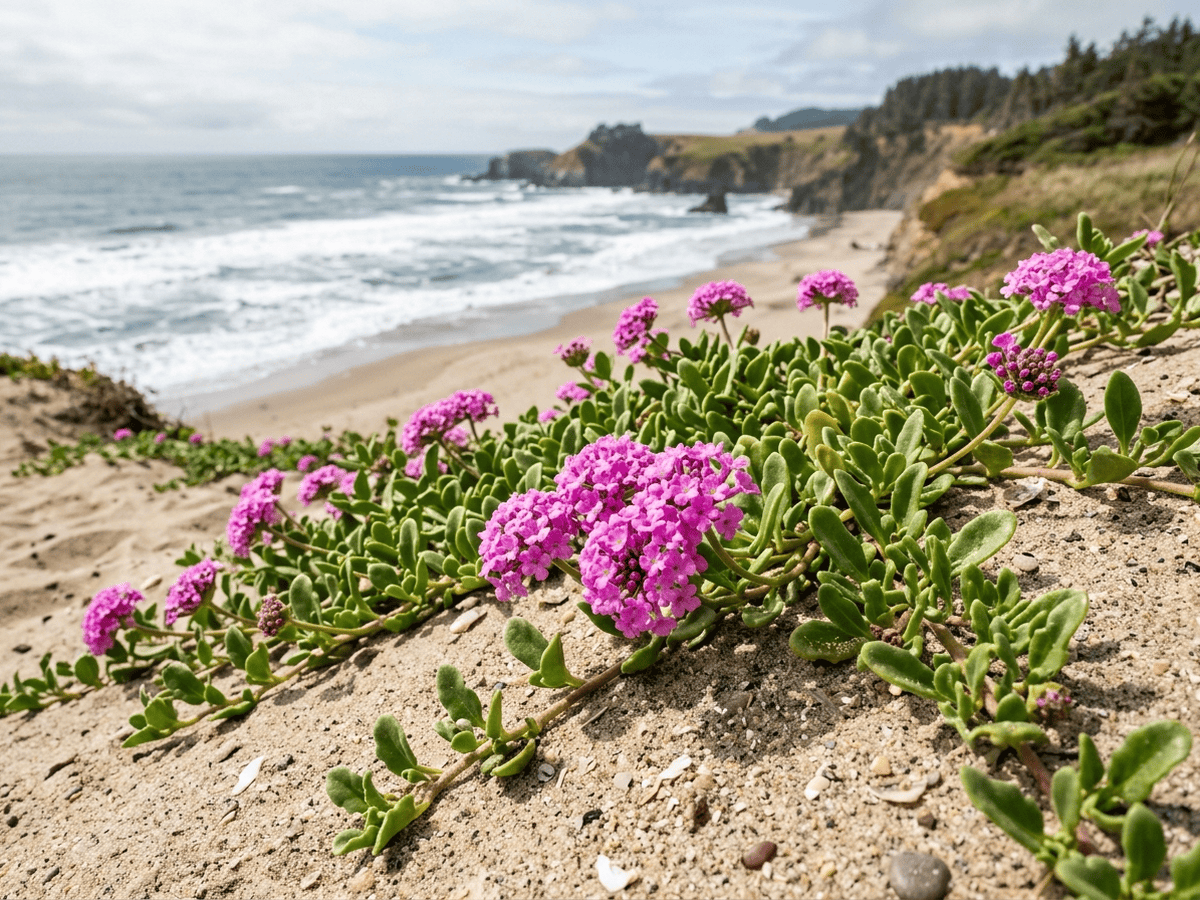 Pink Sand VerbenaAbronia umbellata
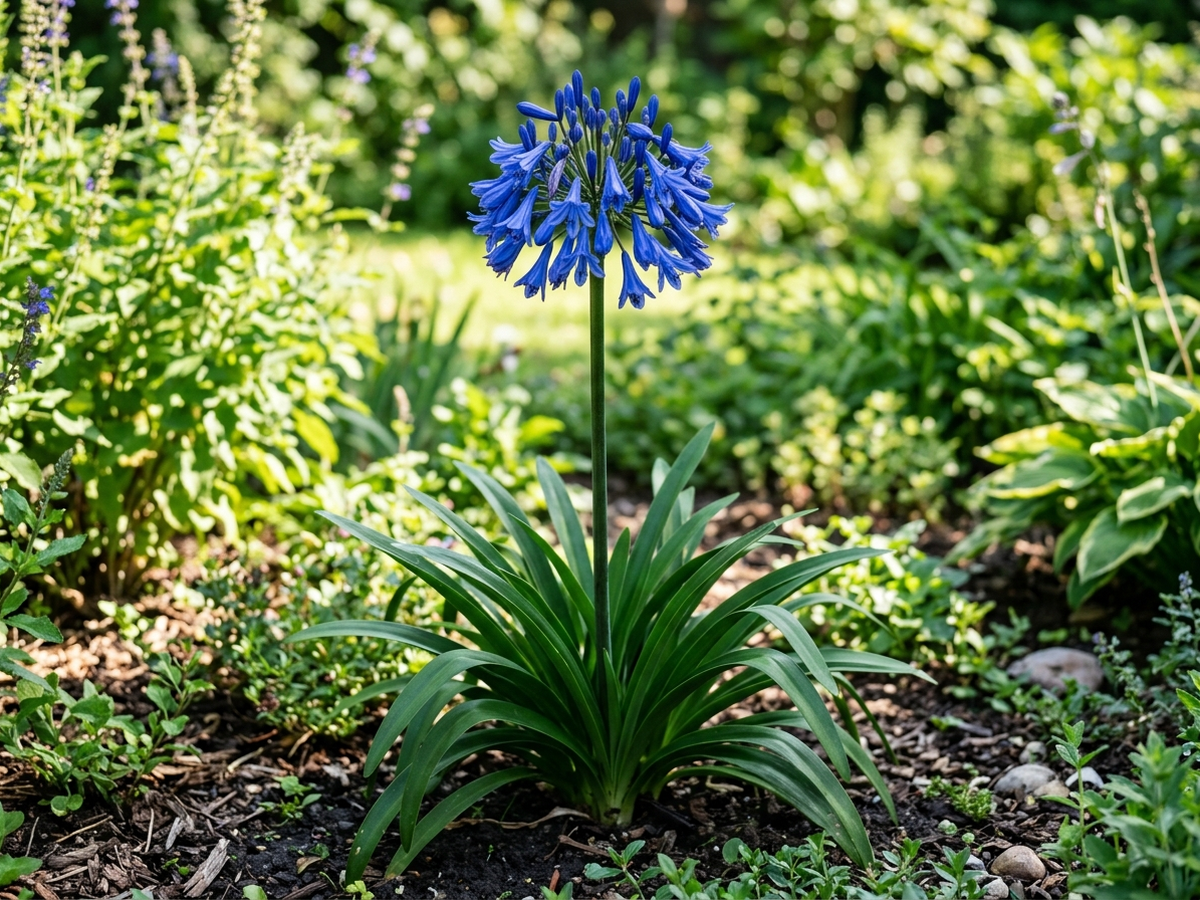 Drooping AgapanthusAgapanthus inapertus
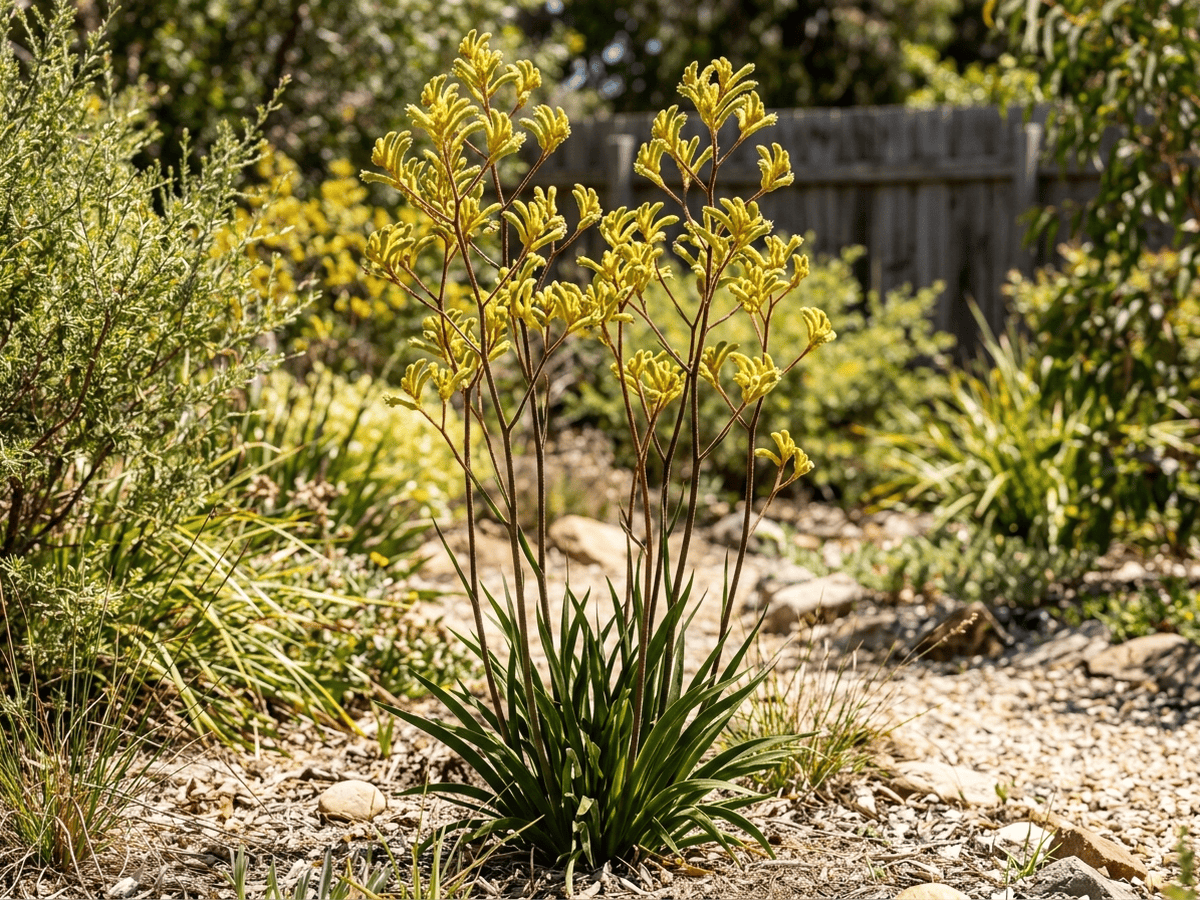 Tall Kangaroo PawAnigozanthos flavidus
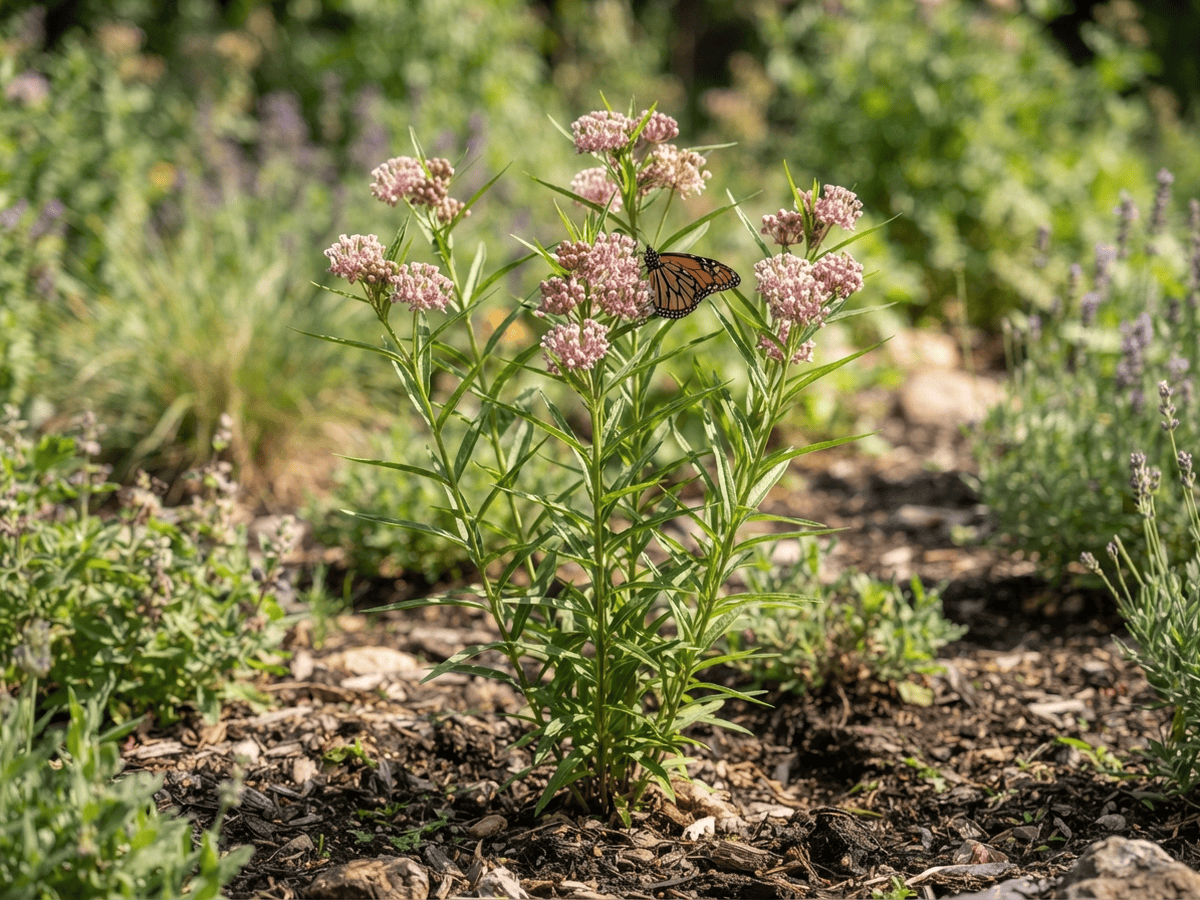 Narrowleaf MilkweedAsclepias fascicularis
Frequently asked questions
How often should I water Jerusalem Sage?
Water about every 10 days during the growing season, and always let excess water drain away.
How much light does Jerusalem Sage need?
Full sun: 6+ hrs direct. Watch the leaves — scorching or stretching means the light needs adjusting.
Is Jerusalem Sage toxic to cats or dogs?
No toxicity has been reported for this plant. Still, it is wise to keep pets from chewing on any houseplant. Educational information, not medical or veterinary advice. If exposure is suspected, contact a doctor or veterinarian.
Is Jerusalem Sage easy to grow?
It is considered challenging and rewards experienced growers.
When does Jerusalem Sage bloom?
It typically blooms May–Aug in the Northern Hemisphere.
YardMate
Identify any plant in seconds
Snap a photo — YardMate names the plant, diagnoses problems, and reminds you when to water.
Download on the App Store