 YardMate
Canary Island Date Palm
Phoenix canariensis
Hard · Experienced growersAbout Canary Island Date Palm
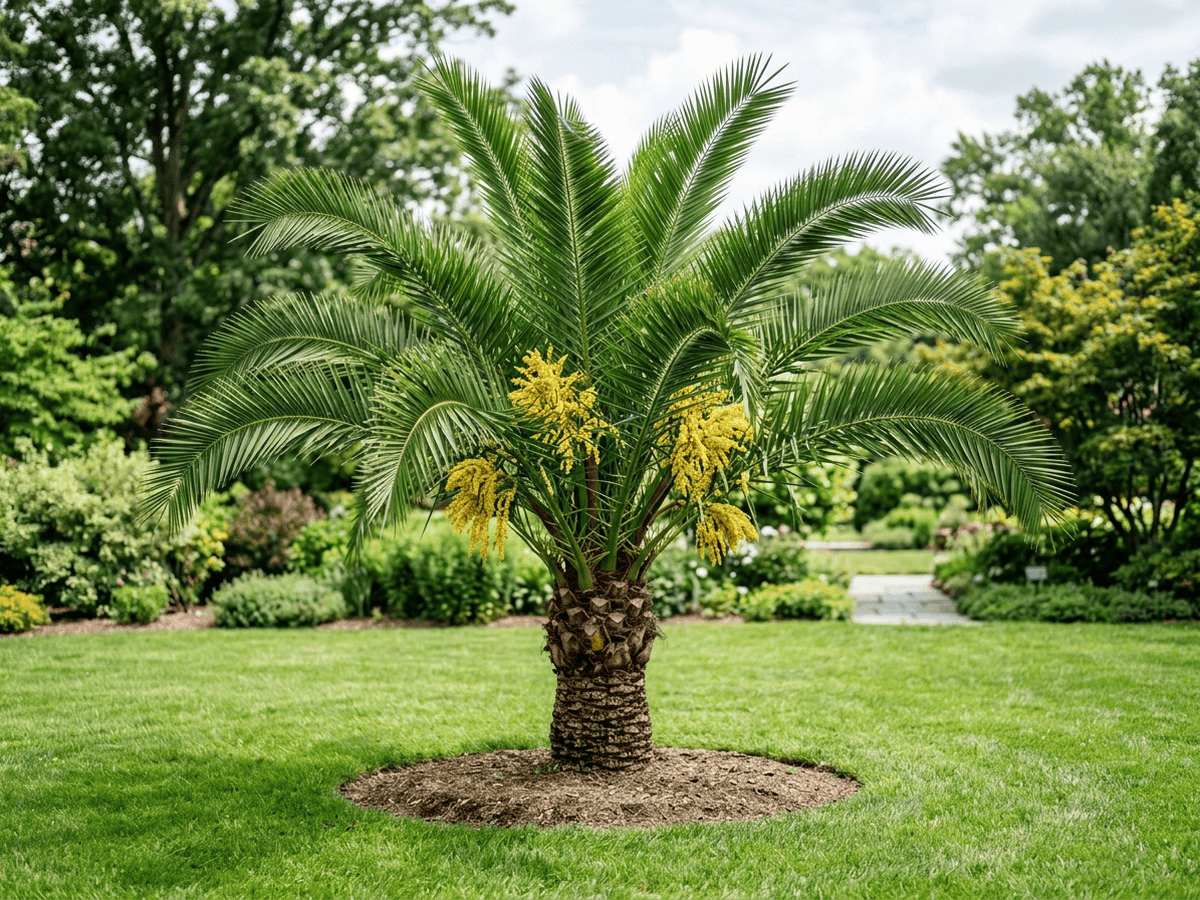
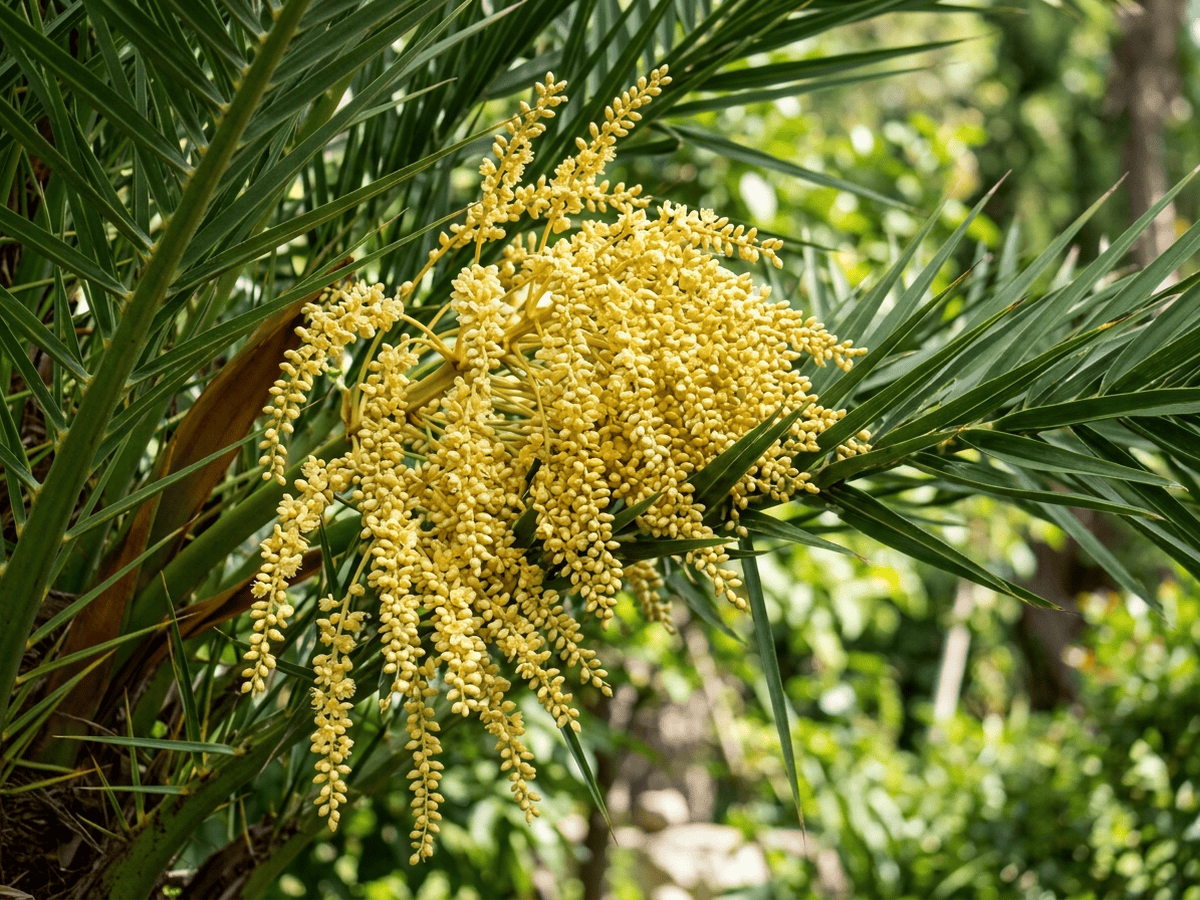
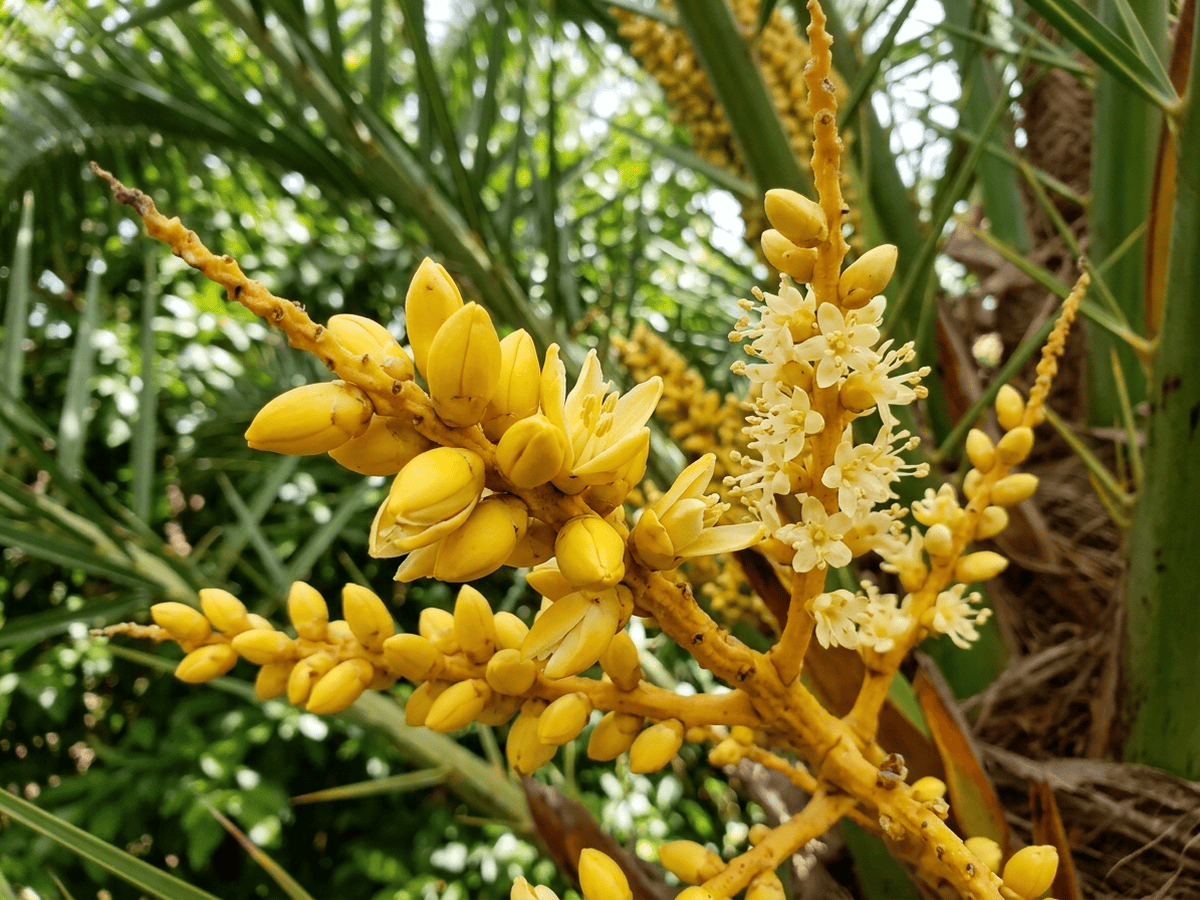
The Canary Island Date Palm is a stately, single-trunked palm native to the Canary Islands, prized worldwide as a specimen tree for parks, boulevards, and grand entrances. Its massive gray trunk, ringed with diamond-shaped leaf-base scars, can reach over 60 feet and supports a dense crown of stiff, arching pinnate fronds. Mature specimens produce hanging clusters of small yellow flowers followed by orange-brown dates, technically edible though far less sweet than true dates. Slow to establish but long-lived and drought-tolerant once rooted, it has become one of the most widely planted ornamental palms in Mediterranean climates from California to the French Riviera.
- Evergreen
- Cold-hardy
- Drought-tolerant
- Slow-growing
- Showy-fruit
How to care for Canary Island Date Palm
Watering
- Springevery 14 days
- Summerevery 7 days
- Fallevery 30 days
- Winterpause watering
Soil · Well-draining
- Main mixLoam + bark + perlite 2:1:175%
- DrainageLECA25%
Bark keeps the mix from compacting under a heavy root ball.
FERTILIZER
Balanced Feed 14-14-14
An even feed covers all three needs at once, keeping leaves, roots and blooms moving together with nothing pushed out of balance.
- Nitrogen · Leaves
- Phosphorus · Roots + Blooms
- Potassium · Strength
- Springevery 30 days
- Summerevery 30 days
- Fallevery 30 days
At a Glance
- NativeNorth Africa, Mediterranean
- Height40–66 ft (12.2–20.1 m)
- Spread20–40 ft (6.1–12.2 m)
- Flower colorYellow
- Foliage colorGreen
- Fruit colorBrown
- SoilWell-drained, Sandy, Loamy
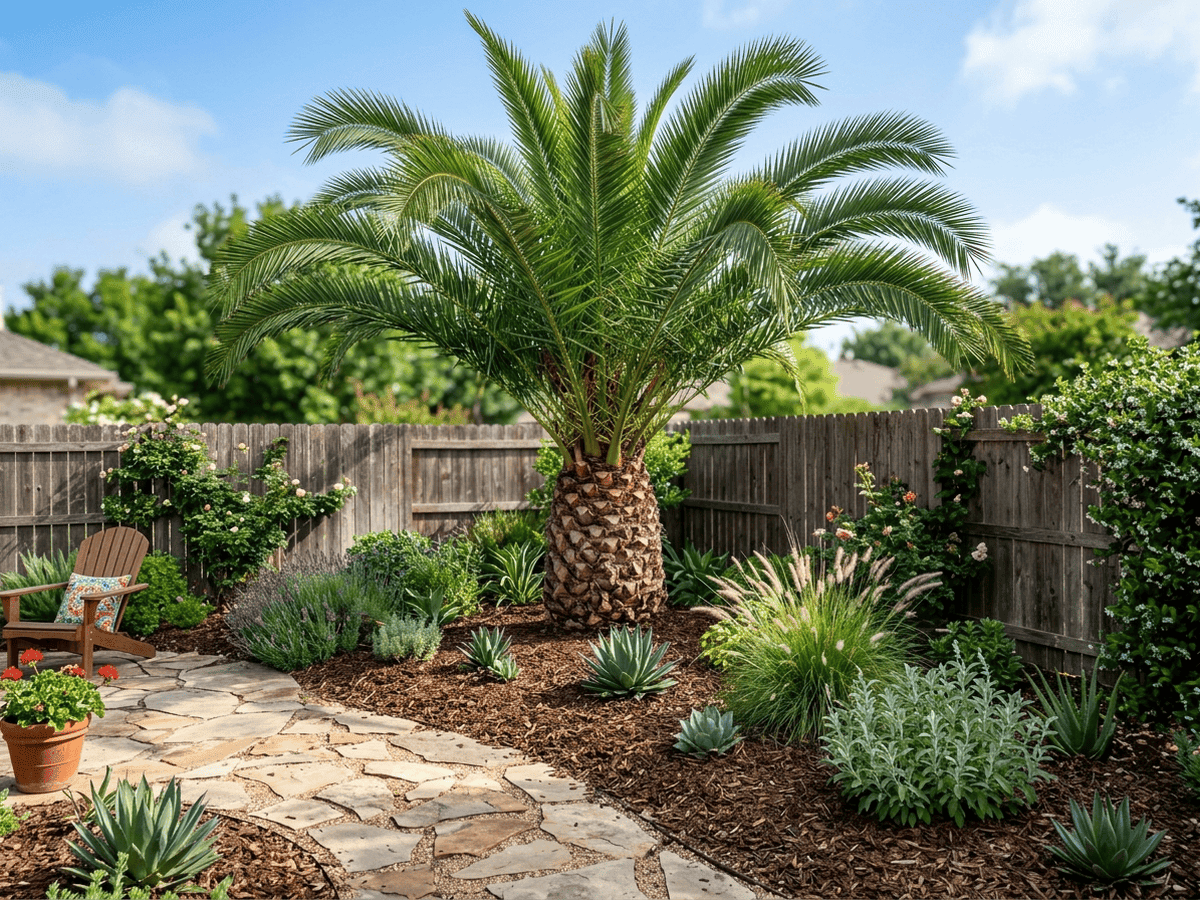
- LocationsYard · Patio
Bloom time
BLOOM CYCLE
Peak bloom
Jan–Dec
This plant can bloom year-round, making it ideal for tropical and subtropical regions.
Fragrance
LIGHT FRAGRANCE
Small cream-yellow flower clusters give off a faint, sweet scent, most noticeable up close during bloom.
Toxicity
Pets Safe
None reported
Not reported
EXPOSURE No exposure route is reported.
EFFECT No toxic effect is reported.
NOTE No toxicity is reported for humans in this catalog; this is not evidence that the plant is edible or harmless.
Safe
EXPOSURE No exposure route is reported.
EFFECT No toxic effect is reported.
NOTE Authoritative sources report this plant as non-toxic to dogs; this is not evidence that the plant is edible.
Safe
EXPOSURE No exposure route is reported.
EFFECT No toxic effect is reported.
NOTE Authoritative sources report this plant as non-toxic to cats; this is not evidence that the plant is edible.
Educational information, not medical or veterinary advice. If exposure is suspected, contact a doctor or veterinarian.
DISTRIBUTION

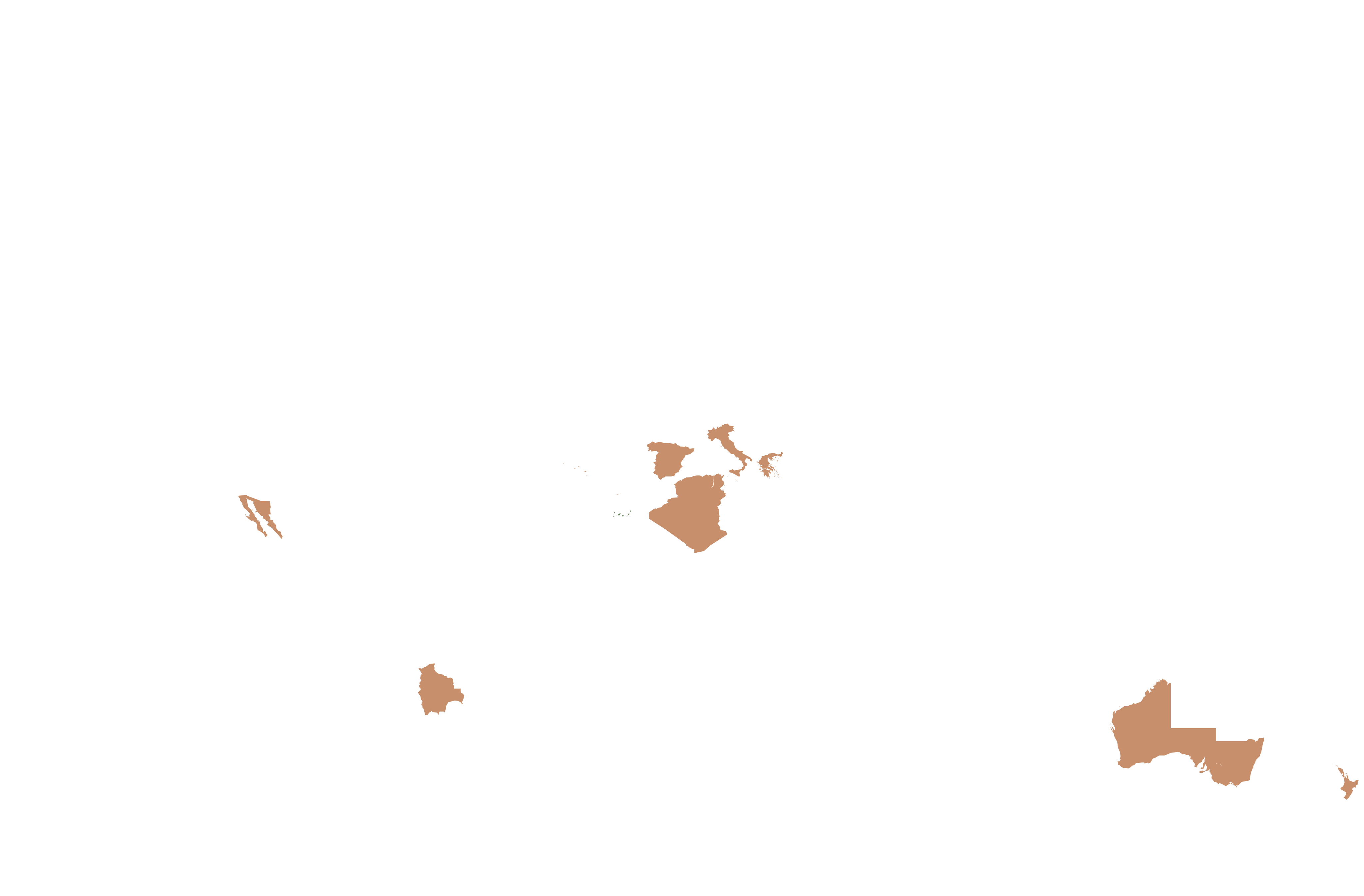
- Native
- Introduced
- North Africa
- Mediterranean
History
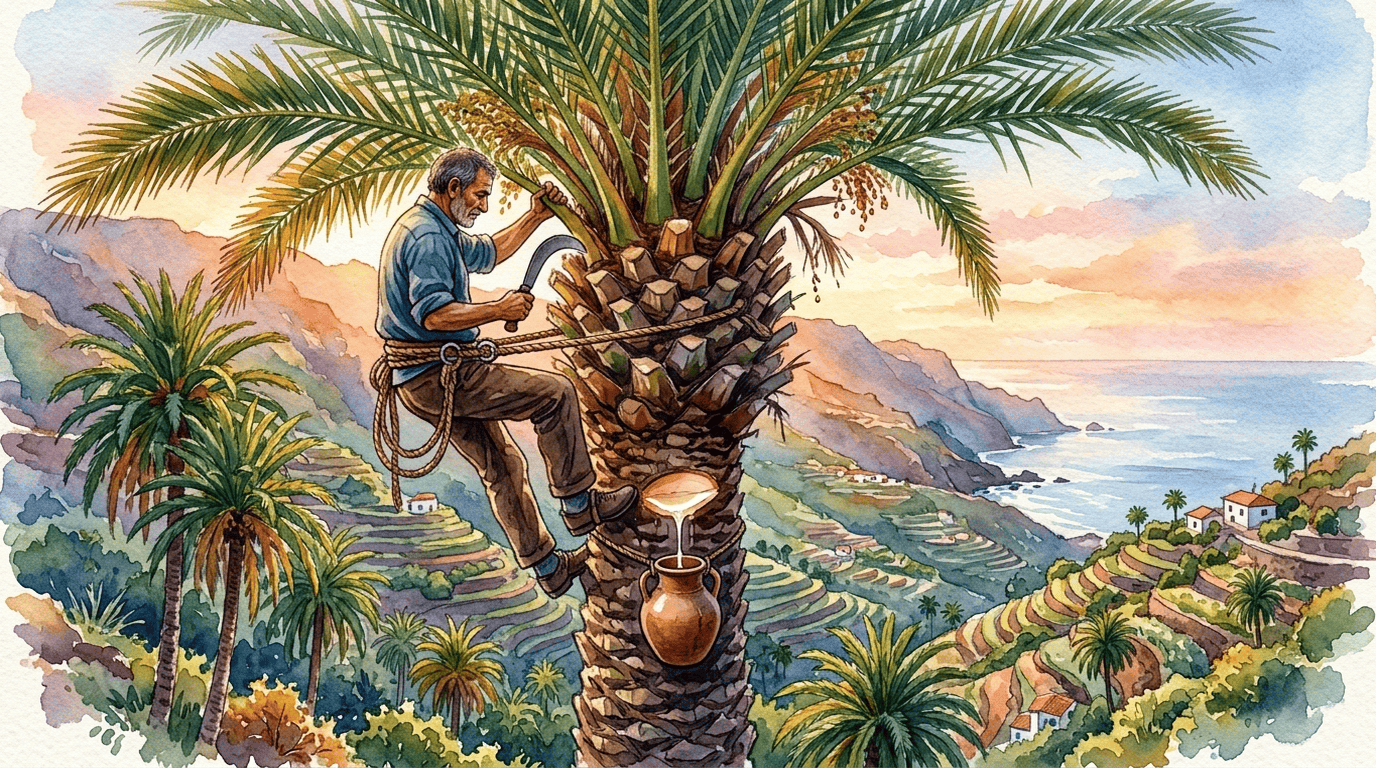
Long before the Canary Island Date Palm became a fixture of subtropical boulevards worldwide, it sustained the people of the Canary Islands themselves. On the steep, terraced slopes of La Gomera, palm tappers known as guaraperos have practiced a craft passed down for generations: climbing 60-foot trunks with a rope harness and a curved knife to shave a fresh wound into the crown each day, catching the slow trickle of sap in clay or tin vessels lashed beneath the cut. Boiled down for hours over open fires, the sap becomes miel de palma, palm honey, a thick amber syrup that has flavored Gomeran desserts, breakfasts, and festivals for centuries. A single well-tended palm can be tapped for years without dying, and the practice is now protected as part of the island's UNESCO-recognized cultural landscape, with a handful of guaraperos still climbing at dawn to keep the tradition alive.
Outside its native islands, the same palm's dramatic silhouette and tolerance of poor, dry soil made it one of the 19th century's favorite exports: European growers shipped young palms to Nice, Barcelona, and eventually California and Florida, where they still line grand avenues and hotel entrances. That popularity has brought new danger home. Since the 1990s the red palm weevil, an invasive beetle whose larvae bore silently through the crown, has killed thousands of these palms across the Mediterranean, turning what was once considered nearly indestructible into a species now watched closely by arborists and quarantine officers alike.
Symbolism & meaning
What It Symbolizes
For the people of the Canary Islands, this palm has never been just ornamental. Its sap, patiently gathered and reduced to syrup, was a staple sweetener long before sugar cane arrived, and a single tree tended well could feed a family's table for a generation, making the palm a quiet emblem of resilience and abundance passed down through the island's history.
- Resilience — A slow-growing palm that can live for centuries and endure drought, poor soil, and coastal wind, the Canary Island Date Palm has long symbolized endurance and steady strength.
- Abundance — Its heavy clusters of dates and the rich syrup tapped from its crown have made it a traditional symbol of nourishment and plenty on the Canary Islands.
Where the Name Comes From
Phoenix, from the Greek word for palm tree, and canariensis, "of the Canary Islands," the archipelago off northwest Africa where the species is endemic.
Uses & Fun Facts
- Statement specimen tree for parks, boulevards, and grand entrances
- Sap tapped and boiled into miel de palma, a traditional Canarian syrup
- Flowers and dates provide food for birds and pollinating insects
Related plants
Plants with similar care
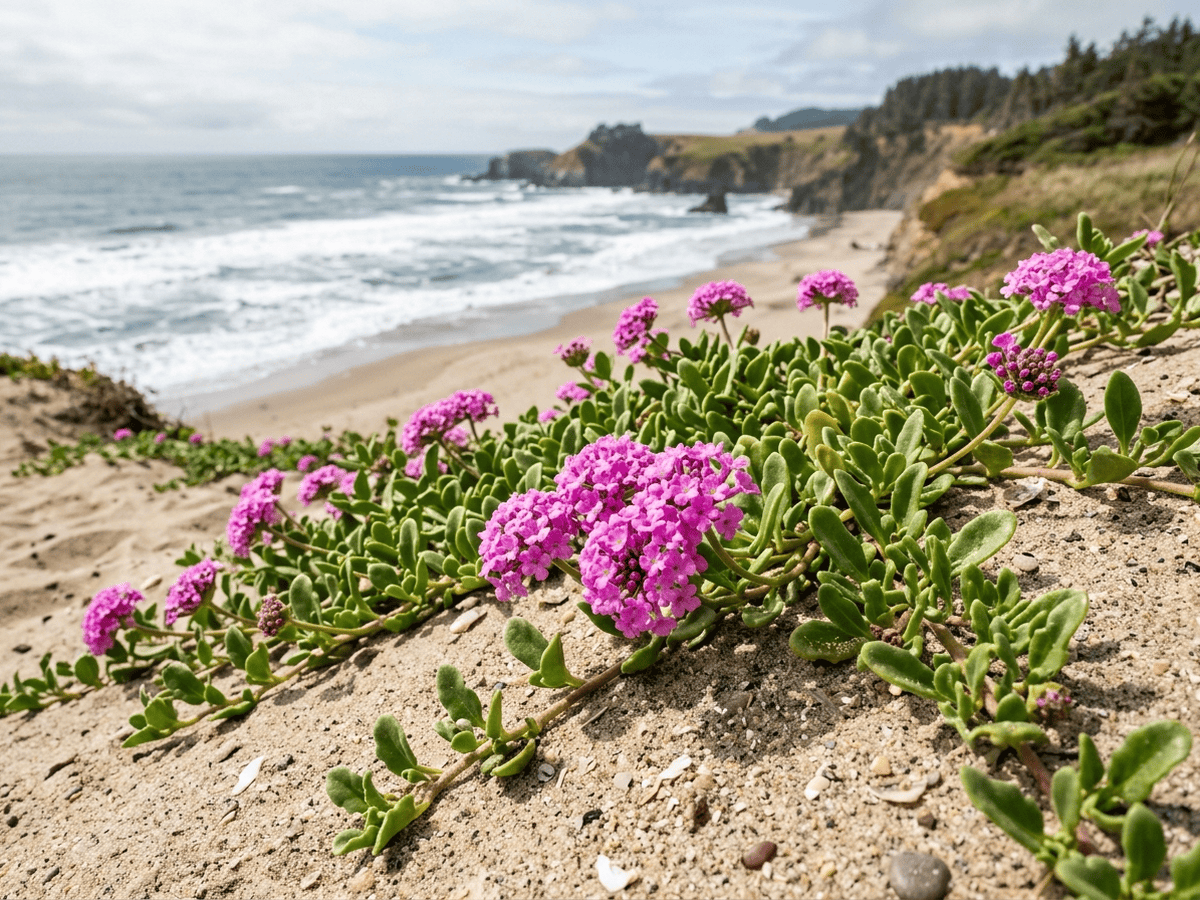 Pink Sand VerbenaAbronia umbellata
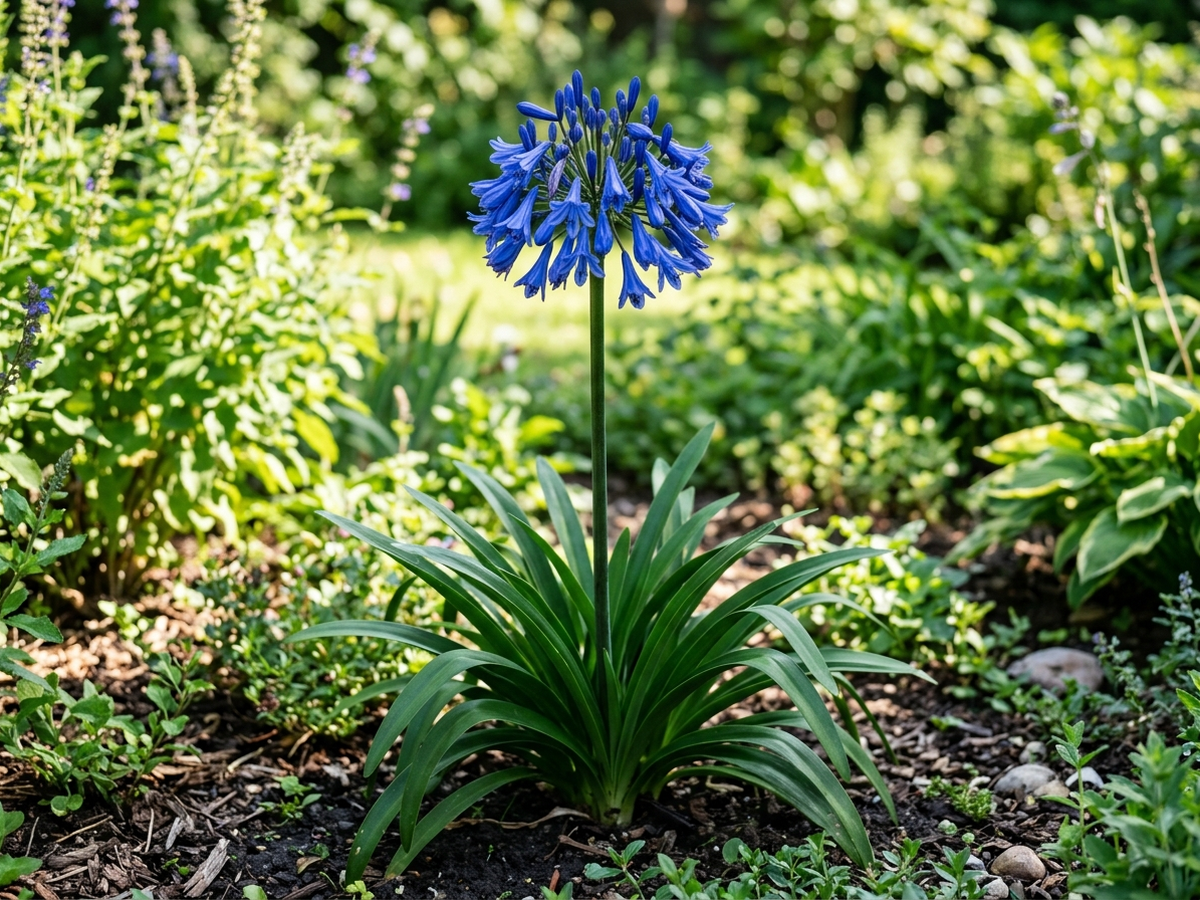 Drooping AgapanthusAgapanthus inapertus
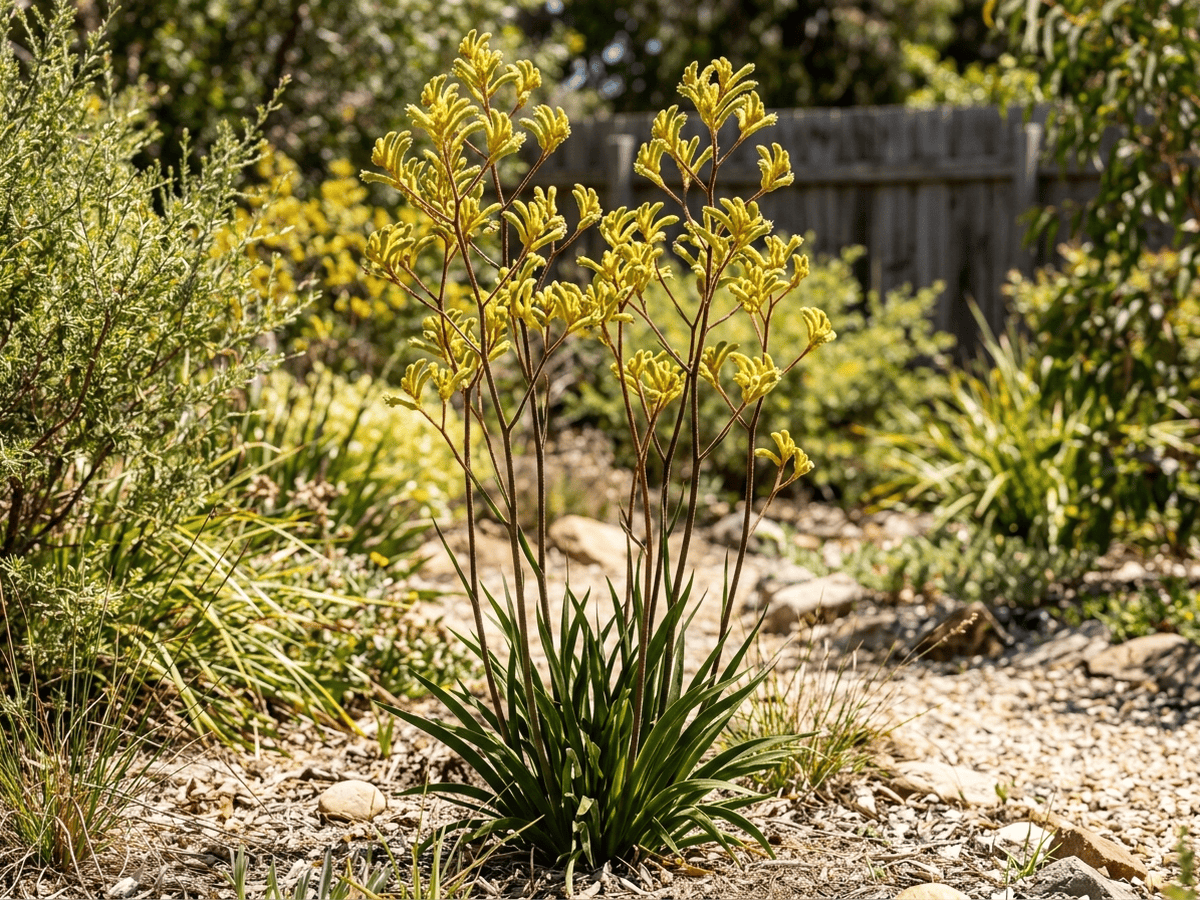 Tall Kangaroo PawAnigozanthos flavidus
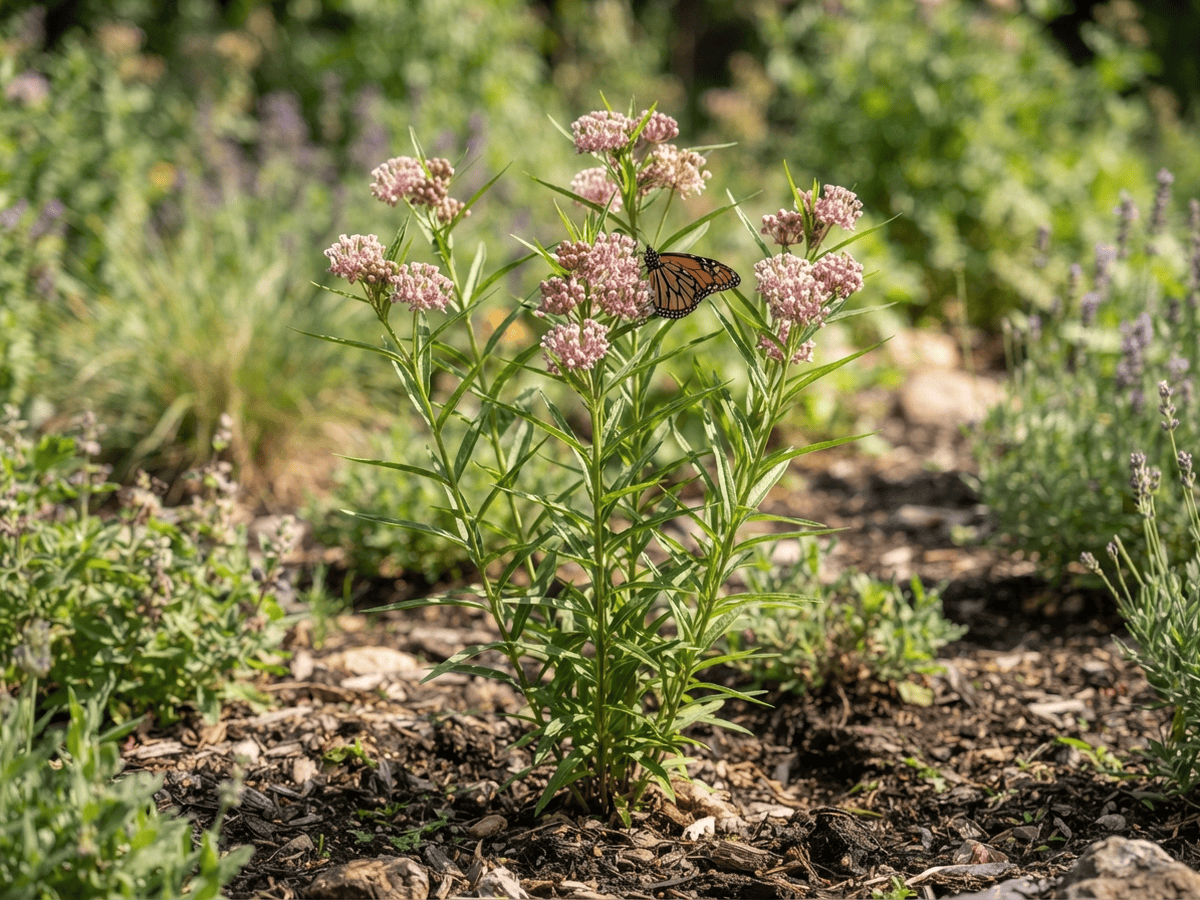 Narrowleaf MilkweedAsclepias fascicularis
Frequently asked questions
How often should I water Canary Island Date Palm?
Water about every 14 days during the growing season, and always let excess water drain away.
How much light does Canary Island Date Palm need?
Full sun: 6+ hrs direct. Watch the leaves — scorching or stretching means the light needs adjusting.
Is Canary Island Date Palm toxic to cats or dogs?
Pets Safe (Dogs Safe · Cats Safe) Educational information, not medical or veterinary advice. If exposure is suspected, contact a doctor or veterinarian.
Is Canary Island Date Palm easy to grow?
It is considered challenging and rewards experienced growers.
When does Canary Island Date Palm bloom?
It typically blooms Jan–Dec in the Northern Hemisphere.
YardMate
Identify any plant in seconds
Snap a photo — YardMate names the plant, diagnoses problems, and reminds you when to water.
Download on the App Store